

Alot Health Team
The Process of Labor and Delivery

Labor can take over a day, and delivery can be hours of intense, excruciating pushing -- not the five minutes you’re expecting from sitcoms or other staged birthing videos. Here’s a look at the general labor process.
Choosing a C-Section After Age 35

There are reasons why considering a C-section if you are a first time mother over the age of 35 can be beneficial. Even if you are in prime physical condition, the chances of having a complication free delivery can increase by opting for a cesarean.
Miscarriage Risk After Age 35

If you’ve been waiting your whole life or simply found yourself ready to have children later than normal, an important thing to do is get educated about the risks. Here’s a look at the risks of miscarriage in older women.
Pregnant Over 35: Can I Reduce the Risk of Down Syndrome?

Down syndrome is a disease that’s caused by the presence of all or part of an extra 21st chromosome. Here's all you need to know about the risks and how you can best prepare yourself for a healthy baby.
Top 10 Myths About Adopting

If more families realized they might qualify to be adoptive parents then perhaps fewer children would still be in the foster care system.
Helping Your Baby Sit

When your child is between four and six months old, you should be able to help your child into a sitting position. This process can be somewhat confusing. You may even be worried when your child is unable to sit on her own by the time she is six months old.
Your Baby’s First Words

Most parents look forward to hearing their infant say his or her first words. Language is a complex developmental process that begins at 3 months and continues to develop throughout childhood.
9-12 Month Milestones
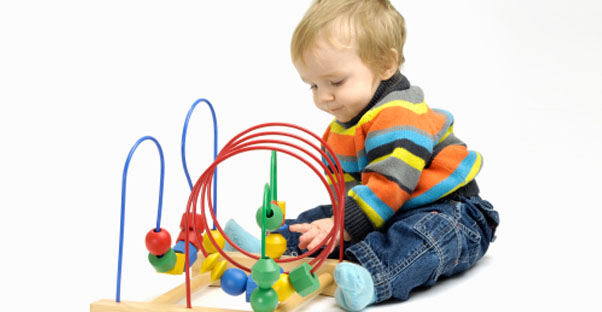
Over the course of the first year of life, a baby experiences dramatic physical and mental growth. The period between 9- to 12-months marks some of the most significant changes as the baby grows from newborn to toddler, with important milestones marking the way.
Dealing With Baby Anxiety

There are few words to adequately describe just how much a newborn baby could cry. Whether it's dreaded colic, sensitivity to light and noise, or overall discontent, a baby can cry longer than you can keep your patience.
6-9 Month Milestones

Babies develop at their own pace; but there are general guidelines when most babies attempt certain tasks or develop enough to exhibit social behaviors. We will discuss the social interaction, verbal abilities, coordination, mobility, sleep habits, and object view.