
Who Is Bad Bunny?
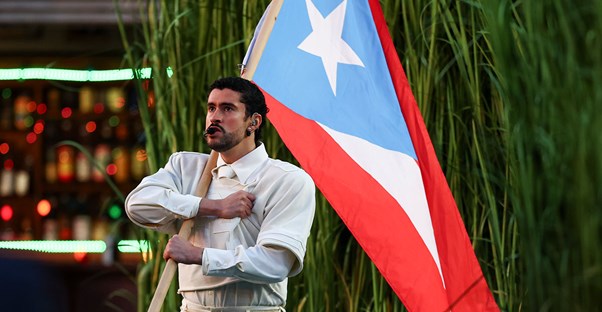
If pop culture had a mascot for cultural fusion with an attitude, it might just be Bad Bunny, the Puerto Rican phenomenon who turned a childhood nickname (yes, it came from a grumpy bunny costume) into one of the most influential brands in global music. Born Benito Antonio Martínez Ocasio on March 10, 1994, in Vega Baja, Puerto Rico, he didn’t simply rise through the music industry, he disrupted it. Armed with Spanish lyrics, unapologetic individuality, and genre-blurring sound, Bad Bunny redefined what it means to be a global superstar in the streaming age.
At a time when crossing over often meant switching to English, Bad Bunny doubled down on Spanish and still dominated worldwide charts. He became the first artist to win a Grammy for Album of the Year with an all-Spanish album, proving that language is no barrier when authenticity leads the way. His music blends reggaeton, Latin trap, rock, and pop, moving seamlessly between party anthems and introspective reflections on fame, heartbreak, and identity.
Beyond music, Bad Bunny is a cultural force. He challenges traditional masculinity through fashion, openly supports social causes, and uses his platform to speak about Puerto Rico’s political and economic realities. Whether headlining global tours, breaking streaming records, or making history on the world’s biggest stages, Bad Bunny isn’t just an artist, he’s a moment. And the world is still listening.
Bad Bunny’s Early Life

Bad Bunny was born Benito Antonio Martínez Ocasio on March 10, 1994, in Vega Baja, a coastal town in Puerto Rico. Long before world tours and streaming records, his life was refreshingly ordinary. He grew up in a working-class family: his mother was a schoolteacher, his father a truck driver, and music was always playing at home, from salsa and merengue to reggaeton legends blasting on the radio.
Benito sang in the church choir as a child, an origin story that feels almost poetic considering his future vocal dominance. As a teenager, he began recording songs independently and uploading them to SoundCloud, often while working as a grocery store bagger. That mix of humility, hustle, and raw creativity would later become central to his identity, and his appeal.
The Name Bad Bunny
Bad Bunny’s stage name didn’t come from a comic book villain or a luxury fashion brand, it came from a childhood photo. Born Benito Antonio Martínez Ocasio, he once had to wear a bunny costume at school and looked very unamused in the picture.
That grumpy little rabbit stuck with him, and when he was starting to share music online, he chose “Bad Bunny” as his stage name because it was memorable, playful, and perfectly captured the contrast of cute and rebellious, much like his music and persona. Even he has joked that “there’s no bad bunnies, even a bad bunny looks good,” which fits his knack for blending vulnerability with swagger.
Music That Changed the Game

Bad Bunny didn’t just ride the reggaeton wave, he reshaped it. Bursting onto the scene in the late 2010s, he blended reggaeton and Latin trap with rock, pop, and introspective lyrics that felt radically honest. His albums challenged industry rules, proving Spanish-language music could dominate global charts without compromise.
Songs moved effortlessly from club anthems to emotional confessions, often tackling heartbreak, fame, and identity with disarming sincerity. By refusing to fit a single sound or persona, Bad Bunny expanded what Latin music could be, louder, softer, stranger, and more personal, and in doing so, changed the rules for artists who followed.
Hits and Albums
Bad Bunny’s catalog reads like a highlight reel of modern Latin music. He broke through with explosive hits like “Soy Peor” and “I Like It,” then cemented his dominance with albums that refused to play it safe. X 100PRE introduced his genre-blending style, while YHLQMDLG became a cultural moment packed with reggaeton bangers.
El Último Tour del Mundo made history as the first all-Spanish album to top the Billboard 200, and Un Verano Sin Ti turned into a global soundtrack of sun, heartbreak, and beach vibes. Across albums and collaborations, Bad Bunny consistently balances chart-smashing hits with creative risk, a rare combo that keeps fans (and the industry) on their toes.
Global Collaborations
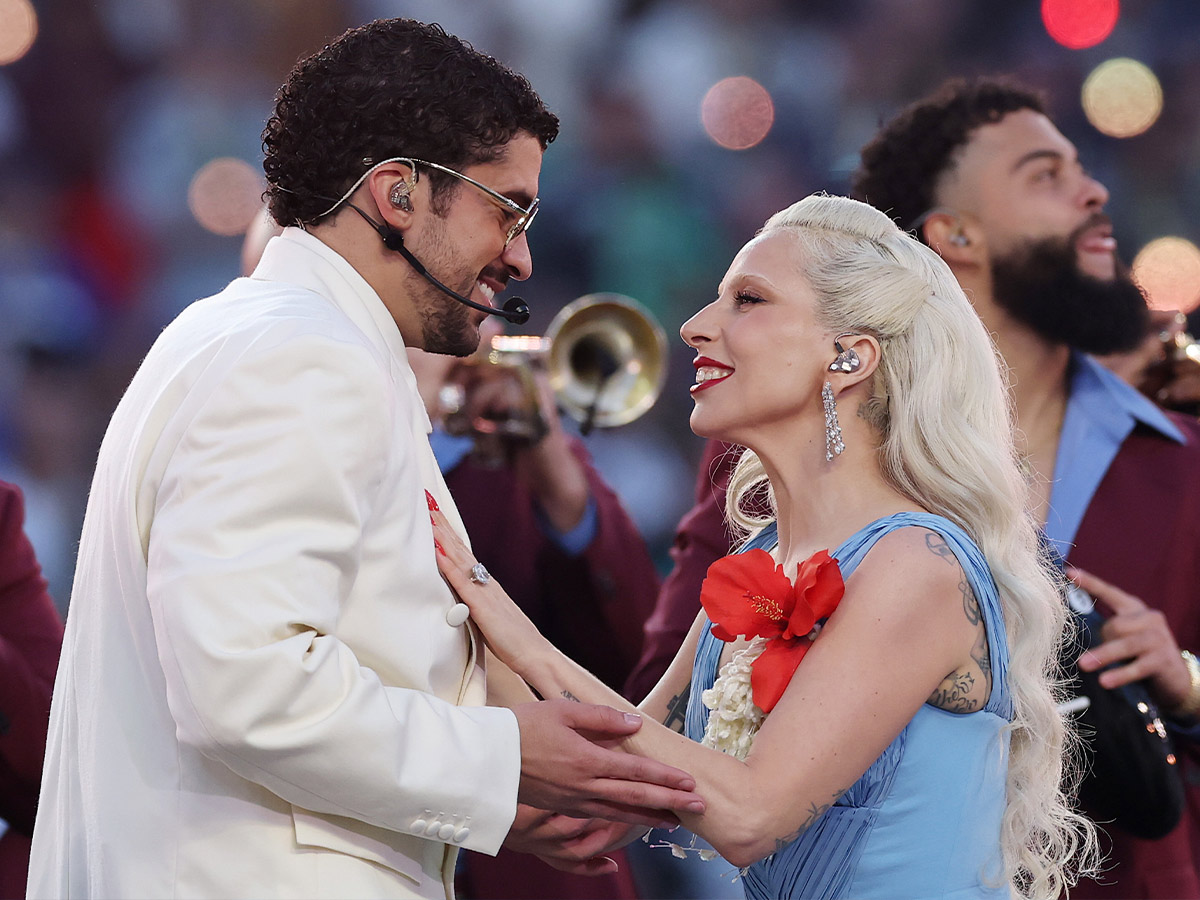
Bad Bunny’s global reach is amplified by collaborations that cross languages, genres, and borders. Early on, he teamed up with Latin stars like J Balvin and Rosalía, blending reggaeton with pop and flamenco influences. Soon, the world caught on. He collaborated with international artists such as Drake, bringing Spanish-language verses to mainstream global charts, and worked with pop, hip-hop, and electronic acts without losing his identity.
What makes these partnerships stand out is balance: Bad Bunny never dilutes his sound to fit in. Instead, collaborators meet him on his terms, proving that Latin music doesn’t need translation to travel, it just needs a beat, a feeling, and Bad Bunny at the center.
Awards and Achievements

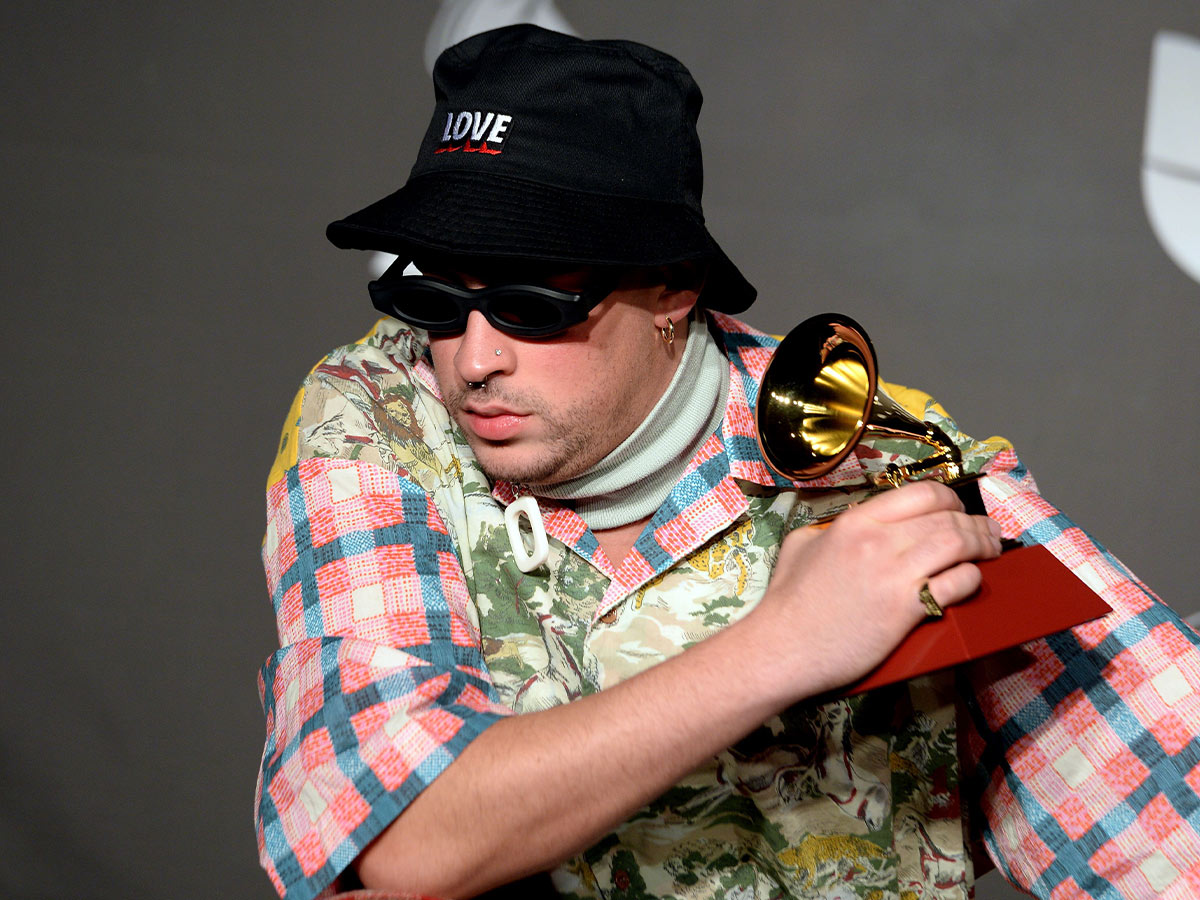
Bad Bunny’s trophy shelf is as eclectic as his music. He’s won multiple Latin Grammys, Billboard Music Awards, and even a Grammy for Best Latin Pop Album, making him one of the most decorated Latin artists of his generation. He’s also the first solo artist to top the Billboard 200 with an all-Spanish album, breaking streaming and chart records along the way.
Beyond numbers, his recognition extends to cultural impact: he’s celebrated for challenging gender norms in fashion, amplifying Puerto Rican voices, and redefining what it means to be a global superstar. With each award, he proves that authenticity, creativity, and risk-taking aren’t just values, they’re a formula for historic success.
Style and Persona

Bad Bunny isn’t just a musician, he’s a walking statement. His style mixes streetwear, high fashion, and unexpected gender-bending choices, from bright nails to oversized suits, challenging traditional notions of masculinity in Latin culture. On stage and in interviews, he balances swagger with humor, vulnerability, and a playful irreverence that keeps fans guessing.
Offstage, he’s socially conscious, speaking out on Puerto Rico’s political issues and supporting LGBTQ+ rights. This combination of bold fashion, fearless self-expression, and advocacy has made him more than an entertainer, he’s a cultural icon whose persona is as dynamic, unpredictable, and influential as the music he creates.
Cultural Impact
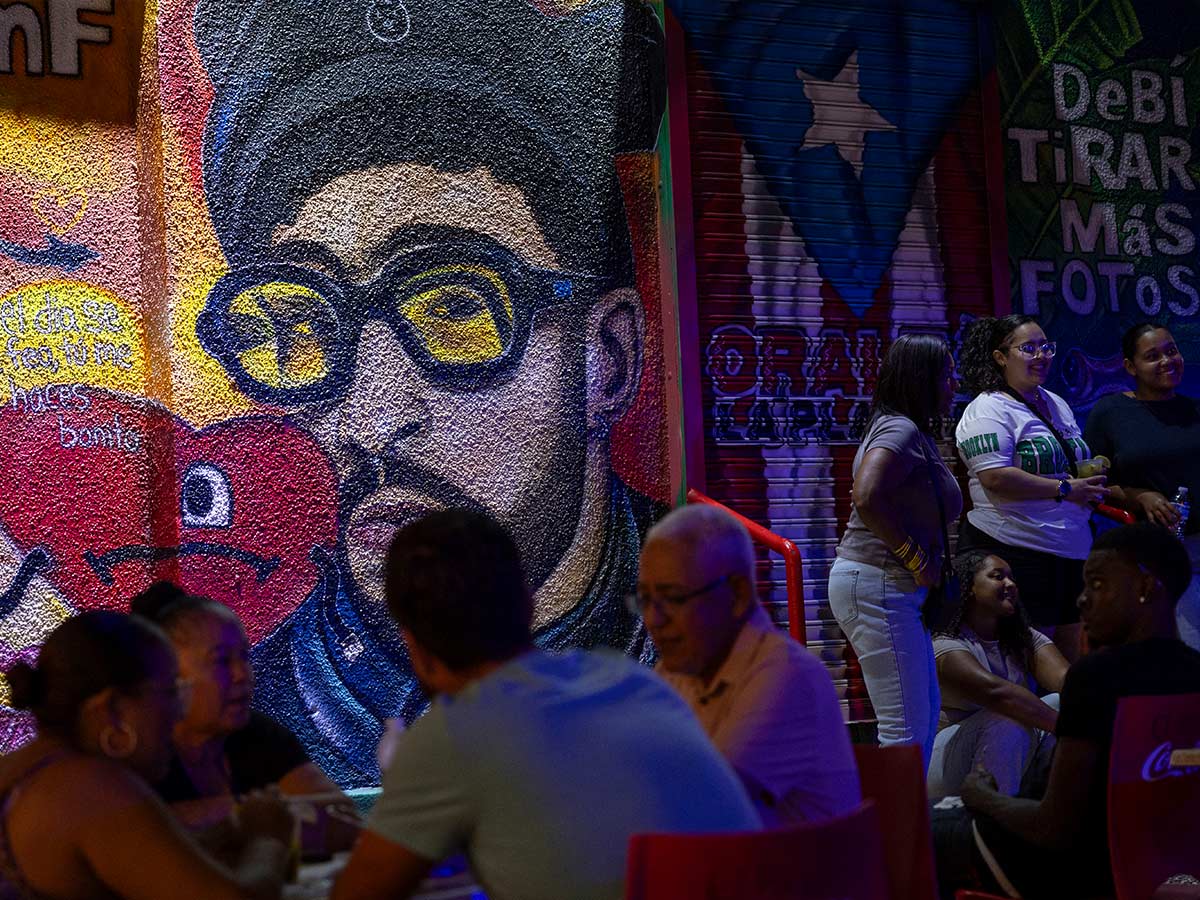
Bad Bunny has become more than a musician, he’s a cultural force. By singing primarily in Spanish, he proved that language isn’t a barrier to global stardom, inspiring a new generation of Latin artists. He challenges gender norms through fashion, advocates for social justice, and shines a spotlight on Puerto Rico’s struggles and resilience.
His influence reaches beyond music: from sold-out stadiums to viral memes, Bad Bunny shapes trends, conversations, and perceptions of Latin identity worldwide. He’s proof that a single artist can shift culture, breaking barriers while staying unapologetically authentic, all while making millions dance, think, and rethink what it means to be a global superstar.
Life Beyond Music
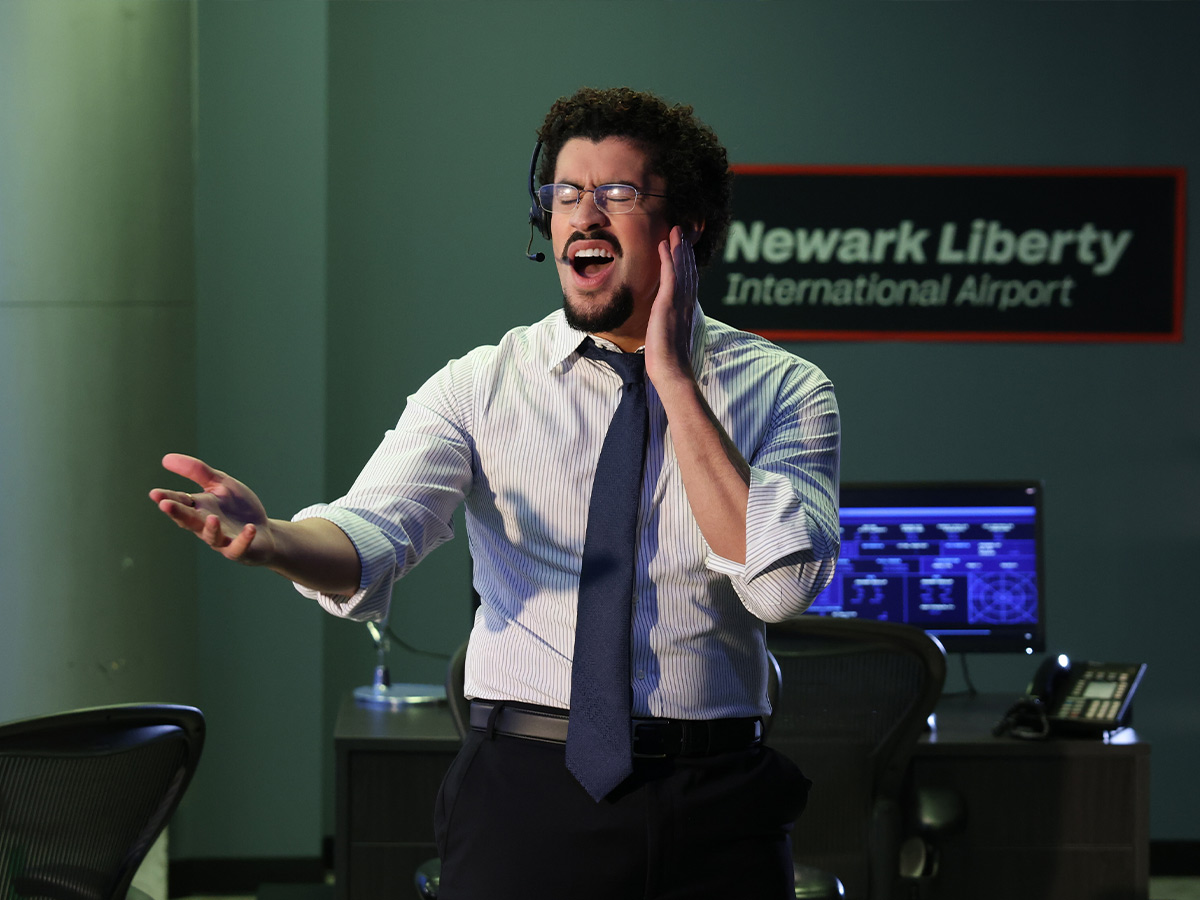
Bad Bunny isn’t just about beats and chart-topping hits, he’s a multifaceted force. He’s ventured into acting, appearing in shows like Narcos: Mexico, showing he can command the screen as well as the stage. He’s also a fashion icon, collaborating with major brands and turning red carpets into personal runways.
Offstage, he’s known for activism, using his platform to speak on Puerto Rico’s political issues, hurricane relief, and LGBTQ+ rights. Despite the fame, he keeps a grounded persona, often sharing glimpses of his personal life with humor and humility. Life beyond music for Bad Bunny proves that creativity, influence, and authenticity aren’t limited to sound, they extend to every corner of culture he touches.
Who is Bad Bunny

Bad Bunny, born Benito Antonio Martínez Ocasio on March 10, 1994, in Puerto Rico, is a Grammy-winning singer, rapper, songwriter, and cultural trailblazer who helped bring Spanish-language urban music to the global stage. He first gained attention in the mid-2010s with SoundCloud singles and quickly rose to fame with chart-topping albums like El Último Tour del Mundo and Un Verano Sin Ti, blending reggaeton, Latin trap, and other genres with unfiltered creativity.
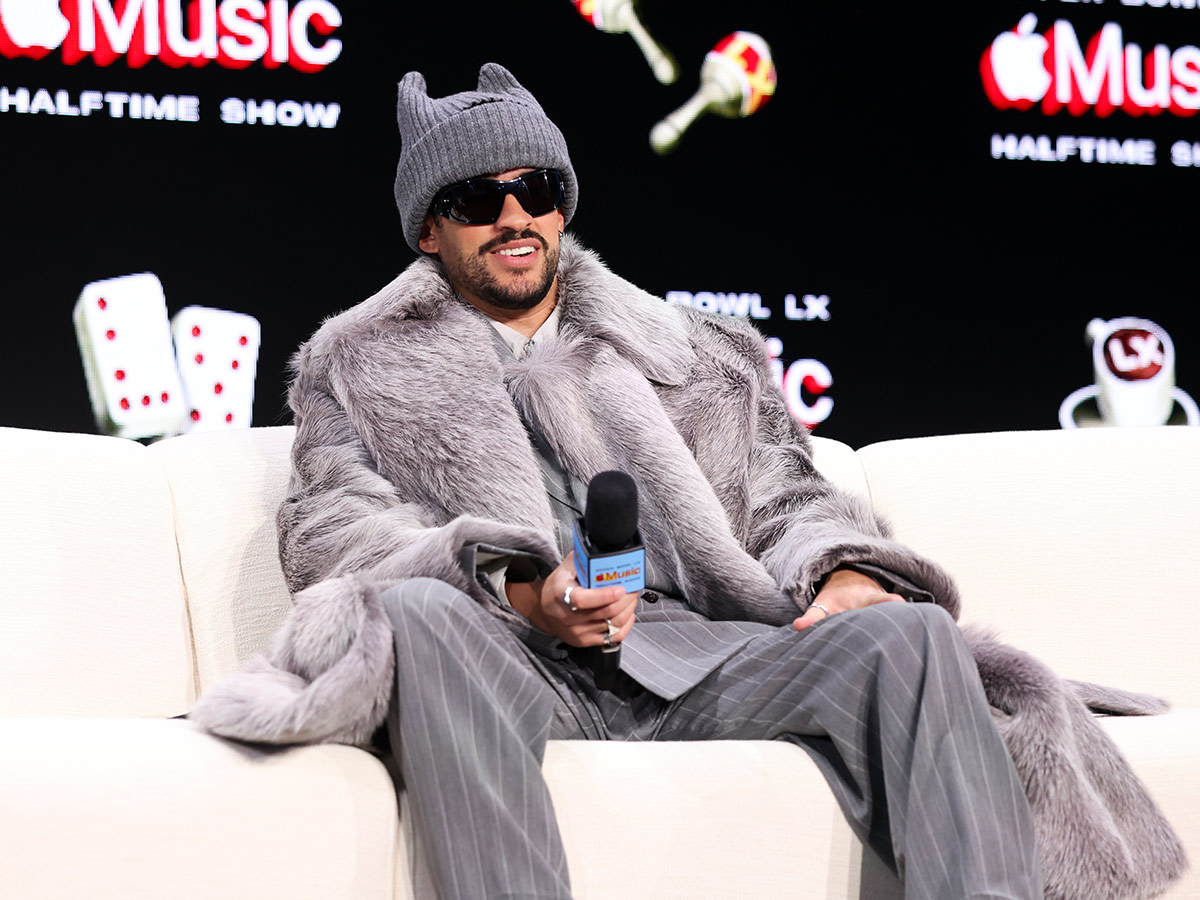
In 2026, his album Debí Tirar Más Fotos made history as the first Spanish-language record to win the Grammy for Album of the Year. He’s known not just for music but for pushing boundaries in fashion, acting, and cultural expression, headlining the Super Bowl LX halftime show and inspiring millions worldwide with his bold, unapologetic voice.