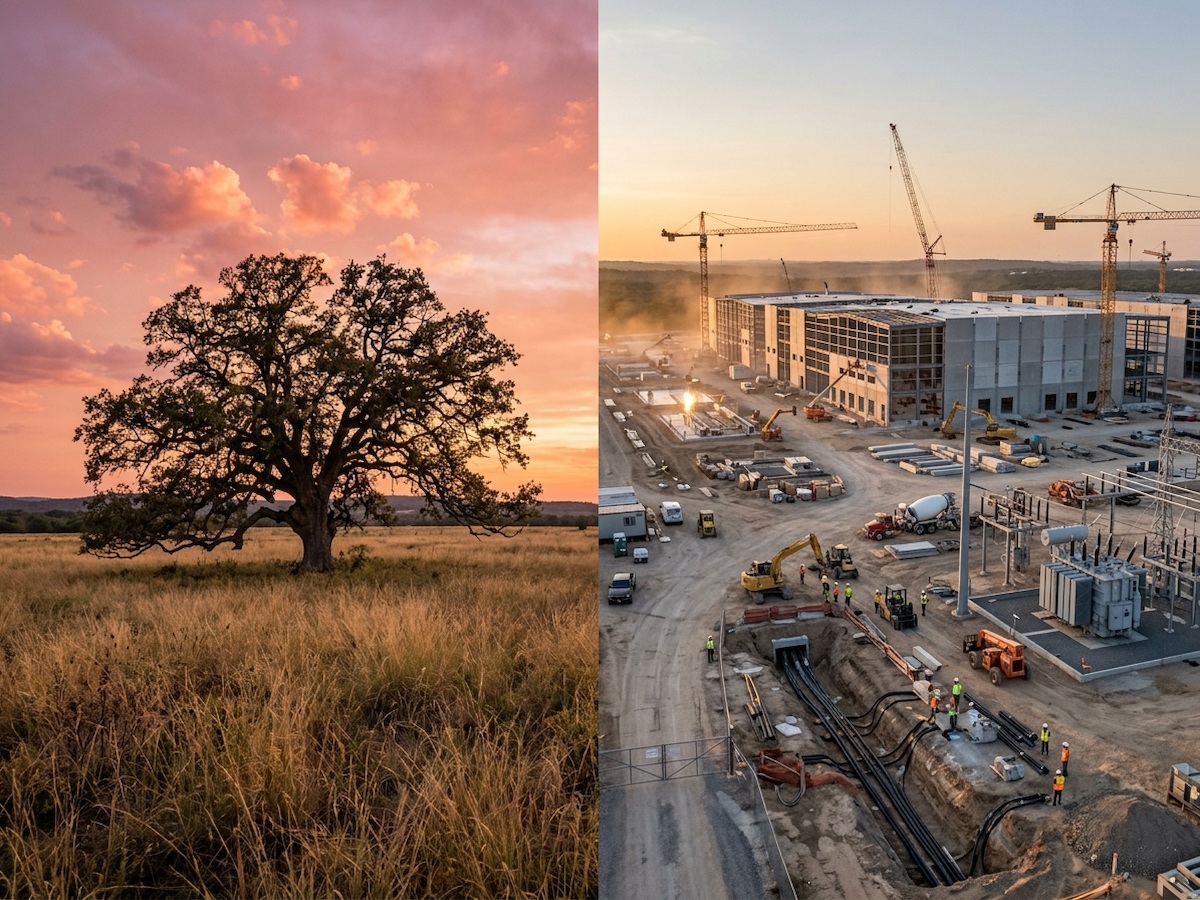

A Texas Family Gave Land for a Park. Now It’s a $10 Million Data Center Deal.
A family in Texas donated land to be the future site of a public park. Somehow, that deal got twisted and delayed until now…when the city resold the land to an AI company. Now, there’s a fight between the company and the residents who don’t want an AI data center located in their backyard.
A Promise Broken?
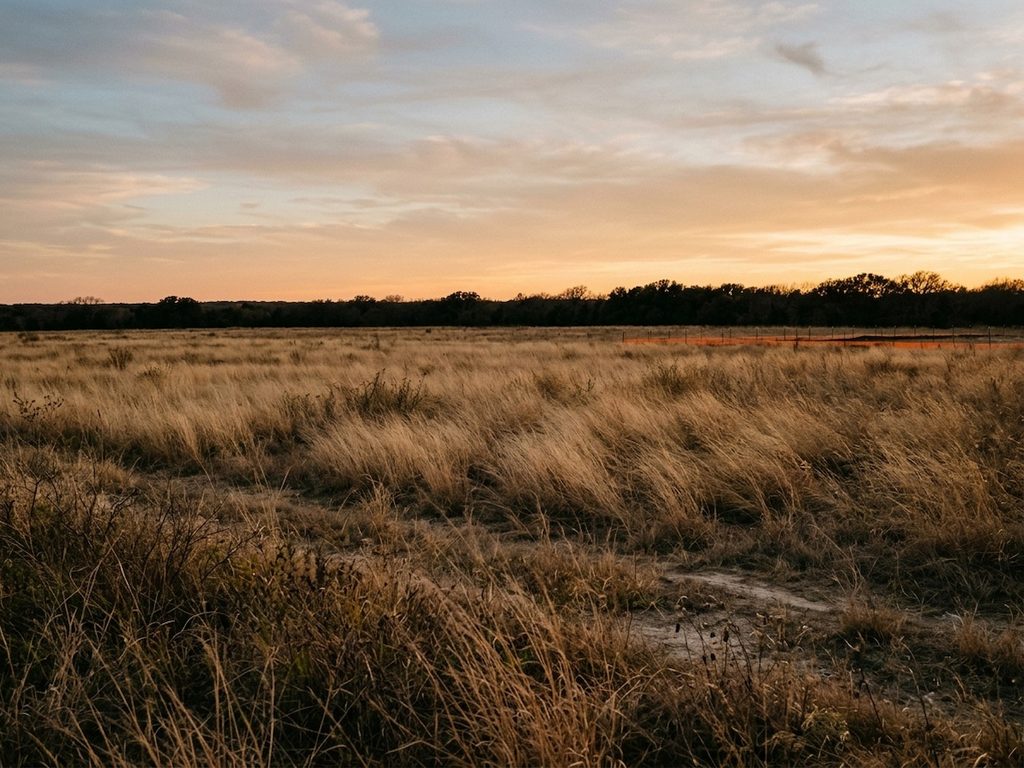
In Taylor, Texas, a quiet plot of land north of Austin has turned into a legal fight over trust, memory, and money. A family once gave the land away almost for free, hoping it would become a park. Decades later, that same land was sold for $10 million to build a massive data center. Now neighbors are asking: what happened to the promise?
The Claim That Went Viral
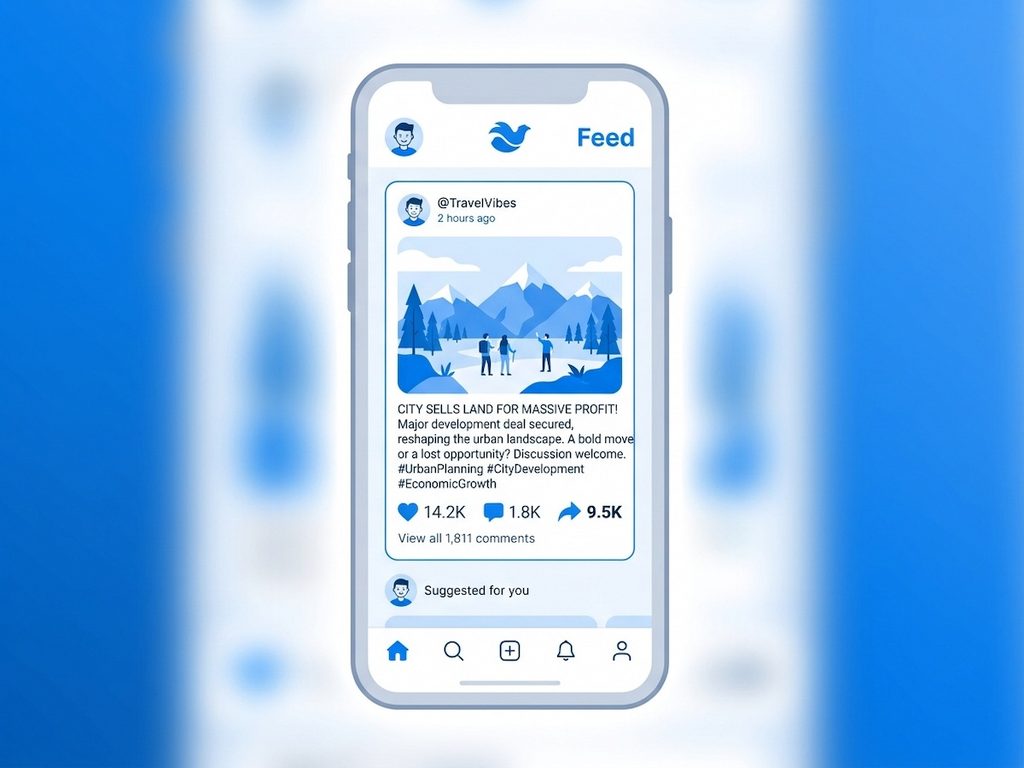
This summer, a post about the deal spread fast online. It said a Texas city paid a family farm just $10 for land meant to be a park, then turned around and sold it for $10 million to a data center company. The post reached millions of views. Fact-checkers looked into it, and while some details needed context, the core story turned out to be mostly true.
A Family’s Gift in 1999
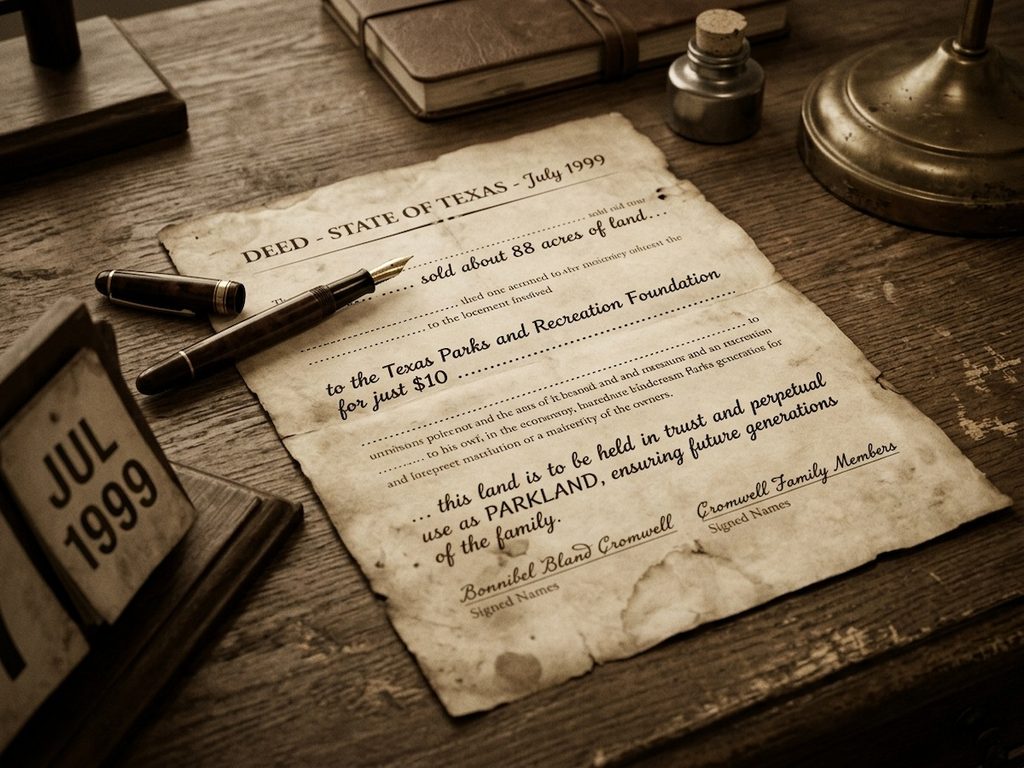
Back in July 1999, Bonnibel Bland Cromwell and three family members sold about 88 acres of land to the Texas Parks and Recreation Foundation for just $10. The deed included a specific promise: the land was to be held in trust for future use as parkland. The Cromwell family had deep roots in the area, tracing back to a farm their ancestors started in the 1870s.
What the Neighbors Were Told
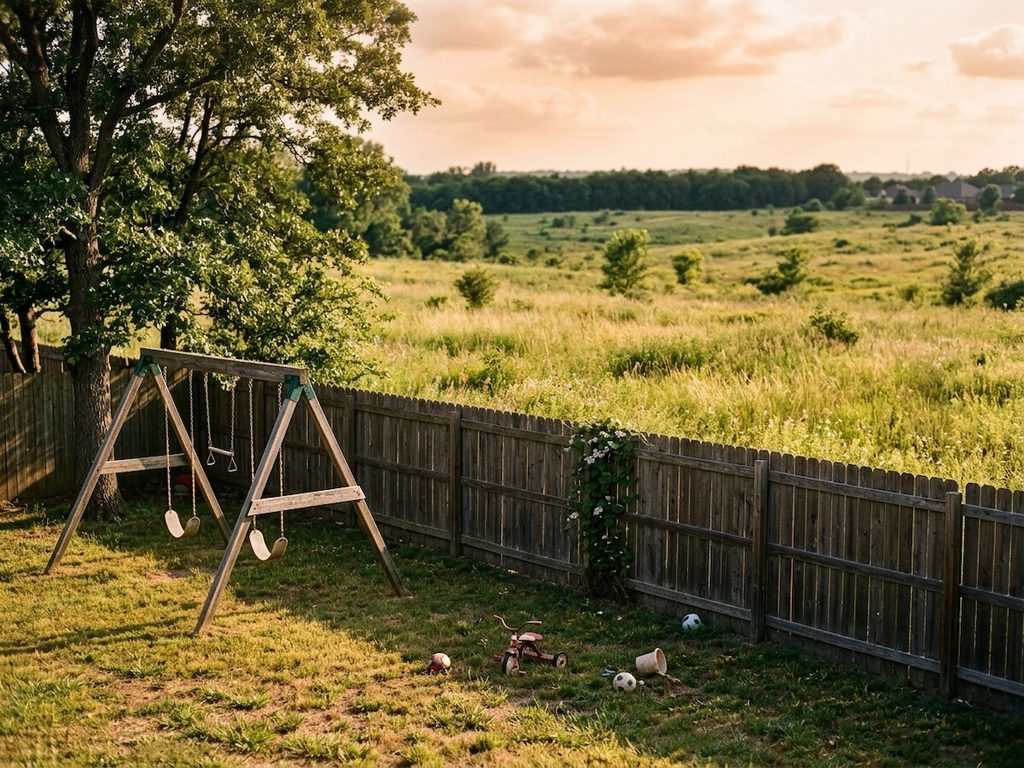
For people living nearby, the promise of a park wasn’t just paperwork. Longtime resident Pamela Griffin says the family told her years ago that the land would one day become a public park for kids in the neighborhood to play on. That expectation shaped how she and her neighbors thought about the empty fields behind their homes for decades.
The Land Changes Hands
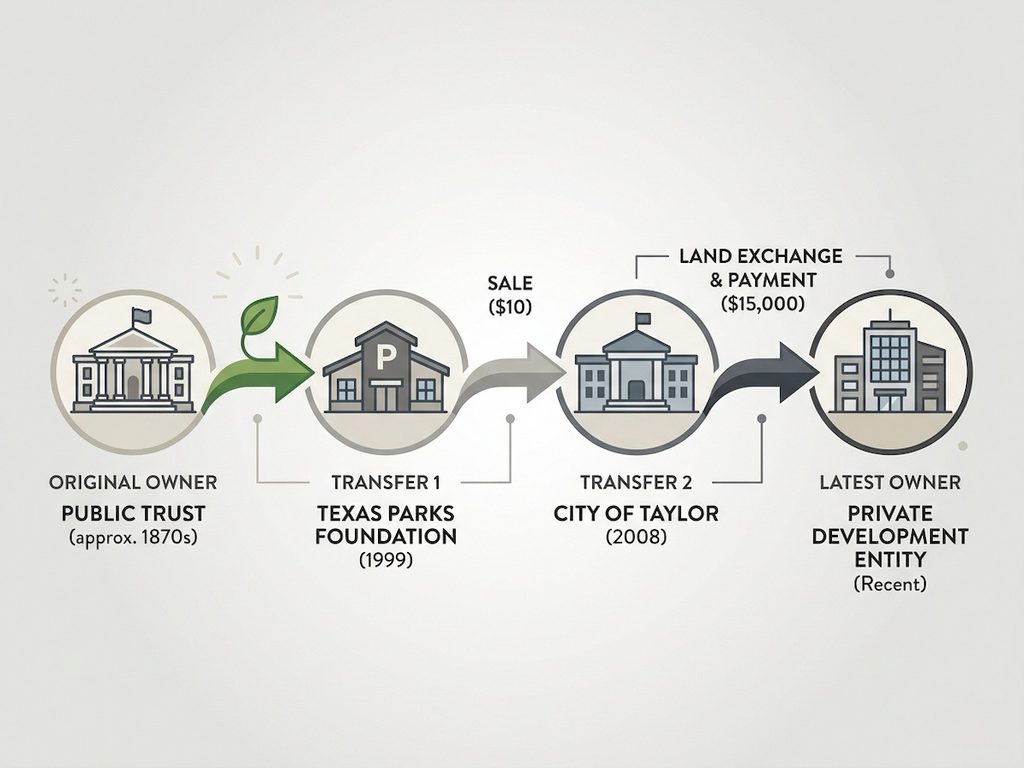
The property didn’t stay with the parks foundation. In 2008, the City of Taylor took over the land, giving up 39 acres and $15,000 in the exchange. From there, ownership moved again. Each transfer added another link in a long chain, and with each new deed, the land moved further from its original public purpose.
The Missing Words in Later Deeds
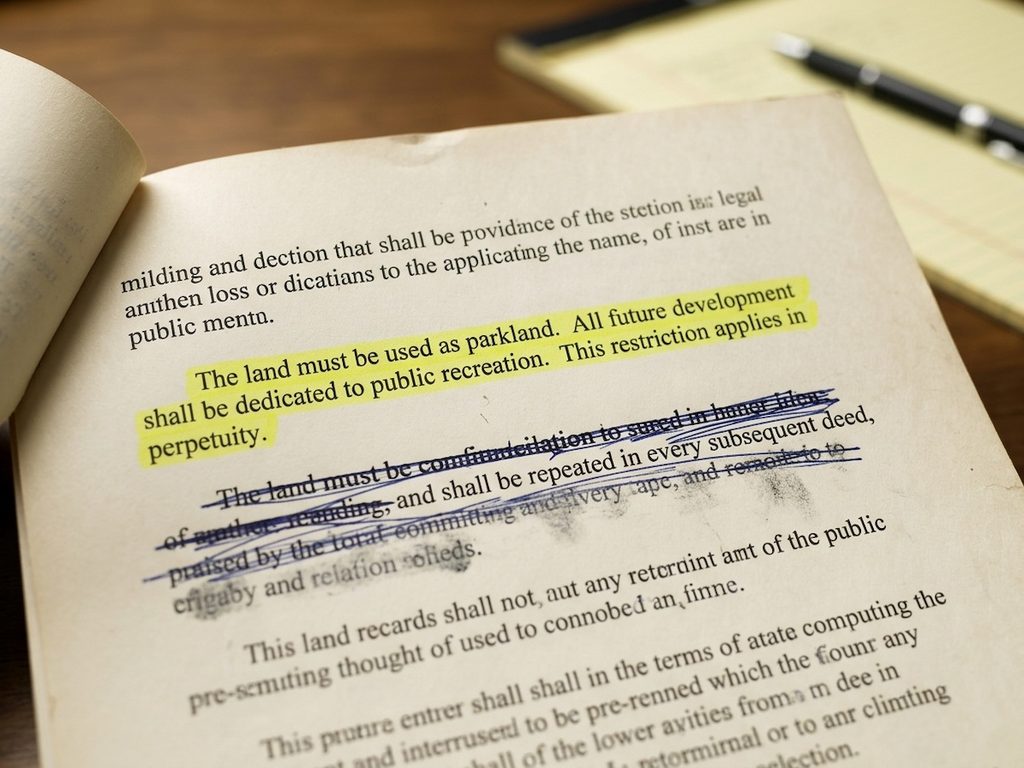
Here’s where things get complicated. The original 1999 deed clearly said the land had to be used as parkland. But as the property changed hands, later deeds left that requirement out entirely. Some legal experts say a restriction doesn’t have to be repeated in every new deed to still apply — but that question is now at the center of a court fight.
Blueprint Steps In
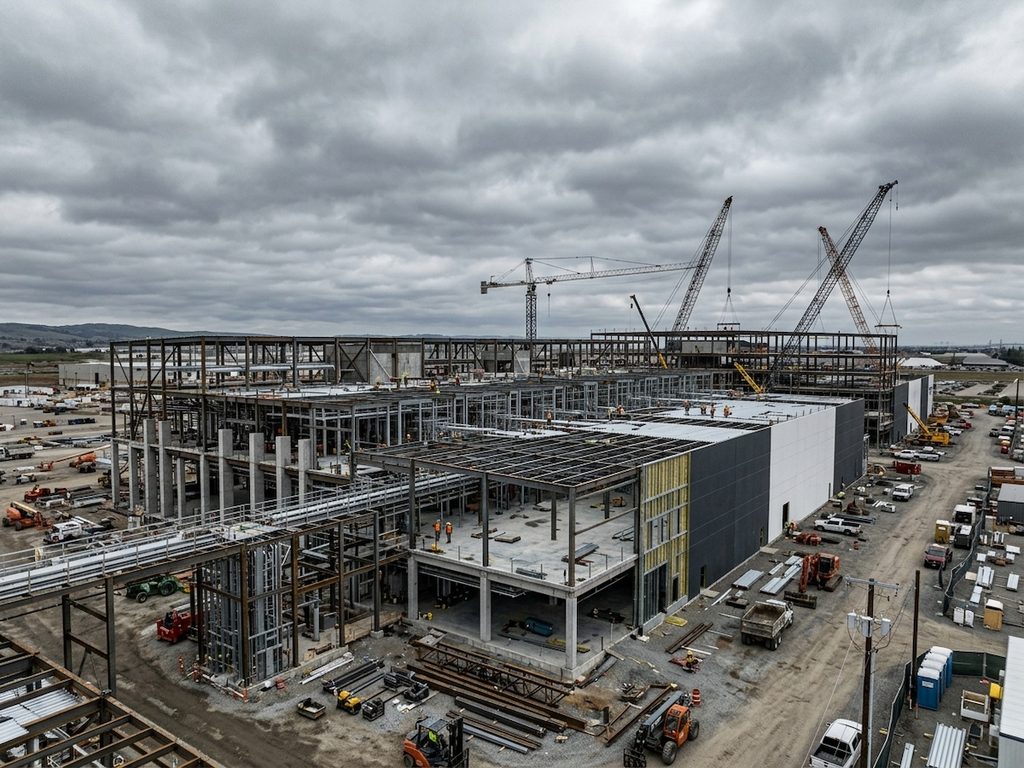
In 2024, the City of Taylor approved plans for a large data center on the site, covering about 135,000 square feet. The company behind the project, Blueprint Data Centers, bought the land in 2025 from the Taylor Economic Development Corporation for $10 million. What was once framed as a future park was now the future home of servers and cooling systems.
The City’s Side of the Story
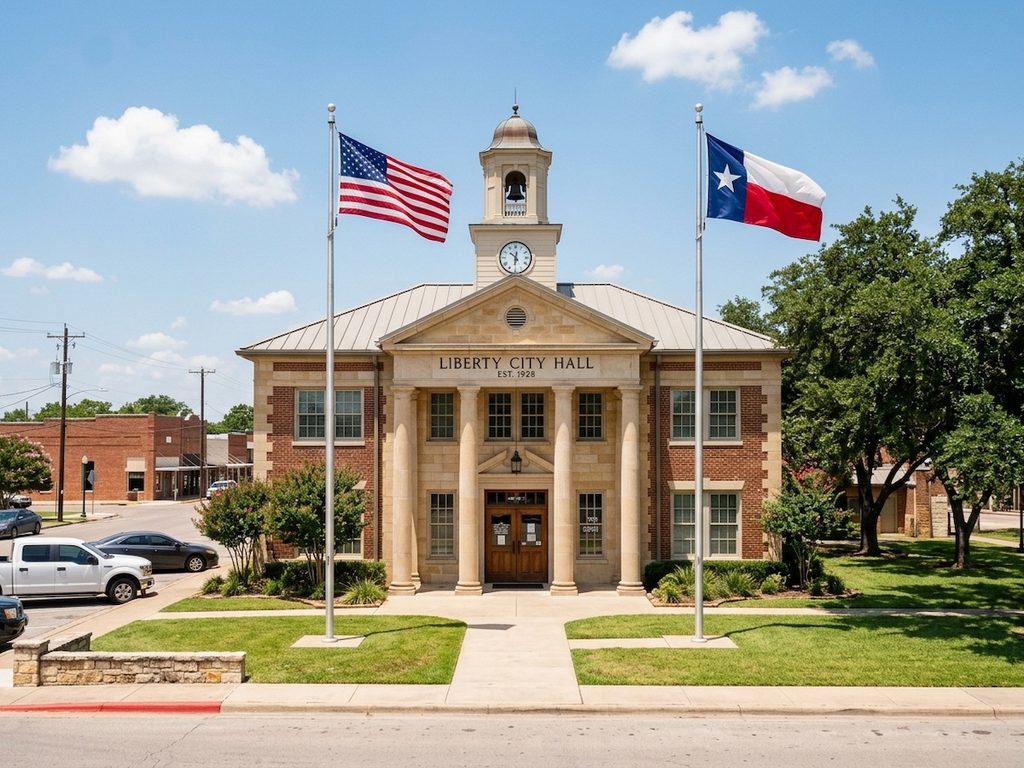
City officials say the land had actually been zoned for industrial use since the 1970s, long before the park promise came up. They also say no one currently working for the city knew about the original family intent when the deal with Blueprint was made. In their view, the sale followed the rules on the books.
Money on the Table
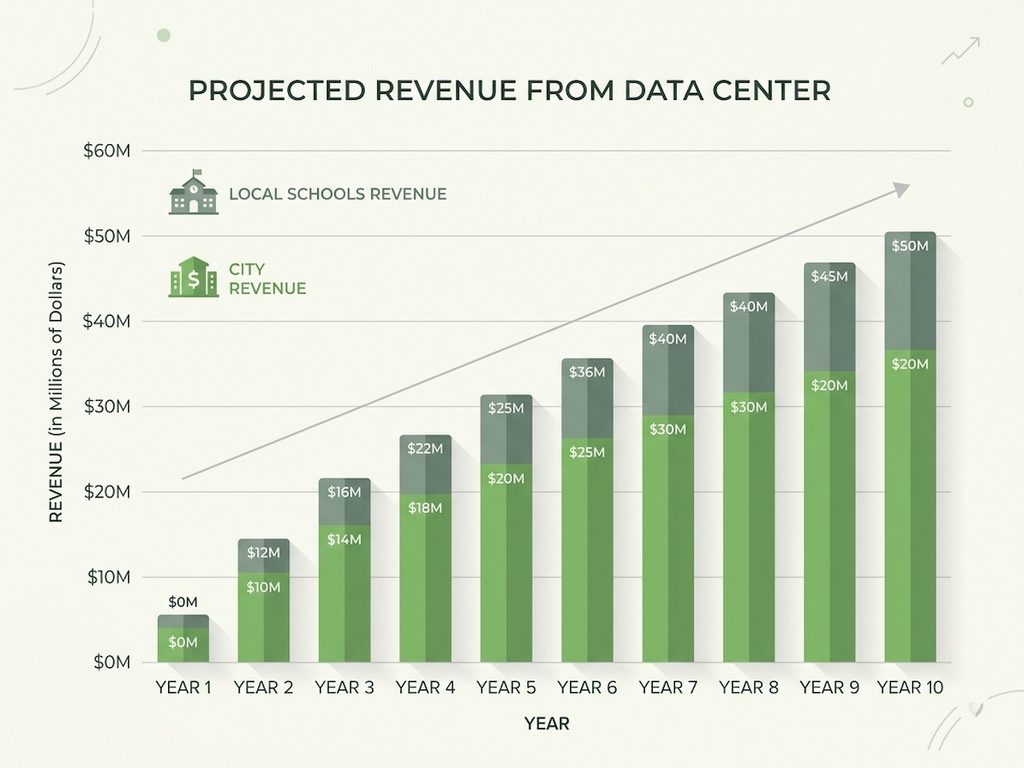
The financial numbers help explain why the city moved forward. Officials project the data center will bring in about $30 million in city revenue over the next ten years, plus another $20 million for local schools. For a city government, that kind of money is hard to walk away from, especially for land that had sat undeveloped for years.
Neighbors Take Legal Action
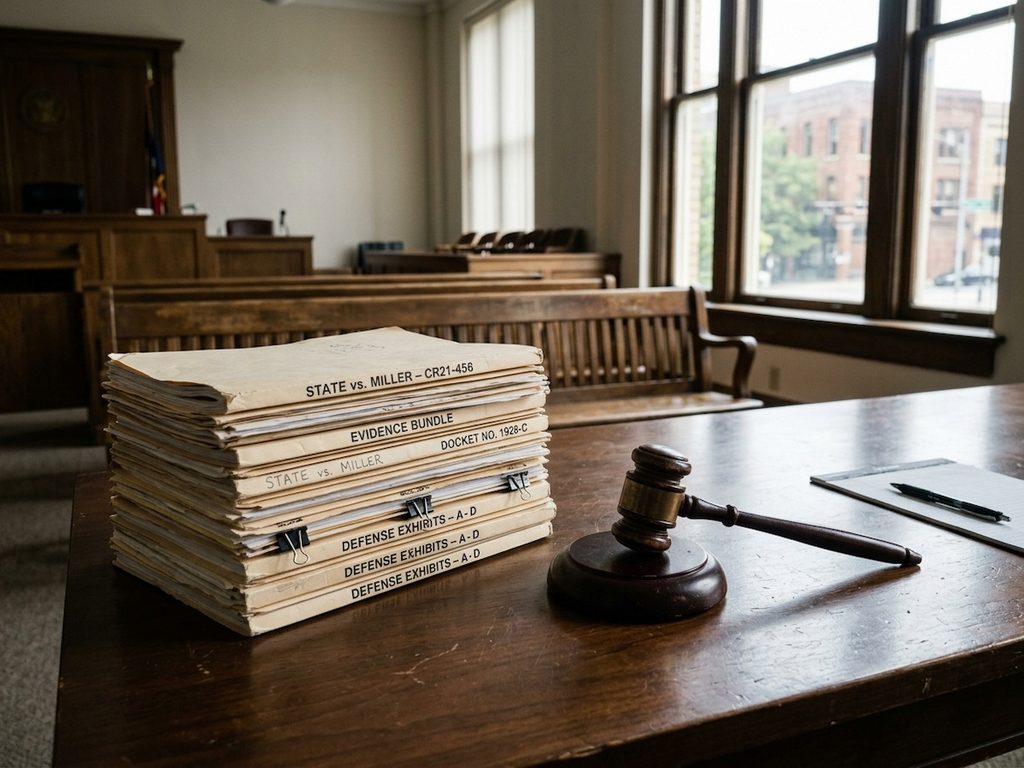
Griffin and her family weren’t ready to let the issue go. After city officials gave no satisfying answers, they hired a lawyer and filed a legal challenge. Their argument centers on that original 1999 deed language: if the land was promised to be held in trust for parkland forever, they say, that promise should still count today, no matter how many times the property changed hands.
A Question for the Courts
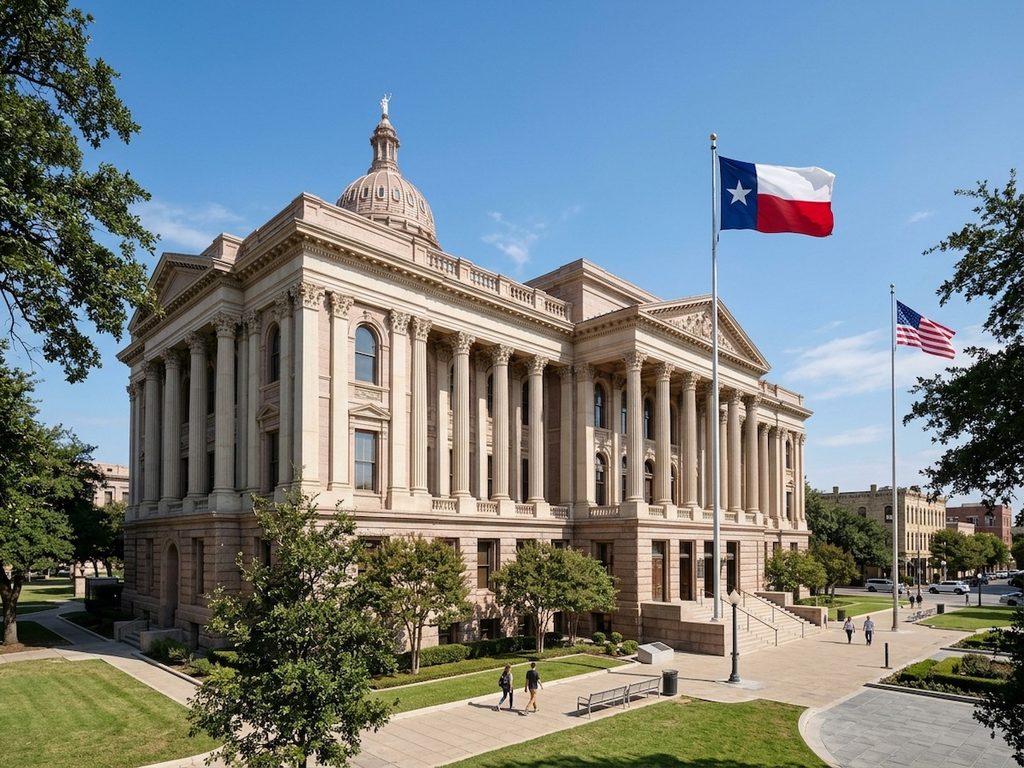
So far, the legal fight hasn’t gone the neighbors’ way. A lower court dismissed their complaint, ruling against the idea that the original restriction still applied. But the fight isn’t over. Griffin and her family are now appealing the decision to the Third Court of Appeals in Austin, hoping a higher court will see it differently.
Still Undecided

As of now, the appeals court hasn’t made a final ruling. That means the core legal question — whether a decades-old handshake promise, written into just one deed, can still bind a property sold and resold years later — remains open. Both sides are waiting to see what the judges decide.
Part of a Bigger Trend
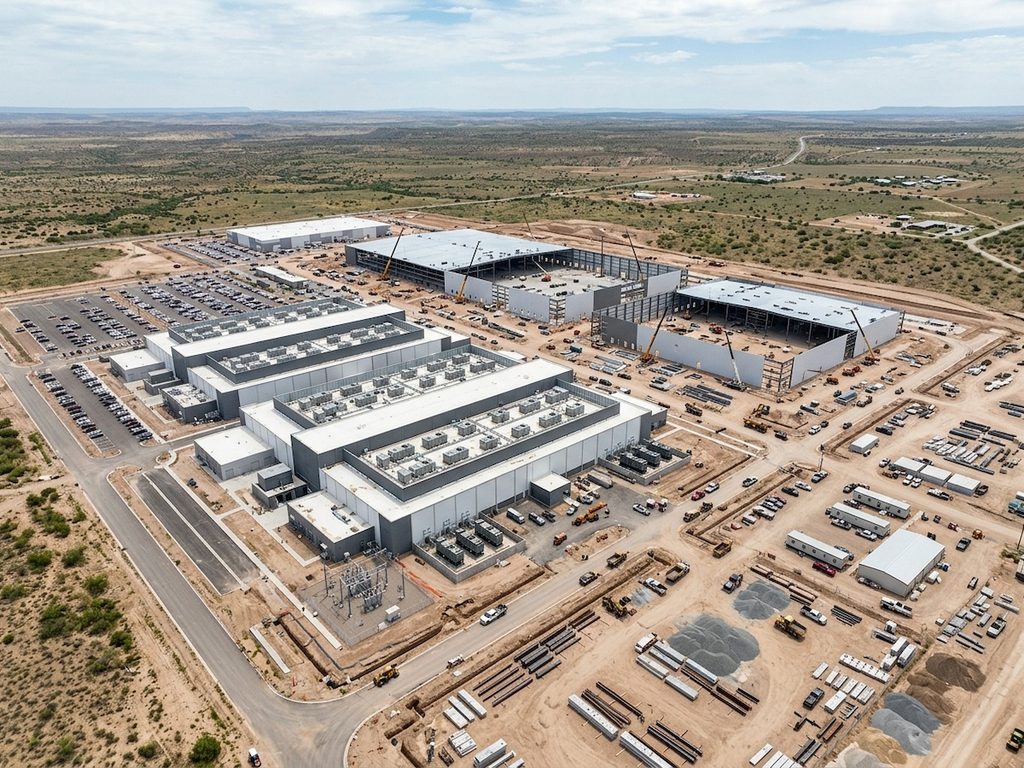
Taylor’s dispute isn’t happening in a vacuum. Across Texas, artificial intelligence data centers are being built at a rapid pace. In Abilene, companies including Microsoft, OpenAI, Oracle, and Crusoe are constructing some of the largest AI data center campuses in the country. The building boom has driven up local rents and made housing harder to find for regular residents.
What This Case Could Mean
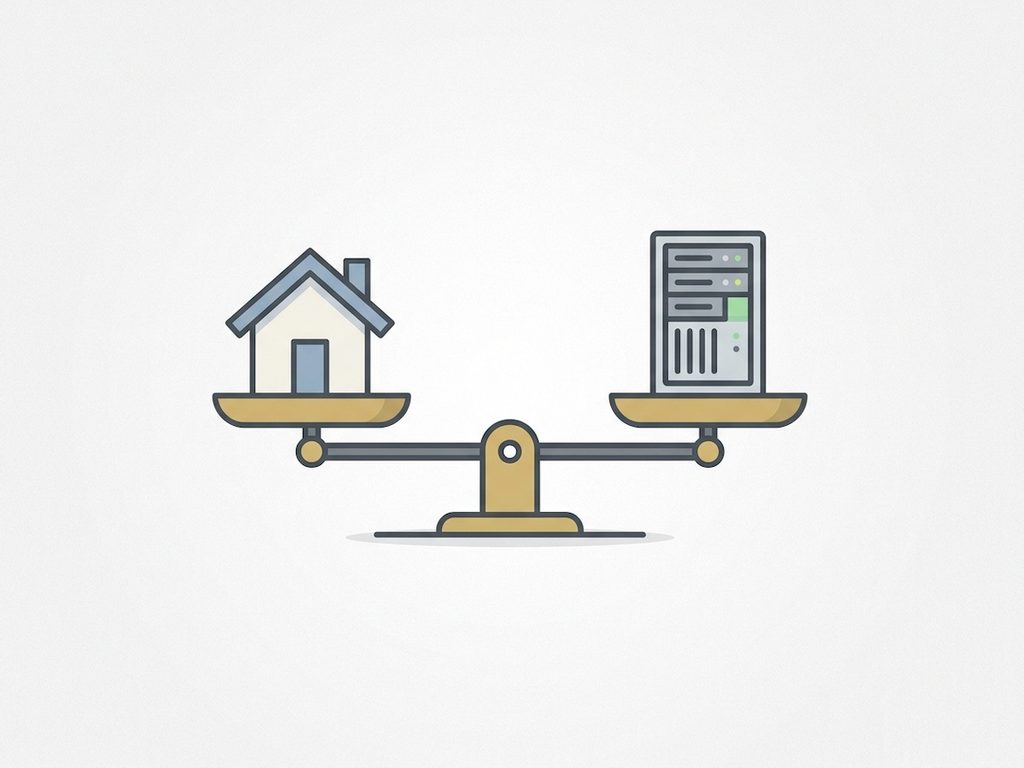
Legal experts are watching the Taylor case closely because it could set a precedent. If the courts rule that old deed restrictions can be dropped simply by leaving them out of later paperwork, it could weaken protections for land donated for public use anywhere in Texas. If the courts rule the other way, it could make cities and developers far more cautious about buying land with any donation history.
Why It Matters
At its heart, this story is about more than one data center. It’s about what happens when a small town’s need for money and jobs collides with a family’s decades-old wish and a neighborhood’s memory of what was promised. Whatever the courts decide, the case is a reminder that even old, quiet fields can carry legal weight — and that a $10 deal can still matter thirty years later.