
“American” Companies That Are China-Owned
Have you ever made an effort to “buy American,” only to find out later that the company you were supporting isn’t actually American anymore? It can be a shocker. You pick up a product or visit a business, feeling good about supporting homegrown brands, only to discover foreign investors have scooped them up.
The truth is that globalization has blurred the lines of ownership in ways most of us don’t fully realize. Some of the most iconic, all-American companies you grew up with are now under Chinese ownership, and it might not be the ones you’d expect. We’re talking about everything from legendary brands to cultural institutions that feel as American as apple pie.
Sound surprising? You’re not alone. The stories behind these companies are as eye-opening as they are intriguing, and they might make you double-check your next “Made in America” purchase. Keep reading to find out which familiar names have found new homes across the Pacific.
Waldorf Astoria
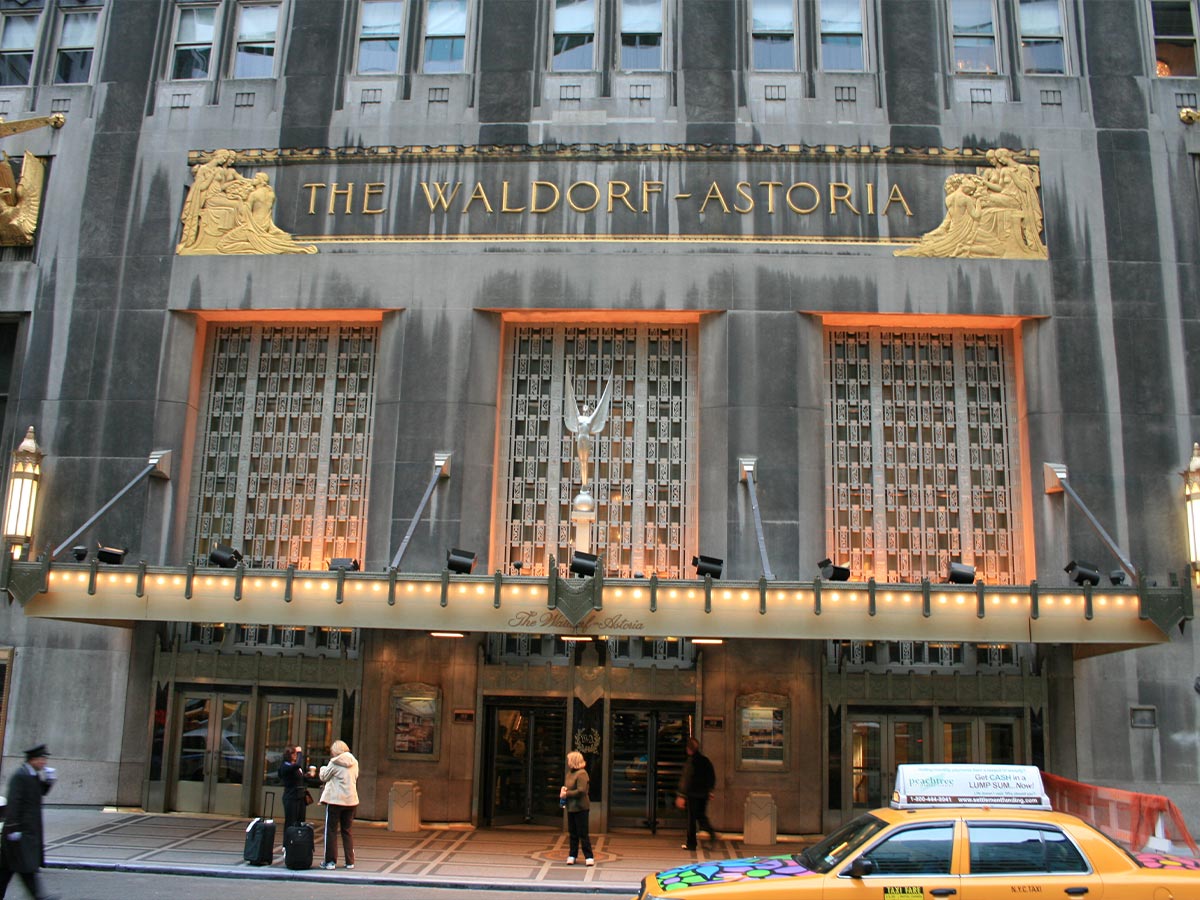
A symbol of timeless luxury, New York’s Waldorf Astoria was sold to Anbang Insurance Group in 2014 for $1.95 billion. Known for hosting U.S. presidents and international dignitaries, the iconic hotel’s shift in ownership sparked intrigue.
Anbang pledged to honor the Waldorf Astoria’s legacy by investing millions in renovations, but its 2014 sale raised concerns about foreign ownership of such a culturally significant American landmark.
Nexteer Automotive

A leading name in steering and driveline technology, Nexteer Automotive has prominent ties to America’s auto industry. However, in 2010, the Michigan-based company came under the ownership of AVIC Automotive, a subsidiary of China’s Aviation Industry Corporation.
By expanding Nexteer’s resources and market access, Chinese ownership has supported ongoing operations and innovations in the U.S. Nexteer continues to work with major U.S. carmakers, but there’s a layer of complexity when a key piece of American manufacturing is tied to foreign interests.
Motorola Mobility
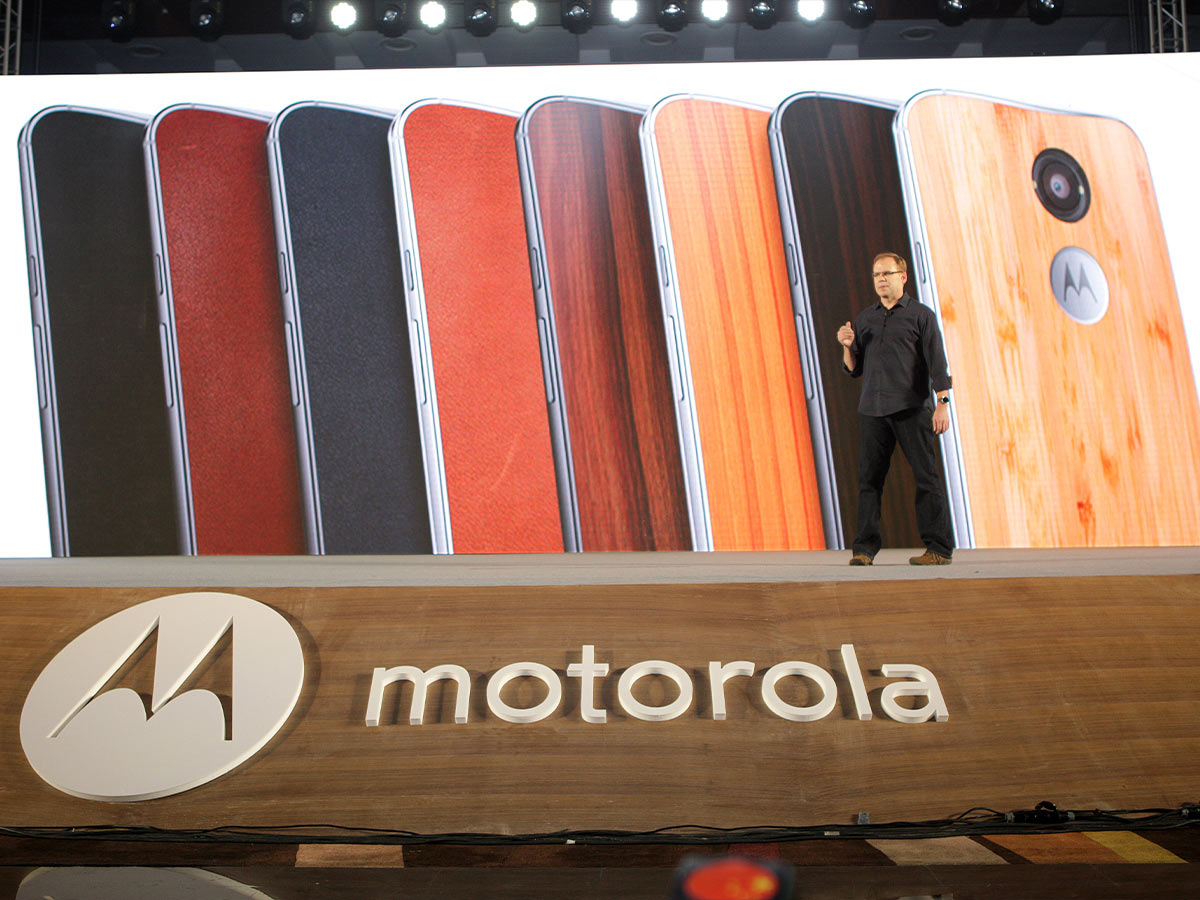
Motorola was once a crown jewel of American innovation, introducing the world to the first mobile phones. After a brief stint under Google ownership, Motorola Mobility was sold to Lenovo, headquartered in China, in 2014 for $2.91 billion.
Lenovo helped revamp the brand, focusing on budget-friendly smartphones. They kept its Chicago headquarters, maintaining its U.S. presence while leveraging Lenovo’s manufacturing power to compete in broader markets.
Ingram Micro
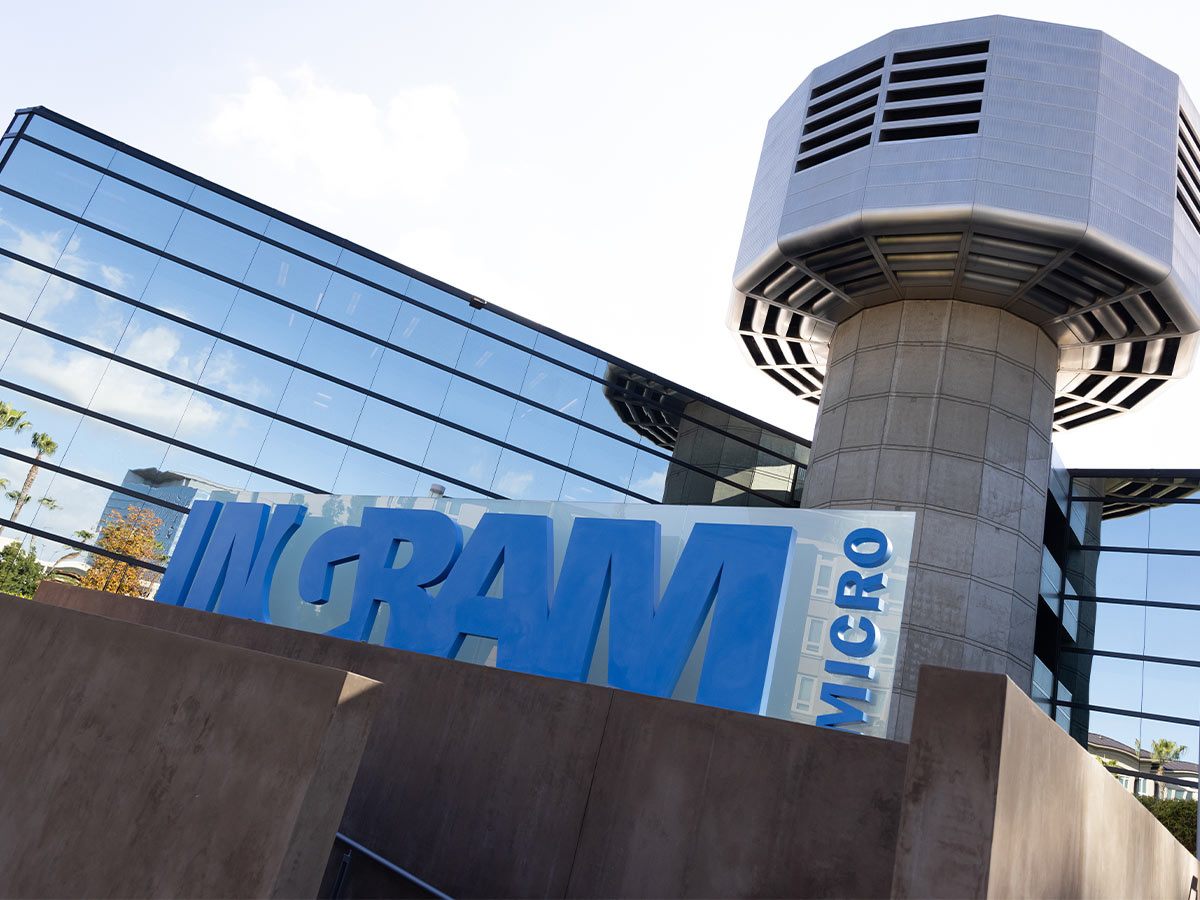
A less familiar name but an industry heavyweight, California-based tech distributor Ingram Micro found itself under Chinese ownership in 2016, following a $6 billion acquisition by Tianjin Tianhai Investment (part of HNA Group).
This move positioned the company as a key player in global supply chains, particularly in the distribution of influential tech products like the iPhone. Ownership shifts raised questions about strategic technology assets crossing borders, but it seems like it’s all worked out in the long run.
Riot Games
If you’ve logged hours playing “League of Legends,” you might be equally surprised to discover Riot Games is fully owned by Tencent. The Chinese tech giant acquired full ownership in 2015, though Riot remains headquartered in Los Angeles.
This partnership has led to groundbreaking growth in esports and gaming globally. While there have been occasional debates about creative autonomy, Riot has continued to thrive, captivating its players worldwide.
GE Appliances
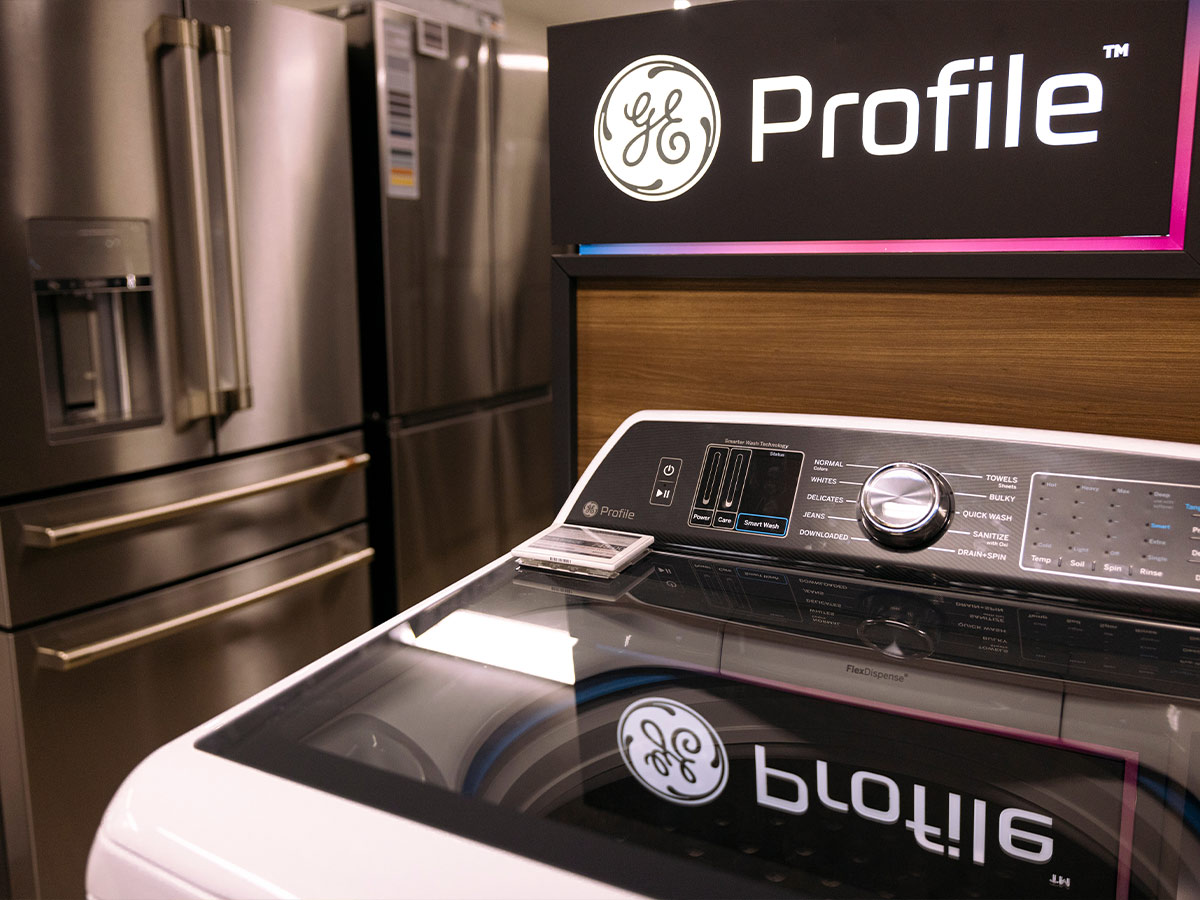
GE Appliances, the go-to name for American kitchens for over a century, joined the ranks of China-owned companies in 2016 when it was sold to Haier for $5.4 billion. The acquisition allowed the Louisville-based brand to continue innovating in its home market while gaining access to Haier’s global distribution network.
For many, it was surprising to learn that such a quintessential American brand had shifted ownership. However, Haier had a commitment to maintain U.S. jobs and manufacturing, which helped the deal immensely.
Legendary Entertainment Group

If you’re into Hollywood hits like “The Dark Knight Trilogy” or “Pacific Rim,” you’ve got Legendary Entertainment to thank. Dalian Wanda Group paid a jaw-dropping $3.5 billion for it in 2016, making it a major player in the Hollywood industry.
It sounded like a great idea at first, with plans to create blockbusters that resonate globally, especially in Chinese markets. But this kind of foreign ownership stirred up debates about creative freedom and even censorship. Today, Legendary continues to be a key player in shaping worldwide entertainment trends.
AMC
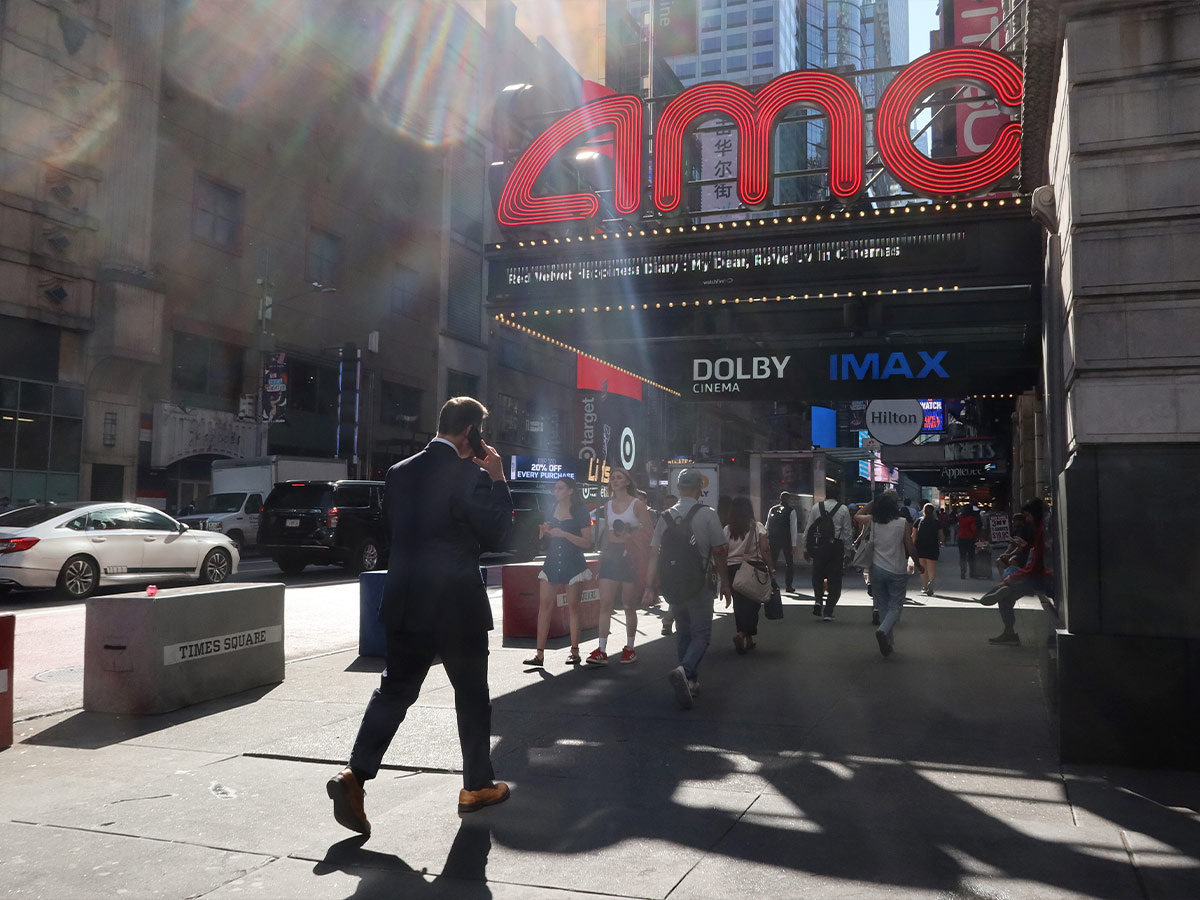
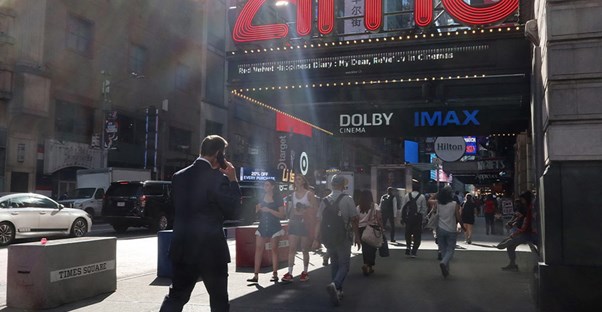
Popcorn, recliners, and blockbusters are hallmarks of an AMC theater visit, but its ownership might surprise you. The iconic cinema chain became part of China’s Dalian Wanda Group in 2012.
The partnership brought billions of dollars in upgrades, making AMC the largest movie theater chain globally. Though Wanda has since sold most of its stake, its investment pushed AMC to innovate and expand.
Smithfield Foods
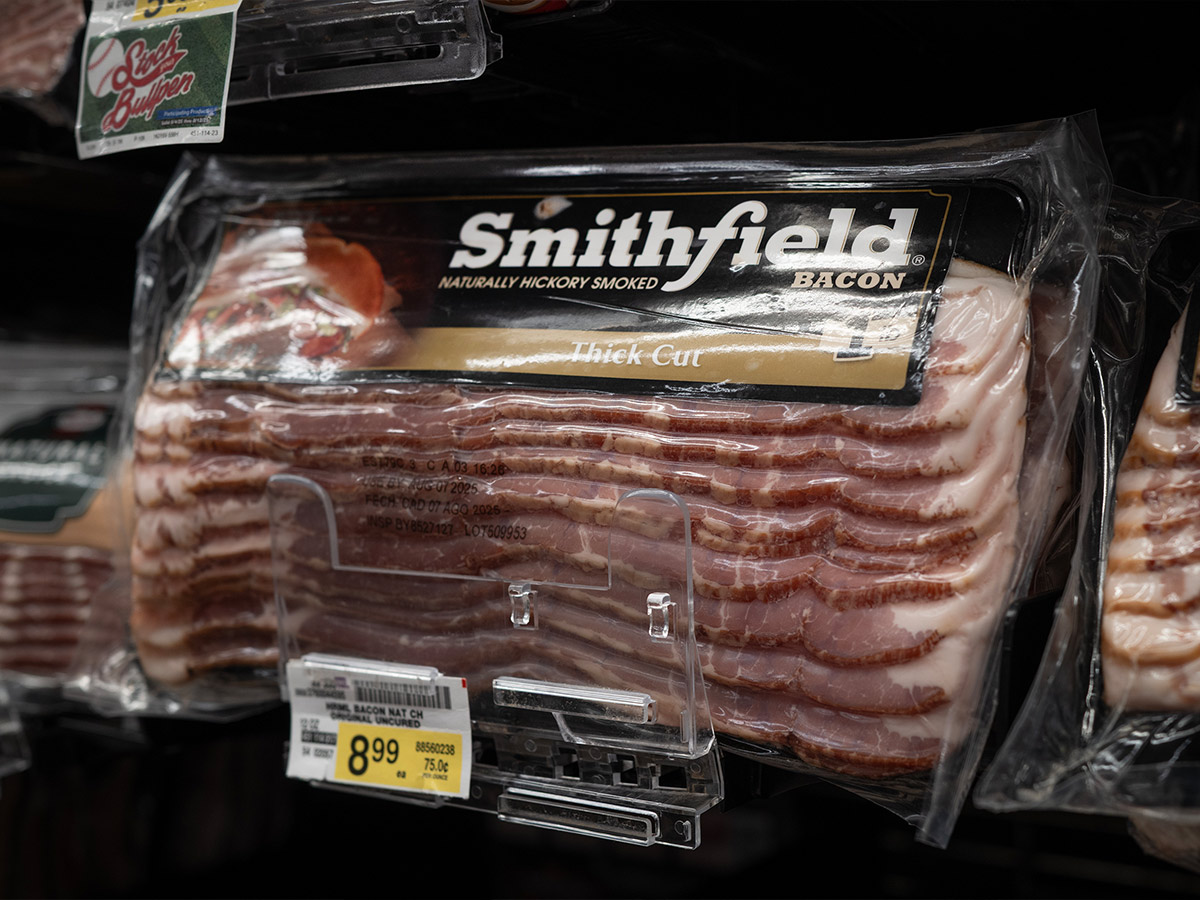
What could be more American than sizzling bacon and a rack of ribs on the grill? That’s exactly why Smithfield Foods, the world’s largest pork producer, feels like an institution of American tradition. But here’s where it gets tricky. Smithfield was sold to China’s WH Group in 2013 for a record-breaking $4.7 billion.
Smithfield still markets itself as an all-American brand, and it states that everything sold here is processed in the States. Still, it’s now controlled by a Chinese company that saw the opportunity to bring U.S. pork to China’s growing market.
Chicago Stock Exchange
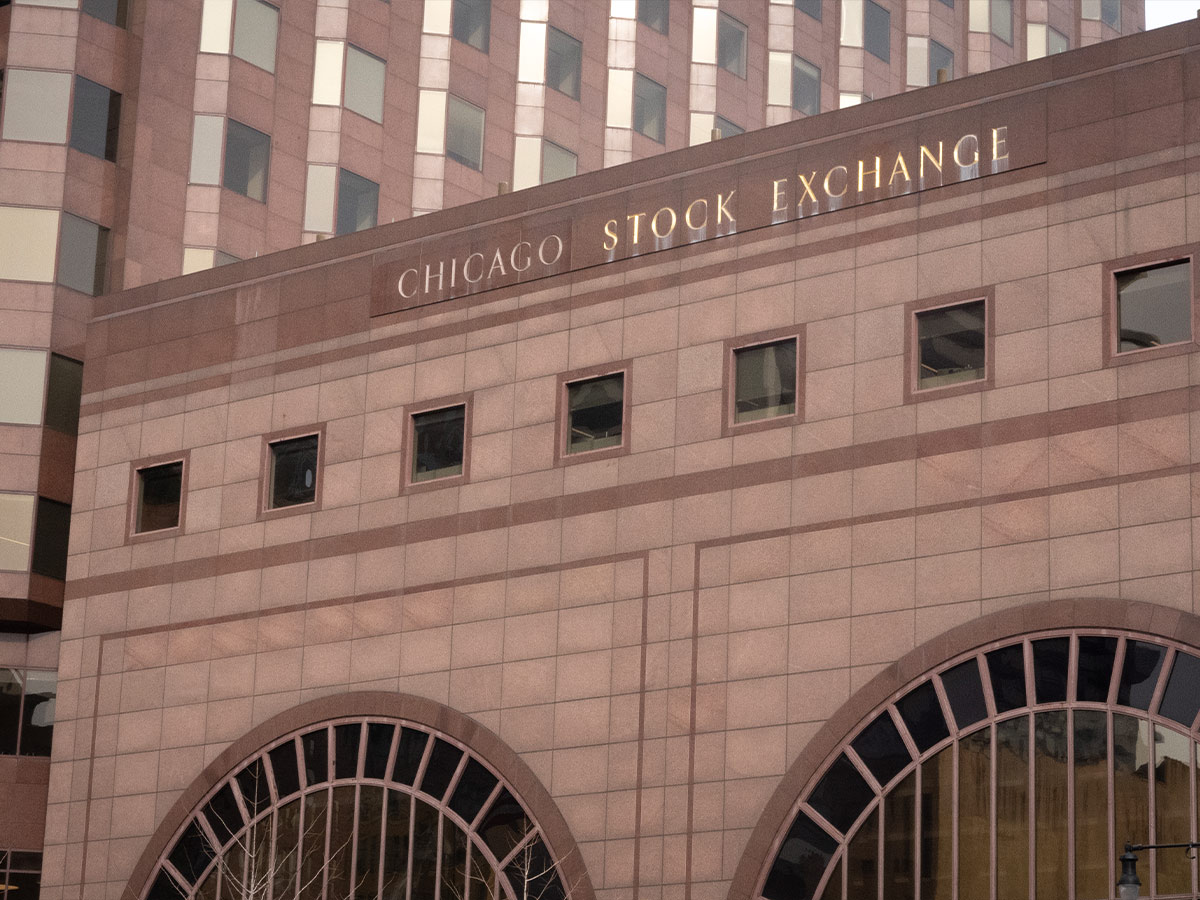
Supporting something as classically American as the Chicago Stock Exchange feels like a no-brainer, right? After all, it’s one of the oldest institutions in U.S. finance. But here’s the catch—not many know that it’s now owned by China.
In 2016, a Chinese investor group led by Chongqing Casin Enterprise Group acquired the Chicago Stock Exchange, aiming to gain access to the massive U.S. equity market. For a place that’s handled stocks for over 140 years, this change in ownership was unsettling for many. The Exchange handles only a small portion of U.S. trading, but its symbolism makes the sale highly controversial.