
6 Defining Photos From the Presidential Debates
Presidential debates are some of the most memorable moments in U.S. politics. They allow voters to see how candidates think on their feet and respond to tough questions. Throughout history, certain debate moments have stood out, leaving a lasting impression on voters and shaping elections. From the first televised presidential debate between Richard Nixon and John F. Kennedy, where Nixon’s visible discomfort may have cost him the presidency, to George H.W. Bush’s infamous glance at his watch during a critical 1992 debate, these snapshots capture moments of vulnerability, missteps, and humanity.
Fast forward to 2024, and we see Joe Biden dumbfounded in a debate with Donald Trump before unexpectedly dropping out of the race. Then two months later, Trump would take the stage once again, this time facing off against then-current Vice President Kamala Harris. Moments from this debate would range from powerful symbols of hope to meme-worthy. These pictures remind us how powerful debate performances can be in influencing public opinion and election outcomes. Let’s take a closer look at these five defining moments in debate history.
Lurking Trump
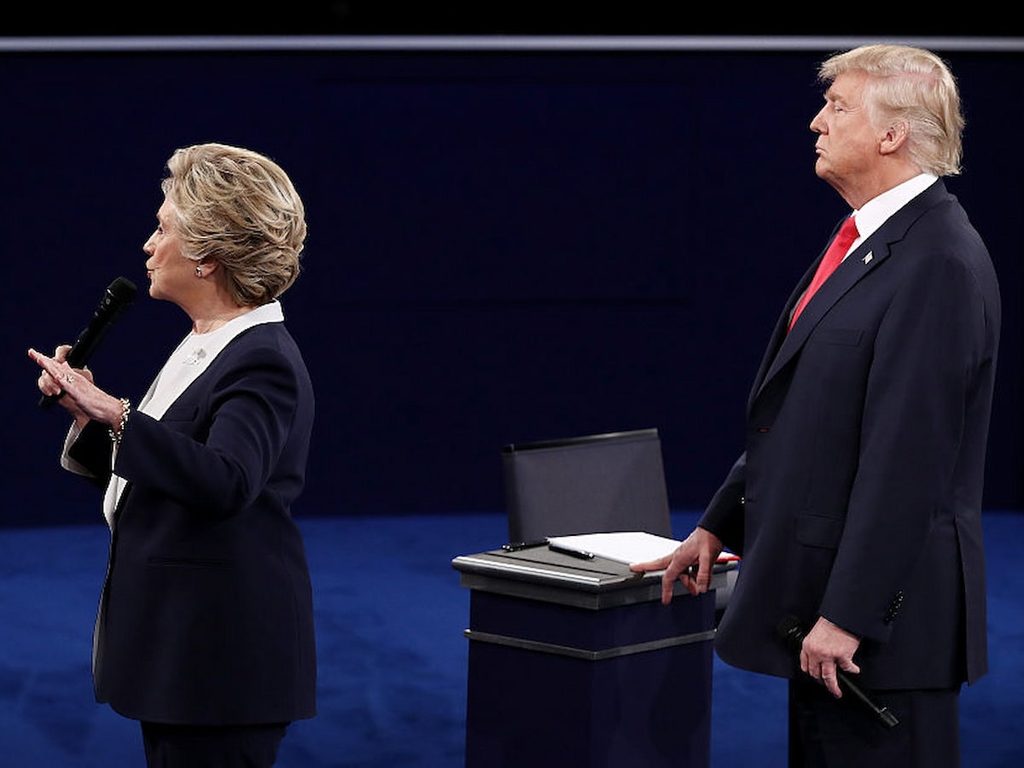
The second 2016 presidential debate, held in St. Louis, became famous for something other than what was said. Instead, people focused on Donald Trump’s body language. The debate happened just two days after the release of the shocking Access Hollywood tape. Because it was a town-hall style event, the candidates could walk around the stage instead of staying behind podiums. Trump took advantage of this freedom. He often paced behind Hillary Clinton, stepped into her camera shot, and stood where she could see him out of the corner of her eye while she talked to voters.
People’s interpretation of the moment obviously disagreed, depending on political affiliation. Critics called it intimidating, even comparing it to stalking, and said he was trying to loom over her to look dominant. Supporters saw it differently — to them, it showed strength and confidence. Clinton later wrote in her memoir that it felt unsettling to have Trump standing so close behind her. The moment became one of the most talked-about examples of body language in a modern political campaign.
Kamala’s Disbelief
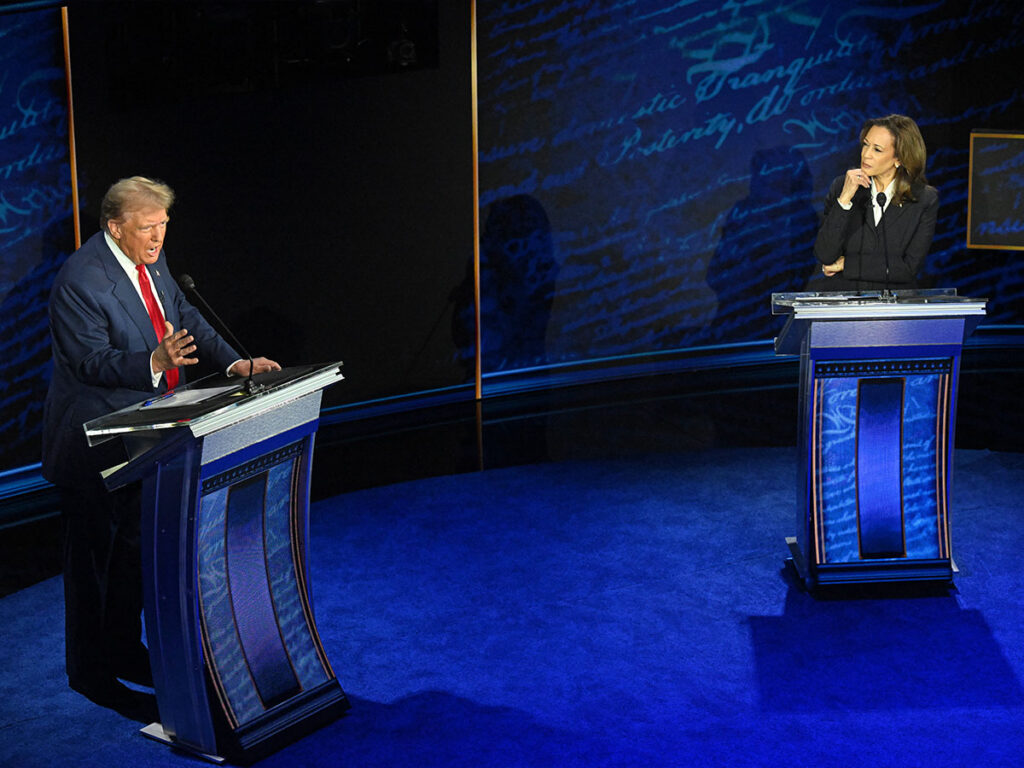
During the 2024 debate, Kamala Harris responded to Donald Trump’s accusation of being a “Marxist” with an incredulous look, her hand thoughtfully on her chin. Her nonverbal reaction conveyed disbelief, underscoring the extremity of his attack.
Harris’s reaction, marked by quiet skepticism, contrasted with Trump’s fiery accusation, underscoring her composed demeanor. By visually distancing herself from his rhetoric, she projected a calm, measured leadership style, likely resonating with voters looking for stability
Trump/Harris Shake Down
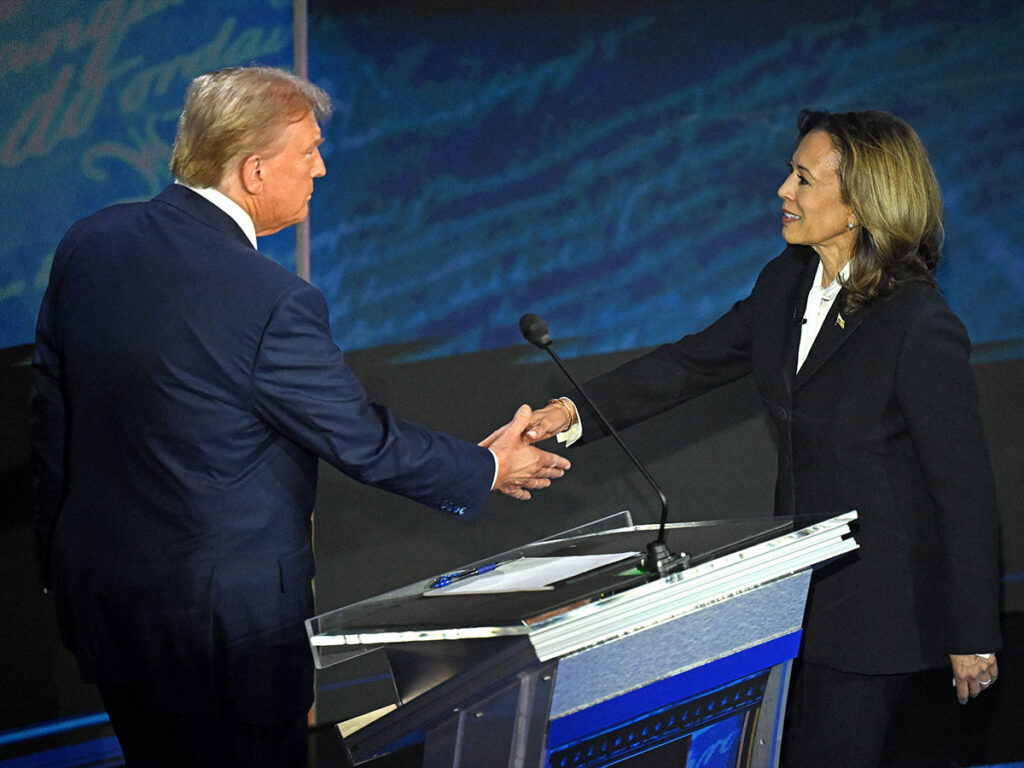
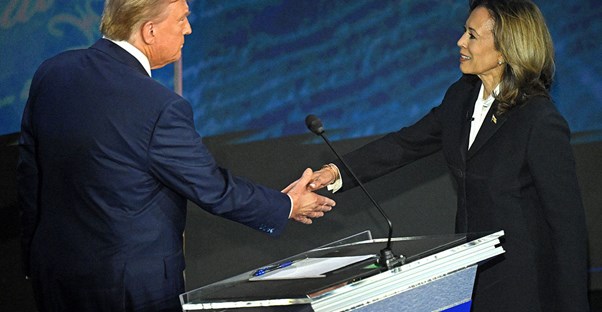
In a surprising moment before the 2024 debate, Vice President Kamala Harris confidently approached Donald Trump’s podium to shake his hand, showcasing her willingness to engage directly. This gesture of civility stood in stark contrast to the heightened tensions of the campaign.
Harris’s handshake symbolized a strategic move to project composure and confidence while countering Trump’s aggressive rhetoric. By establishing a personal connection, she aimed to humanize the debate and reinforce her image as a strong, relatable leader, potentially swaying undecided voters in her favor.
Biden’s Breaking Point
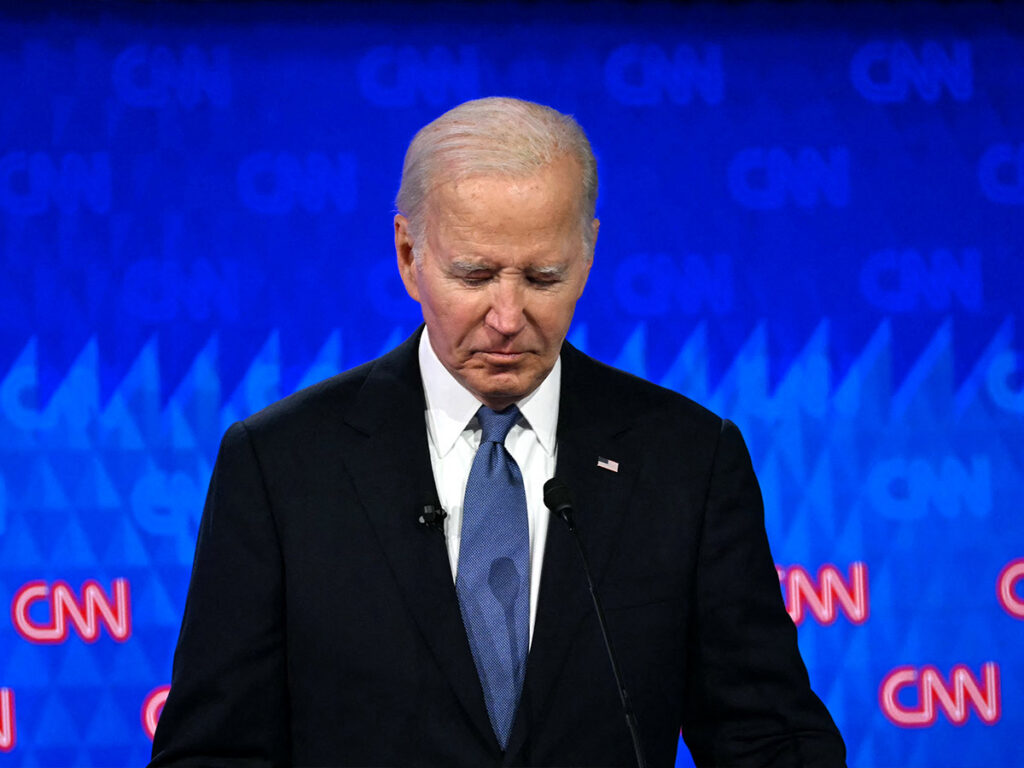
During the 2024 debate, President Joe Biden appeared frail and somewhat disoriented, prompting concerns about his fitness for office. His hesitant responses and lack of energy contrasted sharply with Donald Trump’s assertive demeanor, raising questions among voters about his leadership capabilities.
Biden’s performance contributed to skepticism about his re-election prospects, impacting his campaign’s momentum. Shortly following the debate, Biden dropped out of the race and endorsed current Vice President Kamala Harris.
Nixon’s Sweaty Showdown
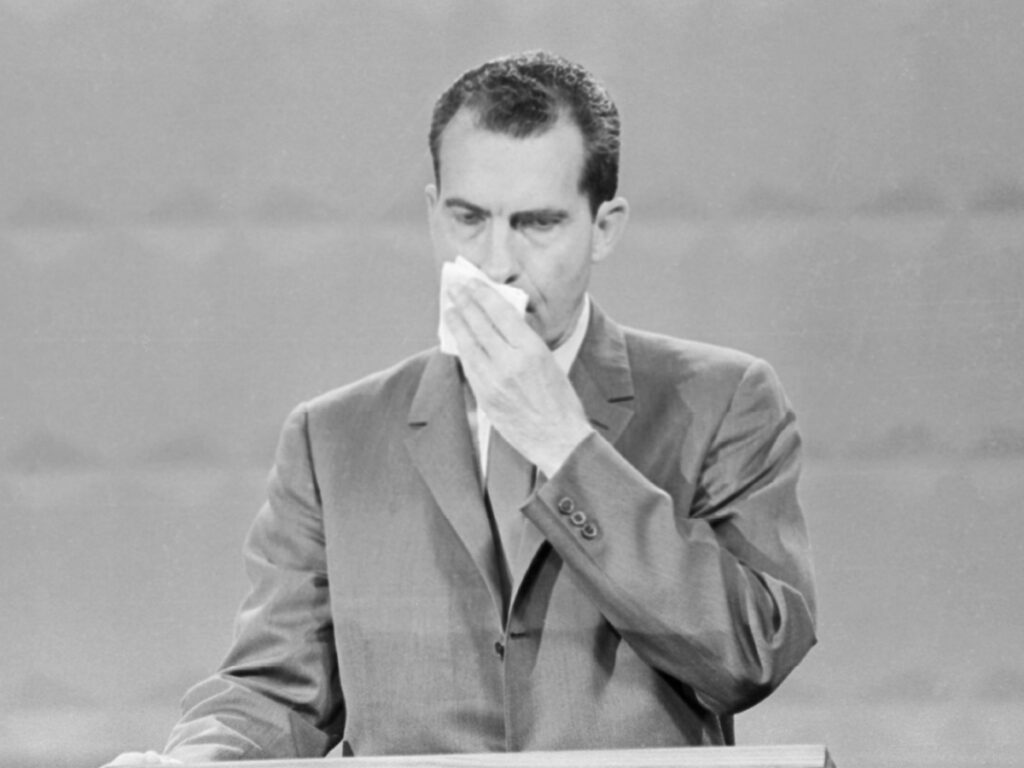
During the 1960 Nixon-Kennedy debate, Richard Nixon appeared visibly uncomfortable, sweating under the hot studio lights. His pale, unshaven appearance contrasted sharply with John F. Kennedy’s calm and composed demeanor, which left a lasting impression on the television audience.
Nixon’s poor visual performance, particularly his sweaty and haggard look, contributed to a perception of weakness, impacting his campaign. Although radio listeners thought Nixon won, TV viewers favored Kennedy, highlighting the emerging importance of televised image in shaping voter perceptions.
Time’s Up for Bush

One of the most devastating moments in George H. W. Bush’s 1992 presidential campaign was when he checked his watch before answering an audience question in a debate with Bill Clinton and Ross Pero. This signaled impatience or disinterest to viewers.
Because regular Americans were asking the questions, Bush didn’t just look bored but also out of touch. In contrast, Clinton’s ability to connect with voters helped win him the election.