Chickenpox and Shingles: All You Need to Know in 10 Photos

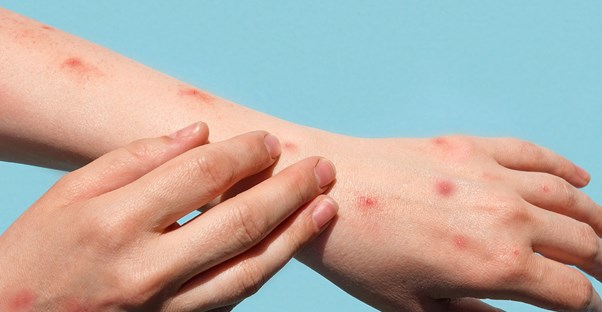
Chickenpox is a highly contagious disease caused by the varicella-zoster virus (VZV). This disease is often spread when we’re children, and it creates an itchy, blister-like rash all over the skin. After someone contracts chickenpox, they’re immune for the rest of their lives, but there’s something else they need to look out for: shingles.
After a person contracts chickenpox, they’re at risk of getting shingles later in life. Shingles is a reactivation of chickenpox and is actually fairly common. There are more than 200,000 cases per year, but thankfully it can be treated by a medical professional.
So, what are the biggest differences between the two? Is it possible to prevent chickenpox and shingles later in life? We’re going to answer these questions and more in just 10 photos.
Disclaimer: The information in this content is for general informational purposes only, not a substitute for professional medical advice. Always consult your doctor before making any changes to your lifestyle.
Home Remedies for Chickenpox and Shingles
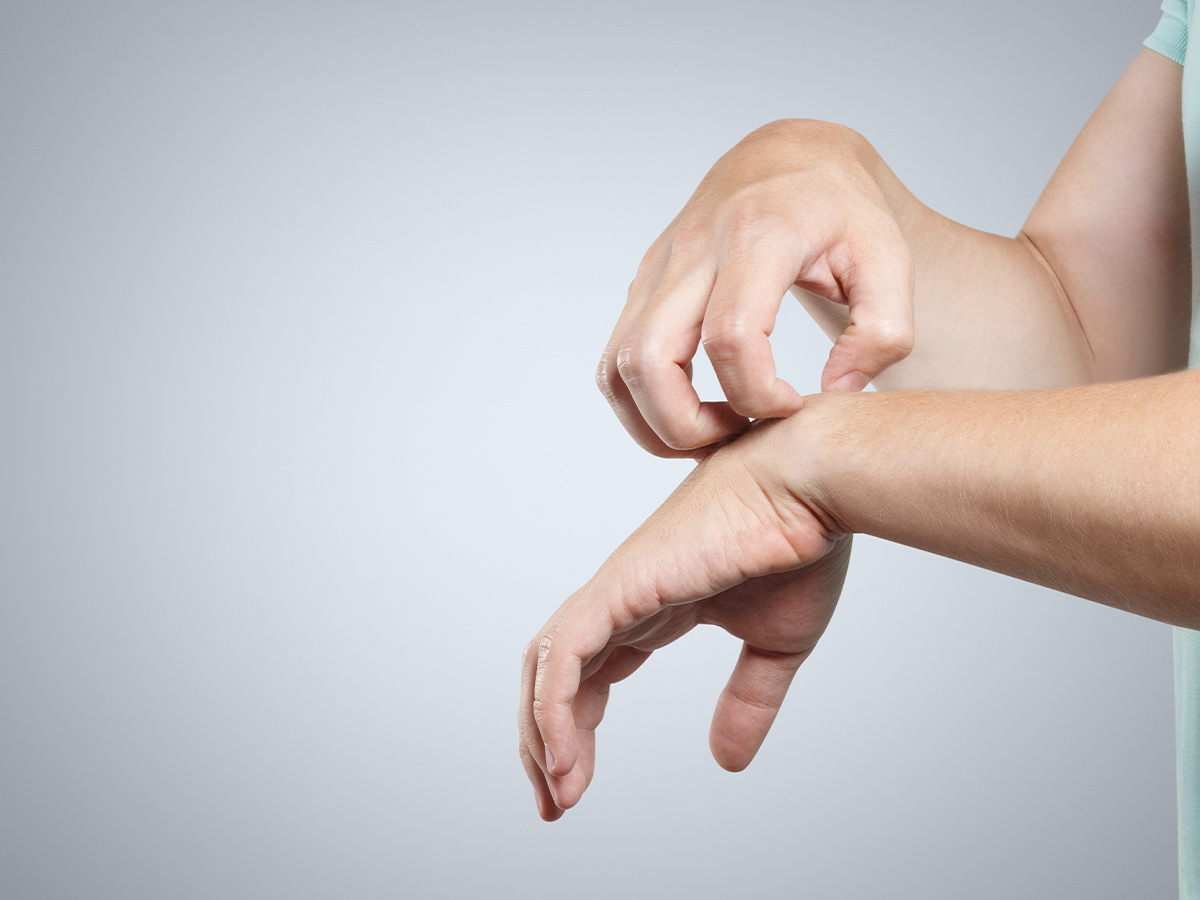
One of the best things to promote healing with chickenpox and shingles is to refrain from scratching. Keeping fingernails trimmed and wearing gloves, especially when sleeping, can prevent infecting the sores with bacteria.
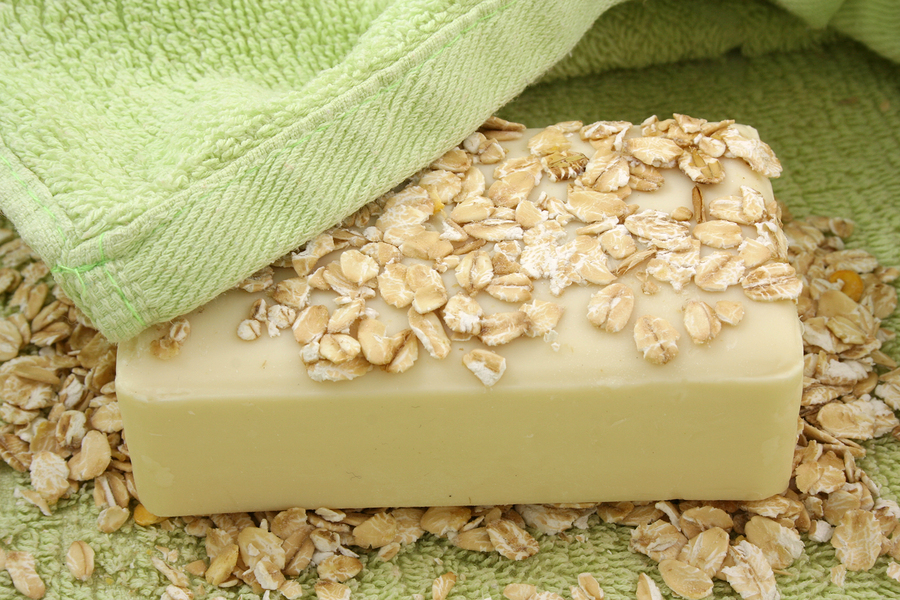
Finding relief from the itching associated with chickenpox can be difficult. Some things can help though, such as a cool bath with baking soda or oatmeal, applying calamine lotion to the sores, or taking antihistamines such as Benadryl. Home remedies for shingles are similar, though also applying cool, wet compresses to blisters can also help relieve the intense pain associated with the condition.
Shingles Treatments

There is no definitive cure for shingles. However, taking prescription antiviral medications can help reduce the severity of some symptoms and slow the progression of the disease. The most commonly used drugs include acyclovir, valacyclovir, and famiciclovir. In some cases, other medications may be prescribed as well—including creams, anticonvulsants, tricyclic antidepressants, numbing agents, narcotics, or injections. The exact combination of medications depends on the location and severity of pain.
Adult Chickenpox Treatments
Similar to childhood chickenpox, doctors will generally suggest letting chickenpox in adults run its course, unless they are at a high risk for complications. However, since the condition will usually last longer and be more intense in adults, antiviral medications such as acyclovir may be prescribed to shorten the duration of the disease. Doctors may also prescribe antihistamines to relieve itching.
Child Chickenpox Treatments

Antiviral medications are generally not prescribed for children with chickenpox unless they have other health issues that indicate they are at a higher risk for complications. Antibiotics may be prescribed, not to treat the disease itself, but rather to heal sores that become infected due to scratching—which is common among children. The disease will usually run its course in about a week without any prescription medications.
Over-the-counter, non-aspirin medications, such as acetaminophen or ibuprofen, are safe to use for relieving fever in children suffering from chickenpox. The use of aspirin-containing products in children with chickenpox is shown to be linked to Reye’s syndrome, which is a severe disease that affects the liver and brain and can lead to death.
Chickenpox Prevention and Vaccines
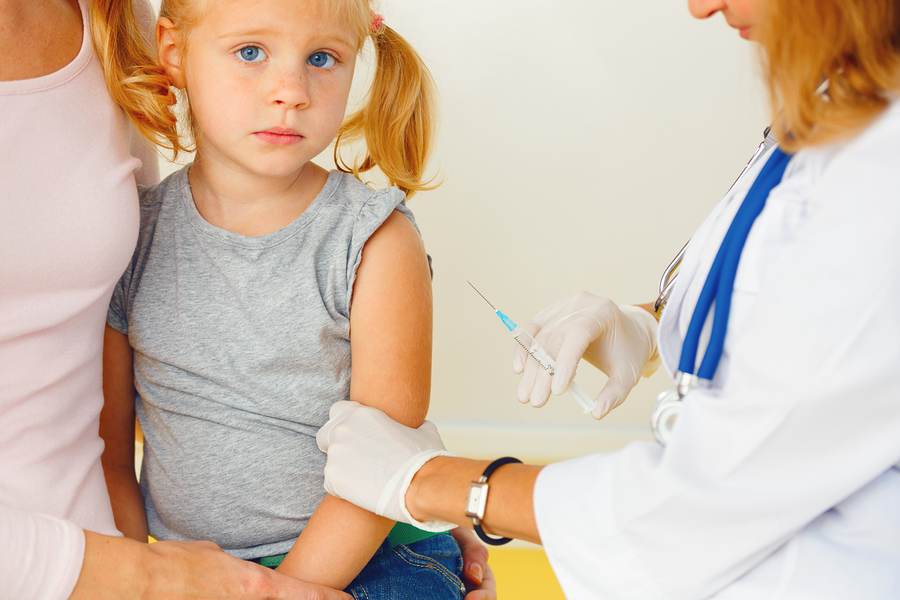
There are two different vaccinations that protect against the chickenpox virus. Varivax has become a very common vaccine for childhood immunizations, and adults who have never had chickenpox can receive it as well. Though it is still possible for someone to contract chickenpox or shingles after receiving the vaccination, the severity of the disease will be greatly reduced.
Zostavax is a vaccination to prevent shingles for adults age 50 and older who have had chickenpox before. Like Varivax, receiving the Zostavax vaccine will not guarantee protection against the disease. However, it will reduce the severity of the condition and the risk of complications if someone does still contract it after getting the vaccination.
Chickenpox and Shingles Causes
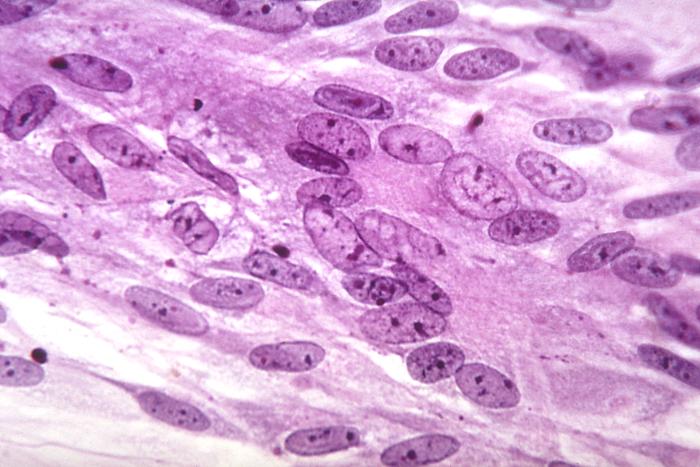
Chickenpox is caused by the varicella-zoster virus and is contracted by coming into contact with someone who is already infected with it. Since it is so contagious, about 90% of people who come into contact with the virus and do not already have immunity will get chickenpox themselves.
Shingles is also caused by the varicella-zoster virus, but it’s not possible to “catch” the condition—it only affects those who have contracted chickenpox at some point in their lives. Older adults and people who have weakened immune systems are more likely to develop shingles than others, and this is because it’s suspected that the reactivation of the virus has something to do with a lowered immunity to infections.
Adult Chickenpox Symptoms
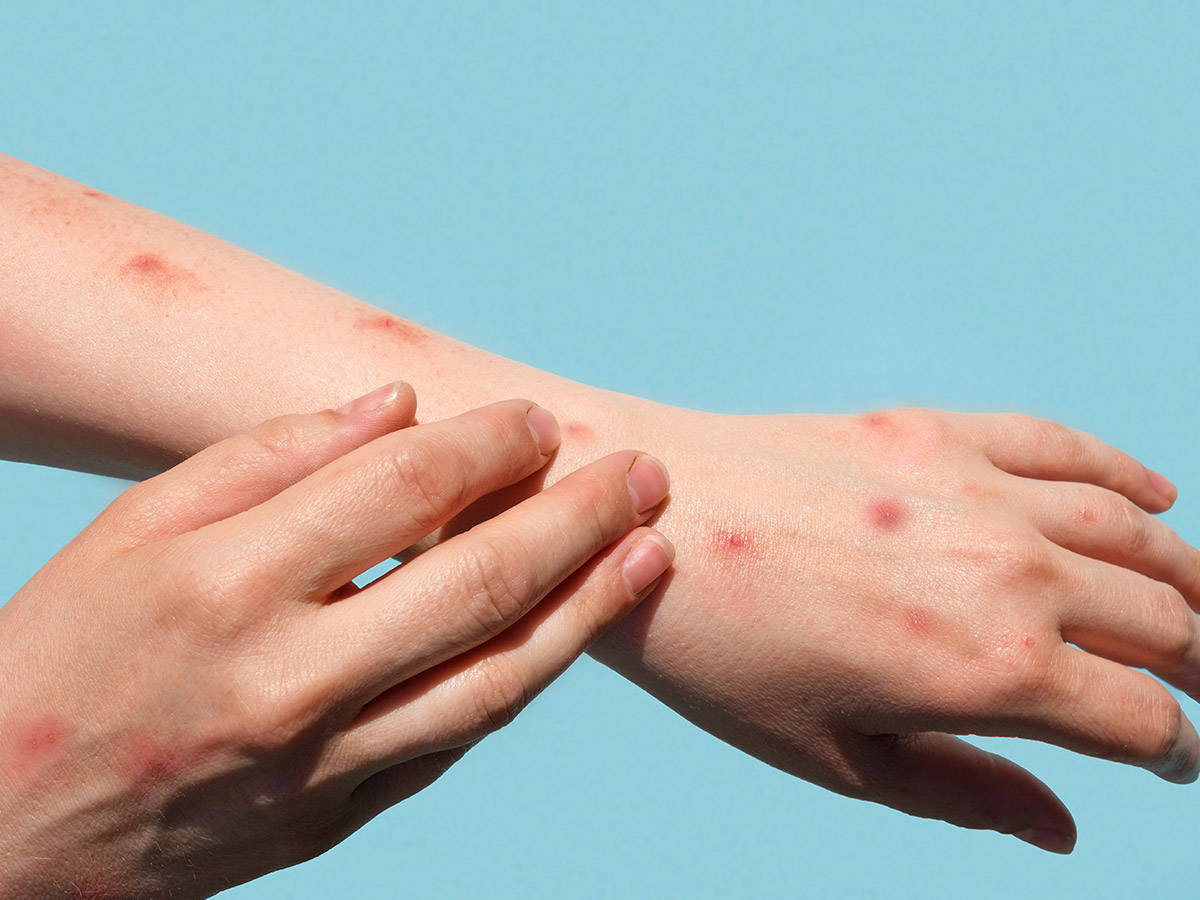
Chickenpox symptoms are usually more severe in adults than in children. However, they also begin with flu-like symptoms, like high temperature, body aches, and headaches. A blister-like rash will then begin to appear in small patches and will eventually cover the entire body. Tiredness, nausea, and loss of appetite are also common symptoms for adults with chickenpox.
Child Chickenpox Symptoms

In children, chickenpox tends to begin with flu-like symptoms, including a mild fever, headache, sore throat, and stomachache. These symptoms may last a few days before any visual symptoms are produced.
The tell-tale rash will usually begin as a cluster of small, red bumps that resemble insect bites or pimples, which will then grow into blisters filled with fluid. When the blister walls break, there will be open sores, which will eventually become dry scabs. The rash will typically first appear on the abdomen, back, or face. It then spreads to the rest of the body, including the scalp, mouth, arms, legs, and genitals. There will usually be blisters of all three stages in different parts of the body at one time
Chickenpox and Shingles Scars
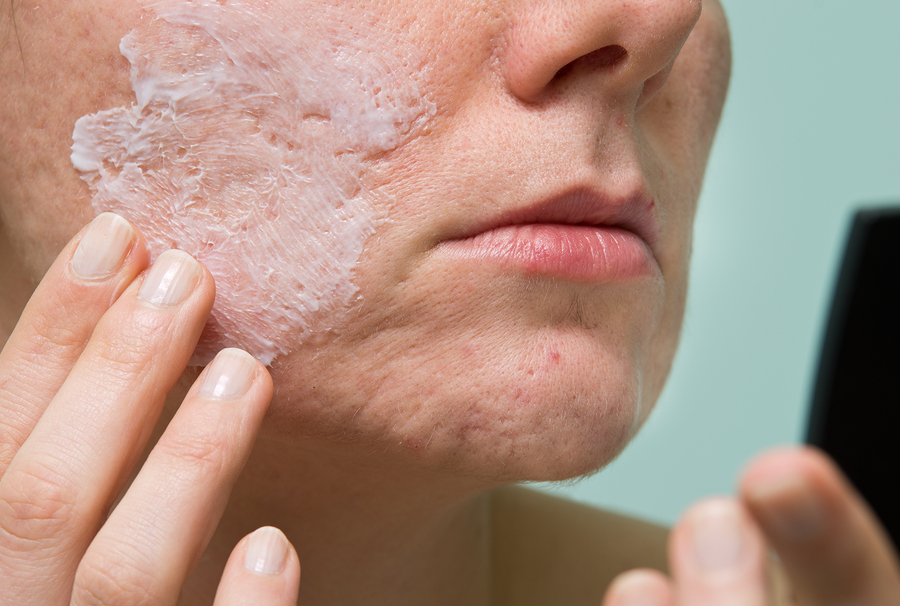
In many cases, the scars left behind by chickenpox and shingles will fade on their own over time. However, there are some things that can speed up the healing process. Applying Vitamin E oil to the affected areas twice a day will increase blood circulation and promote healing while also softening the scar tissue. Other natural treatments include lemon juice, honey, papaya, coconut water, sandalwood paste, and aloe vera. Over-the-counter products containing diphenhydramine can reduce scar tissue and inflammation on the skin as well.
Shingles Symptoms
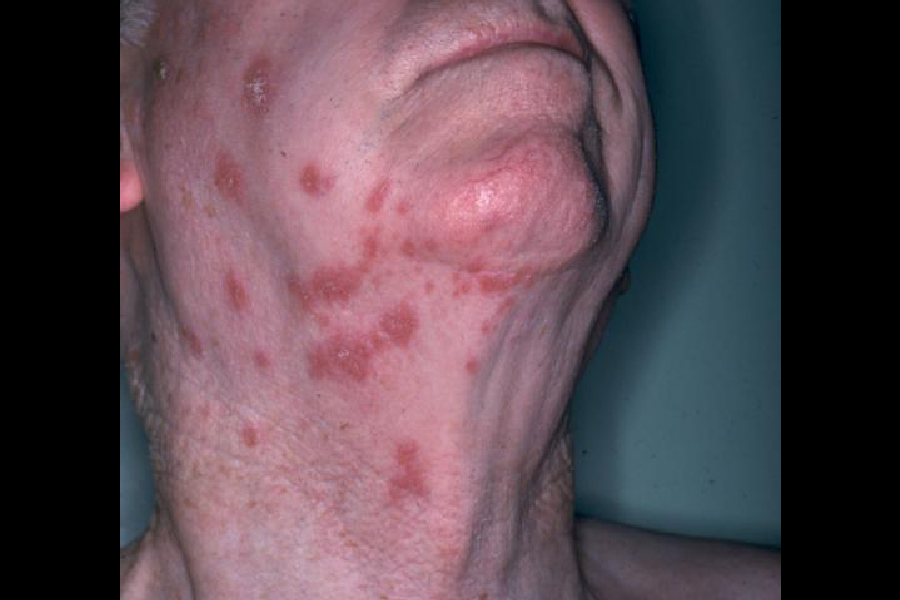
Unlike chickenpox, shingles usually only affects a small section of the body. Pain is typically the first symptom of shingles, which is followed by a red rash a few days after the pain starts. The most common placement of the rash is a stripe-like pattern that wraps around one side of the torso. However, it can also appear around one eye or on one side of the neck or face.
The rash will develop fluid-filled blisters that will then break open and crust over. Similar to the blisters produced by chickenpox, shingles blisters are often painfully itchy as well. Other common symptoms include fever, headache, sensitivity to light, and fatigue.
