
The Most Important Strikes in U.S. History
The United States has had a lot of growing pains throughout the centuries, and that’s clear by all the strikes that have taken place during our short history. Over the years, there have been a ton of strikes about various things, but most workers protest, asking for fair wages, compensation for time, pension, and retirement. Who can blame them, right?
Granted, there are a few that break the mold. In 2012, there was a Chicago teachers’ strike that focused on education reform, or rather what it was doing to teachers and students. We’ll talk more about that later, but it just goes to show that it can be about more than money.
More often than not, strikes also involve a union, as non-union workers have a hard time going on strike without facing severe consequences. A union also protects the workers against major backlash—at least, it should.
Today, we’re going to go over some of the most important strikes that have occurred in the United States. There have been quite a few that shed light on issues others may not have ever known. How many people knew that sanity workers didn’t get paid much and that their pensions were in danger? Not most, but that is exactly why they went on strike in New York in 1968. These 20 strikes show that some people just didn’t want to sit down and be quiet anymore.
The Teachers Strike of 2012
September 2012
26,000 Participants
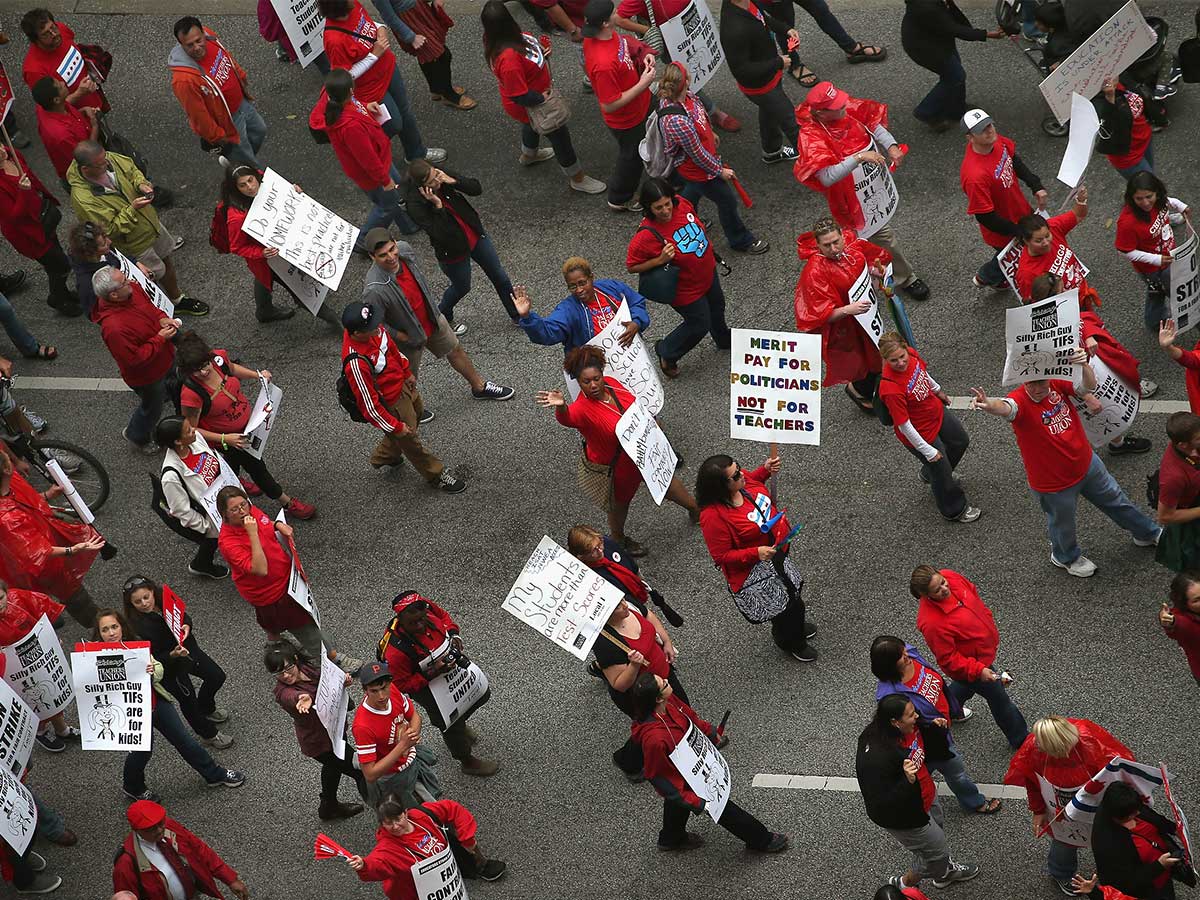
While low pay has an issue, the 2012 teachers strike was caused by education reform. Chicago was hit particularly hard by education reform, and teachers didn’t think it benefited the students. They wanted a decrease in high-stakes testing, as well as an increase in music, art, and gym programs.
It wasn’t until later in the protest that the teachers also requested better pay and benefits. After a week, teachers had better protections, and testing played a much smaller role in teacher evaluations.
The Walmart Strike of 2012
November 2012
1,500+ Participants
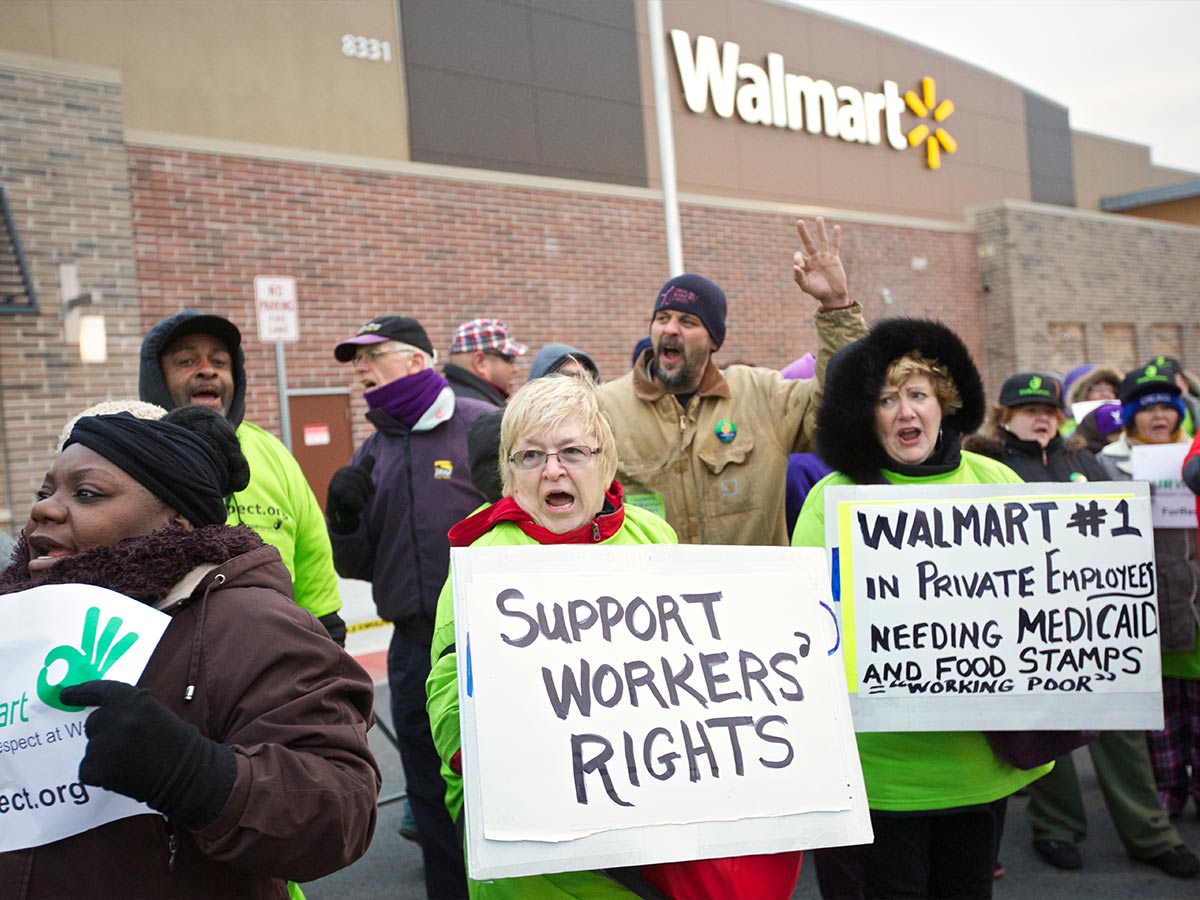
Walmart is known for being one of the worst places to work, and employees eventually had enough in 2012. While there have been numerous strikes prior to the 2012 strike, this one was certainly the largest.
It started in one store and grew across the country until workers in 100 cities were on strike. The protesters wanted better benefits, higher wages, and improved treatment of employees. Walmart refused to cave, and three participants were arrested.
The Teachers Strike of 2011
September 2011
2,000 Participants
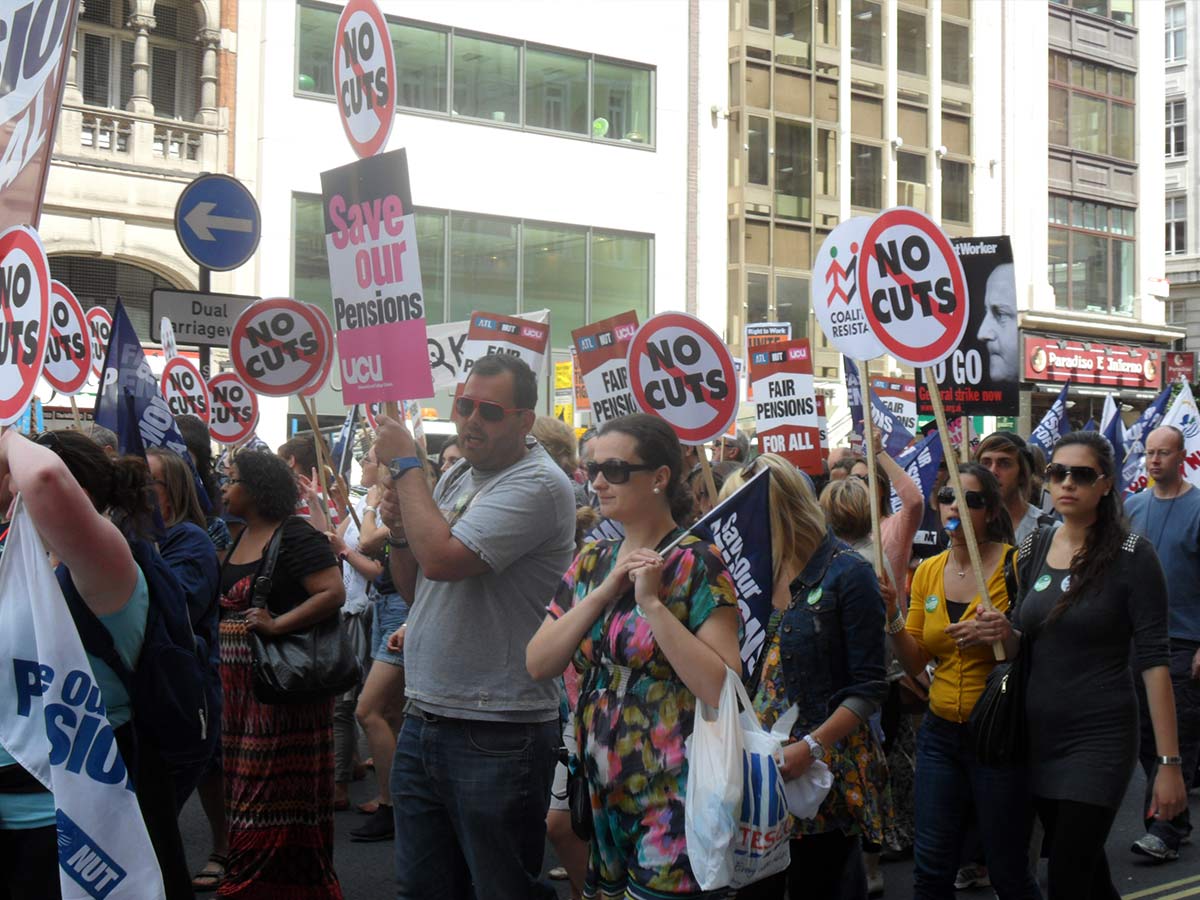
Teachers already receive horrible pay and benefits for doing one of the most important jobs out there. In September 2011, Tacoma teachers had had enough. The teachers went on strike because of increased classroom sizes and pay cuts.
The teacher’s union pushed for smaller class sizes, asking for one fewer per room. While class sizes remained the same, the school district didn’t cut salaries. Instead, teachers sacrificed one day a year for professional development.
The Verizon Strike of 2011

August 2011
45,000 Participants
This strike didn’t last long, but there were tens of thousands of participants. The problem was that Verizon was pushing for pension freezes, fewer sick days, and an end to all job security provisions following the end of a labor contract.
On top of that, Verizon was looking to outsource as much as possible. After two weeks, Verizon management agreed to begin bargaining on the issues. Verizon would eventually see another strike in 2016 for similar reasons.
The Writers Guild of America Strike of 2007
November 2007 to February 2008
12,000 Participants
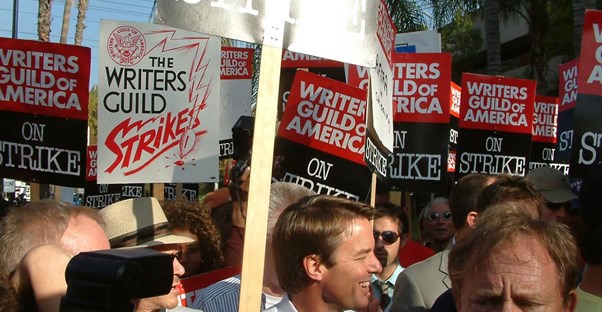
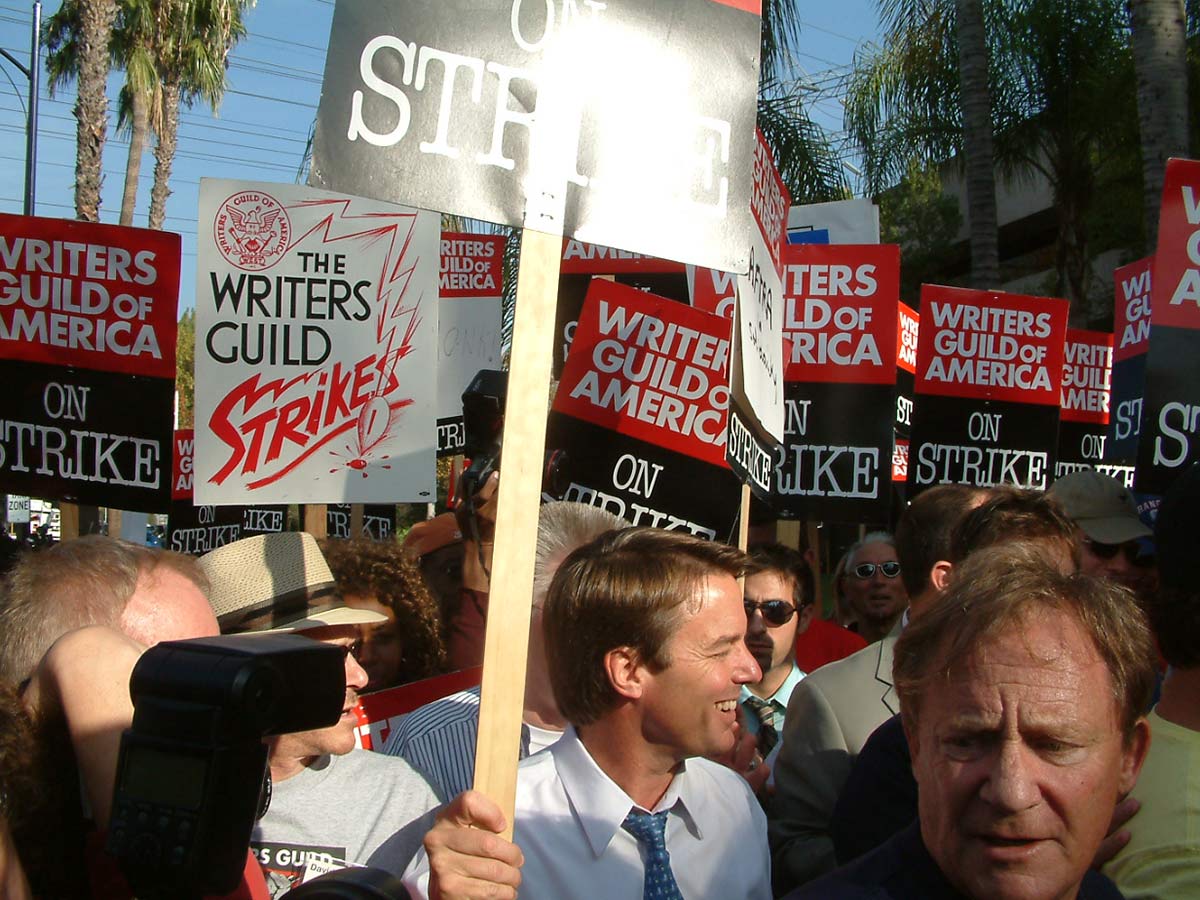
Writers have never really gotten the recognition they deserved, and the many strikes prove that. During 2007, every member of the Writers Guild of America went on strike, which massively disrupted TV.
They wanted more compensation from larger studios like CBS, NBCUniversal, The Weinstein Company, Walt Disney Company, Warner Bros., and more. There was an estimated $2 billion was lost because of the strike, but the WGA won a piece of digital revenues and established a percentage on the distributer’s gross.
The New York City Transit Strike of 2005

December 2005
33,000 Participants
New York City has one of the largest public transit systems in the United States. So, when workers went on strike in 2005, the city felt it. The strike began after negotiations broke down over a new contract that outlined retirement, pension, and wage increases.
In New York, it’s illegal for municipal workers to go on strike, so the leader of the strike (Local 100 President Roger Toussaint) was arrested, but workers eventually got a deal they could settle on. There would be no pension cutbacks, wages would increase, and there would be additional paid holidays.
Philadelphia General Strike of 1835

June 1835
20,000 Participants
The Philadelphia General Strike of 1835 is considered to be the first mass strike in American history. It all began in Boston, where a carpenters’ strike had been quashed for the third time. News of the failed strike for a 10 hour work day reached Philadelphia coal workers, who rallied together for the cause. Soon, they were supported by people of all different professions.
The city believed that a shorter work-day would leave more time for unscrupulous activity, but the workers wanted to fully participate in their society; working all hours of the day wouldn’t allow for that. The strike grew 20,000 strong, and on June 22nd 1835, a six-to-six work day (with two hour-long meal breaks) was instituted along with higher wages for women.
Great Southwest Railroad Strike of 1886
March to September 1886
200,000 Participants
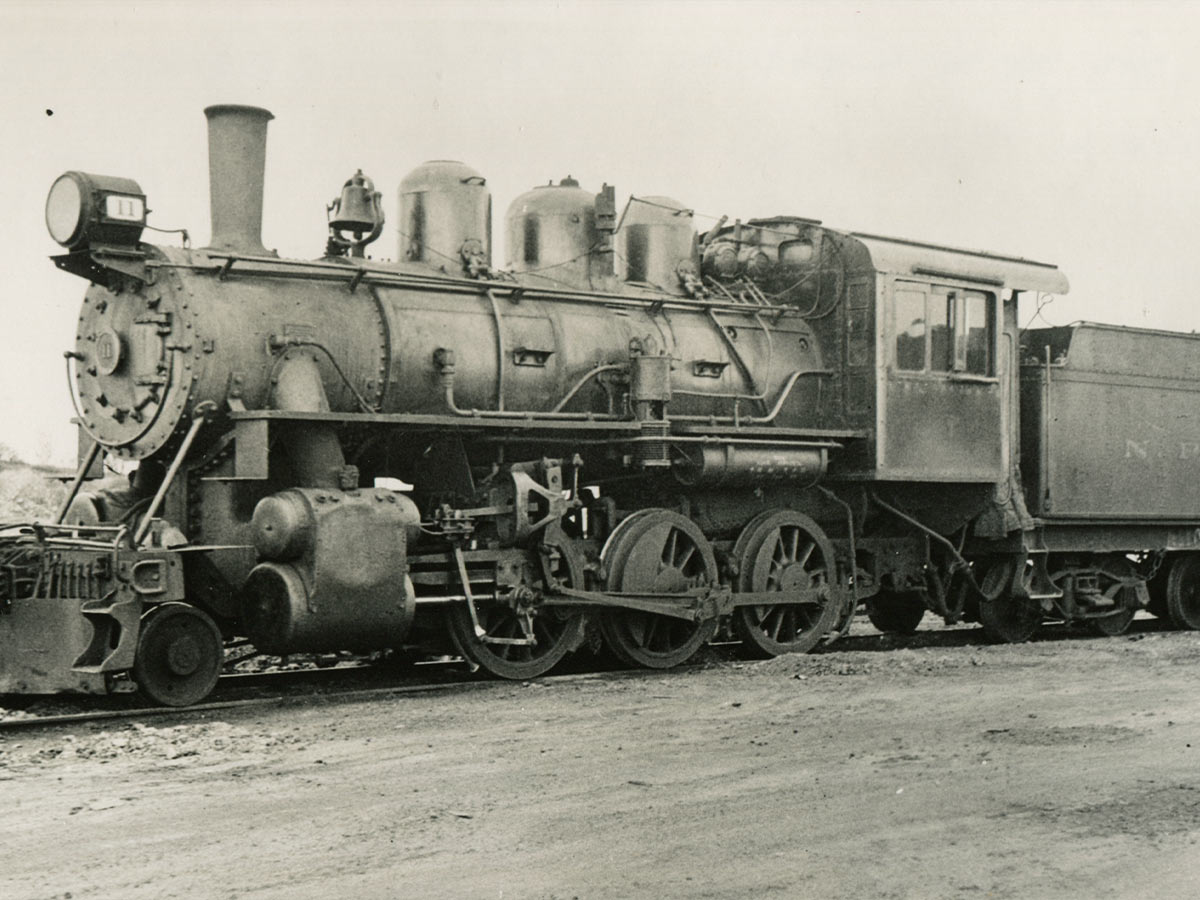
As the name implies, the Great Southwest Railroad Strike spanned several states, even reaching the Midwest state of Illinois. It all started in Marshall, Texas, when a member of the Knights of Labor lost his job for going to a union meeting on company time. The strike began in March and hit a high note when strikers began burning railroad tracks on March 20th. The strike raged on in Missouri, Arkansas and Kansas, even after the government called for an end to the protest.
Strikes continued into the summer, but railroad tycoon Jay Gould got in the way of victory. Strikers who had damaged railroad property were frozen out of jobs, and the Knights of Labor eventually crumbled in August, signaling the end of the strike.
The Pullman Strike of 1894
May 11 to July 1894
250,000 Participants
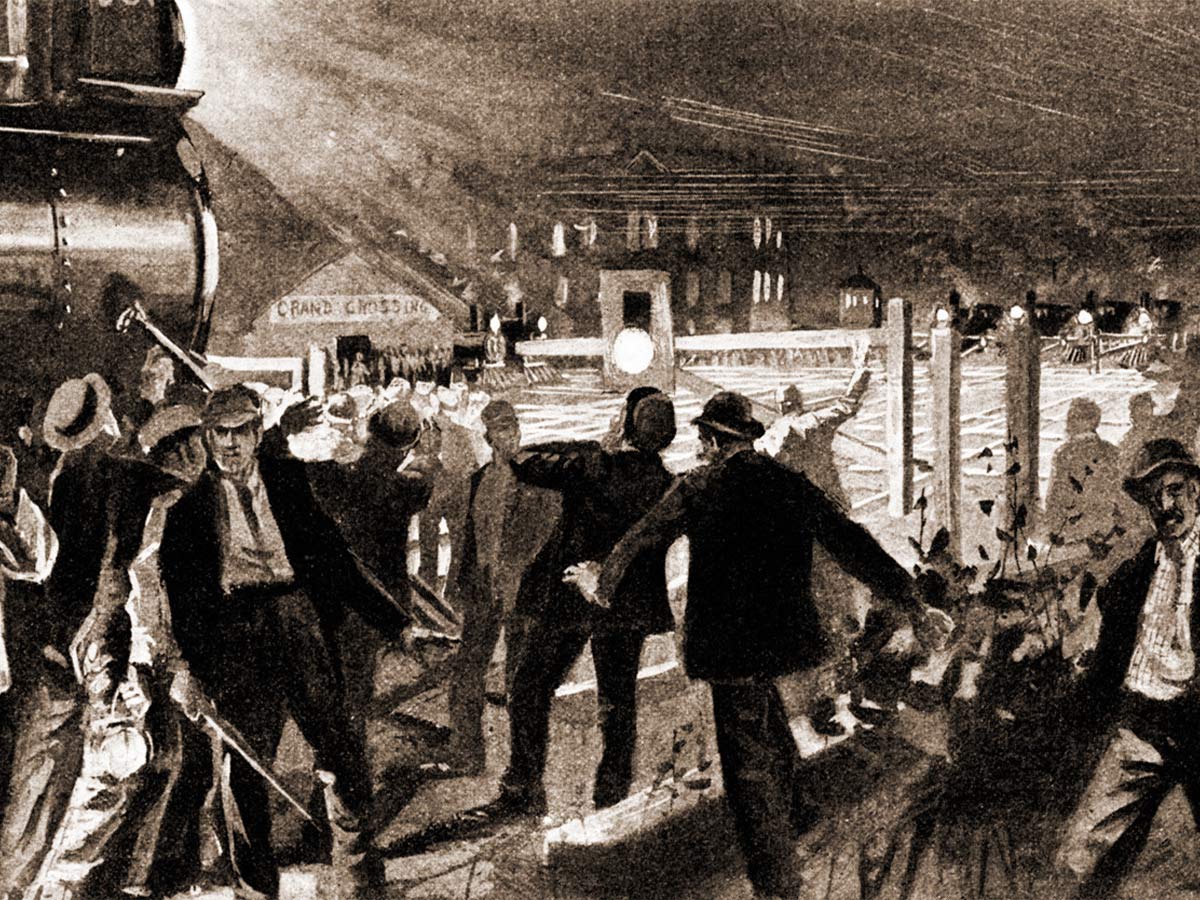
George Pullman founded Pullman City, a town created for Pullman Palace Car Company employees to live. Pullman’s employees were forced to live in Pullman City, regardless of whether they could afford to. In 1893, a depression set back the demand for sleeping cars and Pullman lowered the wages of his factory workers by 25%. Workers couldn’t afford to pay rent, but Pullman didn’t adjust the cost of living in his city. Instead, he took money from their weakened paychecks.
The Pullman Strike kicked off on May 11th. Most of the workers belonged to the American Railroad Union (ARU), and although they began their strike without union authorization, the ARU founder Eugene V. Debs soon showed support. By June 26th, strikers were halting trains with Pullman cars and walking off the job. Eventually, the railroads formed a group to combat the strike: the General Managers Association. Attorney General Richard Olney supported the pro-railroad group, and after he had President Cleveland send federal troops, the railroad managers won. The Pullman Strike marked the first use of federal troops to end a strike and also ruined George Pullman’s reputation as a benevolent employer.
Great Anthracite Coal Strike of 1902

May to October 1902
147,000 Participants
Also known as The Coal Strike of 1902, this 20th-century strike has the distinction of being the first in which the federal government was a neutral mediator. The Great Anthracite Coal Strike began on May 12th when coal miners in east Philadelphia went on strike. These workers demanded higher pay, a shorter workday and union support.
Carroll D. Wright, President Roosevelt’s Commissioner of Labor, was assigned to collect equally assess both sides of the picket line. After a failed attempt at replacing mine labor with the troops and the creation of an arbitration proposal (written by big-time banker J.P. Morgan), the strike came to a close on October 23rd. The workers won a 10% increase in wages and a nine-hour work day; owners enjoyed an increase in the price of coal.
Steel Strike of 1919
September 1919 to January 1920
350,000 Participants
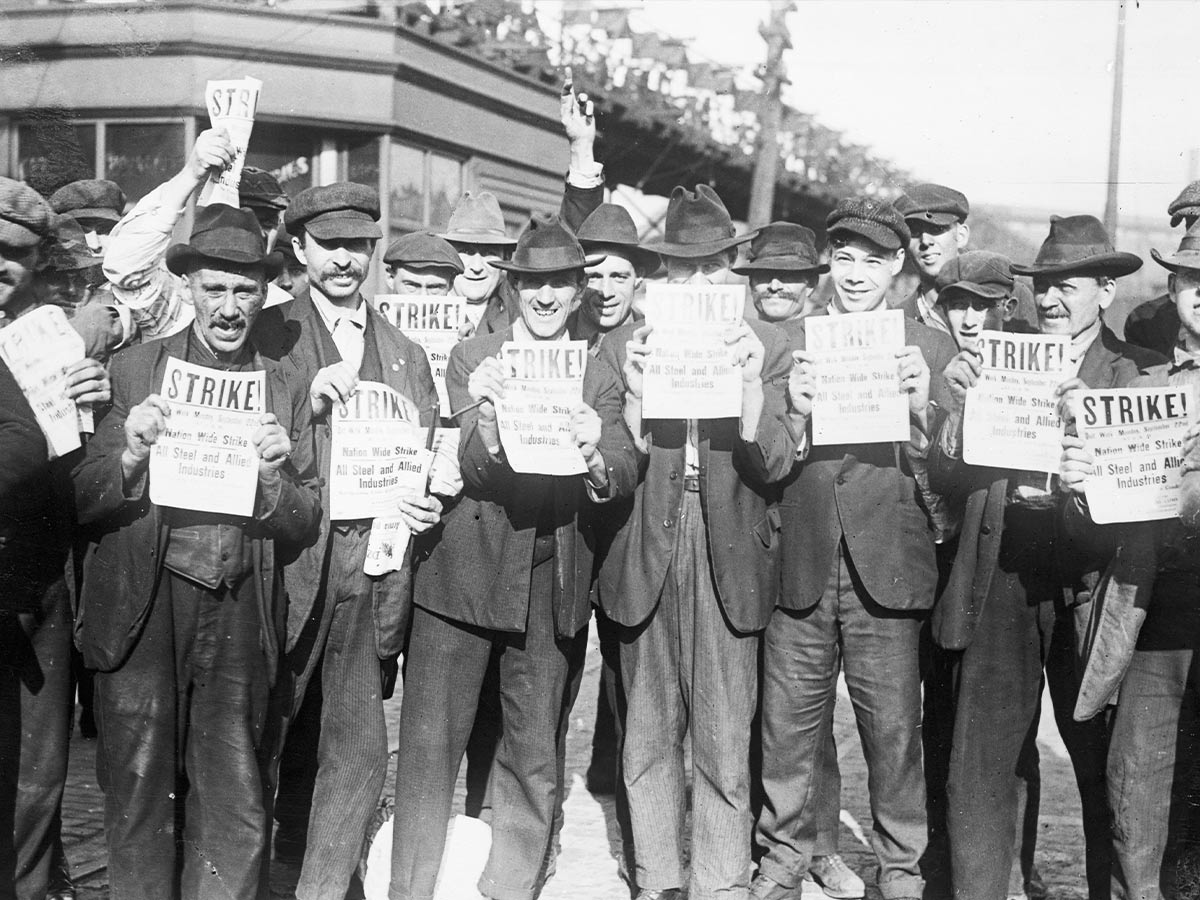
Unions had power during World War I; there was a need for steel and owners usually complied with union requests since they needed to keep workers on board. The end of WWI brought the end of these good times, and the Great Steel Strike of 1919 soon followed. Organized by the American Federation of Labor, workers demanded an eight-hour workday, union recognition, and higher wages. This steel strike caught on quickly, with production stunted in steel cities across the country.
In an effort to end the strike, the company owners took advantage of nationwide fears at the time. They painted unions in a communist light, and when African American and Mexican workers took the jobs of strikers, owners made a point to show how “white jobs” were being stolen. These rumors, paired with a lack of union funding, led to the demise of the strike. New technologies in steelmaking would render skilled steelworkers useless, and there wasn’t a huge strike in the steel industry for nearly two decades.
Railroad Shop Workers Strike of 1922
July to October 1922
400,000 Participants
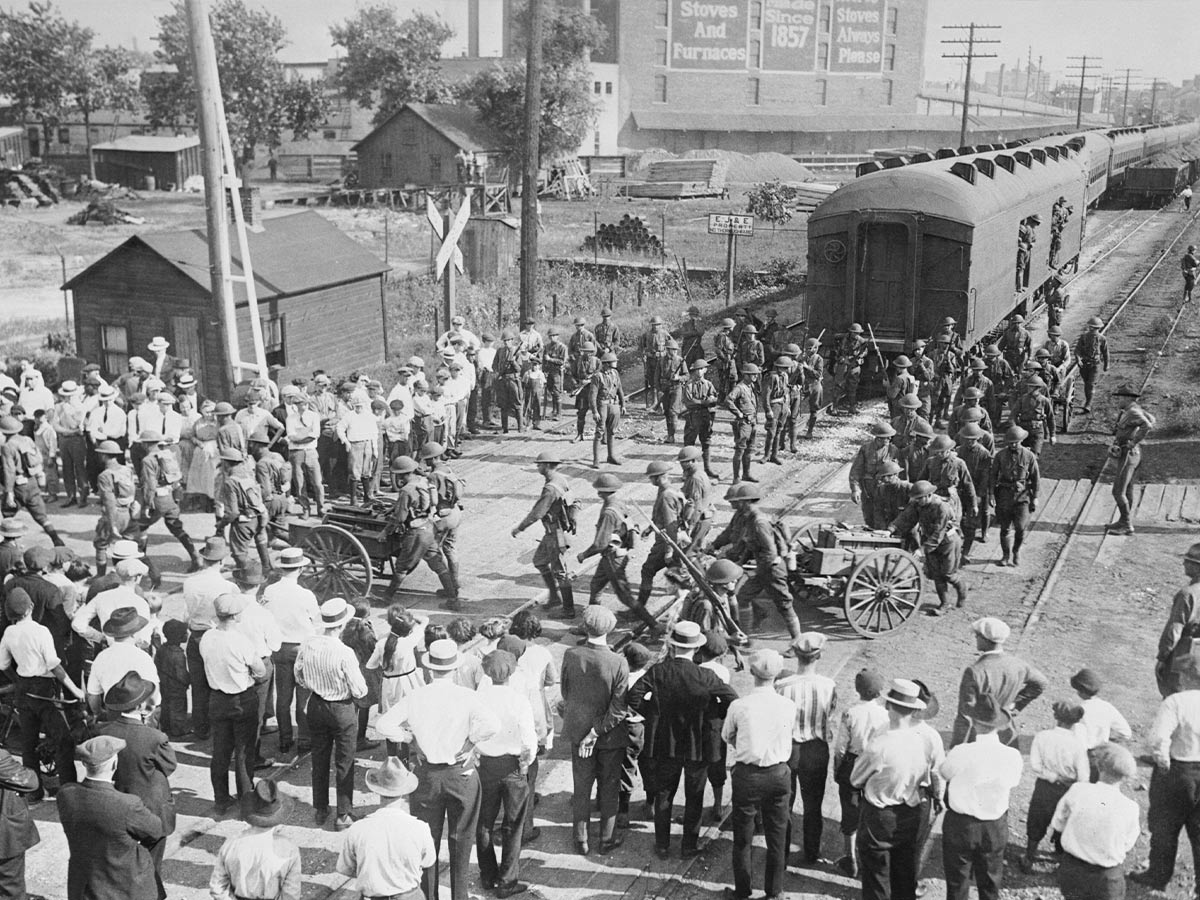
Plummeting wages are at the source of this nationwide strike. The big four railroad unions voted to go on strike on July 1st; 400,000 railway workers across America walked off the job. They were replaced by strikebreakers and African-Americans who were denied union membership.
During the Great Railroad Strike of 1922, there was plenty of violence on both sides of the conflict. Strikers would target trains and strikebreakers, vandalizing their homes and assaulting them on sight. However, strikers were also subject to violence as well. On September 1st, Federal judge James Wilkerson effectively banned union protesting activities, such as striking and picketing, and the strike died shortly after.
Textile Workers Strike of 1934

September 1934
400,000 Participants
The Textile Workers Strike of 1934 was the first that saw Southern workers take to picketing en masse: 170,000 Southern workers joined the United Textile Workers union, which had a strong Northern membership as well.
Unlike strikes in the North, Southern strikers found little support from local government or their communities. The Southern effort wasn’t well organized, and after 22 days, it dwindled down.
United Auto Workers Strike of 1945
November 1945 to March 1946
225,500 Participants
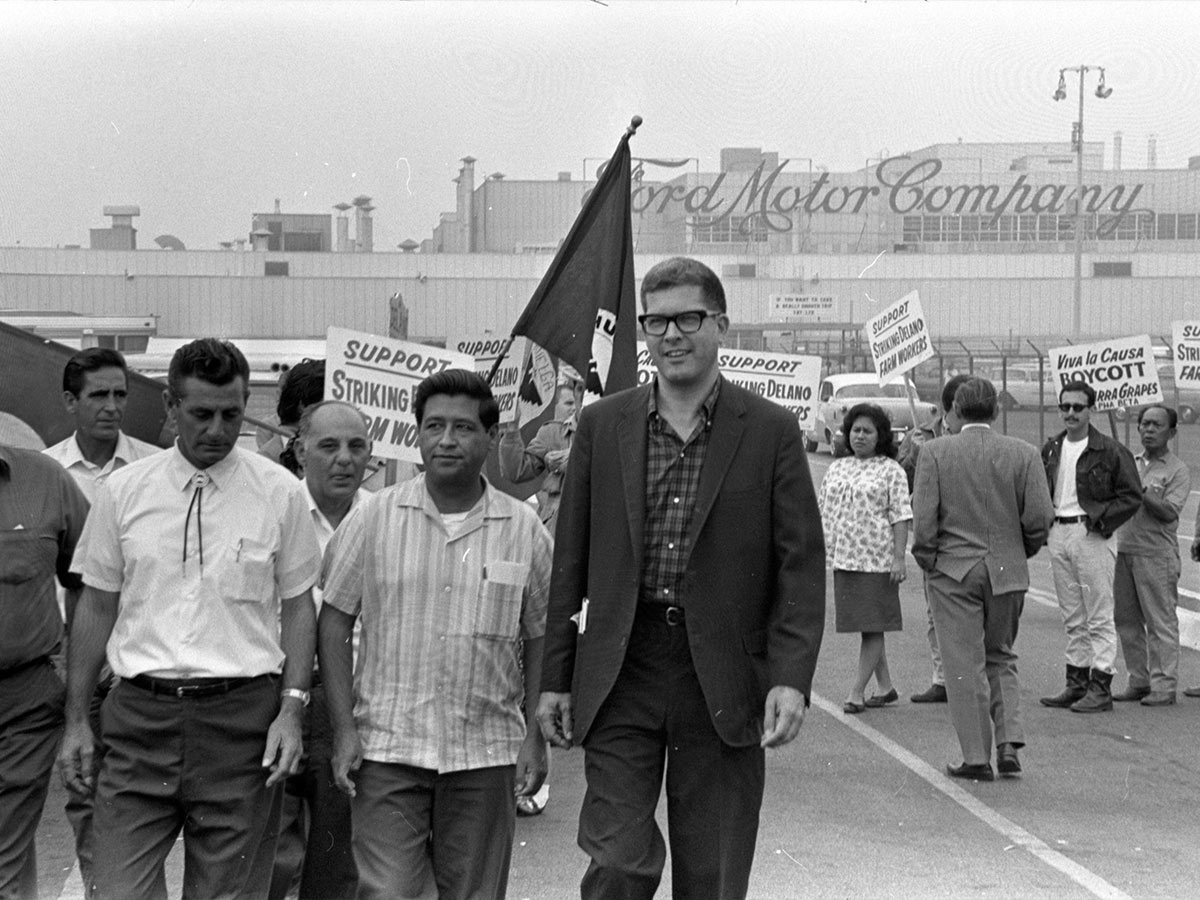
This strike came about just as World War II was ending, and there wasn’t a massive need for vehicles. Many auto companies, including GM, began to slow production while increasing pricing. This kept workers from earning wages, especially as machination was right around the corner.
Around 225,500 United Auto Workers went on strike, demanding a 30% wage increases as well as the ability to set product pricing. GM responded by increasing wages by 17.5% and giving workers paid vacations and overtime. GM did not give them the ability to set prices.
Bituminous Coal Strike of 1946
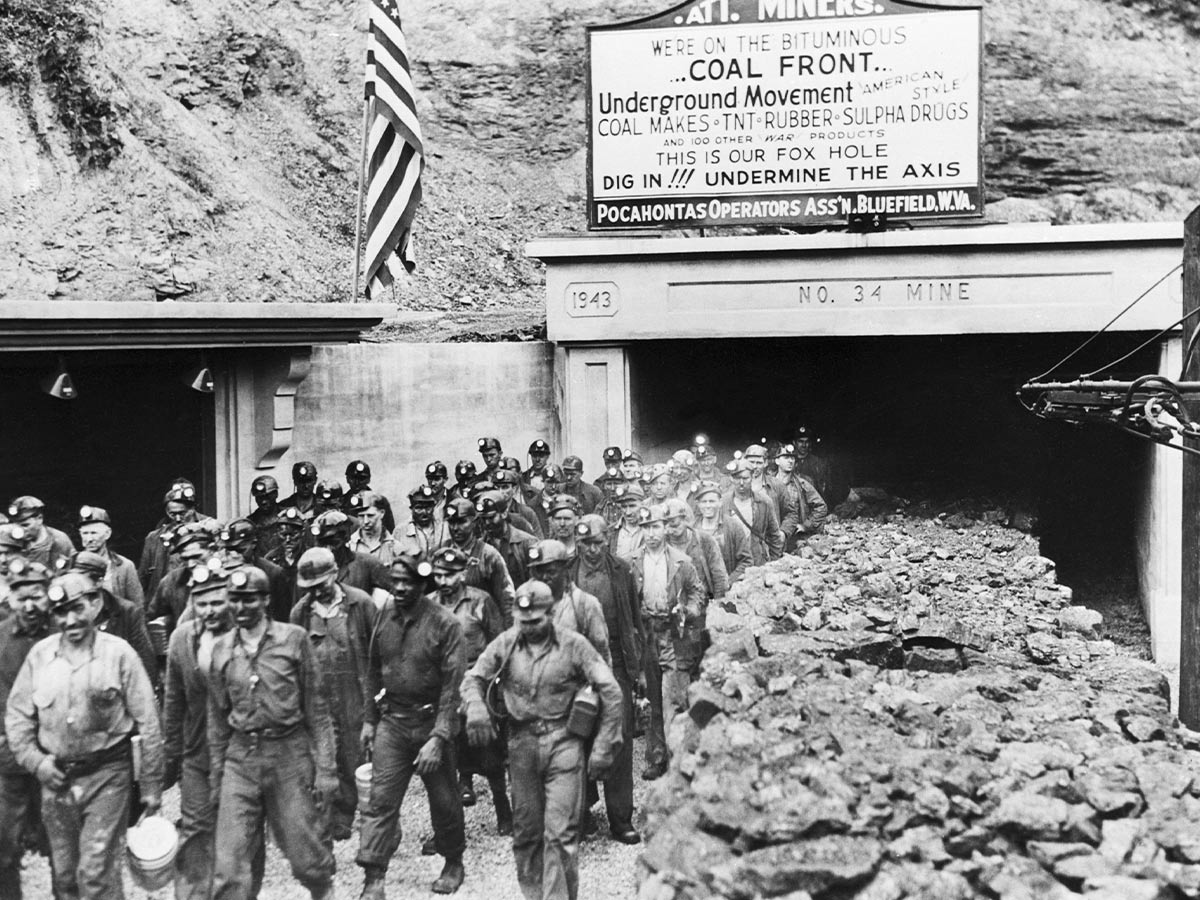
April to December 1946
400,000 Participants
The Bituminous Coal Strike was felt across 26 states. The United Mine Workers of America were demanding better pay, health benefits, and safer working conditions.
The strike came at a time of economic weakness; America was just coming out of World War II, and halting labor couldn’t come at a worse time for the nation. President Harry Truman tried to offer a settlement, and when the UMWA refused, he slammed them with a $3.5 million fine. At least most of their demands were met.
Steel Strike of 1959

July to November 1959
500,000 Participants
Here’s a steel strike where the workers win. The nationwide Steel Strike of 1959 called for higher wages that met the massive profits of the steel industry. If the strike wasn’t 500,000 strong, perhaps the United Steelworkers of America would’ve been defeated.
The united effort led to a successful strike; the USA received a pay raise and job protection.
The Screen Actors Guild of America Strike of 1960

March 1960 to April 1960
6,650 Participants
Today, being an actor is one of the highest-paid gigs out there, but it wasn’t always so. In the early days of Hollywood, actors and TV stars didn’t get paid for episodes that aired on TV. In 1960, the Screen Actors Guild went on strike with Ronald Reagan spearheading the negotiations.
This would be the first industry-wide strike of Hollywood in its 50 years of movie making. After tense negotiations, actors signed a contract where they would get residuals for films starting in 1960 and $2.25 million for a SAG union health plan and pension.
The New York City Garbage Strike of 1968
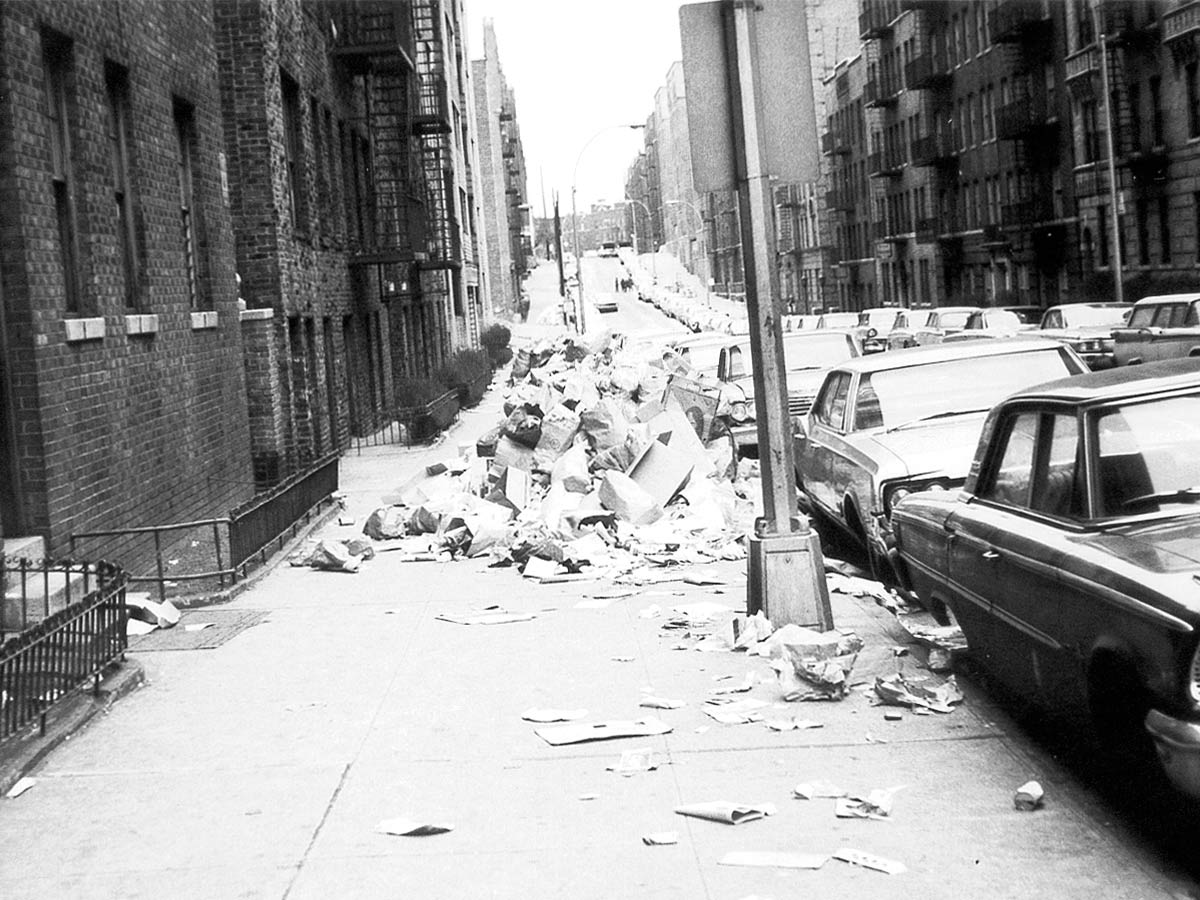
February 1968
10,000 Participants
The year 1968 marked one of the worst times in New York history. For nine days, no one picked up trash. You’d think this wouldn’t be much of a problem, but New Yorkers make a lot of trash. Reports claim there was as much as 100,000 tons of trash on the streets.
Negotiations were attempted, but this led to the leader of the strike being arrested, as striking was against the law. It wasn’t long until the mayor stepped in and gave the workers a wage increase of $425 along with future arbitration.
U.S. Postal Strike of 1970
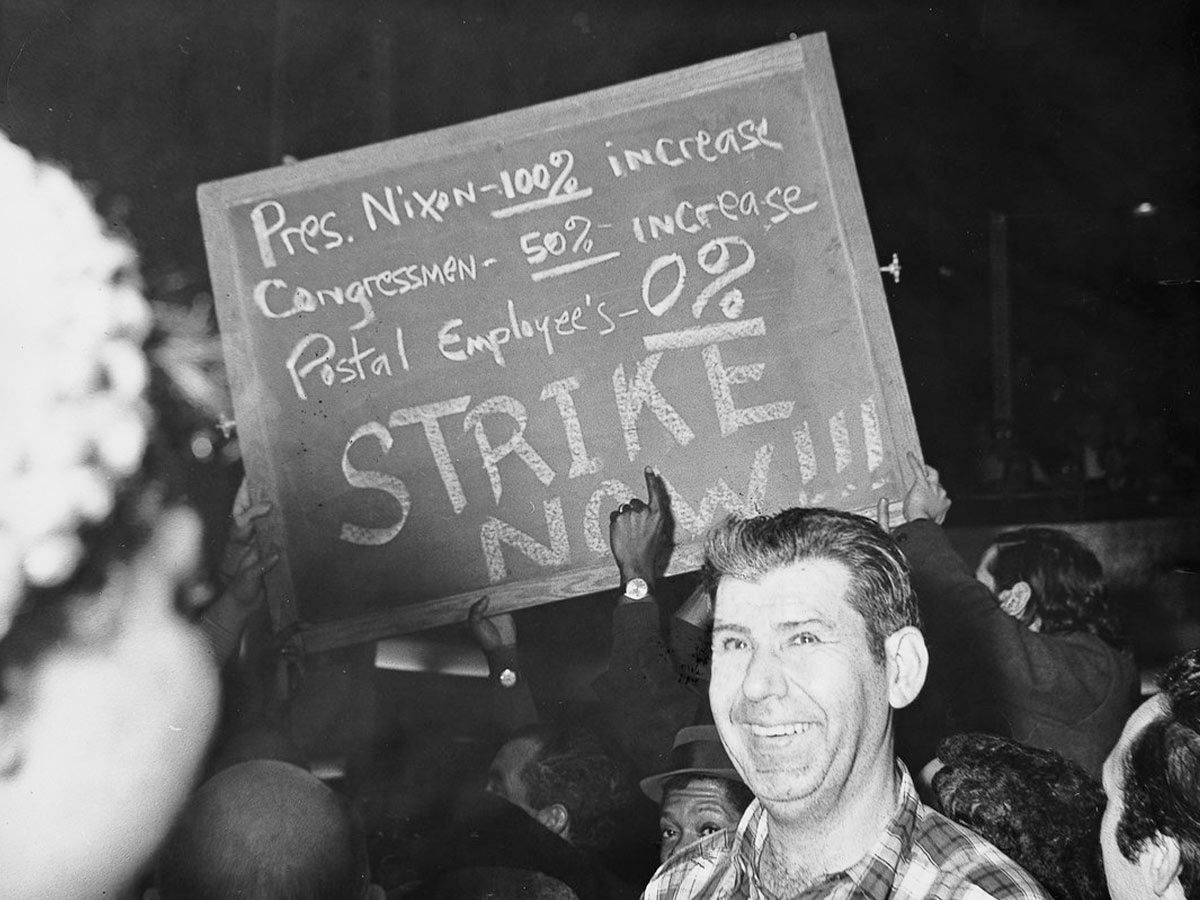
March 1970
210,00 Participants
Back in 1894, Pullman strikers would stop any train with Pullman cars—unless they carried U.S. mail. Interfering with the national post is a surefire way to get the federal government involved and your strike squashed. With that in mind, you can only imagine how quickly the effect of the U.S. Postal strike caught on.
This strike started in New York City, and postal workers across the country quickly followed NYC’s example. After only two weeks, the postal workers were granted higher wages, improved conditions, and negotiation rights.
UPS Workers' Strike of 1997
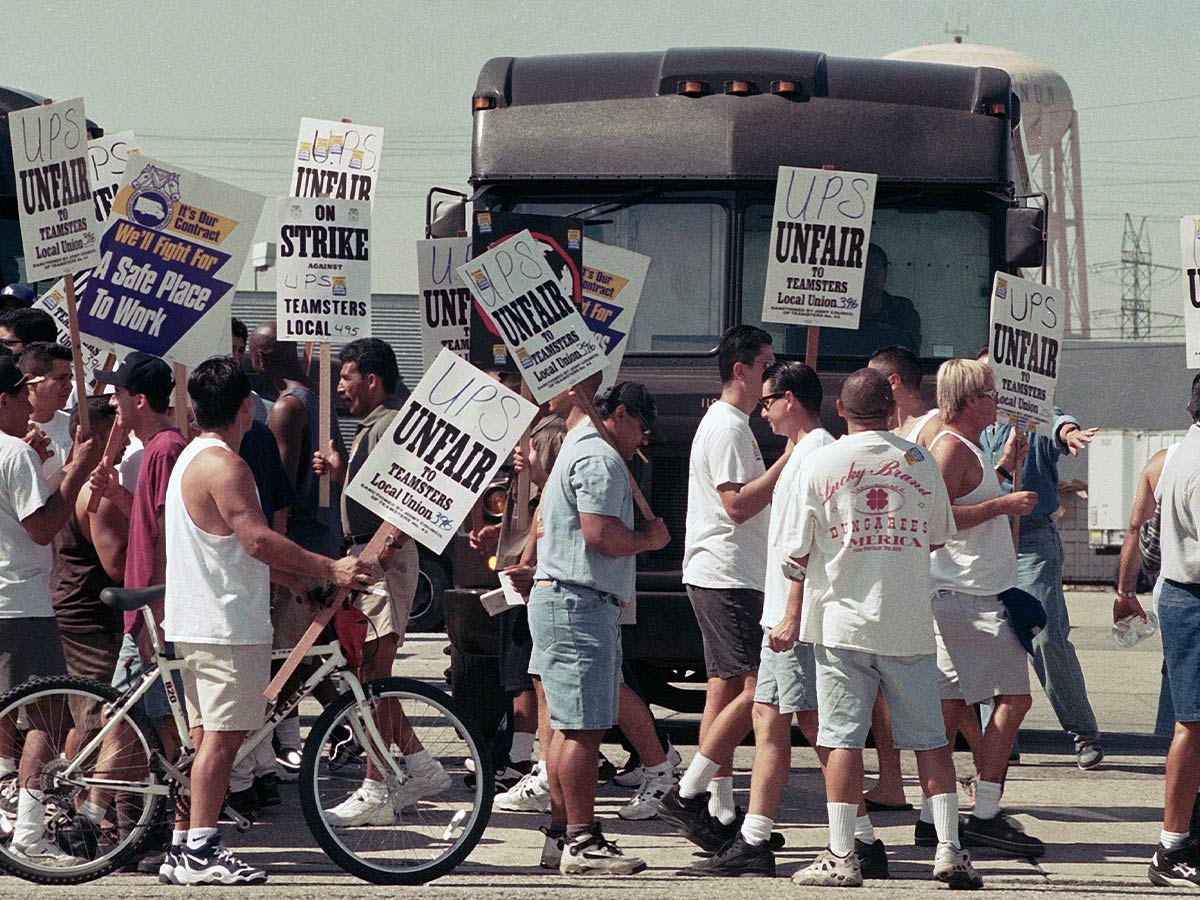
August 1997
185,000 Participants
Who said strikes were a thing of the 19th century? In 1997, nearly 200,000 UPS workers went on strike due to the lack of full-time jobs, low wages and a pension in limbo.
This nationwide strike caught traction, and although UPS lost $600 million in profit during the month of August, the strikers were widely supported and had their demands met.