
15 Craziest Things Your Taxes Are Paying For
Ah, taxes. That magical time each year when you hand over your hard-earned money so it can help pave roads, fund schools, and, apparently, pay for some truly ridiculous stuff you had no idea about. You’d think your tax dollars would be used responsibly, but buckle up, because it turns out the government has a taste for the bizarre. We hate to break it to you, but not every cent is going toward filling potholes.
Ever wonder if your money’s being spent on figuring out how to make gingerbread houses earthquake-proof? Or funding hamster fight clubs? Well, prepare to be both horrified and entertained, because we’re pulling back the curtain on 15 of the strangest, most unbelievable ways your tax dollars are being spent. We’re talking investments that make you go, “Seriously? Someone approved this?”
Don’t worry, you’re not alone in rolling your eyes. By the time you finish this list, you’ll either be laughing, crying, or both.
Serbian Cheese
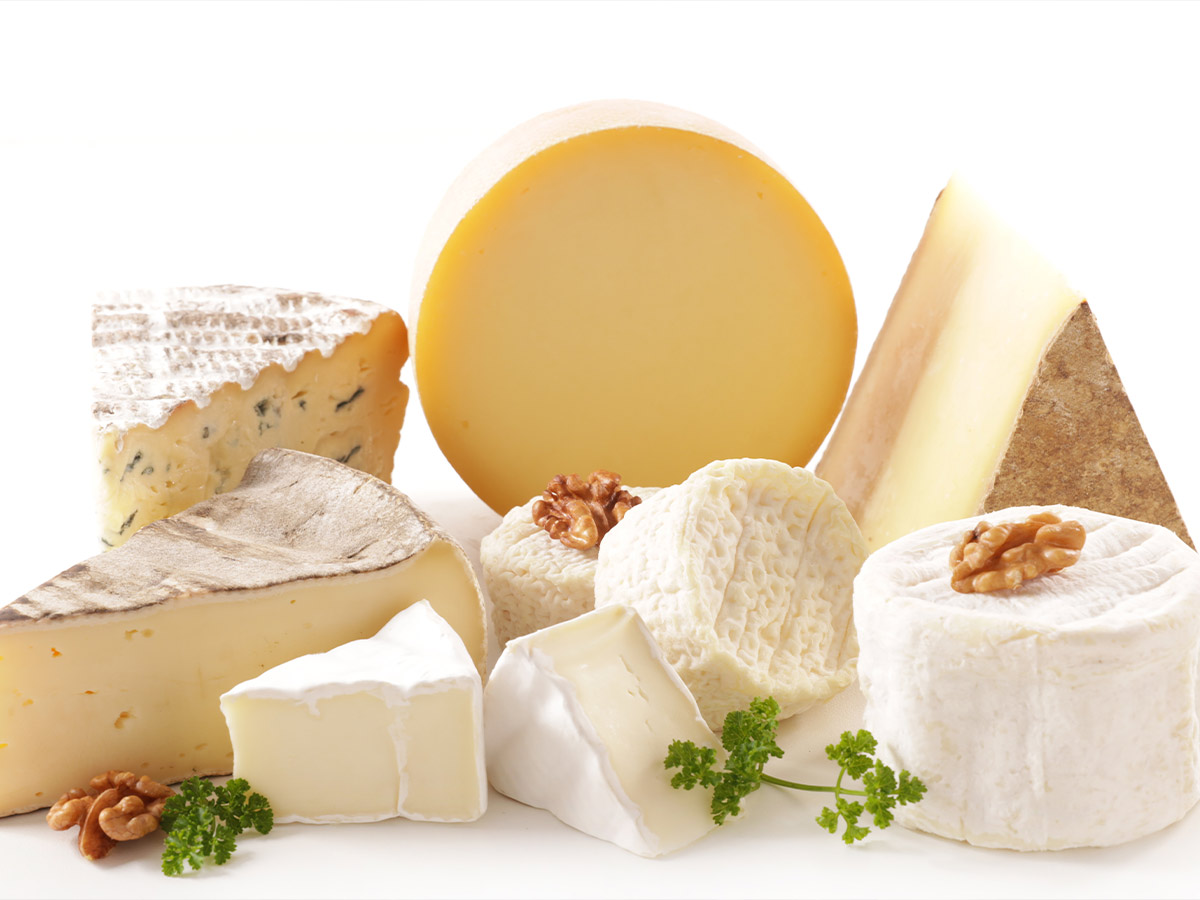
The U.S. spent $22 million in Serbia, partly to teach locals how to make fancy cheese. Yea, you read that right. The U.S. Agency for International Development used funding to support Serbia’s economic and social improvement.
The rural area Pester was famous for its Sjenica cheese, so the USAID developed a modern cheese production facility and trained staff to make the cheese up to international standards.
A Malfunctioning Self-Cleaning Toilet
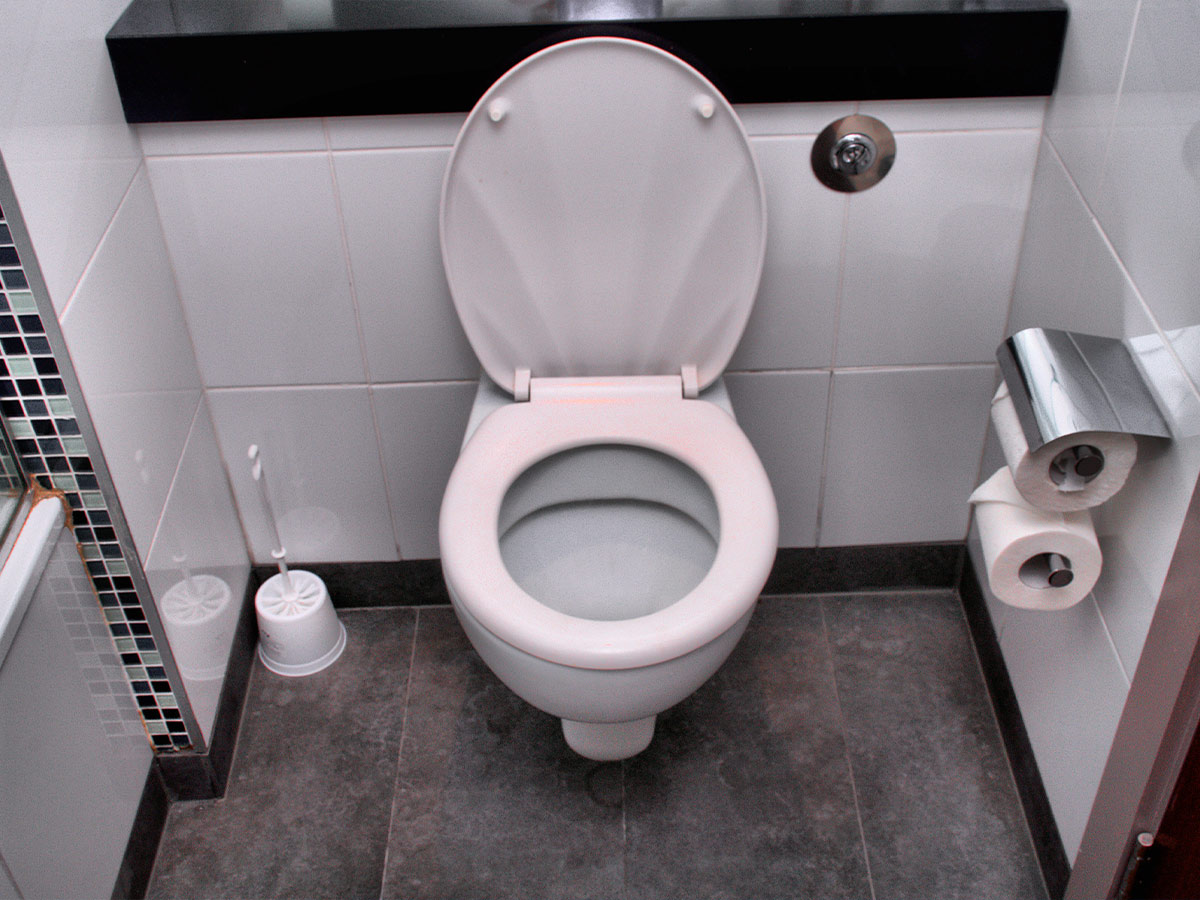
We all hate cleaning the toilet, but how much are you willing to spend so that you don’t have to? The Washington Metropolitan Area Transit Authority (WMATA) was willing to spend $500,000 apparently.
At one of its metro stations, the WMATA spent taxpayer dollars to maintain a single self-cleaning toilet. The cherry on top is that the toilet doesn’t even work. It’s been out of commission since 2017.
Monkey Saliva Testing
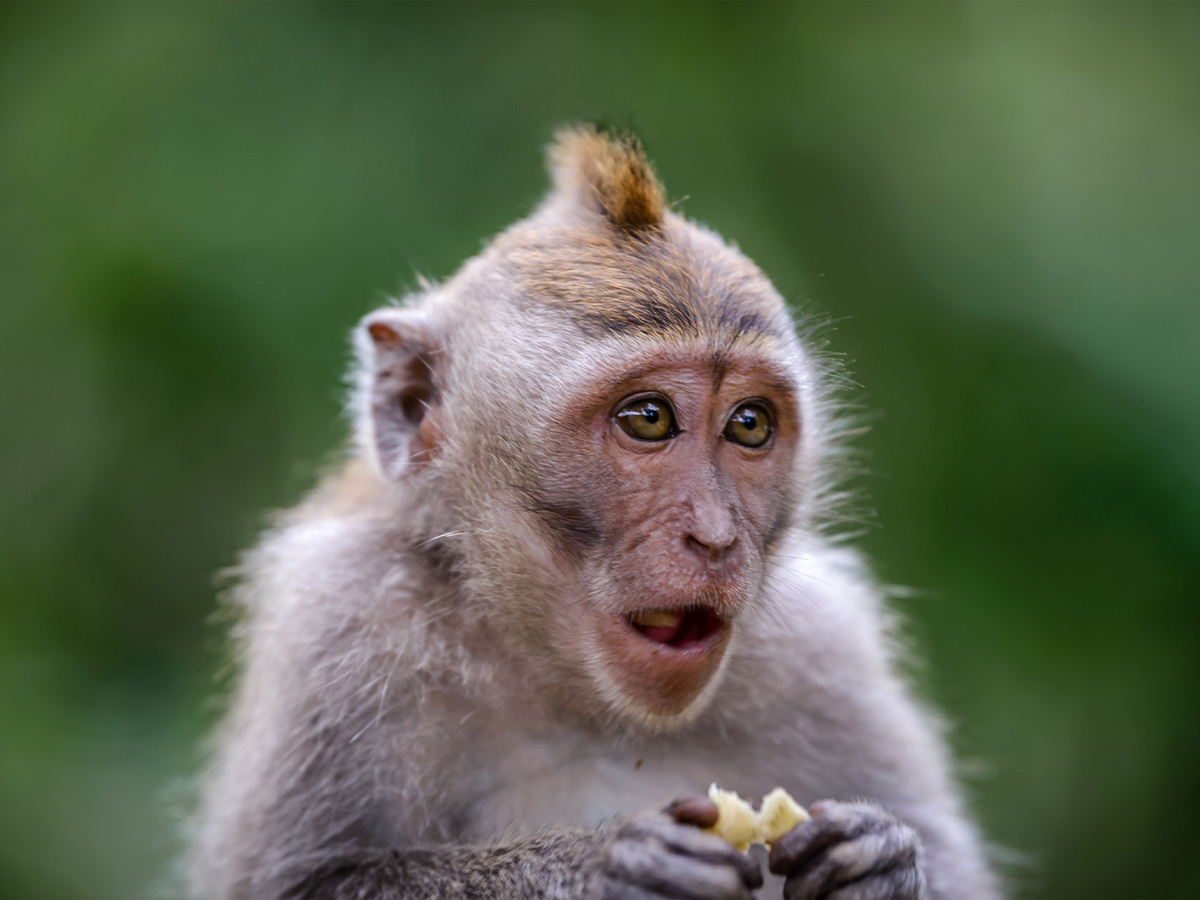
The NIH gave a total of $817,000 worth of grants to the State University of New York at Buffalo to study monkey drool. The experiment compared human drool to different apes and monkeys in order to investigate the evolution of saliva.
Honestly, this is exactly the type of monkey business we expect the government to be up to at this point. At least it’s somewhat interesting, we guess.
Hamster Fight Club
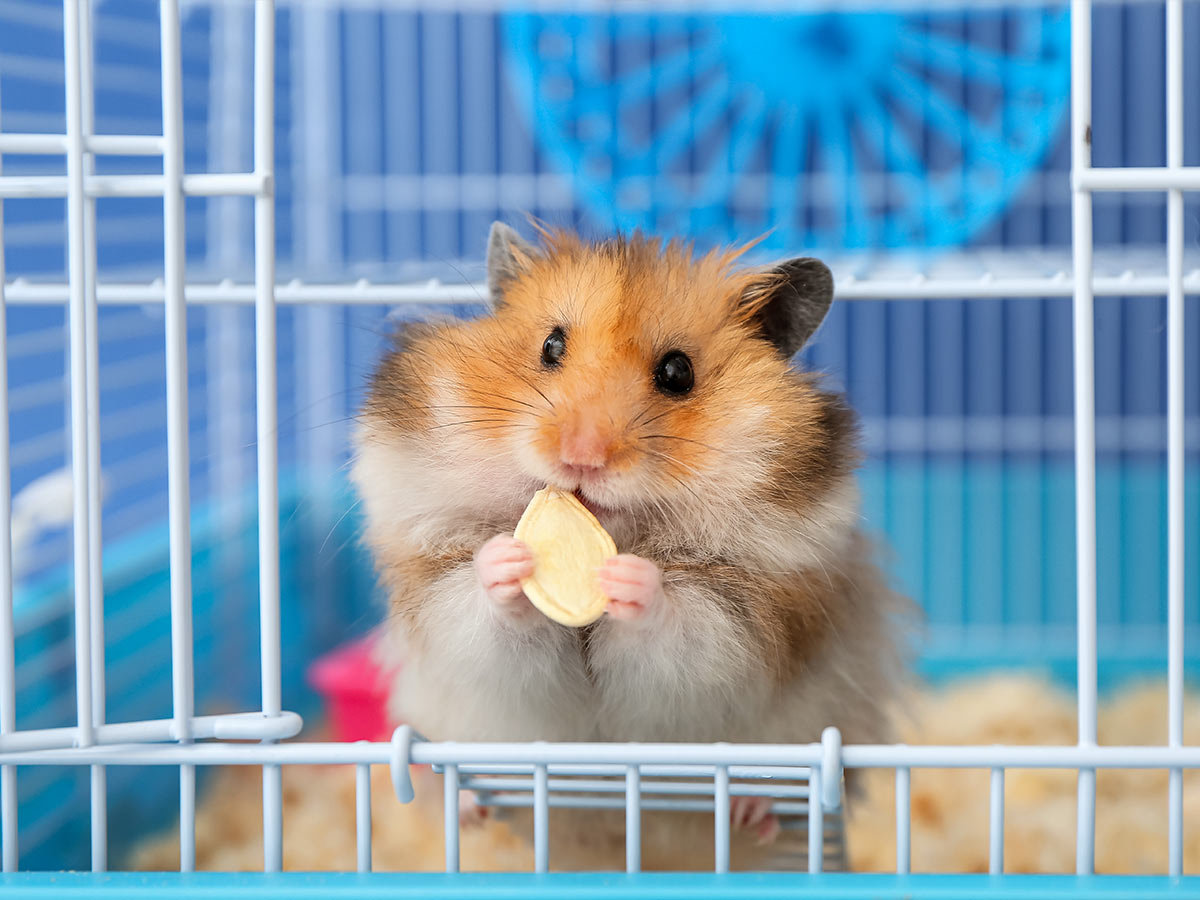
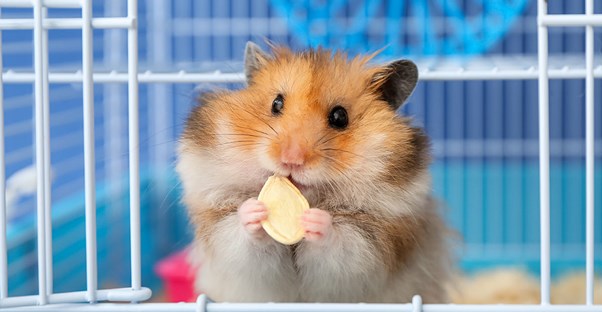
Northwestern University received $3 million to study hamsters fighting. They even used steroid-pumped hamsters to crank up the drama. This epic hamster WWE went on for twenty years, all on the taxpayers’ dime.
The research finally ended in 2017 after animal protection groups protested for years. Maybe next time the cash could go toward something a little more productive than rodent cage matches.
A New IHOP
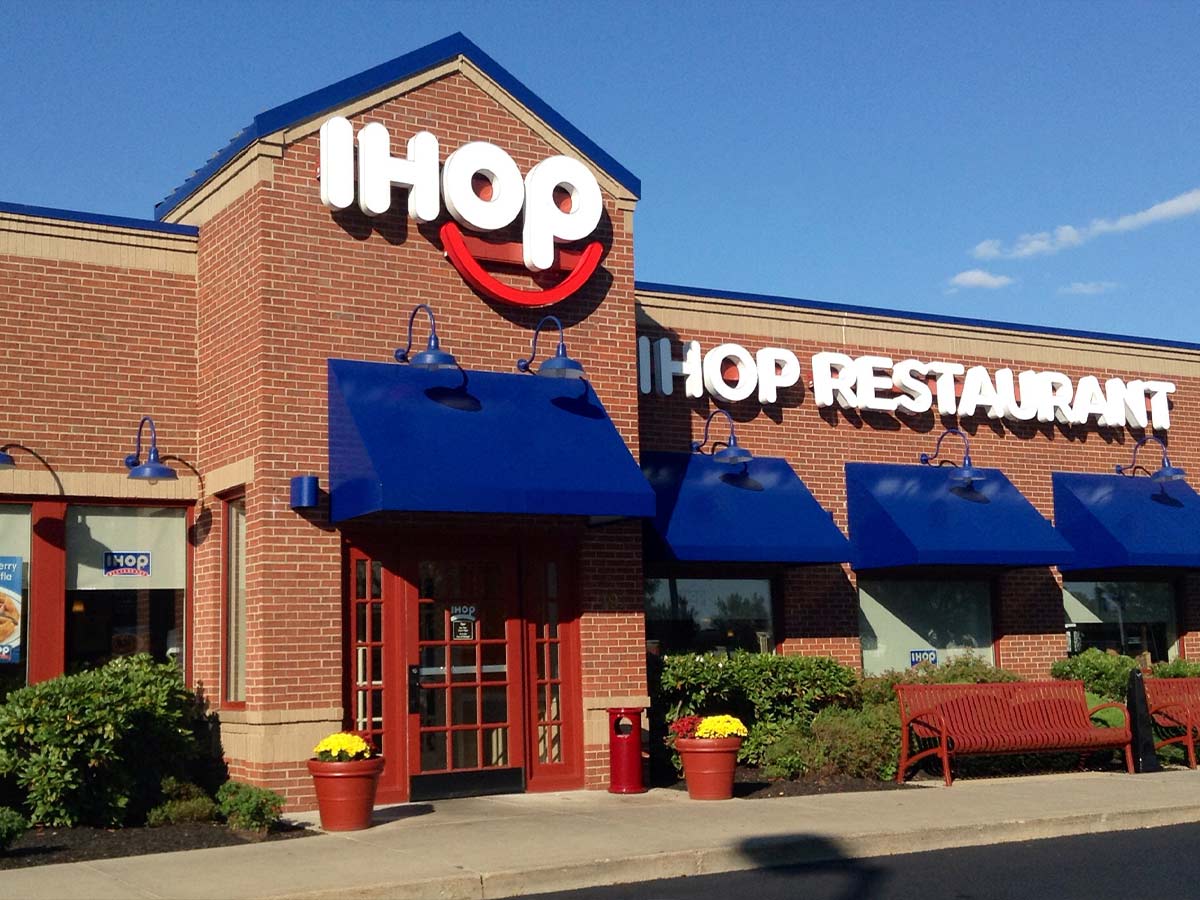
The Department of Health and Human Services allocated $500,000 to help IHOP open a location in Washington, D.C. The purpose was to subsidize pancake breakfasts, hoping to bring in more visitors and help with community engagement.
Yea, this is a nice idea in theory, but it doesn’t really justify the high price tag. There’s no reason to spend taxpayer money on a pancake restaurant instead of addressing more urgent community needs.
Futuristic Bus Stop
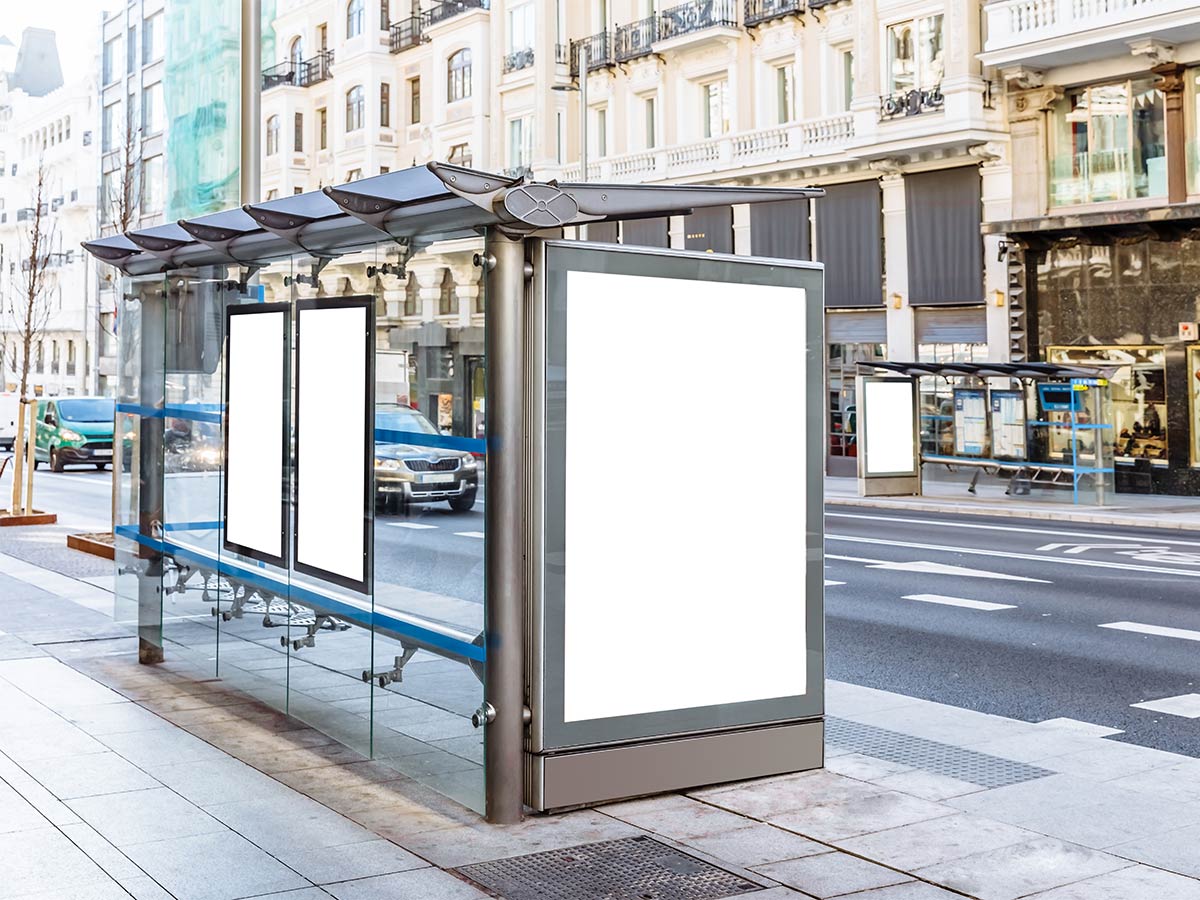
Arlington, Virginia decided commuters needed a $1 million fancy bus stop with heated floors and a snazzy digital schedule. Of course, 80% of this luxury came from federal and state funds.
The purpose was to elevate transportation infrastructure, but the “super-stop” didn’t even protect people from the weather. It doesn’t keep commuters warm or dry, so what’s the point?
Census Bureau’s Super Bowl Ad
The Super Bowl is a great place to advertise because most of the country is glued to their television at the same time. The Census Bureau knew this and decided to spent $2.5 million on a 30-second slot in 2010.
Their goal was to encourage more Americans to mail in their form, but it’s an insane amount of money that could have been spent helping real Americans with real issues.
Anti-Smoking Hipster Parties

The NIH dropped $5 million trying to convince hipsters not to smoke, banking on their love for quirky art and indie tunes. Cigarettes are bad, but apparently, taxpayer-funded koozies and T-shirts are fine.
They even created a group called “Commune” to throw non-smoking parties. Because clearly, if anything can end smoking, it’s an overpriced art show. Spoiler alert: the public wasn’t moved.
The State Department’s Social Media Likes
$630,000 to buy Facebook likes? That’s some expensive ego-stroking, but the State Department thought it would be worth it. They spent that much on in-site advertising to enhance their online presence.
Instead, less than 2% of users bothered to like or favorite their posts. The investment did not have any return, and only made the State Department look foolish. Who knows, maybe they should spend tax payer money on things that actually benefit the public.
Zebrafish Nicotine Addiction
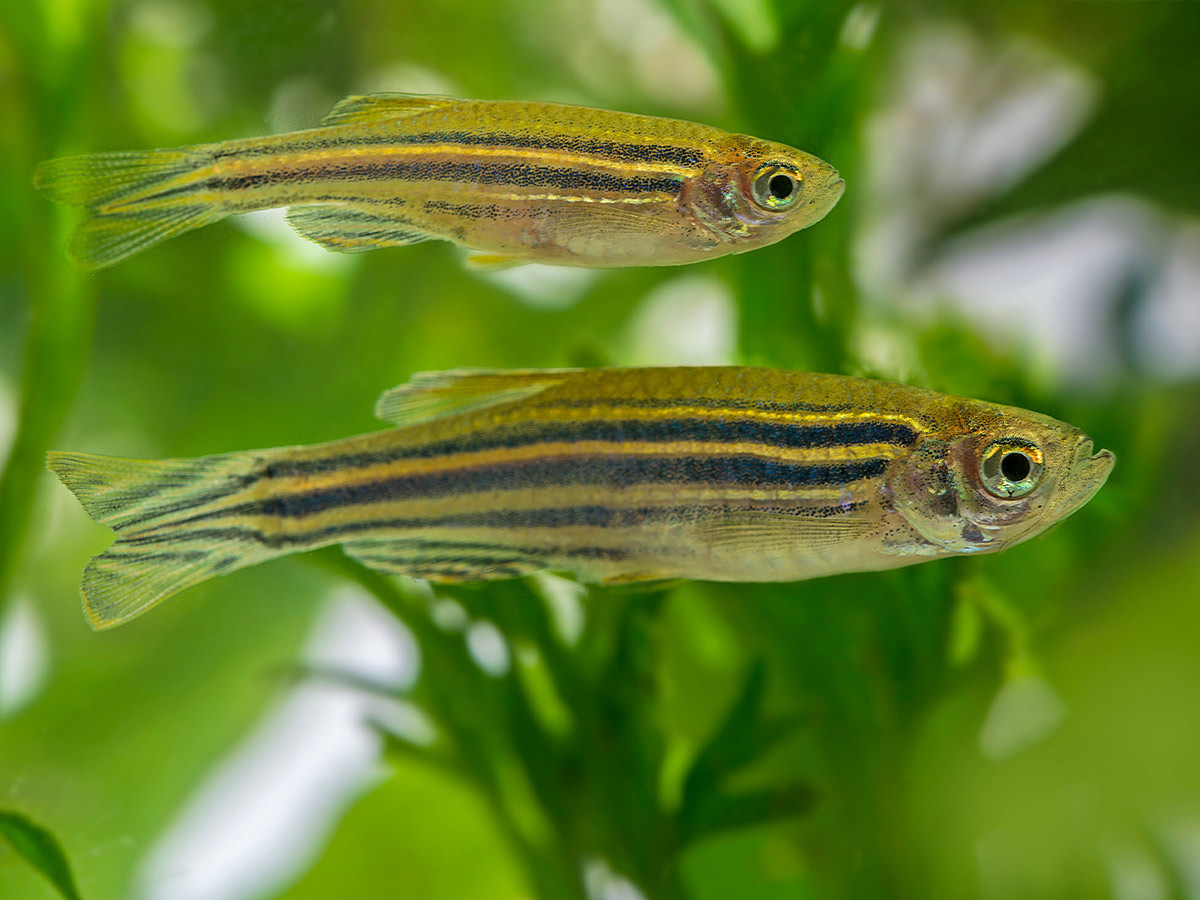
In theory, the American government supporting studies in other countries could be beneficial. But not when the purpose of the study is to get zebrafish addicted to nicotine. Then, it might just be a waste.
The National Institutes of Health (NIH) gave $708,466 to researchers at the University of London Queen Mary and Westfield College to use “zebrafish to examine the effects of nicotine exposure on early development, addiction, anxiety, and learning.”
Luxury Hotels for Secret Service
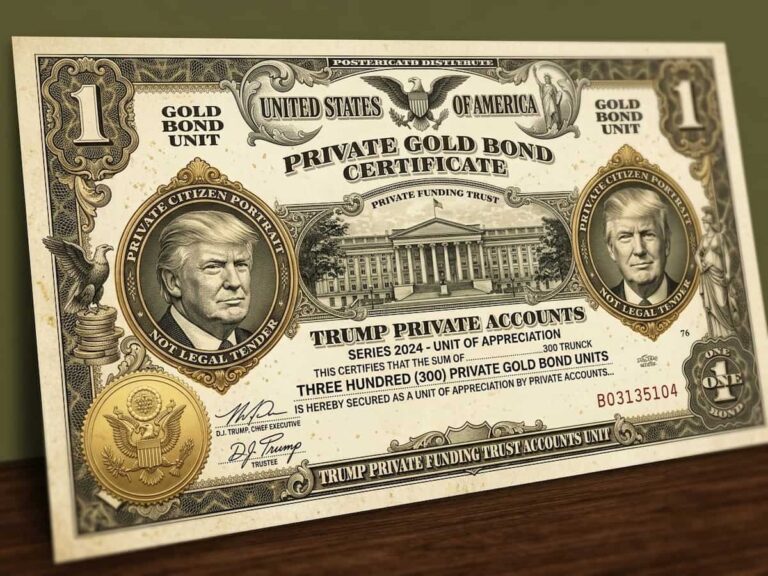
According to an ABC News article, between January 2017 and September 2021, the Secret Service spent $1.4 million at Trump Organization hotels and other properties. these charges were incurred while the Secret Service was protecting President Donald Trump and his family.
At times, the Secret Service was charged five times the government rate to stay at Trump’s own hotels. We’re not saying Secret Service shouldn’t be comfortable, but maybe they shouldn’t be staying in gold plated rooms on the American peoples’ dime.
Computers Binge-Watching TV

How would you feel if we told you that your tax dollars were paying for computers to watch TV all day? Well, it’s true. The endeavor was funded by a $460,000 grant from the National Science Foundation.
The purpose was to train computers to understand and predict human behavior by binge-watching hundreds of hours of television. Unfortunately, the results were inconclusive so we gained nothing from it. But at least the computers had a good time, we guess.
Earthquake-Proof Gingerbread Houses

The Institute of Museum and Library Services issued a $150,000 to the Oregon Museum of Science and Industry for their “How Does the Cookie Crumble?” workshop. Participants built and designed their own earthquake-resistant gingerbread houses tested them on machines replicating tremors.
While earthquakes and natural disasters have become a serious issue in recent years, we don’t think earthquake-proof gingerbread houses are the answer. Delicious, yes. But practical? Not at all. Participants even got to take home their creations.
FBI Movie Consultants
Just know that any time you see an FBI agent in a movie or TV show, it costs you money. The FBI spends $1.5 million annually to run the “Investigative Publicity and Public Affairs Unit,” its entertainment liaison office.
Confirming Frat Bros Like to Drink

It’s common knowledge that fraternities are the center of the party scene on college campuses. However, in 2016, the National Institute on Alcohol Abuse and Alcoholism felt the need to prove this.
The NIAAA used a $5 million grant to investigate the habits of college students. The study revealed exactly what we already knew: members of fraternities and sororities drink more alcohol on average than other college students.