


How the World’s Oldest Banks Have Shaped History
Banks are often seen as mere institutions for storing and managing money, but the world’s oldest banks have played a pivotal role in shaping economies, politics, and societies throughout history. From their inception, these venerable institutions have been at the forefront of financial innovation, influencing trade routes, facilitating economic growth, and providing the necessary capital for ambitious ventures. The evolution of banking reflects the changing tides of civilization, mirroring shifts in power, culture, and technology.
This article will explore the fascinating stories of some of the world’s oldest banks, exploring how they emerged from medieval merchant practices into sophisticated financial entities that laid the groundwork for modern banking systems. By examining their historical contexts, we uncover how these banks helped to stabilize economies during times of crisis, supported the rise of empires, and contributed to the development of global trade networks.
Moreover, the influence of these institutions extends beyond mere financial transactions; they have shaped political landscapes and societal structures, often acting as catalysts for change. Join us on a journey through time as we explore how the world’s oldest banks have not only withstood the test of time, but have also significantly impacted the course of history itself.
Bank of Scotland’s Financial Innovations
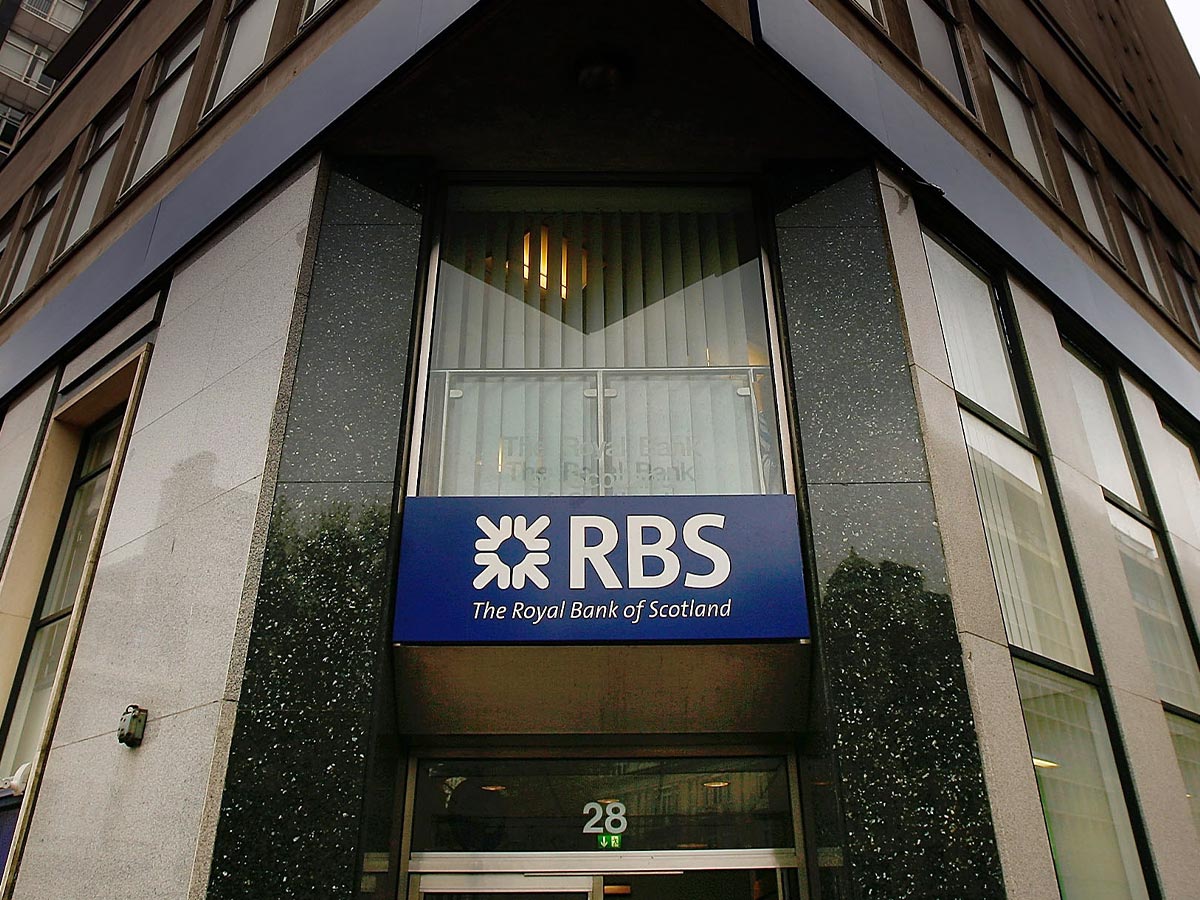
- Introduced First Paper Banknotes in Scotland
- Championed Modern Mortgage Lending
- Pioneered Digital Banking Services
Founded in 1695, the Bank of Scotland has been at the forefront of financial innovation for over three centuries. It issued Scotland’s first paper banknotes, revolutionizing how money was used and trusted in the economy.
Later, the bank led the way in mortgage lending, making home ownership more accessible to ordinary citizens and setting the groundwork for modern personal finance. Recently, the Bank of Scotland has lead the way in digital banking. By adapting to the needs of each era, the Bank of Scotland has shaped financial practices that continue to impact banking systems globally.
Banca Monte dei Paschi di Siena in the Birth of Modern Banking
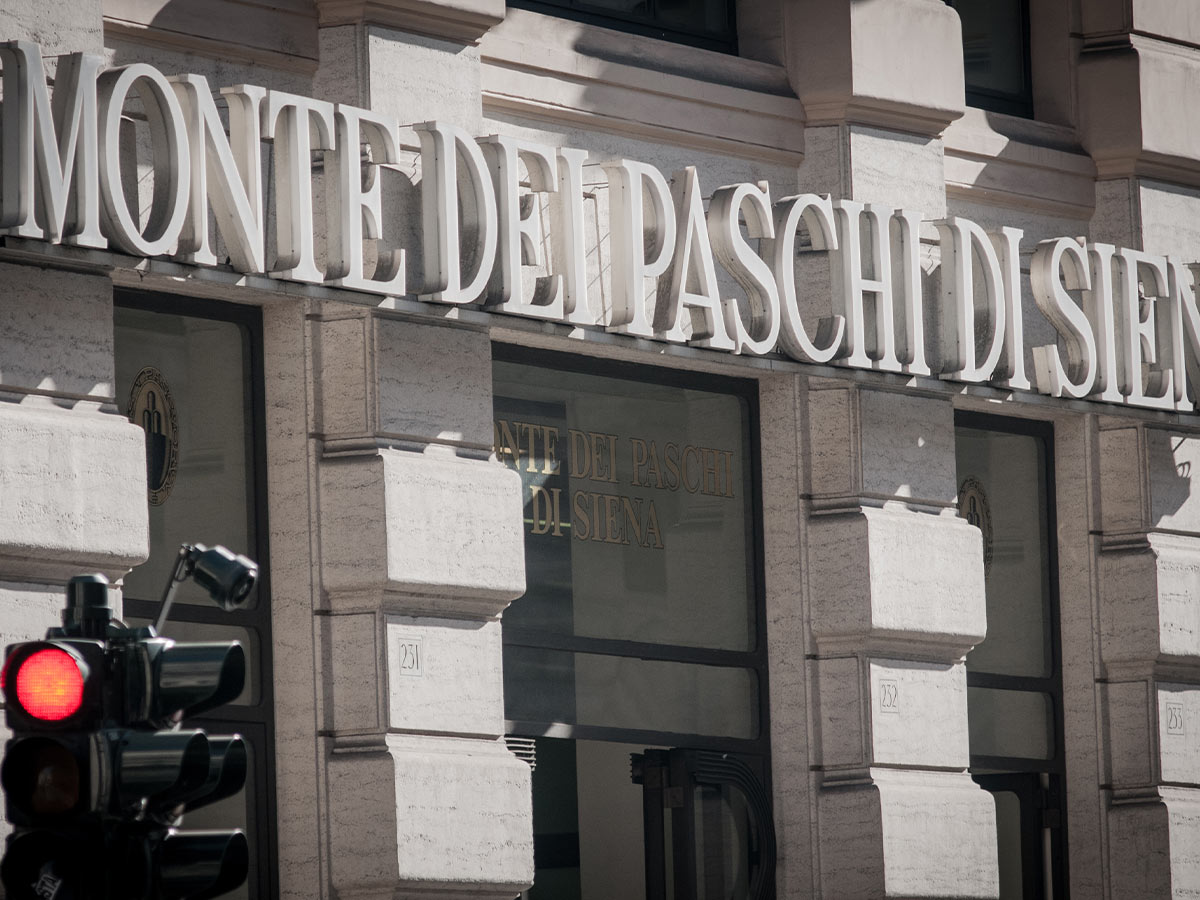
- Laid the Groundwork for Modern Banking
- Stabilize the Economy of Siena During Downturns
- Introduced Loans and Deposit Accounts
Banca Monte dei Paschi di Siena, often regarded as the granddaddy of modern banking, set the stage for financial systems we know today. Established in the heart of Siena in 1472, it introduced innovative banking practices that revolutionized how people interacted with their money.
Imagine a world where loans weren’t a thing — chaotic, right? This ancient institution not only offered loans but also provided deposit accounts, paving the way for financial inclusivity.
Over the centuries, it helped stabilize local economies, proving that banks could be champions for communities in distress. Its legacy lives on, reminding us that even the most staid institutions can be pivotal players in the story of human progress.
The Medici Bank’s Role in Europe’s Renaissance

- Financed Artists and Thinkers, Fueling the Renaissance
- The Family’s Banking Empire Extended Their Political Power Across Europe
- Facilitated International Trade, Connecting Europe with Global Markets
The Medici Bank stands as a towering figure in the tapestry of Europe’s Renaissance, transforming not just finance but culture itself. Founded in the 14th century, the Medici family used their banking prowess to support groundbreaking artists like Michelangelo and Botticelli, funding masterpieces that still captivate today.
But it wasn’t all about aesthetics; the Medici Bank also wielded substantial political influence, acting as puppet masters behind the scenes, securing power through wealth. Their banking innovations allowed for expansive trade networks, linking Europe to burgeoning global markets.
In a sense, the Medici Bank didn’t just help the Renaissance flourish; it ensured that the echoes of that vibrant era would resonate through history, shaping the world as we know it.
Barclays and the Expansion of the British Empire

- Funded the Expansion of British Colonial Enterprises
- Provided Essential Financial Services to Merchants
- Invested in Infrastructure Projects That Bolstered the Empire’s Reach
Barclays is more than just a banking institution; it is a cornerstone in the story of the British Empire’s expansion. Founded in the late 17th century, the bank quickly recognized the financial needs of burgeoning colonial ventures.
By providing crucial funding for exploration and trade, Barclays helped facilitate the empire’s ambitious overseas ambitions. Their services didn’t just stop at funding; they supported merchants navigating complex international markets, ensuring that British goods flowed smoothly around the globe.
Moreover, Barclays financed critical infrastructure projects — think railways and ports — that connected colonies to Britain and fueled economic growth. In many ways, Barclays didn’t just bank on the Empire’s success; it was a vital partner in crafting the narrative of global trade and colonialism that would shape history.
The Bank of England as Economic Guardian
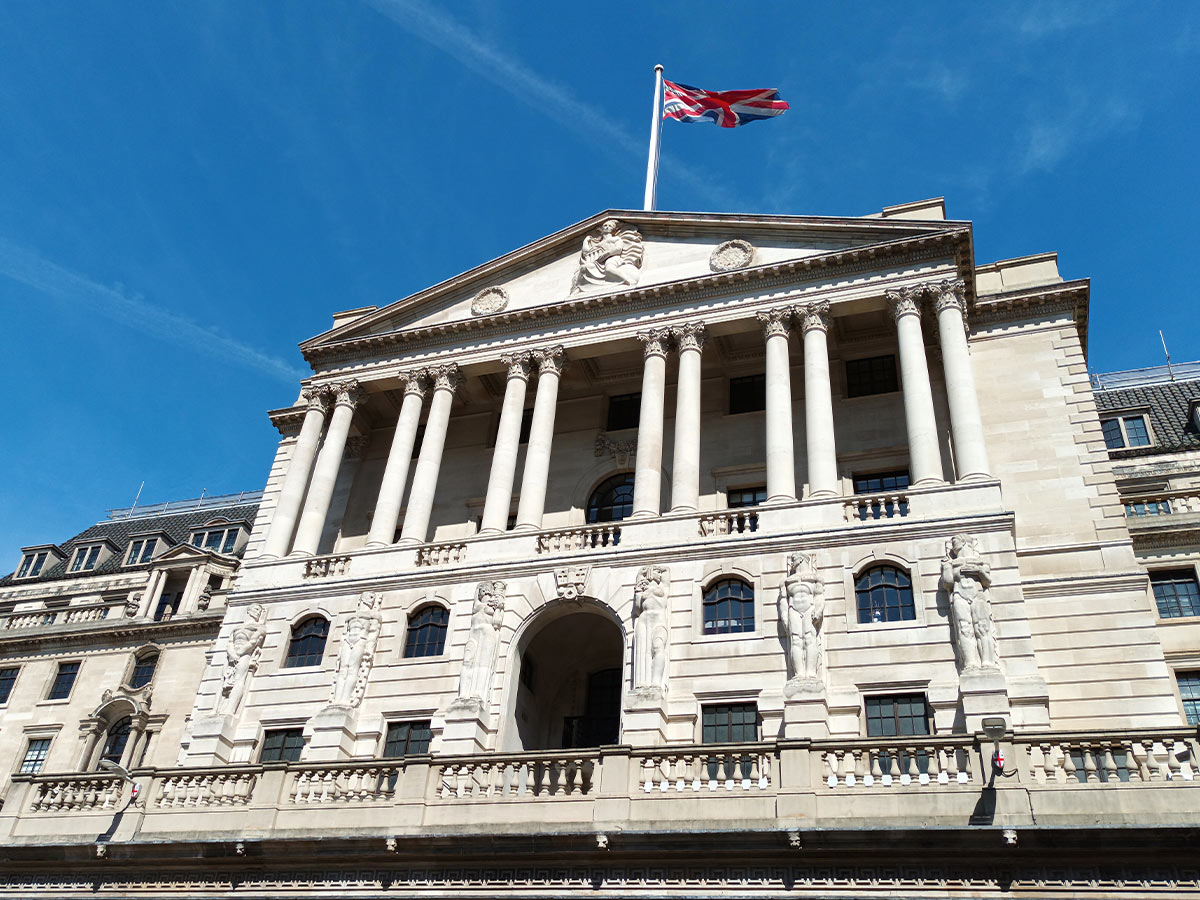
- Established a Stable Monetary System for England
- Financed the Government
- Implemented Banking Regulations
As the economic backbone of the United Kingdom, the Bank of England serves as a vigilant guardian of financial stability. Established in 1694, it was initially created to fund the government’s war efforts, but its role quickly evolved into a cornerstone of the British economy.
By stabilizing the national currency, the bank helped instill confidence in both domestic and international markets, making it a key player in fostering economic growth. Beyond currency, it facilitated government financing, allowing for ambitious public projects and infrastructure development. Moreover, the bank’s oversight of banking regulations ensures that the financial sector operates smoothly, safeguarding against crises.
Sveriges Riksbank Becomes the First Central Bank
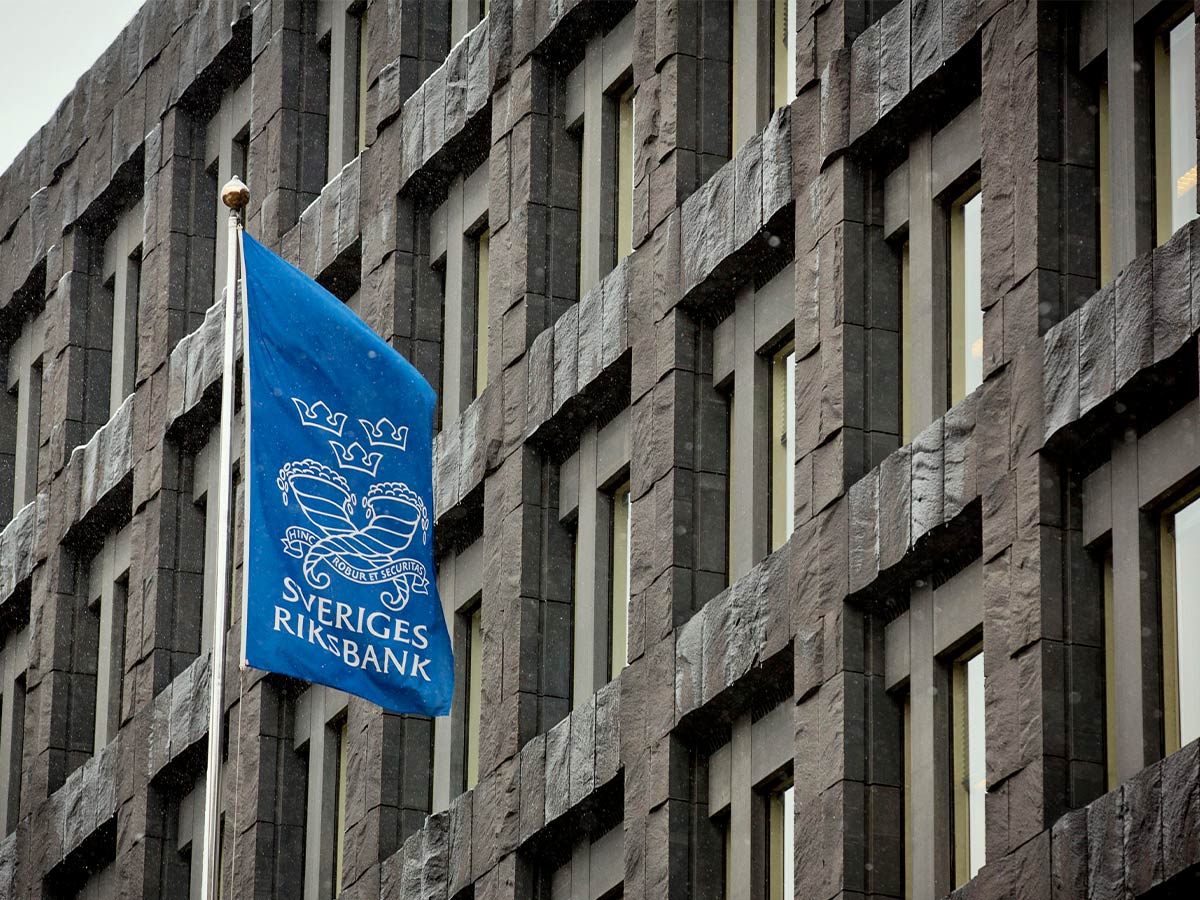
- Established Central Banking Principles
- Provided Financial Stability to Sweden
- Influenced Global Banking Practices
Sveriges Riksbank, founded in 1668, holds the prestigious title of being the world’s first central bank, pioneering modern central banking principles that continue to shape global finance. Initially established to fund the Swedish government, it quickly adapted to provide financial stability and manage the currency.
By overseeing monetary policy and regulating the banking sector, Riksbank became a model for future central banks around the world. Its innovative practices, including setting interest rates and acting as a lender of last resort, influenced how countries approached economic challenges.
Société Générale’s Impact on French Finance

- Pioneered Modern Banking in France
- Supported Industrialization and Economic Growth
- Expanded International Banking Relations
Société Générale, founded in 1864, has played a pivotal role in shaping the landscape of French finance. As one of the first banks to adopt modern banking practices in France, it introduced innovative financial products and services that catered to the needs of businesses and individuals alike.
By supporting the industrialization efforts in the late 19th century, Société Générale provided crucial financing for infrastructure projects, helping to propel France’s economic growth. The bank also expanded its international presence, establishing relationships that facilitated trade and investment abroad.
BNP Paribas Through Revolution and Beyond

- Navigated Political Turmoil in France
- Fostered Economic Resilience and Growth
- Expanded Global Banking Operations
BNP Paribas, formed from the merger of Banque Nationale de Paris and Paribas in 2000, has a storied history that dates back to the late 19th century, witnessing and adapting to the tumultuous waves of revolution and change in France. The bank navigated through the French Revolution, World Wars, and economic crises, demonstrating remarkable resilience.
By providing essential financing and banking services, BNP Paribas played a critical role in fostering economic recovery and growth during challenging times. Its commitment to innovation and expansion propelled it to the forefront of global banking, enabling it to establish a presence in key international markets.
Today, BNP Paribas stands as a testament to the enduring strength and adaptability of French finance.
Coutts: Bankers to Britain’s Royal Family

- Set Standards for Private Wealth Management
- Fostered Philanthropic Banking Practices
- Shaped the Evolution of British Banking Traditions
Coutts, founded in 1692, is famed as the go-to bank for Britain’s royal family and has long set the gold standard in private wealth management. Known for its discretion and exclusivity, Coutts has pioneered bespoke banking, offering tailored services that meet the unique needs of its high-profile clients.
It also encouraged philanthropy among the elite, managing charitable trusts and fostering a tradition of giving back that endures today. Through centuries of managing the wealth and legacies of Britain’s most influential figures, Coutts helped shape the evolution of British banking with an emphasis on service, tradition, and enduring relationships.
JPMorgan Chase from Industry to Wall Street

- Pioneered Modern Investment Banking
- Rescued U.S. Economy During Financial Crises
- Standardized Corporate Finance Practices
JPMorgan Chase has a legacy rooted in shaping both American and global finance. Originally a powerful force in American industry, it swiftly transitioned to Wall Street, pioneering investment banking as we know it today.
By leading efforts to bail out the U.S. economy during financial crises like the Panic of 1907, JPMorgan established the role of private banks as emergency support systems, especially before the Federal Reserve’s existence.
Its influence standardized corporate finance practices, setting benchmarks in mergers, acquisitions, and large-scale investments. JPMorgan Chase’s actions solidified it as a keystone of modern finance, proving that banking could drive growth and stability in times of both prosperity and panic.