







Newsletter Subscribe
Enter your email address below and subscribe to our newsletter

All voices matter
The U.S. economy doesn’t reset every four years—but each president inherits a unique set of conditions and leaves behind a measurable economic footprint. From post-war booms to oil shocks, financial crises, and pandemic recovery, the past 80 years of American leadership tell a story not just about policy, but about timing, global forces, and economic resilience. Here’s a closer look at how the last 15 U.S. presidents performed economically, based on GDP growth, unemployment, and the defining forces that shaped their terms.
The U.S. economy doesn’t reset every four years—but each president inherits a unique set of conditions and leaves behind a measurable economic footprint. From post-war booms to oil shocks, financial crises, and pandemic recovery, the past 80 years of American leadership tell a story not just about policy, but about timing, global forces, and economic resilience.
Here’s a closer look at how the last 15 U.S. presidents performed economically, based on GDP growth, unemployment, and the defining forces that shaped their terms.
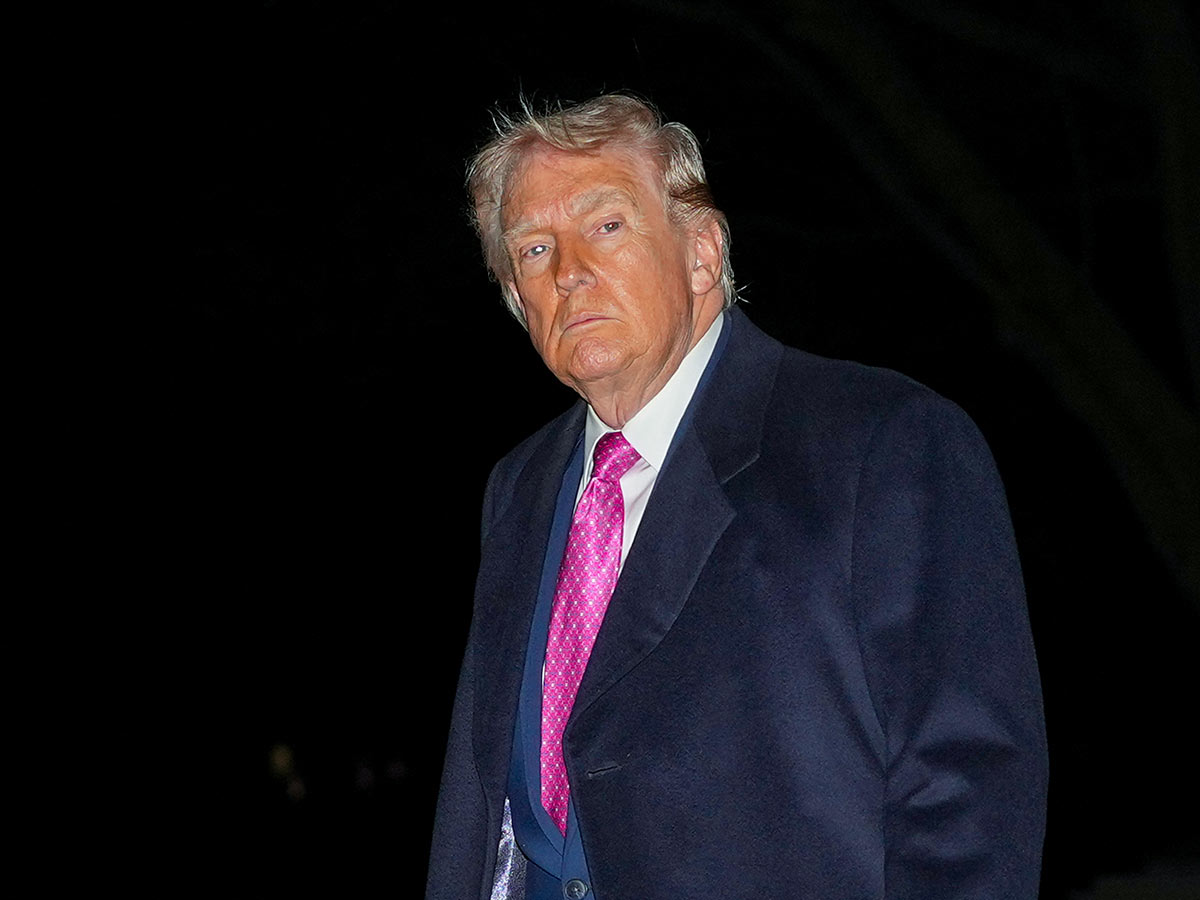
Trump’s second term has been defined by aggressive tariffs, sweeping deregulation, and a controversial escalation of U.S. military involvement abroad—policies that have produced uneven economic results and growing public concern. His 2025 “Liberation Day” tariffs were designed to boost domestic manufacturing and reduce reliance on foreign imports, but have instead been linked to declining investor confidence, continued trade deficits, and job losses in key sectors, including manufacturing. At the same time, deregulation—particularly in financial markets—has contributed to increased volatility, with early 2026 marked by stock market instability and weakened asset performance.
Trump’s military conflict with Iran has disrupted global oil markets, driving gas prices sharply higher and adding renewed inflationary pressure on American consumers. Public opinion has shifted alongside these economic strains: recent polling shows Trump’s overall approval rating has dropped dramatically below 40%, with significantly lower marks on his handling of the economy. His net approval on economic issues has fallen deep into negative territory, with a majority of Americans expressing dissatisfaction over rising costs and financial uncertainty—underscoring the broader tension between the administration’s policy goals and their real-world economic impact.
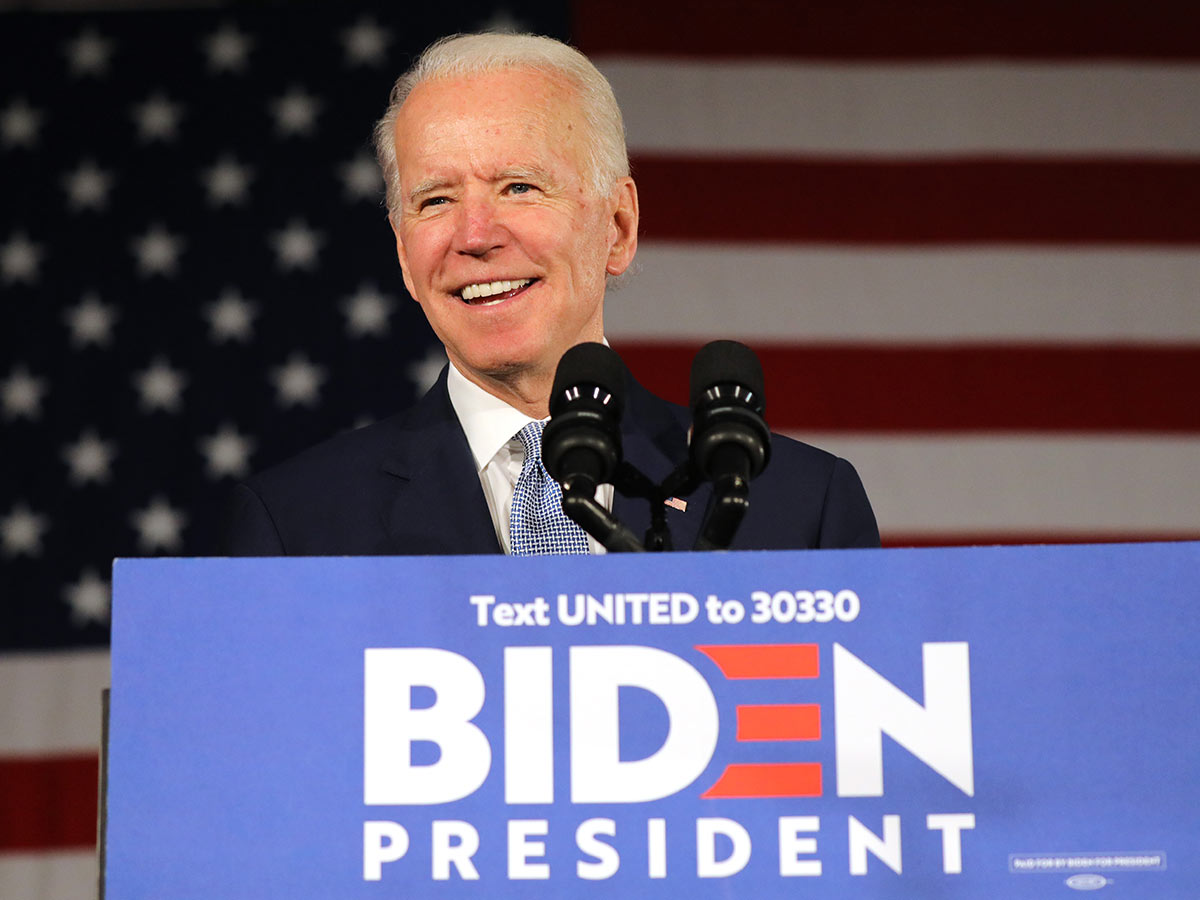
Biden’s presidency focused on recovery from the pandemic. The economy saw rapid job growth, but also faced significant inflation due to supply chain disruptions and global instability.
Balancing growth with price stability became the central economic challenge.
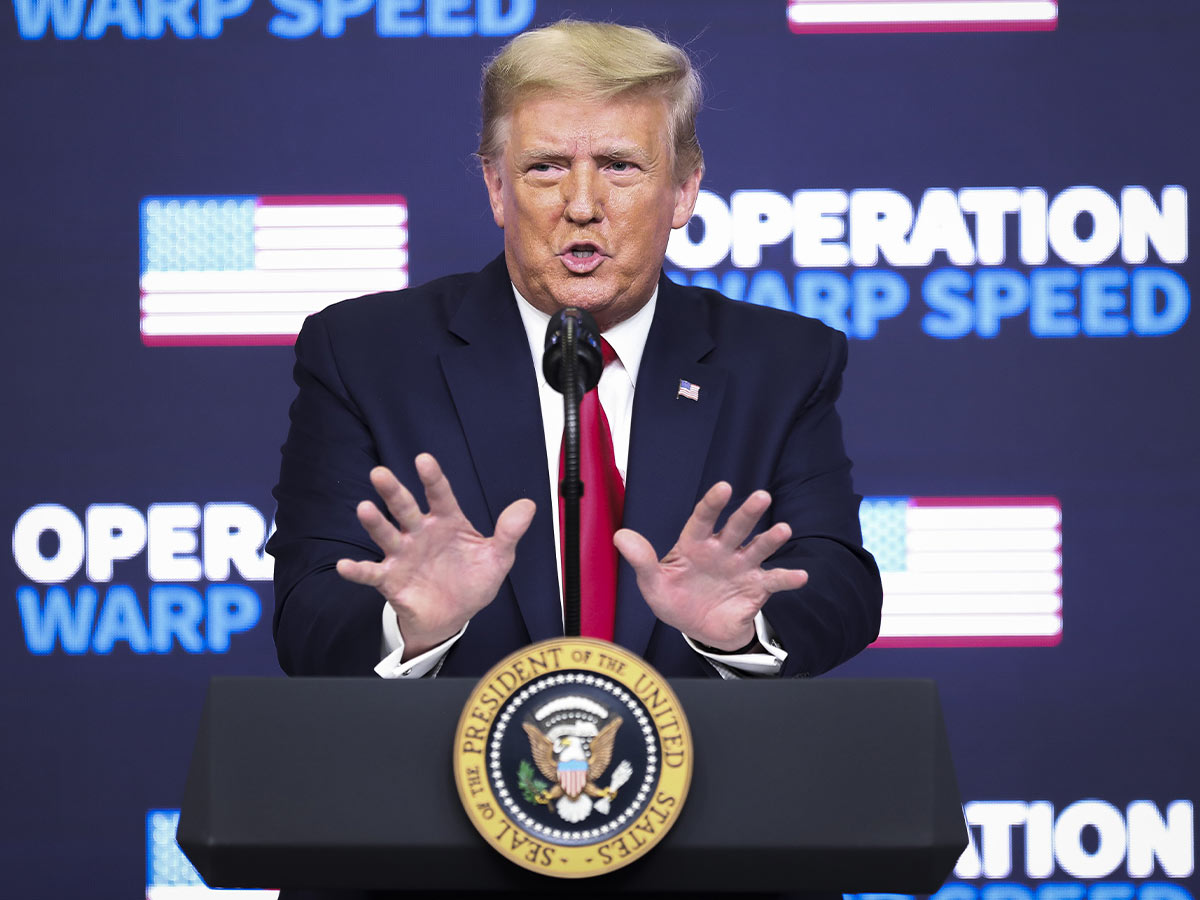
Trump’s first term saw steady economic growth prior to 2020, followed by a sharp contraction during the COVID-19 pandemic.
The downturn was sudden but brief, as emergency fiscal policies helped cushion the impact.
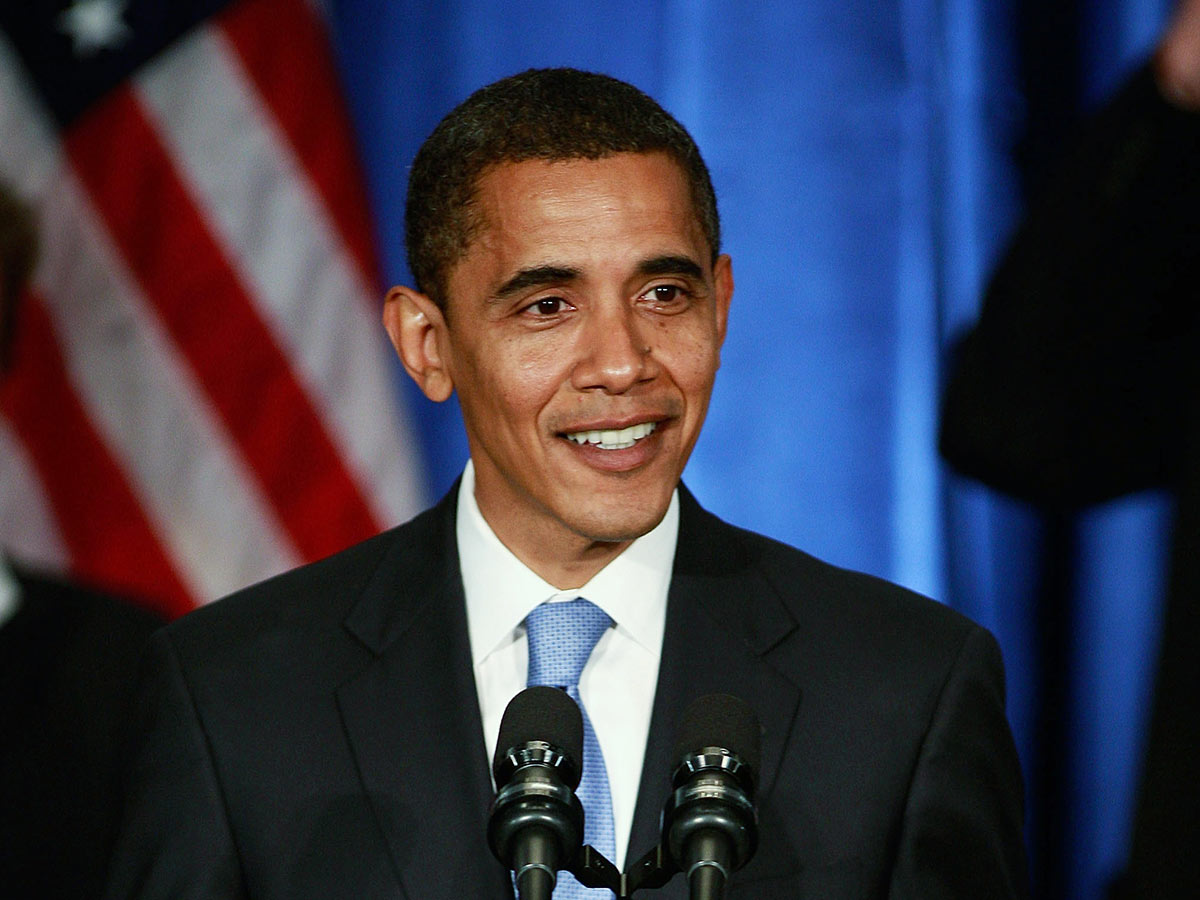
Obama took office during an economic crisis and oversaw a long recovery. Policies like the Affordable Care Act and Federal Reserve interventions helped stabilize markets and reduce unemployment.
While growth was slower than in previous expansions, the recovery proved steady and durable.
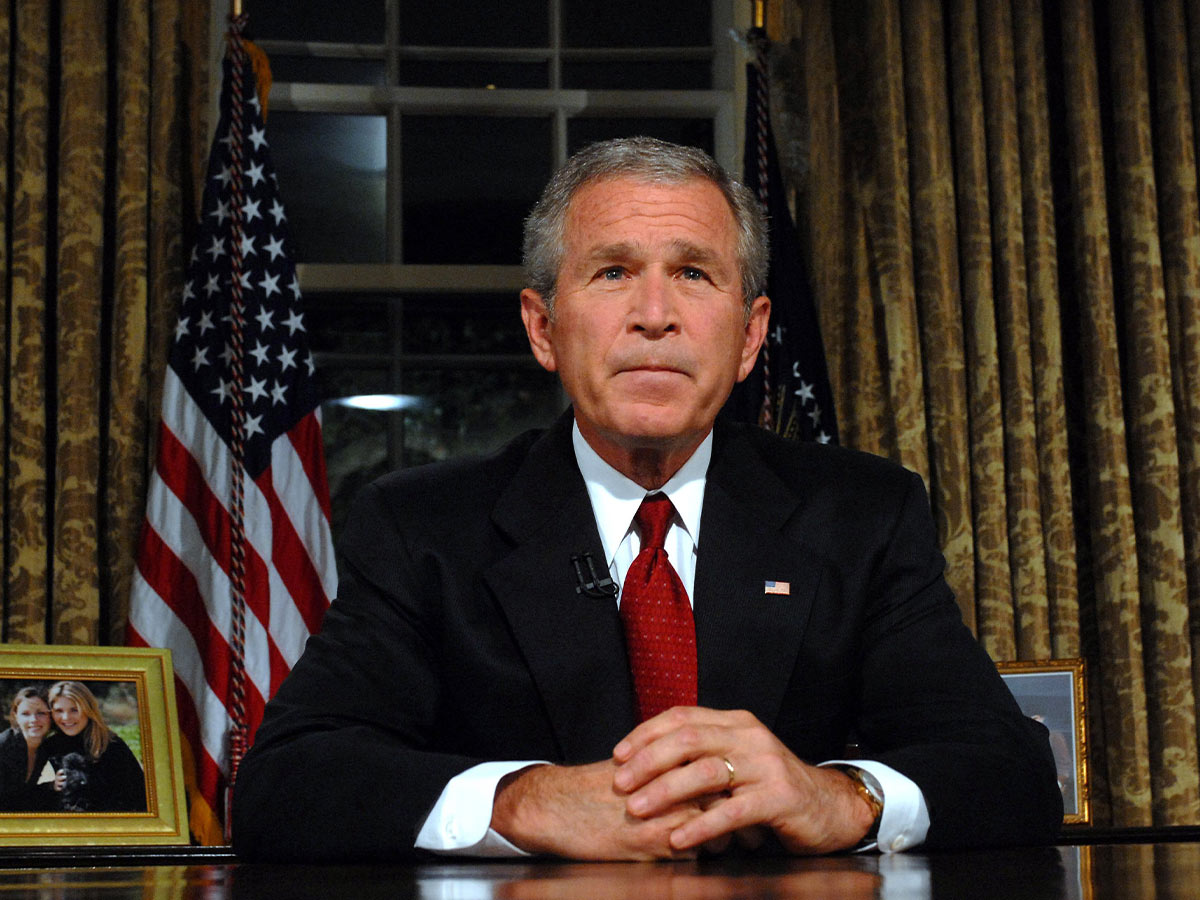
Bush’s presidency ended with the 2008 financial crisis, one of the most severe economic downturns since the Great Depression.
The collapse of the housing market triggered widespread job losses and a global recession.
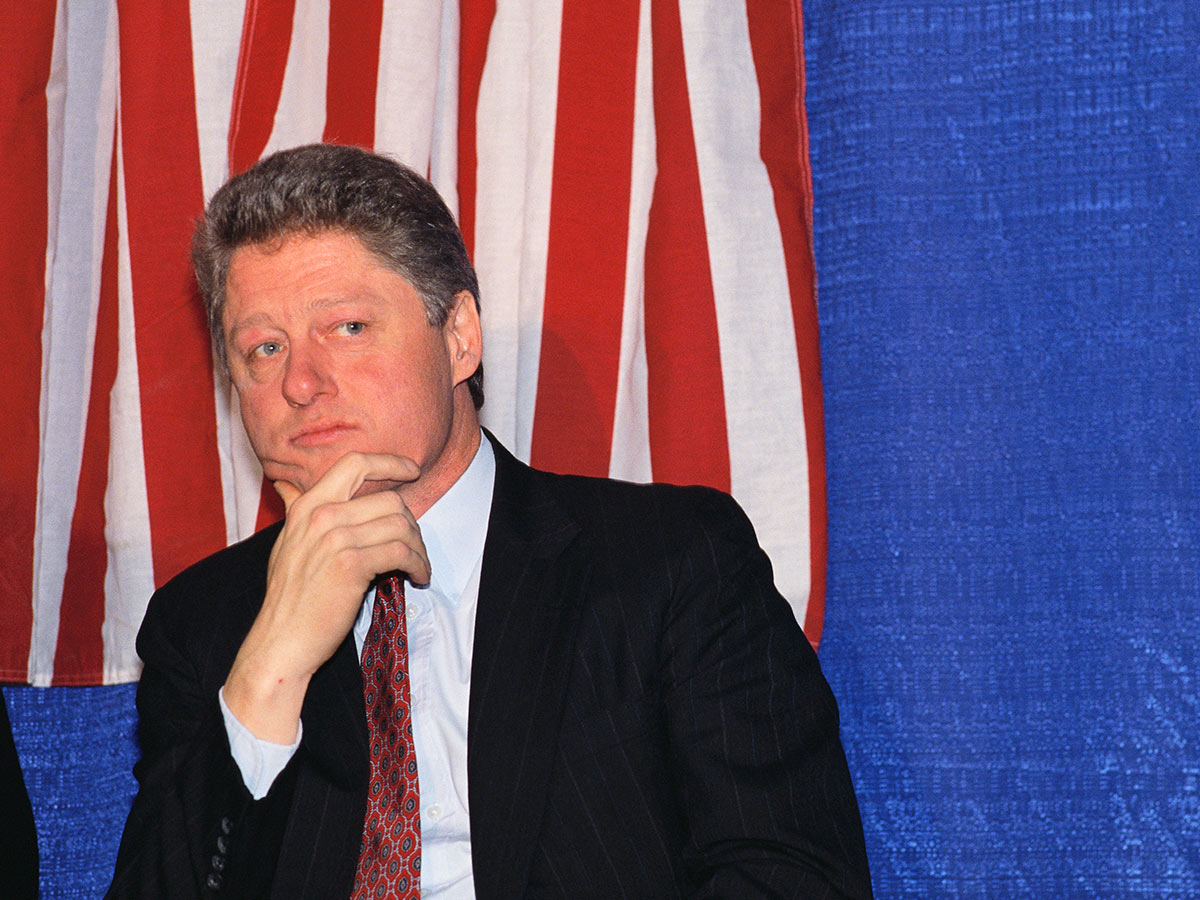
Clinton presided over a strong economic expansion fueled by the rise of the internet. The “dot-com boom” drove innovation, investment, and productivity gains.
The result was low unemployment, budget surpluses, and one of the most robust economies in recent history.
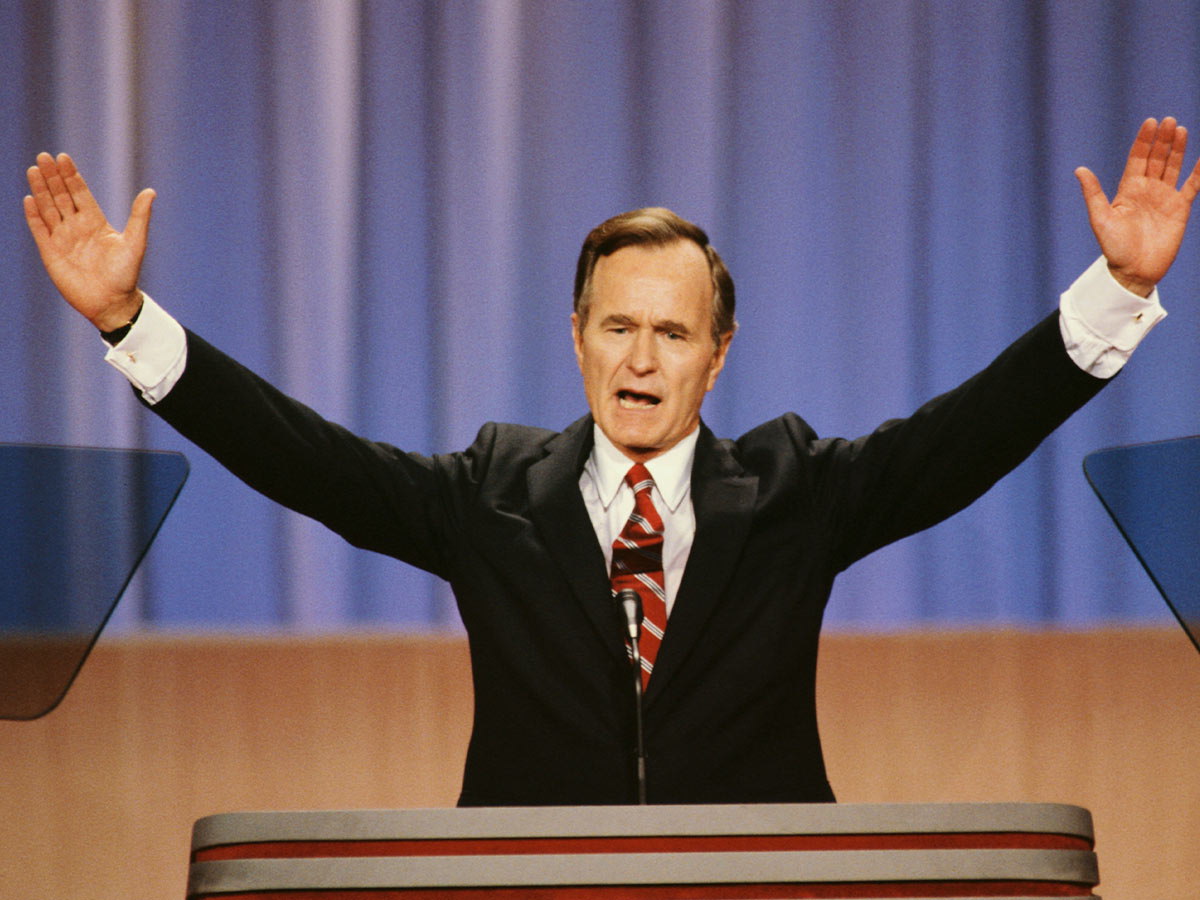
Bush’s presidency was impacted by a recession tied to the Savings and Loan crisis and rising oil prices during the Gulf War.
Though relatively short-lived, the downturn had a noticeable impact on employment and public perception.
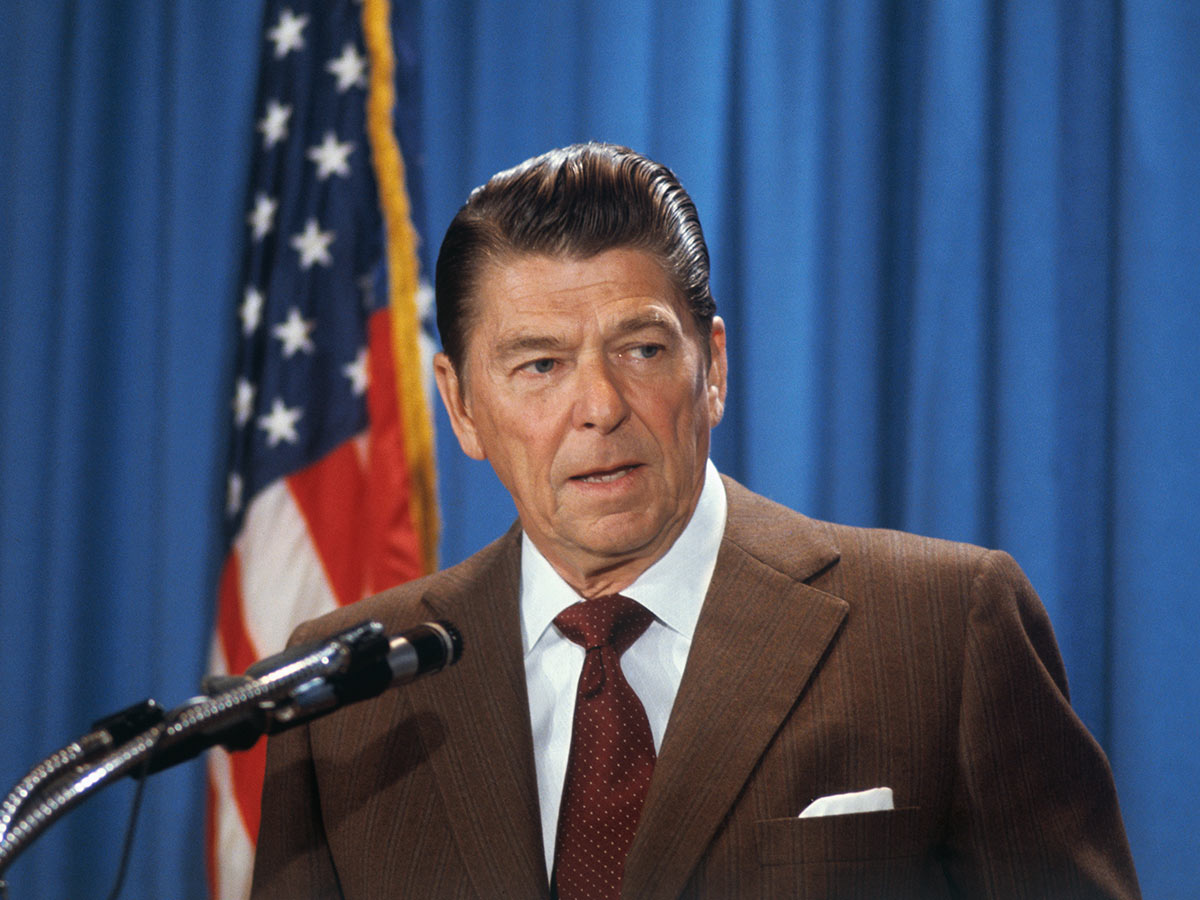
Reagan’s economic strategy—often called “Reaganomics”—focused on tax cuts, deregulation, and increased defense spending.
After an early recession, the economy rebounded strongly, ushering in a period of sustained growth throughout the 1980s.
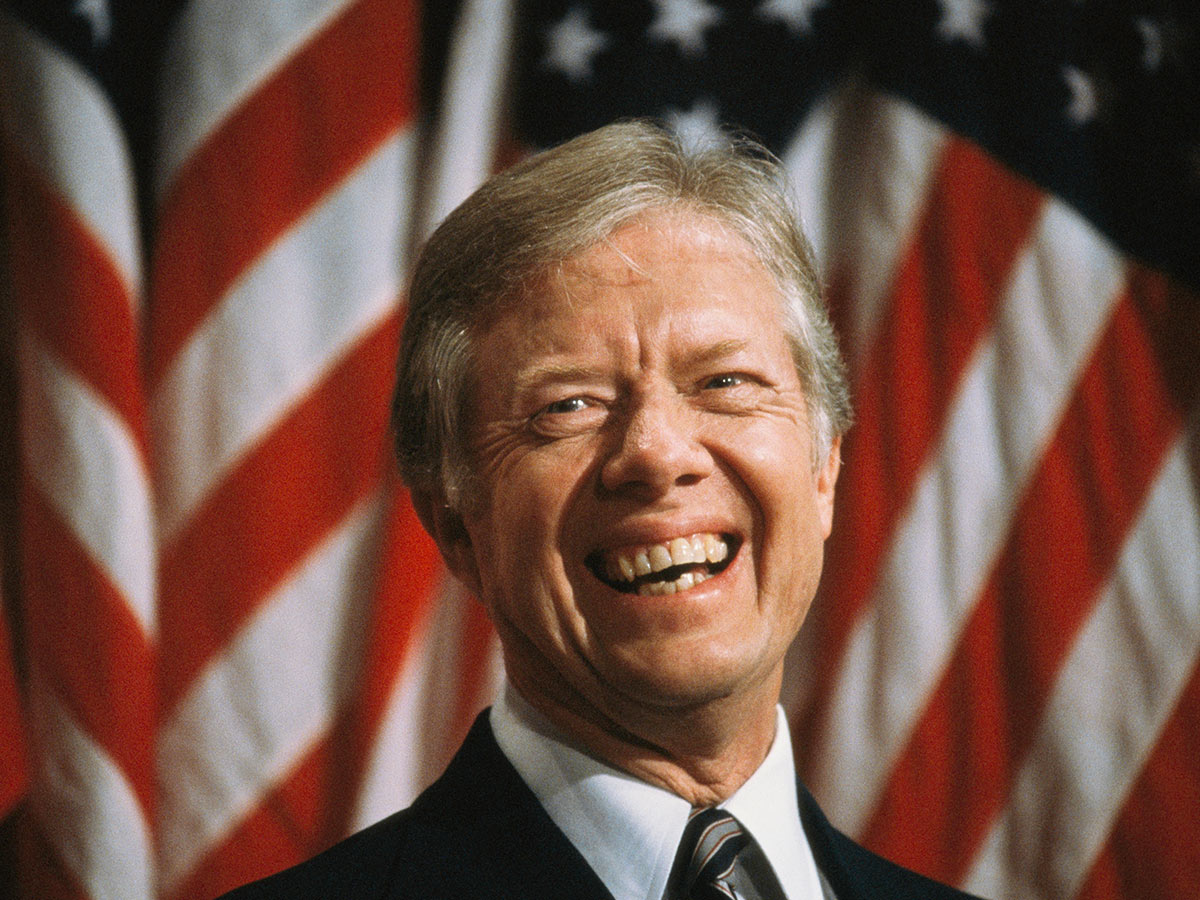
Carter’s term was defined by energy instability and inflation. The 1979 oil crisis pushed prices higher, while the Federal Reserve raised interest rates dramatically to control inflation.
These policies eventually helped stabilize the economy—but at the cost of short-term economic pain.
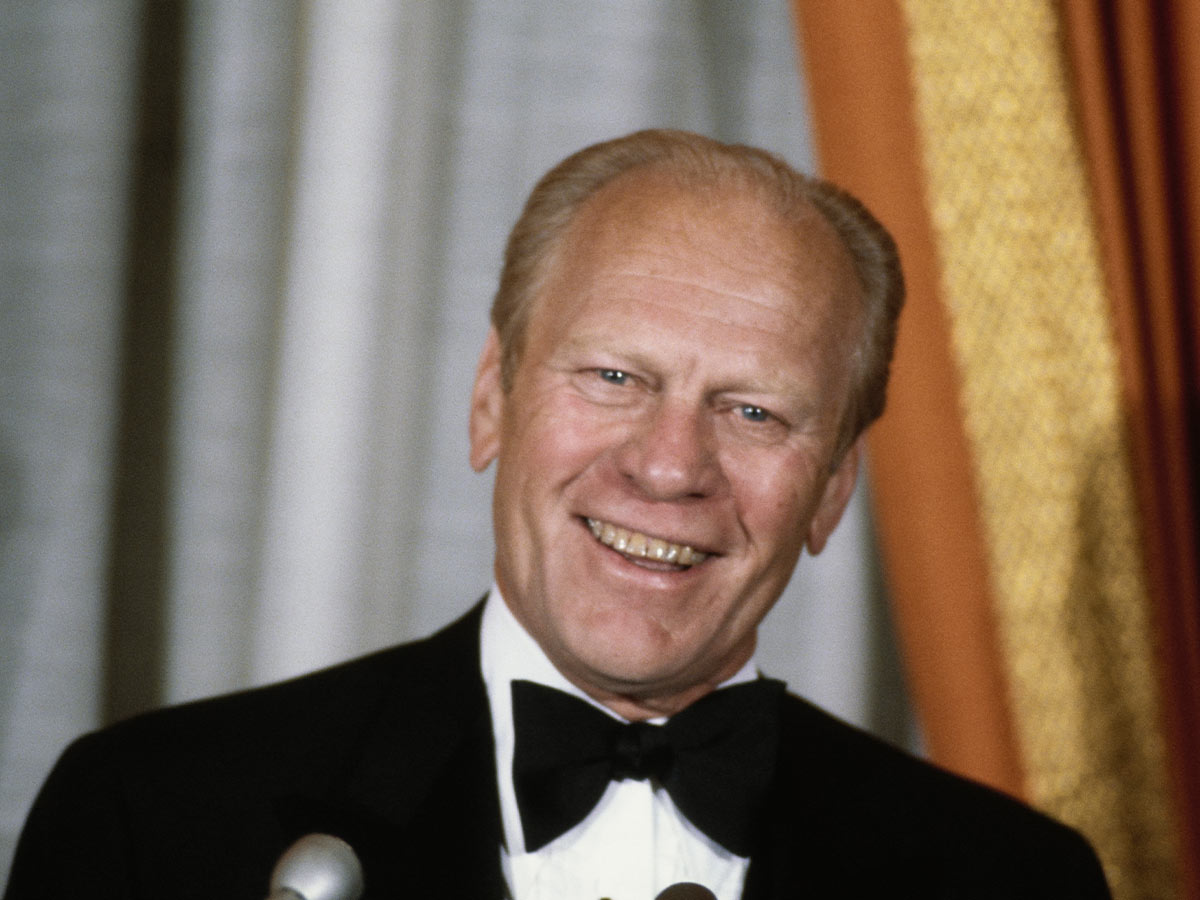
Ford inherited an economy in turmoil following Nixon’s resignation. His “Whip Inflation Now” campaign aimed to curb rising prices, but the economy struggled with both inflation and unemployment.
His presidency reflects how difficult it can be to stabilize an economy already in decline.
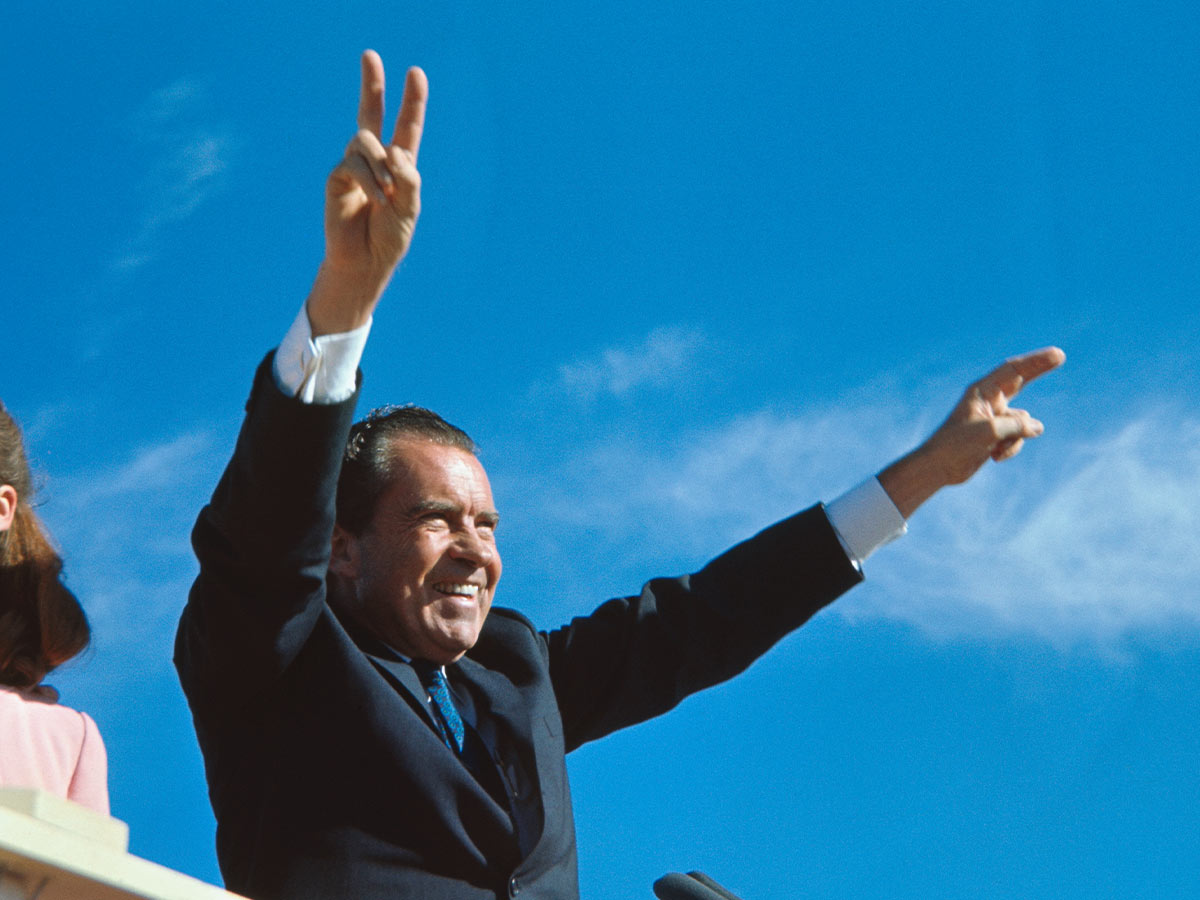
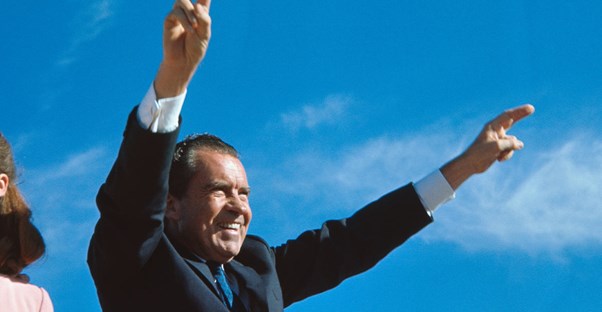
Nixon’s presidency marked a turning point. The U.S. abandoned the gold standard, fundamentally changing global finance, while the 1973 oil crisis triggered energy shortages and inflation.
These forces contributed to the era of “stagflation”—a difficult combination of slow growth and rising prices.
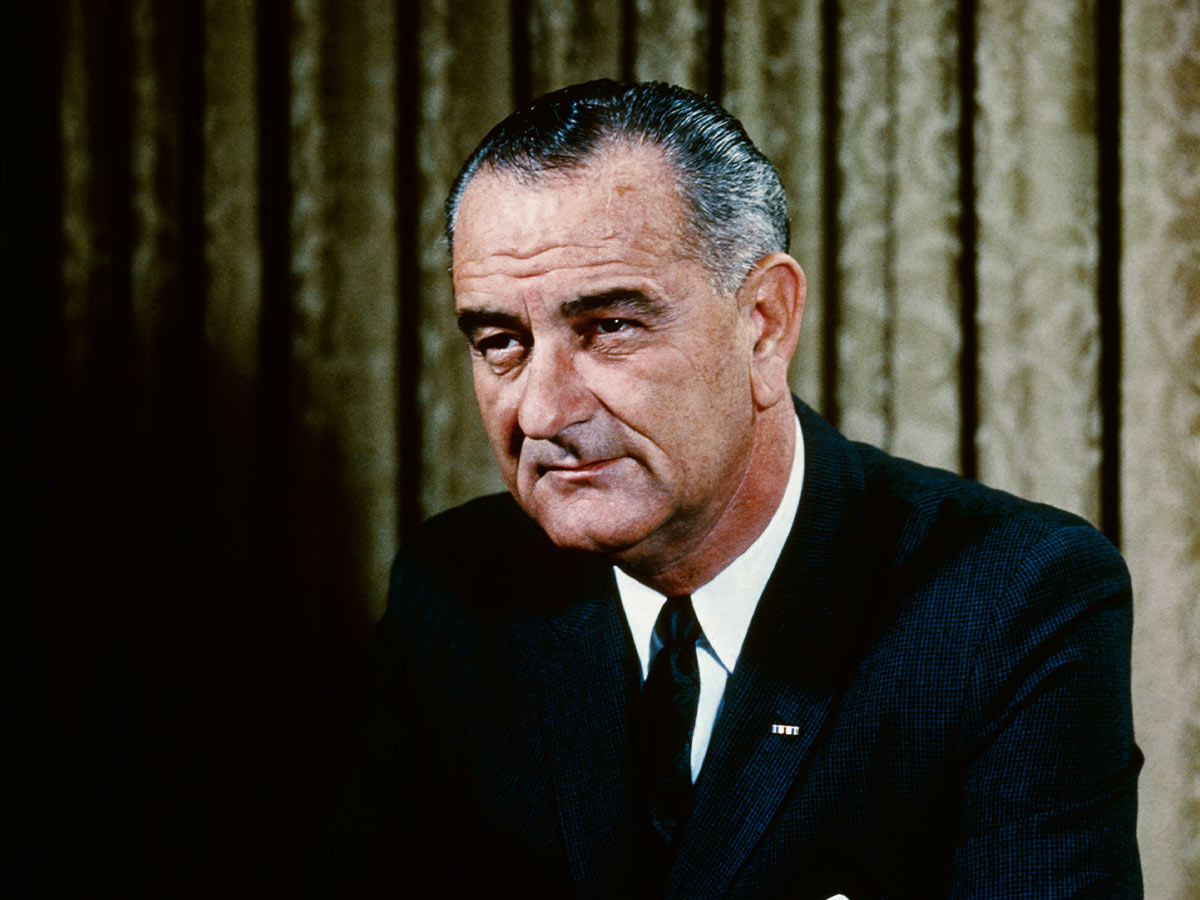
Johnson presided over one of the fastest-growing economies in modern U.S. history. His “Great Society” programs expanded social services, while Vietnam War spending injected additional stimulus.
The result was rapid growth—but also rising inflation, which would become a major issue in the following decade.
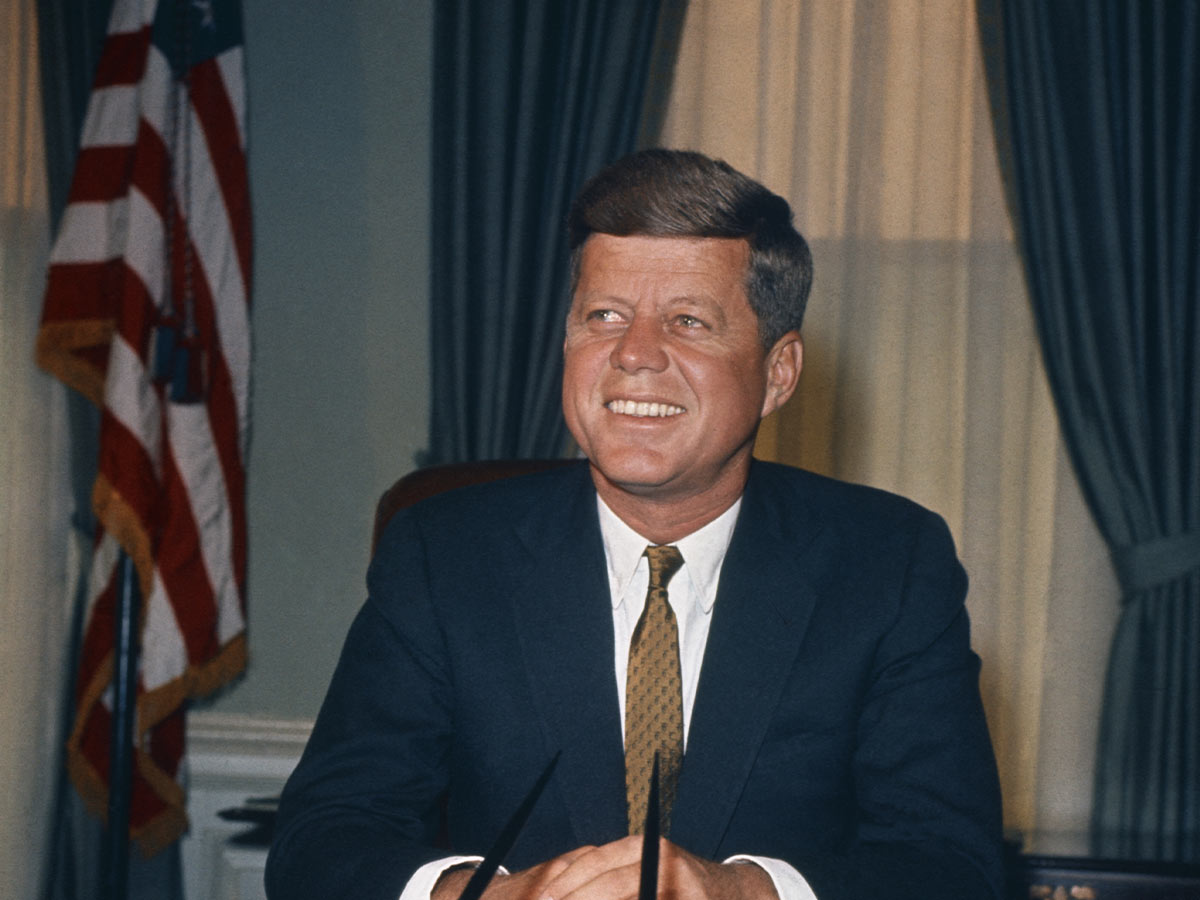
Kennedy entered office during an economic slowdown and responded with proposals for tax cuts and increased government spending—policies designed to stimulate growth.
Though his presidency was cut short, his economic vision laid the groundwork for the expansion that followed.
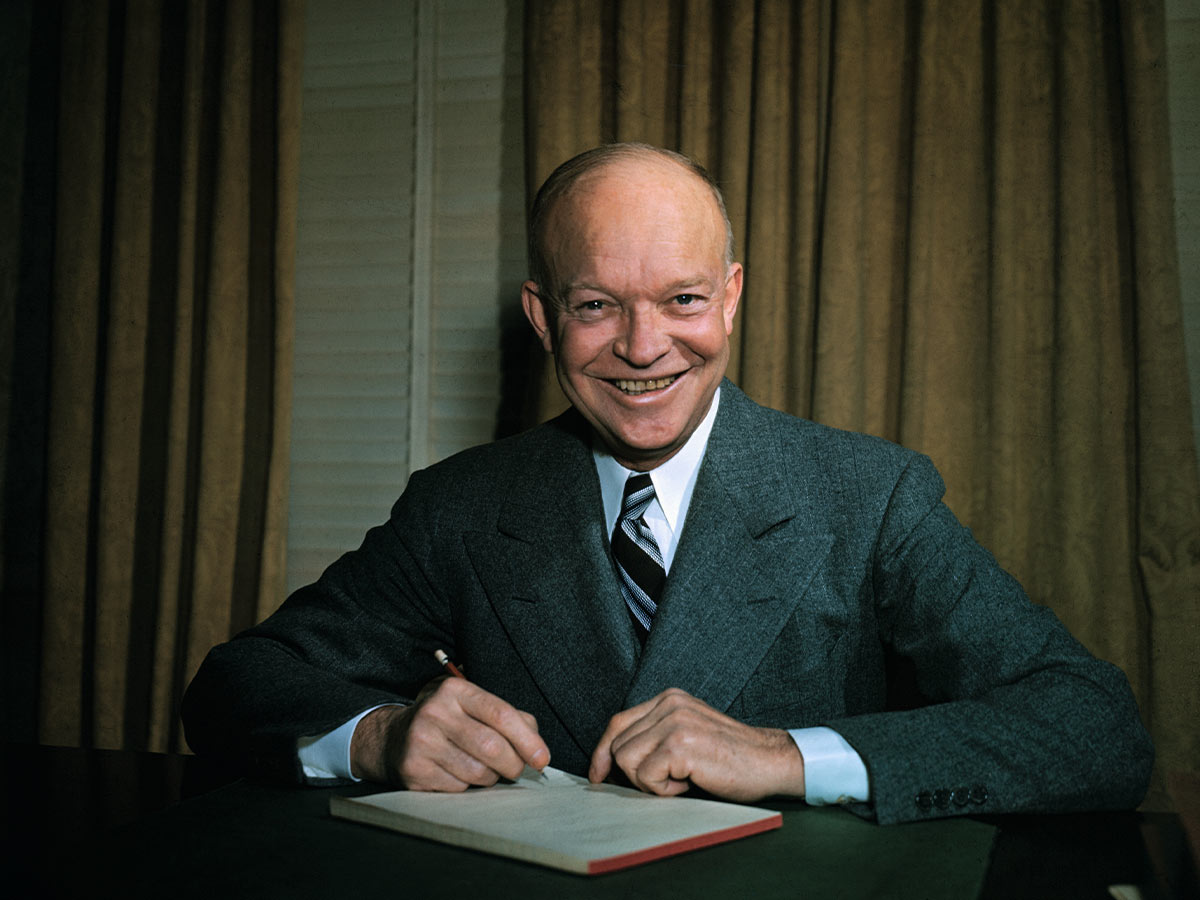
Eisenhower’s presidency is often associated with stability and infrastructure. The creation of the Interstate Highway System reshaped commerce, commuting, and suburban life.
However, his administration also faced three recessions, highlighting the limits of steady leadership during a fluctuating post-war economy.
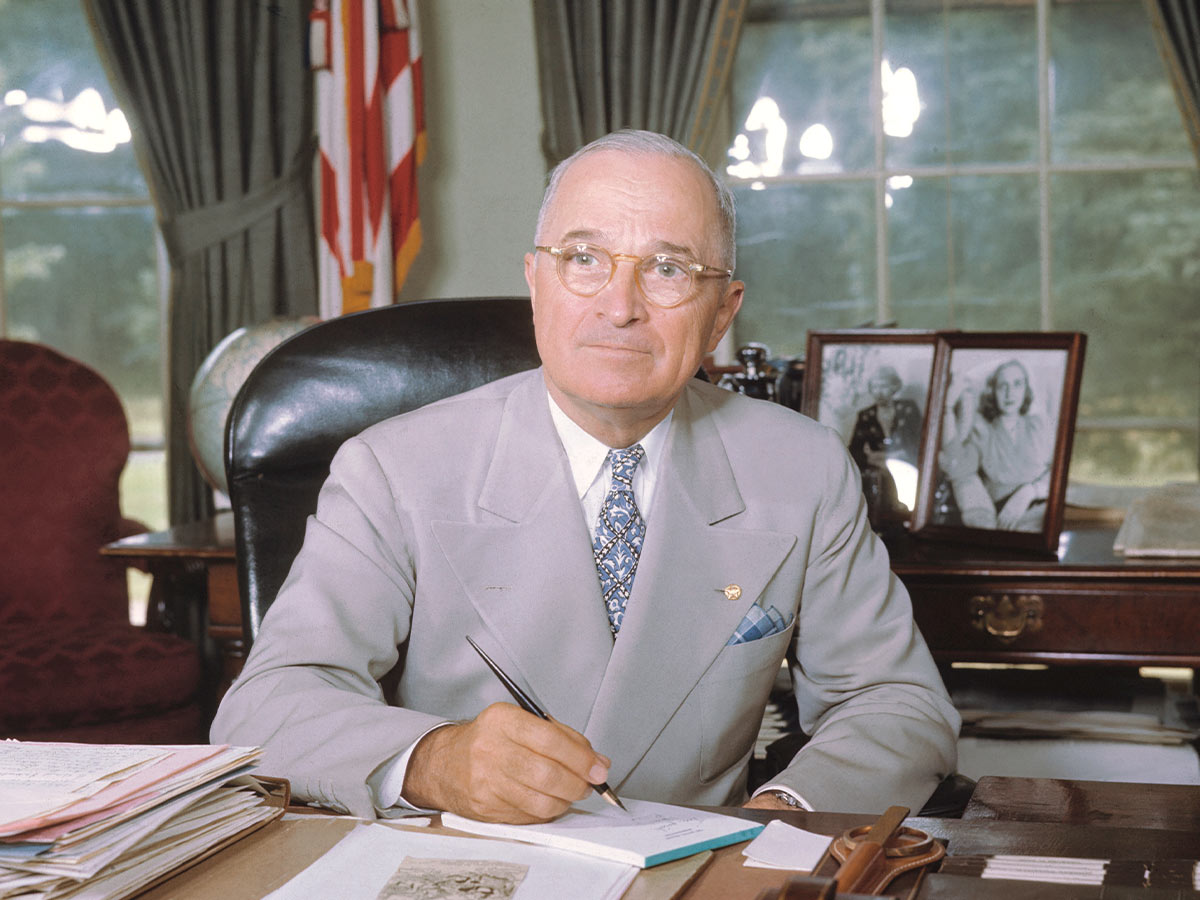
Truman oversaw one of the most dramatic economic transitions in U.S. history: the shift from a wartime economy to a peacetime one. Factories that once produced military equipment had to quickly adapt to consumer demand, all while the Korean War reignited defense spending.
Despite fears of a post-war depression, the economy remained strong, supported by pent-up consumer demand and industrial momentum.