Vinyasa yoga

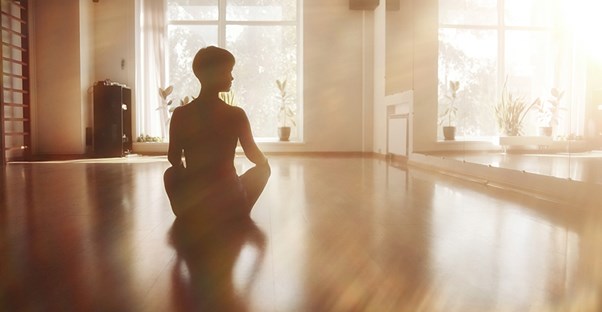
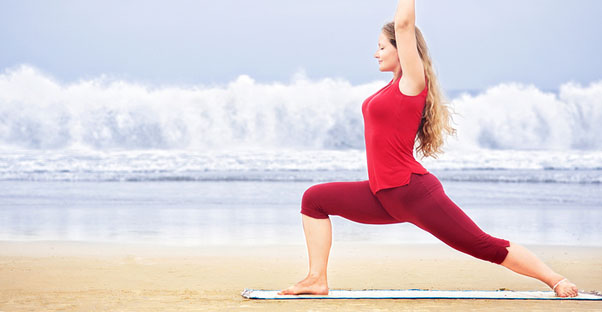
The basic principle of Vinyasa Yoga is a flowing series of movements, or asanas. Some might even describe these as being dance-like. Vinyasa Yoga classes offer great diversity. Instructors have the freedom to create their own dynamic.
The basic principle of Vinyasa Yoga is a flowing series of movements, or asanas. Some might even describe these as being dance-like. Vinyasa Yoga classes offer great diversity. Instructors have the freedom to create their own dynamic.
Hatha Yoga is based on the principle of opposing energies. This uses postures and breathing to bring the body through a purification process. The goal is to improve the mind-body connection through opposing energies of poses and breath.
The basic principles of Ashtanga Yoga are the practice of vinyasa and breathing. Vinyasa refers to a series of asanas, or postures, that are linked together in a flowing movement. Breathing creates a sense of calmness, with intense mental focus.
BMI stands for Body Mass Index. As a way of managing weight and a healthy lifestyle, BMI is based on a person’s height and weight. It is used by health professionals to determine whether a person is considered overweight.
The goal of Pilates is to strengthen muscles, increase flexibility and improve mental and physical well-being. Pilates focuses on 6 principles concentration, control, centering, flowing movements, precision, and breathing.
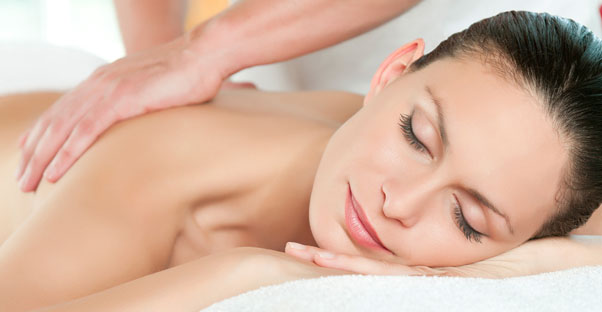
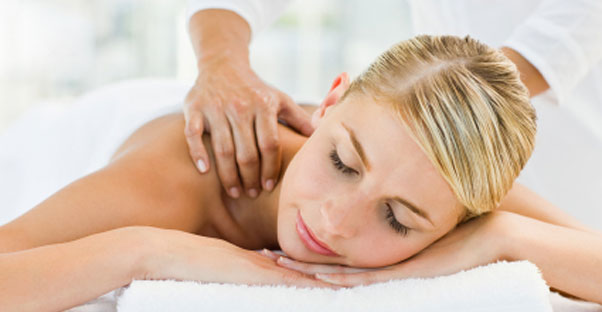
Massage is the manipulation of soft-tissue in the body, which reduces stress, reduces fatigue and improves circulation. Massage is used as a part of many rehabilitation programs and as a way to relieve stress and tension.
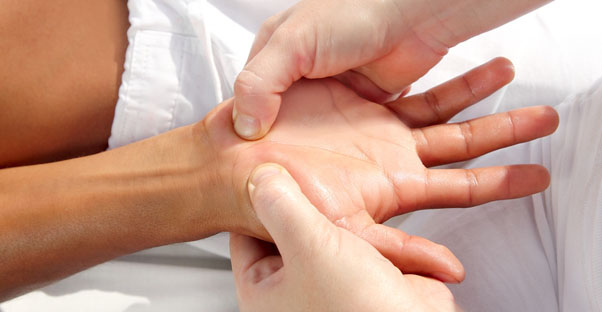
Reflexology is a type of alternative medicine where pressure is applied to the feet, hands and ears. When applied to specific zones within these areas, the whole body experiences the benefits of improved circulation and body relaxation.
The goal of naturopathy is to treat illness, prevent diseases and improve a patient’s overall health by working with nature. Naturopathic medicine uses exercise, organic foods and treatments from other complementary medicine.
Ayurveda seeks to achieve a balance of mind, body and spirit in the patient. Unlike certain meditative and movement based forms of healing, Ayurveda utilizes many medicines and procedures to achieve this balance.
Create remedies for people based on their situation and illness. They are widely used for allergies, dermatitis, irritable bowel syndrome and arthritis. There is evidence that homeopathic remedies can have helpful effects when used.