
What Are Corrective Lenses?
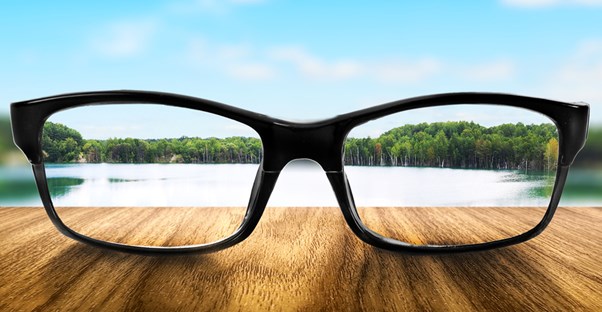
Corrective lenses refer to any sort of lens that help correct vision conditions such as nearsightedness, farsightedness, and astigmatism. Glasses and contacts are by far the most prevalent types of corrective lenses.

Alternatives to Glasses

Glasses are a common solution for poor eyesight, but despite their prevalence, they’re not necessarily for everyone. Here are three alternatives to glasses that are safe and have been proven to correct impairments.

Glasses vs. Contacts
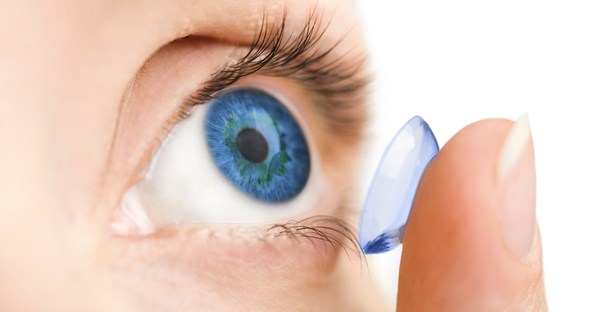
Choosing between glasses or contacts is not a matter of determining which type of corrective lens is objectively better than the other. Rather, it’s about determining which one is better for your own unique situation.
Preventing Parkinson’s Disease
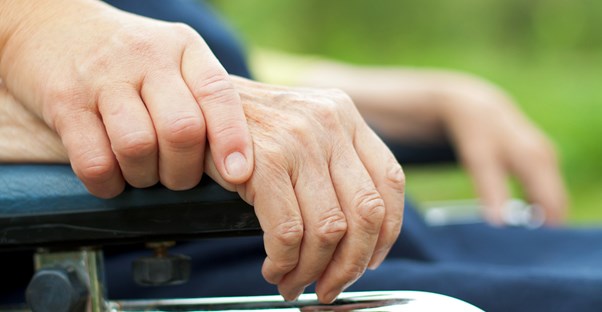
While the specific causes of Parkinson's disease are debatable, scientists think that they have determined a number of ways to prevent it. Here are specific actions and behaviors that may prevent Parkinson's disease.
5 Foods Too Healthy to Ignore

There’s no such thing as “the perfect diet,” but when you choose your foods wisely, you can get pretty close! These are some of the most nutritious choices for your plate, and they’re all quite tasty on top of that.
What is Parkinson’s Disease?

Parkinson’s disease is not a rare condition. Understanding the disease, its cause, and its symptoms can help you or a loved one to seek an accurate diagnosis.
What Causes Parkinson’s Disease?
Whether Parkinson's disease has stricken you, a loved one, or a beloved celebrity, you are sure to have questions about this debilitating disease, including what causes this condition and whether it can be avoided.
Parkinson’s Disease Risk Factors

Parkinson's disease is difficult to study and treat, and some of its causes and mechanisms that trigger the disease are not fully understood at this time. Researchers have, however, identified several risk factors.
Diagnosing Parkinson’s Disease

Because the onset of Parkinson's disease may be gradual at first, diagnosis can be difficult. Typically, the first diagnosis of Parkinson's disease is made by a family physician or an internal medicine specialist.
Parkinson’s Disease Symptoms
The most common sign of Parkinson's disease is tremors—in the hands, feet, face and limbs. Parkinson’s disease commonly affects those over the age of 50, but it's important to be aware of any onset symptoms.
Parkinson’s Disease Treatments
Currently there is no known cure for Parkinson's disease, and the exact cause of this condition is unknown. There are, however, a number of treatment options available for patients suffering from Parkinson's disease.
Discussing Histrionic Personality Disorder with a Family Member

Discussing histrionic personality disorder with a loved one can be difficult, as he or she is most likely unaware that the symptoms being displayed are destructive or inappropriate. Here are tips for this discussion.