







Countries That Spend the Most on Border Protection
While the exact numbers can change yearly, many of the figures in this article are estimates based on each country’s overall defense budget. These costs include building fences, using surveillance technology, paying for border patrols, and deploying military personnel to keep borders safe from illegal activity.
Border security is an important part of a country’s defense, and many nations spend a lot of money to protect their borders. From the United States to Australia, each country has its own challenges based on its location, security needs, and relationships with other countries. While the exact numbers can change yearly, many of the figures in this article are estimates based on each country’s overall defense budget. These costs include building fences, using surveillance technology, paying for border patrols, and deploying military personnel to keep borders safe from illegal activity.
This article will examine how much different countries spend on border security. For example, Israel uses high-tech systems, while Turkey focuses on managing refugees. These spending choices show how countries deal with security threats and their bigger strategies for protecting their land. The numbers we discuss here clearly show how much countries invest in keeping their borders safe and secure.
Australia — $1.67 billion
- Border Protection: $1.67 billion
- Land Mass: 2.9 million sq/mi
- Population: 26 million
- GDP: $1.7 trillion
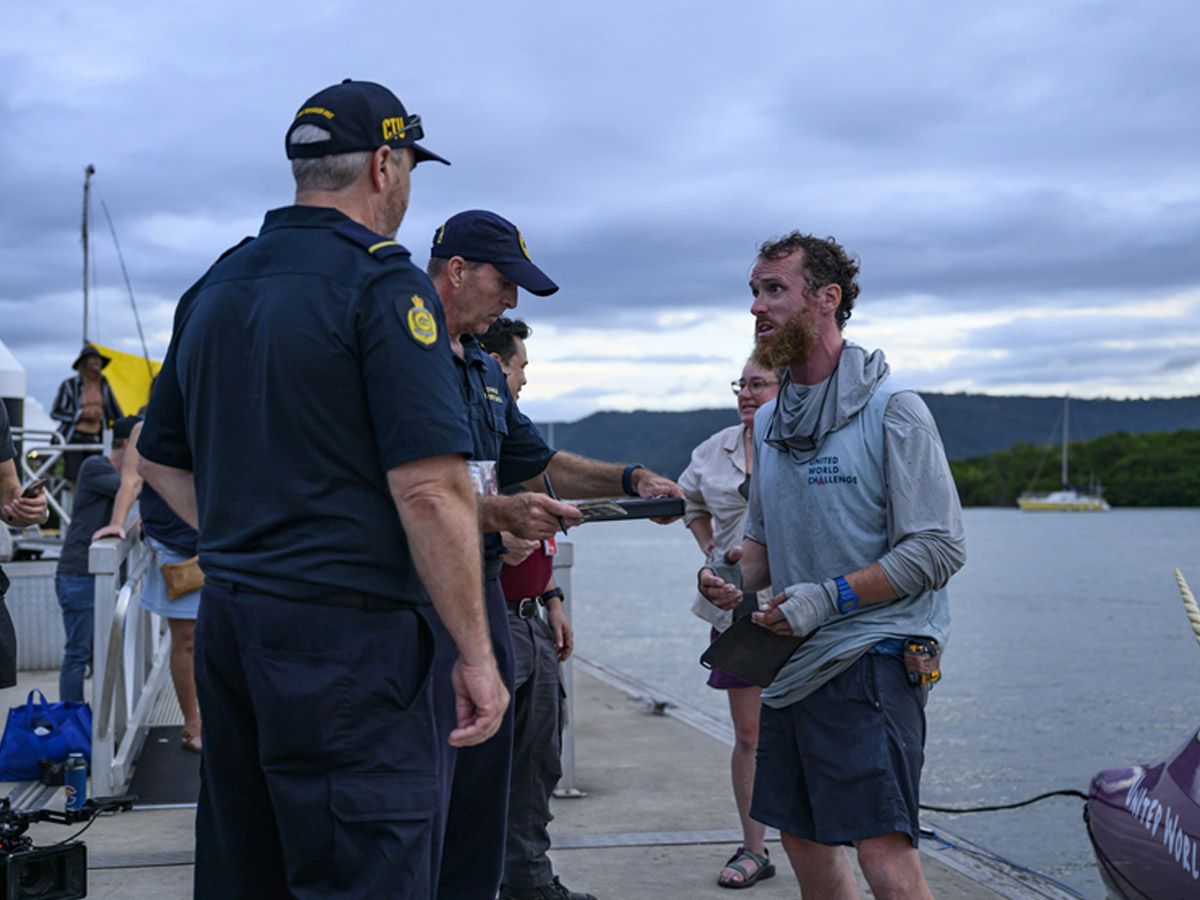
Australia invests $1.67 billion in border security, focusing on maritime and land borders. The country aims to prevent illegal immigration and manage refugee flows, particularly from Southeast Asia. Australia’s remote location and unique geographic challenges contribute to its need for robust border security measures.
Australia invests heavily in maritime surveillance, using advanced radar systems, satellites, and patrol vessels to secure its vast maritime borders, particularly to intercept illegal boats from Southeast Asia. It also invests in high-tech infrastructure, including biometric identification systems, to secure entry points and detect fraudulent travel documents.The government has implemented policies like offshore detention to manage the arrival of asylum seekers and refugees, focusing on preventing unauthorized entries.
Mexico — $1.5-2 billion
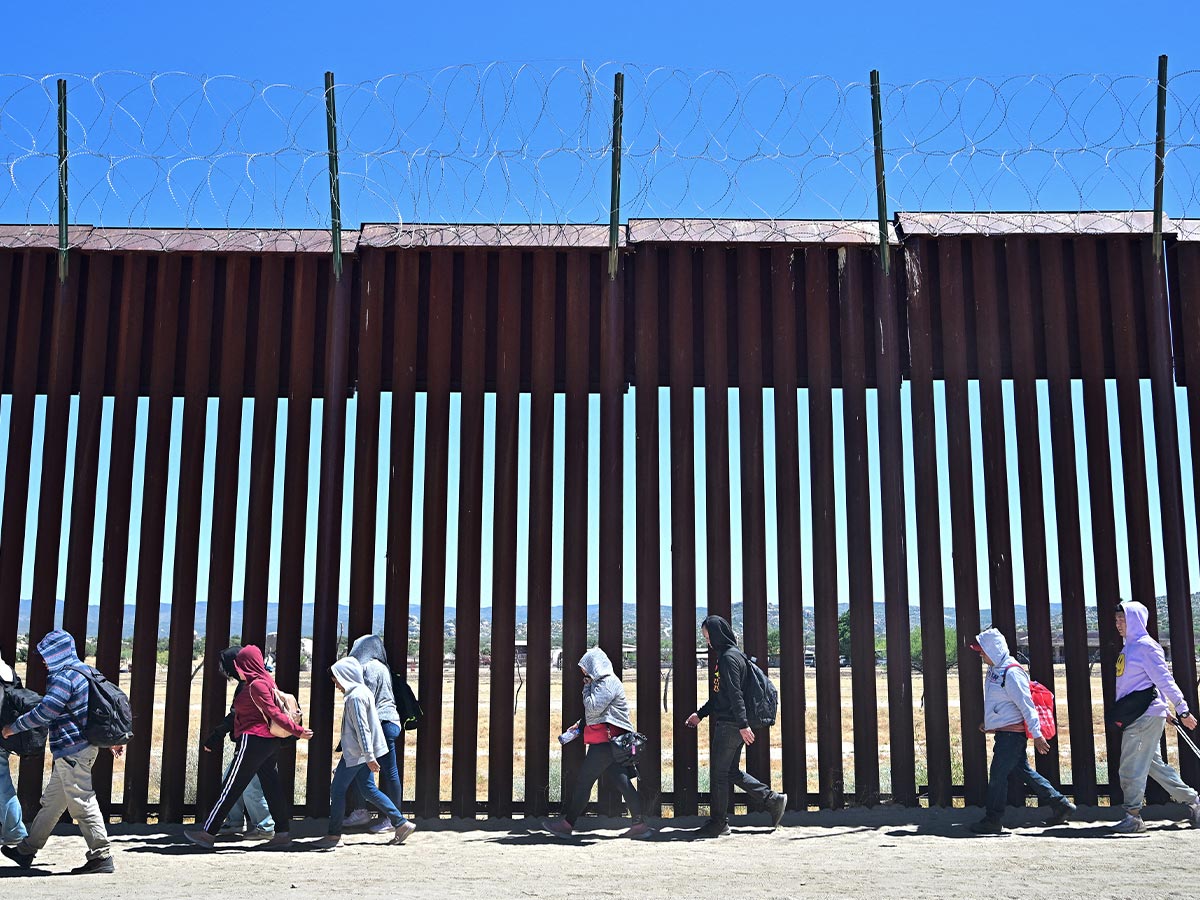
- Border Protection: $1.5-2 billion
- Land Mass: 758,449 sq/mi
- Population: 130 million
- GDP: $1.3 trillion
While Mexico’s spending on border security is lower than that of the US, it remains substantial at $1.5-2 billion annually. The country focuses on securing its southern border with Central America and controlling migration flows towards the US. Mexico’s efforts to combat drug trafficking and organized crime also contribute to its border budget.
Mexico has increased its investment in securing its southern border with Guatemala, which serves as a primary point of entry for Central American migrants. The government has invested in surveillance systems, including cameras and drones, along key entry points to detect and deter illegal border crossings. Mexico’s National Guard plays a significant role in border control efforts, which include the interception of migrant caravans and coordinating with U.S. border authorities to manage immigration flows.
Israel — $2-3 billion
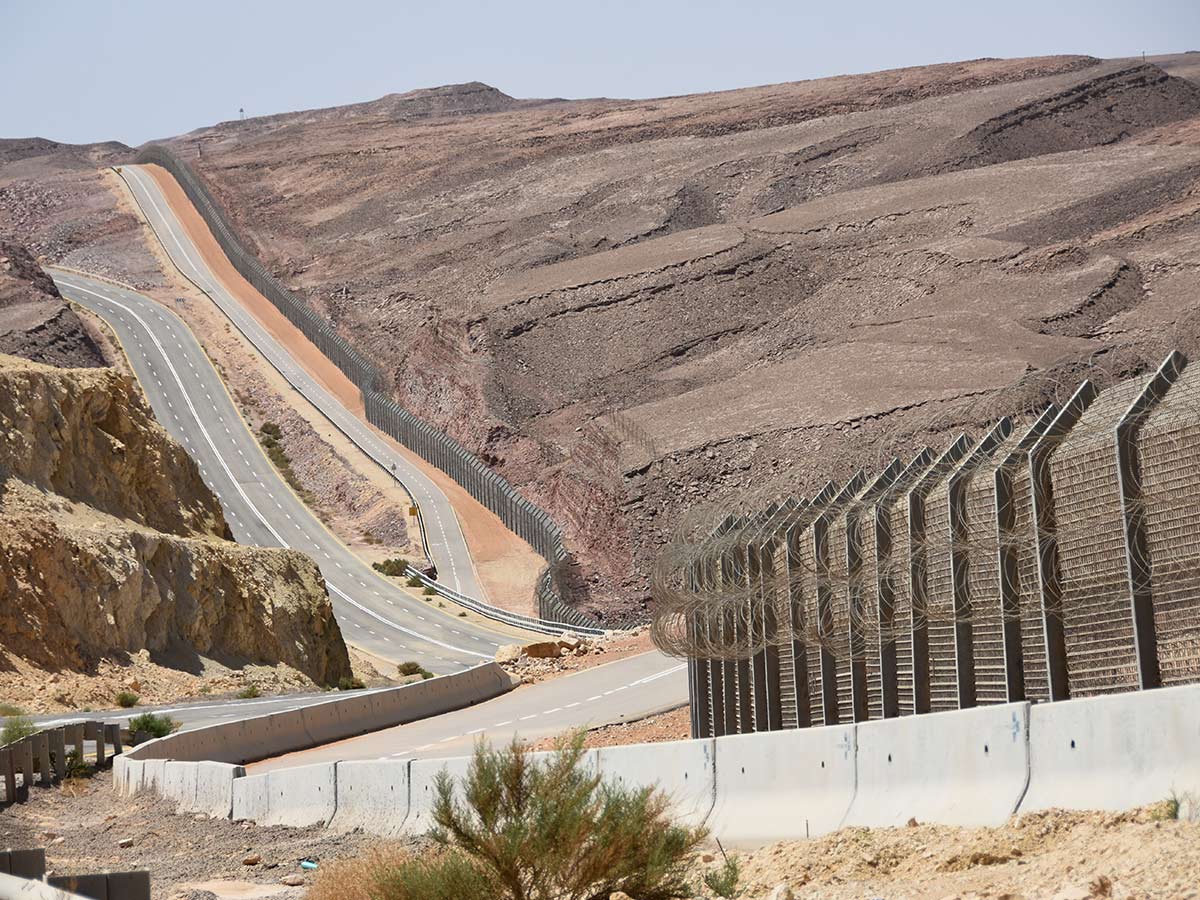
- Border Protection: $2-3 billion
- Land Mass: 302,535 sq/mi
- Population: 9.7 million
- GDP: $519 billion
Israel invests significantly in border security, particularly along its borders with the West Bank, Gaza Strip, and neighboring countries. The country spends an estimated $2-3 billion annually on security measures, including the West Bank barrier, advanced surveillance systems, and border patrols. The ongoing Israeli-Palestinian conflict and regional security concerns drive these substantial expenditures.
One of the central aspects of Israel’s border security is its physical barriers, including the West Bank barrier and the Gaza fence, designed to limit the movement of militants and illegal crossings. Israel is renowned for its advanced security technologies, including surveillance cameras, drones, and motion detectors, which are integrated into its border security systems. These technologies are used to track and prevent unauthorized border crossings. The Israel Defense Forces (IDF) are responsible for securing the more volatile borders with Gaza and Syria.
India — $5-6 billion
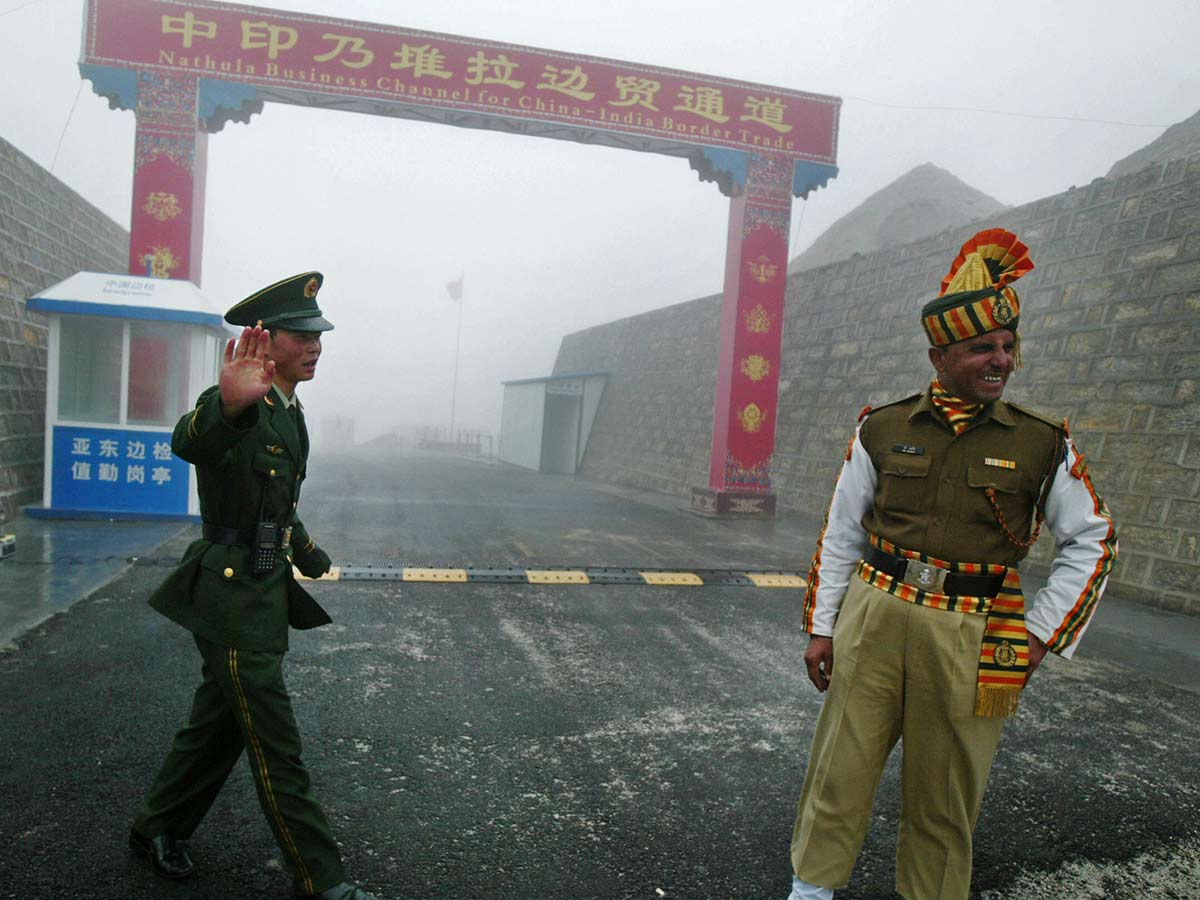
- Border Protection: $5-6 billion
- Land Mass: 1.37 million sq/mi
- Population: 1.4 billion
- GDP: $3.5 trillion
India allocates $5-6 billion annually for border management. This expenditure goes towards securing its extensive borders with Pakistan, China, and Bangladesh. Investments include fencing, surveillance technology, and additional border personnel.
Border Roads Organisation (BRO) is a key entity responsible for building and maintaining roads along the country’s border areas. The government has allocated $783.41 million in the budget to ensure the construction and upkeep of border roads, with particular focus on the Indo-China border due to rising concerns over geopolitical tensions with China. India’s total defense expenditure for 2024 stands at 6.215 trillion rupees ($75 billion), highlighting the country’s ongoing commitment to border security amid a complex regional environment.
Turkey — $8 billion
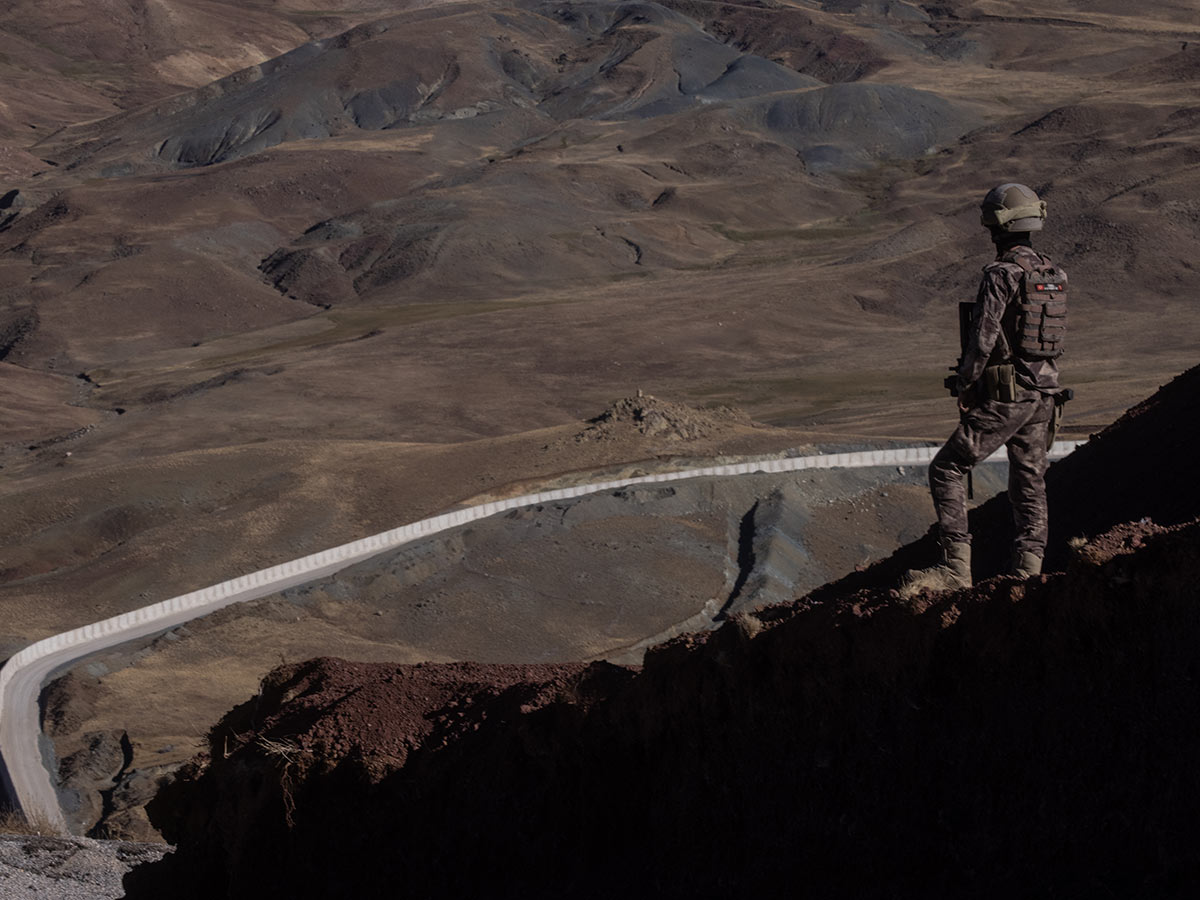
- Border Protection: ~$8 billion
- Land Mass: 8,522 sq/mi
- Population: 86 million
- GDP: $929 billion
Turkey’s defense exceeds $40 billion. This significant investment is driven by the need to manage refugee flows from Syria and secure its borders with Iran and Iraq. The country faces challenges related to terrorism, smuggling, and illegal migration, necessitating a robust border security apparatus.
Turkey’s role as a key host of refugees from Syria has necessitated significant border security investments to control immigration and manage the flow of displaced persons across its borders. Particularly along its border with Syria, Turkey has invested heavily in border fencing and surveillance technology, including high-tech cameras, motion sensors, and drones to monitor activities and prevent illegal crossings. Turkey’s military plays a significant role in securing its borders, especially in regions like the Kurdish-majority southeast, where security challenges include cross-border terrorism and smuggling.
China — $10 billion
- Border Protection: >$10 billion
- Land Mass: 3.7 million sq/mi
- Population: 1.44 billion
- GDP: $18.7 trillion
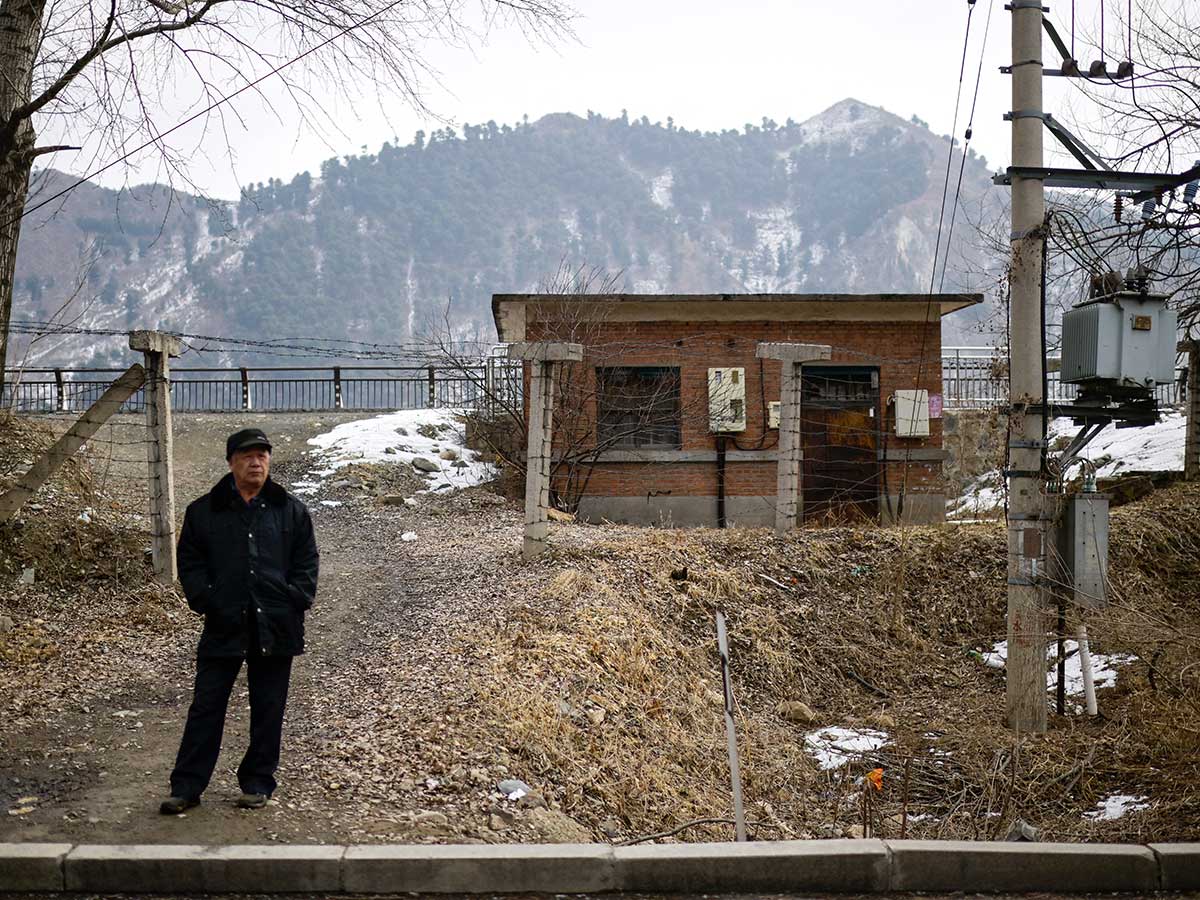
China’s spending on border security is estimated to be over $10 billion. The government’s efforts are largely directed toward securing sensitive borders with India and Central Asia, as well as internally managing its borders in regions like Xinjiang.
A significant portion of China’s border security budget has been funneled into Xinjiang Uyghur Autonomous Region (XUAR), where spending on domestic security has increased dramatically, with figures rising nearly tenfold between 2007 and 2017. In 2017 alone, security spending in XUAR rose by 92.8%. China heavily invests in high-tech surveillance systems, including AI-driven monitoring and satellite surveillance, particularly in areas like the Himalayas and the vast desert terrains of Xinjiang, ensuring comprehensive border control against illicit activities such as smuggling and human trafficking.
Saudi Arabia — $20 billion
- Border Protection: ~$20 billion
- Land Mass: 0.87 million sq/mi
- Population: 35 million
- GDP: $833.9 billion
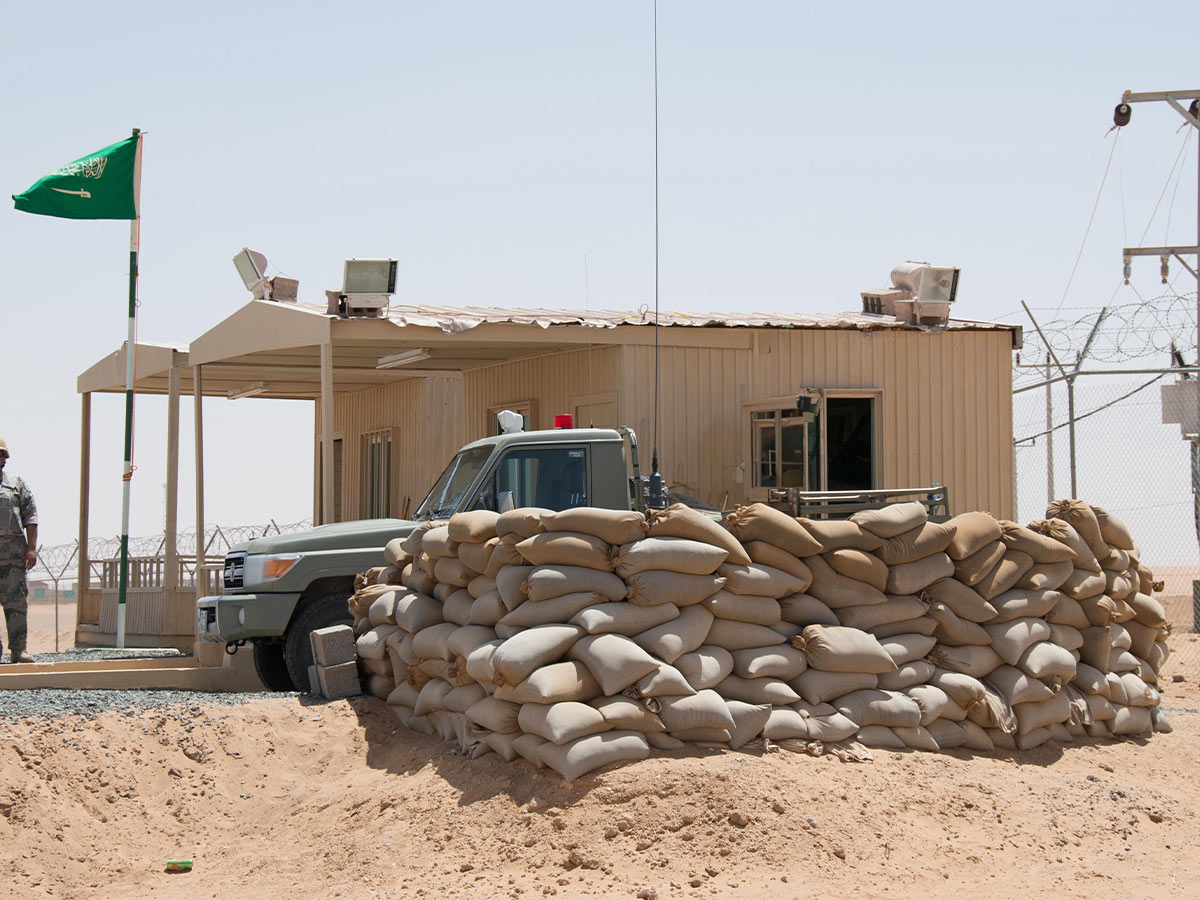
While Saudi Arabia’s overall defense budget is around $72 billion, a significant portion goes towards border protection. The country dedicates $4 billion specifically to the Ministry of National Guard (SANG) for border enforcement. Additionally, substantial resources are allocated for border fencing, surveillance systems, and counter-smuggling operations along its borders with Yemen and Iraq.
Their investments include high-tech surveillance systems, radar, and motion detectors to prevent illegal immigration and smuggling. The Saudi National Guard has received a major upgrade, with $4 billion allocated to modernize equipment and improve security infrastructure along the borders, including border patrol vehicles, drones, and unmanned aerial systems (UAS) to monitor and secure the terrain.
Russia — $28 billion
- Border Protection: >$28 billion
- Land Mass: 6.6 million sq/mi
- Population: 144 million
- GDP: $1.8 trillion
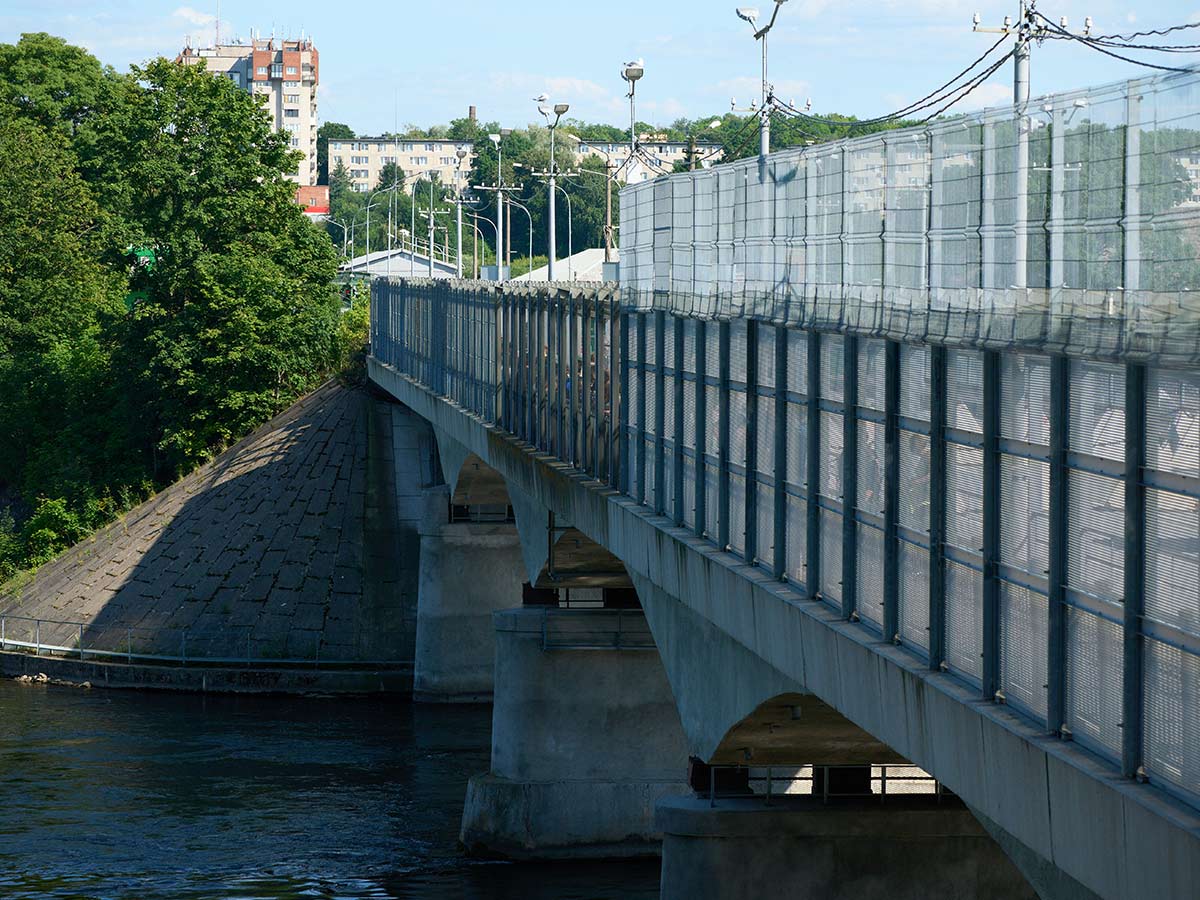
It’s difficult to glean specific numbers on Russia’s border control spending, but we can safely estimate that it’s well in the billions. In 2022, Moscow spent over $32 million fortifying just one section of the border. The Federal Security Service (FSB) plays a key role in border control, with significant resources allocated to securing the Caucasus and Ukraine regions.
FSB receives a significant portion of Russia’s border protection budget, which is responsible for countering internal and external security threats, including border security operations in sensitive areas like Chechnya and the Donbas region. Russia continues to focus on military infrastructure along its borders with Ukraine and Central Asia, deploying advanced technology such as drones and surveillance systems to detect illicit crossings and military threats. The border with Georgia, Armenia, and Azerbaijan requires considerable investment due to ethnic and geopolitical tensions in the region.
European Union (Frontex) — $38.4 billion
- Border Protection: $38.4 billion
- Land Mass: 1.6 million sq/mi
- Population: 447 million
- GDP: $19 trillion
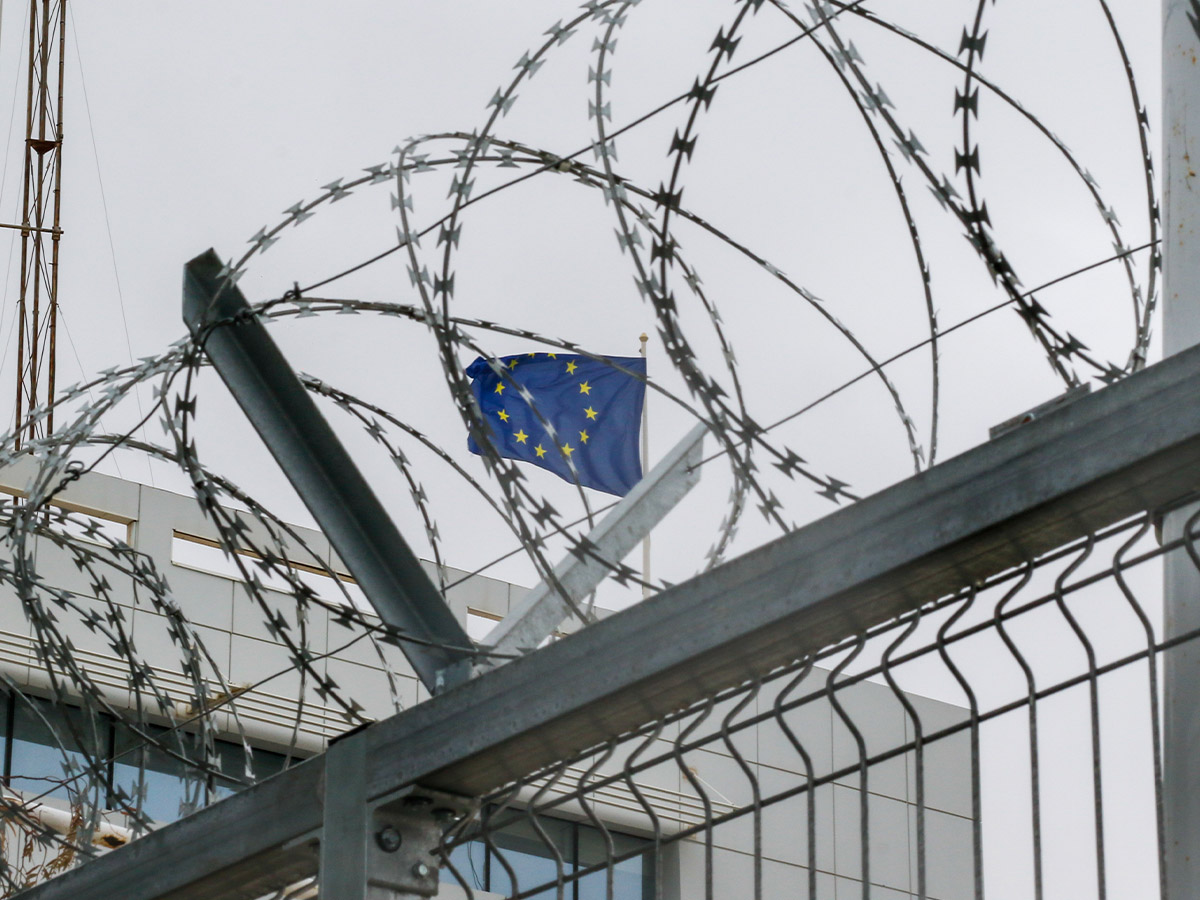
The European Union’s border management agency, Frontex, has a budget of €34.9 billion ($38.4 billion). This funding supports border security operations across EU member states, particularly at external borders. Frontex coordinates efforts to manage migration flows, combat smuggling, and maintain security within the EU’s borders.
Frontex coordinates border security efforts across EU member states, particularly focusing on external borders, including those along the Mediterranean and Eastern Europe. With the surge of migrants, Frontex has focused heavily on border surveillance, including maritime patrols, aerial monitoring, and border control at land entry points. The EU has also allocated significant resources to combat smuggling networks, especially those trafficking in illegal arms, drugs, and people.
United States — $150 billion
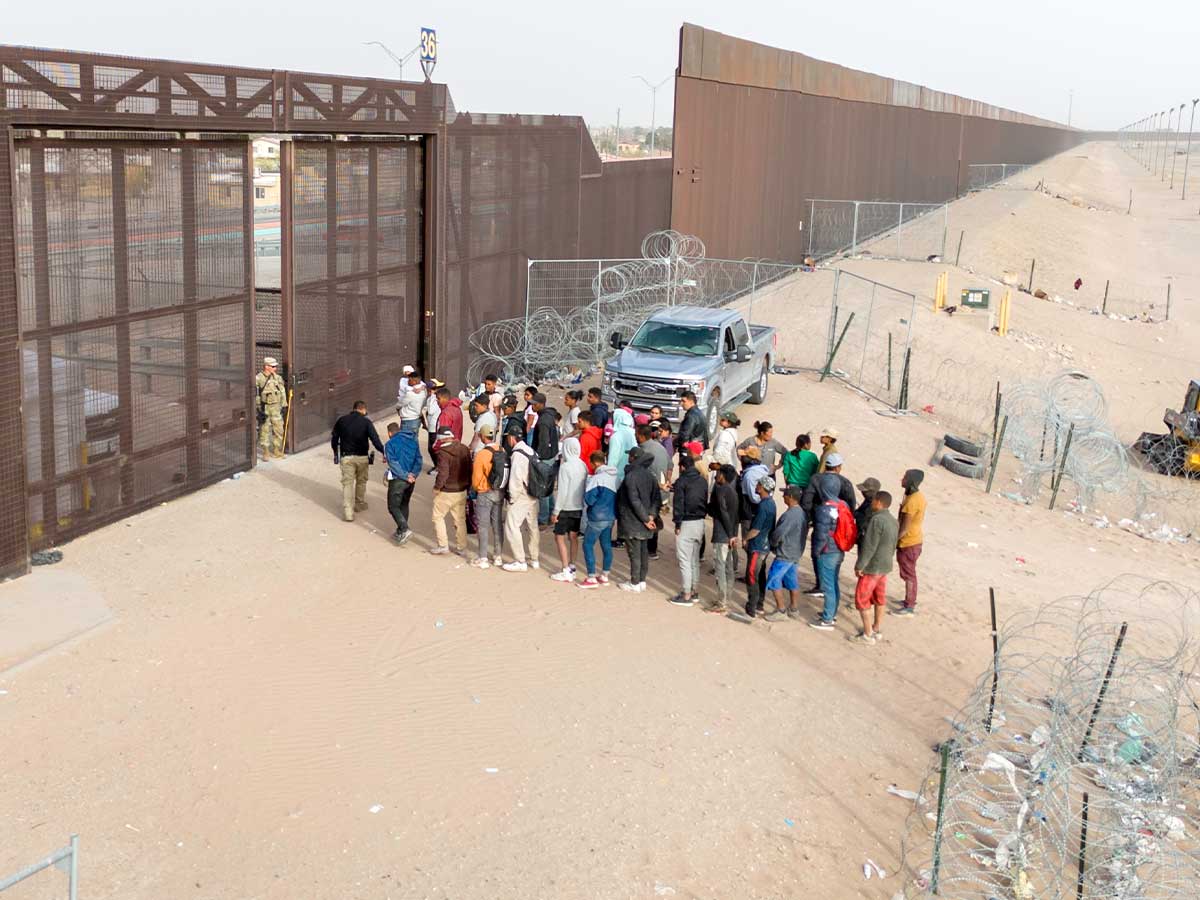
- Border Protection: $150 billion
- Land Mass: 3.54 million sq/mi
- Population: 335 million
- GDP: $25.3 trillion
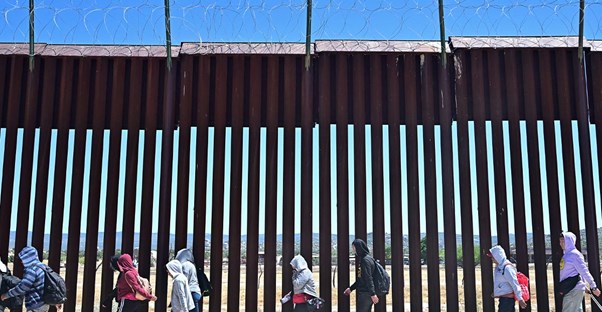
The US spends more than any other country on border security, with estimates exceeding $150 billion annually. This includes funding for Customs and Border Protection (CBP), Immigration and Customs Enforcement (ICE), and border infrastructure projects.
$19.6 billion was allocated for CBP to strengthen border security at entry ports and between them, including $8.3 billion for Border Patrol operations and $850 million for border security technology. ICE received $9.6 billion, which includes $5.1 billion for enforcement and removal operations and $2.5 billion for Homeland Security Investigations, aimed at tackling transnational crime such as human trafficking and fentanyl smuggling. The House Budget Committee reported a total cost of $150.7 billion, underlining the financial burden of securing U.S. borders, particularly focusing on the southern border with Mexico.