


15 Medical Breakthroughs Changing What’s Possible
These medical breakthroughs are showing how medicine is evolving faster than ever and treating cases in a more personalized and individualistic fashion.
A Daily Pill That Nearly Doubles Survival in Pancreatic Cancer

In a Phase 3 trial of 500 people, patients with advanced pancreatic cancer who had already received treatment lived an average of 13.2 months while taking daraxonrasib. Patients receiving standard chemotherapy lived an average of 6.7 months. That means the drug nearly doubled average survival, while also causing fewer side effects.
The drug works by blocking proteins made by RAS genes, especially KRAS. More than 90% of pancreatic cancers involve KRAS, but the gene has been extremely difficult to target with drugs.
The results received a standing ovation when they were presented at the 2026 meeting of the American Society of Clinical Oncology. One oncologist called the results “unprecedented,” pointing out that no drug had previously shown a survival benefit close to a year in a Phase 3 pancreatic cancer trial.
Daraxonrasib has not yet received full FDA approval. However, the FDA has authorized an expanded access program that allows eligible patients to receive the drug. It has also received several special designations designed to speed up its path toward approval.
Pancreatic cancer remains one of the hardest cancers to treat. It can grow quickly, resist treatment, and often causes few symptoms until it is already advanced. A drug that can significantly extend survival could represent an important step forward.
A Personalized Cancer Vaccine Built From Your Own Tumor

BioNTech developed this vaccine with Genentech. It is made using genetic information from a patient’s own tumor after surgery. The vaccine is then combined with chemotherapy to teach the immune system to recognize and attack cancer cells that may remain in the body.
In an early clinical trial led by Memorial Sloan Kettering Cancer Center, nearly all of the patients who responded to the vaccine were still alive six years later. That is a striking result for pancreatic cancer, where five-year survival has historically been very low.
A related vaccine is also being developed. It uses shared cancer targets and is designed to attack KRAS mutations directly.
Pancreatic cancer has been difficult to treat with immunotherapy because these tumors often do not create a strong immune response. A personalized vaccine may help solve that problem by giving the immune system a specific target to attack.
Personalized mRNA Vaccines Succeed in a Major Cancer Trial
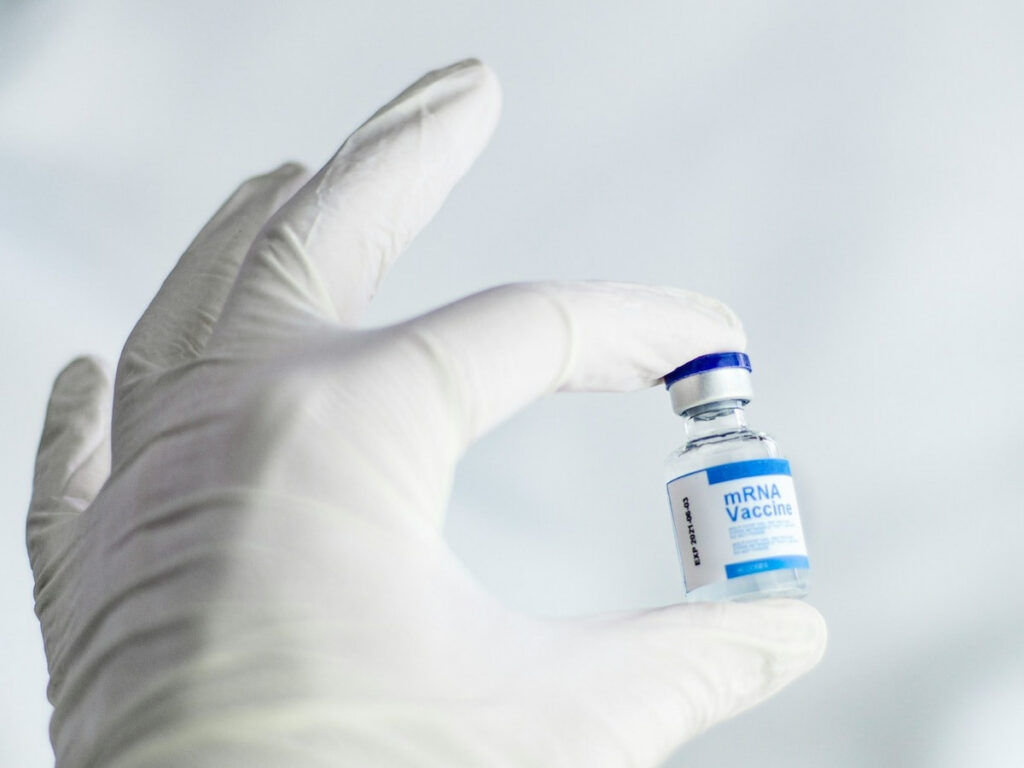
In August 2026, the vaccine became the first personalized mRNA cancer vaccine to succeed in a large, late-stage Phase 3 trial.
The vaccine was given along with Keytruda, an existing immunotherapy drug. The combination significantly reduced the risk of cancer returning or spreading in patients with high-risk melanoma that had already been surgically removed.
Earlier research had shown that the combination could cut the risk of cancer returning or causing death by about half compared with Keytruda alone.
The treatment works by studying a patient’s tumor to find its unique mutations. The mRNA vaccine then gives the immune system a personalized list of targets to look for.
Because this is the first major Phase 3 success for a personalized mRNA cancer vaccine, companies are already working with regulators. Doctors interviewed about the results expect the treatment could be approved and available as soon as early 2027.
Researchers are also testing the same vaccine approach against bladder, kidney, lung, stomach, and pancreatic cancers. The melanoma results could be an early sign of a much larger wave of personalized cancer vaccines.
Gene Editing Moves From the Lab to Real Treatment
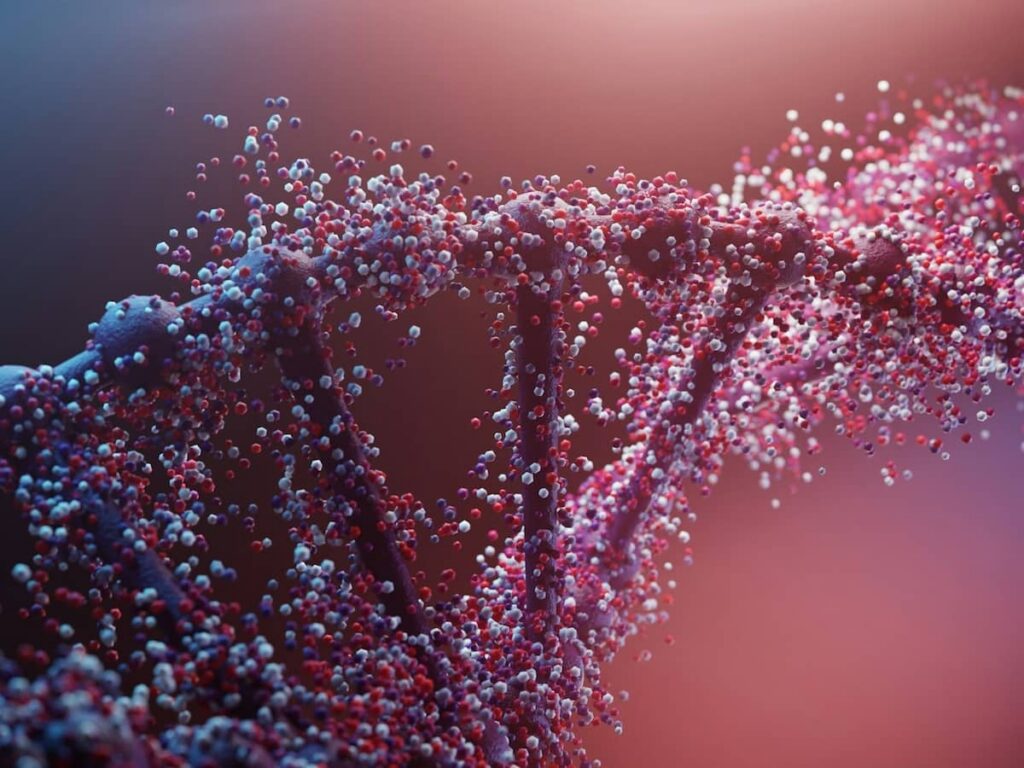
Casgevy was the first CRISPR-based treatment ever approved. It edits a patient’s own blood stem cells to treat sickle cell disease and beta thalassemia.
The treatment is now available in 39 countries and has recently been expanded to children as young as 2 years old. Another CRISPR-based treatment, EDIT-101, has also been approved for a rare inherited form of blindness.
Other CRISPR treatments are being tested in late-stage clinical trials for conditions including hereditary angioedema, familial high cholesterol, Huntington’s disease, and Duchenne muscular dystrophy.
Until recently, many of these genetic diseases could not be treated at their source. Casgevy is designed to address the underlying genetic problem instead of simply controlling symptoms.
The treatment is given as a one-time procedure rather than as a lifelong therapy. A patient’s cells are removed from the body, genetically edited, and then returned to the patient.
The biggest challenges now include cost and access. A treatment can cost more than $2 million, and it requires specialized medical centers to perform the procedure. That makes 2026 an important test of whether gene editing can expand beyond a small number of highly specialized facilities.
A Stem Cell Treatment That Could Free Patients From Insulin Injections
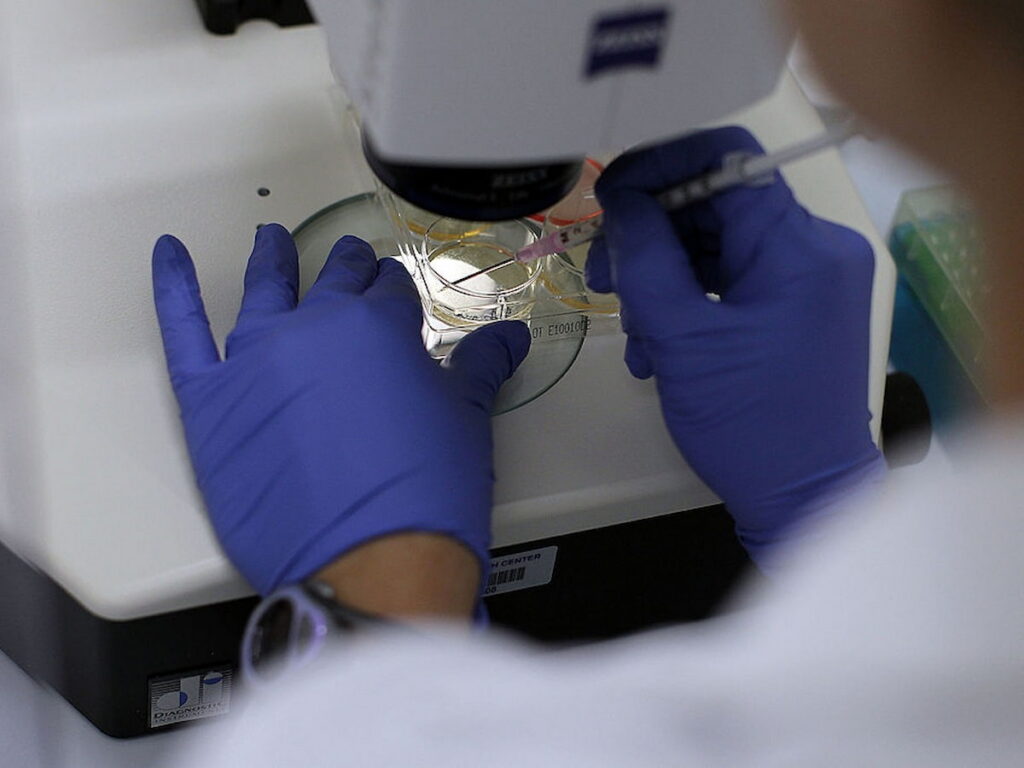
In a small but closely watched trial, 10 of 12 patients who received a single infusion of zimislecel no longer needed insulin after one year. All 12 reached their target blood sugar levels, and none had a severe low-blood-sugar episode after the first 90 days.
The treatment uses lab-grown, mature insulin-producing cells. These cells are delivered directly into the liver through an infusion. The goal is to replace the cells that are destroyed by the immune system in people with type 1 diabetes.
Vertex Pharmaceuticals, which developed the treatment, expects to submit it for FDA approval sometime in 2026.
The treatment is not considered a true cure because patients still need drugs that suppress the immune system. These medications are needed to prevent the body from rejecting the new cells, and immune-suppression has caused some serious side effects in the larger trial group.
Still, for people who currently need insulin injections and regular blood sugar monitoring for life, the treatment could be an important step toward a functional cure.