

30 Hauntingly Bizarre Things in the Ocean Depths
Approximately 70% of the Earth’s surface is covered in water. The oceans of this planet are vast, deep, and full of mystery and the unknown. The ocean is still mostly unexplored, and new creatures, sights, and discoveries are just awaiting discovery.
Humans know more about space than the oceans that cover the majority of the planet, with only 5% of the seafloor having been explored. Wrecks, animals, plants, bacteria, and all sorts of other things are just waiting to be found, and humans have enough curiosity to find them. That being said, human interest has discovered some…strange, dark, or even creepy things at the bottom of our seas. Ancient civilizations, natural formations, sunken military vessels, and odd creatures have been pulled up from the bottom of the seas to greet the light of day. These places and things bring people face-to-face with terror, perils, and even death.
From the beaches we swim at every day to the deepest part of our oceans, some bone-chillingly creepy things are able to hide. And exploring these weird undersea places is almost like entering a new world from a sci-fi movie (or a horror movie, in some cases). There are some things down there that are probably best left alone. However, no one thought about that before they found these. These are 30 of the weirdest and creepiest things that have been found in the ocean.
The Lost City of Thonis-Heracleion
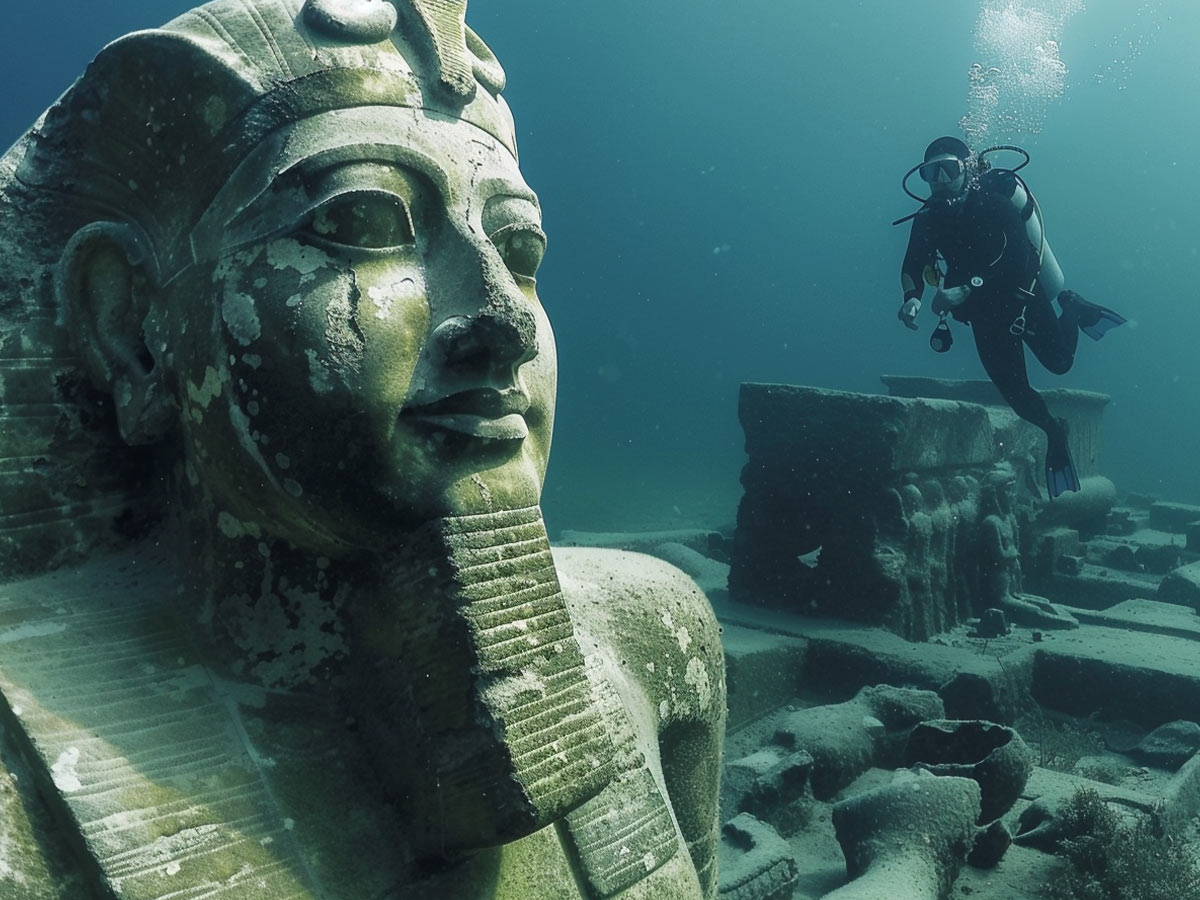
The ancient city of Heracleion was simply mentioned in passing on a few rare inscriptions and ancient texts. Archaeologist Frank Goddio spent several years searching Abu Qir Bay.
Submerged 6.5 km off the coast of the Egyptian city of Alexandria, the ruins housed 64 ships, 700 anchors, 16-foot statues, a treasure trove of golden coins, and a massive temple to the god Amun-Gereb.
The Sunken City of Dwarka

One of the best-studied underwater sites in India, Dwarka is considered one of the four Dhammas, a sacred pilgrimage in the Hindu religion.
Located off Gujarat’s western coast, Dwarka is thought to be 9,000 years old which predates the known Indian civilization by at least 4,000 years.
Truk Lagoon's Military Battleships
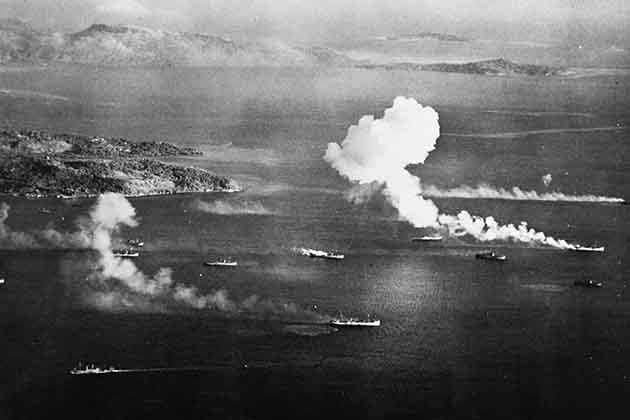
Hundreds of Japanese Imperial Fleet battleships, air crafts, and submarines were sunk in a surprise attack known as Operation Hailstone. Referred to as Japan’s Pearl Harbor, this event took the lives of thousands of soldiers off the coast of the Caroline Islands over two days in 1944.
Truk Lagoon is now one of the most bizarre tourist attractions in the world.
Underwater Museum in Mexico
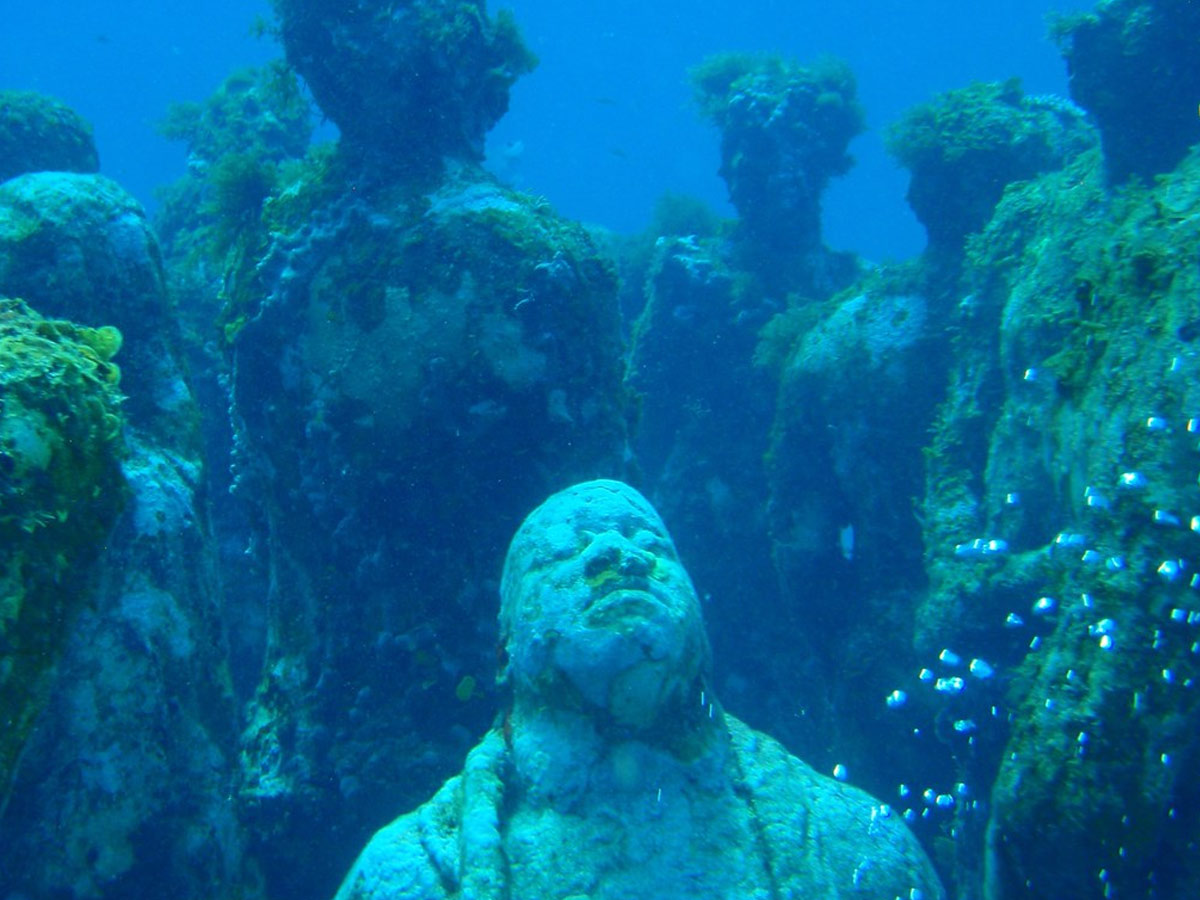
An exhibition of 500 life-sized sculptures lies the bottom of the Caribbean Sea near Cancun, just 28 feet below the surface.
This project combines art and conservation, the statues are made to have a neutral PH surface that promotes and enhances the growth of coral tissue. This gorgeous art exhibit has created a whole new ecosystem to help protect the Mesoamerican Reef.
Sea Spiders

If you have a fear of spiders, then this is probably your worst nightmare. The Southern Ocean giant sea spider, thankfully, isn’t technically a spider, it’s actually an arthropod.
Also, you can only find them at the bottom of the ocean around Antarctica.
2,000-Year-Old Computer
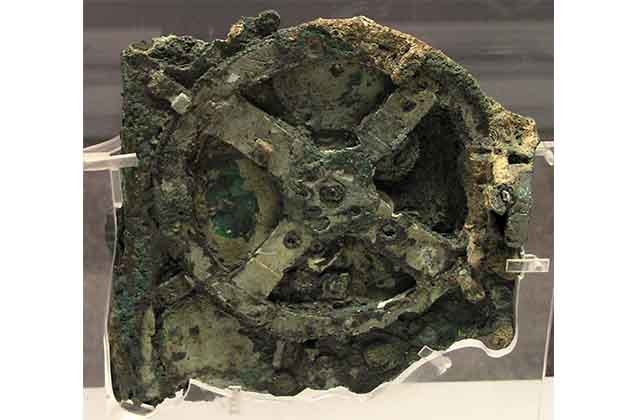
Discovered by divers in 1901, it took scientists most of the 20th century to figure out precisely what the Antikythera Mechanism was actually for. Turns out, it’s an ancient Greek analog computer. X-Ray technology was vital in solving the puzzle of the device.
About the size of a mantel clock, this computer/calendar mapped the solar and lunar calendars and counted down the days between Olympic Games.
WWII Remains in Chuuk Lagoon
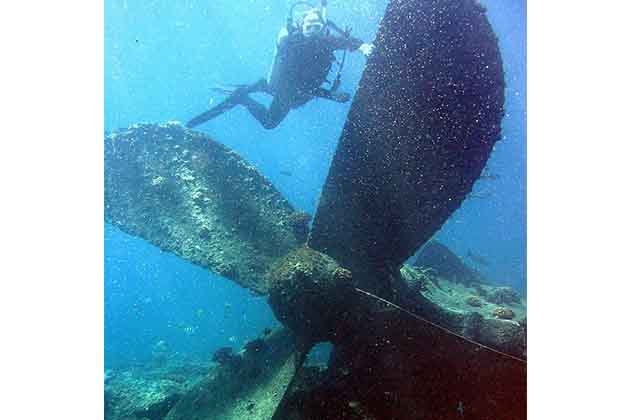
This popular tourist spot is home to the world’s largest ship graveyard and the sight of a WWII battle between Japan and the United States.
At the bottom of the lagoon lies 60 warships and over 200 aircraft. Divers still find the skeletal remains of soldiers from both sides of the battle.
The Mariana Trench

The Mariana Trench is the deepest point on Earth, and we don’t even really know what’s down there. Only three people have been to the bottom of the Mariana Trench’s deepest point (known as Challenger Deep, about 6.83 miles down).
The Trench is pitch black, and the pressure is enough to end you, not to mention it’s filled with terrifying creatures.
The Great Blue Hole
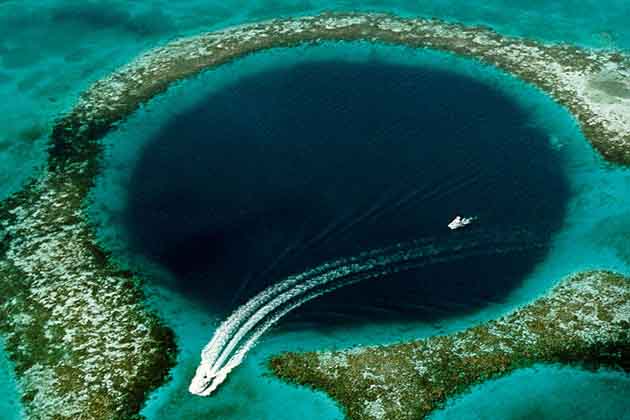
The Great Blue Hole is a giant sinkhole off the coast of Belize City, and it radiates creepiness.
The Hole is 407 feet deep, and a one-of-a-kind diving attraction filled to the brim with unique organisms and mysteries waiting to be solved.
The Devil's Sea
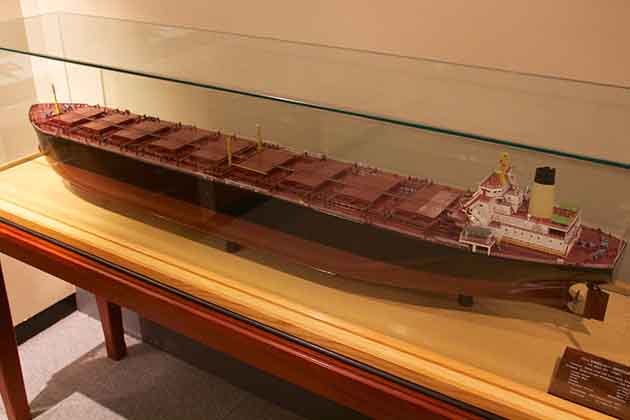
Known as the twin to the Bermuda Triangle, the Devil’s Sea off the coast of Tokyo is known for strange disappearances and shipwrecks. One of the most famous wrecks includes the MV Derbyshire, the largest ship ever lost at sea (it was twice the size of the Titanic, for reference).
Even ghost ships have reportedly been seen sailing in the area.
The Titanic Wreck
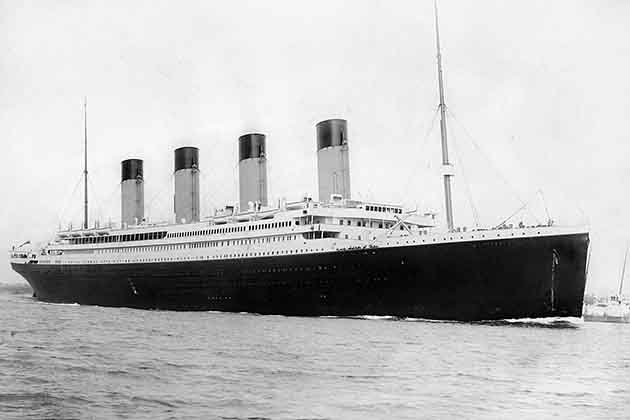
The Titanic sank on its maiden voyage in 1912 and more than 1,500 people died, many of them buried underwater with the ship. The Titanic was found 73 years after its initial sinking, and since then, there have been many efforts to try to pull the Titanic from the bottom of the ocean.
Unfortunately, none of the missions have succeeded as of late, the Titanic seems content to remain below the waves on the ocean floor.
The Pyramids of the Cuban Underwater City
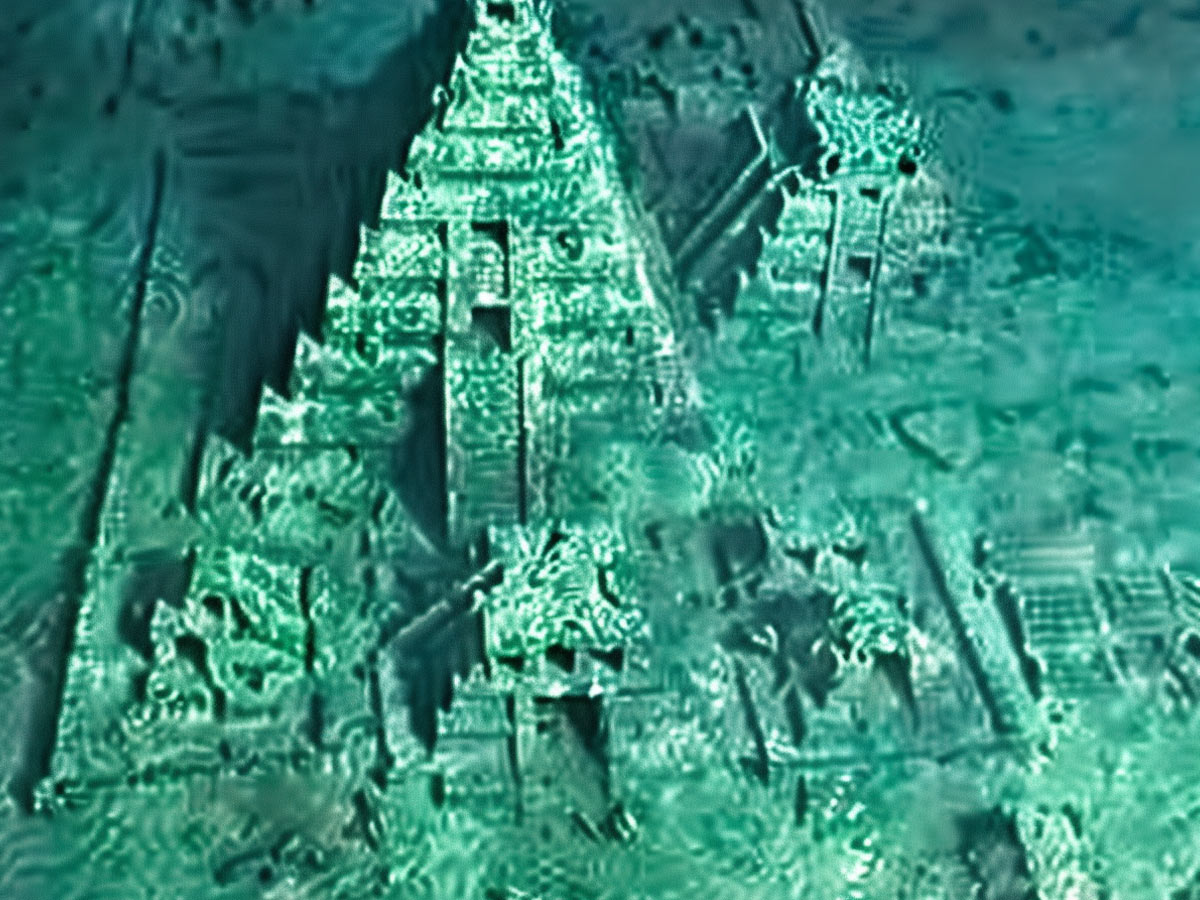
Submerged 2,300 feet underwater, a massive Cuban city was discovered in 2000. In July of 2001, researchers returned to the city with an explorative robot.
The robot brought back images of massive, smooth blocks that appeared to be cut granite, some of which were built in pyramid shapes while some others were in circular patterns. It’s believed that the formations were built more than 6,000 years ago, predating the great pyramids of Egypt by about 1,500 years.
The Neptune Memorial Reef

Beautiful yet unsettling, the Neptune Memorial Reef is the largest underwater cemetery in the world. About 600,000 square feet off the coast of Key Biscayne, Florida, Neptune Memorial Reef is home to cremated remains mixed with cement, poured into the mold, and carefully placed on the ocean floor by a diver. A plaque is attached to each object to act as a headstone.
It’s beautifully haunting, and it’s not only an interesting memorial, but it also serves as a man-made reef for various marine animals.
Las Cruces de Malpique
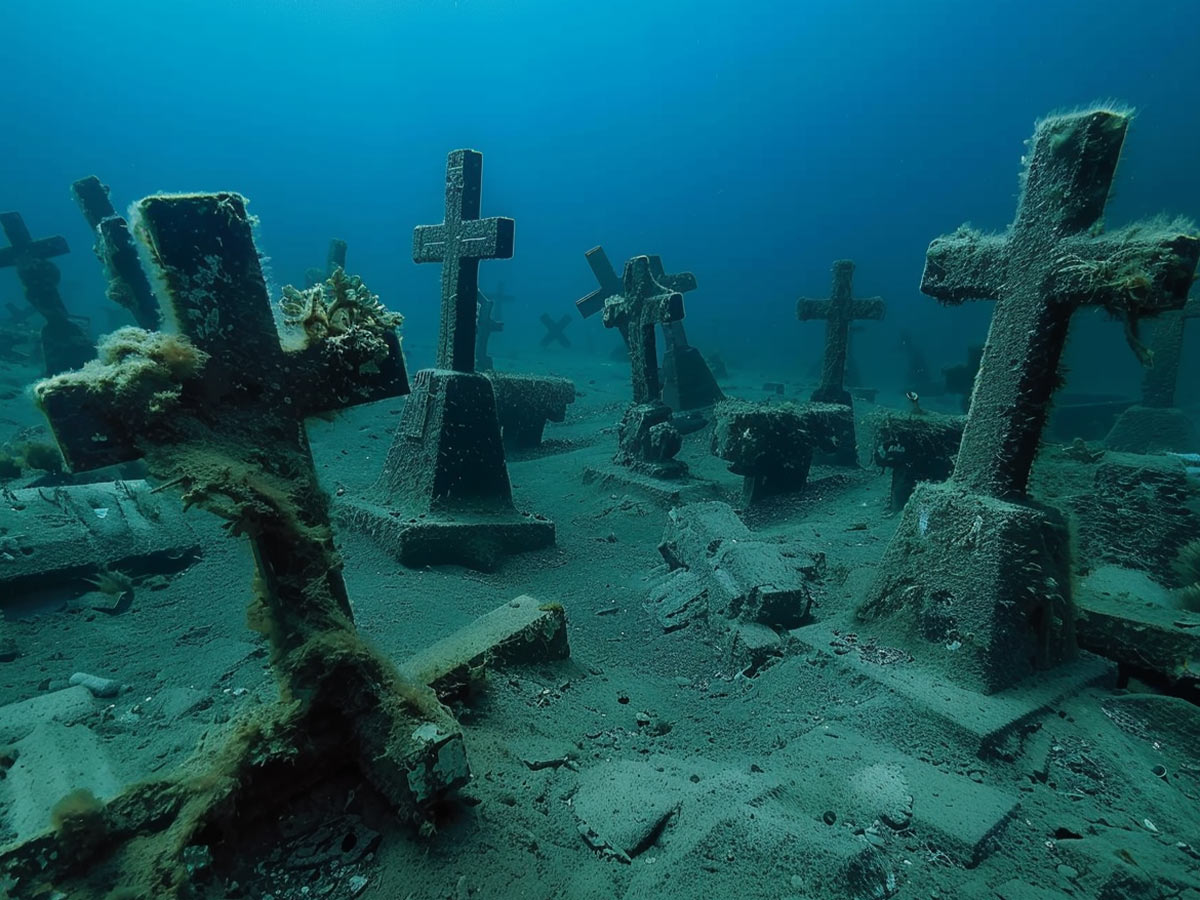
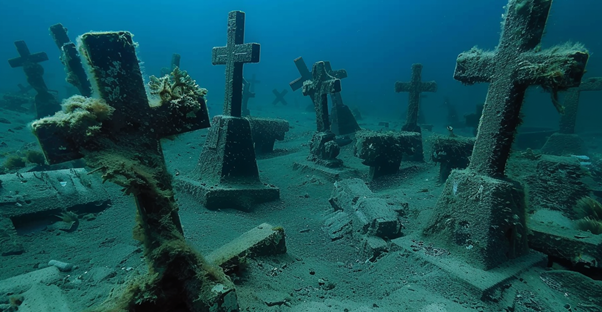
The site of 40 stone crosses at the bottom of the ocean off the La Palma coast in the Canary Islands looks super similar to an underwater graveyard.
It’s technically not a graveyard, but the gravestones were placed to honor 40 Jesuit missionaries murdered by pirates and thrown into the sea back in the 16th century.
A Bag of Human Hands

In March 2018, a Siberian fisherman found a bag of 54 severed hands that had washed ashore on an island in the Amur River.
The authorities were called, but they said it was nothing to worry about, claiming that the hands probably came from a local forensics lab that was improperly disposed of.
The Knifenose Chimaera

In March 2016, a fisherman at Newfoundland, Canada caught this super rare deep-sea fish.
The Knifenose Chimaera (aka, the Ghost Shark) is a bizarre-looking fish with a sword-like nose, neon-green eyes, and wing-like fins. Spooky looking, right?
Mummified Body of Manfred Fritz Bajorat
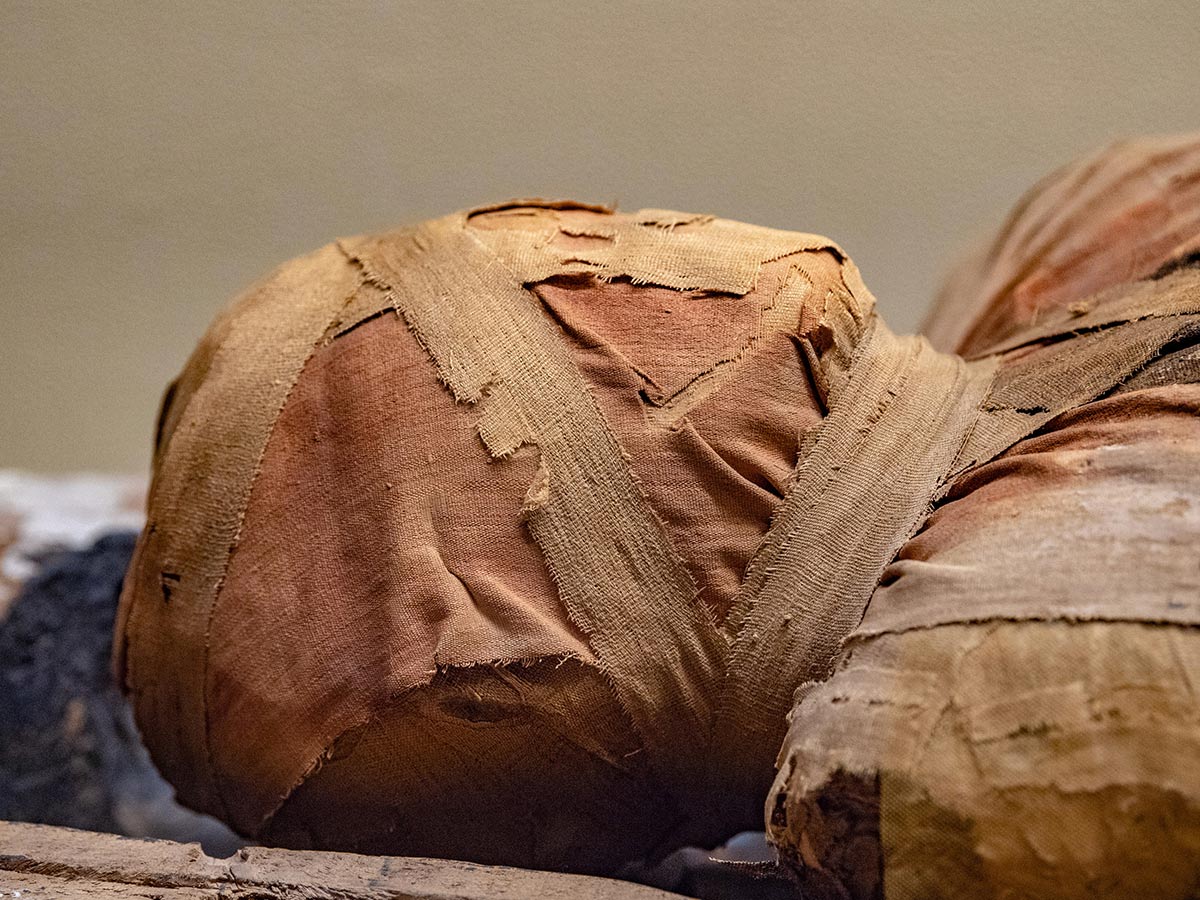
In February 2016, the mummified body of German sailor Manfred Fritz Bajorat was found on his yacht, which he had been sailing across the world for several years. Bajorat’s body was discovered floating about 40 miles from the Philippines.
Bajorat had died of a heart attack and been dead for about week before his remains were found, though his body was in surprisingly good condition. Many people believe the dry ocean winds, hot temperatures, and salty air helped preserve his body.
The Ourang Medan
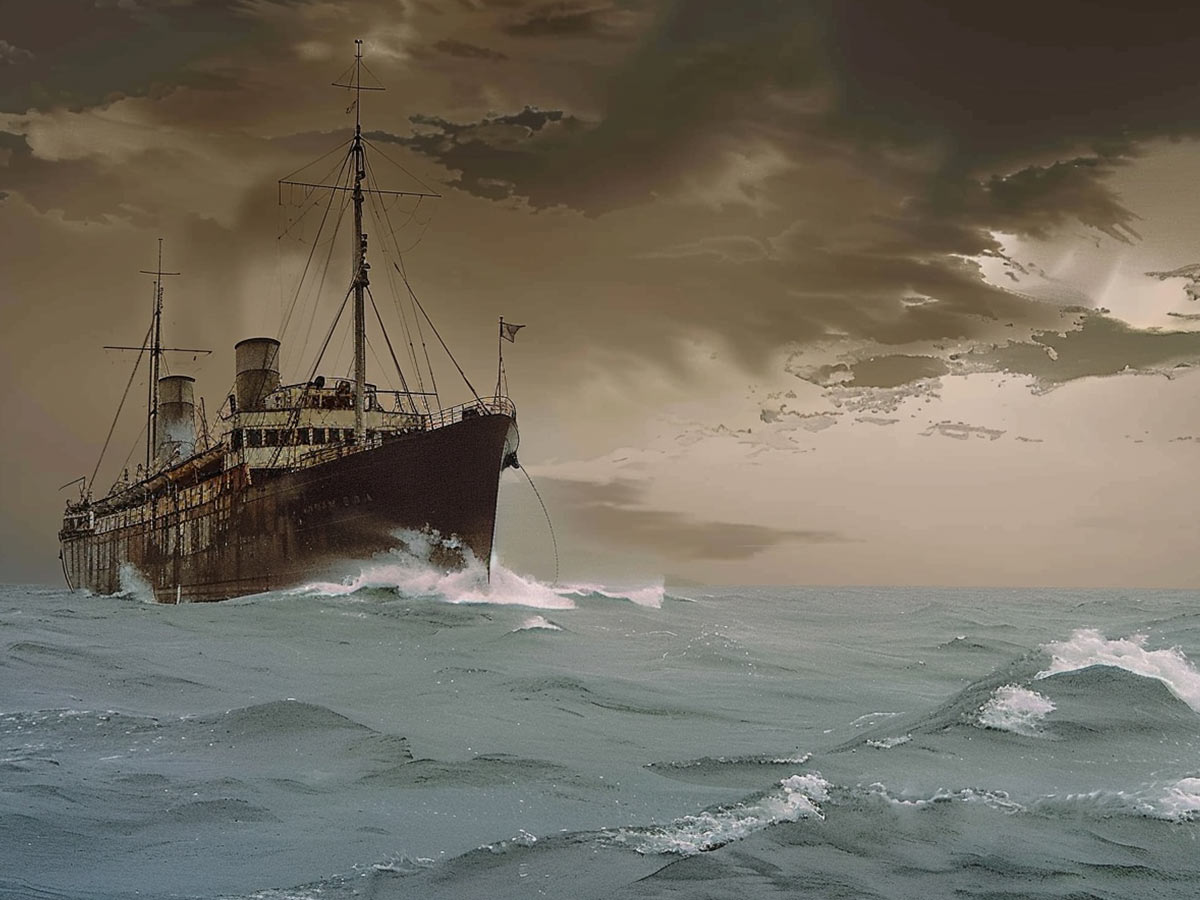
The Ourang Medan was a Dutch freighter discovered in February 1948, floating off the coast of the Marshall Islands. The entire crew was found dead, except for one crew member who died shortly after relaying his story to rescuers. The dead crewmen were found with their eyes open and didn’t have any visible injuries.
During the rescue, the ship caught fire before it exploded and sank, thwarting any attempts at investigation. No one knows what exactly happened on board, and it will probably remain a mystery for years to come.
The "Ice Finger of Death"

Yes, the name is super ominous, and the reality might not make you feel much better. More commonly known as brinicles, the ‘Ice Fingers of Death’ are underwater icicles formed when sea ice cracks and leaks saline water.
Because saline water is denser than the water around it, it sinks down to the ocean floor where it freezes everything it comes into contact with.
The Undersea River in the Black Sea
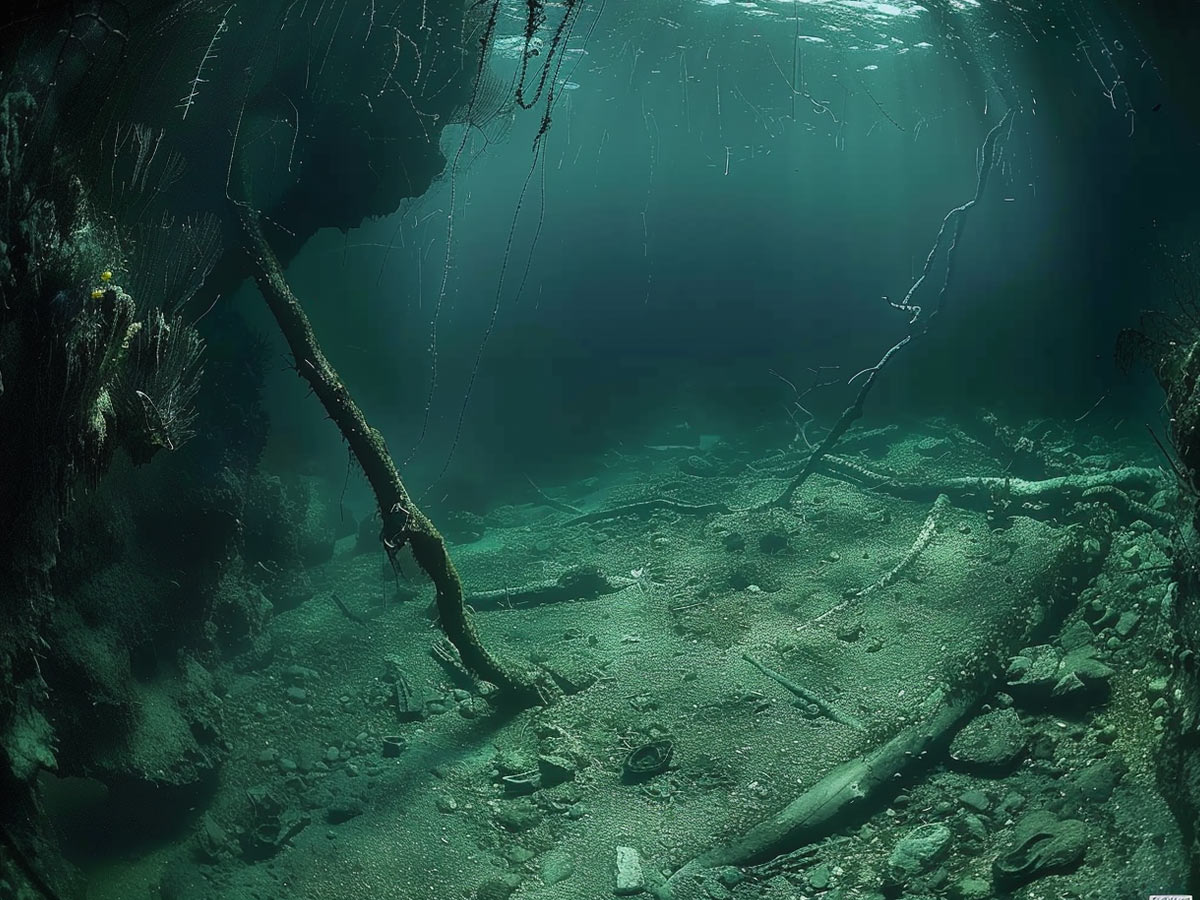
In 2016, a team of researchers working in the Black Sea discovered currents of water along the seabed that were 350 times greater than the River Thames.
An underwater robot was used to explore the river, which had carved out deep channels that reached 115 feet deep in some places and had rapids and waterfalls. If you’re familiar with Greek mythology, this kind of gives of River Styx vibes, doesn’t it?
Almost 100 WWII Bombs
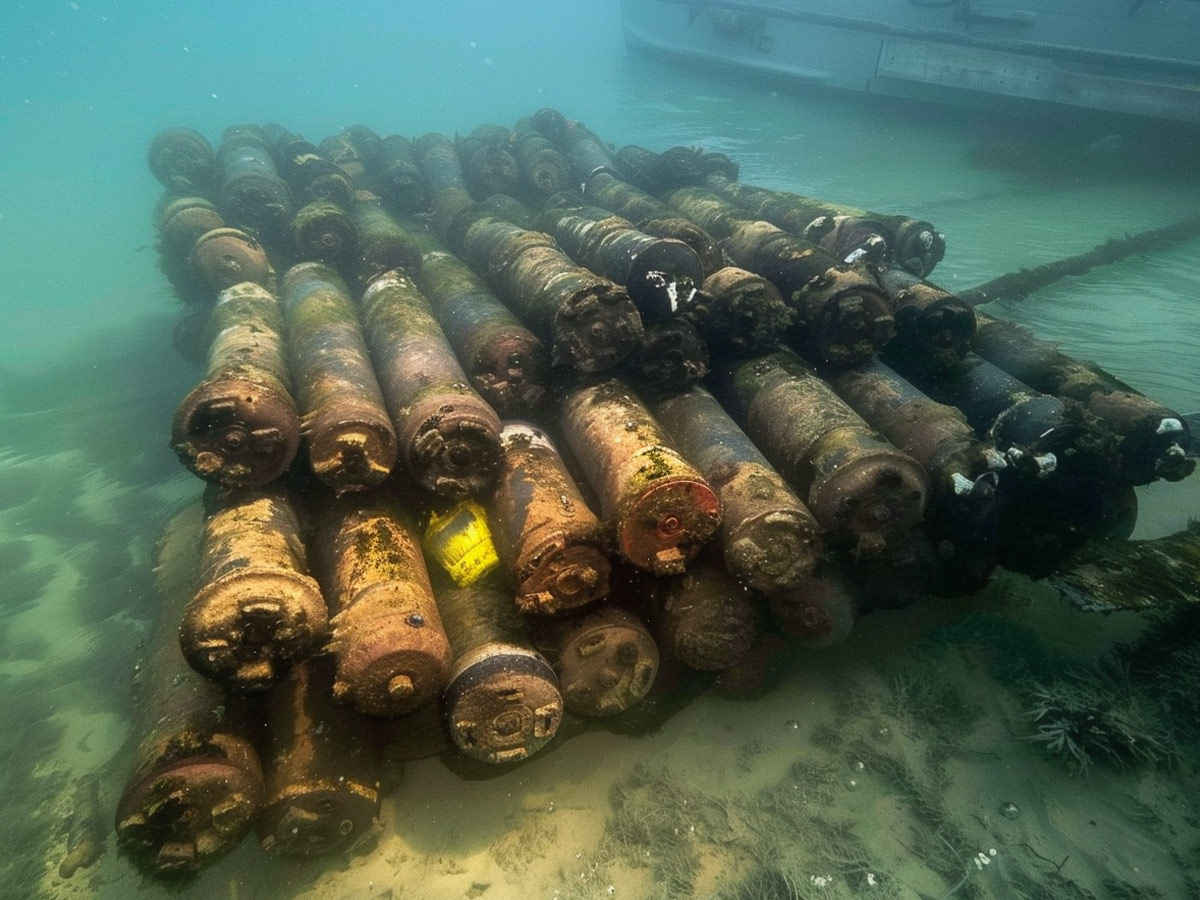
In 2011, Hampshire residents were startled to find 87 unexploded WWII bombs washed up on Calshot beach. The mortars were promptly collected and destroyed by a five-man bomb disposal team.
You can’t help but wonder how many more could be out there just waiting to be detonated.
A 65-Year-Old Plane
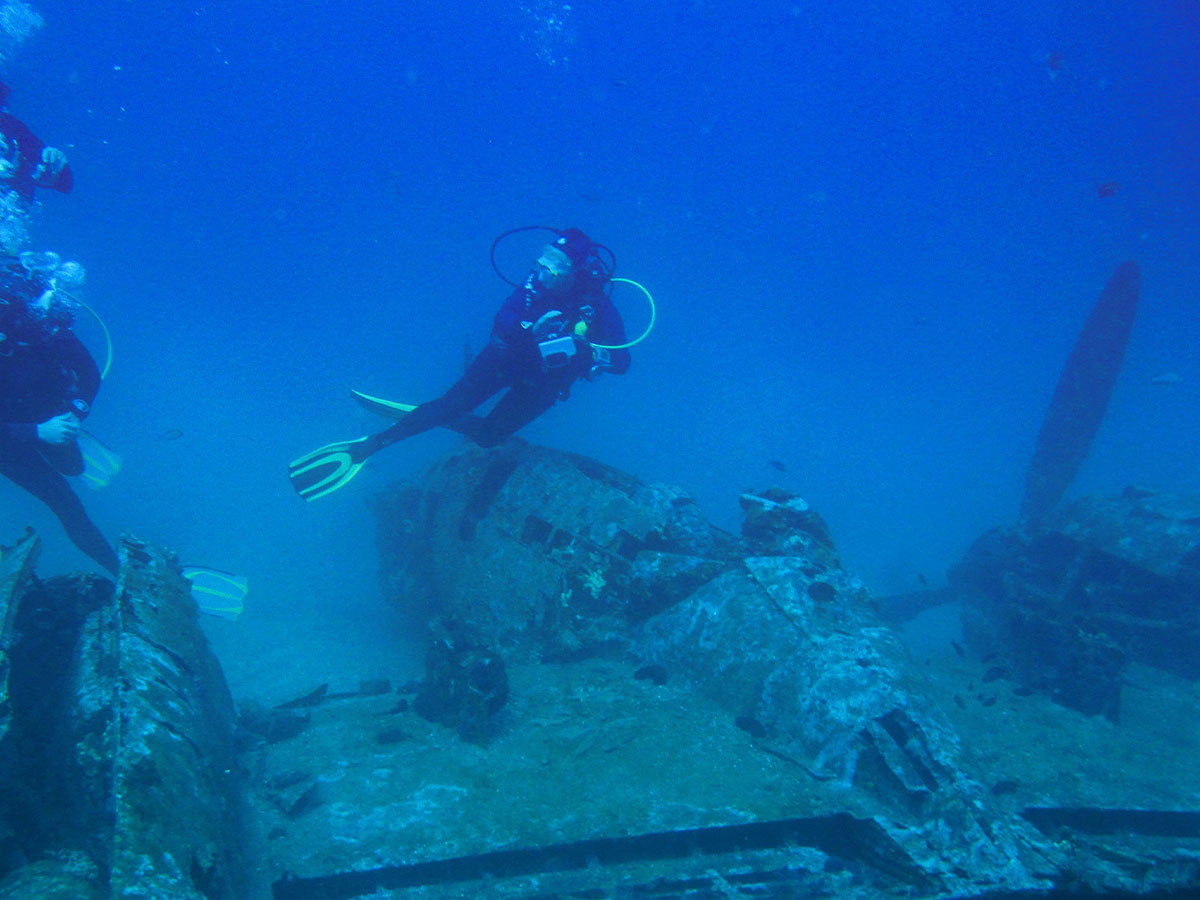
Back in September 1942, a US fighter plane from WWII, known as the Maid of Harlech, crashed off the Wales coast. The pilot survived, but the aircraft was lost to the sea, or so everyone thought.
In 2007, the Maid of Harlech washed ashore and still remains on the beach to this day.
WWII Love Letters
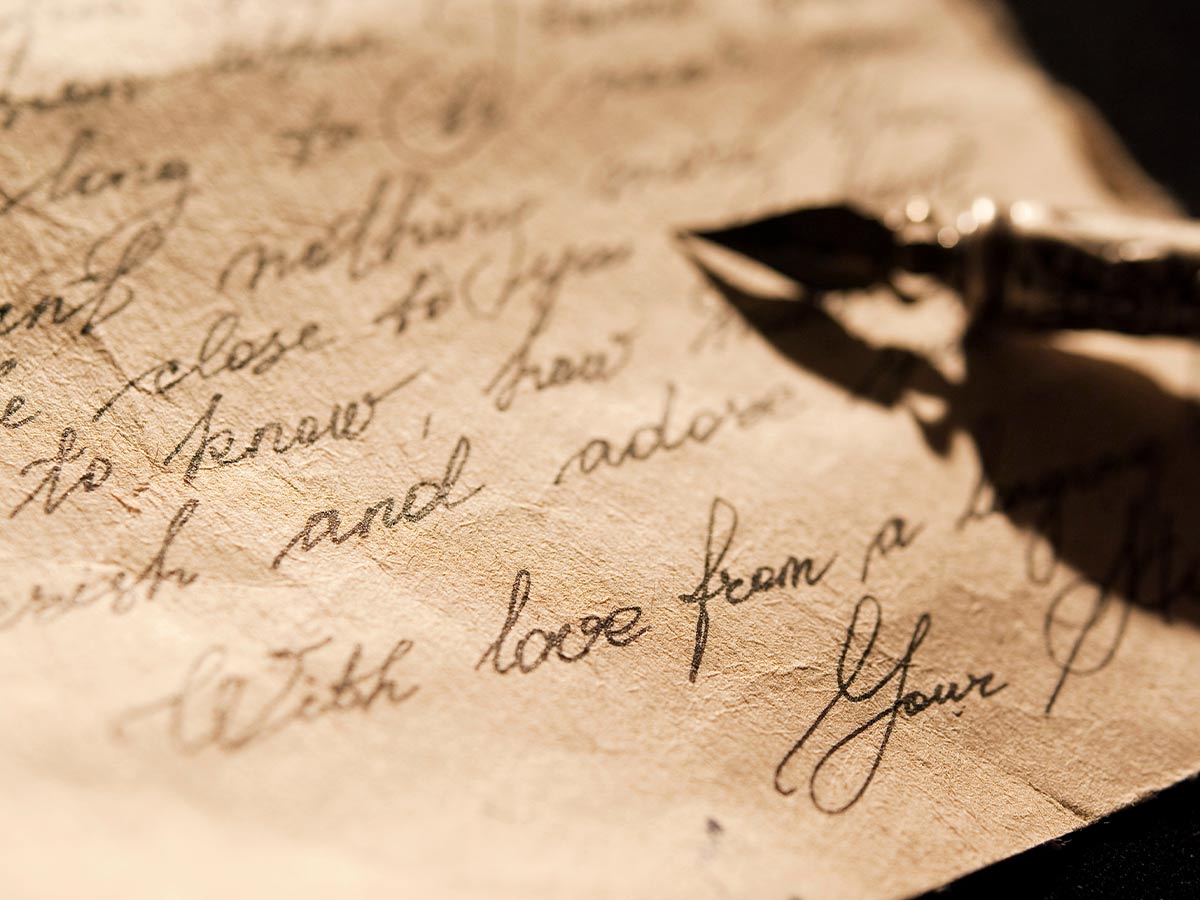
A sadder entry on this list, in 2012, a New Jersey woman found a box filled with 57 love letters on the shore of Sandy Hook Bay. The find was a series of correspondence between Dorothy Fallon and Lynn Farnham, written between 1942 and 1947.
The woman tried to return the letters to their rightful owners but was only able to find the couple’s niece.
Sarcastic Fringehead
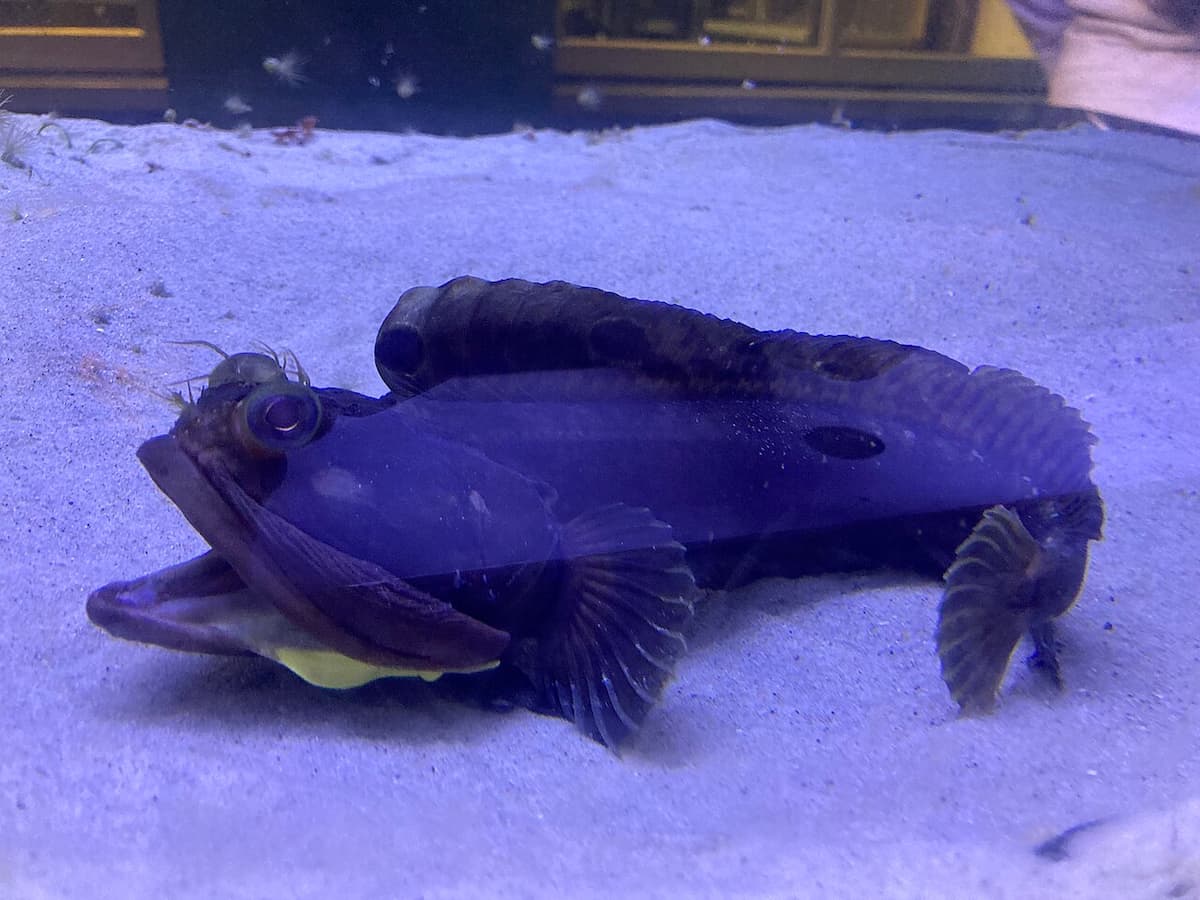
The Sarcastic Fringehead usually appears mostly harmless…until it’s provoked. Once agitated, the Fringehead will open its massive mouth in an attempt to scare off its predators. A truly surprising and terrifying defense tactic. Even though it looks like its mouth is bigger even that its own body, it still won’t actually do anything to human.
Giant Squid

Once thought to be just a legend, the Giant Squid was recently discovered in 2006.
Exactly as the name implies, the Giant Squid is truly giant, has eyeballs 10-inches in diameter, and weigh up to 440 pounds.
Vampire Squid
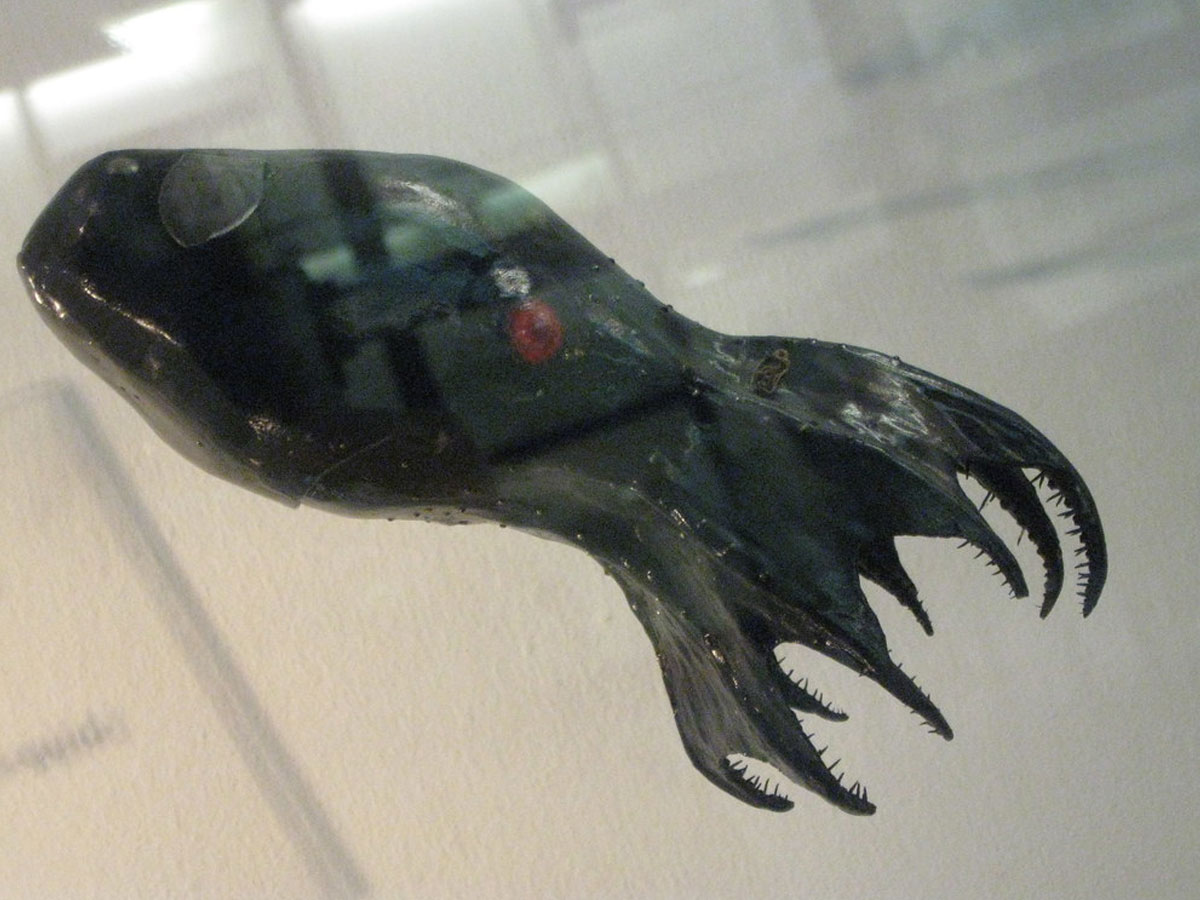
These little guys are surprisingly docile. They don’t even ink or suck the blood of their prey.
The only really creepy thing about this critter is its…unconventional appearance and umbrella-like tentacles.
Deep-Sea Vents
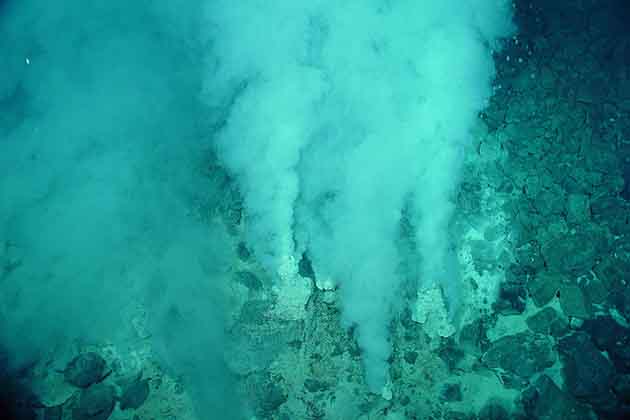
Deep-sea hydrothermal vents reach up from the ocean floor and emit high-temperature plumes of heated water. Typically found near volcanically active places, shifting tectonic plates, ocean basins, and hotspots, hydrothermal vents are hot enough to melt your flesh.
The hottest and darkest plumes have extremely high sulfuric content and can reach up to 18 stories tall.
The Gulf of Corryvreckan
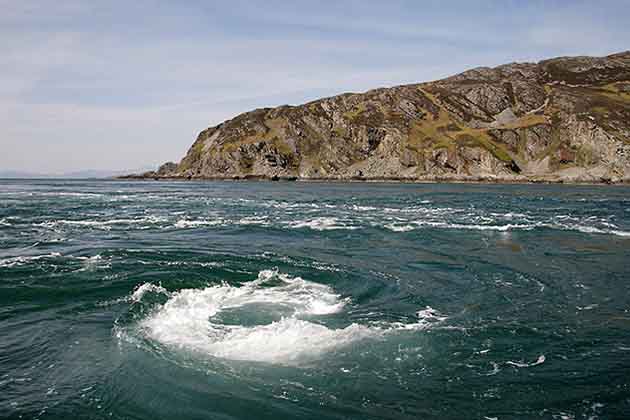
Most whirlpools are harmless and temporary. Notice that we said, “most.” Off the coast of Scotland, the Corryvreckan Maelstrom is a permanent whirlpool, powerful enough to be dubbed as the third strongest whirlpool in the world.
The maelstrom can produce standing waves of at least 15 feet high with strong enough winds and currents.
The Bermuda Triangle
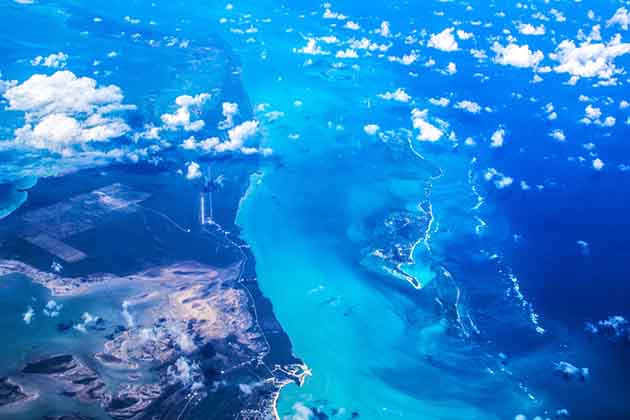
An area of about a million square miles stretching between Florida, Puerto Rico, and Bermuda, the Bermuda Triangle is easily one of the biggest mysteries in history. For centuries, hundreds of ships and planes that have sailed or flown over the triangle have vanished, seemingly without a trace.
There are thousands of theories, some including geomagnetic anomalies, giant tidal waves, Atlantis, and even aliens. No one really knows what’s out there and causing this, so the mystery remains.
Christs of the Abyss

The Christs of the Abyss is a set of three eight-foot-tall bronze statue created by sculptor Guido Galetti. The three statues are located in Grenada, Key Largo, and the Italian Riviera.
The statue in the Italian Riviera is located where a lead Italian scuba diver, Dario Gonzatti, died while on a dive in 1947. This statue is famous among freedivers and scuba divers hoping to pay their respects to those who have died under the sea.