

The Most Devastating Tornadoes in U.S. History
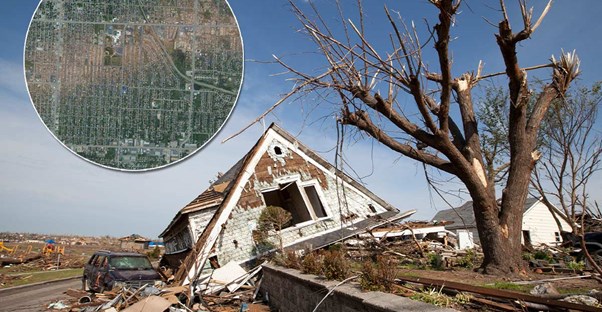
The United States experiences more tornadoes than any other country on Earth. Every spring and summer, warm, moist air from the Gulf of Mexico collides with cold, dry air from the Rockies. This atmospheric battleground creates the perfect recipe for nature’s most fierce and concentrated storms. Most of these twisters are relatively weak and short-lived, but a rare fraction grow into monstrous forces of nature. These massive storms carve paths of absolute destruction, transforming landscapes and altering lives in a matter of seconds. Wind speeds can exceed 200 miles per hour, generating enough force to tear homes from their foundations, hurl heavy vehicles through the air, and strip the bark completely off ancient trees.
When a major tornado strikes a populated area, the impact is immediate and devastating. Entire neighborhoods can be leveled, leaving families to sift through the debris of their former lives. The physical damage is often calculated in the billions of dollars, but the true cost is measured in the profound human toll. Communities lose homes, businesses, schools, and tragically, loved ones. The scars left behind by these violent storms linger long after the skies clear and the debris is hauled away. Yet, in the immediate aftermath of such overwhelming tragedy, we also witness the incredible strength of the human spirit. Neighbors help neighbors, strangers travel thousands of miles to offer aid, and towns slowly rebuild from the ground up.
Looking back at the strongest tornadoes in United States history is not about dwelling on the destruction. Instead, it is an essential exercise in understanding the sheer magnitude of our atmosphere’s power and acknowledging the profound resilience of the people who face it. By studying these catastrophic events, meteorologists improve early warning systems, engineers design safer structures, and communities learn how to better prepare for the unthinkable. As we explore these historic storms, we honor those who were lost and pay tribute to the survivors who found the courage to rebuild. Here is a look at some of the most powerful tornadoes to ever touch down on American soil, ranked by their devastating intensity and the lasting marks they left on history.
Joplin Tornado (2011) – Missouri

The Joplin tornado is one of the most tragic and costly tornadoes in modern U.S. history. Rated EF5, it packed winds estimated between 225 and 250 mph and carved directly through the heart of Joplin, Missouri. The storm caused catastrophic damage, destroying more than 4,000 homes and severely damaging critical infrastructure, including a major hospital.
The tornado killed 158 people and injured over 1,000, making it the deadliest U.S. tornado in decades. Financial losses reached roughly $2.8 billion, making it the costliest tornado on record. Despite advances in warning systems, the storm’s rapid intensification and rain-wrapped nature made it especially deadly. The scariest part is that it left a scar on the surface of the Earth that can even be seen today.
Bridge Creek–Moore Tornado (1999) – Oklahoma
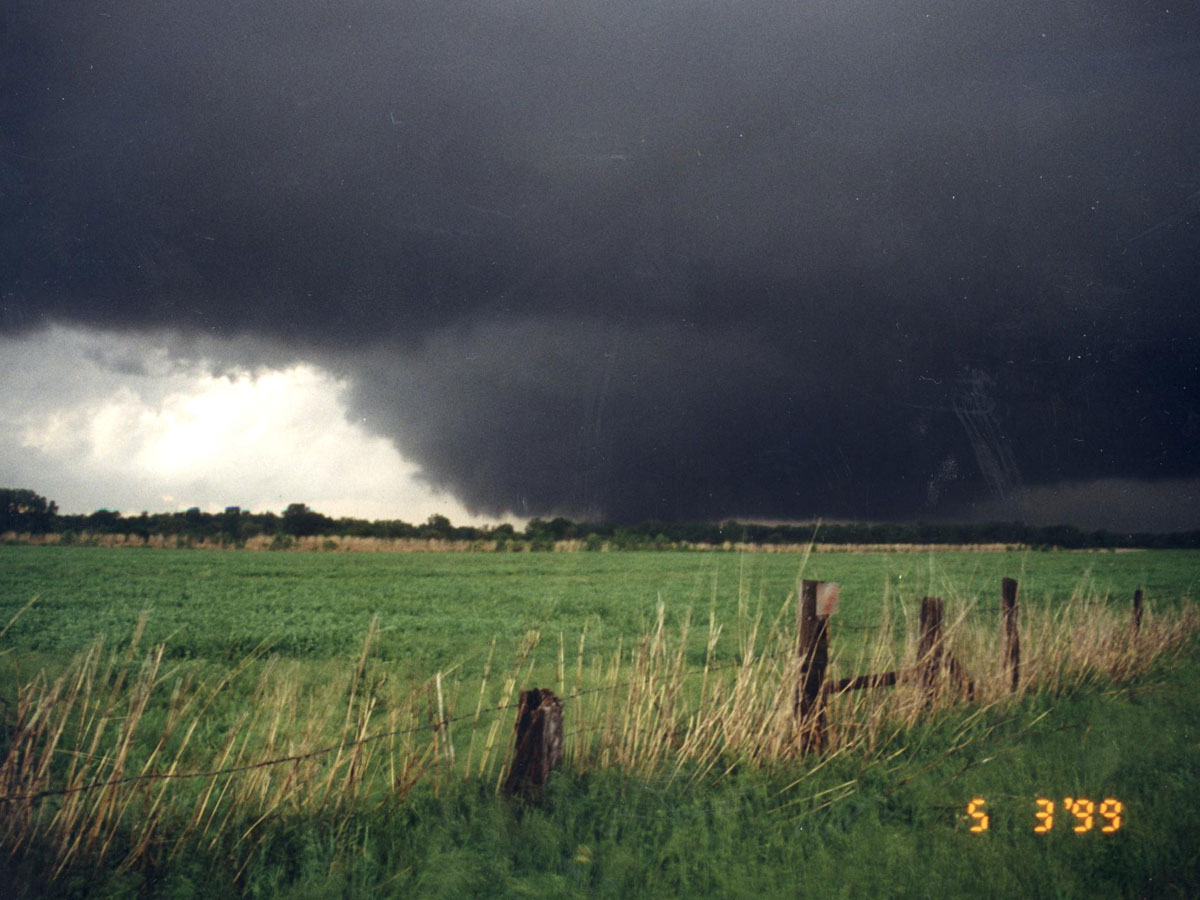
The 1999 Bridge Creek–Moore tornado stands as one of the most scientifically significant tornadoes ever recorded. Rated F5, it produced the highest wind speeds ever measured on Earth—an astonishing 321 mph detected by mobile Doppler radar. As it tore through central Oklahoma, the tornado devastated the suburbs of Oklahoma City, including Moore and Bridge Creek.
Entire neighborhoods were wiped out, with homes completely swept away and vehicles mangled beyond recognition. The storm killed 36 people and injured hundreds, while causing around $1 billion in damage at the time. What made this tornado particularly terrifying was its combination of extreme intensity and urban impact. Meteorologists issued one of the first-ever “tornado emergency” warnings during this event.
El Reno Tornado (2013)

The El Reno tornado of May 31, 2013, is remarkable not for the destruction it caused in populated areas, but for its historic wind and size characteristics. The tornado was officially rated EF3 based on damage, but radar measurements have indicated that the storm produced winds among the highest ever observed in a tornado, potentially in the EF5 range. What truly set this tornado apart was its unprecedented width: at its peak, it spanned approximately 2.6?miles across, making it the widest tornado ever recorded.
The El Reno tornado was tracked more than 16?miles, moving erratically and rapidly. Preliminary damage estimates for isolated locations, including livestock markets and farmsteads, reached up to $40?million. Tragically, the El Reno tornado is also remembered for the deaths of four experienced storm chasers, including Tim Samaras, a renowned engineer and Twistex storm chaser, his son Paul, and colleague Carl Young.
Jarrell Tornado (1997)

Rated an F5, the Jarrell tornado carved a destructive path through the Double Creek Estates subdivision near Jarrell, slowing as it tore through homes and leaving scenes of utter ruin. Winds in the tornado were well within the F5 range, corresponding to estimated gusts exceeding 261?mph based on the damage left behind.
Entire houses were swept clean from their foundations, trees were stripped of bark, and pavement was literally ripped off county roads. It left behind almost no recognizable structures standing in its wake. In total, the Jarrell tornado measured just over 5?miles in length and struck with deadly force for approximately 13?minutes. It killed 27 residents and injured more than a dozen others, and damage was estimated at around $40?million in 1997.
Lubbock Tornado (1970)
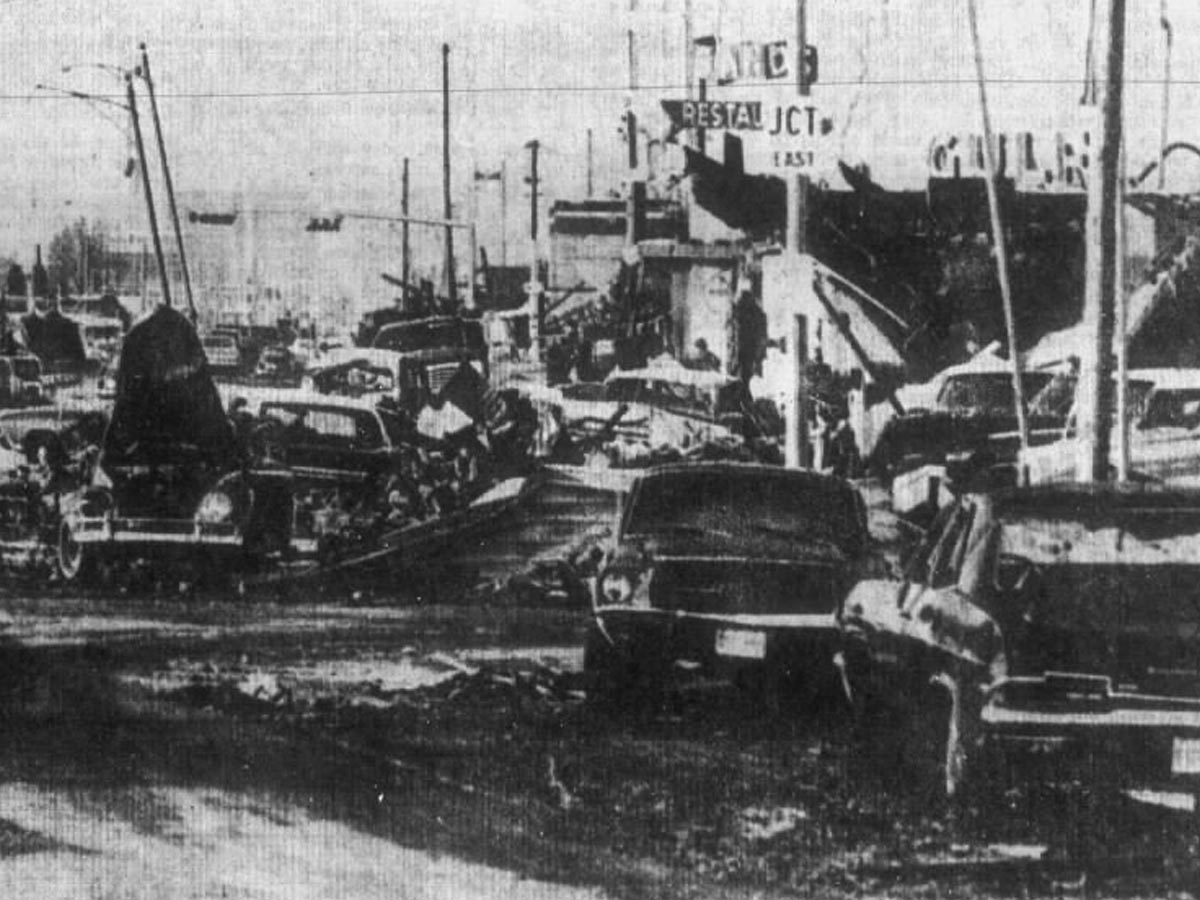
Late on the night of May 11, 1970, Lubbock, Texas, was struck by one of the most violent tornadoes in state history. Rated F5, the tornado carved an 8.5-mile path of destruction through the heart of the city. As an urban tornado at night, its impact was especially devastating: 26 people lost their lives and upwards of 1,500 were injured as homes, apartment units, and infrastructure were shattered.
Damage was extensive, with estimates from the National Weather Service placing the tornado’s cost at around $250?million in 1970 dollars, which would equate to over $1?billion in today’s terms. The tornado’s brutality and the remarkable data gathered afterward were instrumental in helping meteorologists like Dr. Ted Fujita refine the Fujita damage scale, which later evolved into the Enhanced Fujita Scale used today.
Moore Tornado (2013)
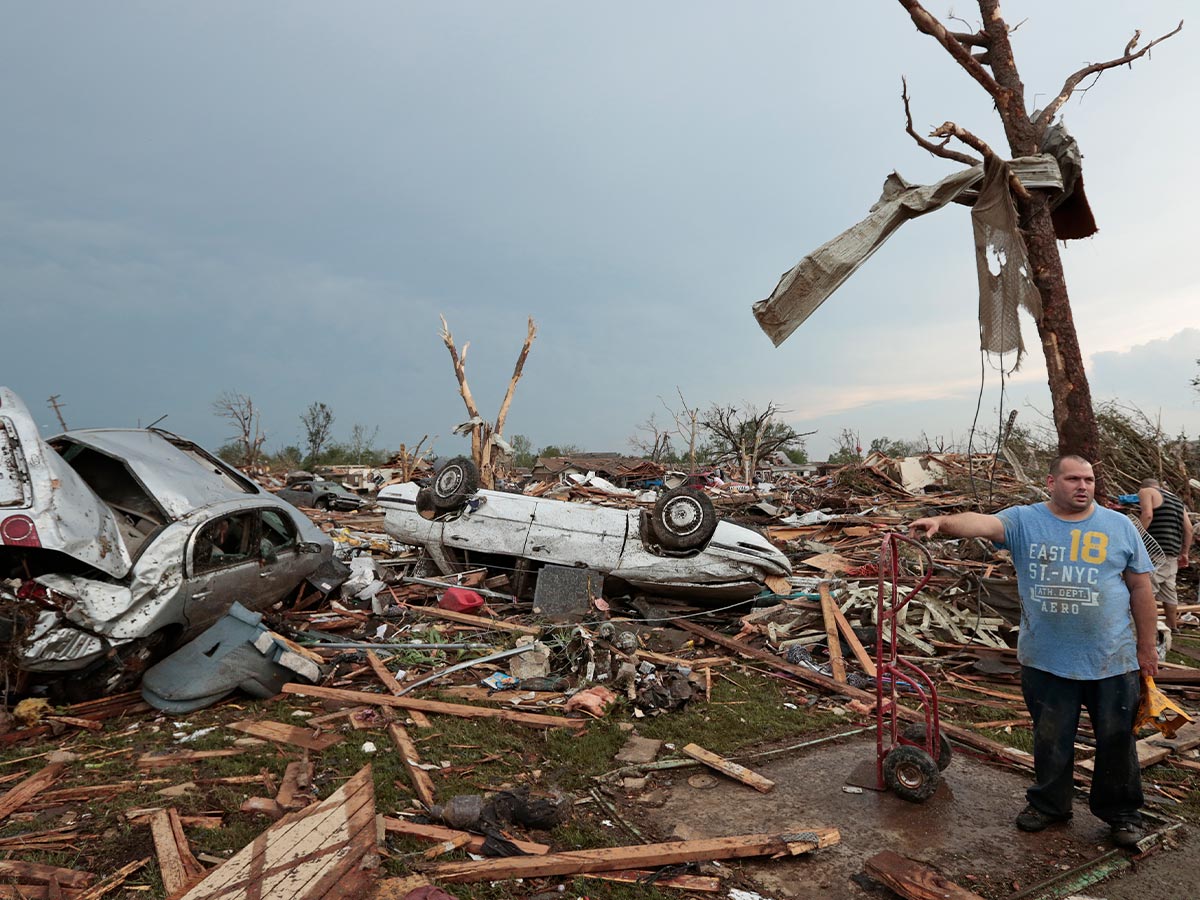
Central Oklahoma experienced another catastrophic storm on May 20, 2013, when an extremely violent EF5 tornado tore through parts of the town of Moore and surrounding areas. With peak winds estimated between 200 and 210?mph, the tornado tracked nearly 14?miles on a course that devastated residential neighborhoods, schools, and critical infrastructure.
The tornado remained on the ground for close to 40?minutes. The overall impact was immense, with an estimated $2?billion in damage, and sadly, it killed 24 people (plus two indirect fatalities). Over 200 others were injured. One particularly heartbreaking loss occurred at Plaza Towers Elementary School, where several children were killed when part of the building collapsed.
New Richmond Tornado (1899) – Wisconsin
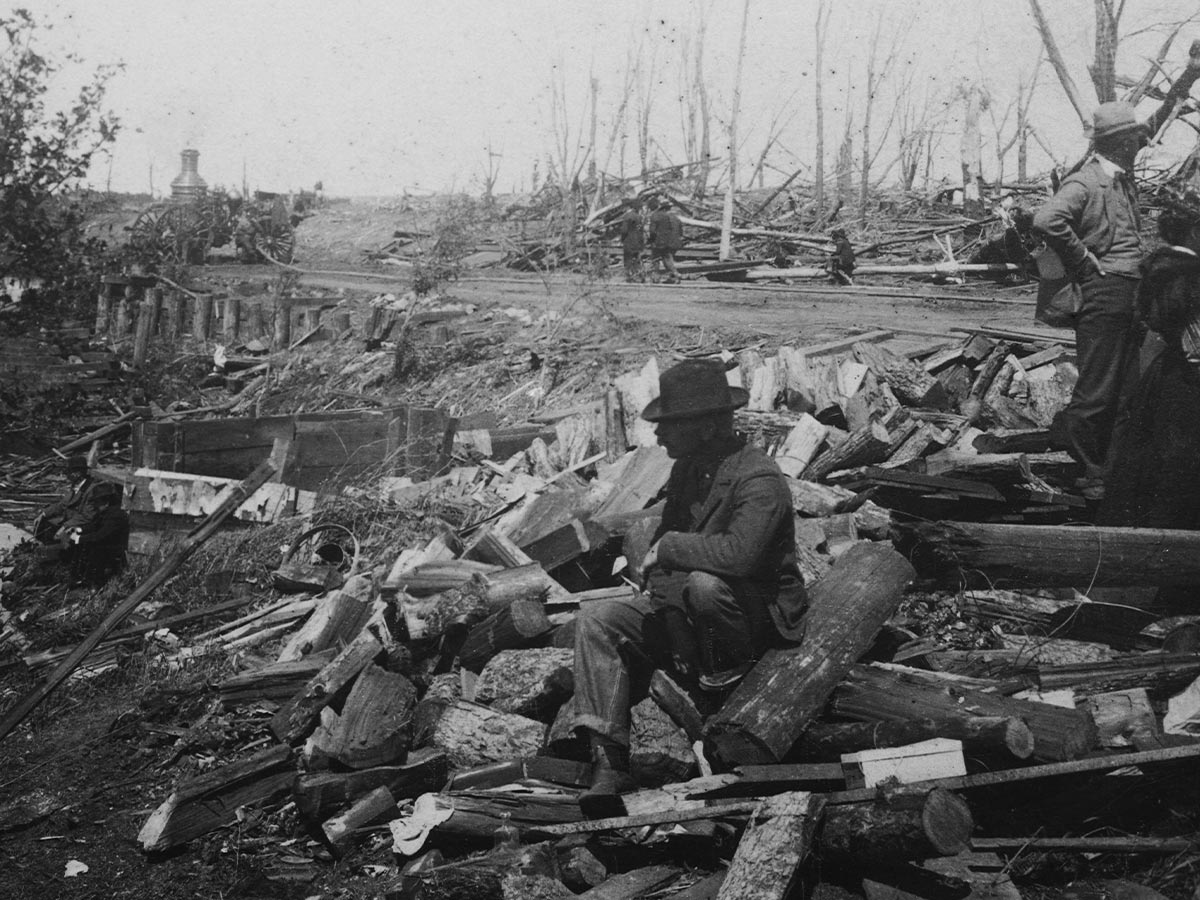
The New Richmond tornado of 1899 remains one of the earliest recorded F5 tornadoes. With estimated winds exceeding 260 mph, it tore through western Wisconsin, devastating the town of New Richmond. The storm struck in the evening, catching many residents off guard. Buildings were completely destroyed, and fires broke out amid the wreckage, compounding the disaster.
Over half the town was left in ruins. The tornado killed 117 people and injured at least 150, making it the deadliest tornado in Wisconsin history. Property damage, though modest by today’s standards, was catastrophic for the time.
Parkersburg–New Hartford Tornado (2008)
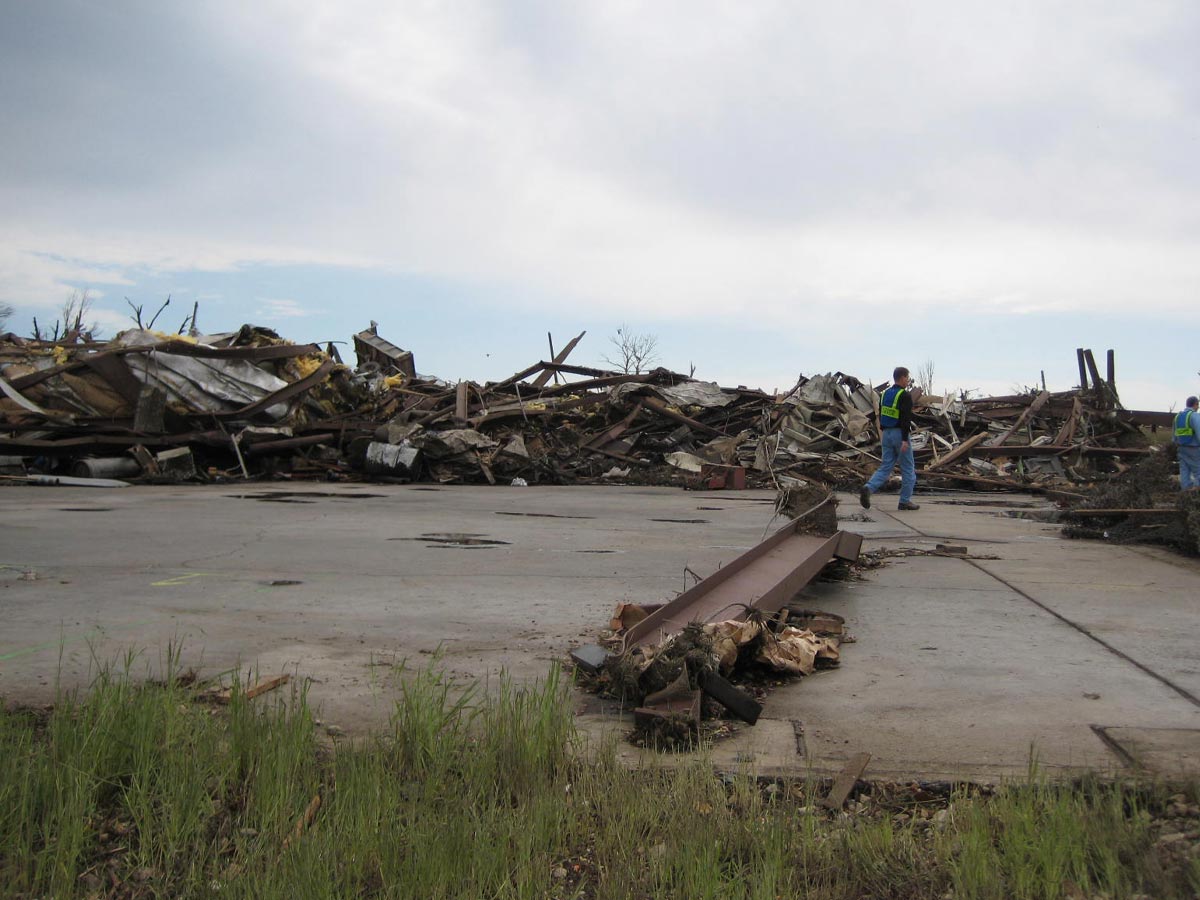
On May 25, 2008, a violent tornado ripped through parts of Parkersburg and New Hartford, Iowa, leaving a trail of devastation that would later be rated EF5, the highest possible intensity on the Enhanced Fujita Scale. Estimates placed its peak winds at around 205?mph, powerful enough to obliterate well-built homes and industrial structures alike.
The storm killed nine people, seven in Parkersburg and two in New Hartford, and more than 350 homes across the region were damaged or destroyed. Preliminary estimates by FEMA and state emergency management pegged the total damage at about $6?million, though the human toll and the emotional trauma for residents were immeasurable.
Tri-State Tornado (1925) – Missouri, Illinois, Indiana
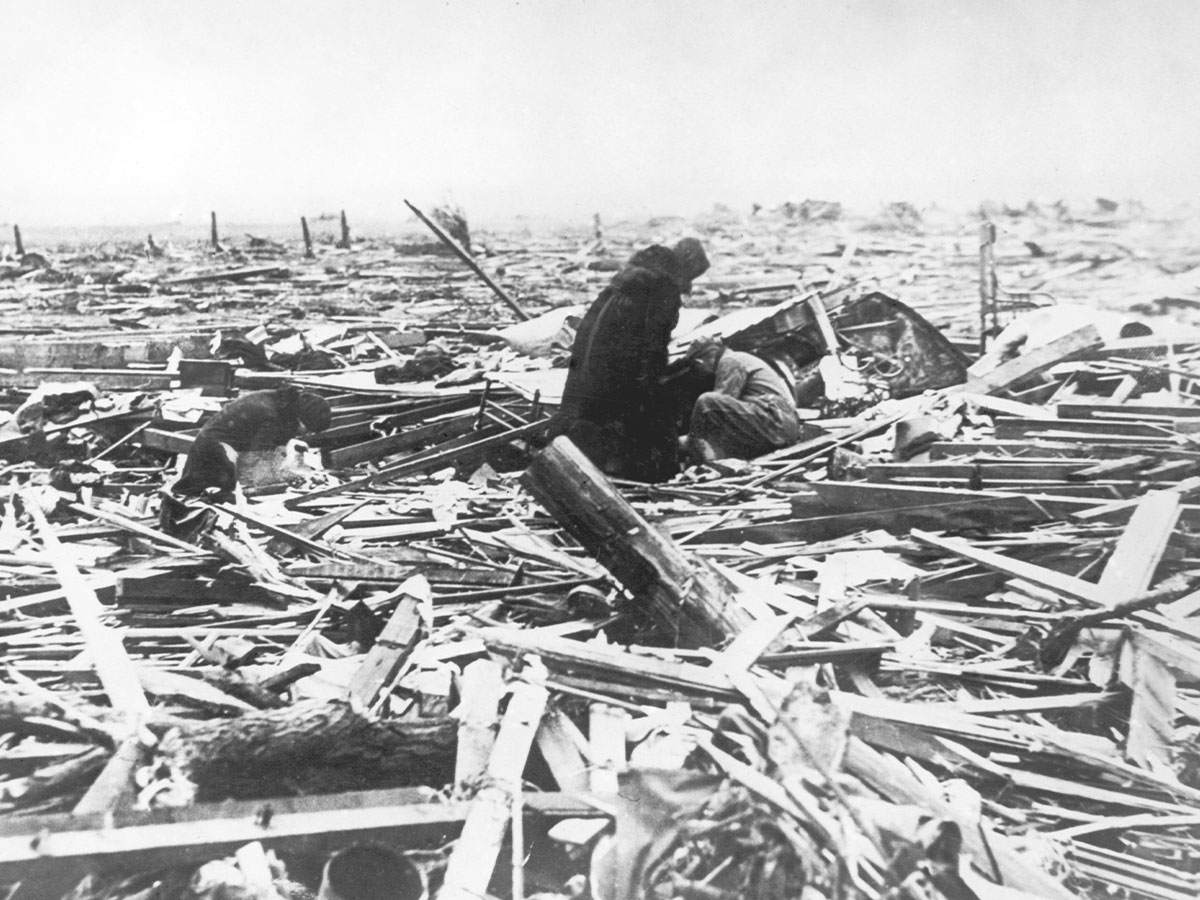
The Tri-State Tornado is widely considered the most devastating tornado in U.S. history, and one of the strongest ever recorded. Officially rated F5, it carved a staggering 219-mile path across Missouri, Illinois, and Indiana, making it the longest-track tornado ever documented. Winds are estimated to have exceeded 300 mph.
Entire towns were flattened within minutes, with homes reduced to bare foundations and debris scattered for miles. The tornado killed 695 people and injured thousands more, making it the deadliest tornado in U.S. history. In today’s dollars, the damage would total billions. What makes the Tri-State Tornado especially chilling is how little warning people had because this was long before modern radar systems.
Xenia Tornado (1974) – Ohio
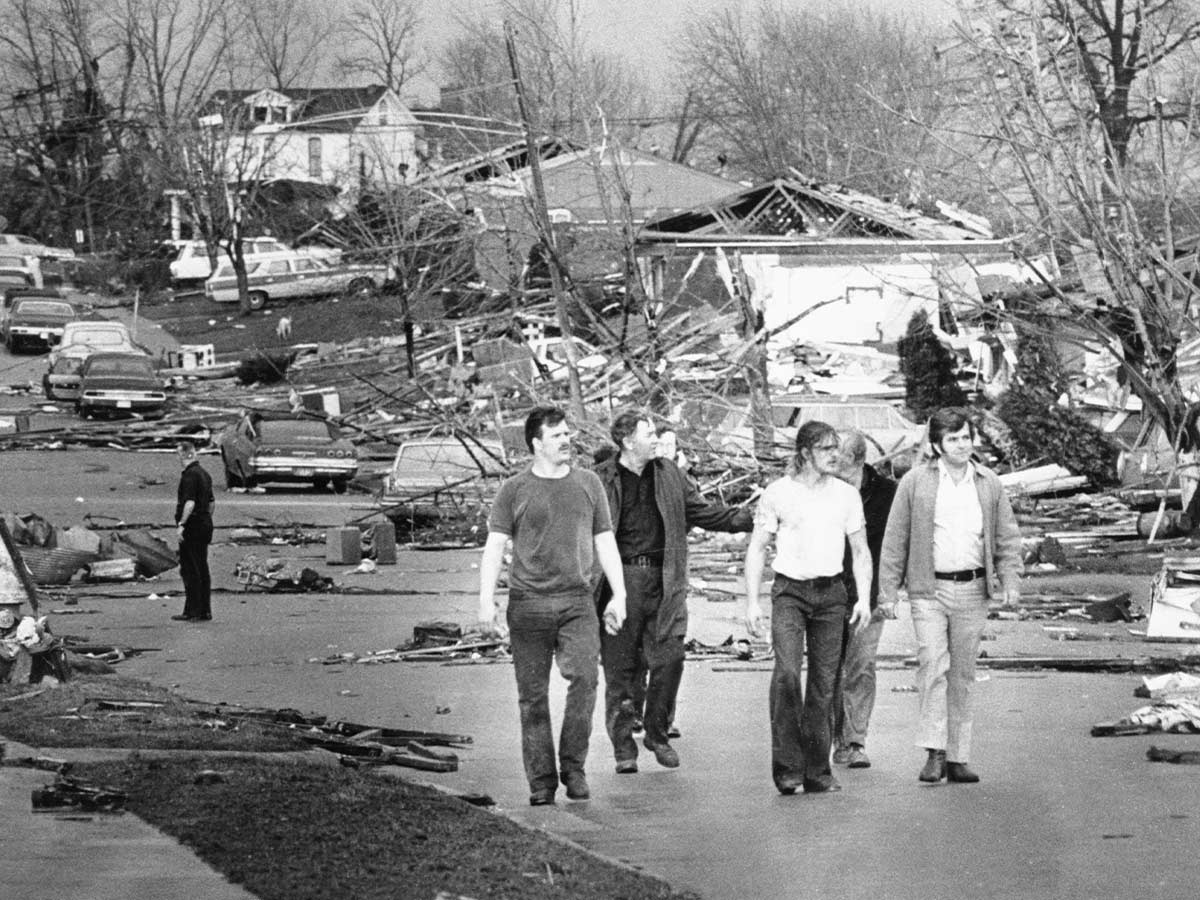
Part of the infamous 1974 Super Outbreak, the Xenia tornado was an F5 monster that tore through Ohio with winds estimated at 305 mph. It struck the city of Xenia directly, causing widespread devastation in a matter of minutes. Nearly half the city was destroyed, with entire neighborhoods reduced to rubble.
The tornado killed 32 people and injured more than 1,100, leaving a lasting scar on the community. Damage costs reached approximately $250 million at the time, a staggering figure for the 1970s. What makes the Xenia tornado especially notable is how it became a defining moment in severe weather awareness, helping push improvements in forecasting and emergency preparedness nationwide.