
The Golden Age of Drive-In Theaters: A Nostalgic Look Back
The drive-in wasn’t born under the stars but under a projector in the 1930s. Invented in New Jersey to accommodate moviegoers who couldn’t fit in a theater seat, the drive-in boomed alongside post-war America. With rising car ownership and suburban sprawl, these open-air cinemas offered an affordable escape for families.
For a while, the drive-in movie experience was a great American pastime and, for many outside of America, too. Becoming an iconic piece of pop culture, the concept of the drive-in theater has lived on, and there has even been a renewed interest in these kinds of theaters since the pandemic.
While some drive-in theaters have managed to survive over the years, there’s no denying that the heyday of the drive-in theater has long passed. Journey with us as we take a nostalgic look back at the Golden Age of drive-in theaters!
Kenosha Drive-In
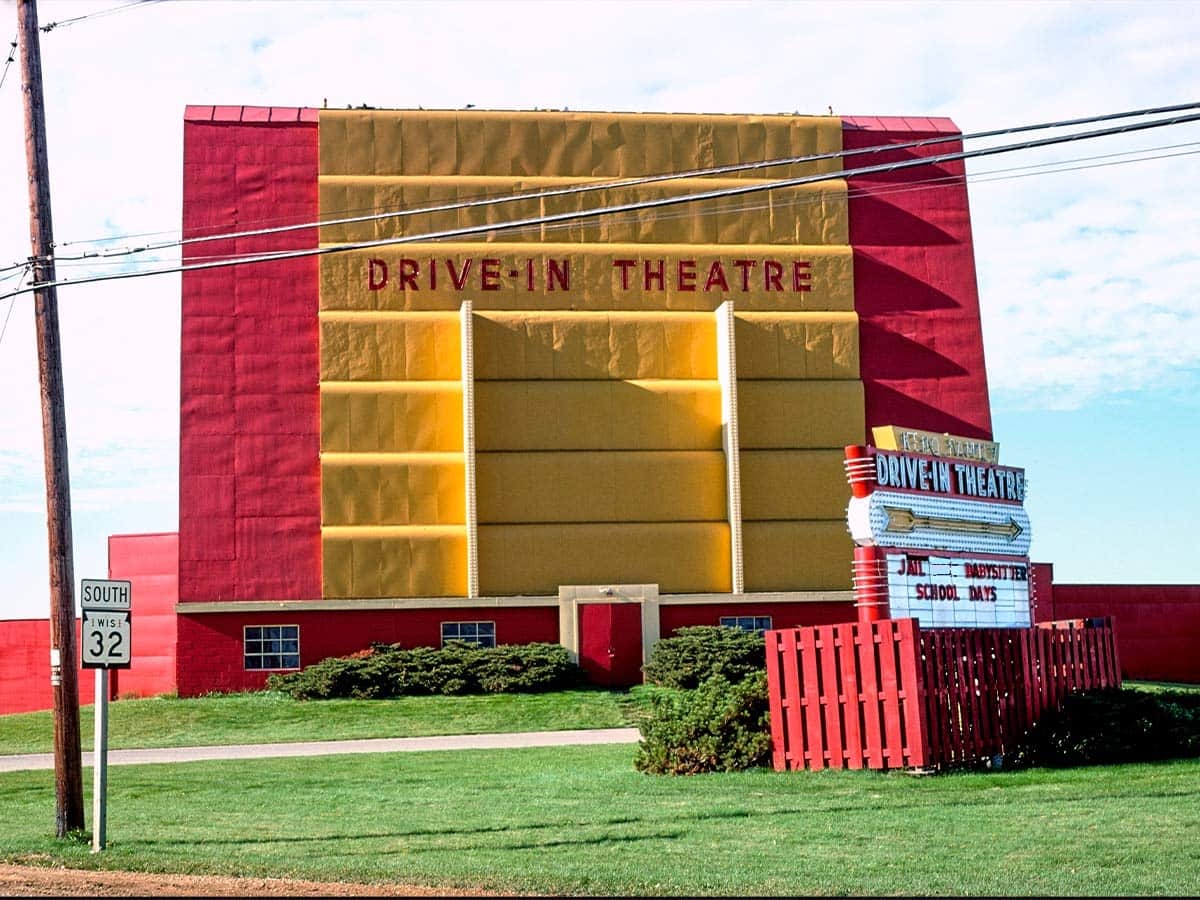
The Keno Drive-In was located on State Highway 32 (Sheridan Road) in Kenosha, Wisconsin. It opened in 1949, making it one of the older drive-in theaters in the state.
The Keno Drive-In had been a part of Kenosha’s landscape for decades, serving as a nostalgic reminder of mid-20th century Americana. However, it closed for good in 2015.
Rising Popularity
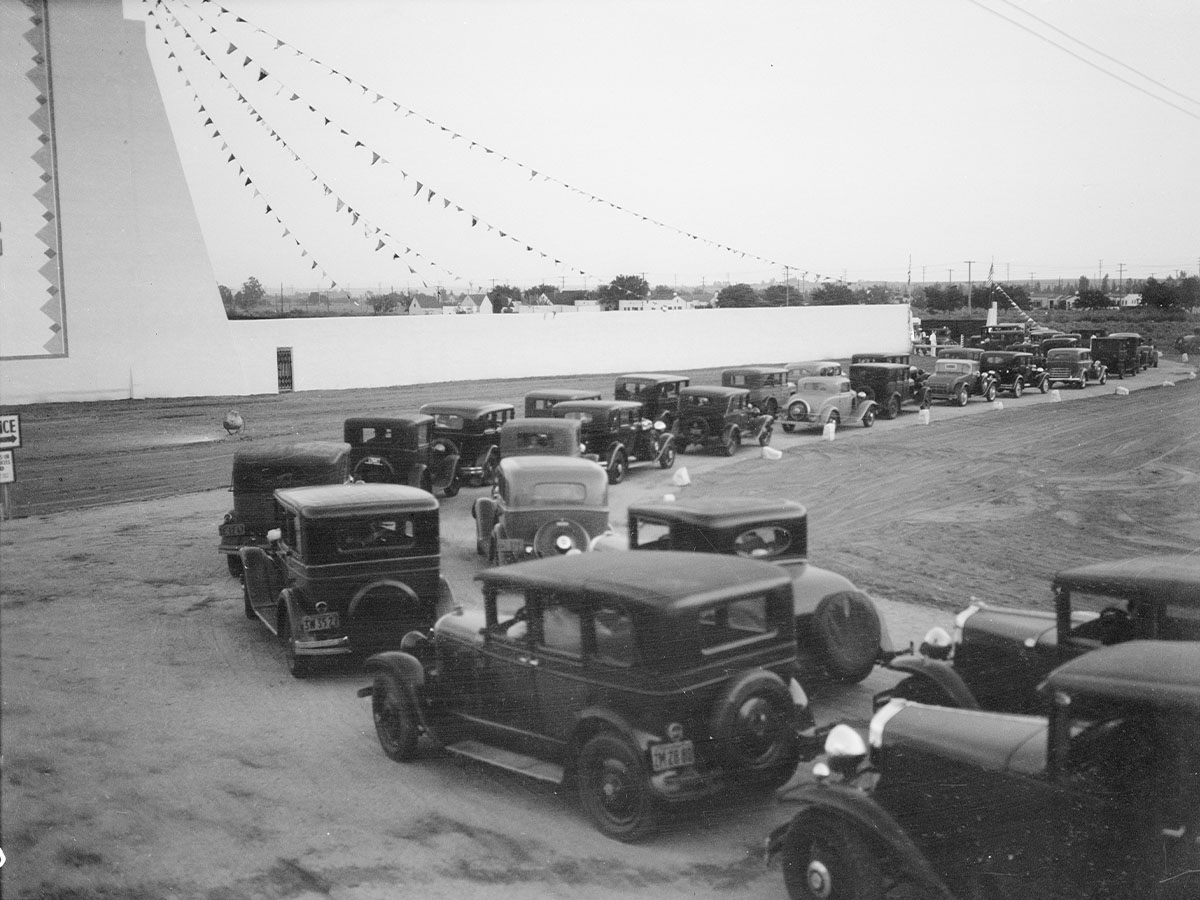
Drive-in movie theaters boomed in the US in the 1950s and 60s, reaching a peak of over 4,000 screens in 1958. Drive-ins offered a cheaper alternative to indoor theaters, making them a popular family outing.
Traditionally, drive-in movies started after sunset to ensure optimal viewing conditions on the outdoor screen. And sun glare aside, I think we are all in agreement that watching movies in a darkly lit environment makes for a more immersive viewing experience!
Seasonal Fun
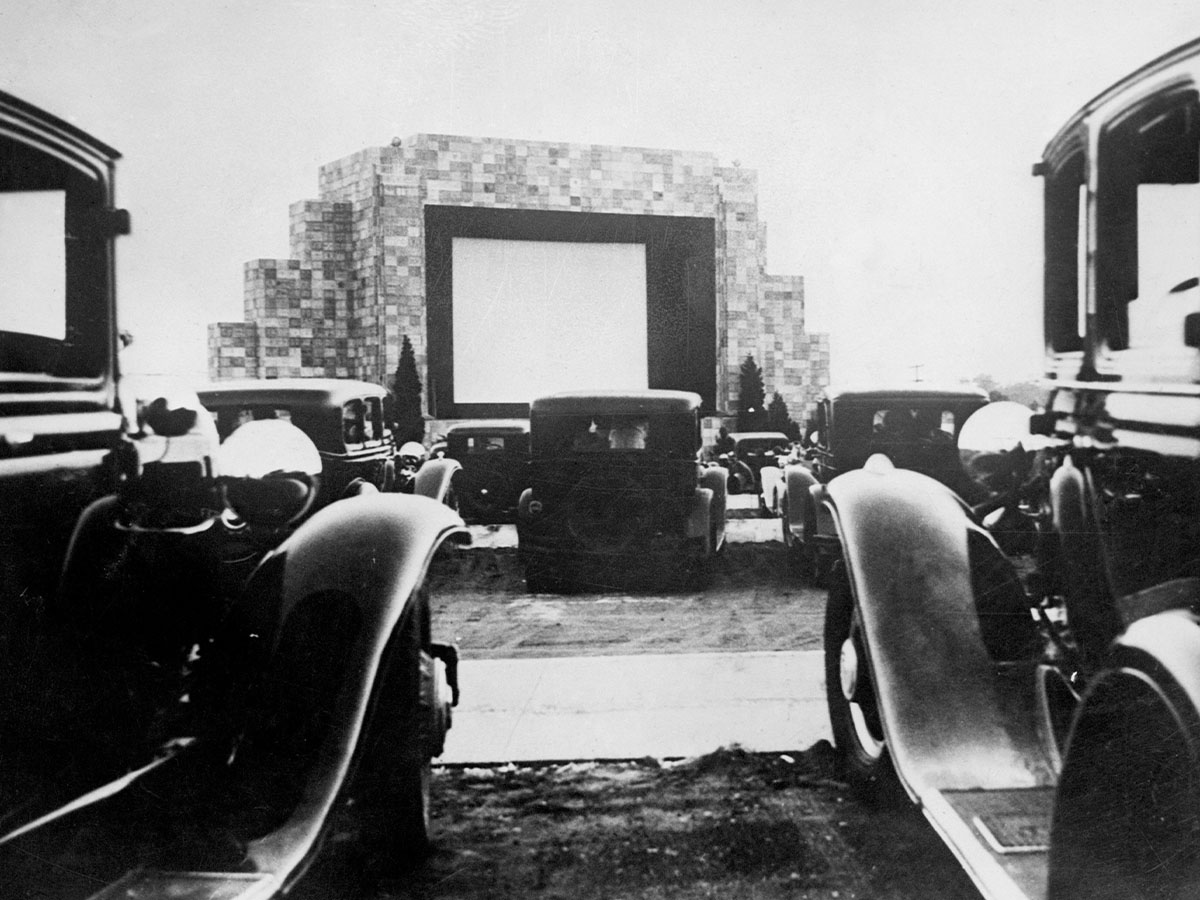
Many drive-in theaters were open seasonally, usually during the summer months when the weather was best and attendance was at its peak.
While you might not have been able to see a movie as often as an indoor theater, something was better than nothing, and its limited availability made it something that much more cherished when it returned.
Community Events
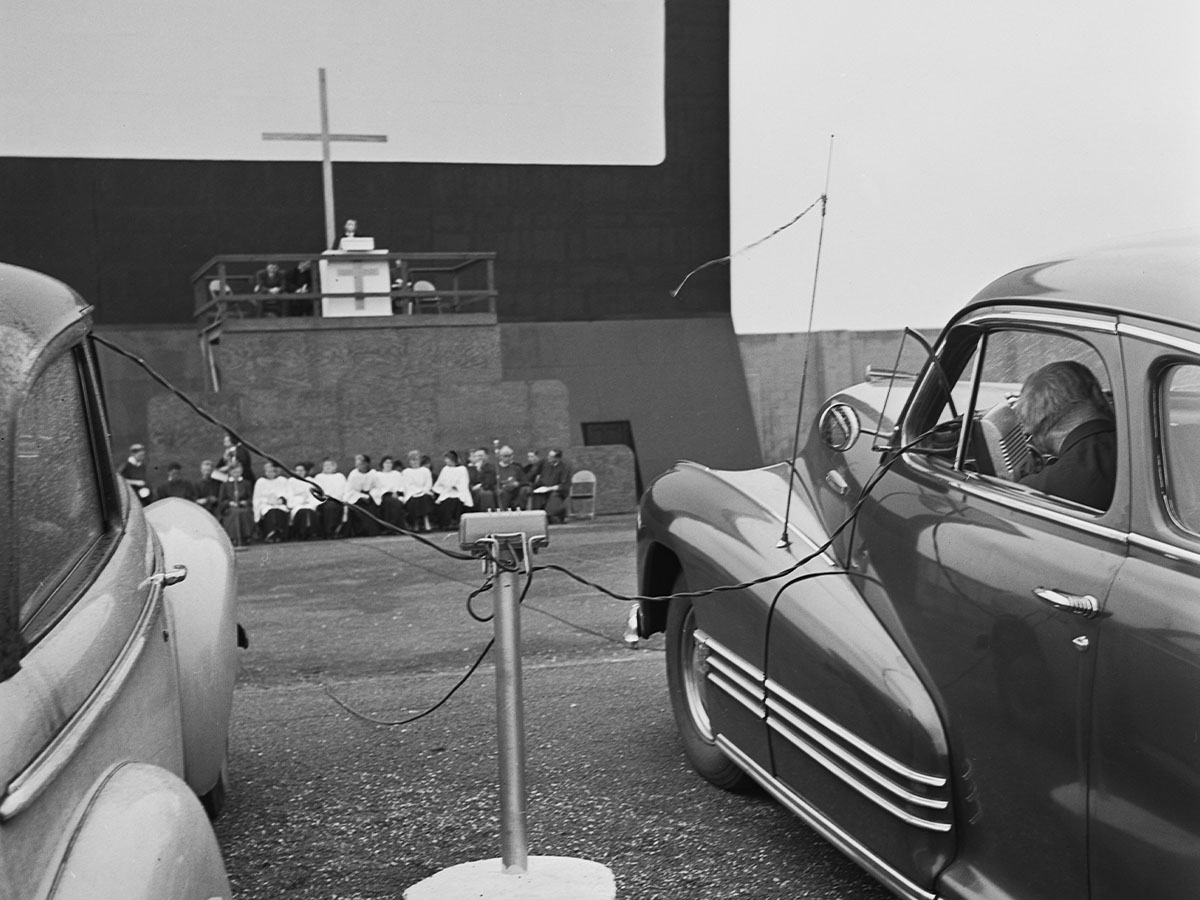
So, what happens with the space used by drive-in theaters the rest of the year? Drive-in theaters sometimes served as venues for community events like concerts, sporting events, or graduations. Some drive-in theaters still in existence today host swap meets, flea markets, or other events during the daytime when movies aren’t showing.
Some drive-in theaters even hosted church events, essentially delivering a drive-in church service that you could enjoy from the comfort of your vehicle.
International Appeal
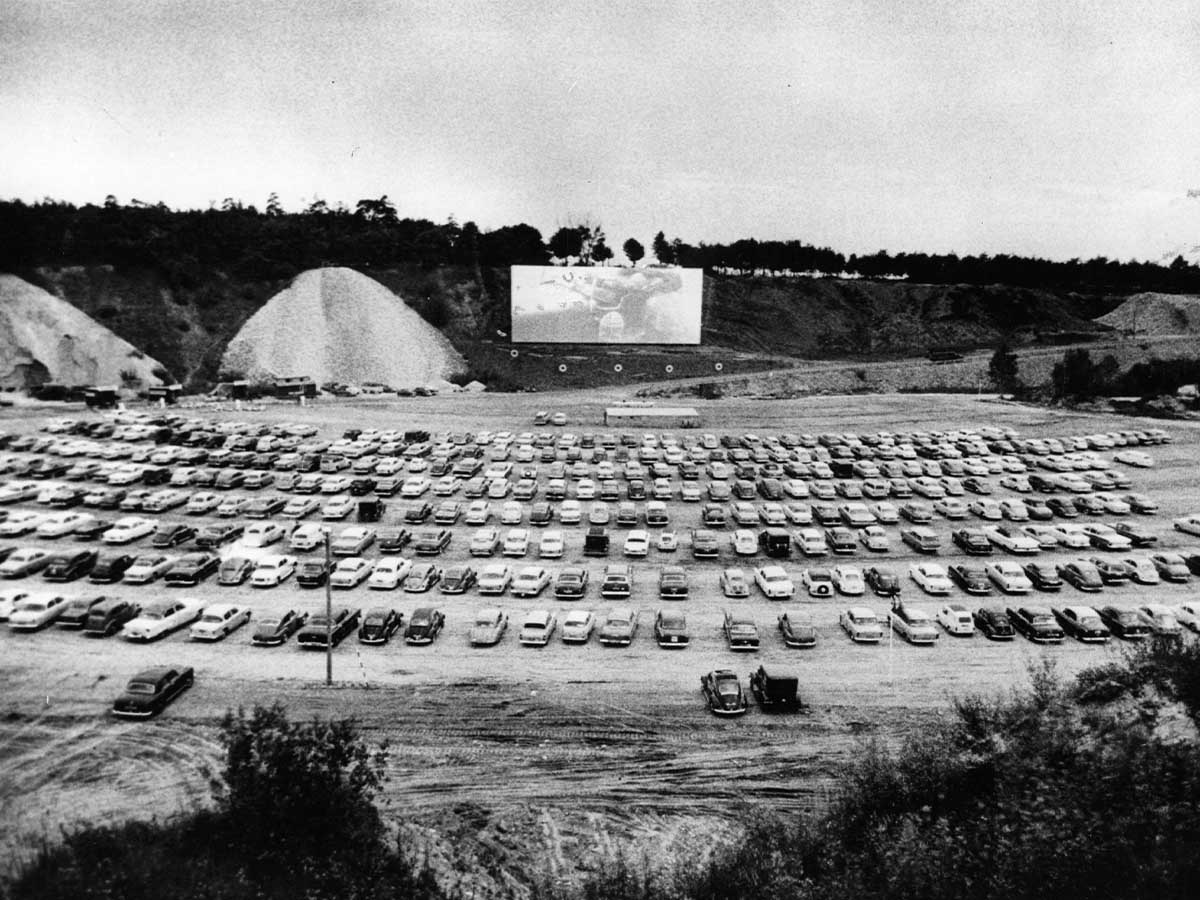
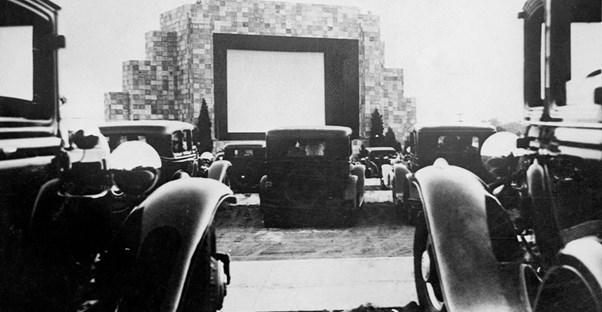
Drive-in theaters aren’t exclusive to North America; they exist in countries like Germany and China. This photo was taken of the very first drive-in theater in Copenhagen.
Drive-ins have remained somewhat popular in Australia, particularly in rural areas. The vast distances and open spaces make them a convenient entertainment option for communities spread out over a large area.
Double Features
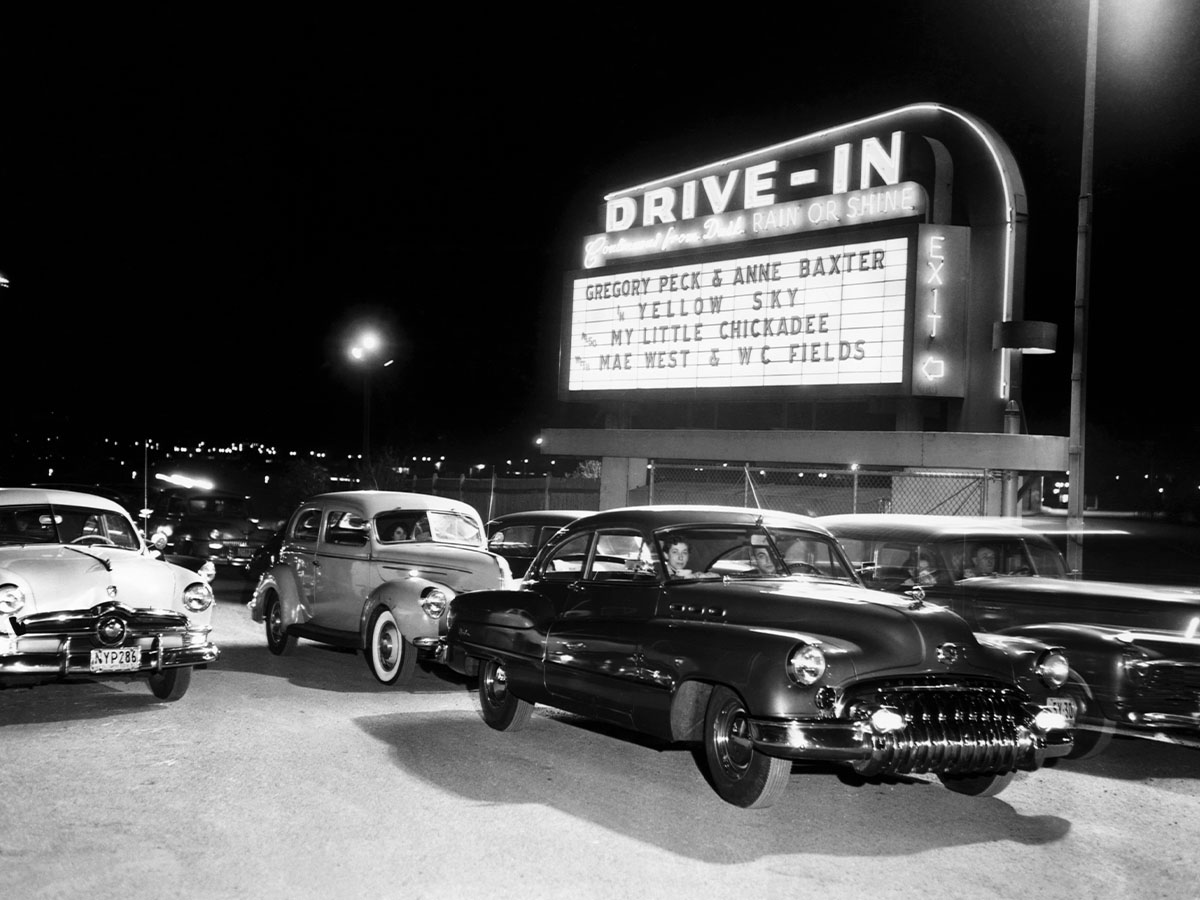
Many drive-ins offered double features, showing two movies for the price of one, extending the entertainment value.
The “double feature” tradition sometimes led to audience members missing the beginning of the second movie if they arrived late for the first.
A Great Hangout Spot
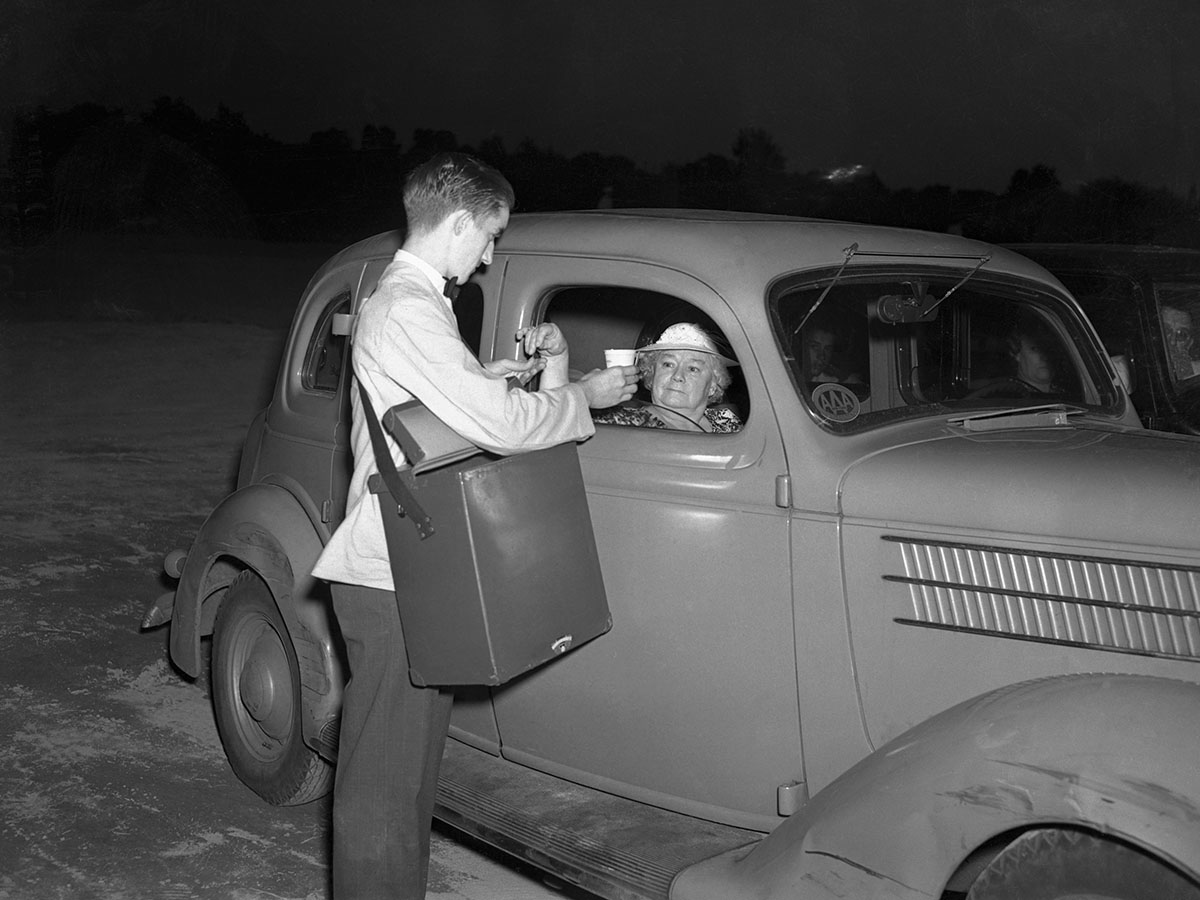
Drive-ins also became popular spots for teenagers, offering a social atmosphere and a place to hang out with friends.
Unlike indoor theaters, drive-ins offered the unique perk of enjoying the night sky while watching a movie.
Etiquette
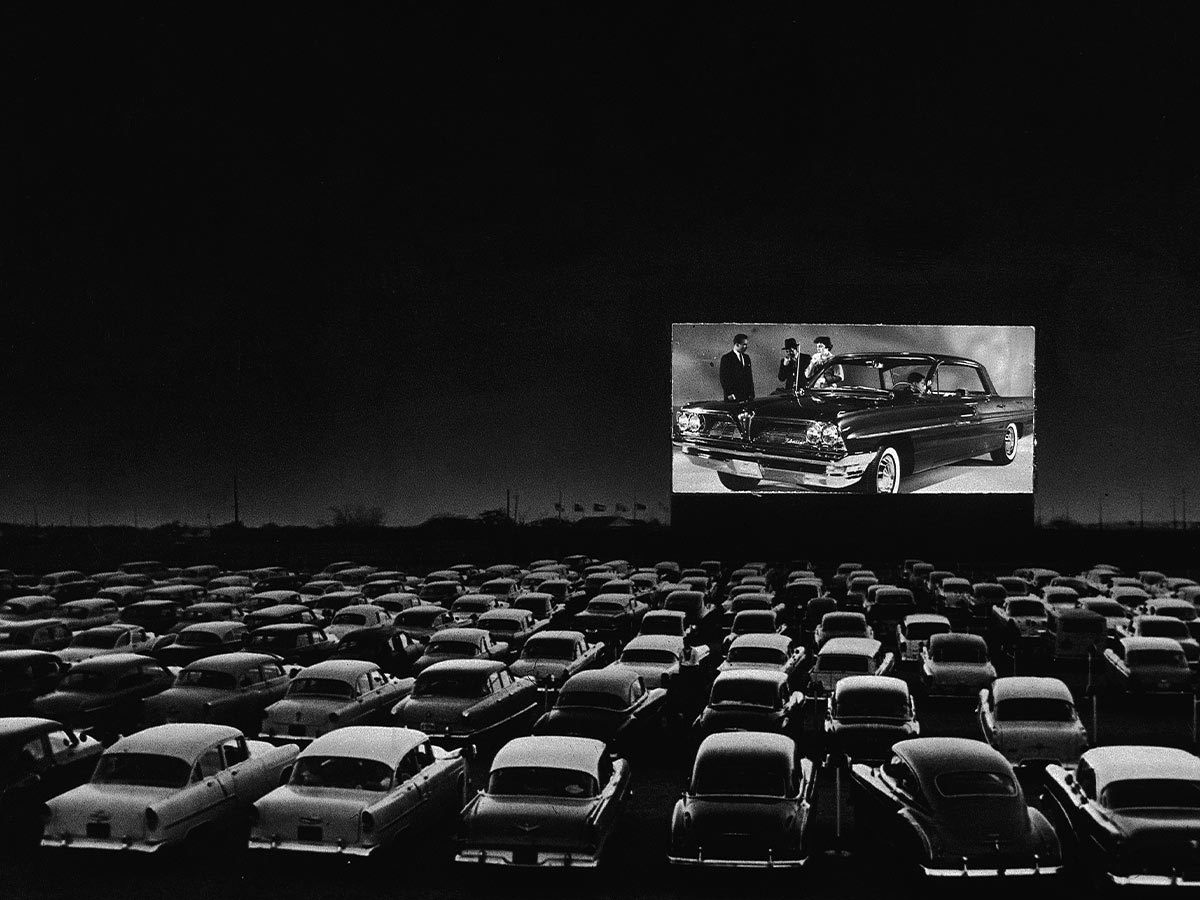
Unwritten rules of drive-in etiquette include turning off headlights during the movie and keeping noise levels down to respect other viewers. Larger vehicles were often asked to park in the back rows to avoid blocking others’ views.
Honking your horn was one way to signal to staff if you had technical issues or needed assistance. Patrons were generally expected to clean up after themselves and not leave trash in the parking area.
Fly-In Theaters
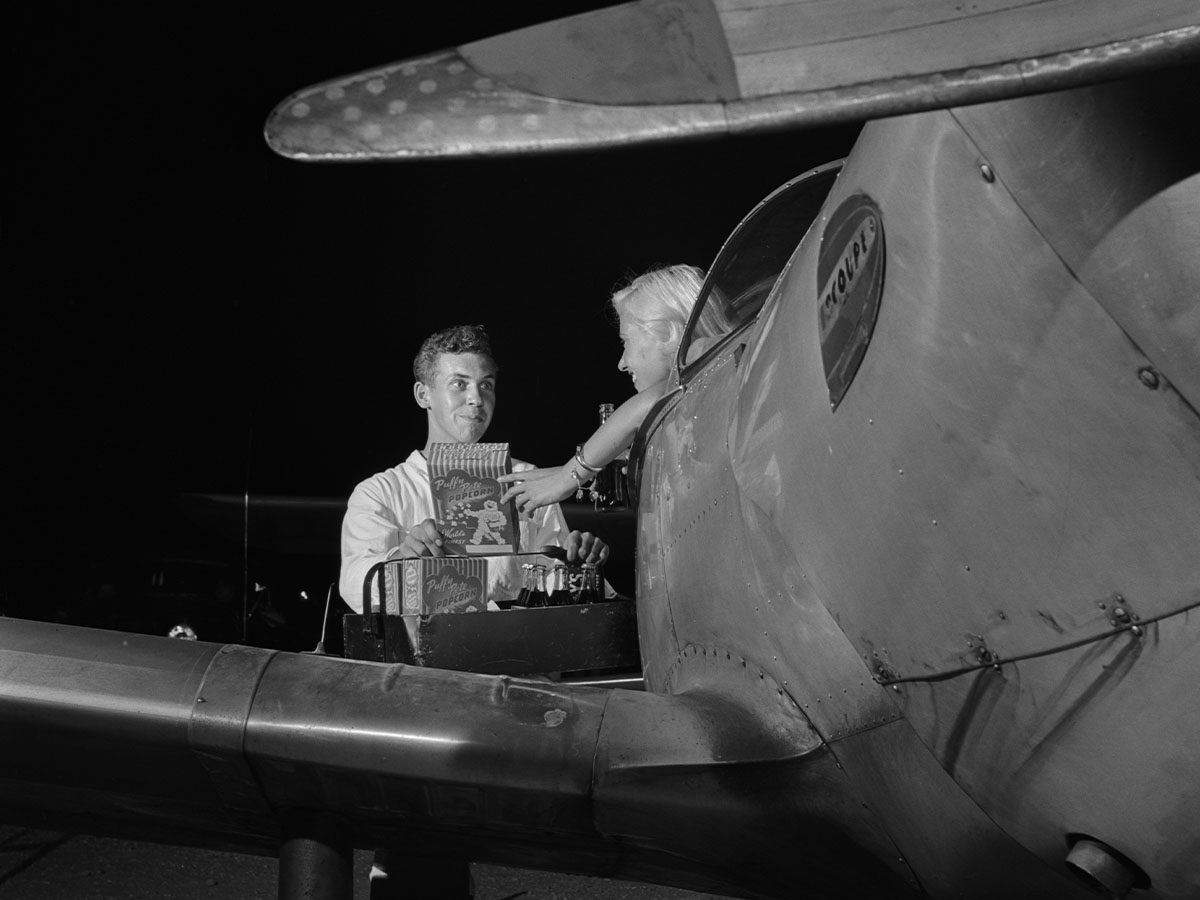
While certainly not as popular as drive-ins, fly-in theaters have also existed! In 1948, a former Navy pilot, Edward Brown Jr., built one of the first fly-in movie theater experiences on an airfield in New Jersey.
This idea spread to other parts of the East and into the mid-west. These shows would be accessible by both cars and planes.
Concessions
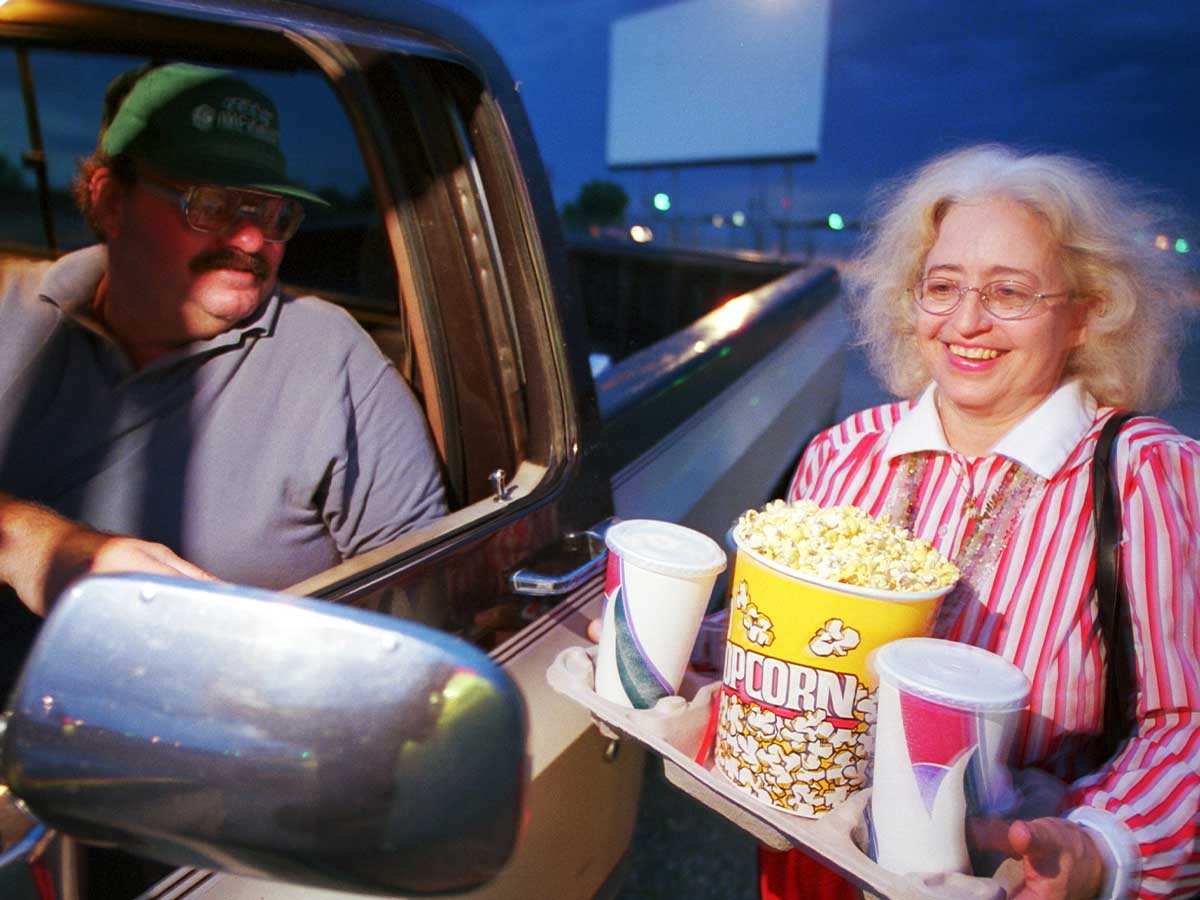
Drive-ins often catered to families, featuring playgrounds or concession stands with classic snacks like popcorn and hotdogs.
Theaters often played intermission reels between features, encouraging patrons to visit the concession stand since that’s where theaters make most of their money.
Genre Films

Some drive-ins hosted themed nights featuring movies of a specific genre like horror or classic films.
Drive-in theaters were a popular venue for horror and sci-fi movies, creating a unique atmosphere for these genres.
The Decline
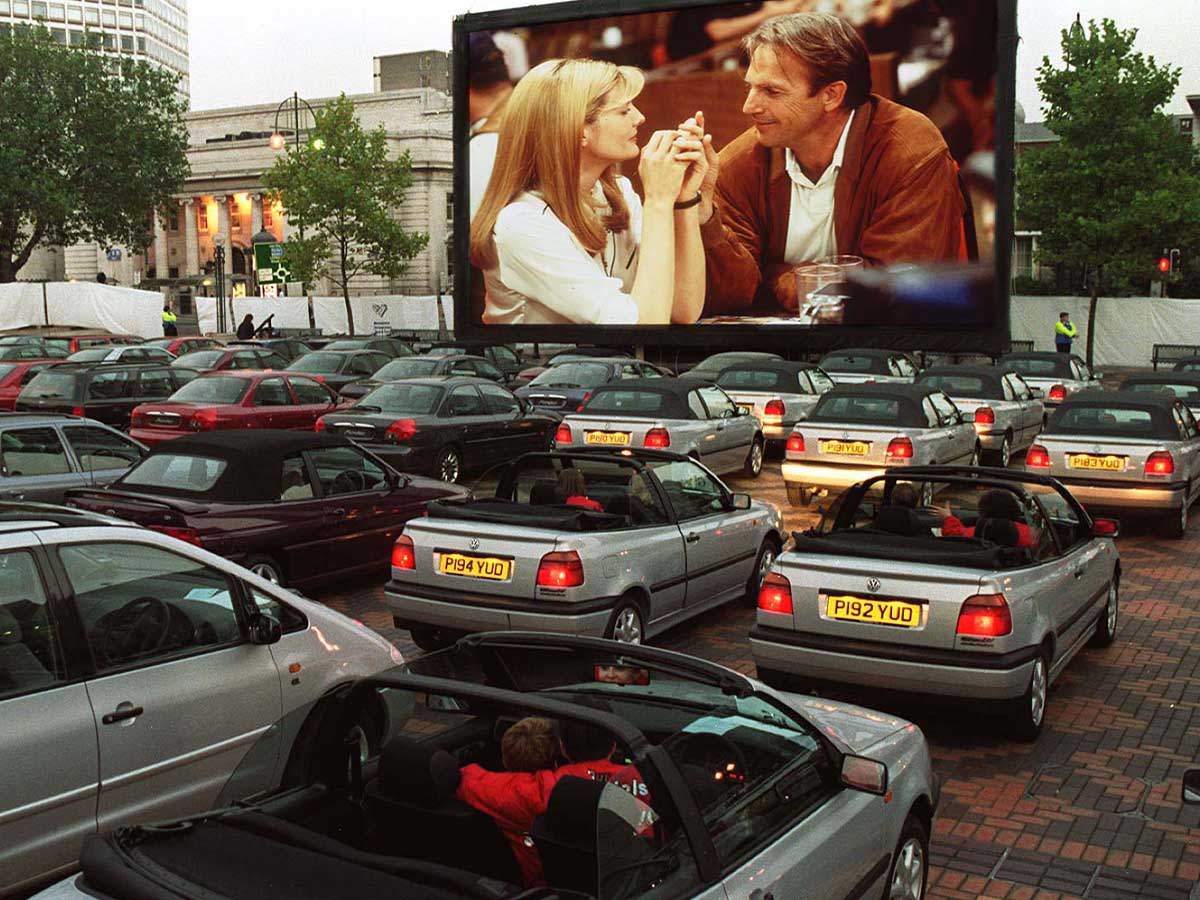
The rise of home video rentals in the 1980s and 90s contributed to the decline of drive-in movie theaters.
Once families could enjoy movies from the comfort of their own homes, there were fewer reasons to watch them behind your car windshield.
State Drive-In
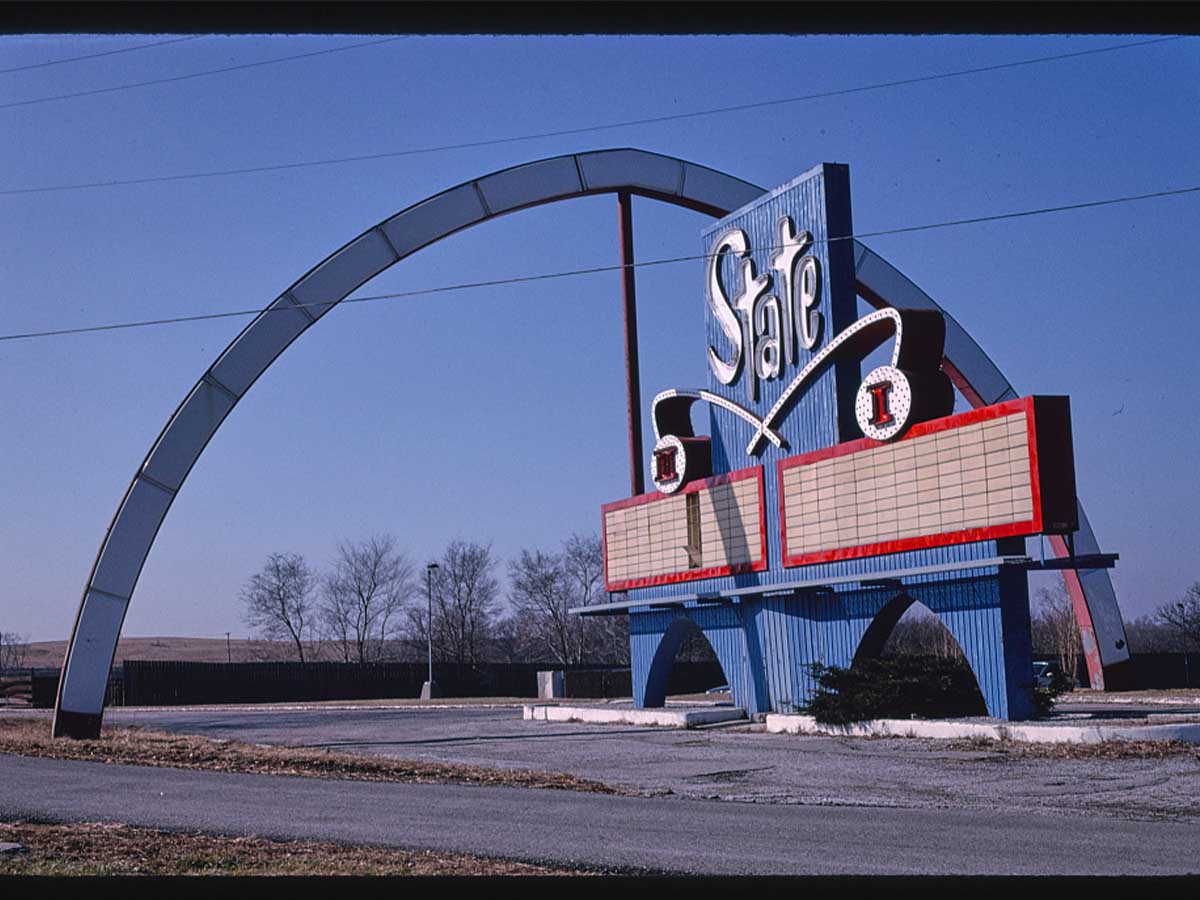
The State Drive-In first flickered to life as a single-screen theater, but by November 18, 1966, it had undergone a significant transformation. Expanding to a twin-screen operation, the State Drive-In doubled its entertainment power.
Sadly, the final credits rolled for the State Drive-In on September 22, 1991. Today, the land it once occupied serves a very different purpose as a vehicle maintenance shop.
Skyvue
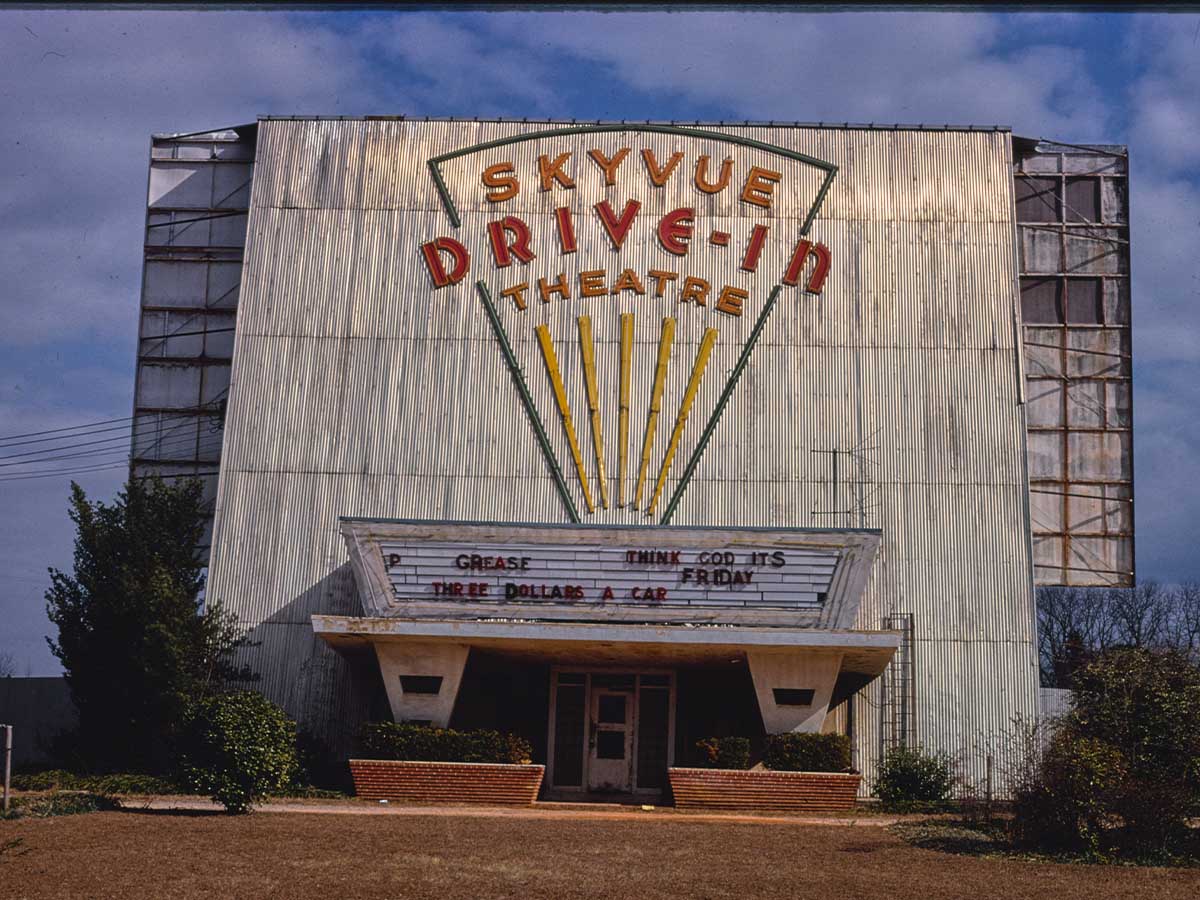
Built by Waters Theatres, the Skyvue Drive-In opened on August 18, 1949. It played the film Unknown Island with Virginia Grey. Martin Theatres owned the theater in Dothan, Alabama.
The location eventually closed in 1983 and was demolished by the late ‘80s. All that remains of it today are ruins overgrown with trees and weeds.
Rubidoux Drive-In

Rubidoux Drive-In of Rubidoux, California, still operates today. It regularly hosts swap meets, concerts and other live events, along with drive-in theater playing the latest Hollywood has to offer.
Originally, Rubidoux was a single-screen 690-car drive-in in 1948 that was remodeled in the mid-’50s and again in the ‘80s. Today, it has been modernized with the latest technology but still retains that nostalgic drive-in experience.
Mel's Drive-In
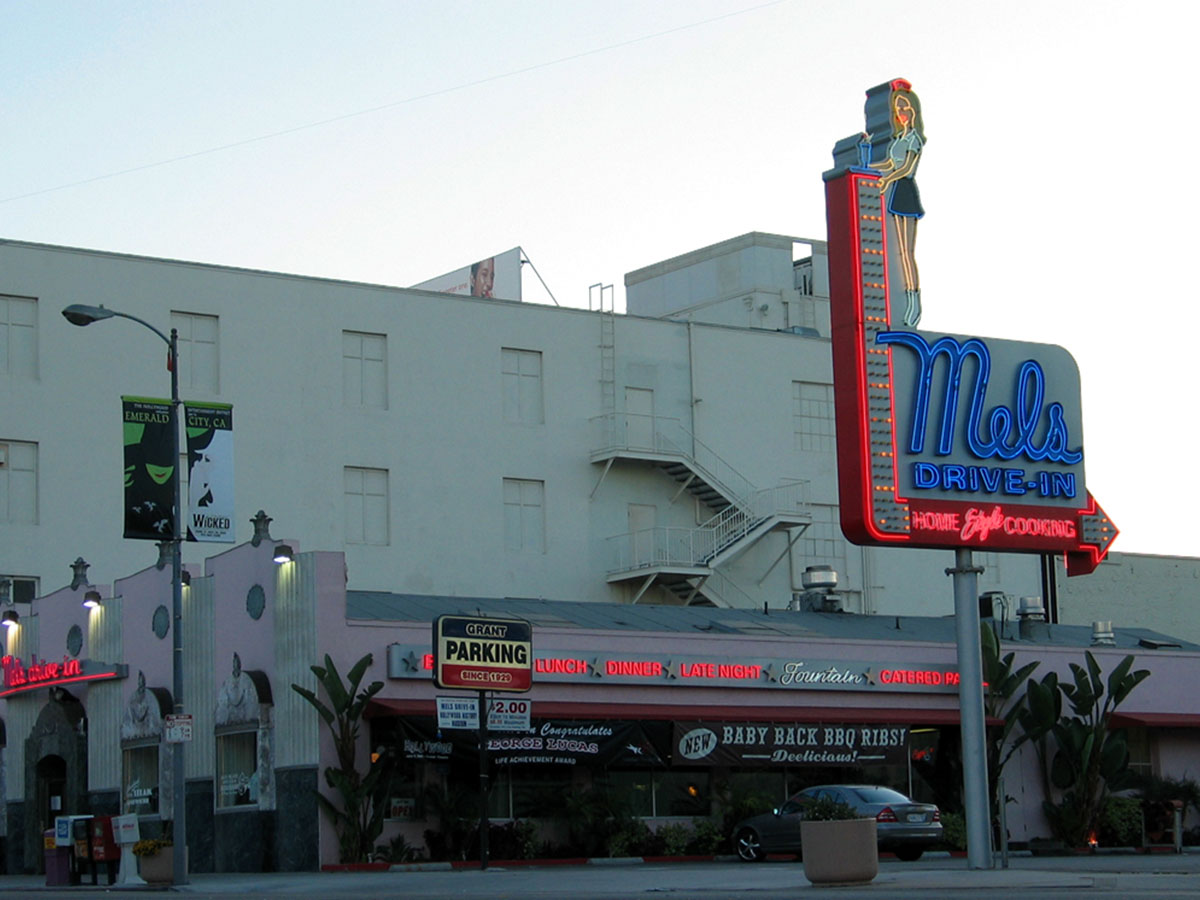
Mel’s Drive-In hosts movie nights on select Sundays each month where you can catch classic crowd-pleasers like Ferris Bueller’s Day Off, Grease, Jaws, and The Rocky Horror Picture Show.
Founded in 1947, the Mel’s Drive-In restaurant chain is closely associated with the film American Graffiti in which one of the diners was featured in the movie. The restaurant is mostly called a “drive-in” because they serve food to your car.
Maple Drive-In
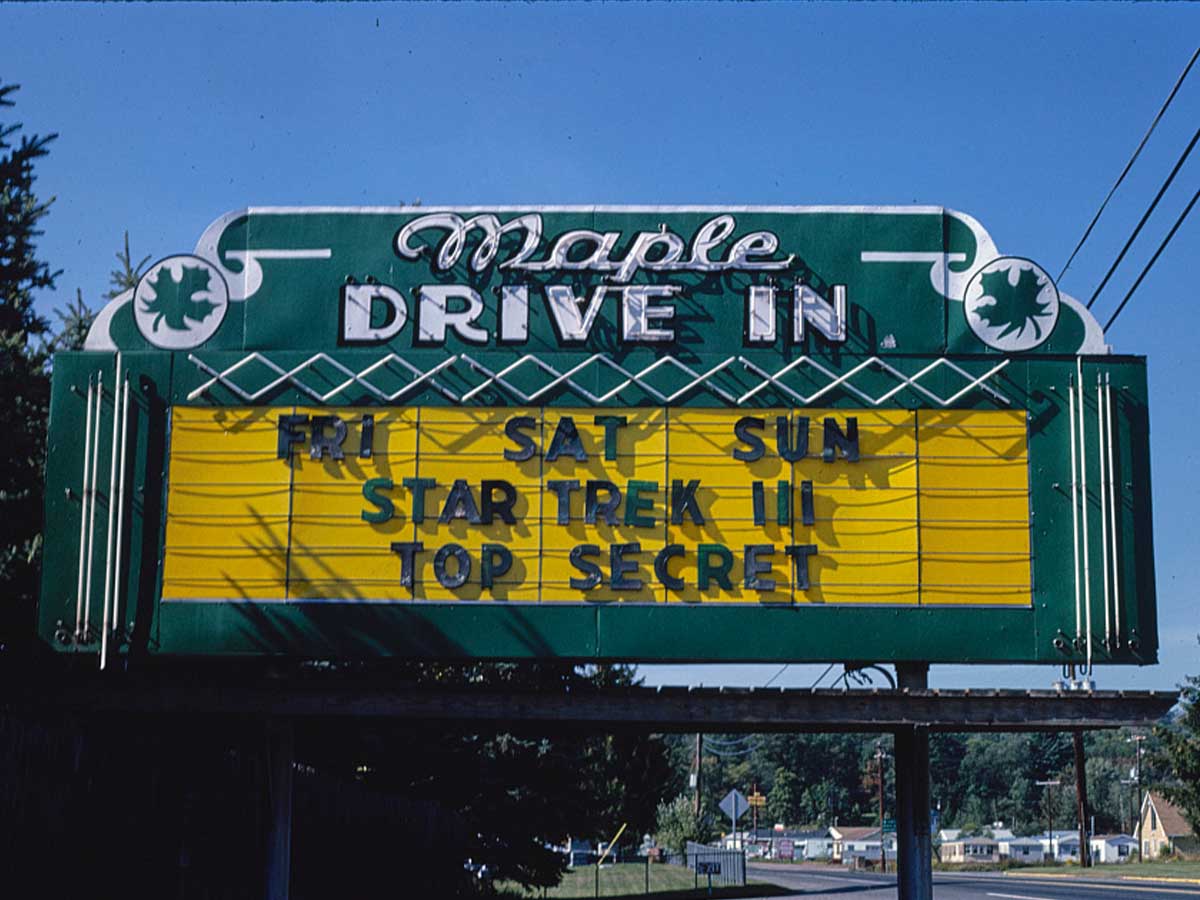
Maple Drive-In, originally opened in 1953, operated in Pennsylvania until 2003. It is now an auto dealership.
While there are fewer drive-ins than ever before, there’s been a slight resurgence in popularity. In addition to being a more affordable community experience, drive-ins have offered a safer movie-going option during pandemics as they allow for improved social distancing.
Date Nights
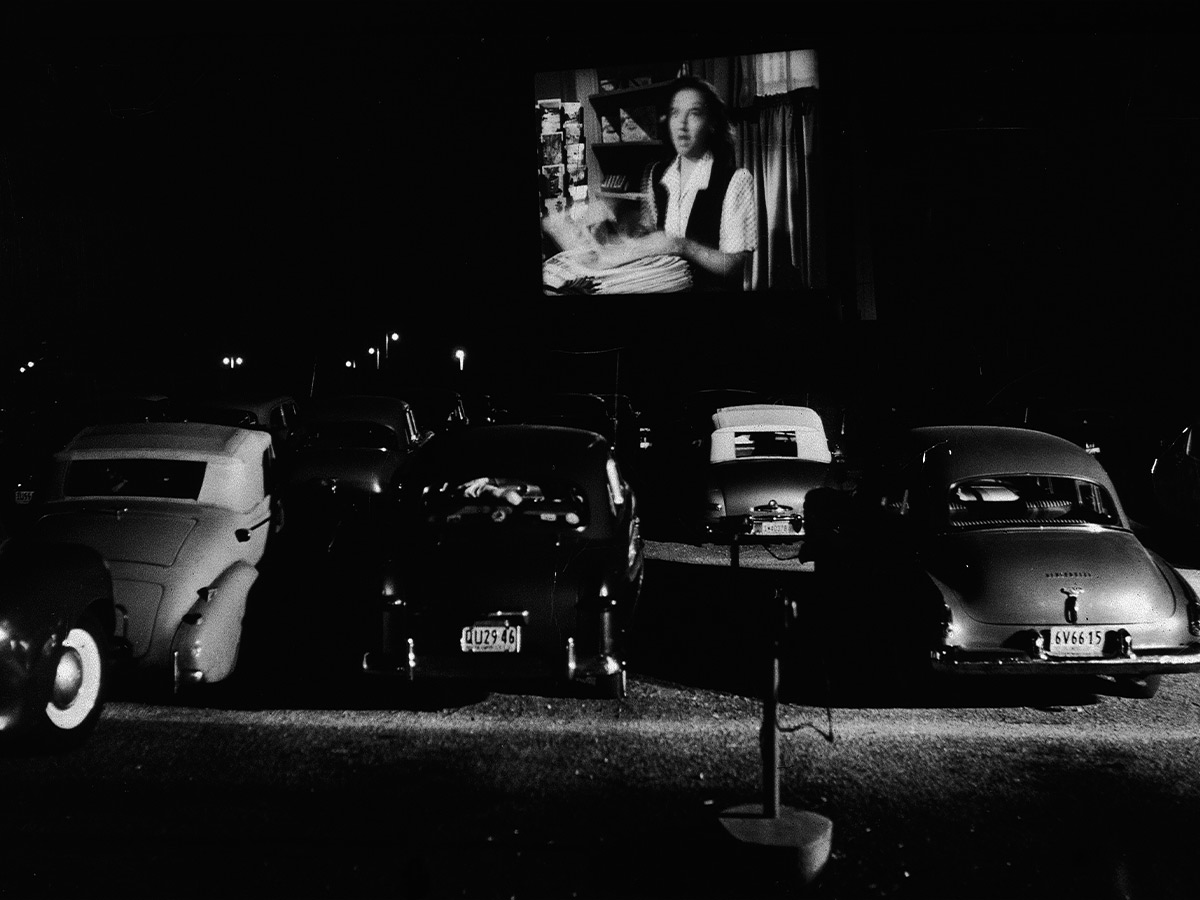
Despite the fact that people were just sitting in their cars, that didn’t stop them from dressing up for the occasion as you would for any night out.
The relatively low cost of drive-in tickets made them an attractive option for young couples on a budget. For teenagers, drive-ins were often seen as a safer, more parent-approved date option compared to other venues.
Vali-Hi Drive-In
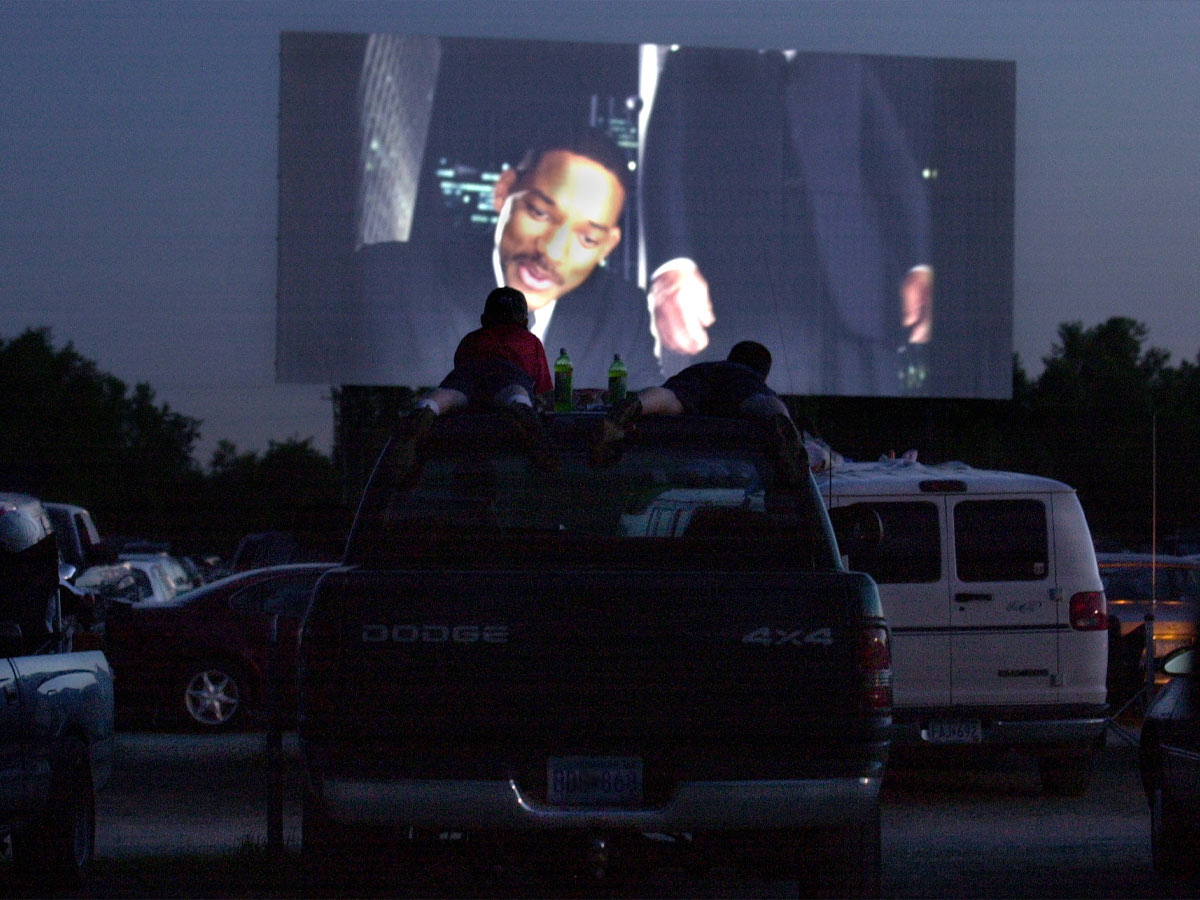
The Vali-Hi Drive-In movie theater at Lake Elmo had survived since opening in 1966, whereas many drive-in movie theaters closed in the ‘70s and ‘80s.
The nostalgic theater experience closed shortly after COVID and has not returned since, despite it being an iconic location within the community.
Olympic Drive-In
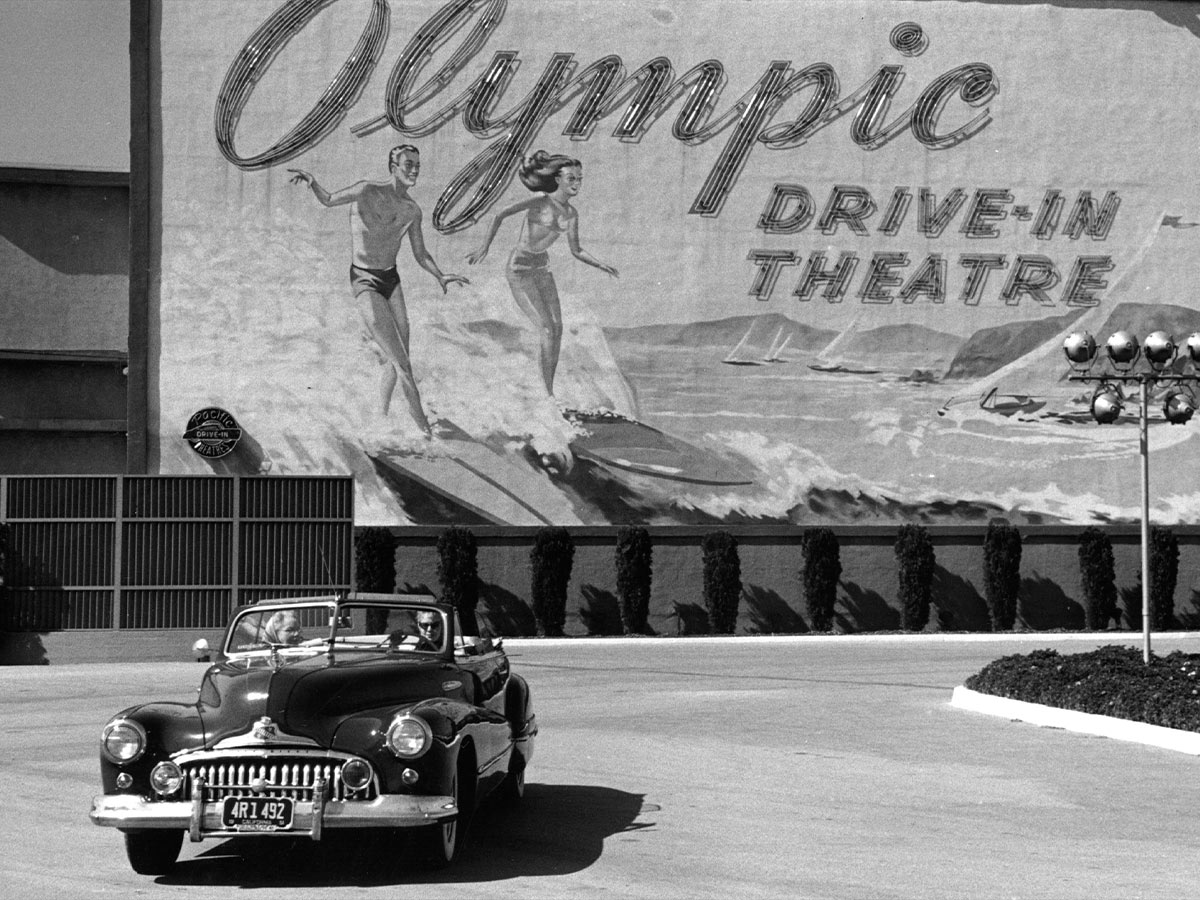
The Olympic drive-in theatre in Los Angeles opened in the 1950s, situated on Olympic Boulevard and Atlantic Boulevard.
The theater became a local landmark and a favorite destination for families and couples alike. However, as with many drive-ins across the country, changing entertainment habits and rising property values led to its eventual closure and demolition in the 1980s.
Chakeres East Main Drive-In
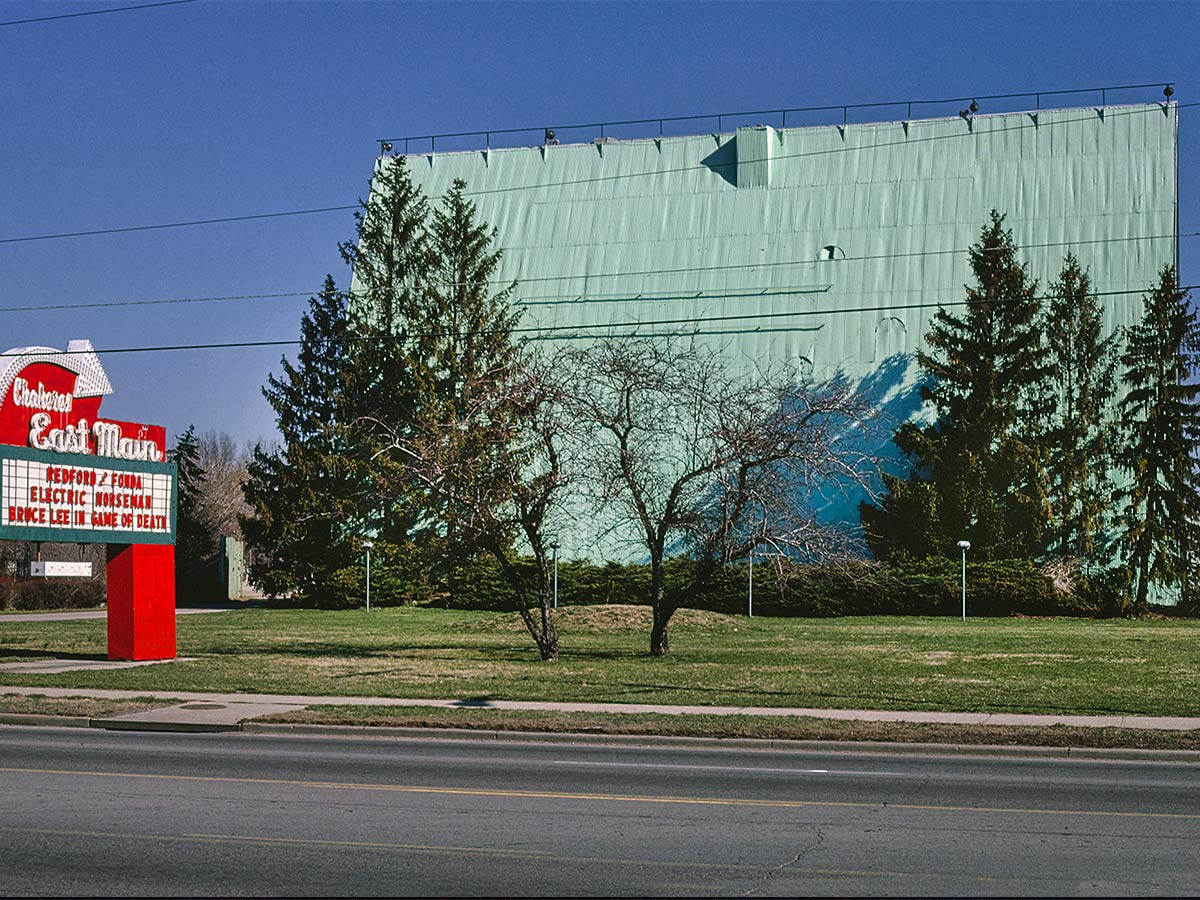
The East Main Drive-In theater was named after the street it was located on in Columbus, Ohio. It had a capacity of about 700 cars and it was originally owned and operated by Frank Yassenoff, who was a prominent figure in the Columbus theater scene.
After its closure, the site was redeveloped and is no longer operating as a drive-in theater. The address is now the location of a Golden Corral.
Trail Drive-In
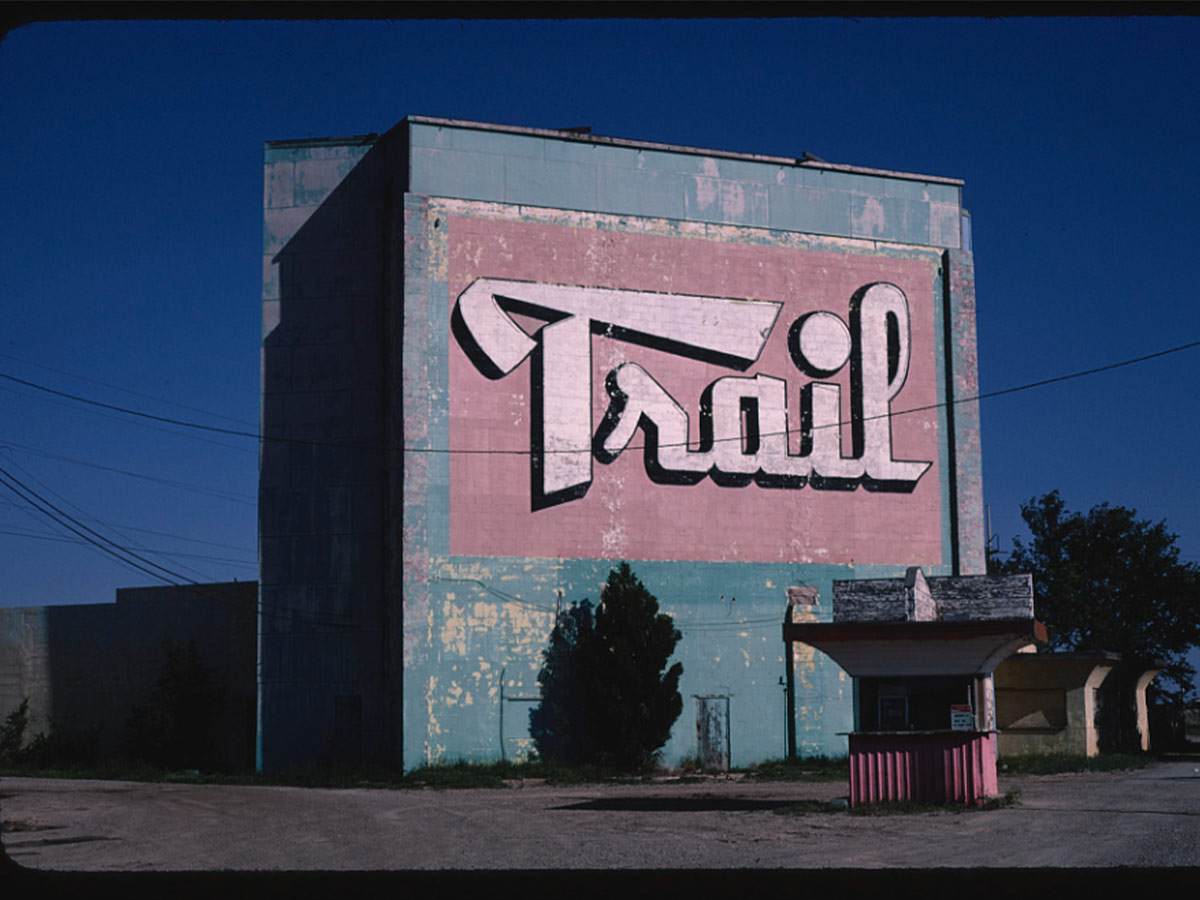
The Trail Drive-In Theater in Amarillo, Texas, opened in 1948 and held approximately 400 cars each night. Given the state’s climate, the theater was able to stay open longer throughout the year, with only brief closures during the winter months.
The Trail Drive-In was a popular entertainment venue for Amarillo residents for several decades. It operated until 1977 – and almost no trace of it exists today.
Sunset Drive-In
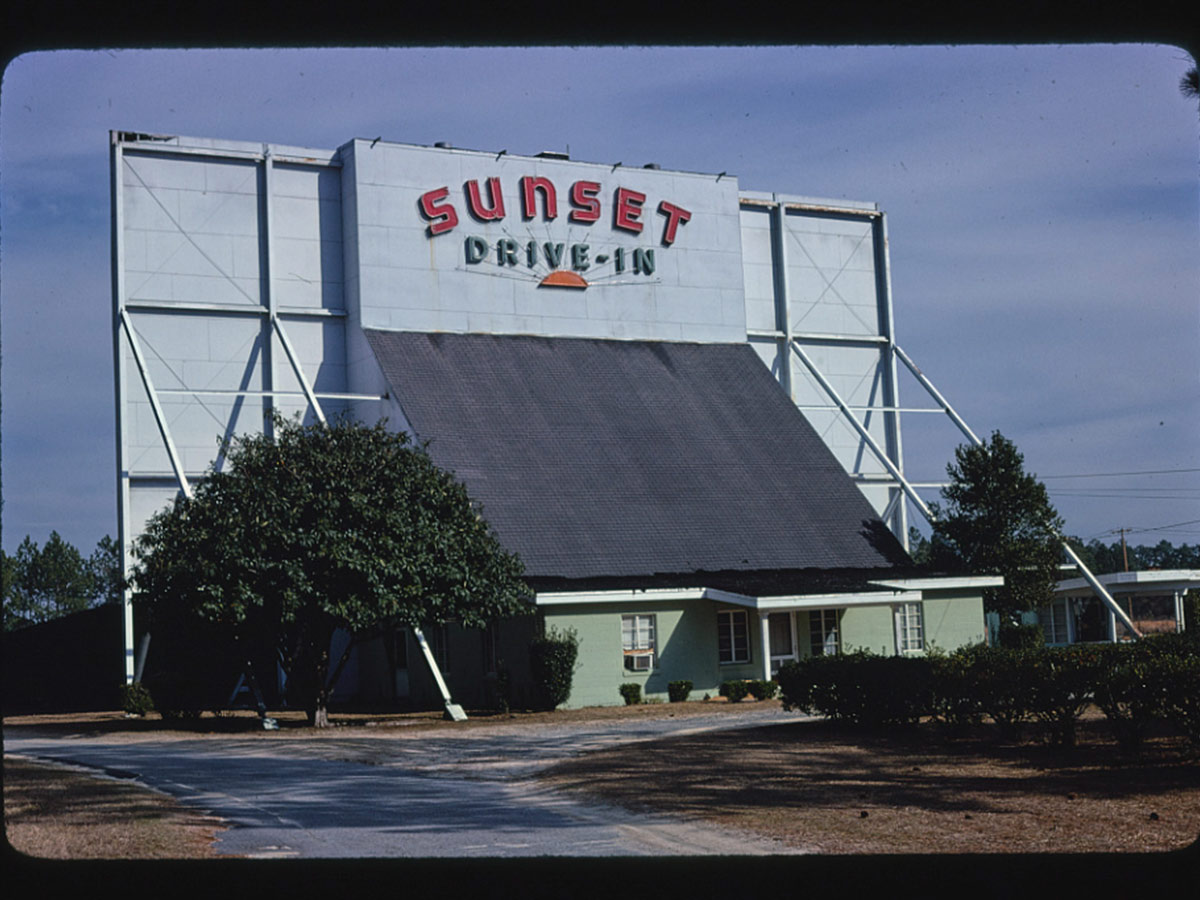
The Sunset Drive-In Theater in Moultrie, Georgia, was a popular outdoor cinema venue. It opened in 1954 during the golden age of drive-in theaters, where it played Broken Lance on its opening night.
It was built by local entrepreneur Charlie Powell in partnership with the Georgia Theatre Company, but it eventually closed in the 1980s. An apartment complex now stands in its place.
Kallet Drive-In
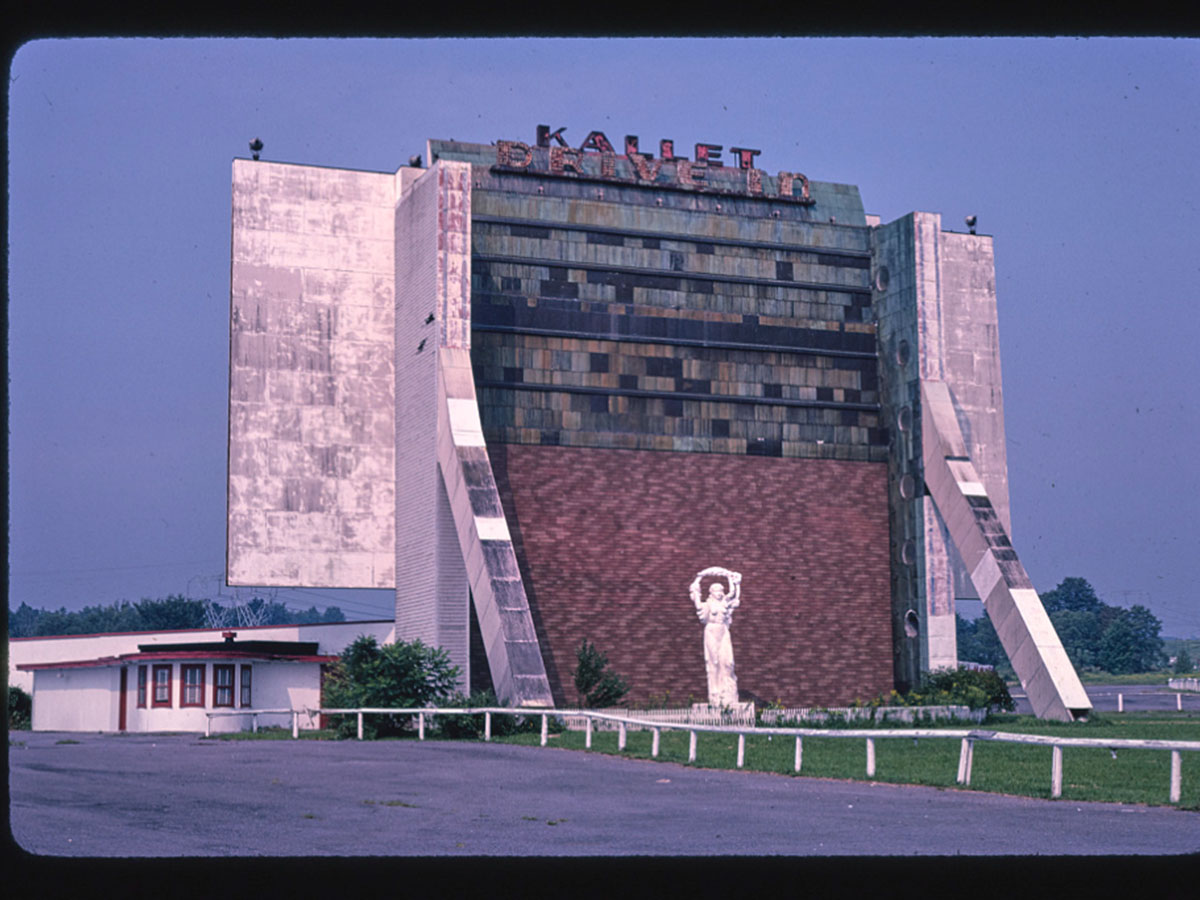
The Kallet Drive-In theater opened on June 27, 1947, at its location in Marcy, New York. It opened with the film Diamond Horseshoe.
Initially owned by a theater chain, it was later renamed Marcy Drive-In before it closed in 1993. It was demolished to make room for the Utica-Rome Expressway.
Terrace Drive-In
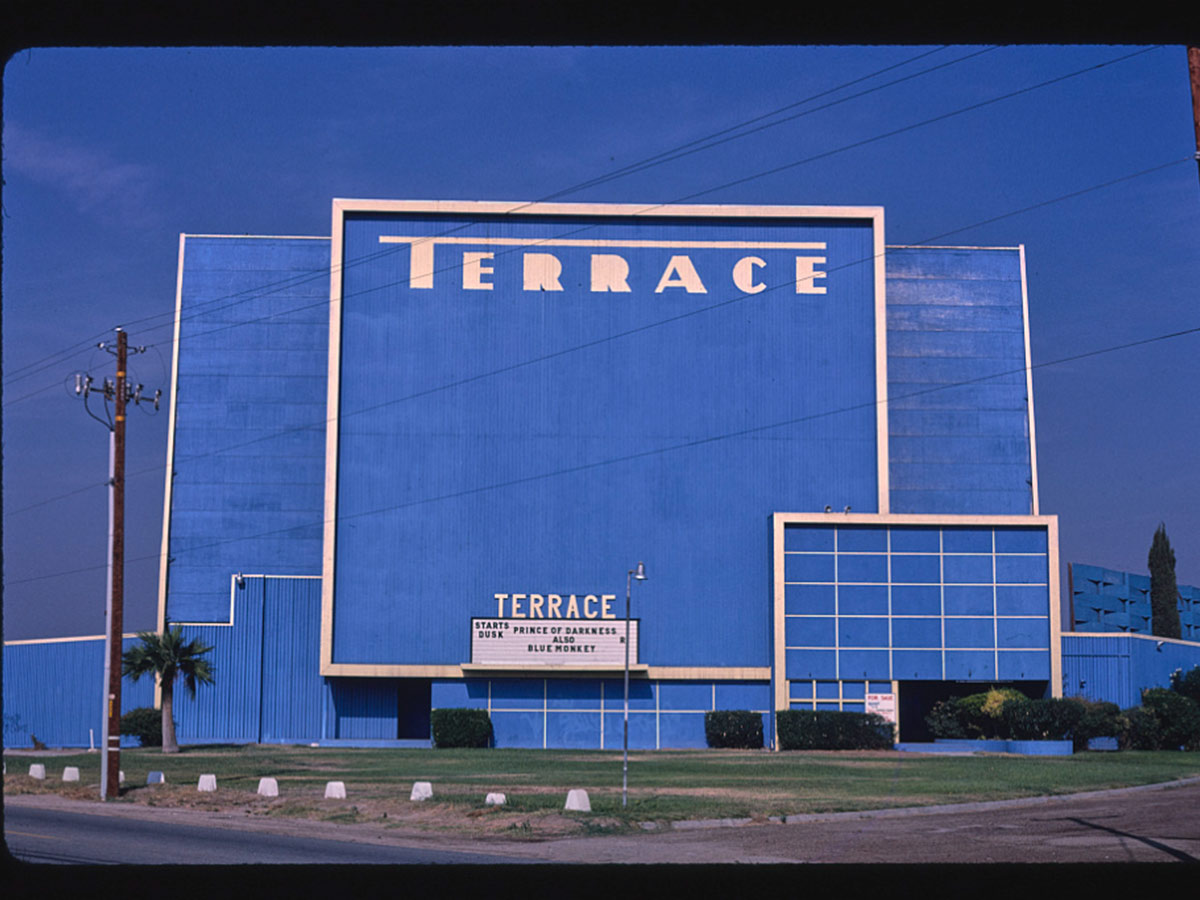
The Terrace Drive-In Theater in Bakersfield, California, was a notable part of the city’s cultural and entertainment history.
The theater opened in 1949 with a double feature, playing both Hill of Home and Jungle Patrol. After closing in 1988, it became a tow yard, transforming the concession stand into an office.
Bordertown Drive-In
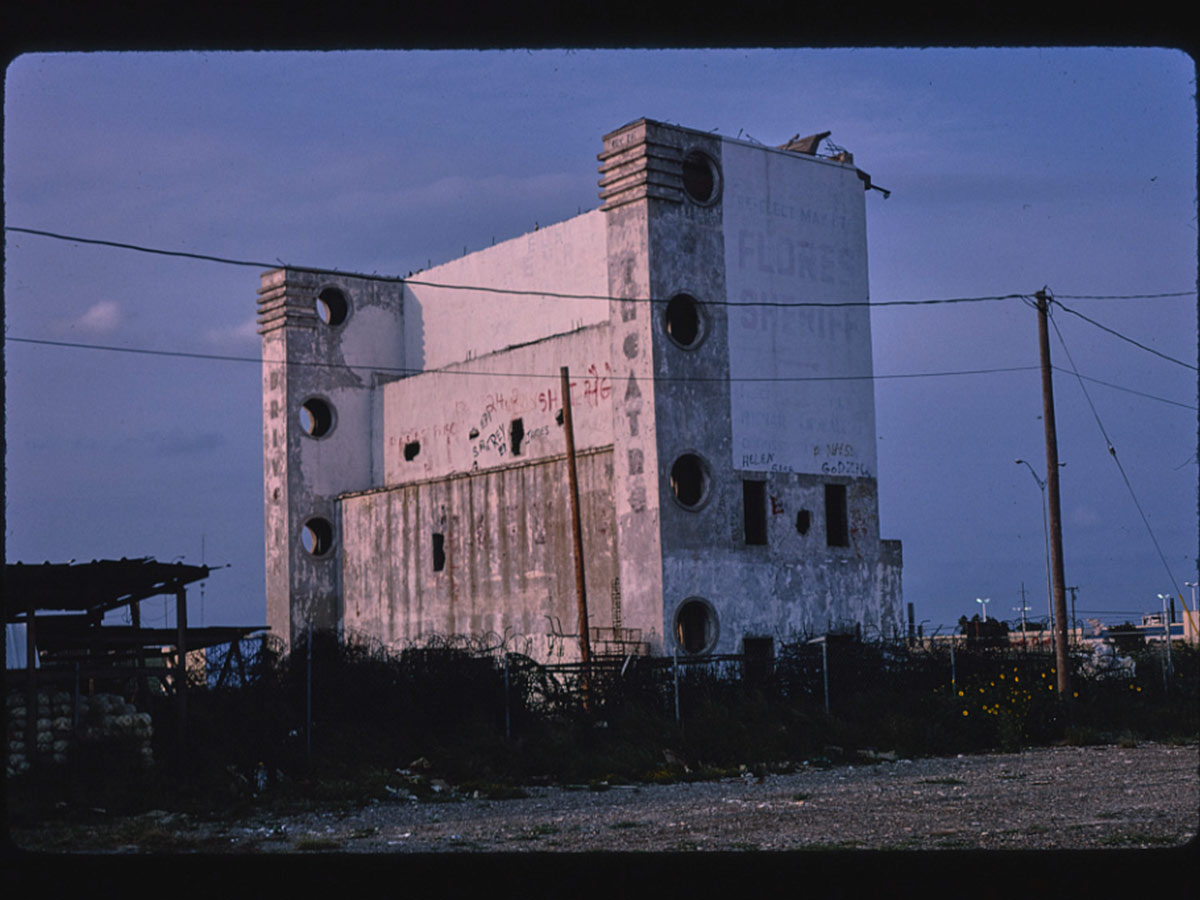
The Bordertown drive-in theater on San Bernardo Avenue, in Laredo, Texas, opened in 1958 before it closed in the early 1980s. It was demolished to make way for the IH35 highway.
Sitting on the American-Mexican Border, it served both local residents as well as those at the border.
Boro Drive-In Theater
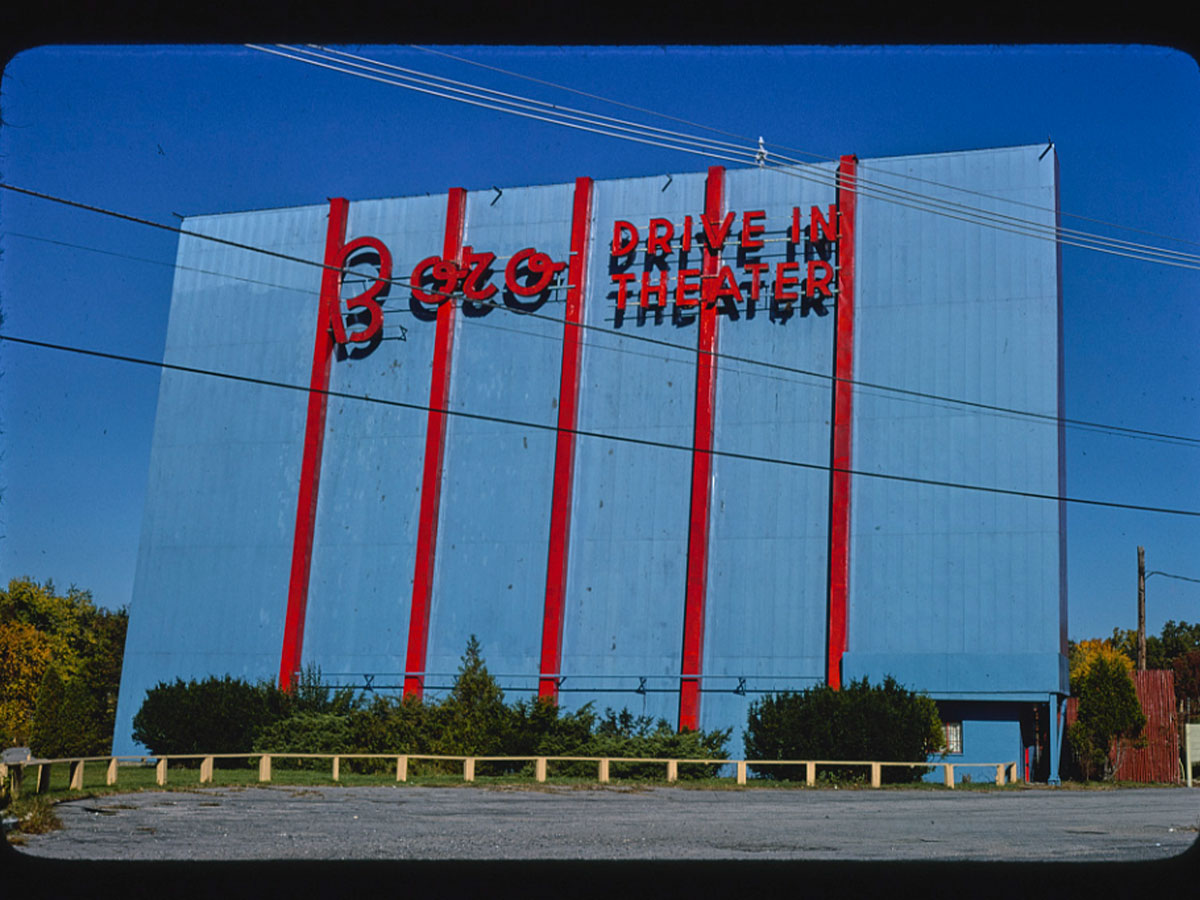
The Boro Drive-In Theater opened in the summer of 1949 in North Attleborough, Massachusetts. The 9-acre site had a capacity of 500 cars and a bustling concession stand.
But like most drive-in theaters, it lost its appeal and closed in the late 1970s. It stood for several years afterward but was eventually demolished. It is now the site of a Christmas tree lot.
Brewer Drive-In

E.M. Loew’s Brewer Drive-In theater in Brewer, Maine, opened on the fourth of July in 1950. It opened with two films – Ali Baba and the Forty Thieves and Phantom of the Opera.
Located near the Brewer shopping center, the theater stayed open until 1986. Nothing of the theater remains except for an empty lot.
Grove Drive-In

The Grove Drive-In Theater in Springdale, Arkansas, opened after the initial boom of drive-in theaters. It opened in 1963 with the Andy Griffith film No Time for Sergeants and Debbie Reynolds in The Second Time Around.
It operated until the 1980s under Commonwealth Amusement. Today, a family-owned pool business, Seaside Pools & Spas Inc. operates on the site.
Duwamish Drive-in
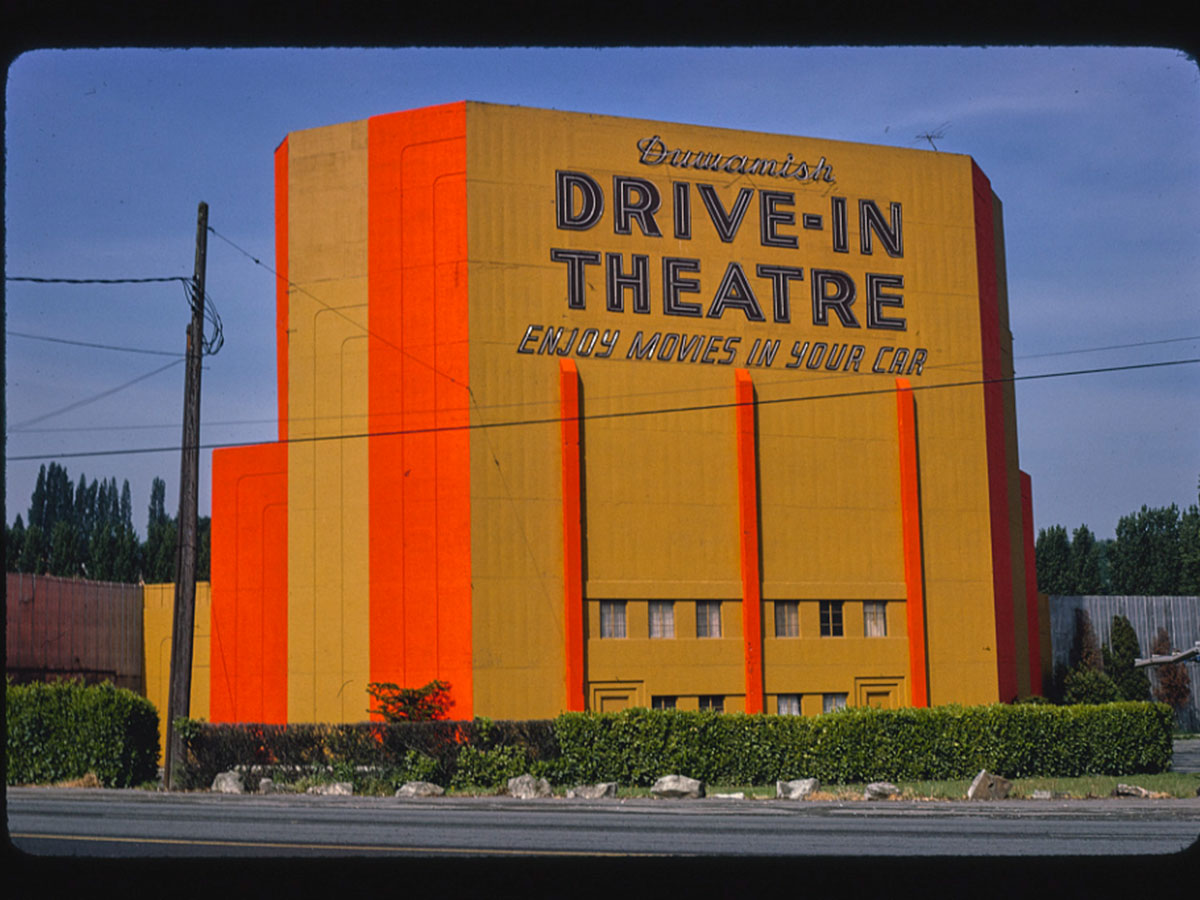
Duwamish Drive-in Theater in Seattle, Washington, was located along the Duwamish River, hence the name, and opened in 1948 with the Ronald Reagan film The Voice of the Turtle. The theater had a capacity of about 600.
After closing in 1979, the site eventually turned into office space for the multinational aerospace company Boeing.