
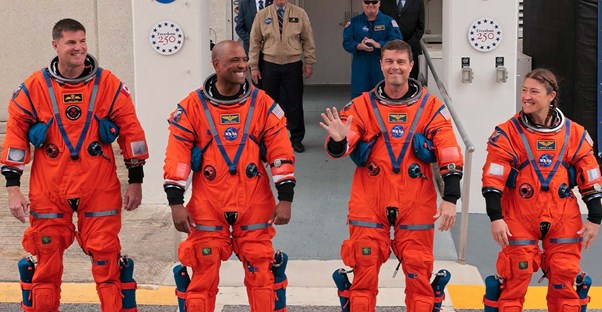

NASA’s releasing images taken by Artemis II crew
As anticipation builds around our return to deep space exploration, NASA has taken another exciting step by releasing images captured by the crew of Artemis II. These photographs offer a rare, firsthand glimpse into the experience of astronauts traveling beyond low Earth orbit—marking a significant milestone in modern space exploration. The images provide insight into the mission’s progress, the capabilities of new spacecraft technology, and the broader goal of returning humans to the Moon.
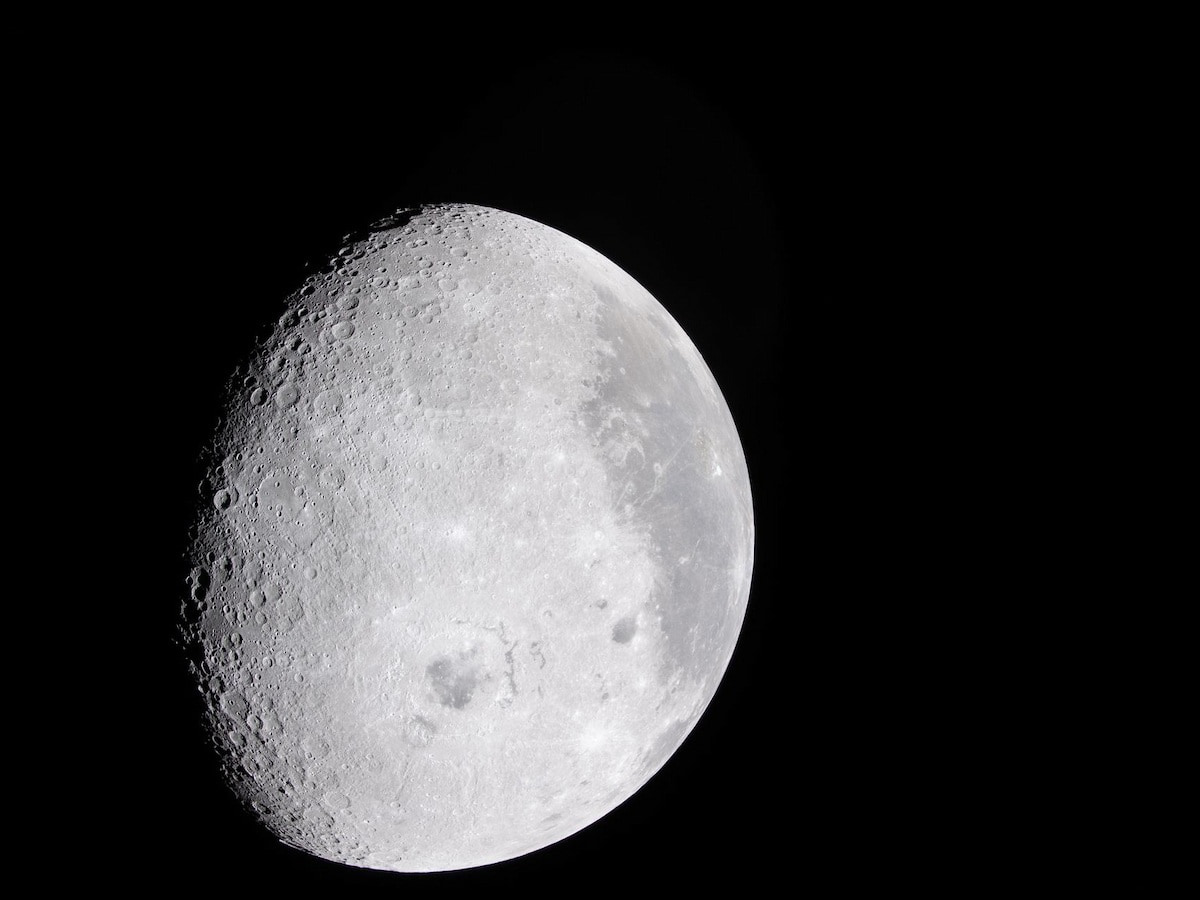
A Detailed View of the Lunar Nearside
Science Teams Monitoring Artemis II
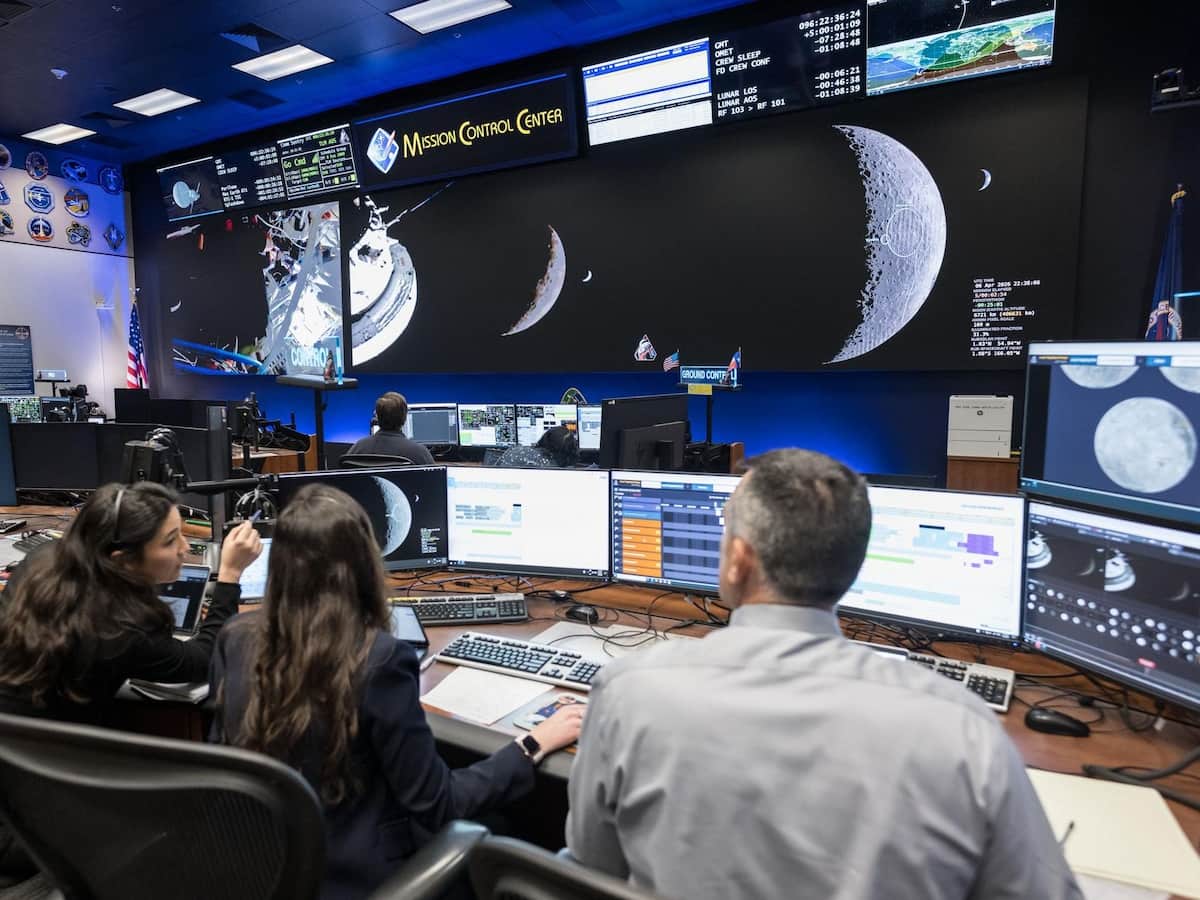
Inside NASA’s Mission Control Center, Artemis II science officers monitor spacecraft systems and scientific measurements in real time. Their work supports flight controllers and helps ensure mission objectives are carried out safely and successfully.
Shadows Along the Lunar Terminator
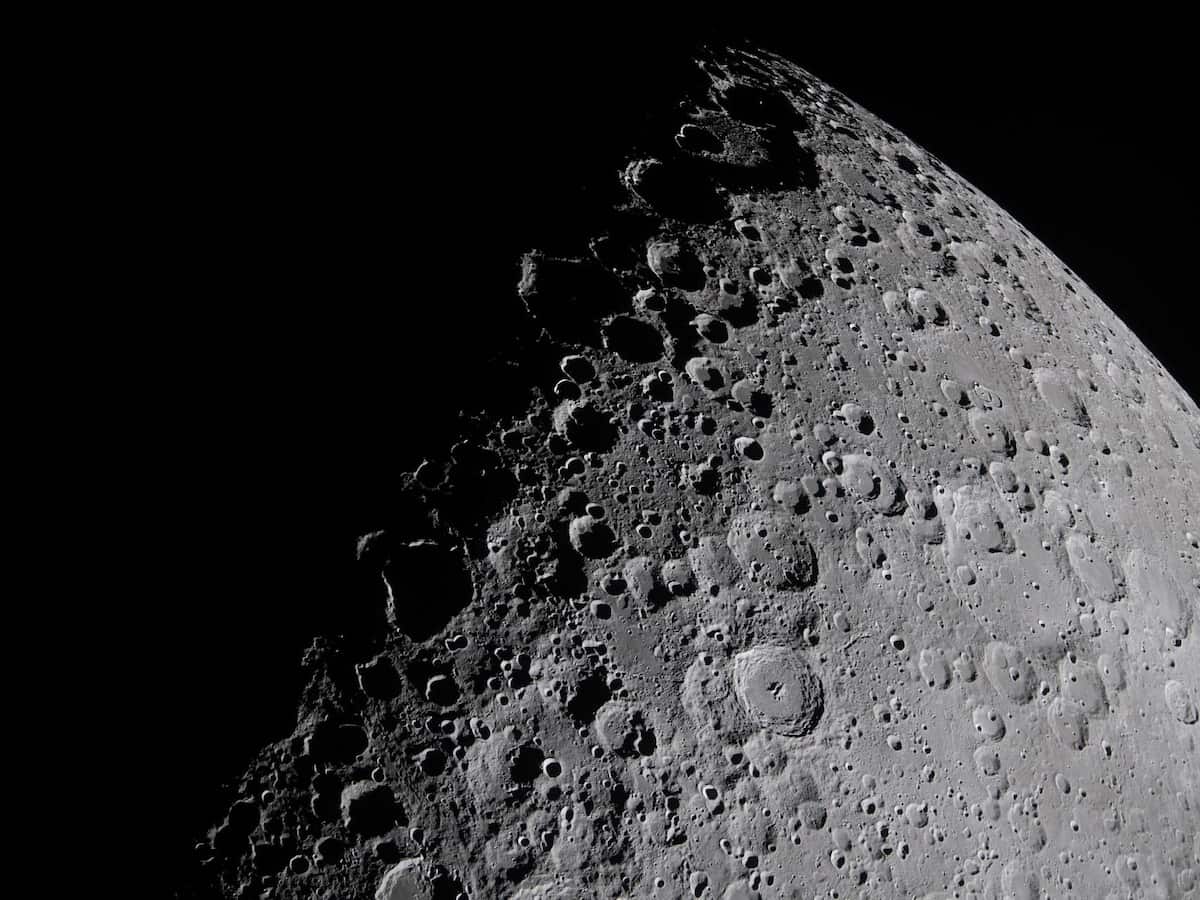
Low-angle sunlight stretches across the Moon’s surface near the boundary between lunar day and night, creating dramatic shadows that reveal craters, ridges, and basins in vivid detail. This lighting angle exposes terrain features normally hidden under direct sunlight.
Victor Glover During Lunar Operations
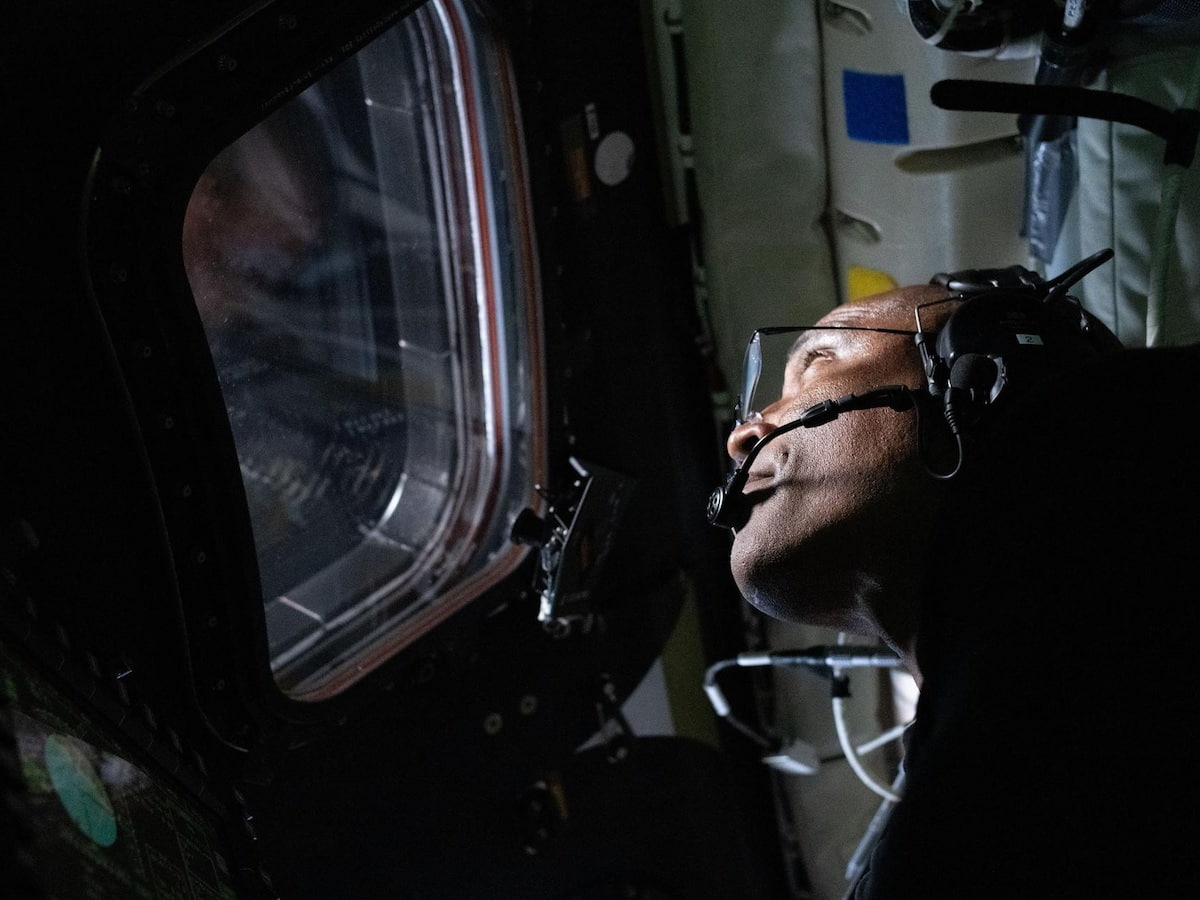
Pilot Victor Glover is seen inside Orion as the Artemis II crew conducts observations during the lunar flyby. Throughout the mission segment, astronauts rotated between windows to photograph the Moon and record scientific data for teams on Earth.
Christina Koch at Work in Lunar Orbit
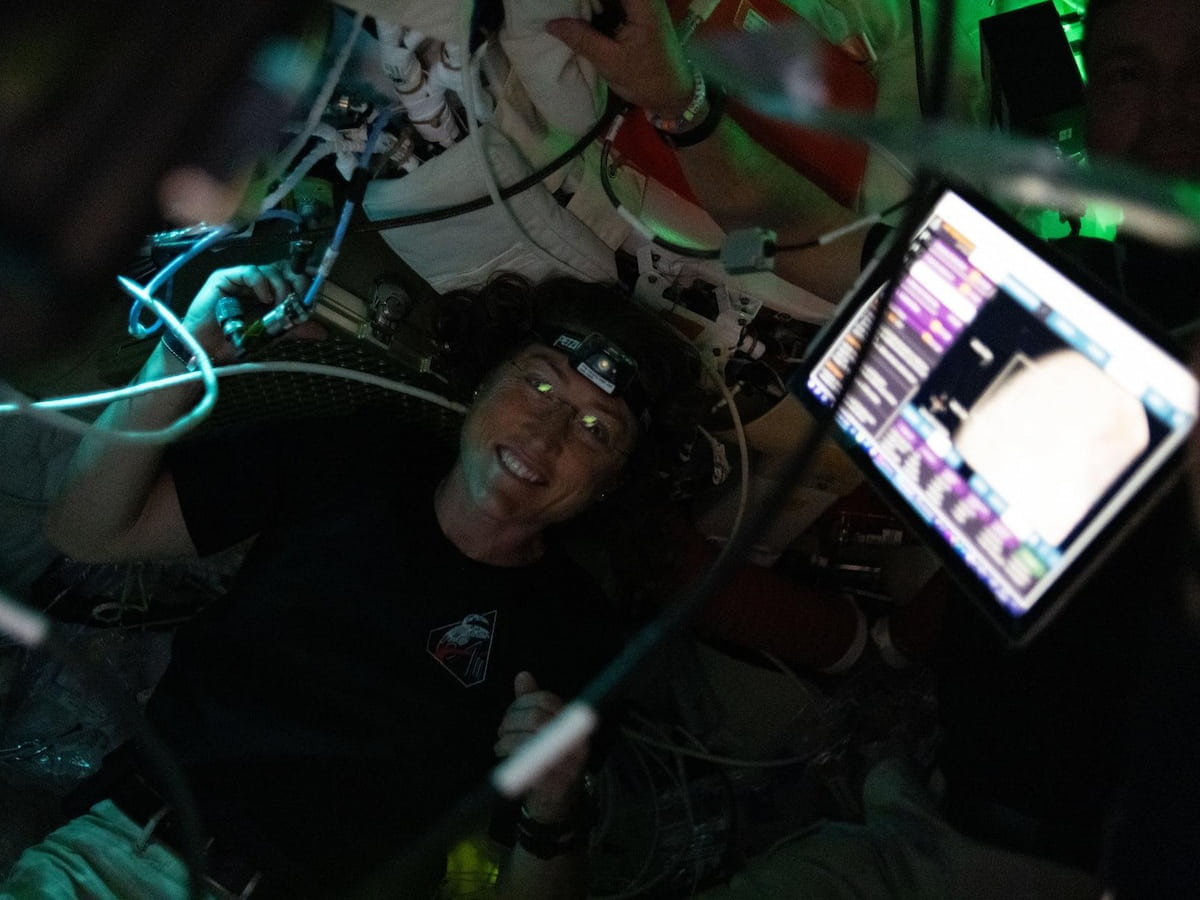
Mission Specialist Christina Koch spends part of the lunar flyby documenting the Moon and gathering scientific observations from Orion’s windows. The crew dedicated hours to imaging and data collection during their closest approach to the lunar surface.
Capturing Space Through Orion’s Window

Astronaut Jeremy Hansen photographs the Moon through a specially designed camera shroud inside Orion. The covering helps eliminate reflections from cabin lighting, allowing the crew to capture clearer images of space.
Last View Before Losing Contact

Three minutes before Orion passed behind the Moon and communications temporarily ended, the crew captured this detailed image of the lunar surface with Earth setting in the background. The massive Ohm crater stands prominently in the foreground, revealing the scars of ancient impacts.
A Modern-Day Earthset
Eclipse with Planets in View
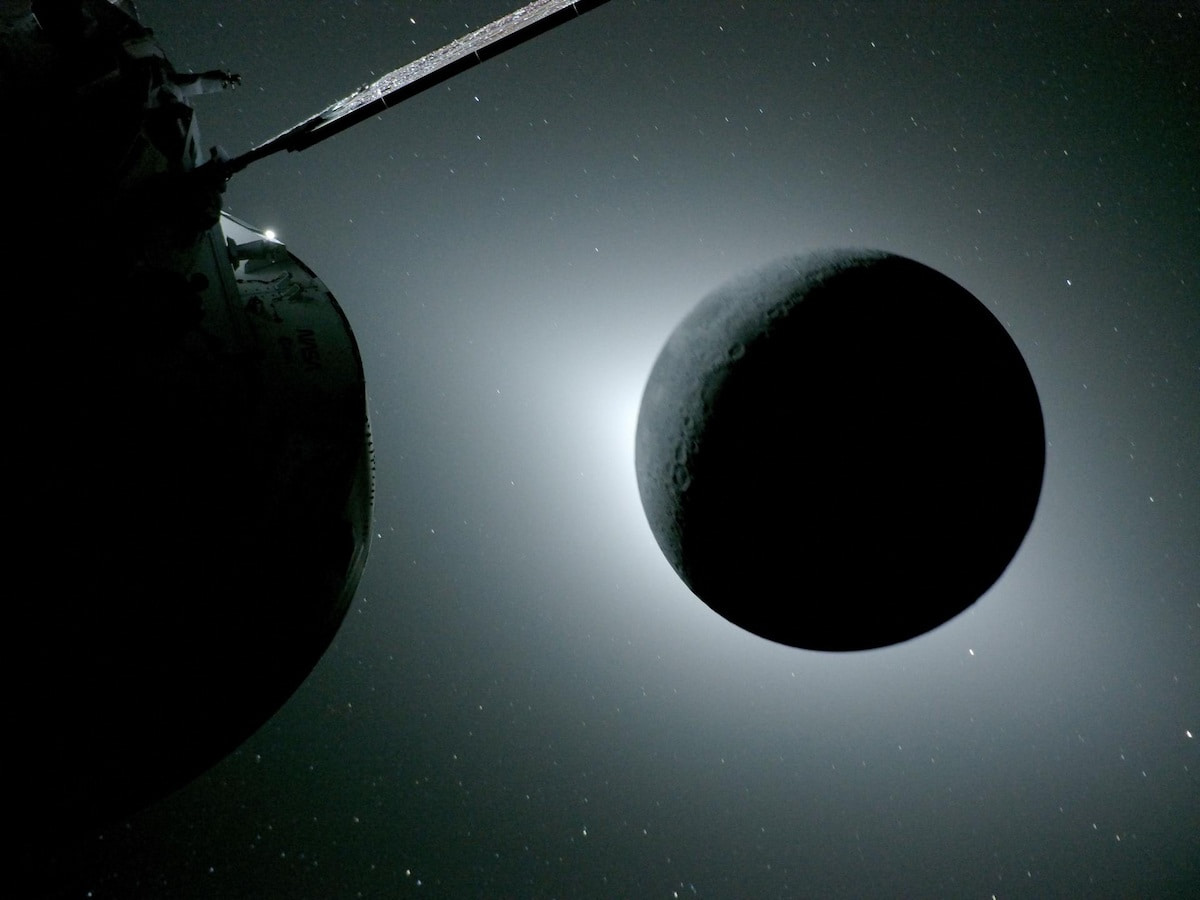
Captured from one of Orion’s solar array cameras, this image shows the Moon silhouetted against the Sun during the eclipse. Earth glows faintly near the lunar edge, while Saturn and Mars appear as bright points in the darkness beyond.
Watching an Eclipse from the Moon
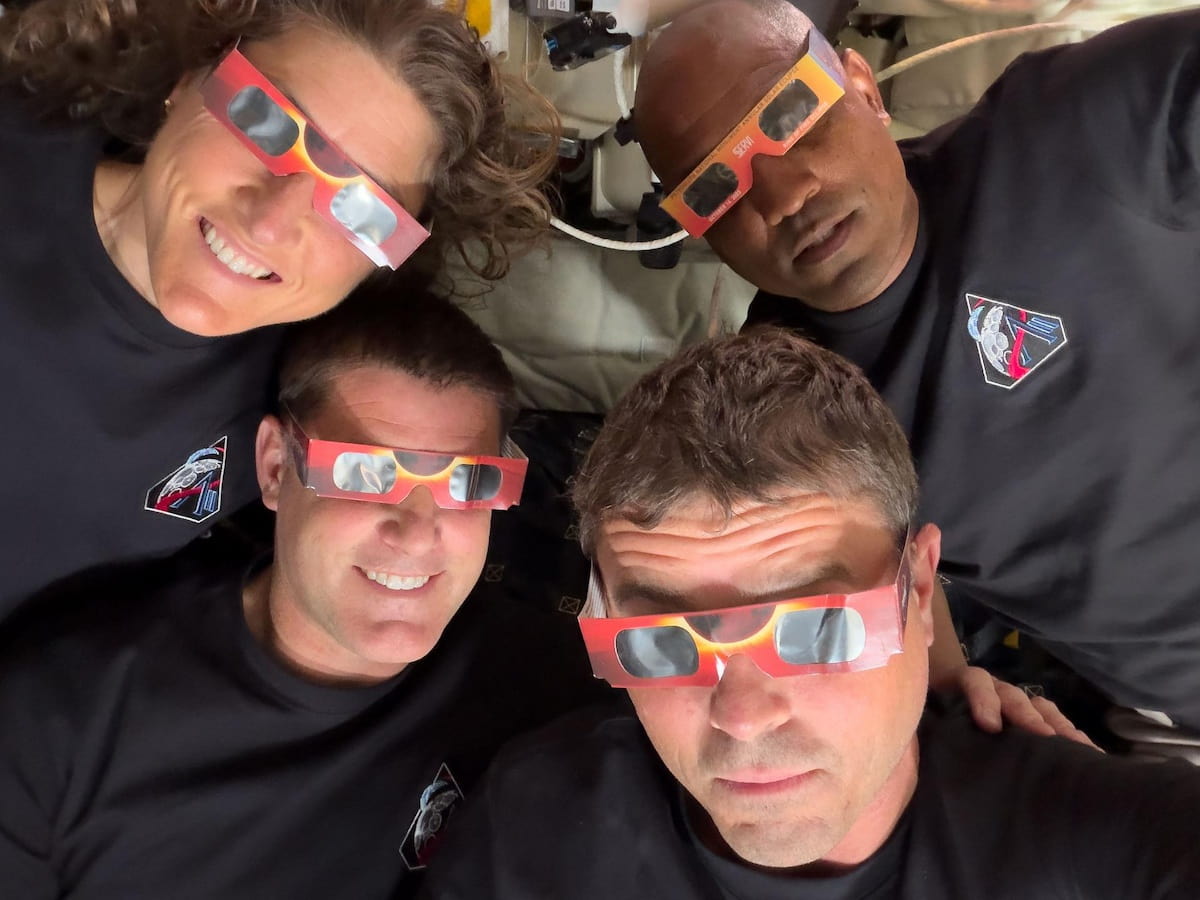
The Artemis II astronauts use protective eclipse glasses while observing the solar eclipse during their lunar flyby. It marked the first time eclipse viewers were used by humans near the Moon for direct solar observation.
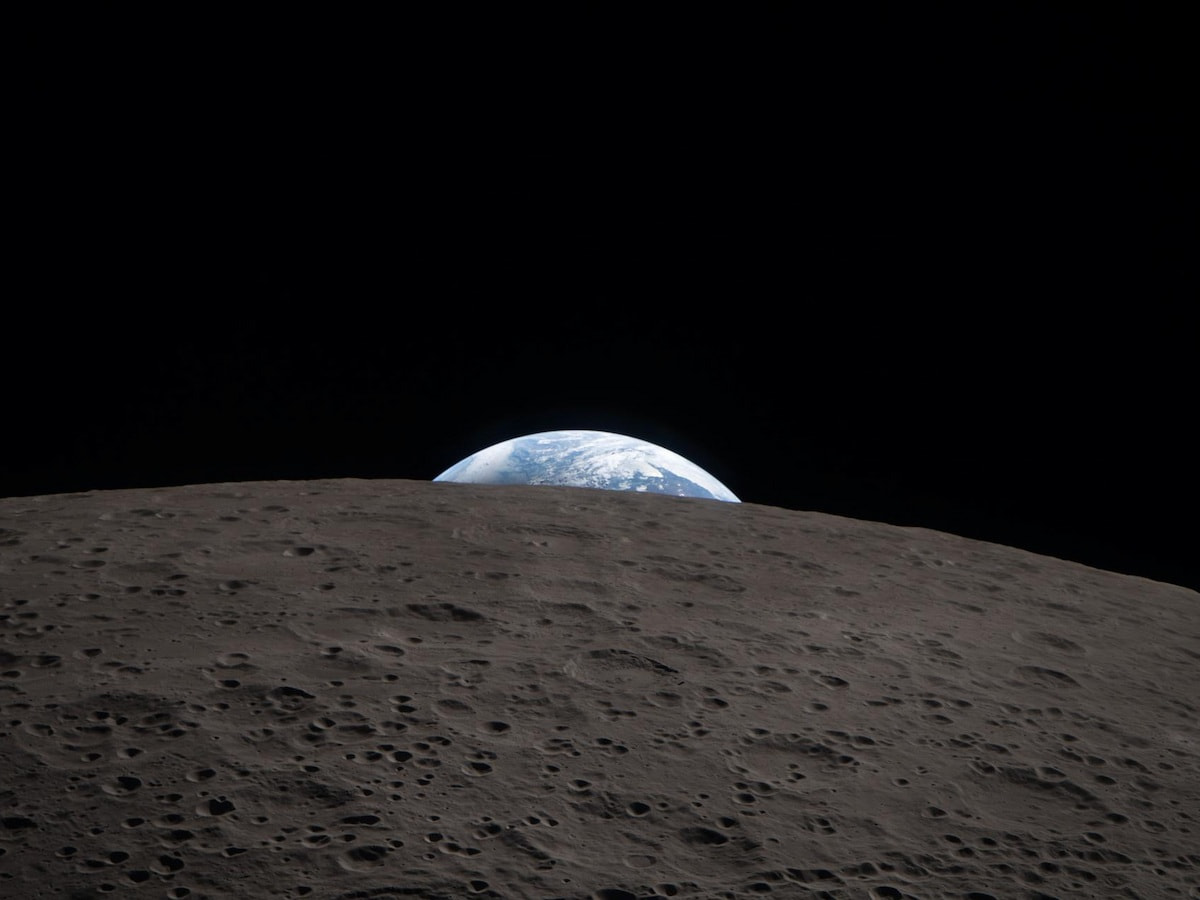
Approaching Earthset
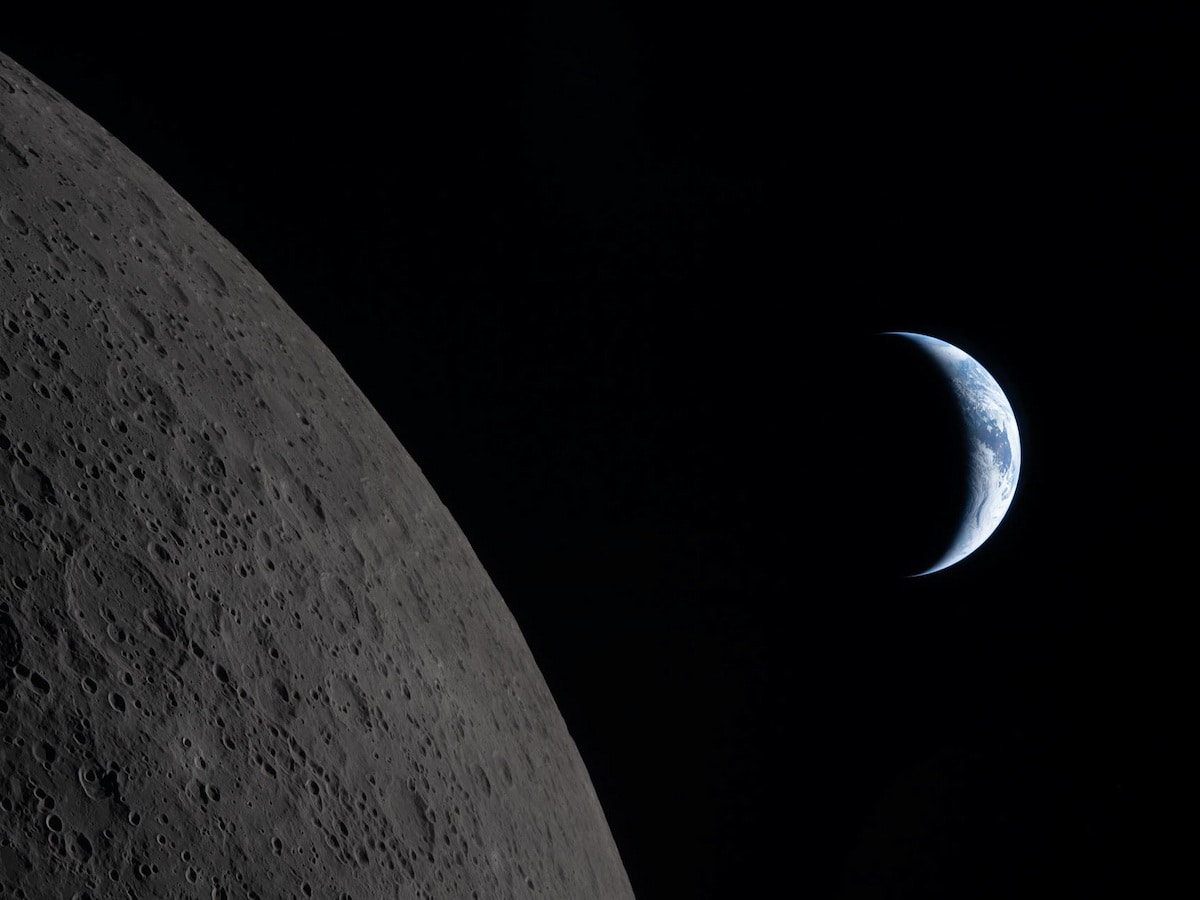
Just minutes before Earth disappeared behind the Moon, the Artemis II crew captured this dramatic scene of a crescent Earth above rugged lunar terrain. The image also reveals chains of smaller impact craters formed by debris blasted outward from ancient collisions.
Moon, Earth, and Orion Together
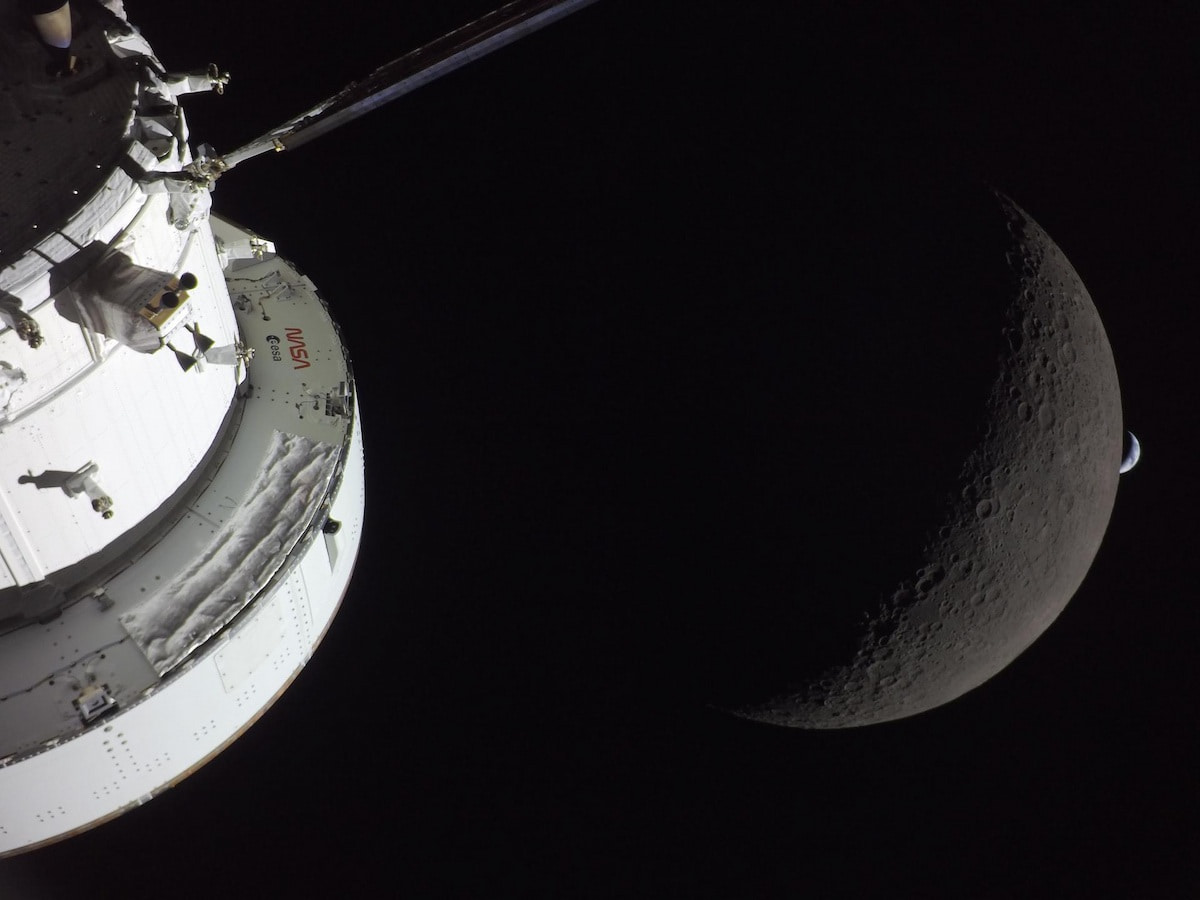
This deep-space view captures Orion illuminated by sunlight with both the Moon and Earth sharing the same frame. The crescent Earth appears remarkably small beside the Moon as it slowly nears the lunar horizon.
The Most Distant Human Journey
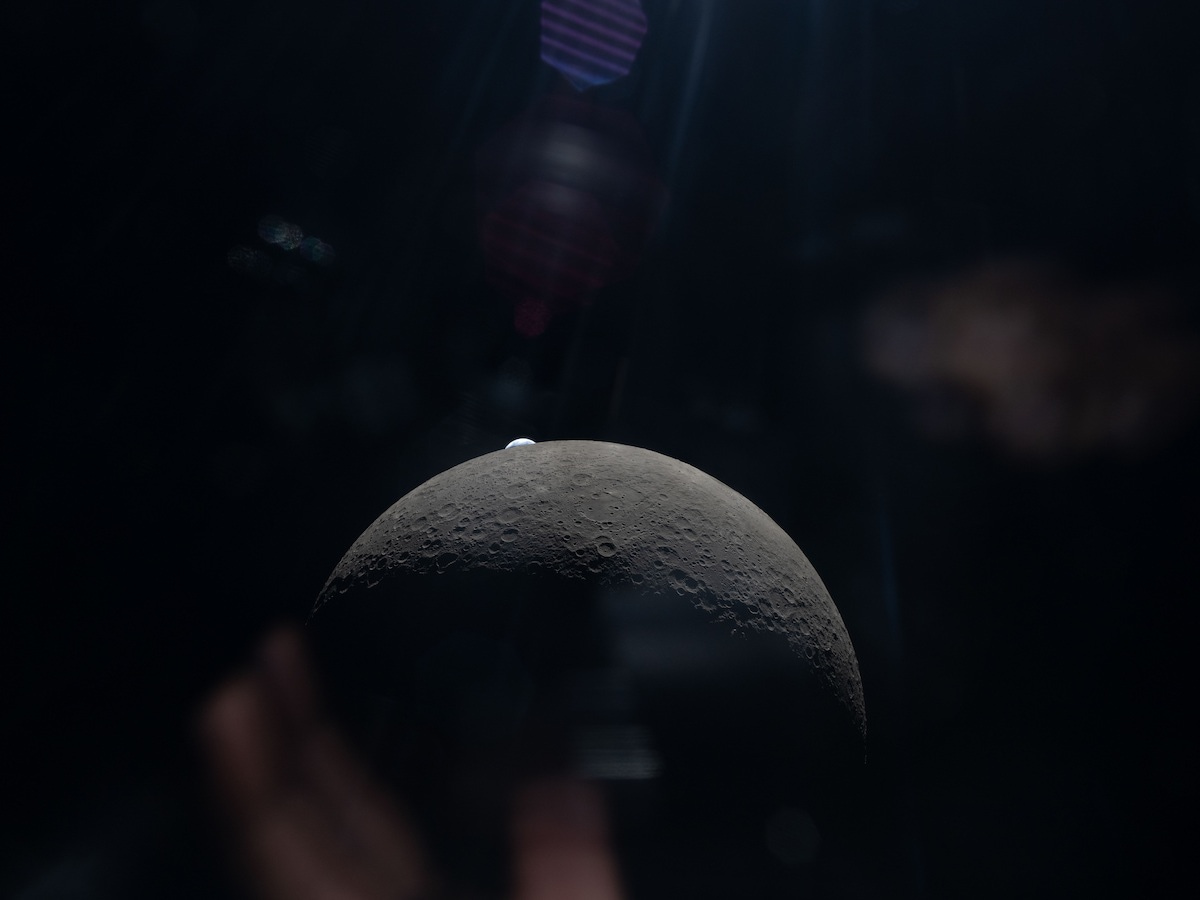
A tiny Earth emerges from behind the Moon shortly after Orion reached its closest approach. During the mission, the Artemis II crew traveled farther from Earth than any astronauts before them, reaching more than 252,000 miles away.
Eclipse Beyond the Far Side
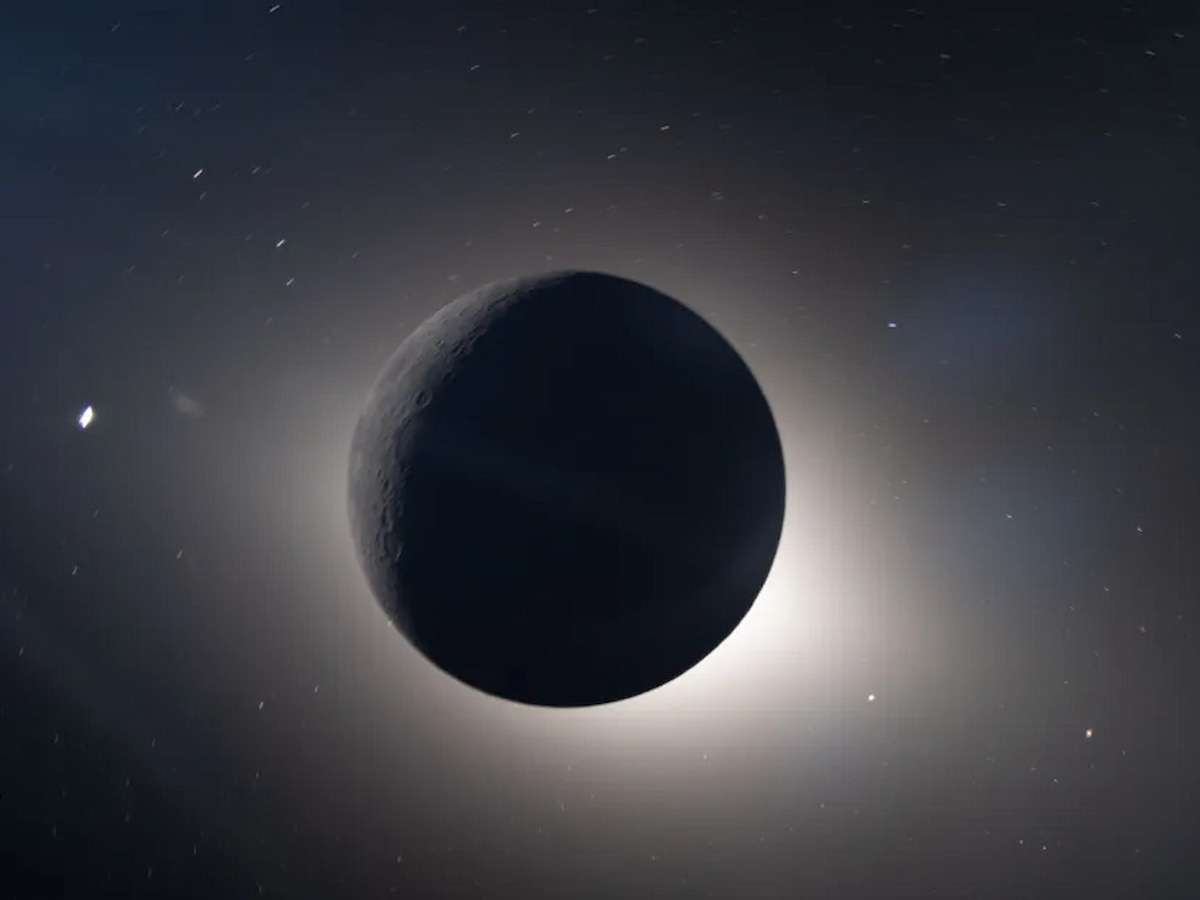
During the lunar flyby, the Artemis II astronauts witnessed a solar eclipse from a perspective few humans have ever experienced. As the Sun disappeared behind the Moon, its brilliant outer atmosphere formed a glowing halo around the darkened lunar surface.
Earth Beyond the Moon
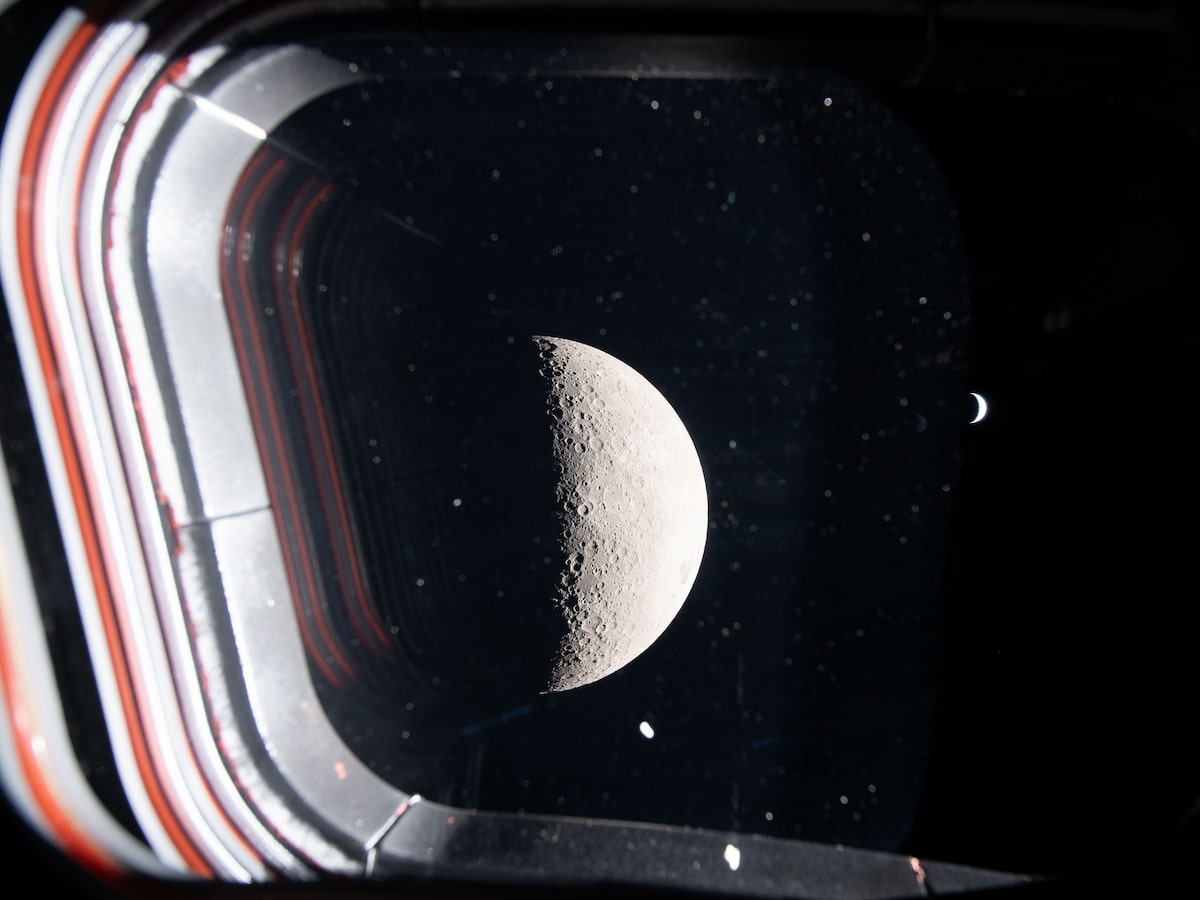
Photographed from the far side of the Moon, this striking view captures a partially illuminated Moon with Earth glowing faintly in the distance. The image highlights how small and isolated our planet appears from deep space.
Craters with Personal Meaning
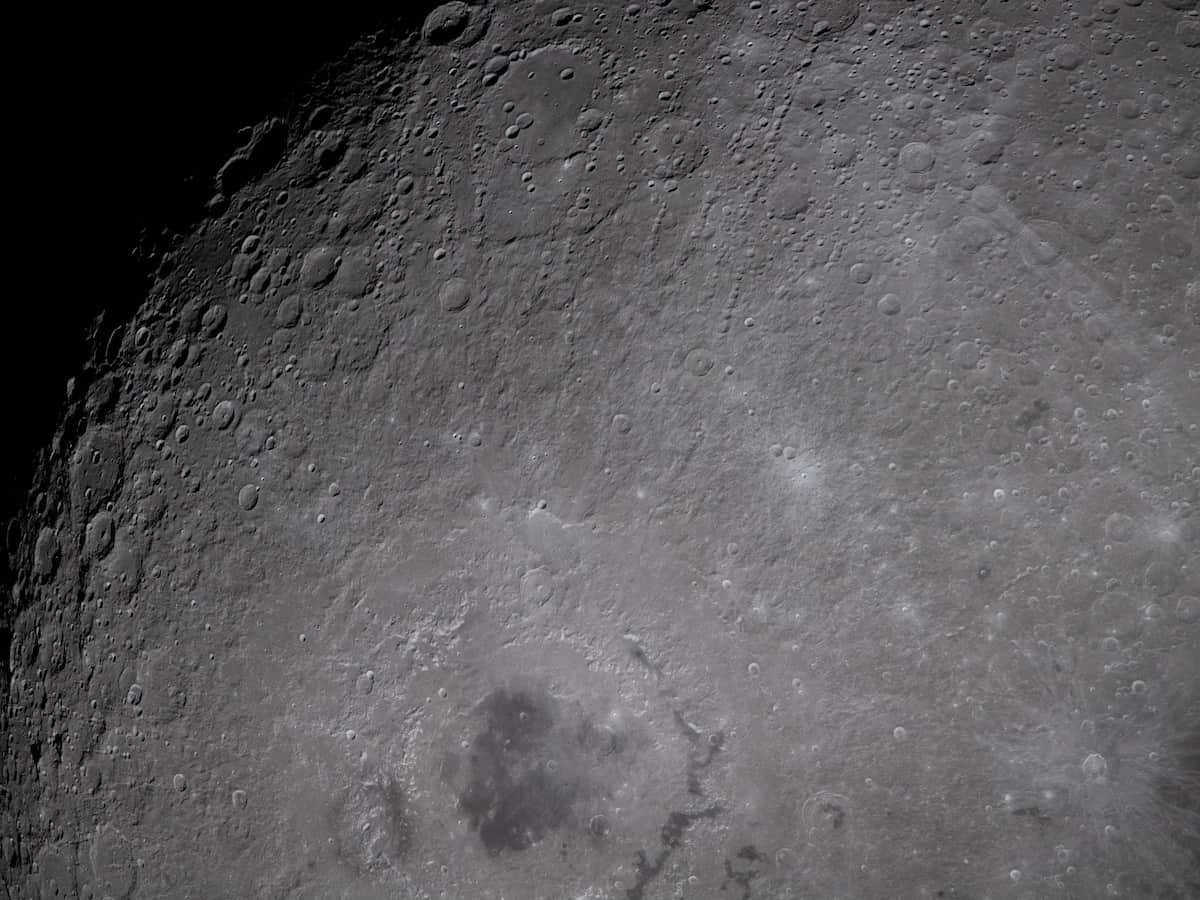
Two small lunar craters received special names from the Artemis II crew during their journey. One honors the Orion spacecraft, “Integrity,” while the other, “Carroll,” serves as a tribute to Commander Reid Wiseman’s late wife, creating a deeply personal connection on the Moon’s surface.
Spinning Through the Stars
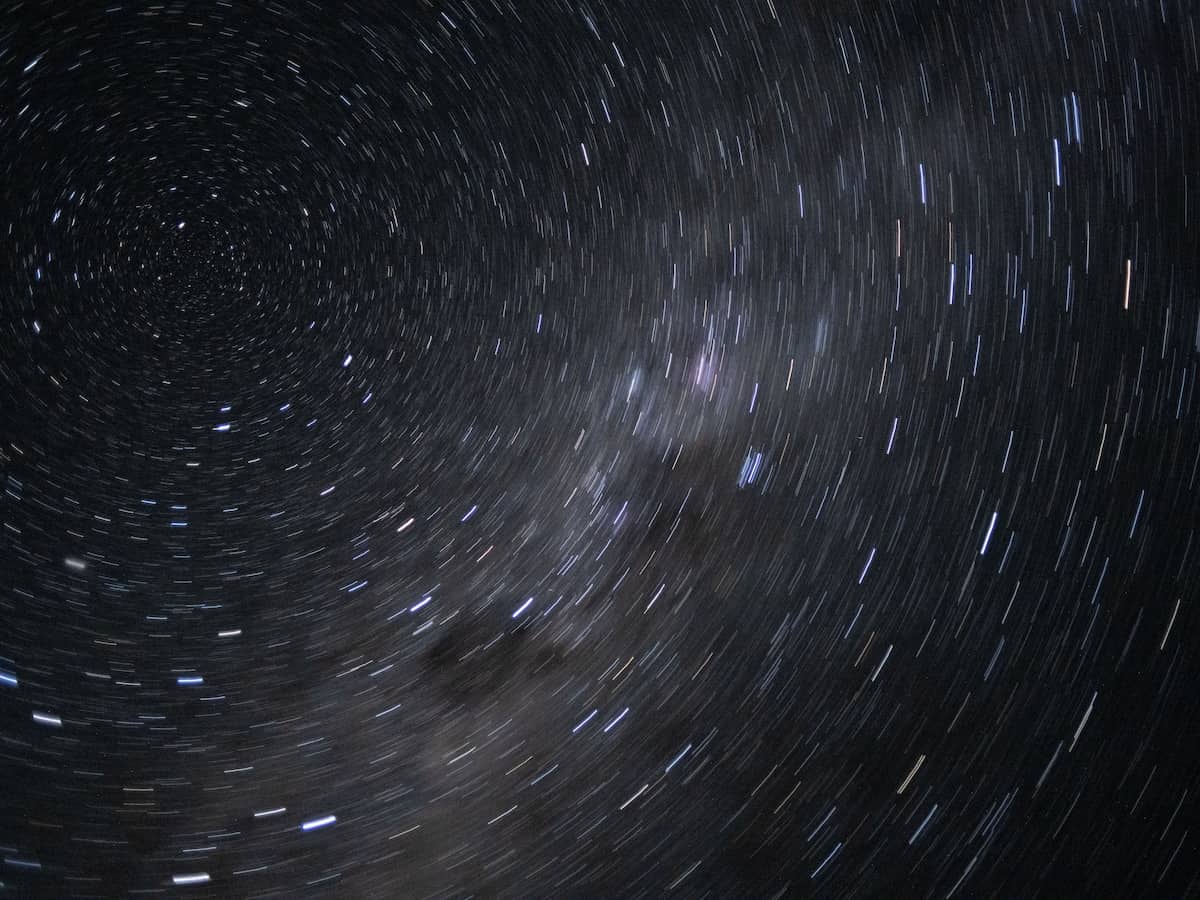
A long-exposure image taken from Orion reveals streaks of starlight outside the spacecraft window. Unlike similar photos captured on Earth, which require several minutes of exposure, Orion’s steady rotation during its trip to the Moon created the dramatic star trails in just seconds as the spacecraft slowly spun to regulate heat from the Sun.
Meet the Artemis II Crew
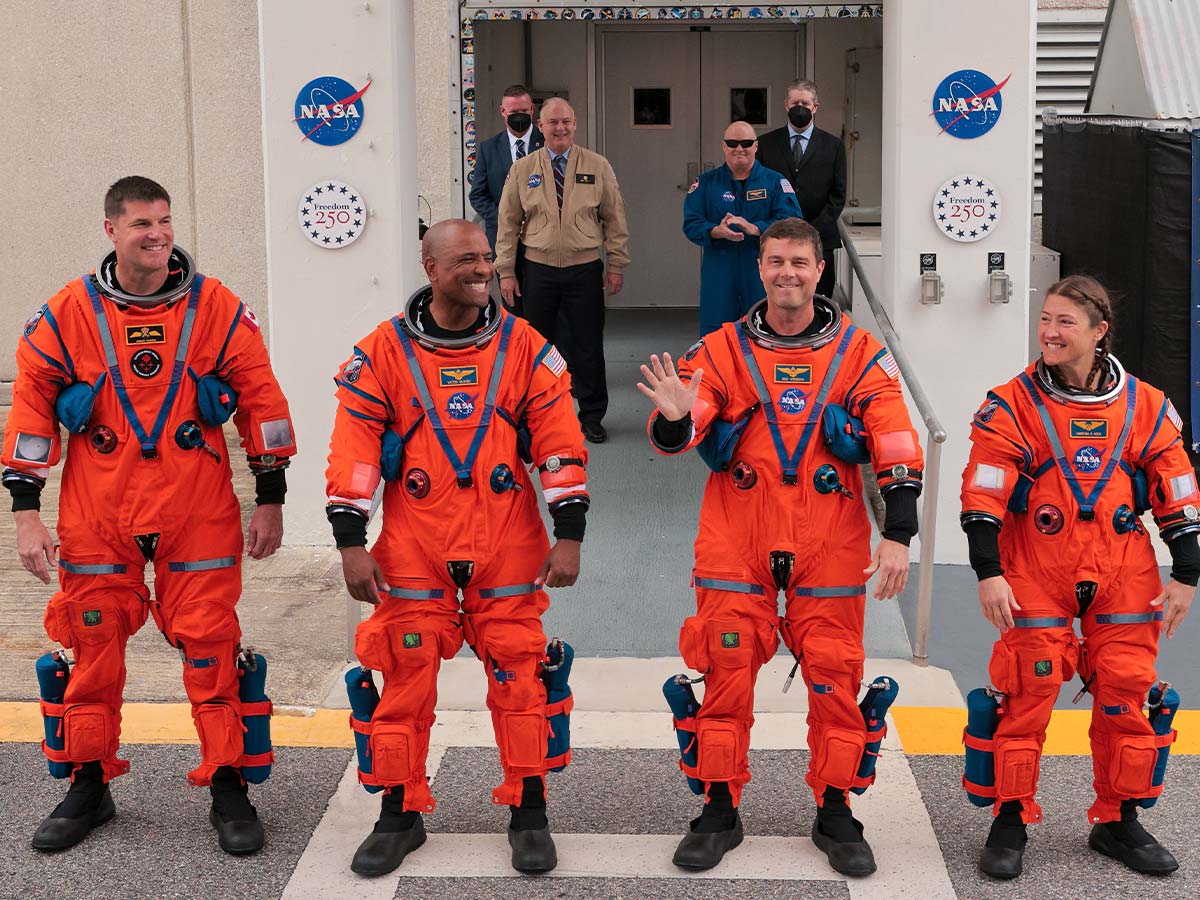
Artemis II crew members—Commander Reid Wiseman, Pilot Victor Glover, and Mission Specialists Christina Koch (NASA) and Jeremy Hansen (Canadian Space Agency)—pose together, representing the international team preparing to return humans to deep space exploration.
The following are images the crew took from aboard the Orion spacecraft on the Artemis II mission. NASA has generously shared them with the world!
A Distant Home
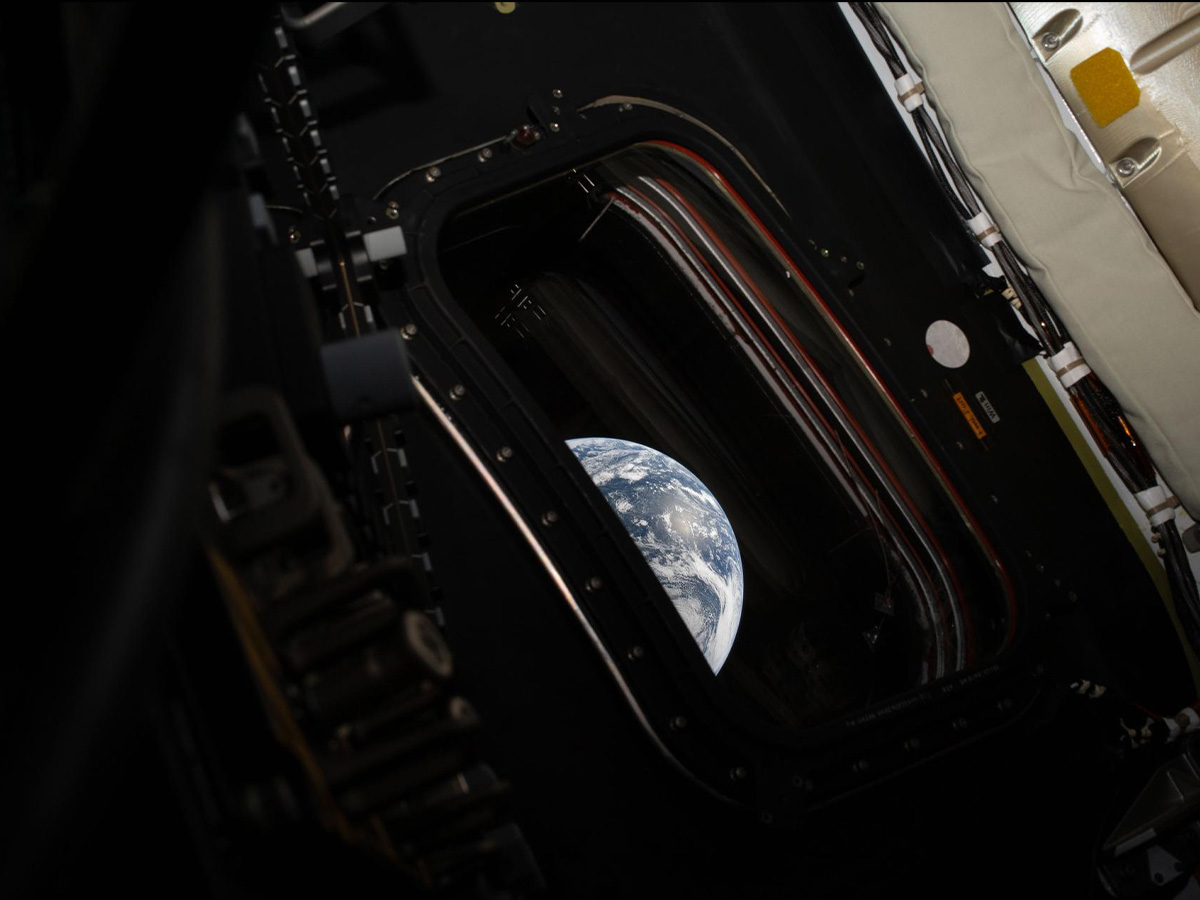
Earth appears as a distant, glowing sphere suspended in space, highlighting the vast distance between our planet and the Artemis II crew.
A Quiet Moment in Space
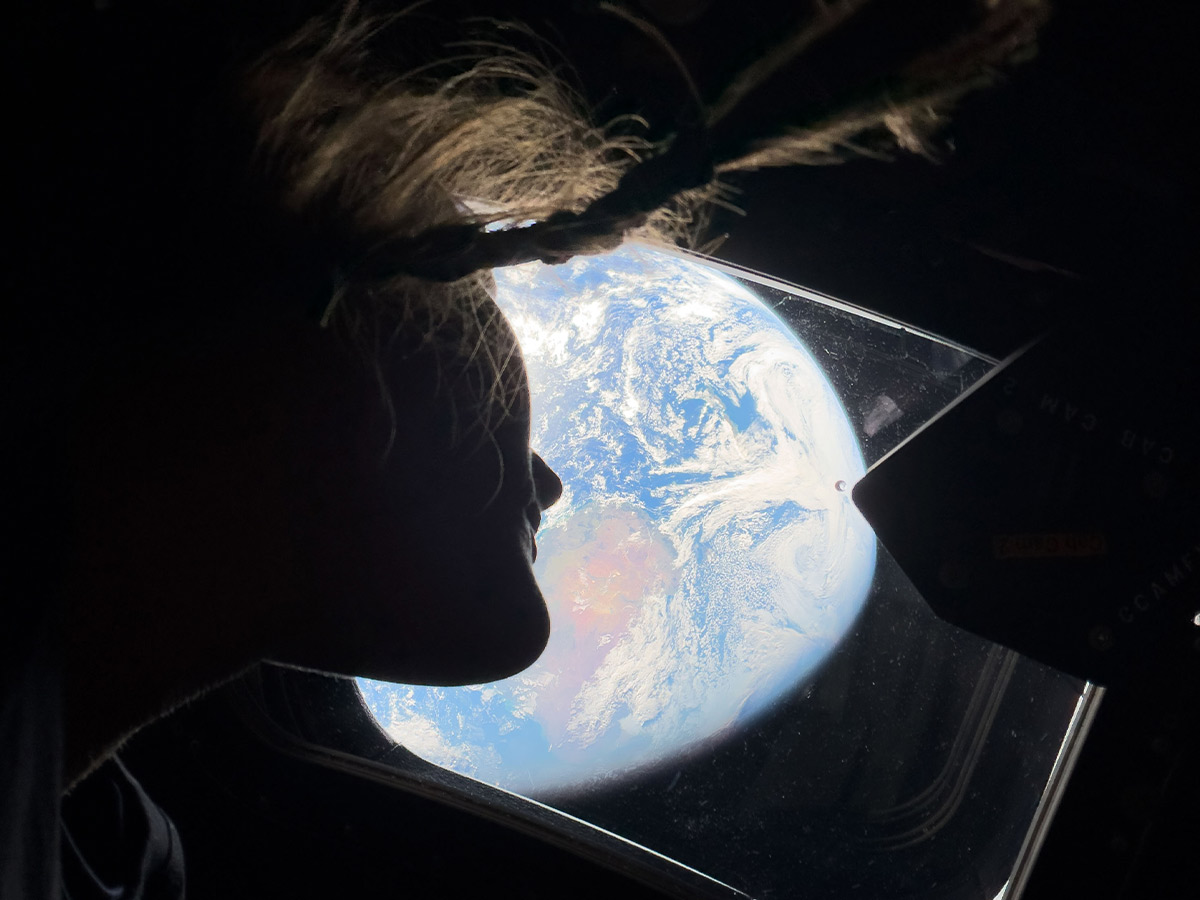
An astronaut inside Orion looks toward a window view of space, capturing a quiet moment during the historic mission beyond low-Earth orbit.
Life in Microgravity
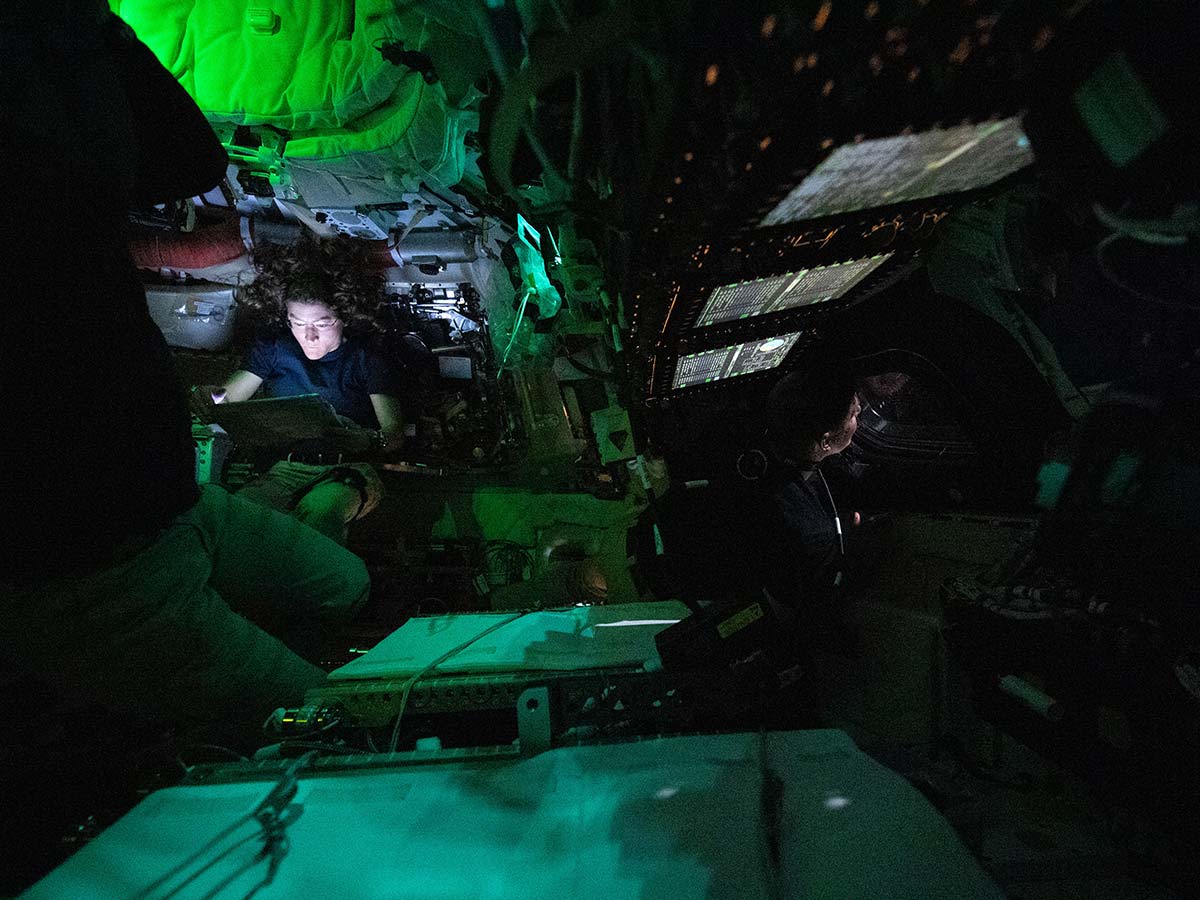
A NASA astronaut floats inside the Orion spacecraft, demonstrating life in microgravity as the crew prepares for deep-space travel during the Artemis II mission.
A Rugged Moon
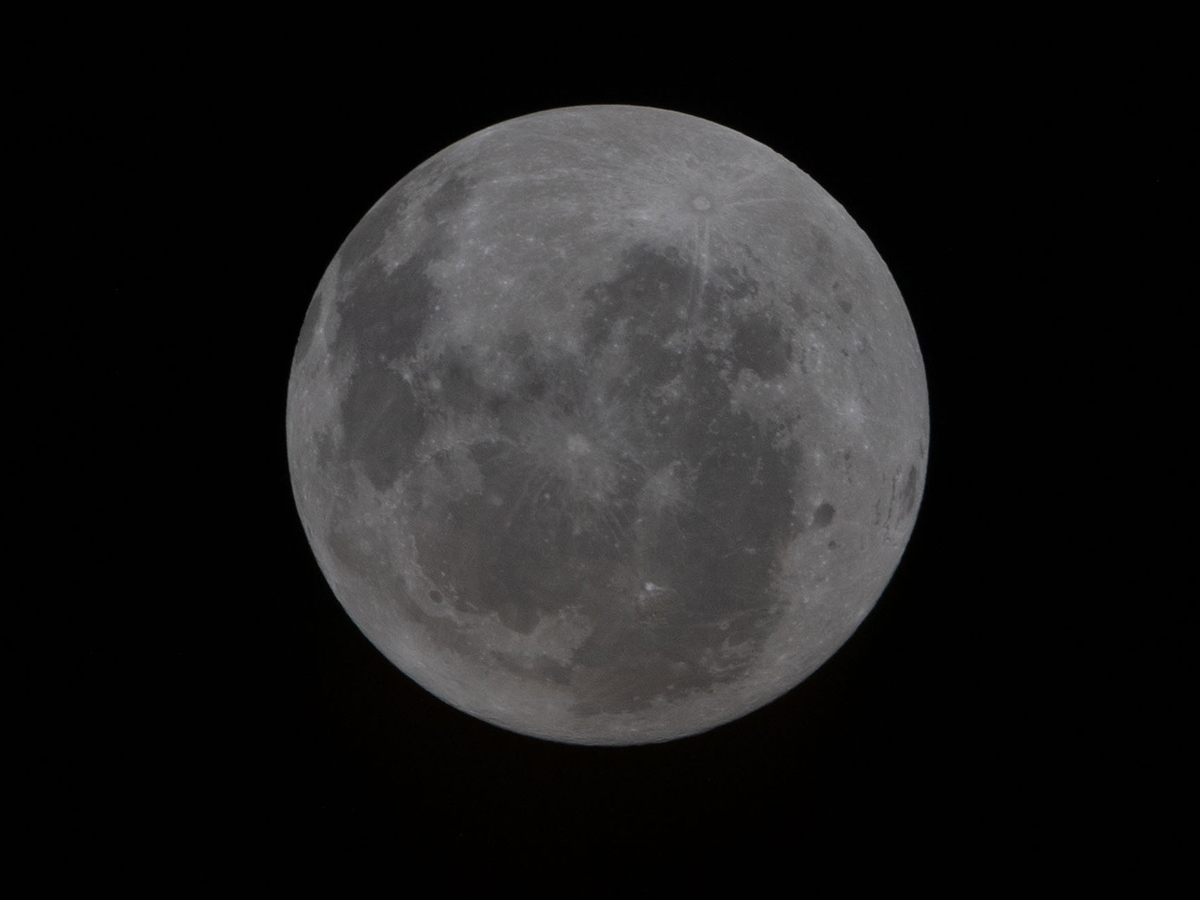
A striking close-up of the Moon’s rugged, cratered surface, photographed by Orion as it travels farther from Earth than any human-rated spacecraft in decades.
Orion’s Self-Portrait in Deep Space
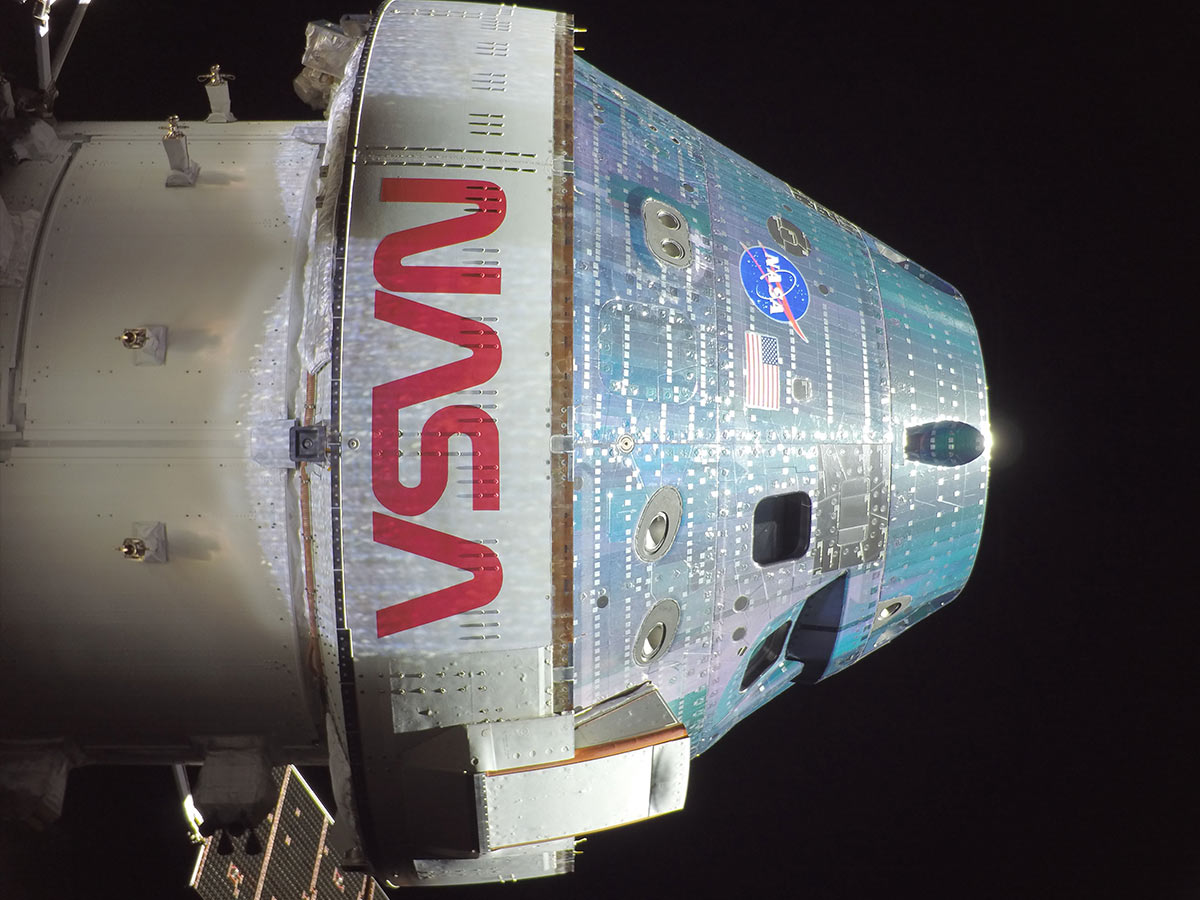
A high-resolution selfie of the Orion spacecraft was taken by a camera mounted on one of its solar array wings during a routine external inspection on the second day of NASA’s Artemis II mission, highlighting the sleek design of the crew’s deep-space vessel as it travels toward the Moon.
Working in Weightlessness
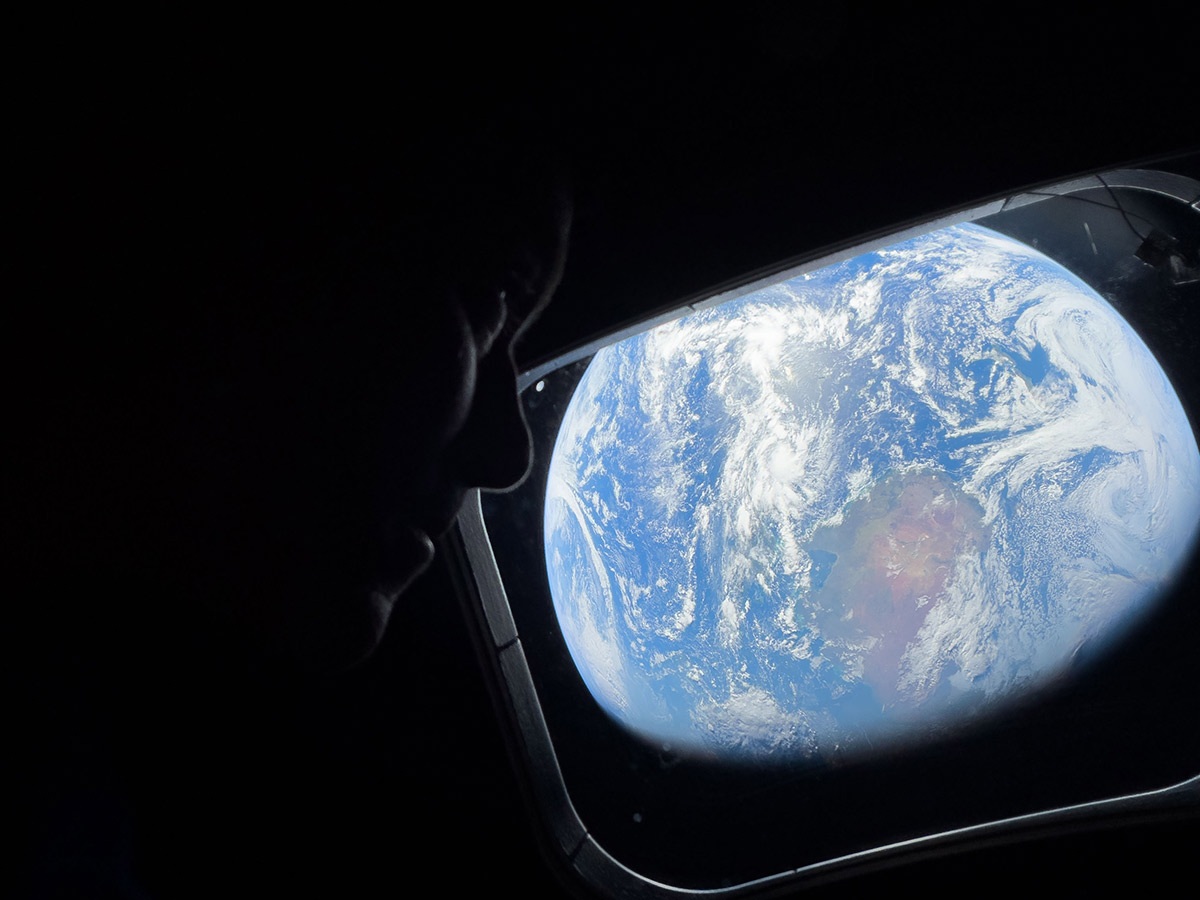
An astronaut aboard Orion conducts routine tasks while weightless, showcasing how crew members live and work inside the spacecraft during the mission.
Earth From Afar

A breathtaking view of Earth from space, its blue oceans and swirling clouds standing out against the darkness, captured during Artemis II’s journey around the Moon.