
Most Evil World Leaders of the Past 200 Years
The past 200 years have been a period of immense change and progress, but also devastating conflict and oppression. At the helm of some nations during this time stood leaders who inflicted horrific suffering on their own people and the world. These leaders stand out for their cruelty and the extraordinary methods they used to maintain power at a devastating human cost. Thankfully, only two men on the list are still currently leading governments today. Unfortunately, however, it means they are still causing problems when it comes to trying to maintain world peace.
Hissène Habré

- Nation: Chad
- In Power: 1982-1990
Hissène Habré was a Chadian politician and military leader who served as President of Chad from 1982 to 1990. The man was a brutal dictator, his era marked by widespread human rights abuses, including the torture and killing of tens of thousands of people. His regime’s most controversial actions include the violent suppression of ethnic groups and the establishment of a secret police force notorious for its cruelty. Habré lived in exile in Senegal for years before being convicted of crimes against humanity in a landmark trial in 2016, making him the first African leader to be prosecuted in another African country.
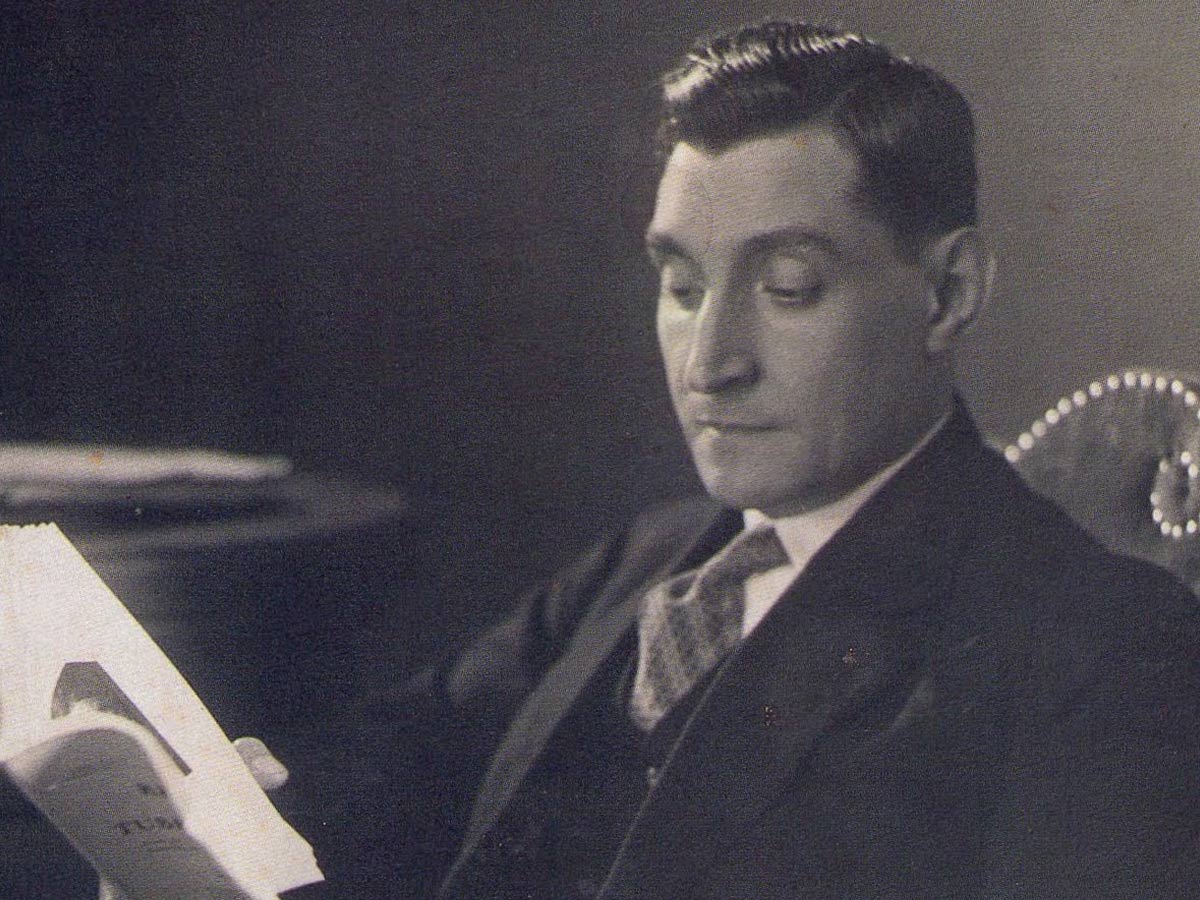
Antonio de Oliveira Salazar
- Nation: Portugal
- In Power: 1932-1968
From 1932 to 1968, Antonio Salazar was the dictator of Portugal, leading under a regime known as the Estado Novo. Under his authoritarian rule, Salazar established a police state and heavily suppressed political dissent. Salazar’s most controversial actions include his strict censorship, political imprisonment, and the continuation of colonial wars in Africa. He was a devout Catholic and a strict ascetic, reportedly living a frugal lifestyle and refusing many comforts, despite his long tenure in power.
Adolf Hitler
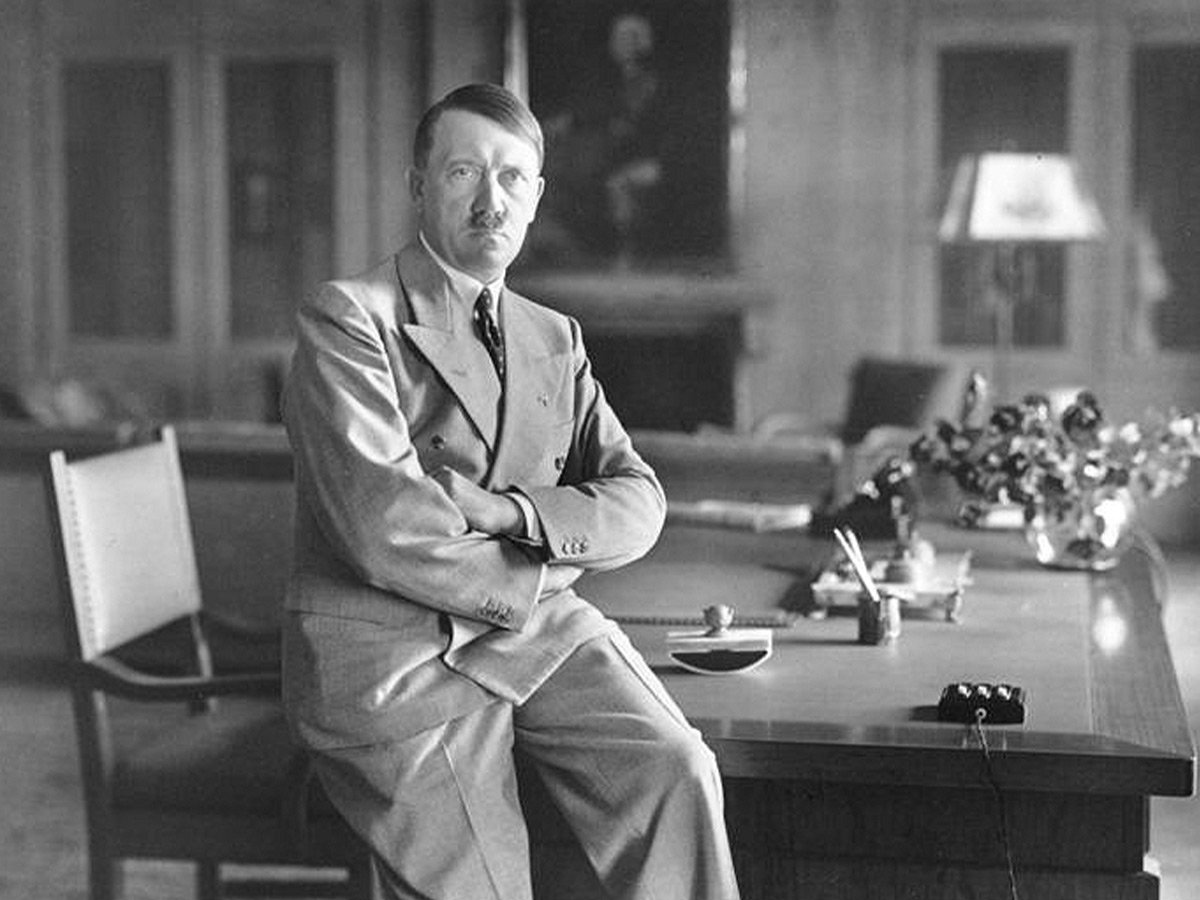
- Nation: Germany
- In Power: 1933-1945
Adolf Hitler was the leader of the National Socialist German Workers’ Party (Nazi Party). He continues to be widely criticized for orchestrating the Holocaust, which led to the genocide of six million Jews and millions of other victims during World War II. His aggressive expansionist policies and totalitarian regime plunged the world into a devastating conflict, resulting in immense human suffering and loss. As a young man, Hitler tried his hand at art and was a failure. He was twice rejected by the Academy of Fine Arts Vienna, rejection that some historians speculate may have influenced his later life and ideology.
Mengistu Haile Mariam
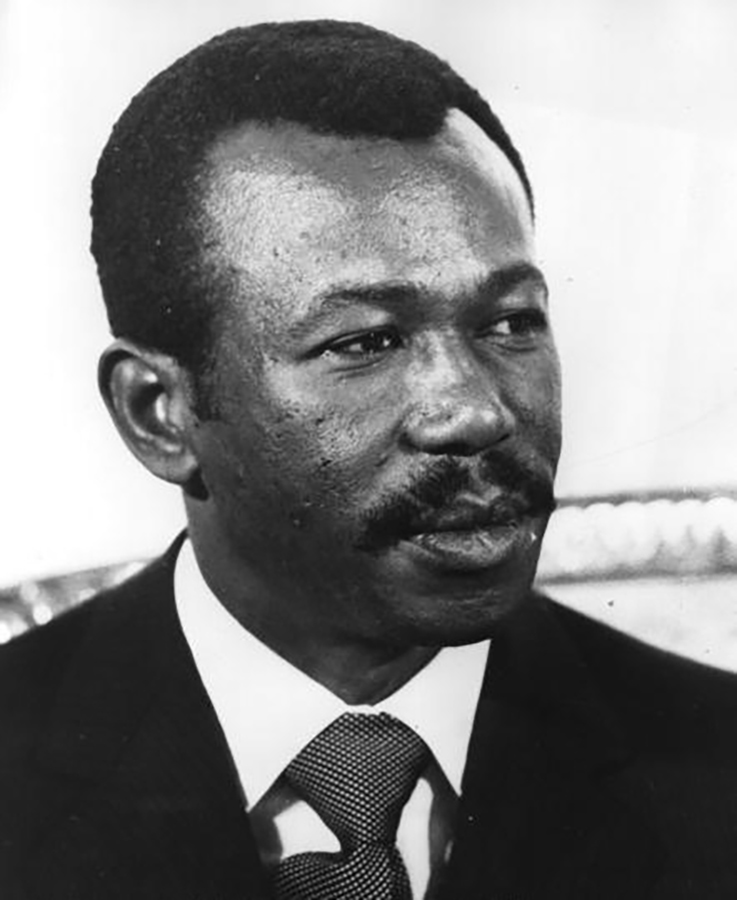
- Nation: Ethiopia
- In Power: 1977-1991
Mengistu Haile Mariam was the former Ethiopian head of state who has been widely criticized for his role in the Ethiopian Red Terror. This violent political repression campaign led to the deaths and disappearances of tens of thousands of people during his regime from 1977 to 1991. His government faced severe condemnation for human rights abuses and economic mismanagement, which contributed to widespread famine and suffering in Ethiopia. Ater fleeing Ethiopia in 1991, he was granted asylum in Zimbabwe, where he has lived in relative obscurity ever since.
Kim Jong-un
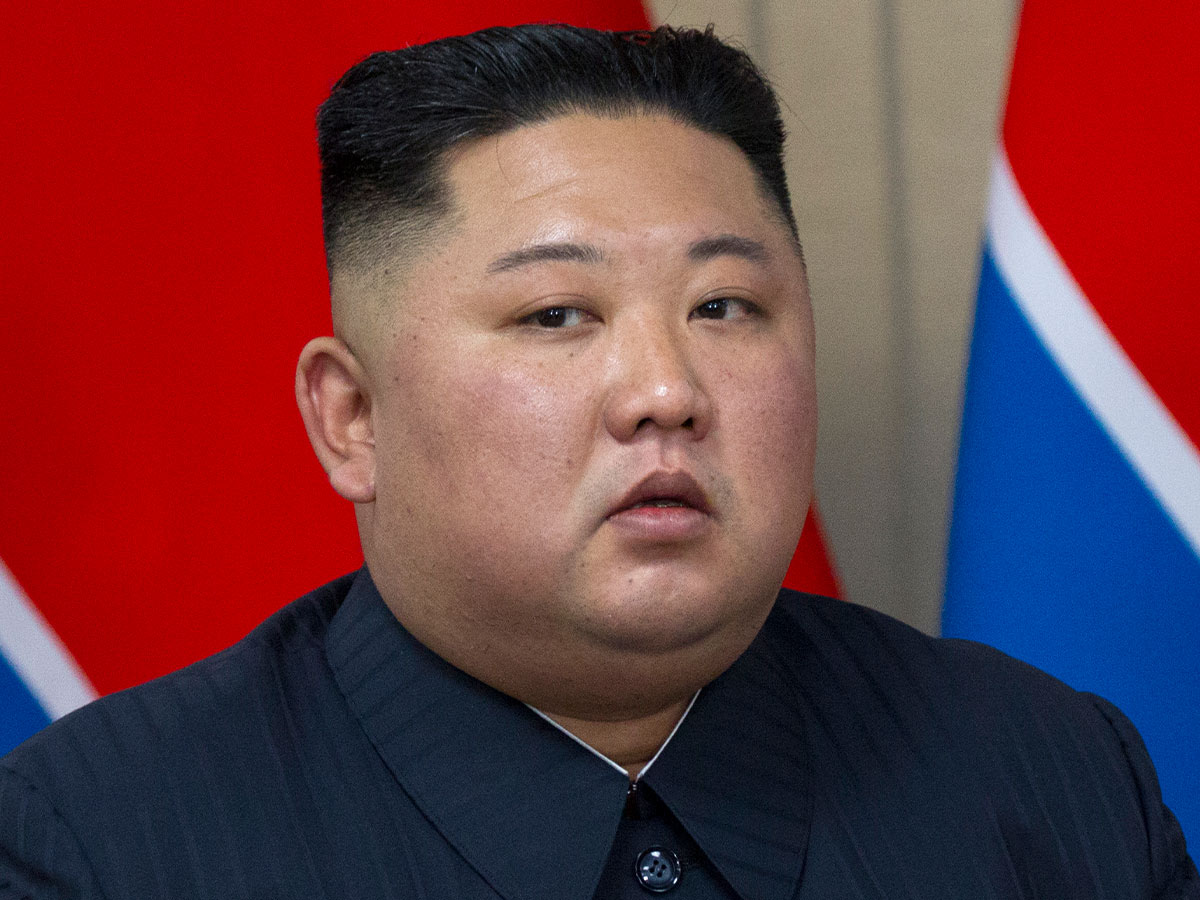
- Nation: North Korea
- In Power: 2011-present
Kim Jong-un, the leader of North Korea since 2011, is the third in his family to rule the country, following his father, Kim Jong-il, and grandfather, Kim Il-sung. He is known for his authoritarian regime, human rights abuses, and aggressive suppression of media and culture. His most controversial actions include numerous missile tests and the brutal purges of political rivals, including the execution of his own uncle. Kim Jong-un is allegedly fascinated with Western culture, specifically basketball. How Ironic.
Joseph Stalin
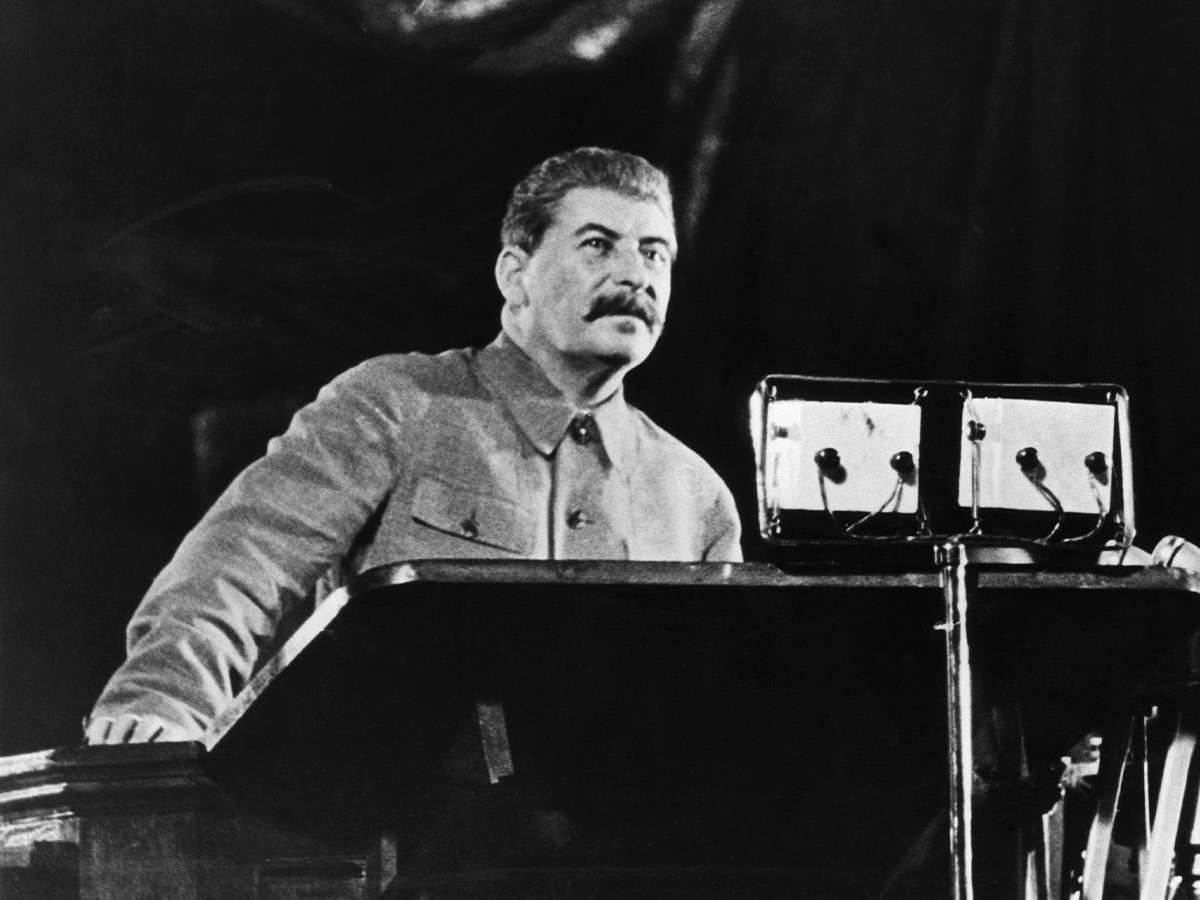
- Nation: Soviet Union
- In Power: 1924-1953
Joseph Stalin was the leader of the Soviet Union from the mid-1920s until his death in 1953. He has been widely criticized for his totalitarian rule, which included widespread purges, forced labor camps, and the Great Famine that resulted from his policies. His regime is often condemned for the severe repression and mass executions that characterized his time in power. Interestingly, Stalin was a nominee for the Nobel Peace Prize in 1945 and 1948, despite his notorious reputation.
Bashar al-Assad
- Nation: Syria
- In Power: 2000-present
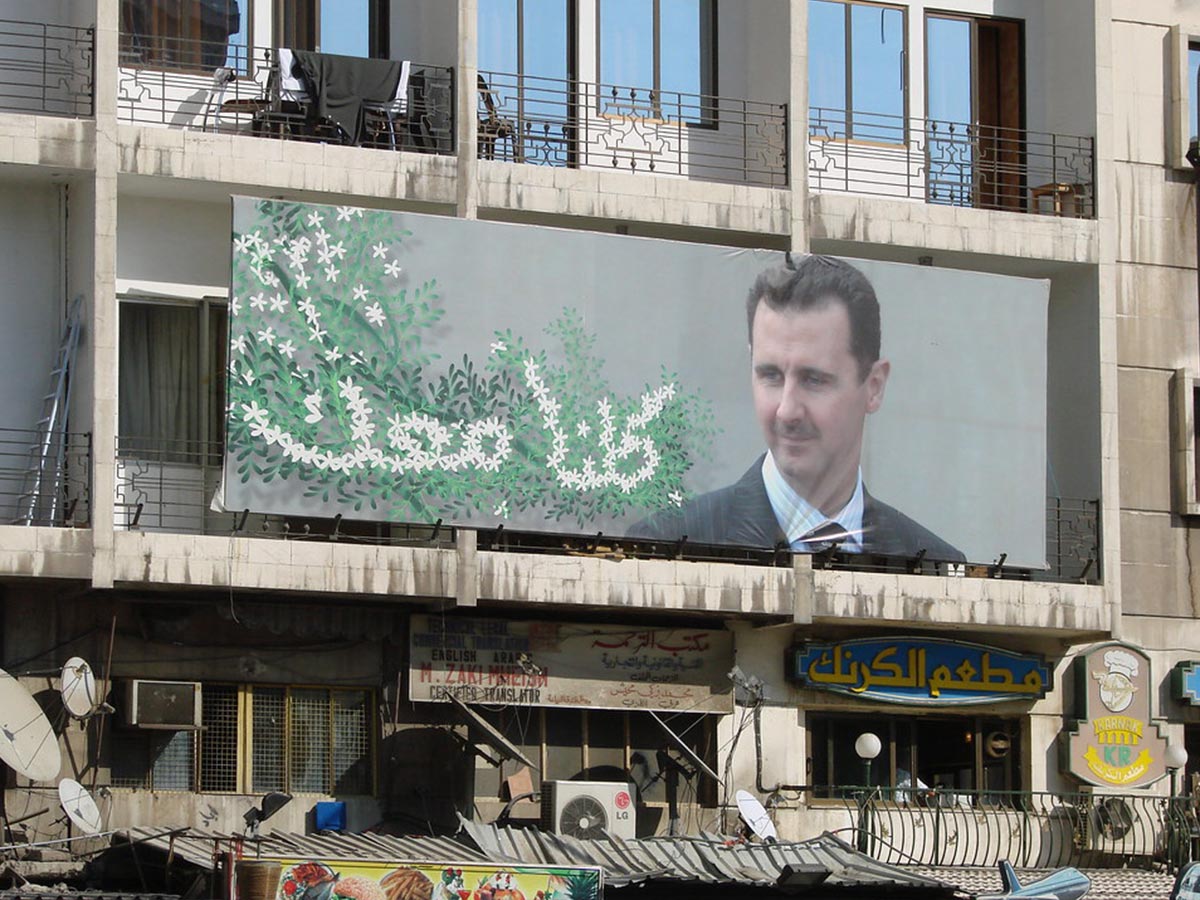
Bashar al-Assad has been the President of Syria since 2000. He has faced widespread international criticism (and from within his own country) for his government’s brutal crackdown on protesters and alleged human rights abuses during the Syrian Civil War. His leadership has been condemned for the use of chemical weapons against civilians and the severe humanitarian crisis that has ensued. Half of the Syrian population has been displaced since the civil war began in 2011. Over 5 million people are refugees outside the country, around 20% of the pre-war population. Assad was originally trained as an ophthalmologist in London before being thrust into politics following the death of his older brother, who was initially groomed to succeed their father.
Jean-Claude Duvalier
- Nation: Haiti
- In Power: 1971-1986
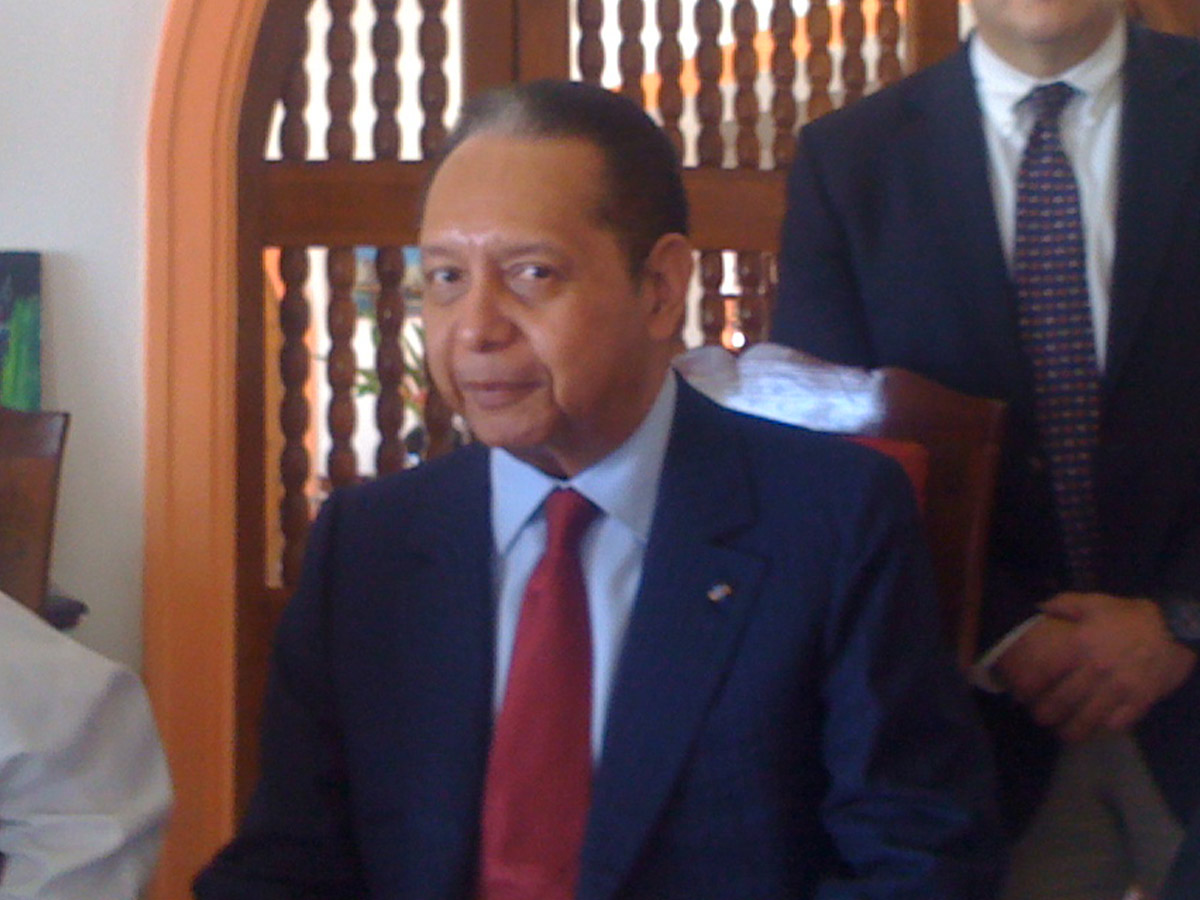
Jean-Claude Duvalier, known as “Baby Doc,” was the dictator of Haiti from 1971 to 1986, succeeding his father, François “Papa Doc” Duvalier. He continued his father’s brutal regime, marked by widespread human rights abuses, political repression, and corruption. His government embezzled millions from the nation, leading to shocking levels of poverty and suffering. When rebellion broke out in 1985, the dictator fled to France with the support of the United States. After two decades, Duvalier returned to Haiti, only to be immediately arrested for embezzlement. He died a year later. He gained international attention for being one of the world’s youngest heads of state, taking power at just 19 years old.
Pol Pot
- Nation: Cambodia
- In Power: 1975-1979
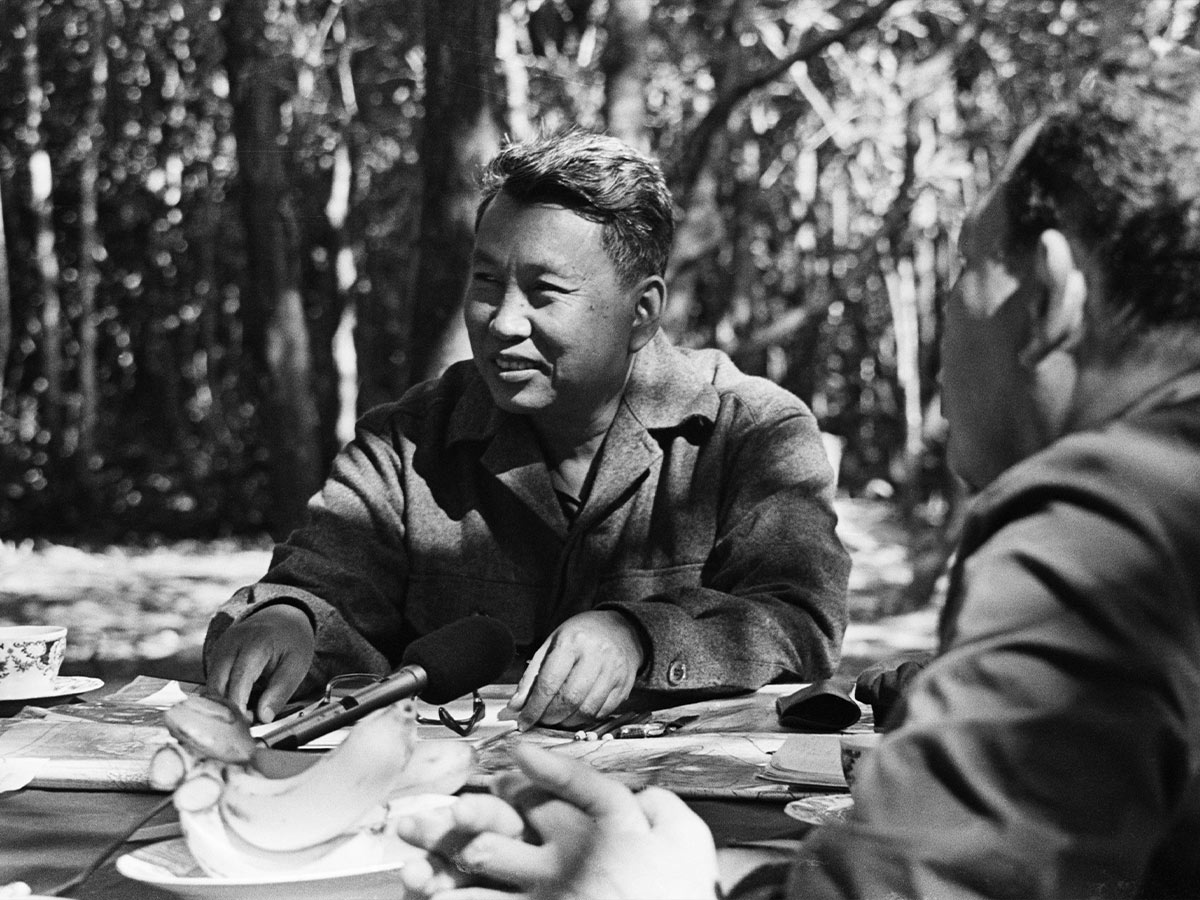
Pol Pot lead the Khmer Rouge. He is widely criticized for orchestrating the Cambodian genocide, which led to the deaths of an estimated 1.7 to 2 million people from 1975 to 1979. His regime was condemned for its brutal policies, including forced labor, mass executions, and severe restrictions on personal freedoms. Before becoming a revolutionary leader, Pol Pot was once a French literature teacher in his younger days.
Suharto

- Nation: Indonesia
- In Power: 1967-1998
Suharto was an Indonesian military leader who served as the country’s second president from 1967 to 1998. His rule is marked by widespread human rights abuses, including the mass killings of communists in the 1960s, and for his corrupt administration that increased his wealth by billions. His invasion of East Timor in 1975 resulted in decades of violence, adding to his villainous rap sheet. Despite his ruthless reputation, Suharto was known to enjoy a simple Javanese lifestyle, including a fondness for shadow puppetry.
Mao Zedong
- Nation: China
- In Power: 1949-1976
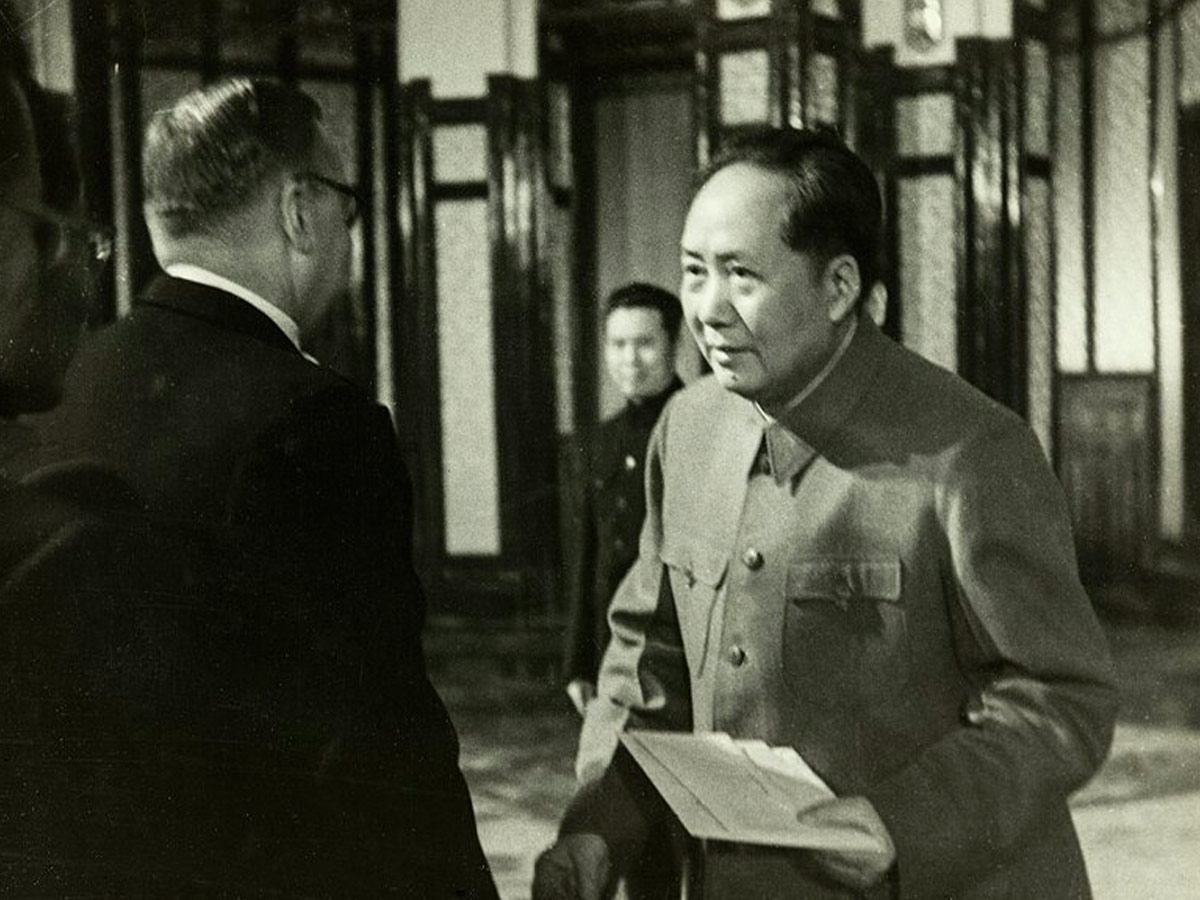
Mao Zedong is considered a founding father of the People’s Republic of China. Yet, he has been widely criticized for his role in the Great Leap Forward and the Cultural Revolution. Both of these led to widespread famine, persecution, and the deaths of millions. His leadership style has been described as authoritarian and his policies as disastrous for the Chinese economy and society. Not only are his politics studied in China, but his poetry and calligraphy are still studied and admired in China today.
Hugo Chávez
- Nation: Venezuela
- In Power: 1999-2013
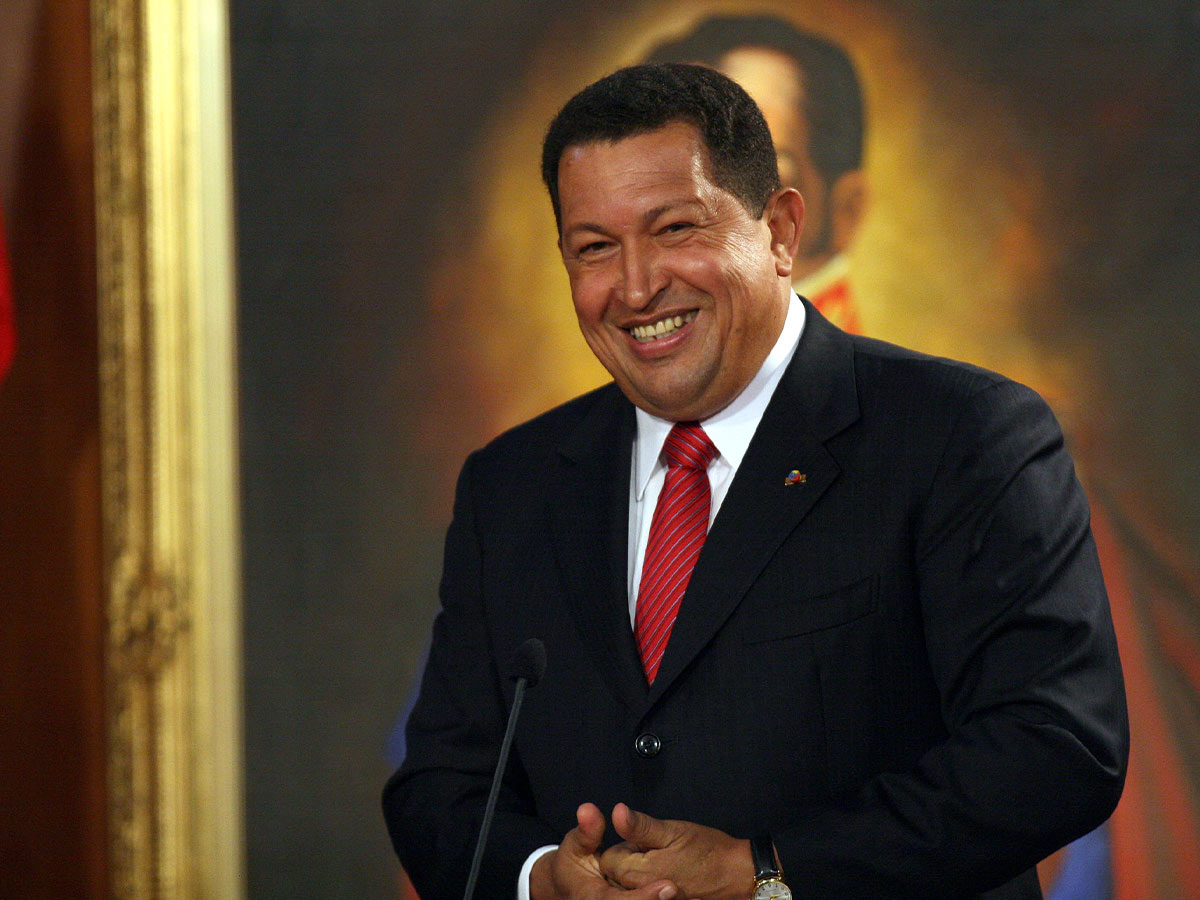
Hugo Chávez was the President of Venezuela from 1999 until his death in 2013. He is known for his socialist policies, called the “Bolivarian Revolution,” and his efforts to reduce poverty. Chávez is known for his authoritarian tactics, suppression of the media, and centralization of power. Throughout his rule, Chávez hosted a weekly television show called “Aló Presidente,” where he would address the country. Chavez would speak for hours on various topics, giving impromptu speeches or even singing.
Saddam Hussein
- Nation: Iraq
- In Power: 1979-2003
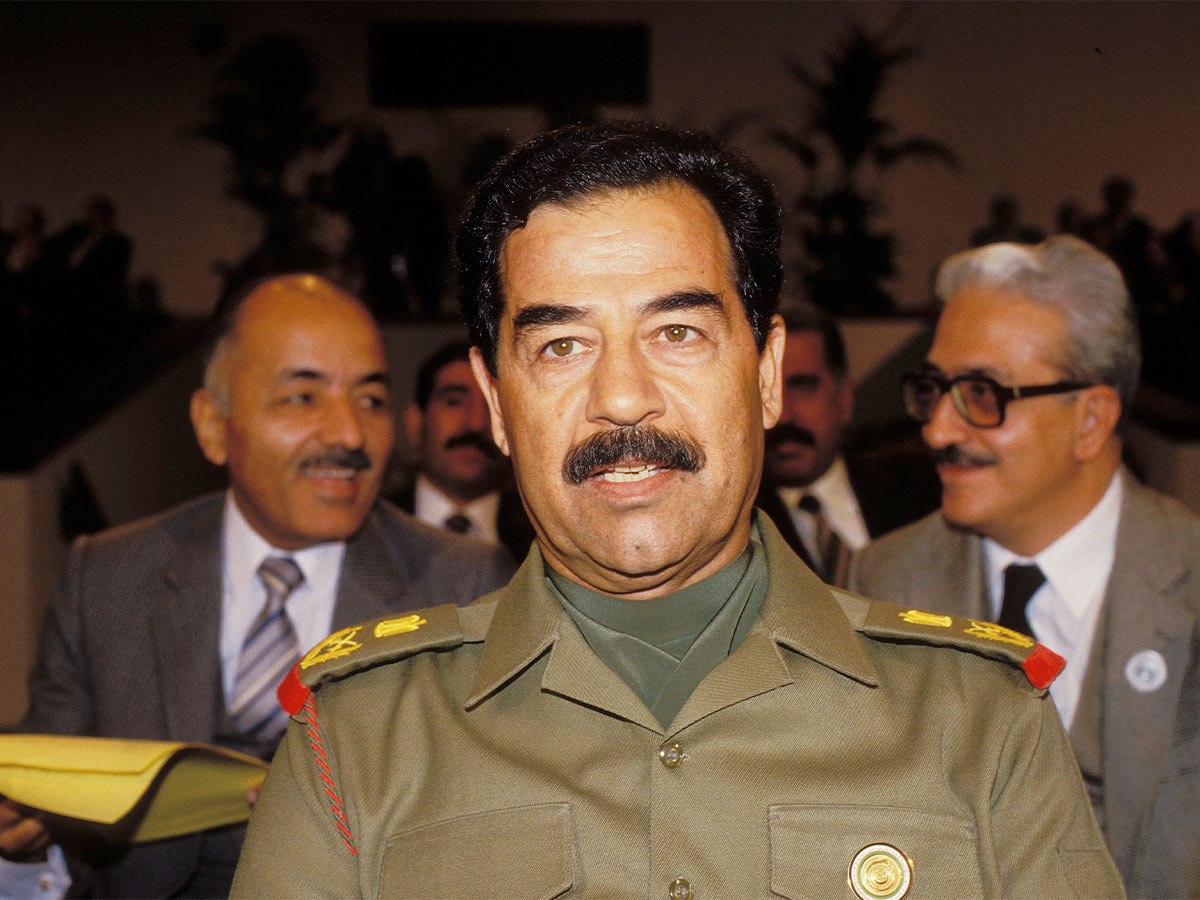
Saddam Hussein was the former President of Iraq who faced widespread criticism for his brutal regime. His government participated in severe human rights abuses, suppression of political dissent, and the use of chemical weapons against Kurdish civilians. His leadership was also marked by aggressive military actions, including the invasion of Kuwait in 1990. This led to the U.S.-involved Gulf War and subsequent international sanctions. Saddam Hussein also authored several novels and poems, often under pseudonyms, which were later used as propaganda tools by his regime.
Vladimir Putin

- Nation: Russia
- In Power: 1999-present
Vladimir Putin is only one of two world leaders on this list who is currently still in power. As President of Russia, he has faced significant criticism for his authoritarian style of governance, including crackdowns on political dissent and media freedom. His foreign policies, particularly the annexation of Crimea in 2014, military involvement in Syria, and ongoing invasion of Ukraine since 2022 have all drawn widespread international condemnation. Interestingly, Putin also holds a black belt in judo and has co-authored a book on the sport titled Judo: History, Theory, Practice.
Idi Amin
- Nation: Uganda
- In Power: 1971-1979
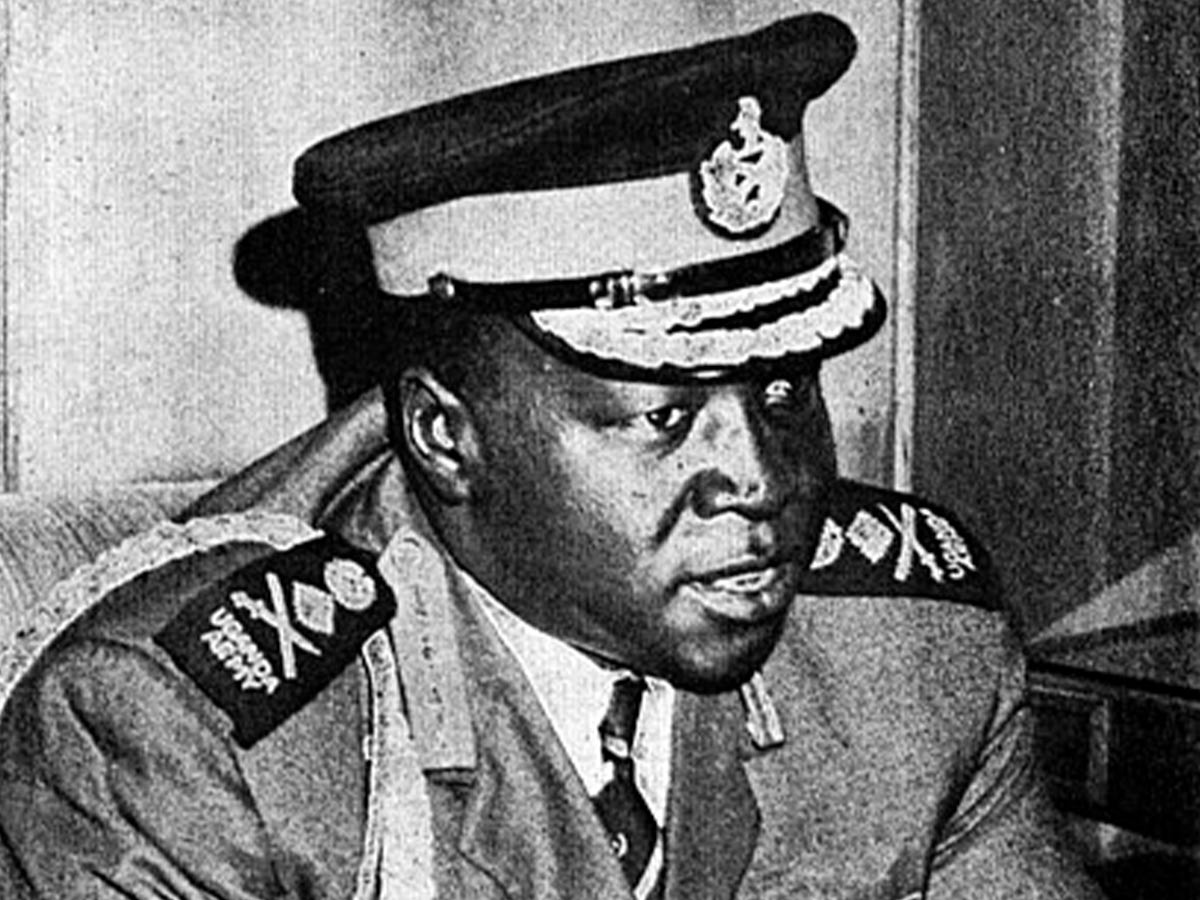
Idi Amin was a Ugandan military officer who seized power in a 1971 coup. He is now widely known for the criticism of his brutal regime, which was marked by gross human rights abuses, economic mismanagement, and the expulsion of Asian minorities. His rule, which lasted until 1979, is estimated to have resulted in the deaths of up to half a million people. During one unusual instance, Amin declared himself the “Conqueror of the British Empire” in a bizarre attempt to mock the former colonial power.
Mobutu Sese Seko

- Nation: what became the Democratic Republic of the Congo (then Zaire)
- In Power: 1965-1997
From 1965 to 1997, Mobutu Sese Seko was the authoritarian ruler of Zaire (now the Democratic Republic of the Congo). He seized power in a military coup and maintained control through a mix of repression, patronage, and manipulation of ethnic tensions. Mobutu is well known for his extreme corruption, personal enrichment, and brutal human rights abuses. He amassed a vast personal fortune while the country suffered severe economic decline. Mobutu had a penchant for wearing a leopard-skin hat, which became a symbol of his extravagant rule.
Benito Mussolini

- Nation: Italy
- In Power: 1922-1943
Benito Mussolini was the fascist dictator of Italy from 1922 to 1943. He faced significant criticism for his oppressive regime, aggressive expansionist policies, and alliance with Nazi Germany, which pulled Italy into World War II. His rule was marked by the suppression of political dissent, censorship, and the implementation of totalitarian control. This ultimately resulted in widespread suffering and economic hardship for the Italian people. Mussolini initially started his political career as a socialist journalist before dramatically shifting to fascism, a stark contrast to his early ideological beliefs.
Francisco Franco
- Nation: Spain
- In Power: 1939-1975
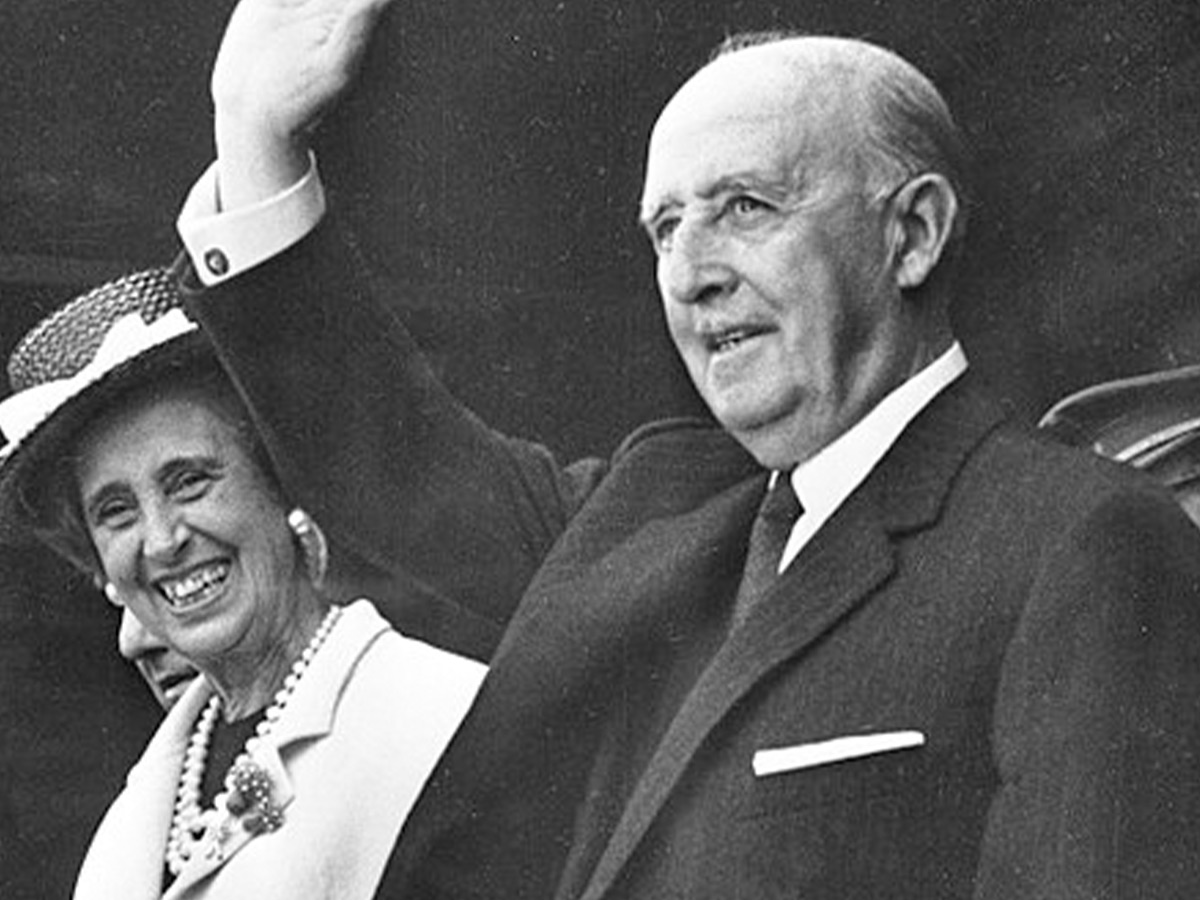
Francisco Franco, the Spanish military general who ruled Spain as a dictator from 1939 until his death in 1975, has been widely criticized for his authoritarian regime. He suppressed political dissent and curtailed civil liberties. His leadership was marked by severe human rights abuses, including the execution and imprisonment of thousands of political opponents. During his lifetime, Franco was an avid stamp collector. It seems that people contain multitudes…
Augusto Pinochet
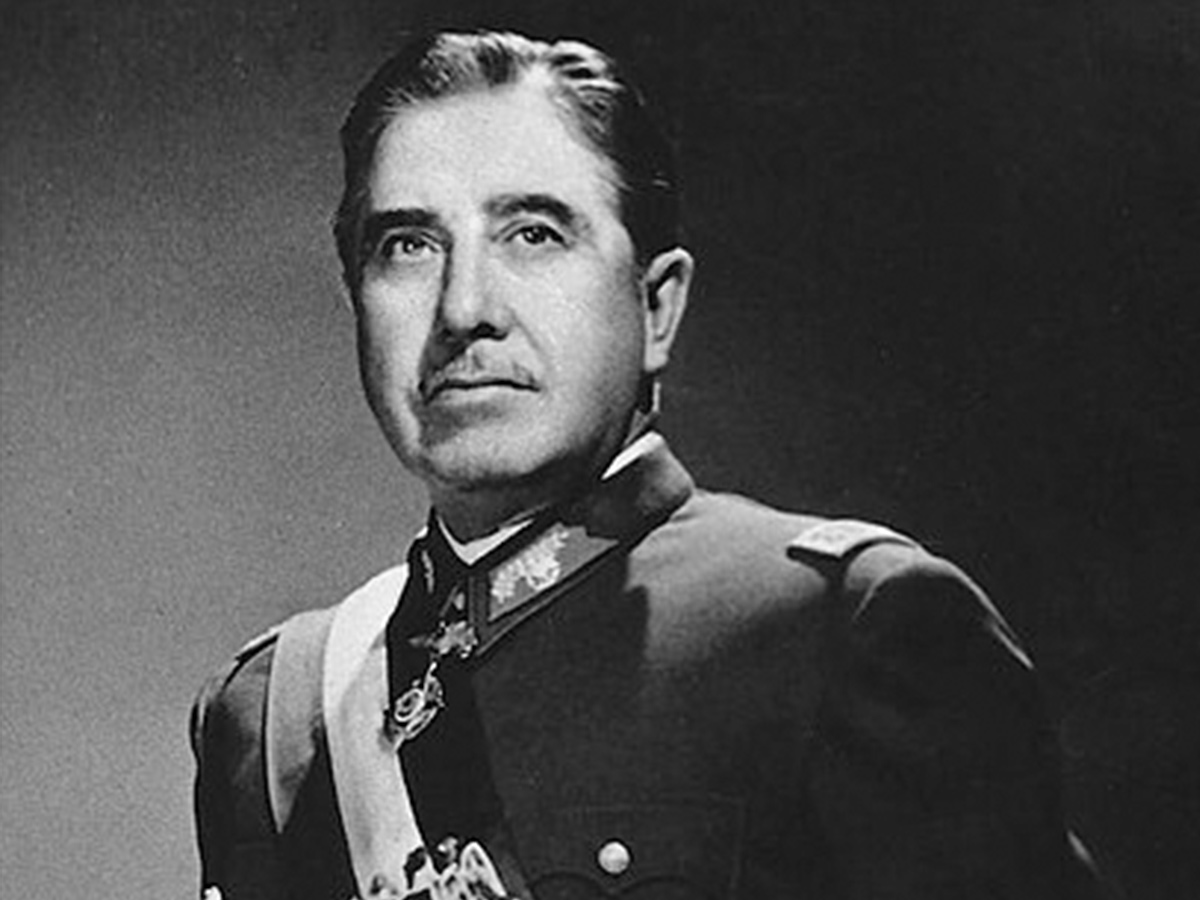
- Nation: Chile
- In Power: 1973-1990
Augusto Pinochet was a Chilean military leader who ruled as a dictator from 1973 to 1990. His regime was known for human rights abuses, including the torture, disappearance, and execution of thousands of political opponents. His economic policies, while credited with modernizing Chile’s economy, were also criticized for increasing inequality and poverty among lower economic classes. In London in 1998, Pinochet was arrested on a Spanish warrant for human rights violations. This marked one of the first times a former head of state was detained under the principle of universal jurisdiction.
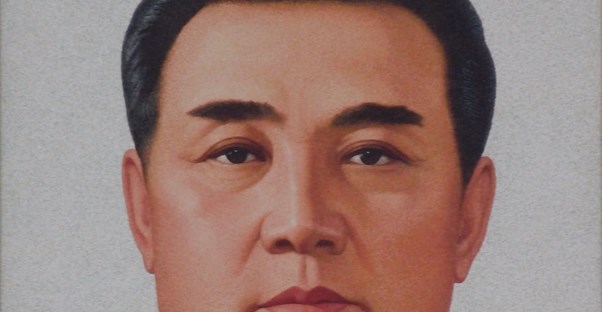
Kim Il Sung
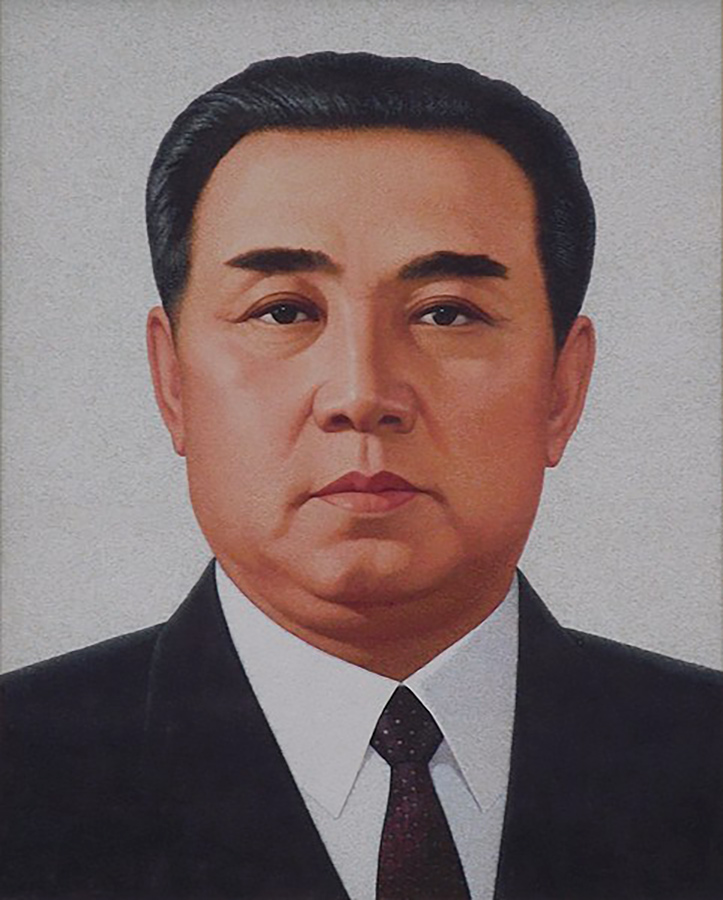
- Nation: North Korea
- In Power: 1948-1994
Kim Il Sung was the founding leader of North Korea. He has been widely criticized for establishing a totalitarian regime characterized by severe human rights abuses and a pervasive cult of personality. His policies led to widespread famine and economic hardship, drawing condemnation from the international community. His son, Kim Jong Il, took over after Kim Il Sung’s death in 1994. Jong Il lead the country until his own death at the end of 2011. Since then, Jong Il’s son and Il Sung’s grandson Kim Jong Un has lead the country. North Korea has been run by the Kim family for over 75 years.
Nicolae Ceausescu
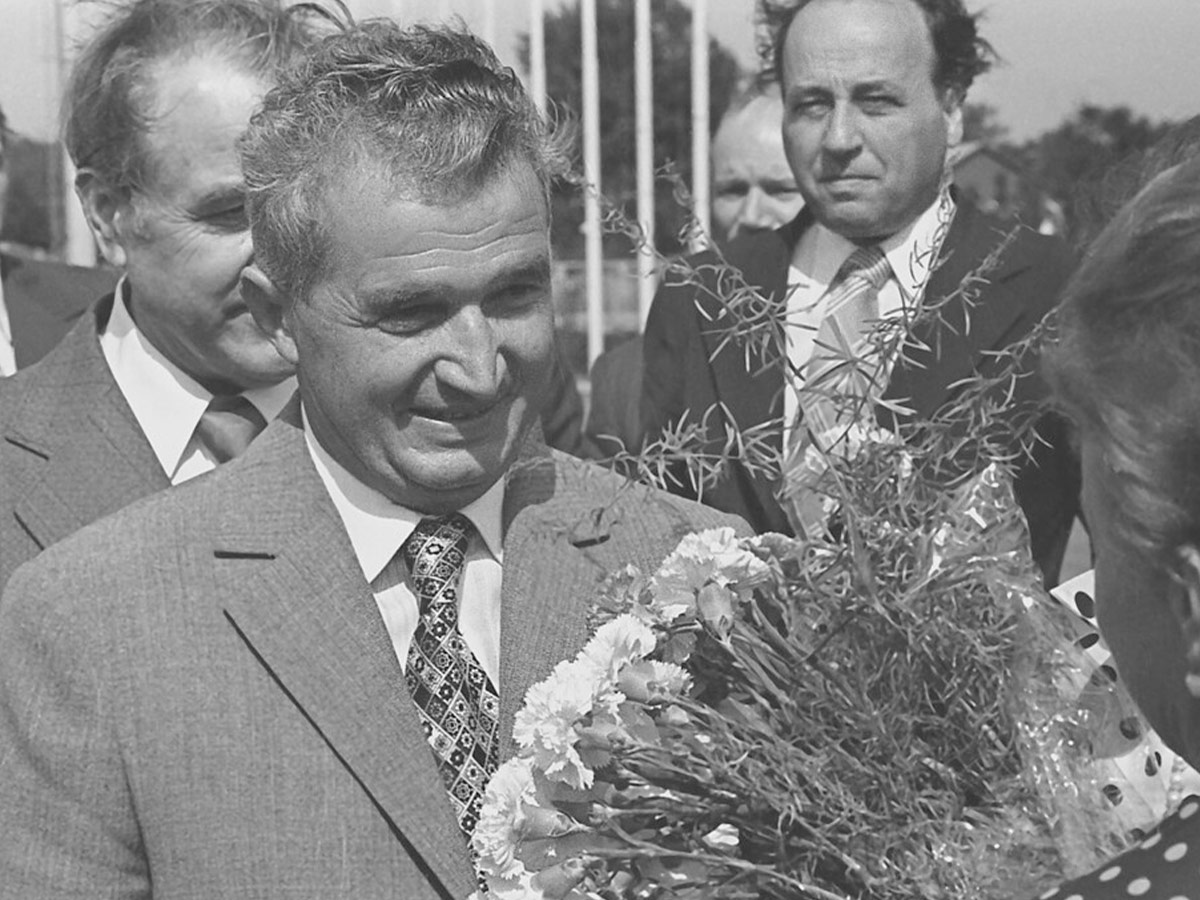
- Nation: Romania
- In Power: 1965-1989
Nicolae Ceausescu was General Secretary of the Romanian Communist Party from 1965 to 1989. He faced severe criticism for his oppressive regime, which included widespread human rights abuses, censorship, and a brutal secret police force. His economic policies led to severe shortages and a decline in living standards, culminating in widespread public discontent and his eventual overthrow and execution in 1989. While in power, Ceausescu mandated the construction of the Palace of the Parliament in Bucharest. It is the heaviest building in the world and the second largest administrative building after the Pentagon. It is the most expensive administrative building in the world, valued at over €4 billion.
Muammar Gaddafi

- Nation: Libya
- In Power: 1969-2011
Muammar Gaddafi, the Libyan revolutionary and political leader, faced widespread criticism for his authoritarian rule. Human rights abuses and the suppression of political dissent during his 42-year tenure were commonplace occurances. His regime was also accused of sponsoring international terrorism and destabilizing neighboring countries. Gaddafi once proposed the creation of a “United States of Africa” with a single government and currency.
Robert Mugabe
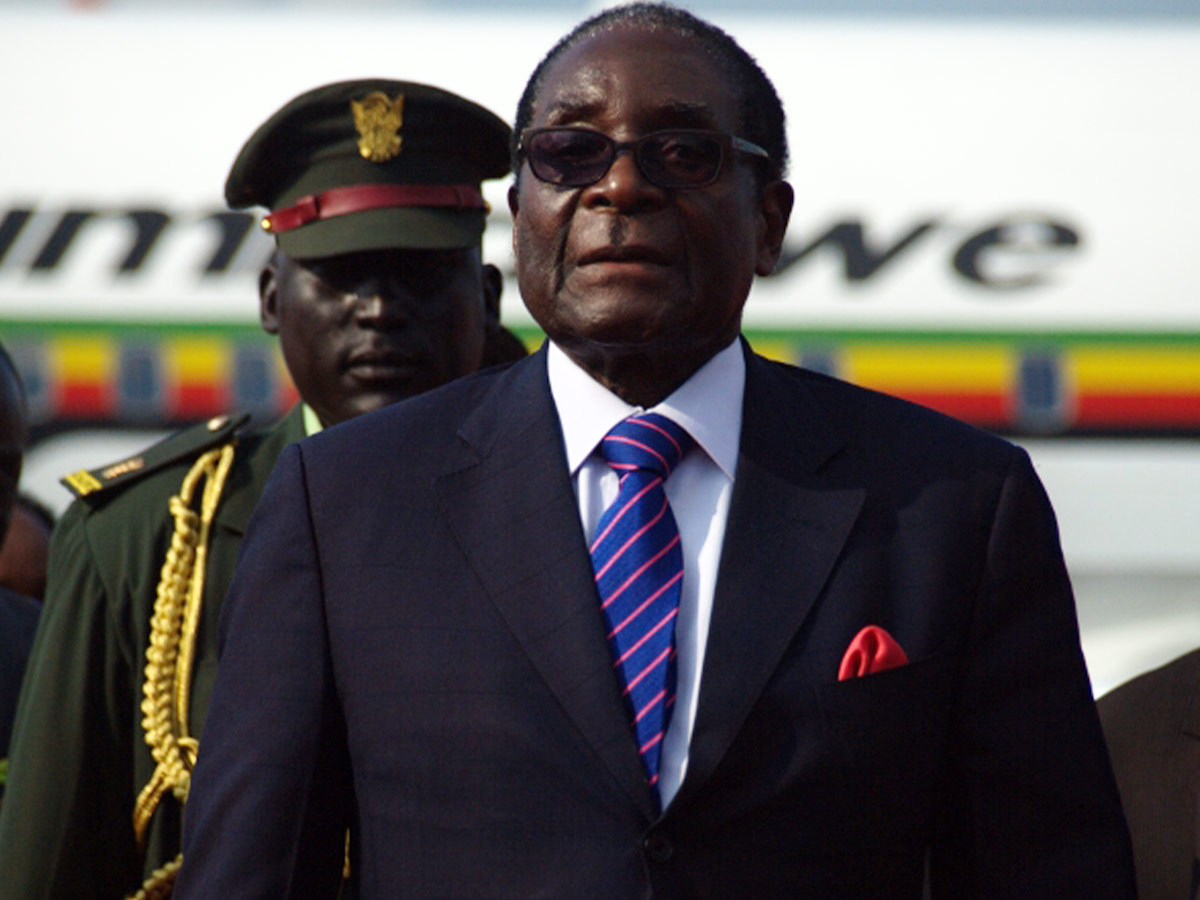
- Nation: Zimbabwe
- In Power: 1980-2017
Robert Mugabe was the former President of Zimbabwe. He was known worldwide for his authoritarian rule, economic mismanagement, and human rights abuses during his 37-year rule over Zimbabwe. This led to severe economic decline and social unrest in the country. Under his watch, the country experienced one of the most severe cases of hyperinflation in modern history. In 2008, the rate was estimated to be around 79,600,000,000%. (That’s not a typo!). $1 USD was equivalent to 2.6 billion Zimbabwean dollars. Mugabe held seven academic degrees, including a law degree from the University of London, which he earned while imprisoned from 1964-1975.
Leopold II of Belgium
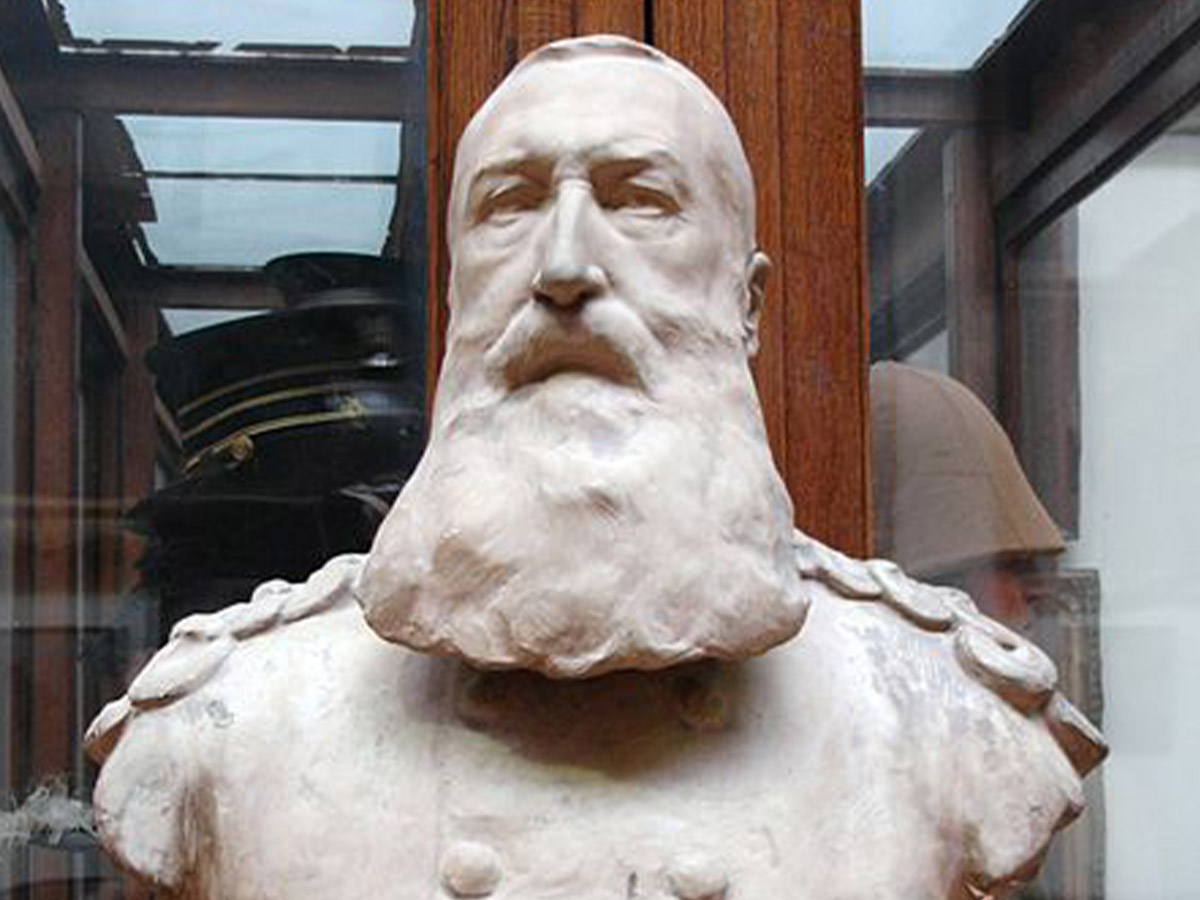
- Nation: what became the Democratic Republic of the Congo (then Belgium)
- In Power: 1865-1909
Leopold II of Belgium reigned from 1865 to 1909. He faced severe criticism for his brutal exploitation and atrocities in the Congo Free State (which would go on to become the modern-day Democratic Republic of the Congo.) During his reign, millions of Congolese people suffered under his regime. His administration’s ruthless extraction of resources, particularly rubber, led to widespread human rights abuses including forced labor, mutilations, and mass killings. An unusual fact about Leopold II is that despite his notorious legacy in the Congo, he was also known for his extensive urban development projects in Belgium, including the construction of grand public buildings and monuments in Brussels.
Enver Pasha
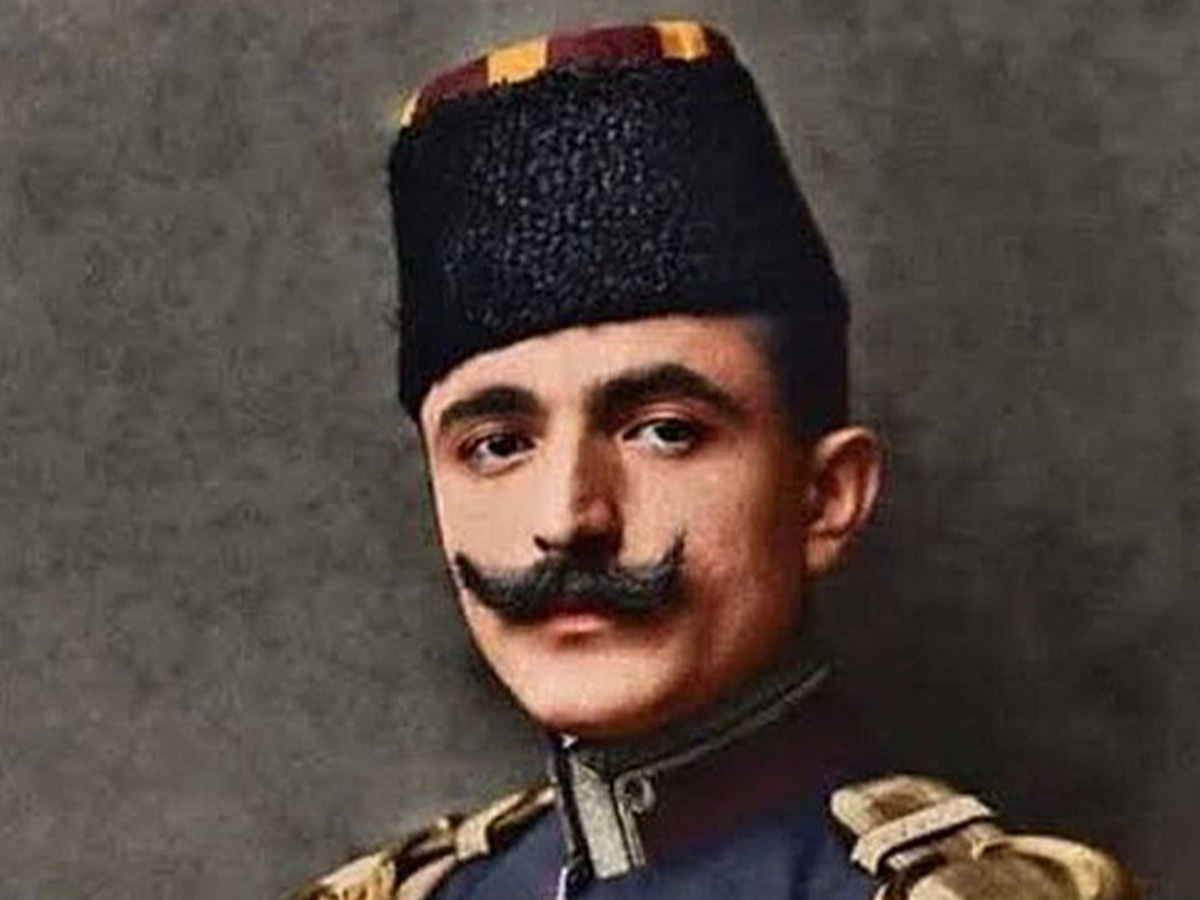
- Nation: what became Turkiye (then the Ottoman Empire)
- In Power: 1913-1922
Enver Pasha was an Ottoman military officer and a leader of the Young Turk Revolution who has been widely criticized for his role in the Armenian Genocide. Born Ismail Enver, he was part of the Three Pashas, an dictorial trio who led the Ottoman Empire after the 1913 coup d’état. He also led disastrous military campaigns during World War I that led to significant Ottoman losses. His aggressive policies and strategic miscalculations are often blamed for hastening the decline of the Ottoman Empire. An intriguing fact about Enver Pasha is that after fleeing the Ottoman Empire, he attempted to lead a Pan-Turkic rebellion in Central Asia, where he was ultimately killed in 1922.
Joseph Kony
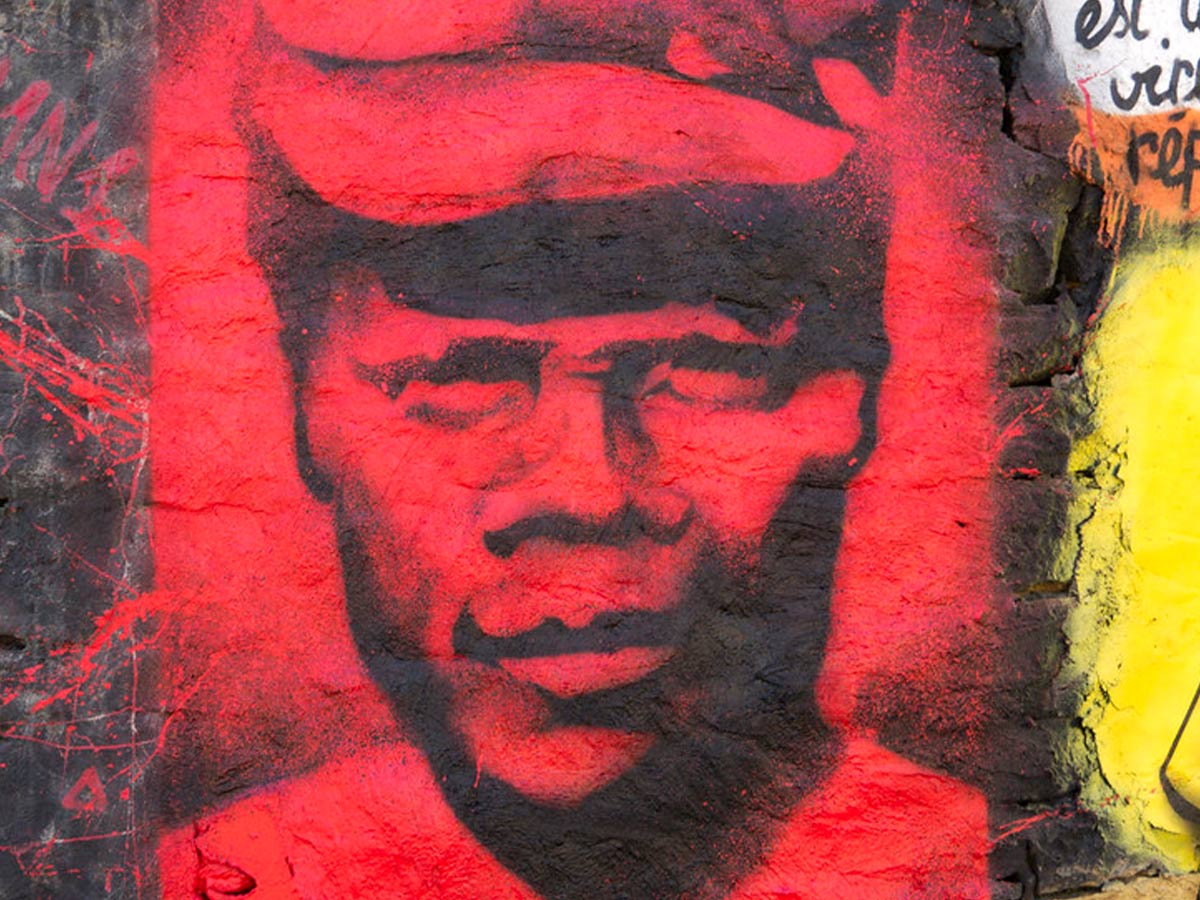
- Nation: Uganda (leads an extremist organization fighting against the Ugandan government)
- In Power: 1987-present
Joseph Kony is the leader of the Lord’s Resistance Army (LRA), a militant extremist organization widely deemed a terrorist group by governments and United Nations Peacekeepers. Kony has been widely criticized for his brutal tactics, including the abduction of children to serve as soldiers and slaves. His campaign of terror across Uganda and neighboring countries has led to numerous human rights violations and a warrant for his arrest by the International Criminal Court. At the height of his conflict with the Ugandan government, in the early 2010s Kony had a force of around 3,000 soldiers. By 2017, U.S. and Ugandan military forces had effetively neutralized the LRA threat and ended their hunt for Kony, whose force was estimated to be only around 100 soldiers by that point. He is assumed to be in hiding in the Darfur region of Sudan.
Slobodan Milosevic
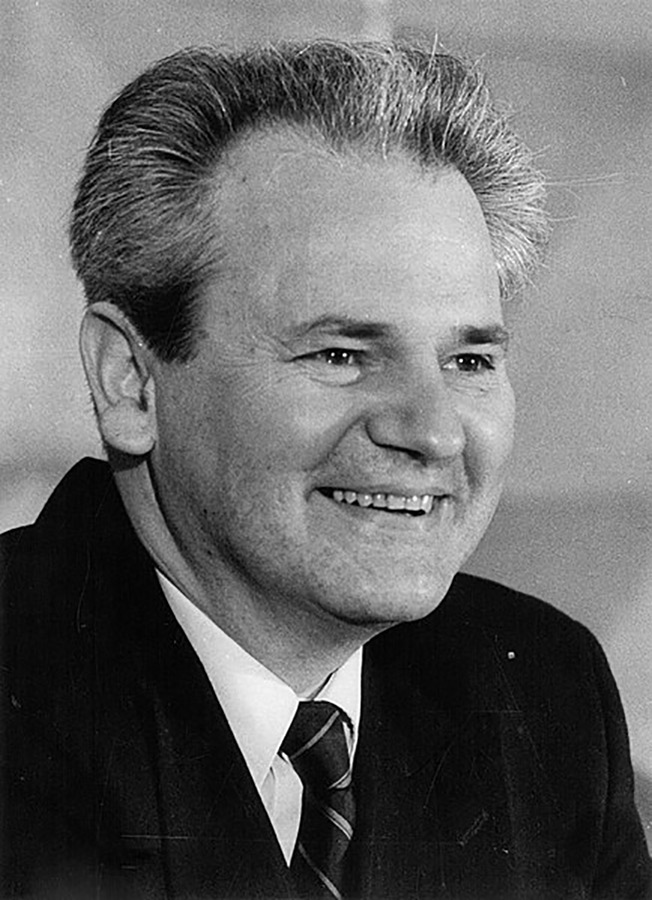
- Nation: what became the two countries of Serbia and Montenegro (then the Federal Republic of Yugoslavia)
- In Power: 1989-2000
Slobodan Milosevic was the former President of Serbia and later the Federal Republic of Yugoslavia. He faced significant criticism for his role in the Yugoslav Wars of the 1990s and ethnic cleansing campaigns. This led to his indictment for war crimes and crimes against humanity by the International Criminal Tribunal for the former Yugoslavia (ICTY). His authoritarian rule and nationalist policies were also blamed for exacerbating ethnic tensions and contributing to the breakup of Yugoslavia. He was the first sitting head of state to be charged with war crimes.
Ferdinand Marcos

- Nation: Philipines
- In Power: 1965-1986
Ferdinand Marcos was a Filipino politician who served as the 10th President of the Philippines from 1965 to 1986. He is widely criticized for his authoritarian rule, which included the declaration of Martial Law in 1972, leading to widespread human rights abuses, suppression of the press, and corruption. His regime is notorious for embezzling billions of dollars from the country. Strangely, Marcos claimed to have been a decorated World War II hero, but this was later debunked as a fabrication.
Enver Hoxha
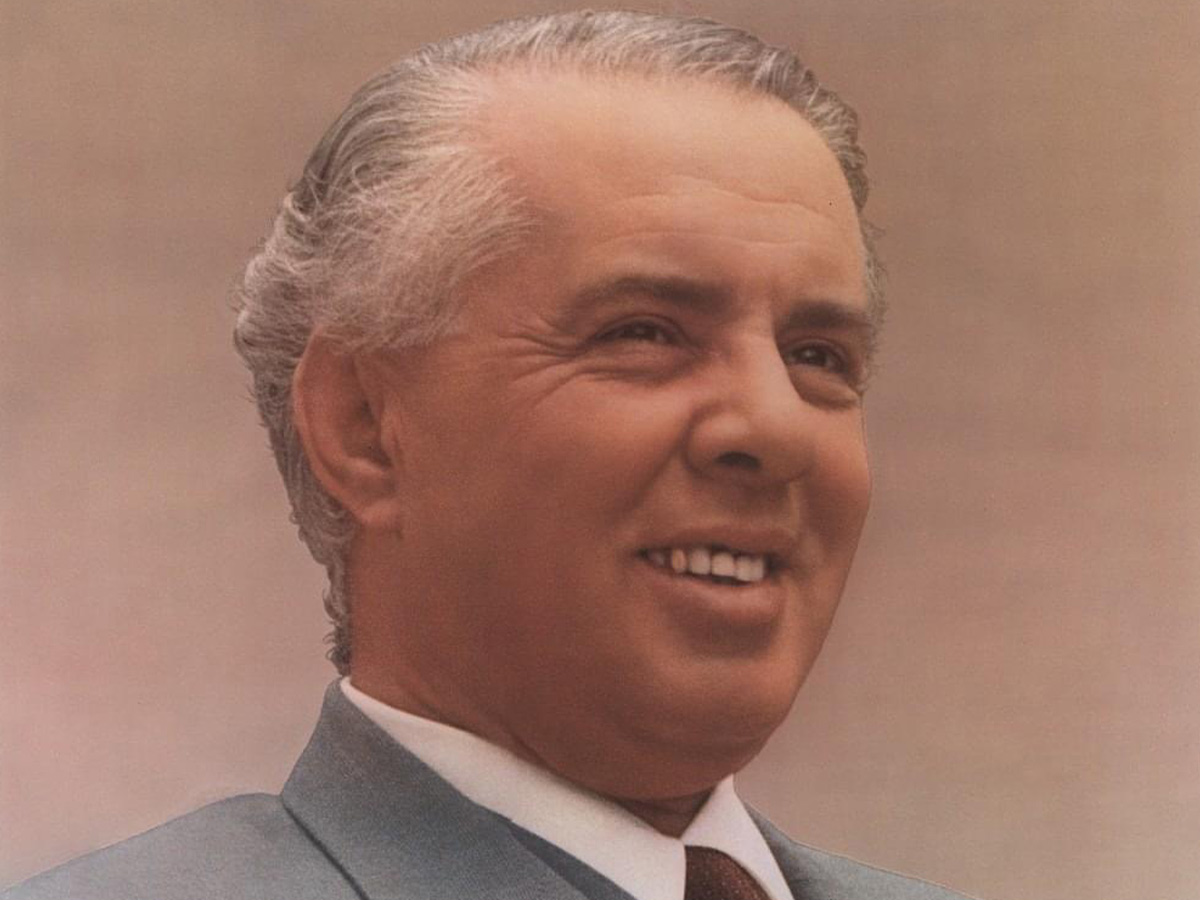
- Nation: Albania
- In Power: 1944-1985
Enver Hoxha was the communist leader of Albania from 1944 until his death in 1985. He established one of the most repressive and isolationist regimes in Europe, turning Albania into a Stalinist state. Hoxha is widely criticized for his extreme policies, including purges and suppression of dissent. Paranoid about potential invasions, the leader ordered the construction of tens of thousands of concrete bunkers across the country. His most controversial actions included breaking ties with both the Soviet Union and China, which isolated Albania even further. He banned religion entirely, declaring Albania the world’s first atheist state. These policies prevented Mother Teresa from visiting her mother and sister before their deaths, claiming that the infamous Catholic nun was a dangerous agent of the Vatican.
Ho Chi Minh
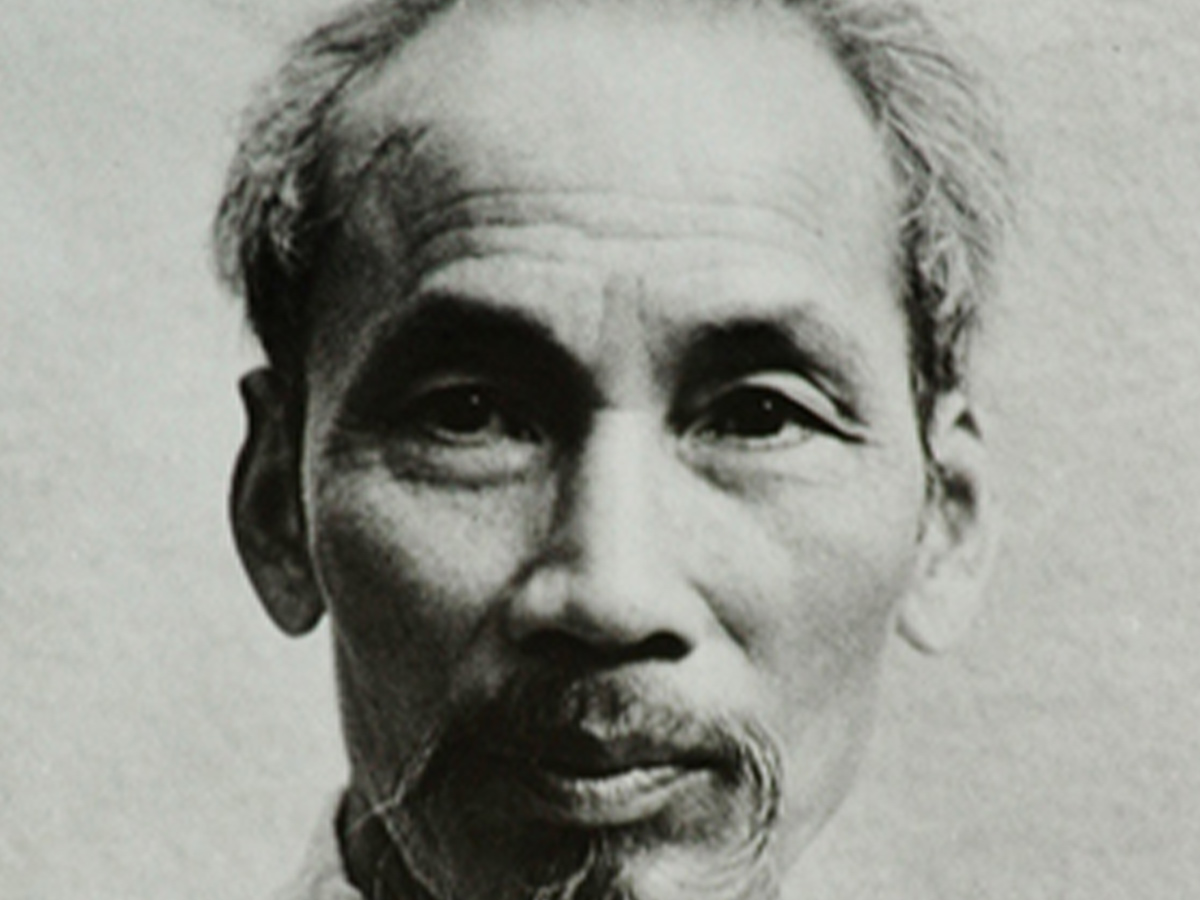
- Nation: Vietnam
- In Power: 1945-1969
Ho Chi Minh was a key leader in Vietnam’s struggle for independence and the founder of the Democratic Republic of Vietnam. He led the Viet Minh against French colonial rule and later the North Vietnamese government during the Vietnam War. His legacy is controversial, with some admiring him for liberating Vietnam and others condemning him for the violent and repressive tactics utilized during the conflict. Ho Chi Minh spent years abroad in France and the United States, working in diverse jobs and living under different aliases before returning to Vietnam to lead the revolution.