
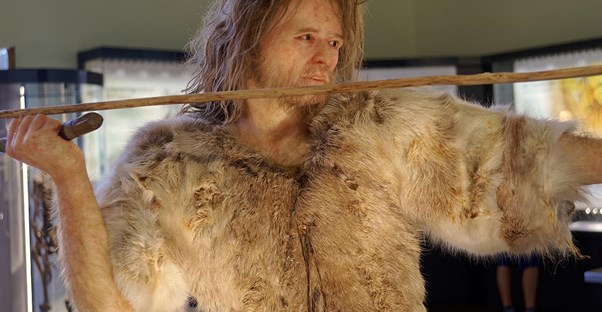

Interesting Facts About Evolution and Early Humans
The history of man is one that continues to capture our interest. Even though our modern world is full of technology and global connections, we all come from the same intriguing origins. But how much do you actually know about your ancestors?
From reasons behind common bodily experiences like goosebumps and morning sickness to discoveries from skulls and fossils, these are some of the most interesting facts about the evolution of humans. Get ready to learn a thing or two!
Humans Came From a Single Woman
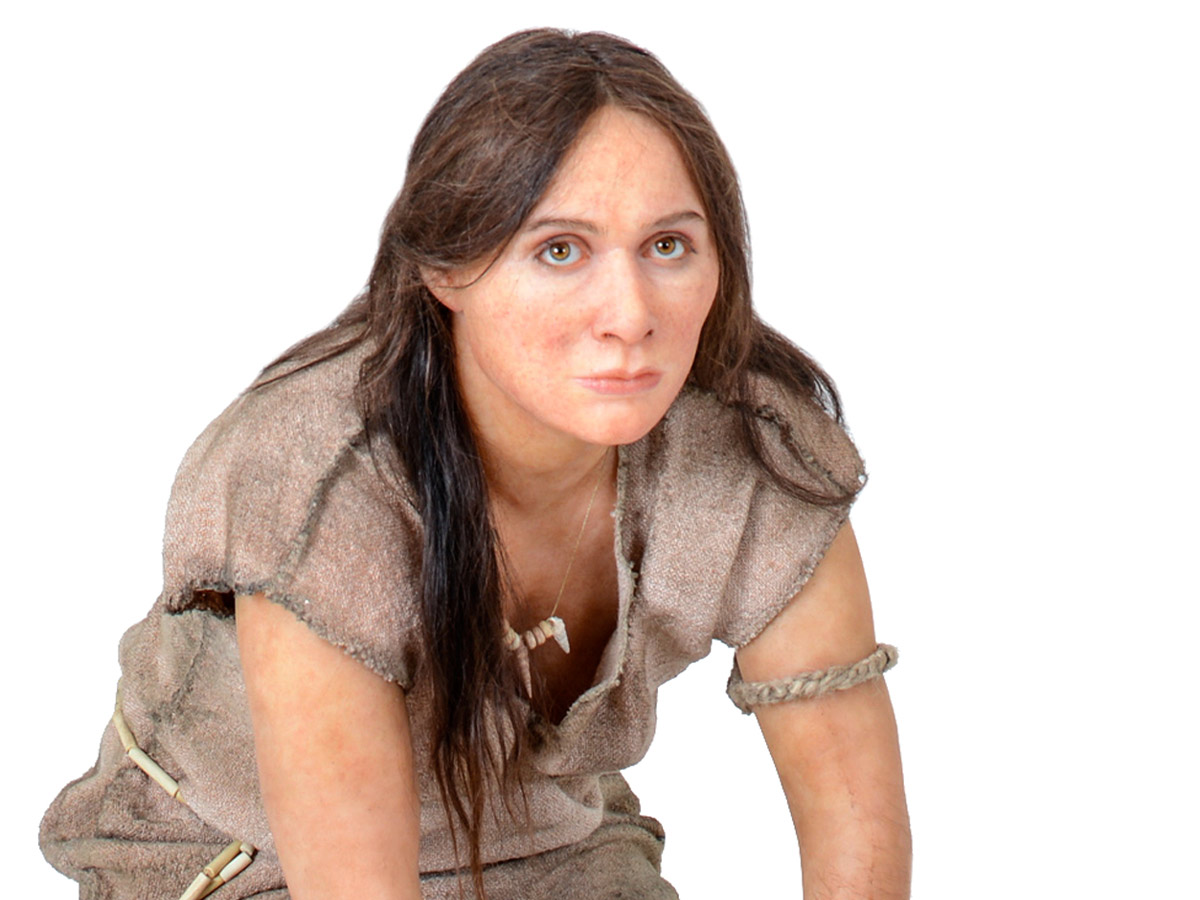
One scientific theory believes that all Homo sapiens have descended in an unbroken line from a single woman who originated in East Africa. This theory calls this woman Mitochondrial Eve and dates her back to somewhere between 200,000 to 150,000 years ago.
Mitochondrial Eve is not the only woman alive at her time, but her mtDNA is the only one that has been passed down continuously to the present day through female descendants. Thanks to her, scientists have been able to trace human evolution, migration patterns, and genetic ancestry. Now, that’s a pretty influential woman.
Diet Change Helped Survival

The ability to eat a variety of things allowed ancient humans to survive longer than those with simplistic diets. For example, Neanderthals relied on a diet made mostly of meat, which left them susceptible to hunger when the Ice Age destroyed animal populations.
On the other hand, HomoSapiens adapted to a varied diet that consisted of both animals and plants, even eating nuts and seeds. Not only did the diversity in their food sources allow them to survive habitat changes, but they also received more essential nutrients for their development.
Slow Metabolism Makes You Live Longer

While many folks obsessed with their health these days strive to speed up their metabolism, evolution suggests that a slower metabolism might actually be the secret to longer lives.
Faster metabolism requires a lot of energy to break down food, which in the long run can lead to general deterioration of the body. Instead of many small meals a day, practices that slow down metabolism might lead to more health benefits and ultimately a longer life span.
Evolutionary Remnants in Our Bodies
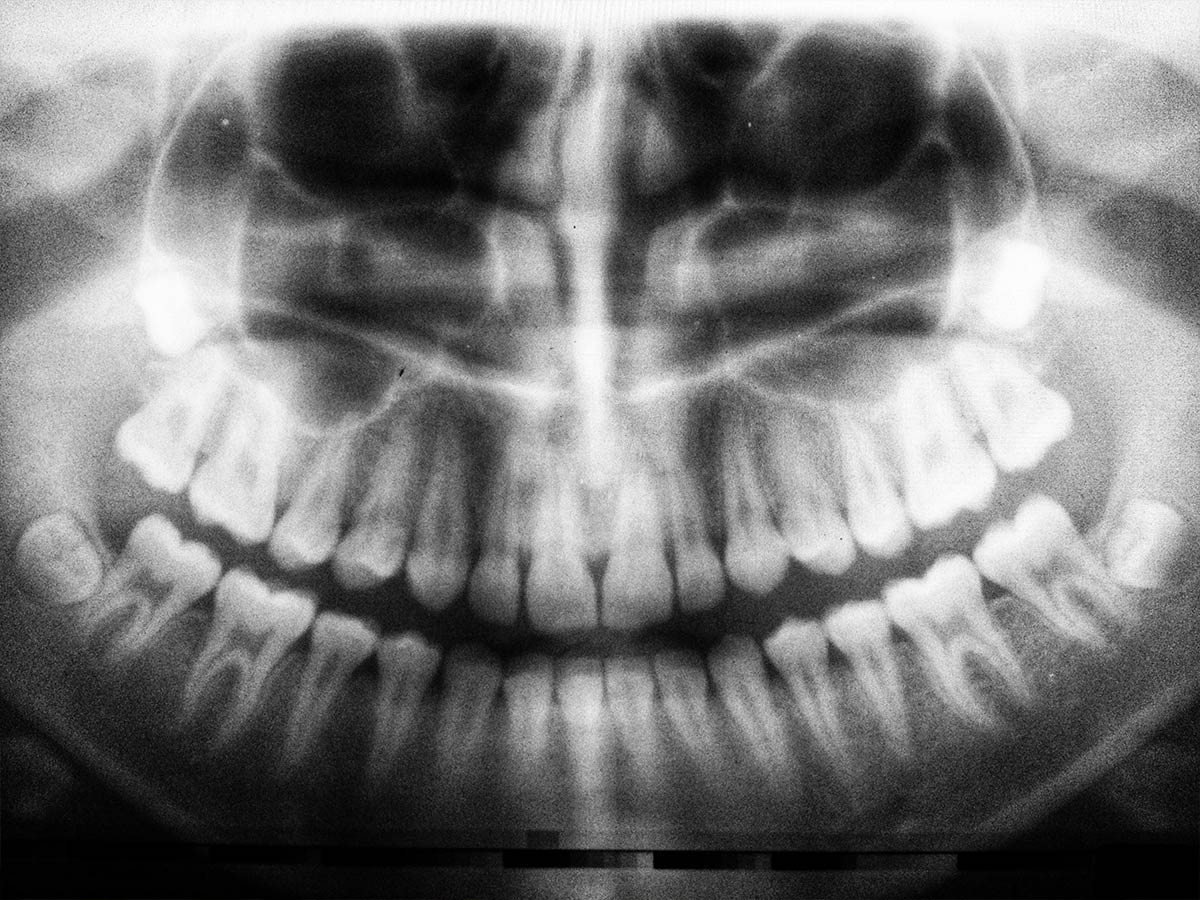
Our ancestors lived very different lives than we do today, leaving us with body parts that no longer serve their original purposes. For example, the appendix used to help break down plant matter, but is now largely nonessential.
Wisdom teeth helped humans chew tough vegetables and meat, but our smaller jaws today make wisdom teeth more problematic than helpful. Not to mention, the coccyx, or tailbone, once helped with balance, but now mainly supports sitting and serves as a muscle attachment site.
Lava Didn’t Scare Hominids

Following a volcanic eruption, the ground is covered in a dangerous amalgamation of solid lava, rocks, hot gases, and ash, called a pyroclastic flow. However, this was no serious threat for early hominids, as a discovery in Roccamonfina, Italy in 2001 found.
Fossilized footprints dating all the way back to 50,000 years ago show that Neanderthals were completely unphased as they strode through the lava mixture at a leisurely pace, perhaps looking for missing members of their group or simply because they were wandering about curiously. Talk about fearless!
Community Thrived After Devastating Eruption

Mount Toba in Indonesia erupted around 74,000 years ago, marking the most devastating volcanic disaster in the last two million years. The entire planet suffered the loss of life and major drops in temperature around the globe.
Unexpectedly, however, an incredible number of artifacts showcasing the continuation of hunting and thriving community after this disaster were discovered in South Africa, a region that had been hit the hardest. How early humans were so resilient in the face of such a disaster has become a true evolutionary mystery.
Limited Genetic Diversity

In order for a species to survive, there has to be a certain number of individuals alive to maintain enough genetic diversity. Otherwise, the species might experience infertility and extinction. This number is called the “effective population size”.
Though today, our population has hit over eight billion people on the globe, our effective population size is only about 15,000 individuals, indicating that our species actually has a pretty low genetic diversity.
Humans Crossed Oceans Long Ago
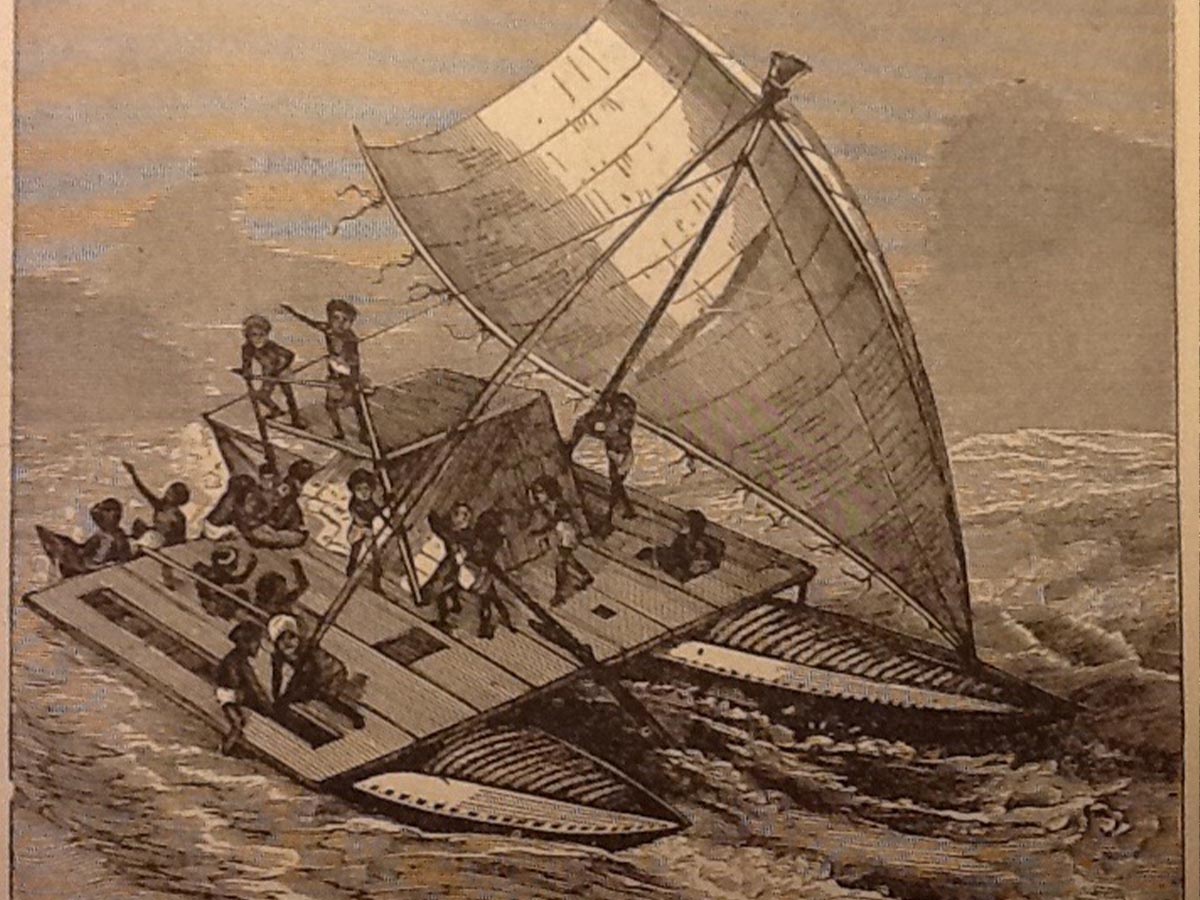
For many years, it has been suggested that humans stepped foot in Australia for the first time around 47,000 years ago. But recent discoveries of artifacts and ancient tools suggest they might have made their way onto the continent up to 65,000 years ago.
For many years, it has been suggested that humans stepped foot in Australia for the first time around 47,000 years ago. But recent discoveries of artifacts and ancient tools suggest they might have made their way onto the continent up to 65,000 years ago.
Clothing's Million-Year History

For a while, body hair was reliable enough to keep humans warm. But once humans began to grow less and less body hair, they turned to clothes, which they created out of animal hides and fur, rather than the fabrics we use now, to provide some extra warmth.
According to scientists, this shift must’ve happened around a million years ago, based on evidence like genetic changes in skin coloration and the movement of humans into colder climates.
HomoSapiens Killed Everyone Else
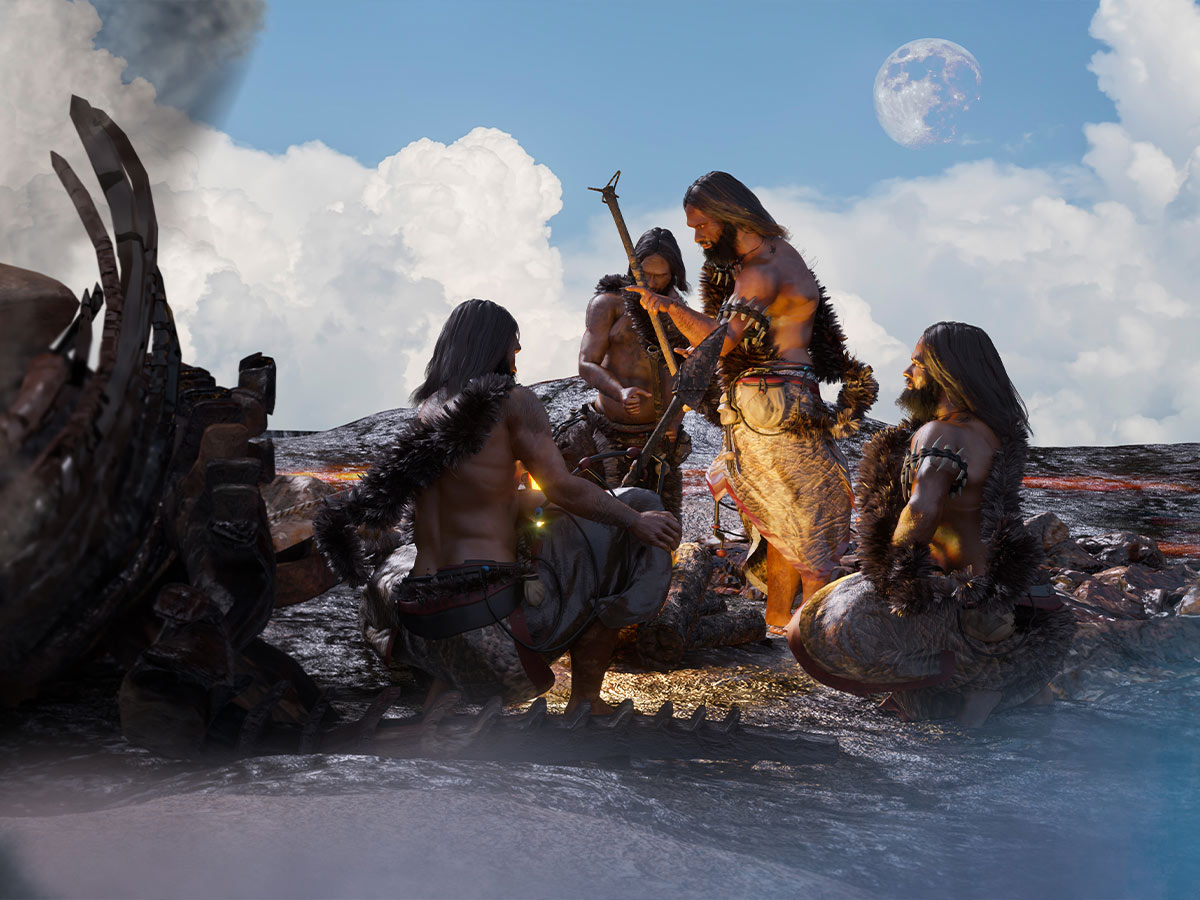
Before HomoSapiens remerged from Southern Africa, there were around nine different species of hominids, around 300,000 years ago. But by 100,000 years ago, HomoSapiens were the only ones left—and the direct ancestors of modern-day humans.
According to fossil records and scientific hypotheses, Homo sapiens’ hunt of the wooly mammoth might have contributed to the extinction of other human species. In addition, evidence of warfare and fighting is clear in the remains of Neanderthals, suggesting Homo sapiens were victorious when it came to physical disputes, perhaps due to conflicts over territory and resources.