
10 Things You Didn’t Know About Greenland
Greenland has a way of being everyone’s favorite blank spot on the map. Big, white, mysterious, and often misunderstood. Despite its icy reputation, this vast island is far more complex (and surprising) than a frozen slab drifting near the Arctic Circle. In fact, Greenland is the world’s largest island, yet it’s home to fewer people than many small cities, creating a place where dramatic landscapes and everyday life coexist in striking ways.
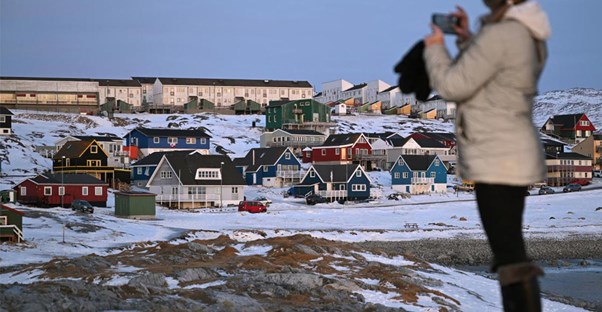
About 80 percent of Greenland is covered by an ice sheet, but the rest tells a richer story: colorful coastal towns, rugged mountains, fertile southern valleys, and a culture shaped by thousands of years of adaptation. Greenlanders, Kalaallit, as they call themselves, have long thrived here, drawing on Inuit traditions while also navigating modern life in a self-governing territory within the Kingdom of Denmark. Dogsleds still matter, but so do smartphones. Ancient myths live alongside contemporary art.
Then there are the quirks. There are no roads connecting towns. Trees are scarce. Time can feel elastic under months of midnight sun or polar night. You’ll find sheep farming near glaciers, hot coffee in subzero temperatures, and some of the clearest air on Earth.
This article dives into the lesser-known facts that reveal Greenland as it really is: not just cold and remote, but clever, resilient, and quietly fascinating. Prepare to rethink what you thought you knew about the world’s biggest island.
There Are Almost No Roads Linking Towns
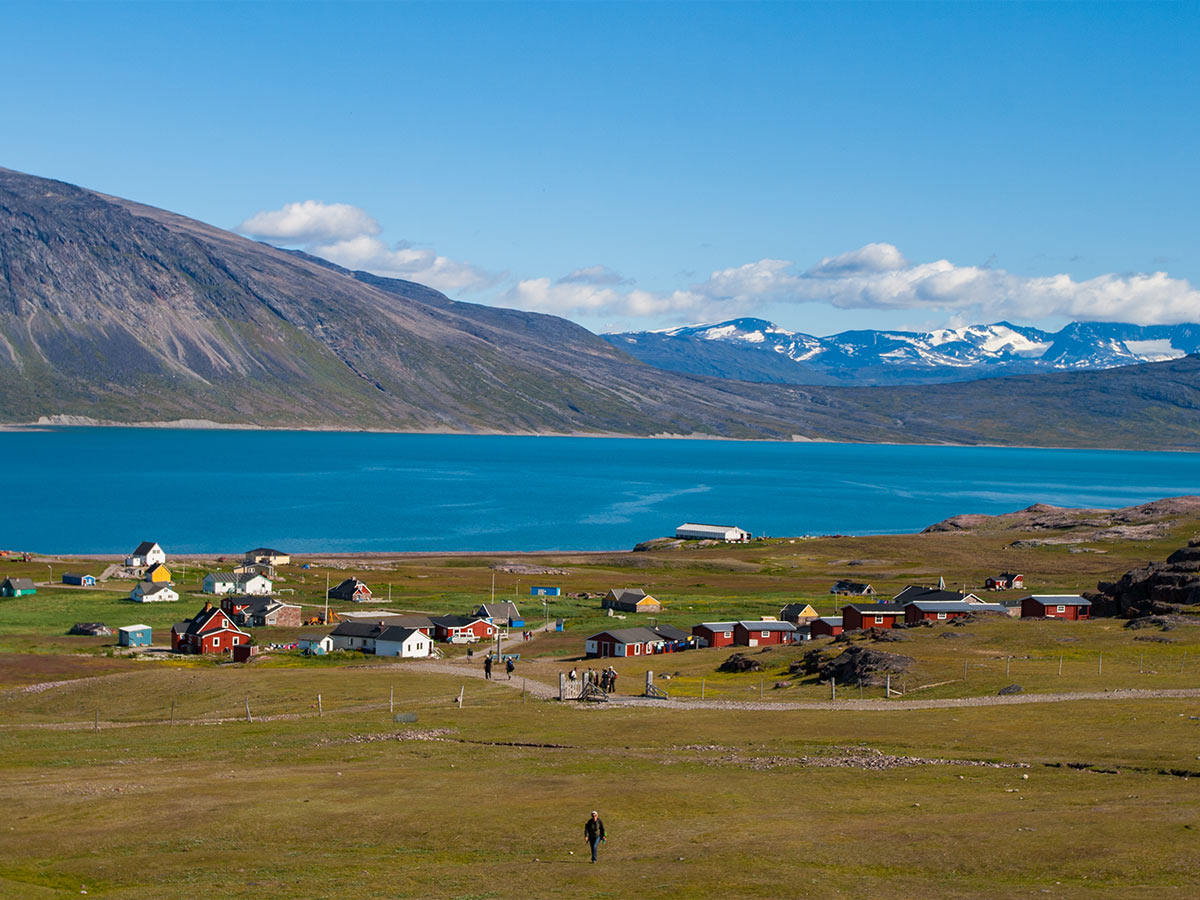
Greenland is enormous, but you can’t drive from one town to another. Roads exist only within individual settlements, not between them. Traveling from Nuuk to Ilulissat means flying, sailing, or, when winter allows, taking a dogsled or snowmobile.
The island’s dramatic fjords, mountains, and ice-covered interior make building highways impractical and extremely expensive. As a result, planes and boats are Greenland’s version of buses and trains. In Greenland, the journey between towns skips the road entirely, and the scenery starts the moment you leave the ground.
Northern Greenland Has Polar Deserts
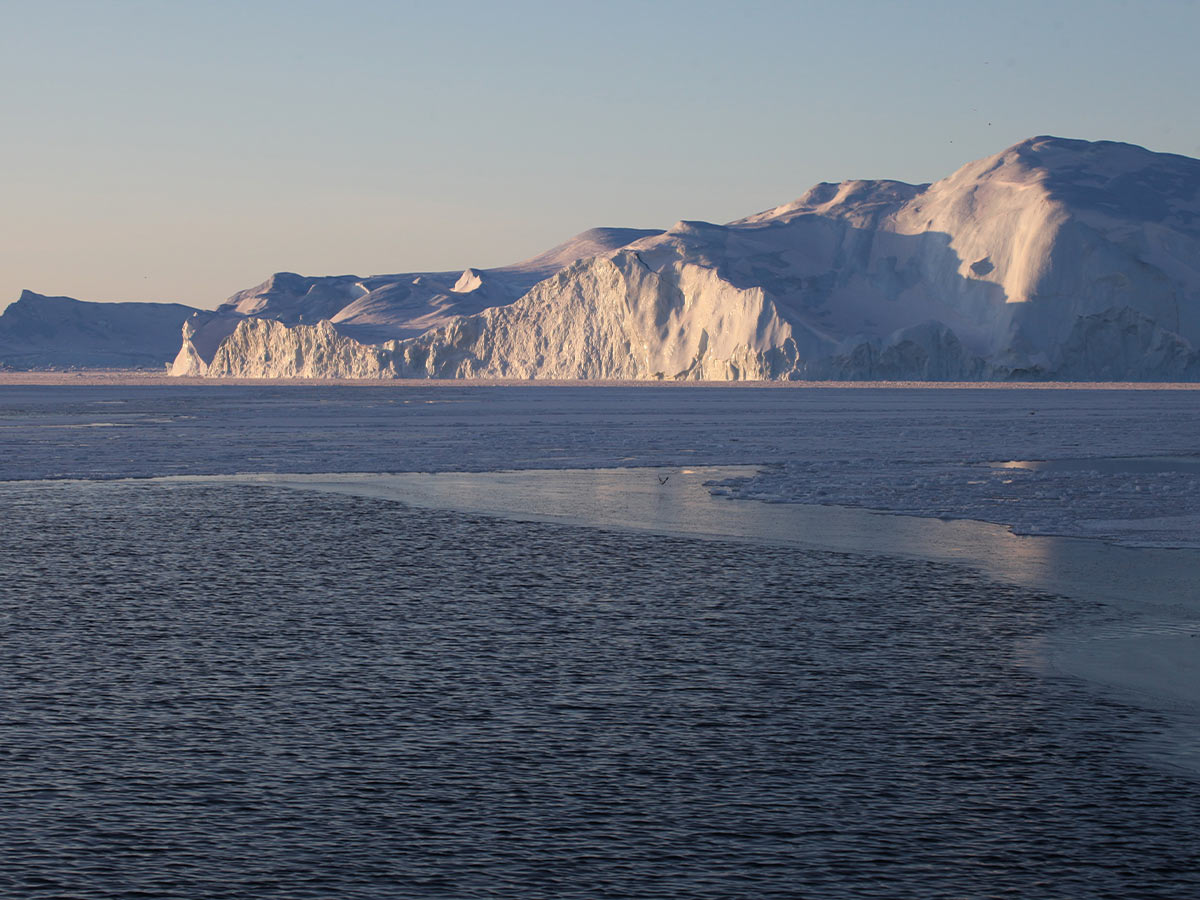
Greenland may be famous for ice, but parts of northern Greenland are technically deserts. Known as polar deserts, these regions, especially in the far north, receive extremely little precipitation, sometimes less than many hot deserts get in rain each year. It’s not the cold that defines them, but the dryness.
Snowfall is so minimal that some areas remain largely ice-free, with bare rock, gravel, and frozen soil dominating the landscape. These stark regions support only the hardiest life forms, like mosses, lichens, and a few resilient animals. It’s a strange Arctic paradox: in one of the coldest places on Earth, you’ll also find one of its driest climates. Greenland, once again, refuses to be predictable.
Well-Preserved Norse Viking Settlements Exist

Greenland isn’t just an Inuit story, it also has a Viking past frozen in time. Around the year 985, Norse settlers led by Erik the Red established farming communities in southern Greenland. Today, archaeologists can still find remarkably well-preserved ruins of churches, longhouses, and stone walls, especially near Brattahlíð, Erik’s former home.
The cold climate helped protect these sites for centuries, offering a rare window into medieval life on the edge of the known world. The Norse survived here for nearly 500 years before mysteriously disappearing, leaving behind one of Greenland’s most intriguing historical puzzles, and proof that Vikings were far tougher than their horned helmets suggest.
Greenlanders Value Self-Governance
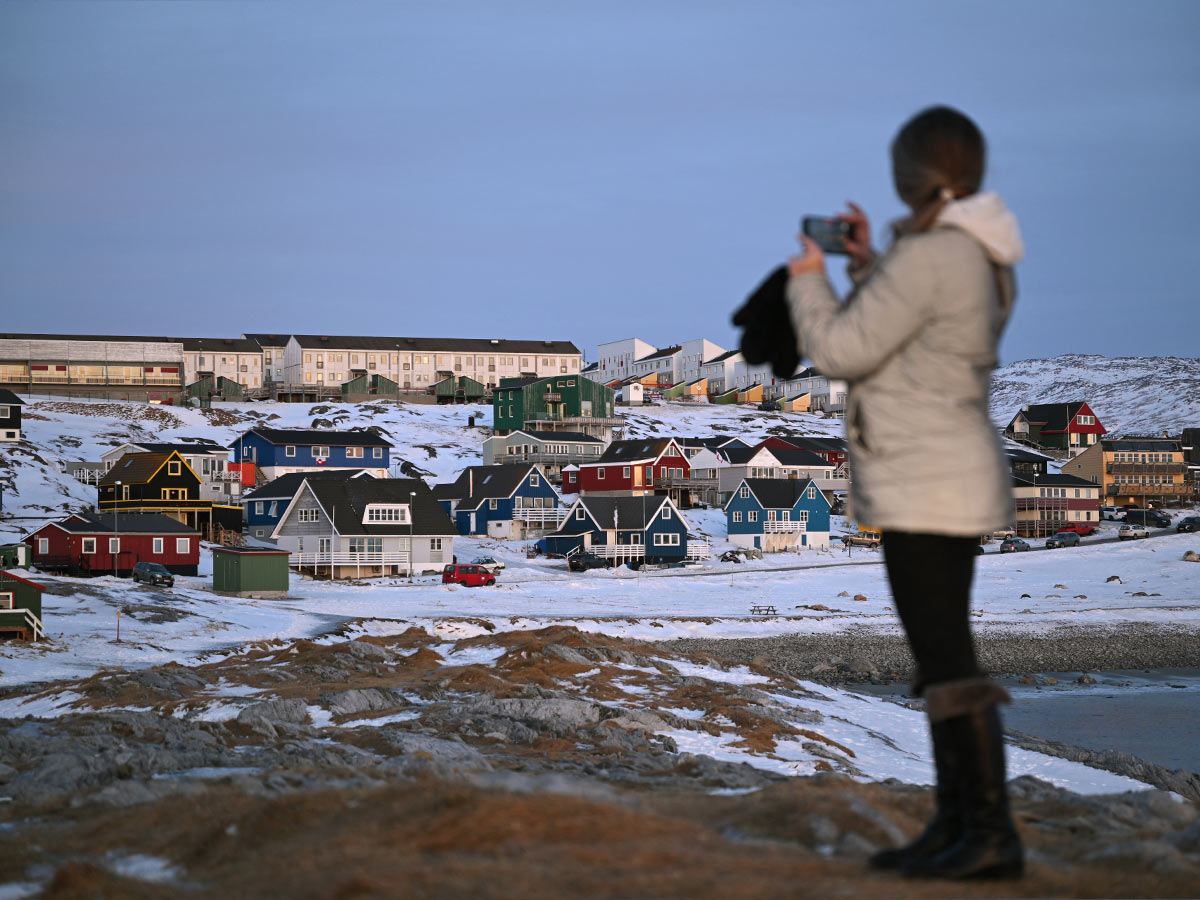
Greenland may be part of the Kingdom of Denmark, but its people strongly value political independence. In 1979, Greenland gained home rule, followed by expanded self-government in 2009, giving Greenlanders control over most domestic affairs. This includes education, health, natural resources, and culture.
Many residents see self-governance as essential to preserving Greenlandic identity, language, and traditions. While Denmark still handles defense and foreign policy, Greenland continues to move toward greater autonomy. It’s a quiet but powerful reminder that even in one of the world’s most remote places, self-determination matters deeply, and Greenlanders are steering their own future.
Cars Are Rare Outside Nuuk
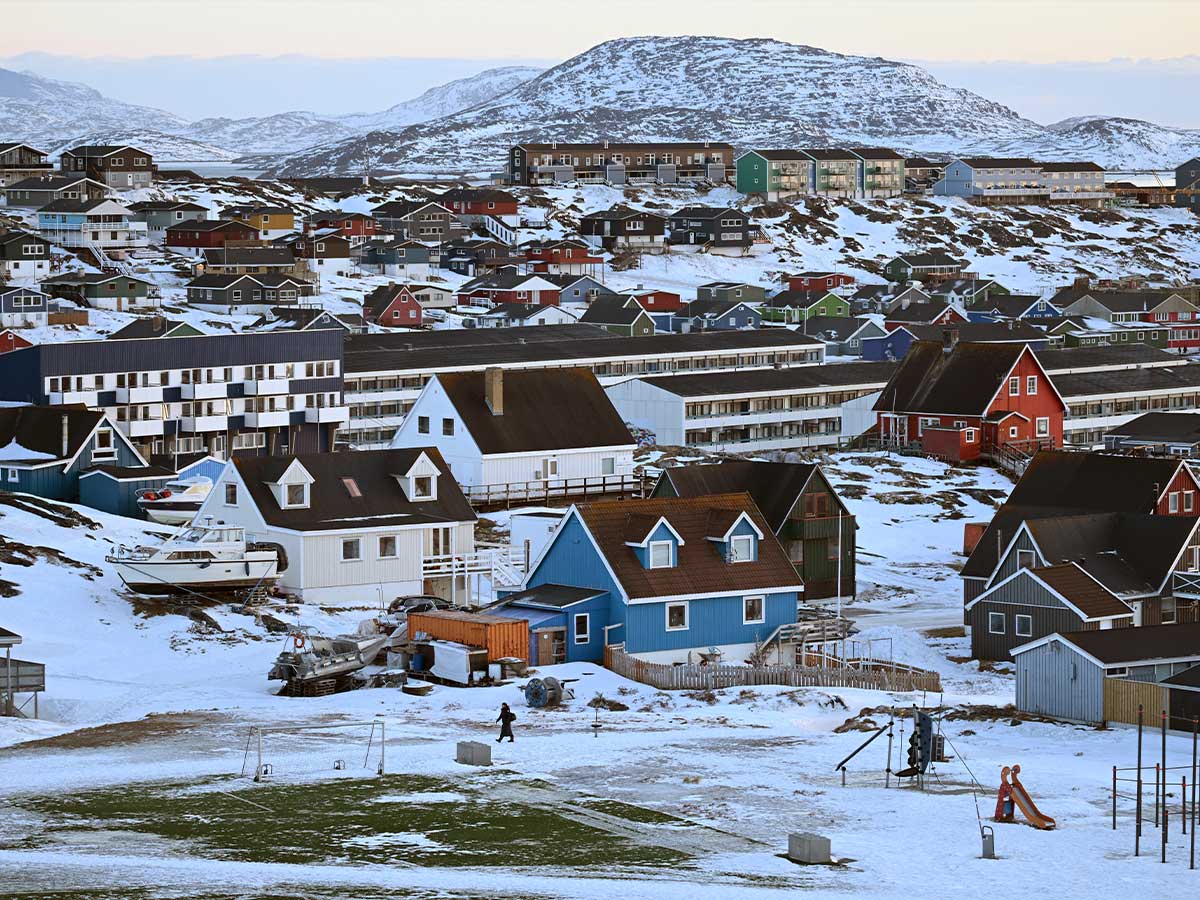
Cars do exist in Greenland, but mostly in Nuuk, the capital and largest city. With around a third of the country’s population, Nuuk is one of the few places where cars actually make sense. In smaller towns and villages, there are often only a handful of vehicles, if any at all.
Short distances, limited roads, harsh weather, and high import costs make cars impractical luxuries. Instead, people get around on foot, by boat, or by snowmobile in winter. In many places, owning a car isn’t unnecessary, it’s pointless. In Greenland, your most reliable transport might just be your own two feet.
Glacier Water is Used in Local Beer
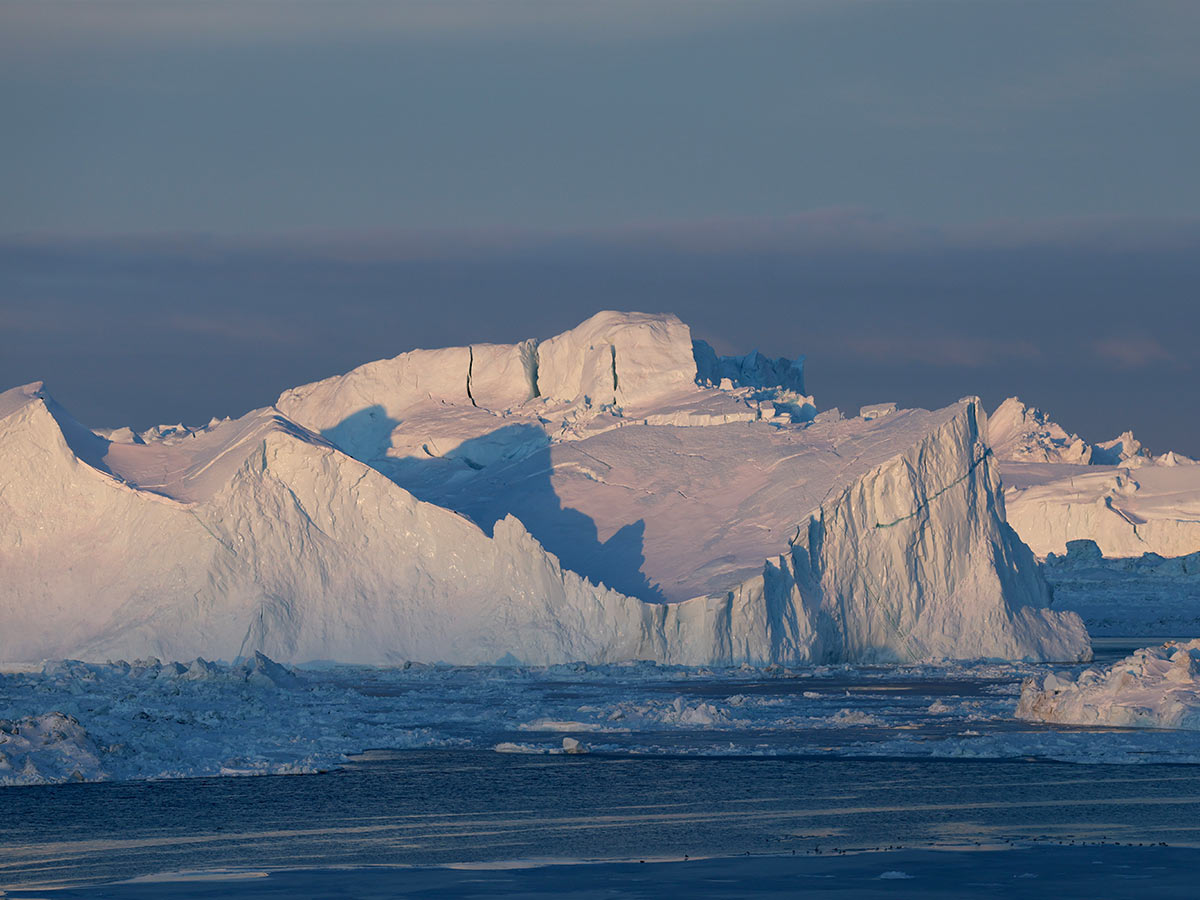
Yes, Greenlanders brew beer with water that’s thousands of years old. Several local breweries use meltwater from glaciers and icebergs, prized for its purity and mineral balance. Since the ice formed long before modern pollution existed, the water is exceptionally clean, making it ideal for brewing.
The result? Crisp, smooth beers with a distinctly Arctic backstory. Some breweries even harvest floating ice chunks straight from fjords. It’s one of the few places on Earth where your drink may contain water older than civilization itself. In Greenland, climate, culture, and craft brewing collide, in a very refreshing way.
Kaffemik is a Greenlandic Coffee Tradition
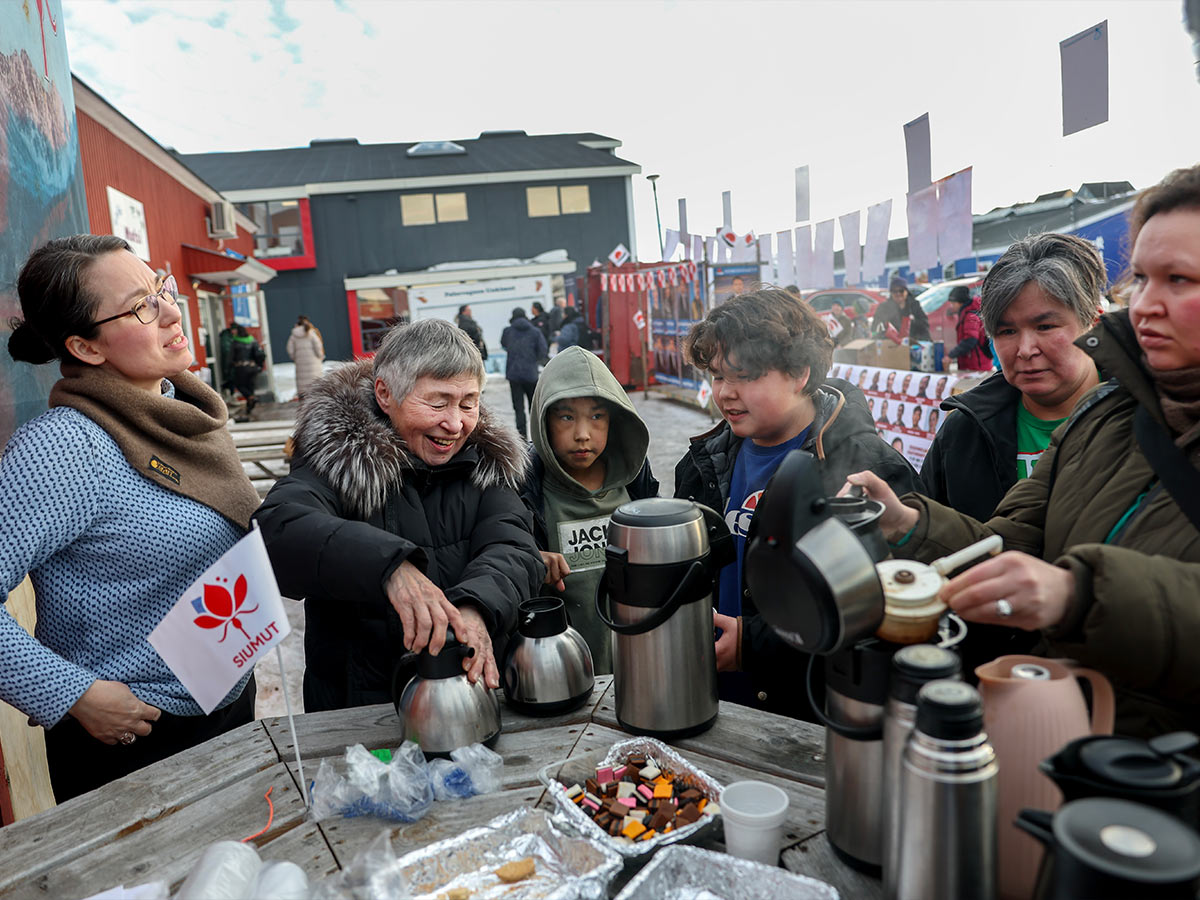
Kaffemik isn’t just coffee, it’s an event. This beloved Greenlandic tradition involves opening your home to friends, family, and sometimes half the neighborhood for coffee, cake, and conversation. Kaffemik celebrations mark birthdays, holidays, confirmations, or sometimes no reason at all.
Guests come and go throughout the day, enjoying homemade treats and strong coffee while catching up. There’s no formal invitation and no pressure to stay long. In a land shaped by long winters and small communities, kaffemik is about warmth, generosity, and connection. Think of it as Greenland’s coziest, and tastiest, social institution.
Greenland Gave the World Kayak and Igloo
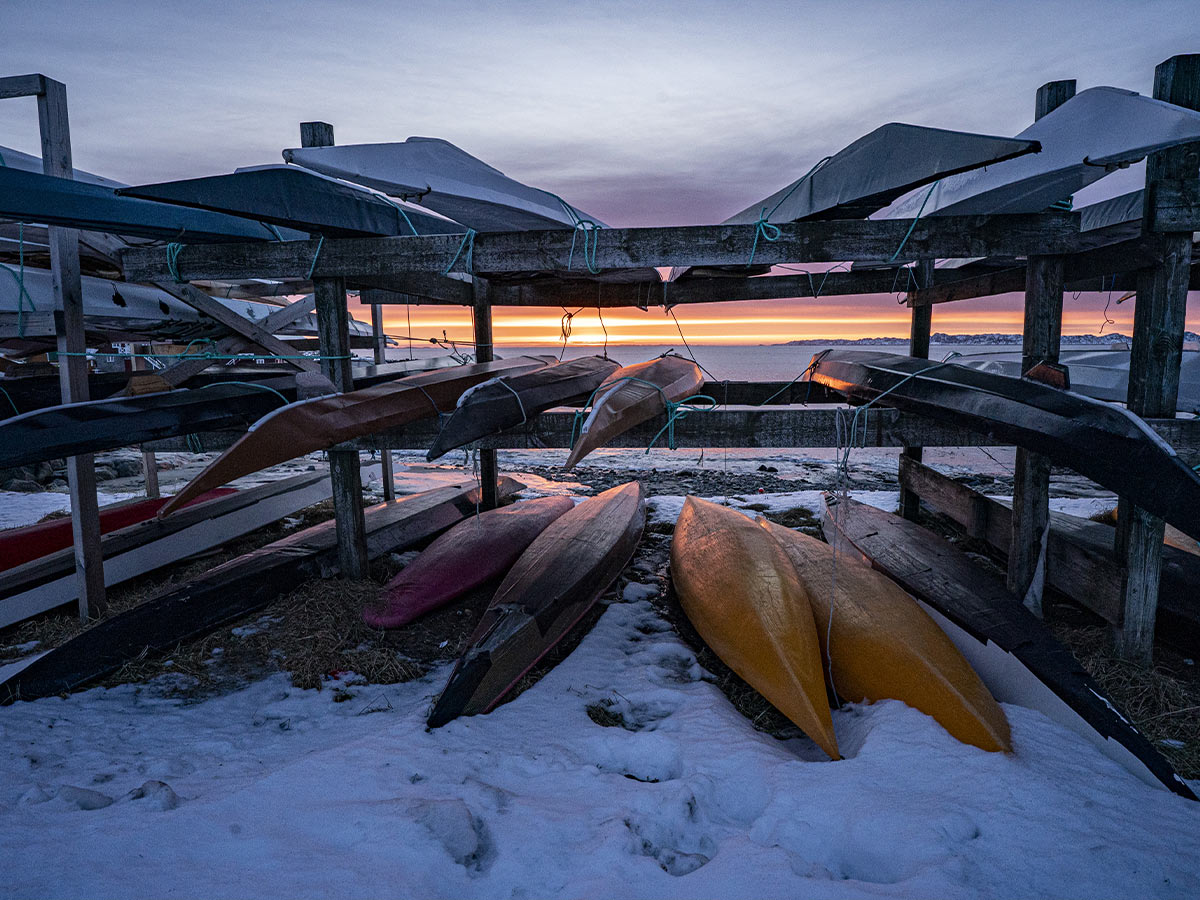
Greenlanders may not have invented the concepts for watercraft or snow shelters, but they are responsible for the words we use today. The term “kayak” comes from the Greenlandic word qajaq, referring to the sleek, narrow boats used by Inuit hunters for centuries. Similarly, the word “igloo” originates from the Greenlandic iglu, meaning “house” or “shelter,” though many imagine it only as a snow dome.
These words traveled the globe as explorers, traders, and writers described Arctic life, embedding Greenlandic language into English and other tongues. So, while the objects themselves existed across the Arctic, it’s Greenland that gifted the world the words, and a small linguistic slice of survival ingenuity in the far north.
It Has the World’s Lowest Population Density

Greenland is huge, over two million square kilometers, but home to only about 56,000 people. That makes it the least densely populated country or territory on Earth. Most residents live along the coast, as the icy interior is largely uninhabitable. Vast stretches of land have no towns, no roads, and no permanent human presence at all.
It’s entirely possible to travel for days without seeing another person. This extreme space shapes daily life, culture, and mindset. In Greenland, solitude isn’t unusual, it’s normal. If you’ve ever wanted room to breathe, Greenland has plenty of it.
Erik the Red’s Clever Naming Trick
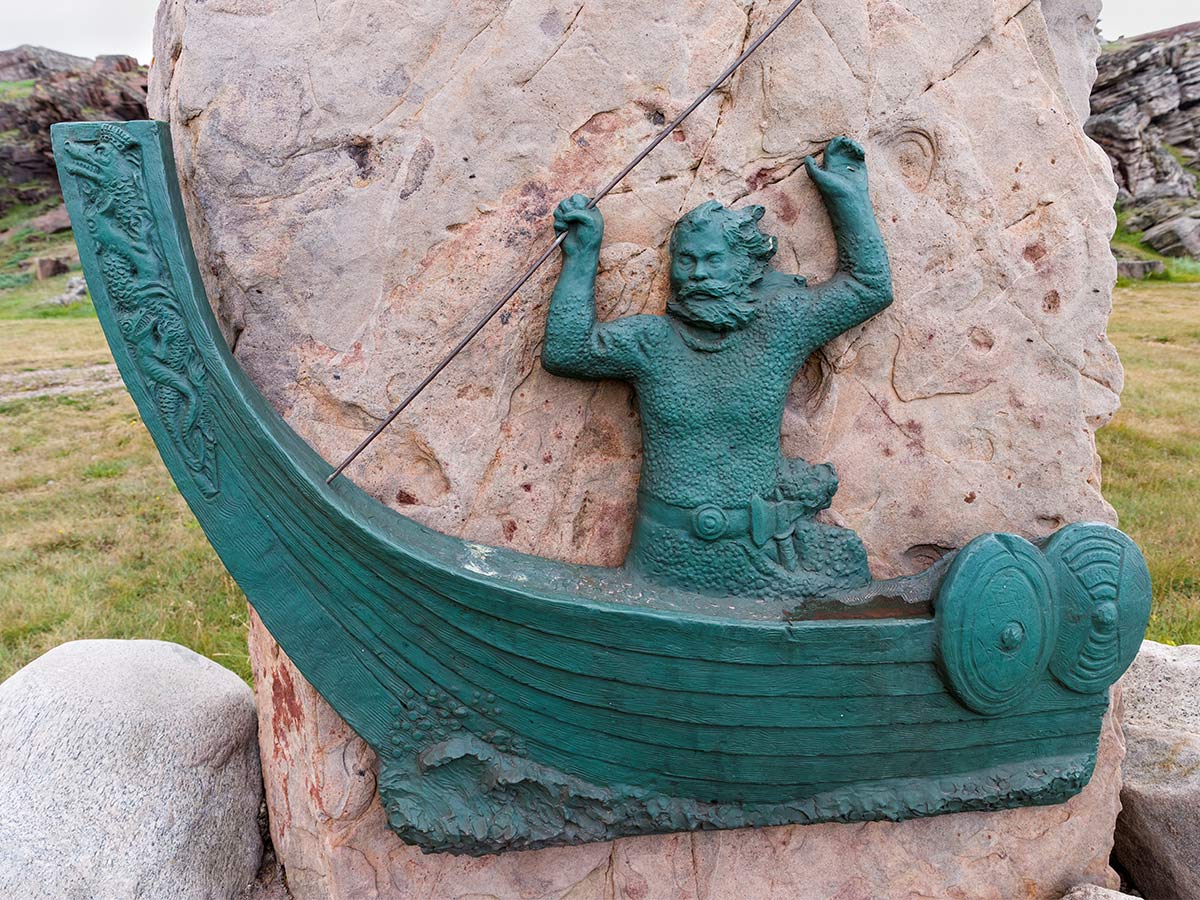
Greenland’s name wasn’t exactly an accident. According to legend, Viking explorer Erik the Red named it “Greenland” around 985 to attract settlers from Iceland. It was, quite literally, an early marketing strategy. While southern Greenland does have green valleys during summer, the name definitely oversold the ice situation.
Still, it worked, people came. The name stuck, and centuries later, it remains one of history’s most successful rebranding efforts. Greenland may be icy, but Erik’s optimism (or salesmanship) helped shape its history. Proof that even Vikings knew the power of a catchy name.