
10 Secret Military Projects the Pubic Wasn’t Supposed to Know About
Ever get the feeling there’s more to history than meets the eye? Welcome to the shadowy playground of government secrets, where outrageous ideas, cloak-and-dagger dealings, and nerve-jangling gambits aren’t just movie plots, they’re declassified reality. Forget cold handshakes and starched military uniforms. This is where generals, scientists, and spies plotted moves bold enough to make even James Bond do a double-take. Peek behind that curtain, and you’ll find plans that range from the dangerously clever to the downright baffling, whether it’s explosive tricks hidden in enemy ammo or entire cities wiped off the map (but bustling with scientists).
Military masterminds have steered history not just from battlefields, but from secret boardrooms, where nothing was off the table. Double agents, disguised corpses, and even plots to fake attacks on home soil: these missions redefined “top secret.” They built whole towns to make atomic bombs, and even poached brilliant but notorious minds from the other side of global wars. Now that the files are open, we can finally see just how wild things got in the perpetual chess game of global power. Get ready because you’re about to dive into ten of the boldest projects the world was never supposed to hear about!
Operation Northwoods
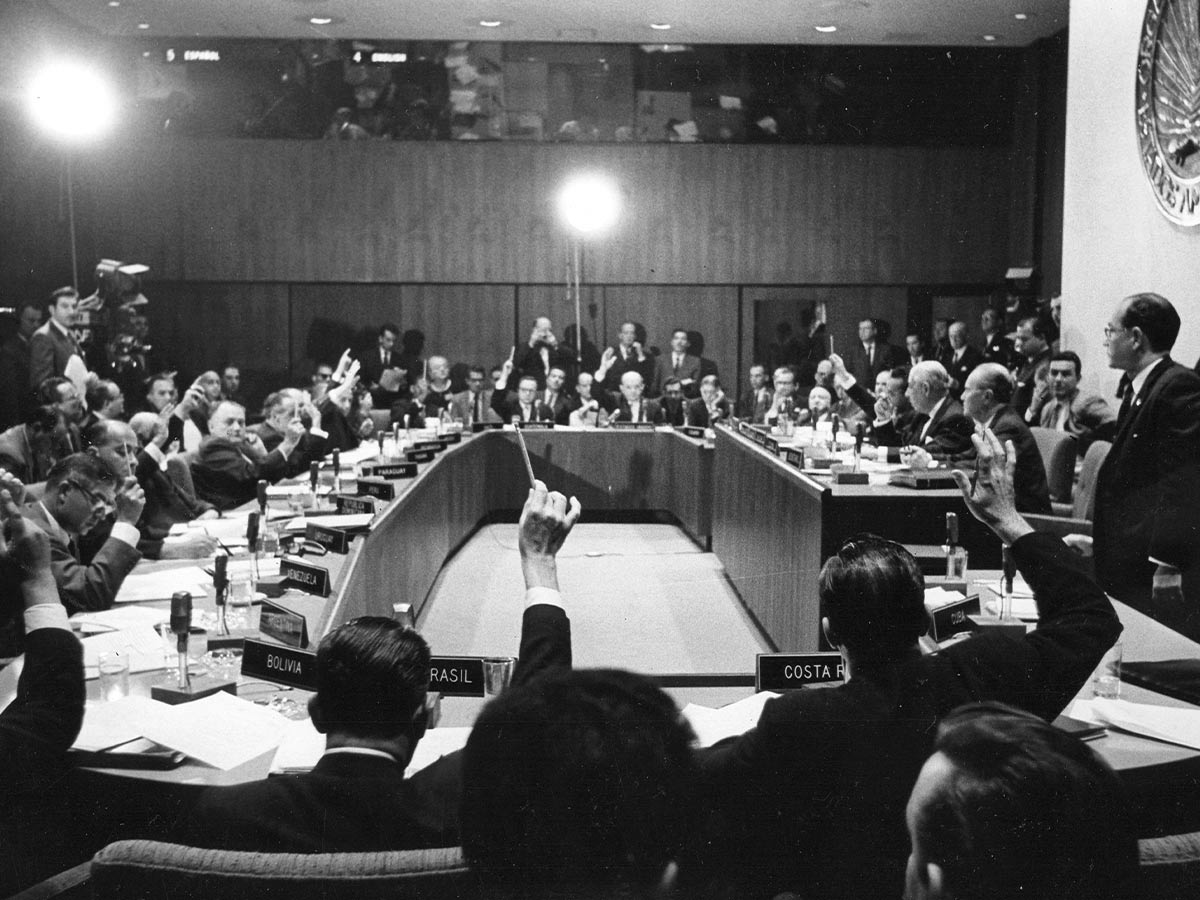
Imagine a government scripting its own disasters. Operation Northwoods was the United States’ jaw-dropping Cold War brainstorm. In 1962, masterminds at the Department of Defense penned plans to fake Cuban attacks on Americans—from sinking refugee boats to staging terror right at home. The endgame? Whip up outrage and clear the way for an invasion of Castro’s Cuba.
Yes, you read that right: leaders seriously considered pulling the wool over their own citizens’ eyes. The Kennedy administration, fortunately, slammed the brakes and shelved the idea. Still, the existence of this plot is proof that truth really can be stranger (and scarier) than fiction.
Operation Paul Bunyan
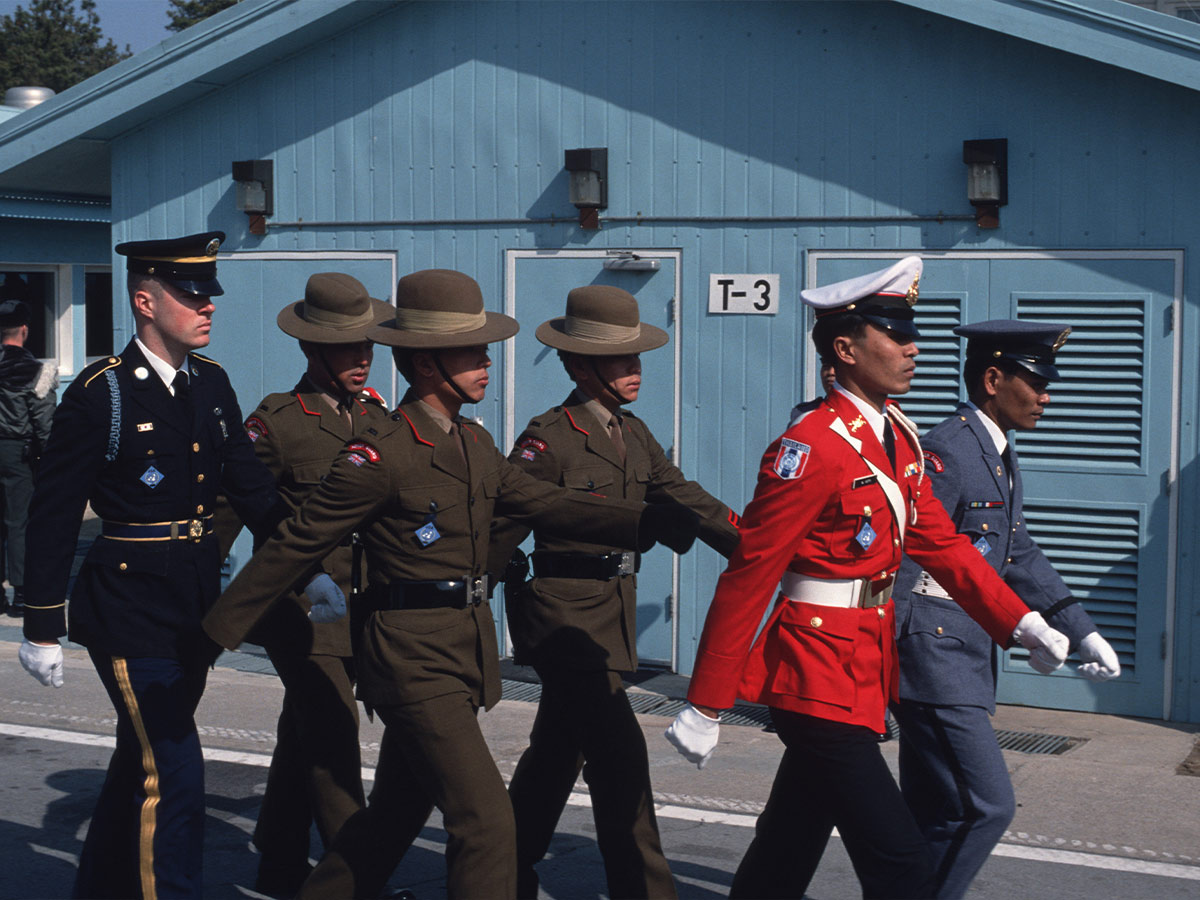
After North Korean soldiers killed two U.S. officers over a poplar tree in the suspense-filled DMZ, the United States decided to bring bigger axes to the party. “Operation Paul Bunyan” was less about trees, more about flex. Chainsaws, tanks, and enough firepower to light up the peninsula rolled in to chop down that infamous tree.
Air support? B-52 bombers overhead and fighter jets on standby. The sheer display of force sent North Korea a crystal-clear message: provoke us at your peril. Amazingly, no shots were fired, and the incident wrapped up with the U.S. firmly reasserting its muscle, one chopped-down tree at a time.
Project Iceworm

Think igloos, but with nuclear missiles. Under Greenland’s frosty plains, the U.S. Army hatched “Project Iceworm” in the late 1950s. Their secret blueprint? Carve hundreds of miles of tunnels beneath the ice to sneakily park nuclear rockets within striking distance of the Soviet Union. Engineers even whipped up Camp Century, a secret base powered by its own tiny nuclear reactor, complete with labs and a movie theater.
But nature had other plans. The mighty Greenland ice sheet refused to sit still—its slow creep threatened to crush the tunnels and, er, the missiles. The project melted away in 1966, leaving behind a sci-fi-worthy artifact of Cold War paranoia.
Operation Gladio
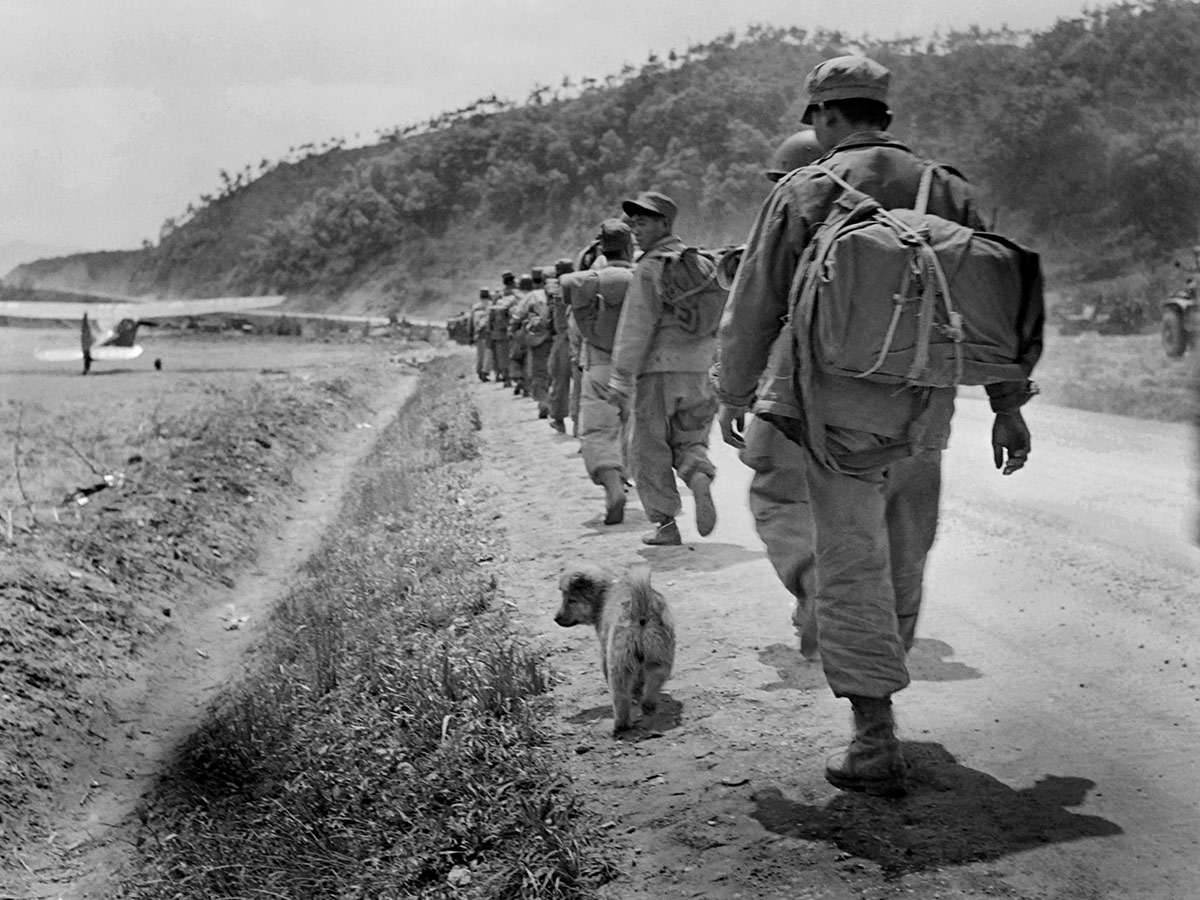
What happens if the enemy wins? Enter Operation Gladio. This was NATO’s answer to the conquered countries. Secret “stay-behind” armies, planted across Western Europe, trained in guerrilla tactics, and hidden like aces up the continent’s sleeve. These units stocked weapons, rehearsed sabotage, and waited in the shadows, ready to spring to life if the Soviets rolled in.
For decades, their very existence was a rumor whispered in smoke-filled rooms. Italy blew the lid off in 1990, igniting a political scandal. Some even claimed these shadow armies dabbled in dirty tricks, stirring up chaos during Europe’s most nerve-racking decades.
Operation Able Archer 83
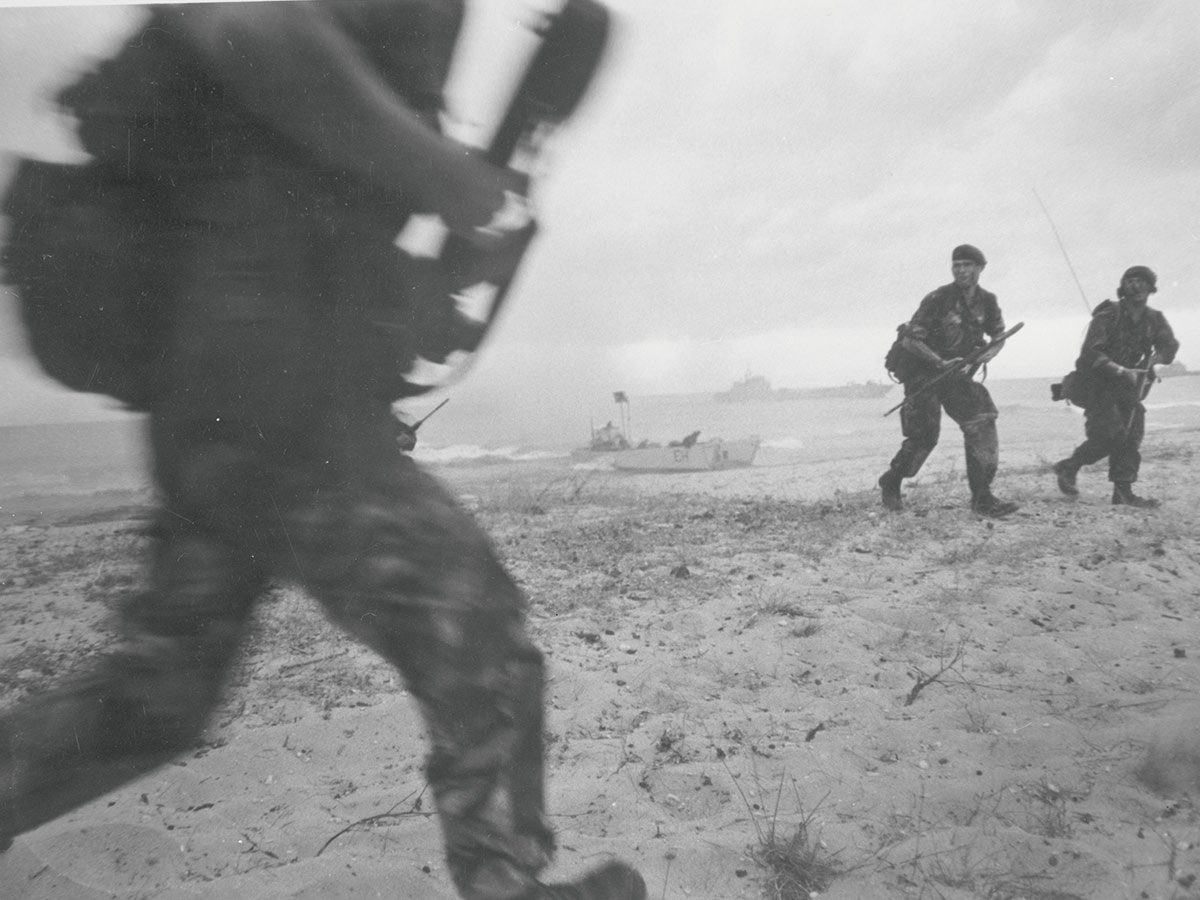
Operation Able Archer 83 was a military exercise that nearly escalated into nuclear Armageddon, not by intent, but by misunderstanding. NATO decided to run an ultra-realistic war game simulating a nuclear exchange, complete with cryptic codes and involvement of top leaders.
Soviet intelligence, already jumpy, suspected the dress rehearsal was the real deal and put its nukes on hair-trigger alert. In those icy November days, the world lingered terrifyingly close to disaster, saved only by the absence of a single false move. If you want proof that paranoia can change history, look no further.
Operation Mincemeat
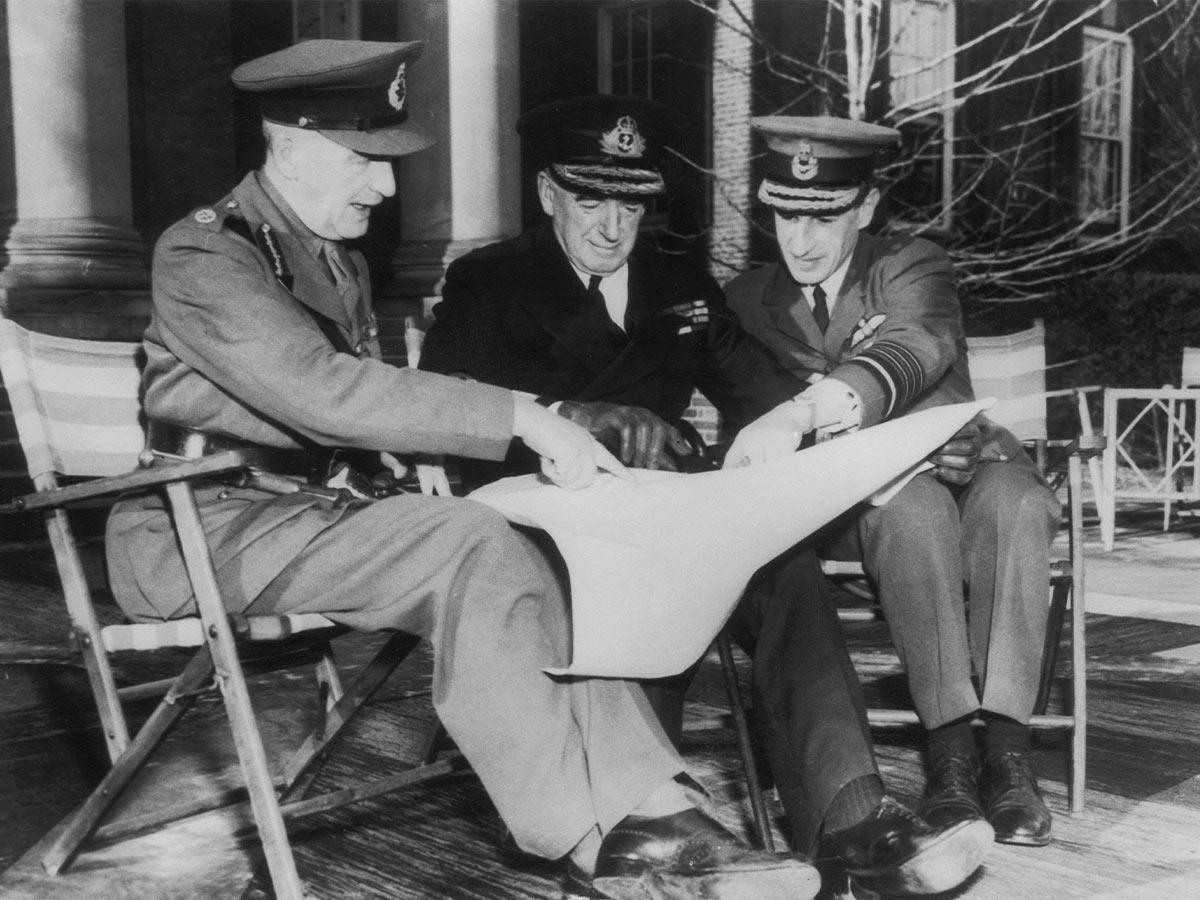
This one sounds like a chapter from a comic book, but Operation Mincemeat was diabolically real. In 1943, British intelligence needed the Nazis to take a very wrong turn. Then came along“Major William Martin.” He was a fictitious Royal Marine who was, in fact, a corpse with a suitcase chained to his wrist.
Inside? “Secret” invasion plans pointing to Greece and Sardinia. Spanish officials found the body, and the Axis scooped up the ruse hook, line, and sinker. The result? Hitler shifted his defenses, the Allies stuck with the real target (Sicily), and thousands of lives were saved. Sometimes, the best war moves require a little morbid ingenuity.
Operation Paperclip
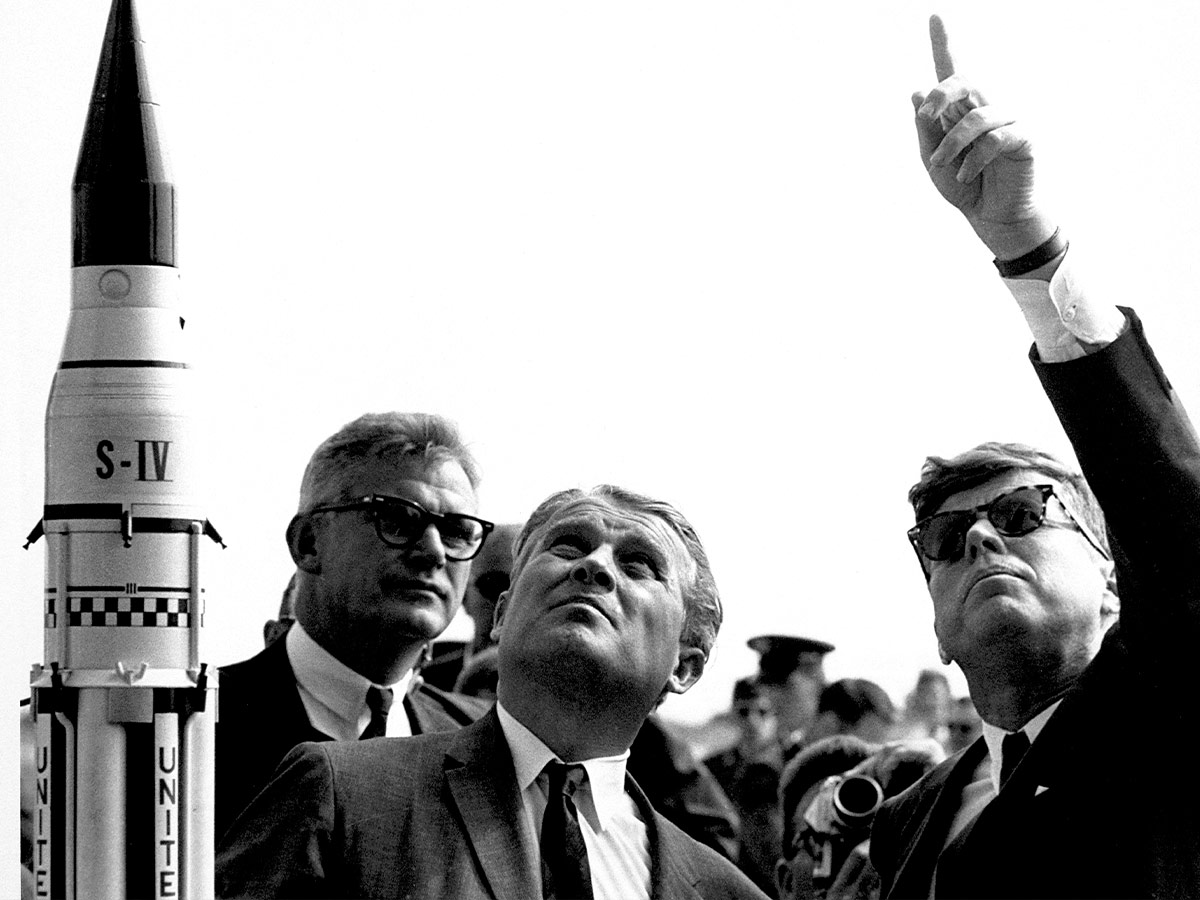
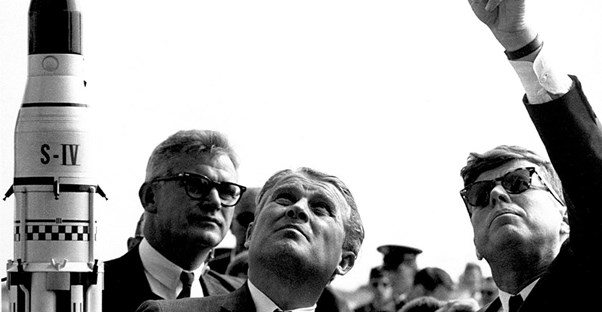
In the aftermath of World War II, it was a race for brains. That was what Operation Paperclip was about. It was Uncle Sam’s not-so-subtle recruitment drive to snag German scientists, the same minds behind the V-2 rockets and more. Over 1,600 of these technical geniuses (some with dark wartime pasts) came to the U.S.
Their expertise powered everything from NASA’s Saturn V rocket to missile systems aimed at the new Red threat. Sure, ethical eyebrows were raised. But in the cloak-and-dagger vortex of the Cold War, technological edge trumped all else. Today’s rockets and space stations owe plenty to this shadowy talent grab.
The Manhattan Project’s Hidden Cities
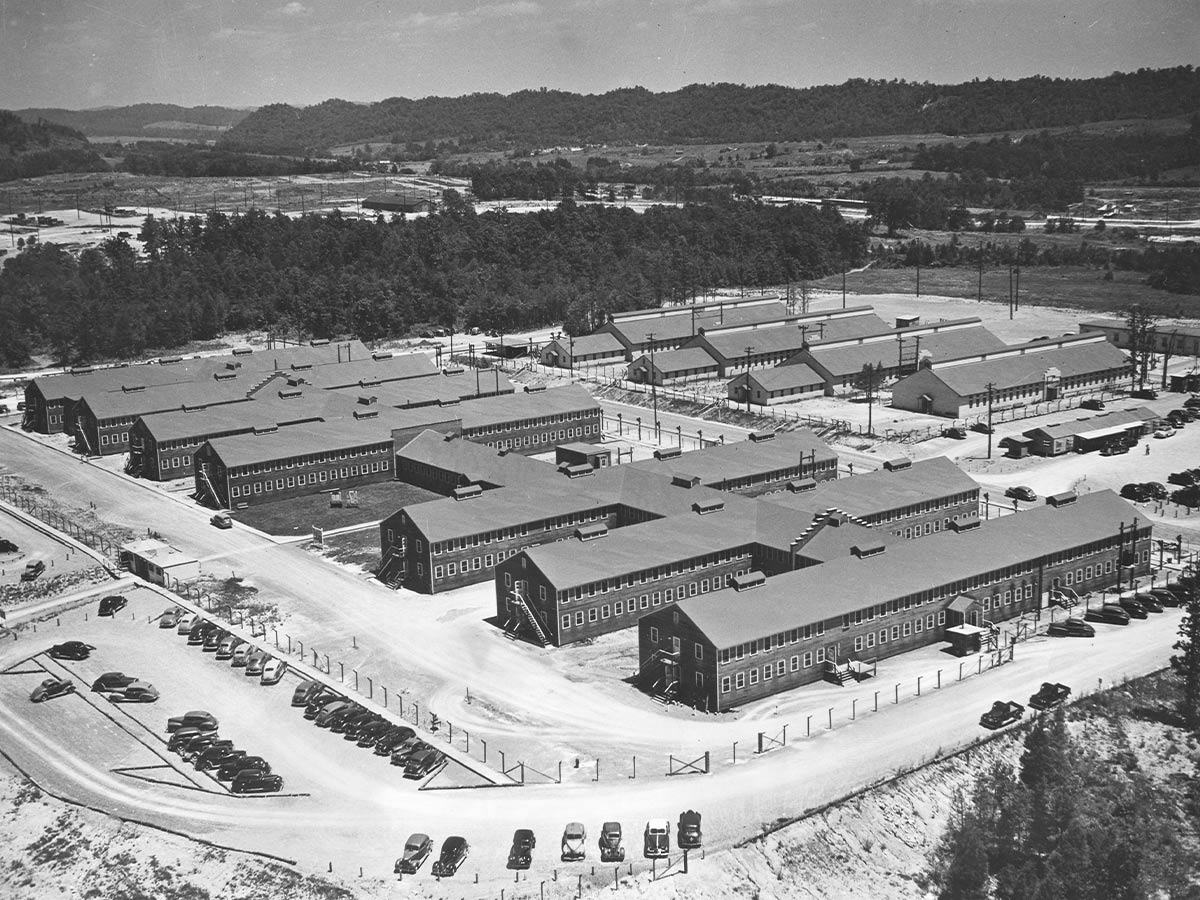
Ever wondered what happens when a city doesn’t officially exist? Let’s talk about the Manhattan Project’s “now you see it, now you don’t” towns, like Oak Ridge, Los Alamos, and Hanford. These places were built from the ground up to manufacture atomic secrets.
Guarded by armed patrols, shrouded in silence, and missing from every map, these towns somehow bustled with tens of thousands of people who knew not to ask too many questions. Residents dined, danced, and even dated, all to fuel the race for the world’s first nuclear weapons. If you lived there, your job was secret and your whole life was, too.
Operation Washtub
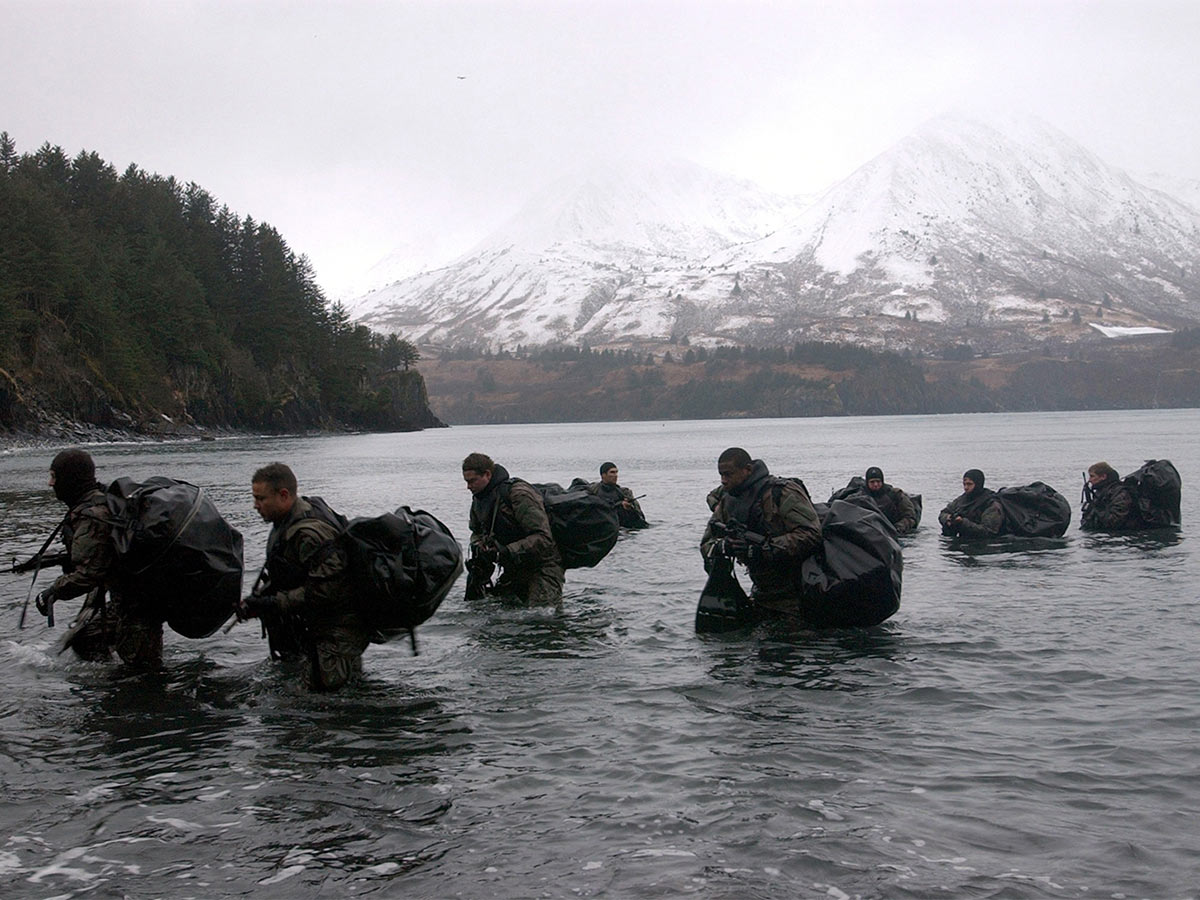
Alaska is America’s icy frontier…and the perfect setting for Operation Washtub. What’s a government to do if Soviet tanks suddenly roll across frozen tundra? Recruit the locals! The U.S. Air Force and the FBI quietly enlisted fishermen, bush pilots, and trappers, training them to serve as undercover agents.
Their mission was to blend in, gather intel, and, if it came to it, raise heck behind enemy lines. Hidden supply stashes dotted the wilderness, ready for the call. Though the scheme never had to be activated. It fizzled out as invasion fears thawed, but it stands as a chapter in the playbook of Cold War survival.
Project Eldest Son
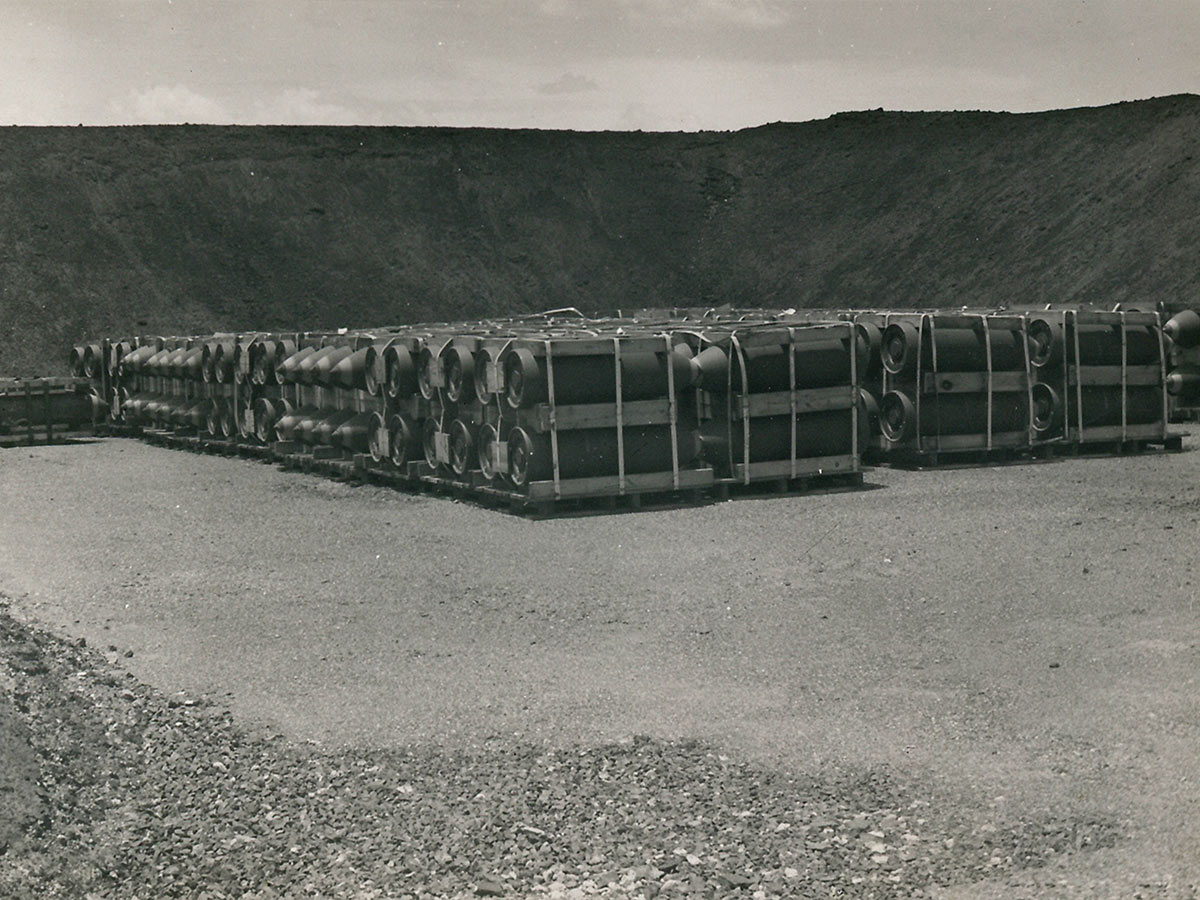
Talk about psychological warfare with a bang—literally. During the Vietnam War, U.S. forces came up with a plot right out of a spy thriller: booby-trap the enemy’s ammo. Project Eldest Son smuggled sabotaged bullets into enemy supplies.
Fire one, and your rifle might explode in your hands. Word spread fast among Viet Cong fighters, feeding paranoia and suspicion about their most trusted weapons. Was it faulty Soviet steel, or was Uncle Sam playing mind games? Either way, the operation put deadly doubt in the heads of North Vietnamese soldiers in a campaign where trust was shattered one bullet at a time.