

Heat Rash: All You Need to Know in 8 Photos
Can someone get a rash just from being hot? Well, yes and no. A heat rash is often caused when the sweat ducts become blocked. This traps sweat beneath the skin, which creates a blister-like rash. Heat rash, also known as miliaria, happens to everyone, not just babies. It’s certainly most common in hot, humid weather. It usually doesn’t require medical intervention, and that’s great news. The bad news is that sometimes heat rashes can persist for weeks.
Heat rash is certainly pretty uncomfortable. Knowing all about what causes this type of skin irritation and how to prevent it may be your best bet at getting rid of it once and for all. We put together eight photos that will explain what heat rash is, how to prevent it, and what treatments are available for someone that already has it.
Disclaimer: The information in this content is for general informational purposes only, not a substitute for professional medical advice. Always consult your doctor before making any changes to your lifestyle.
What is Heat Rash?
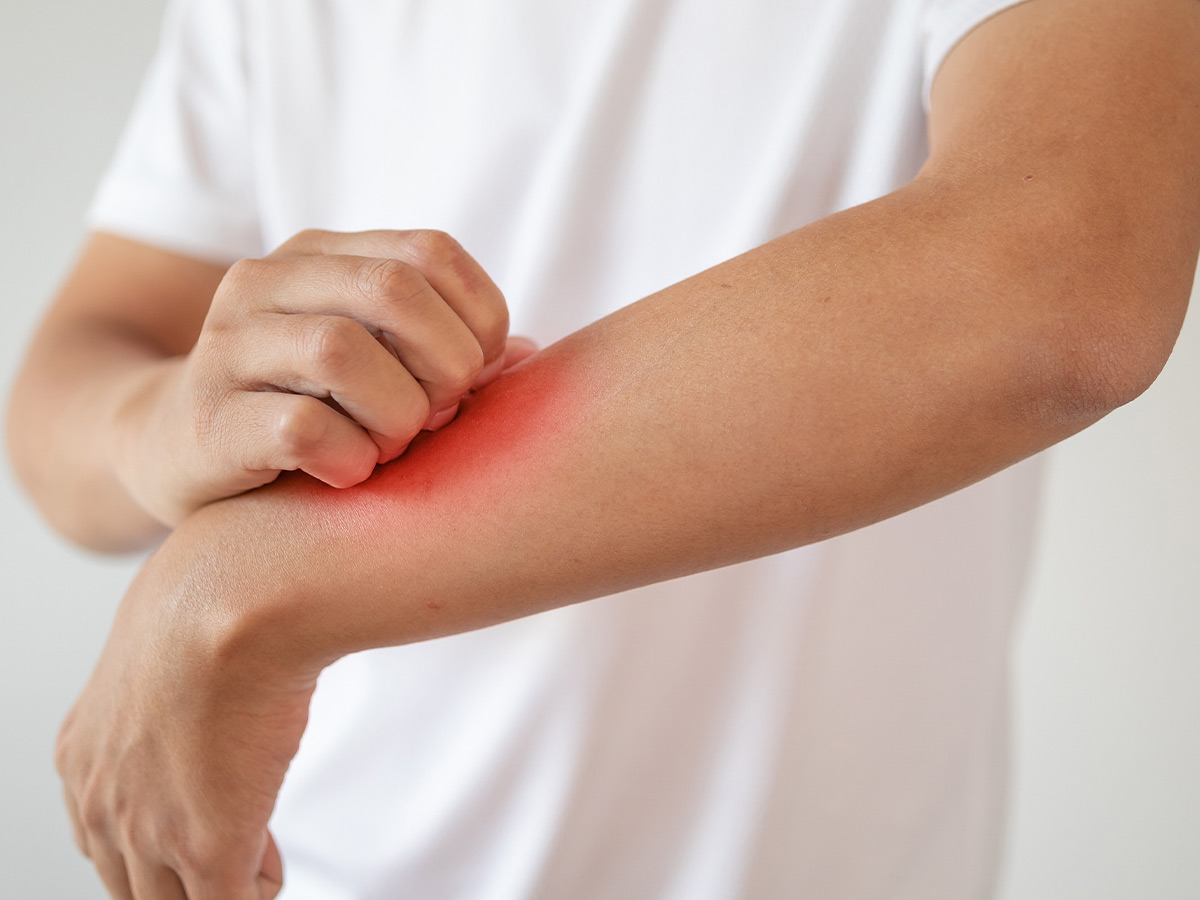
Heat rash, also known as miliaria, is a skin condition that can affect people in hot or humid weather conditions. Heat rash occurs when the skin pores become blocked and sweat is unable to escape from the body. This is usually caused by friction on the surface of the skin, such as between the thighs or under the arms.
What Does Heat Rash Look Like?
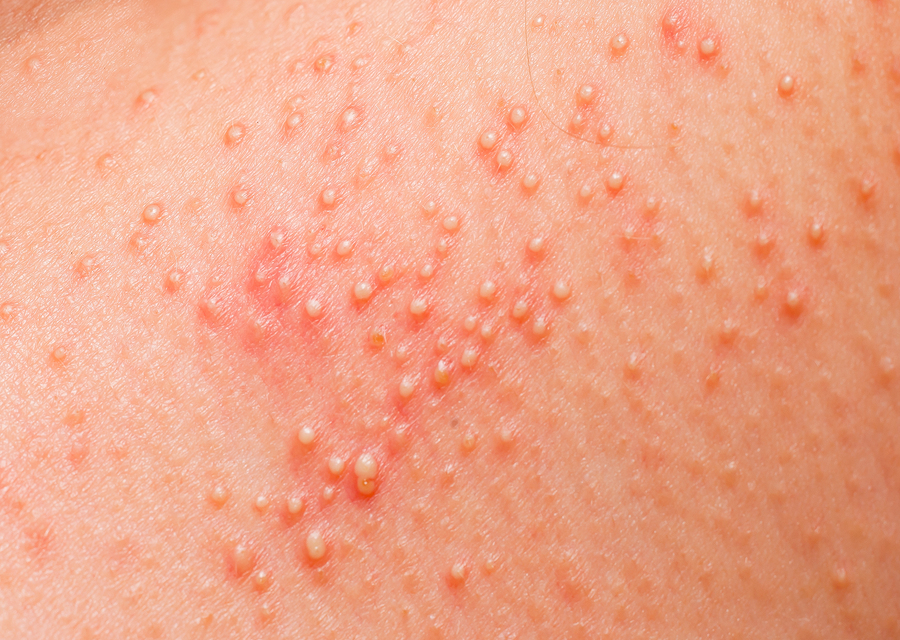
There are different types of heat rash that range in severity and therefore vary in appearance. The mildest and most common form of heat rash is called miliaria crystallina, which appears as small clearish-white bumps filled with fluid on the surface of the skin. This type of heat rash is more common in babies than adults.
Miliaria Rubra is a form of heat rash that occurs deeper in the epidermis and is, therefore, causes more pain and discomfort than miliaria crystalline. It appears as red bumps that cause itchy and prickly sensations. Miliaria Profunda is the least common form of heat rash, but it can be chronic. It occurs in the deepest layer of skin, the dermis, and it appears as large, tough, flesh-colored bumps.
What Causes Baby Heat Rash?

Babies and young children are more prone to getting heat rash since they have smaller pores than adults. If a baby is sweating a lot, the pores are likely to get clogged, resulting in heat rash. It is likely to occur around their neck, shoulders, and chest, but it can also develop in skin folds such as the armpits, elbows, and thighs.
What Causes Adult Heat Rash?

Heat rash in adults is usually caused by a combination of overheating and friction on the skin. Intense exercise, working outside, or any activity that leads to heavy sweating can cause heat rash. It is more likely to occur in places such as in between the thighs or under the arms, where the skin is rubbing together, since this makes it more difficult for sweat to escape the body, leading to clogged pores.
What are Symptoms of Heat Rash?
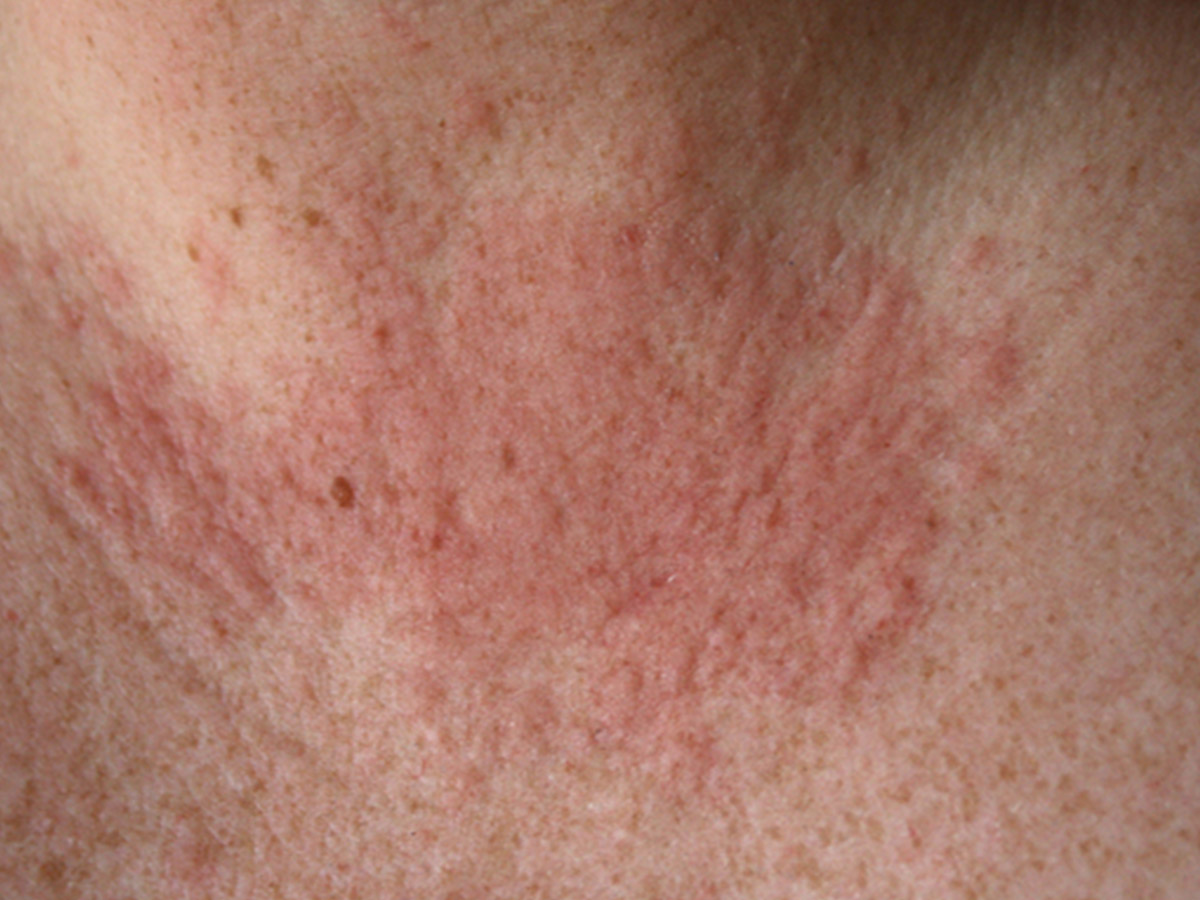
Depending on the type of heat rash you are experiencing, the symptoms can vary. Common symptoms include clear, fluid-filled blisters or bumps that break open; red bumps with itching or prickling in the affected area; occasionally, inflamed and pus-filled; firm, flesh-colored lesions resembling goosebumps. These symptoms will typically be found on the neck, shoulders, and chest. They are also sometimes found in the armpits, elbow creases, and groin.
Other symptoms that can result from the lack of sweat caused by heat rash include swollen lymph nodes, fever or chills, pain, swelling, dizziness, or nausea. If you experience any of these symptoms, seek medical attention as soon as possible.
How Long Does Heat Rash Last?

Heat rash usually doesn’t require medical attention since it will typically go away on its own within a few hours. However, if it lasts longer than three or four days, or appears to be getting worse, medical attention may be necessary.
What Treatments Exist?
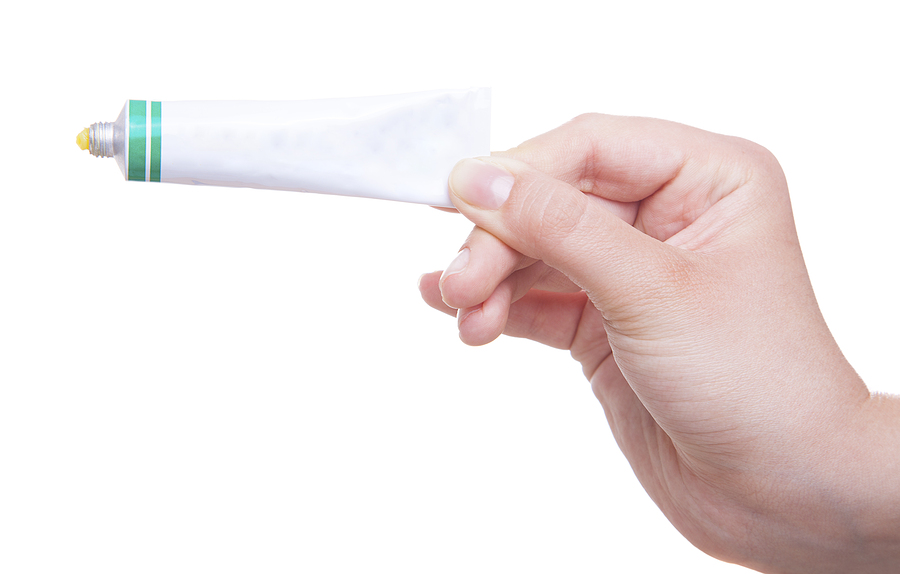
Usually, cooling the skin down will result in the rash clearing fairly quickly. However, if the rash is more severe or reoccurring, there are some ointments that can be applied to the skin to avoid complications. Calamine lotion can be applied to the skin to soothe itching. Anhydrous lanolin is a cream that can help prevent duct blockage and keep new lesions from forming on the skin. In severe cases, topical steroids may be used.
How Can Heat Rash Be Prevented?
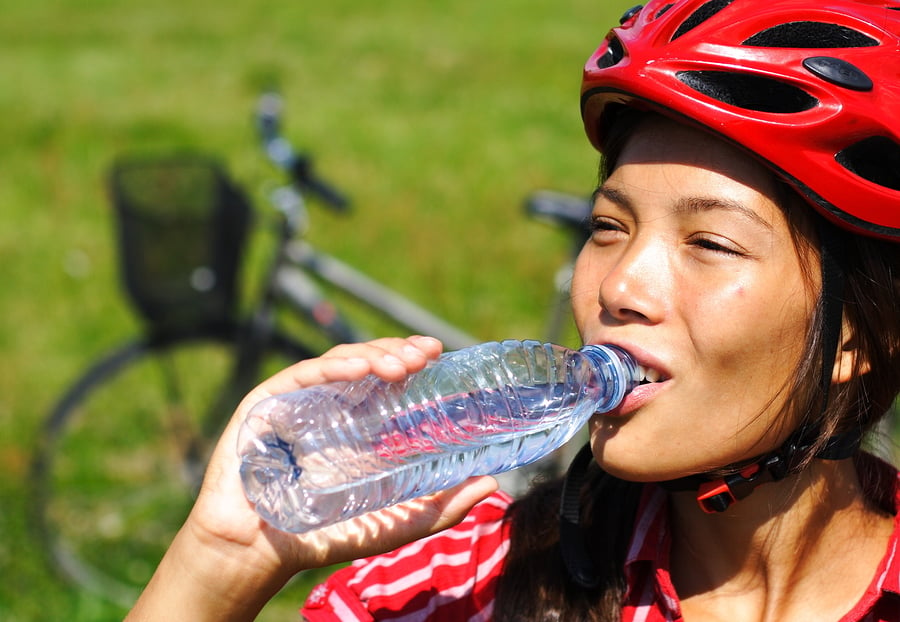
If you or your child are prone to developing heat rash often, there are some things you can do to help. Wear loose, lightweight clothing when outside in hot weather—but try to avoid the heat as much as possible by staying inside air-conditioned buildings. After bathing, let your skin air dry instead of toweling off.
Don’t use creams or ointments that contain petroleum or mineral oil, since these have been proven to block pores even further. When outside, use fans to keep the air circulated. When sleeping, keep the room cool and well-ventilated. Avoid overdressing children in the winter, since they can sometimes develop heat rash if they are bundled up too tightly.