

Diverticulitis: All You Need to Know in 6 Photos
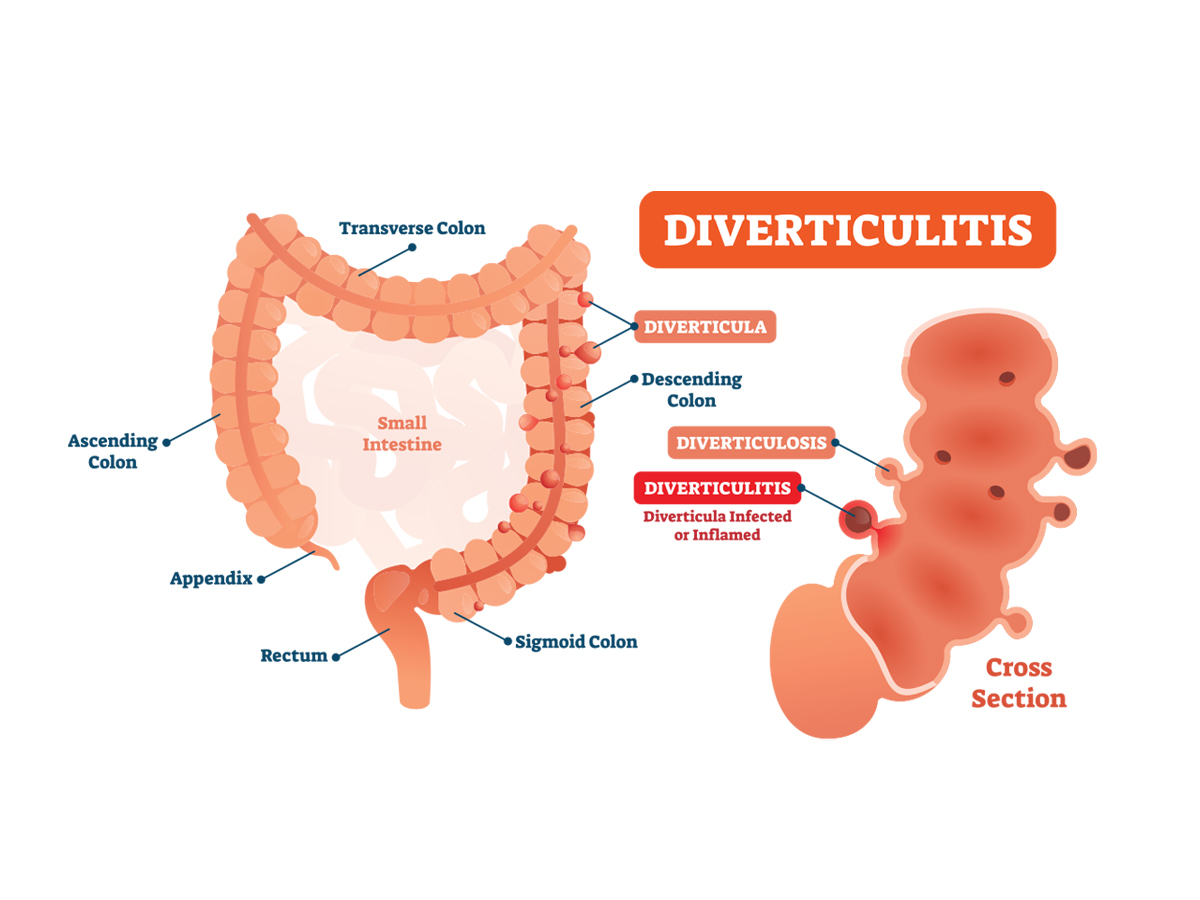
Diverticulitis can be a pretty painful condition that could land a person in the hospital, but what is it? Let’s start at the beginning. Sometimes, our digestive tract can have small bulges or pouches, most commonly formed in the lower colon. These are developed due to weak spots in the colon, but don’t worry! Everyone has them. Unfortunately, it puts people at risk for diverticulitis.
Diverticulitis is when those small pouches become inflamed. If a patient doesn’t seek treatment right away, this could result in an infection. This infection can get a lot worse over time, as well. Without seeking treatment, the person could even have bowel perforation (a hole in the bowel).
Knowing the signs is your first defense against diverticulitis, so we put together six pictures that will help you understand this problem and when you should seek help.
Disclaimer: The information in this content is for general informational purposes only, not a substitute for professional medical advice. Always consult your doctor before making any changes to your lifestyle.
How Can You Prevent Diverticulitis?

You can prevent diverticulitis by reducing the risk factors through lifestyle changes. Eating enough fiber, exercising, quitting smoking, and drinking more water are all great lifestyle changes to make to help prevent diverticulitis. You will also need to be aware of not taking too many NSAIDs, opioids, and steroids. Only take these medications as needed or as directed by your doctor.
What is Diverticulitis?
What Causes Diverticulitis?

Marble-sized pouches called diverticula can form in the colon naturally due to pressure. Diverticulitis occurs when waste becomes trapped in the pouches, allowing infection- and inflammation-causing bacteria to grow.
What Are the Symptoms of Diverticulitis?
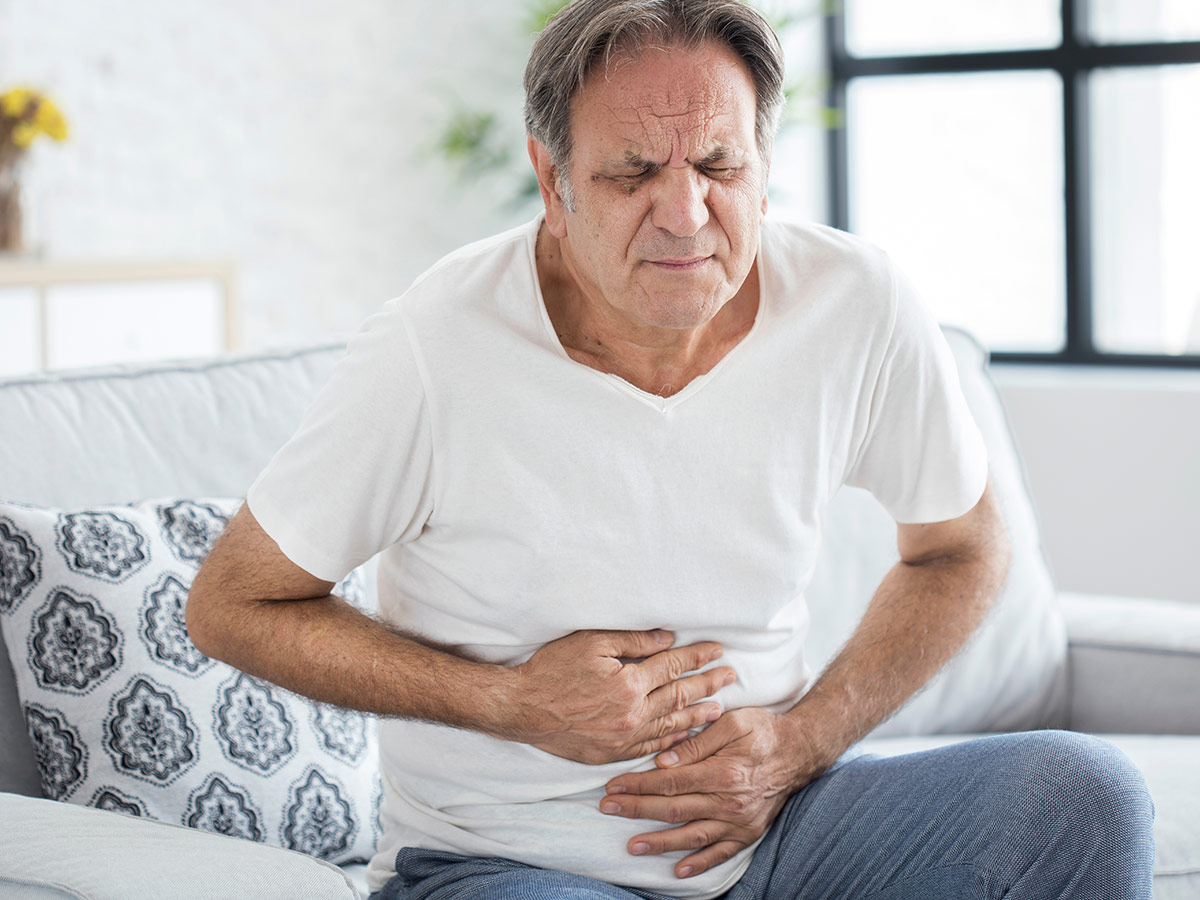
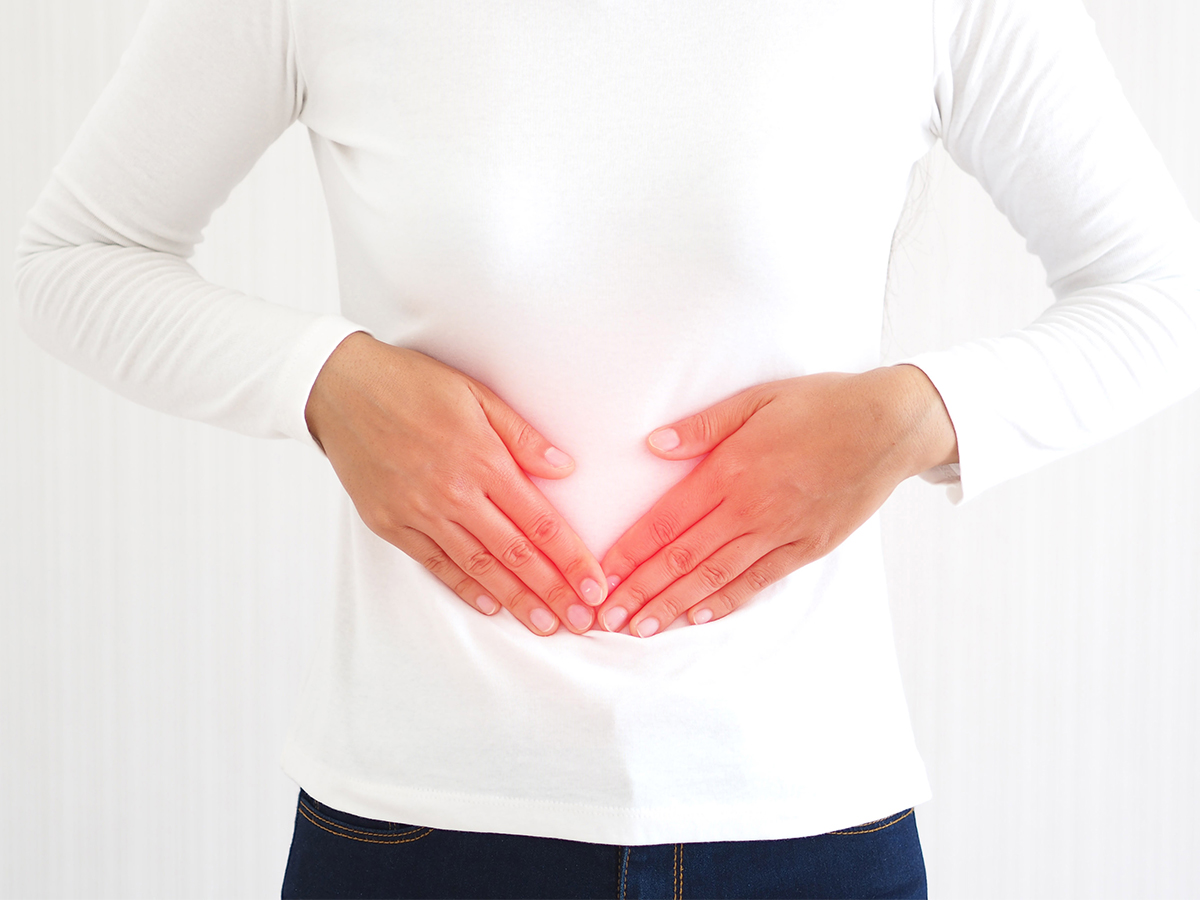
The most common diverticulitis symptoms include abdominal pain, nausea, fever, diarrhea, and constipation. The abdominal pain can last for several days and is usually on the lower left side of the abdomen, but the pain could also occur on the lower right side. If you are experiencing these pains with fever, constipation, or diarrhea, you should talk to your doctor.
What are the Risk Factors of Diverticulitis?

The risk factors for diverticulitis are aging, obesity, smoking, lack of exercise, a high fat and low fiber diet, and certain medications such as NSAIDs (ibuprofen and naproxen sodium), opioids, and steroids. Your doctor will help you determine what risk factors could have contributed to your diverticulitis and help you adjust your lifestyle to make sure it doesn’t get worse.
What Foods Aggravate Diverticulitis?

In the past, doctors have warned patients that certain foods that are difficult to digest, such as nuts and seeds, can make diverticulitis worse. However, most researchers now believe that there is very little evidence to support such warnings.
What Are the Tips For a Diverticulitis Diet?
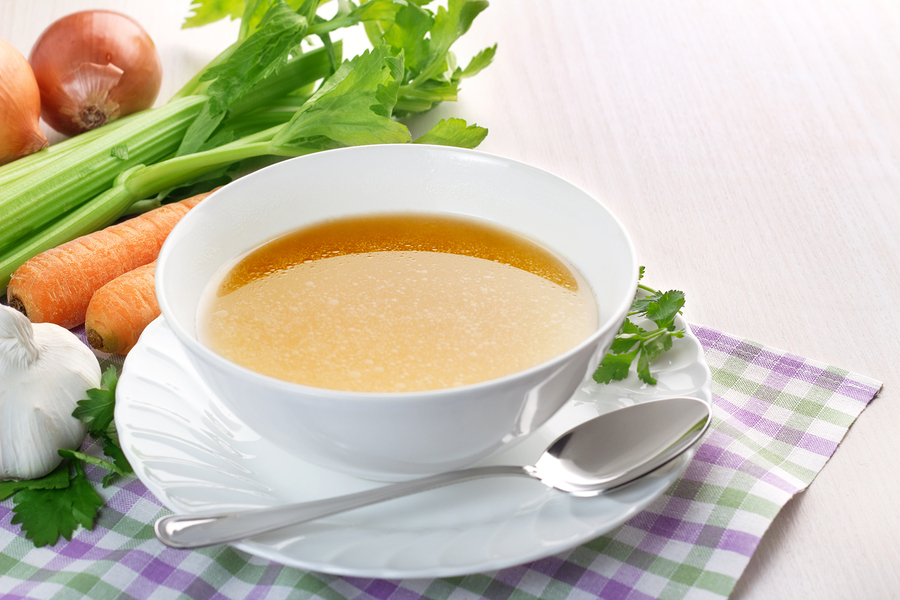
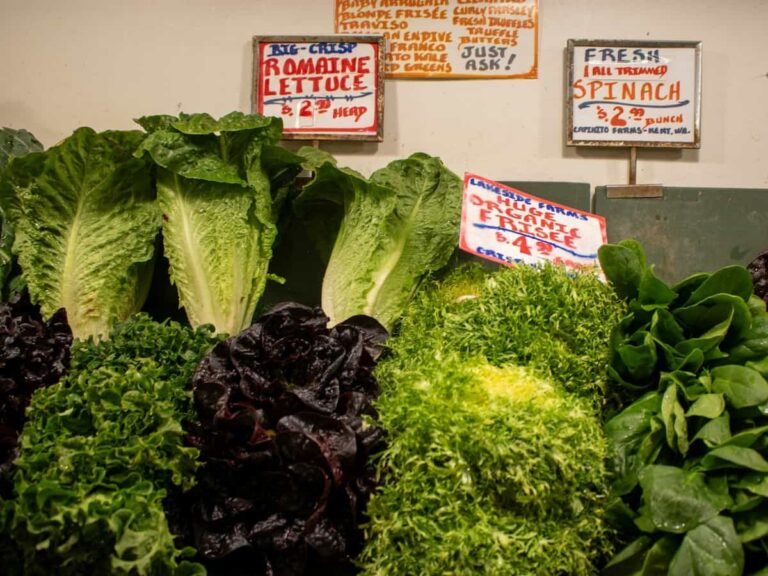
Most doctors recommend that patients who are currently experiencing diverticulitis symptoms switch to a liquid diet that includes plenty of water, fruit juice, and broth. As the symptoms subside, patients may begin to reincorporate more solid foods. To prevent the condition in the future, it’s best to stick with a diet that is rich in high-fiber foods. Fiber makes the digestive process faster and easier, which reduces the risk of new diverticula forming.
How is Diverticulitis Treated?
The treatment of diverticulitis normally focuses on helping patients manage their symptoms. This includes the use of pain relievers and antibiotics, as well as dietary restrictions that should be followed until symptoms subside. In extremely rare cases, the condition may lead to further complications in the colon that require surgery.
What are Possible Complications of Diverticulitis?
What is the Difference Between Diverticulitis and Diverticulosis?
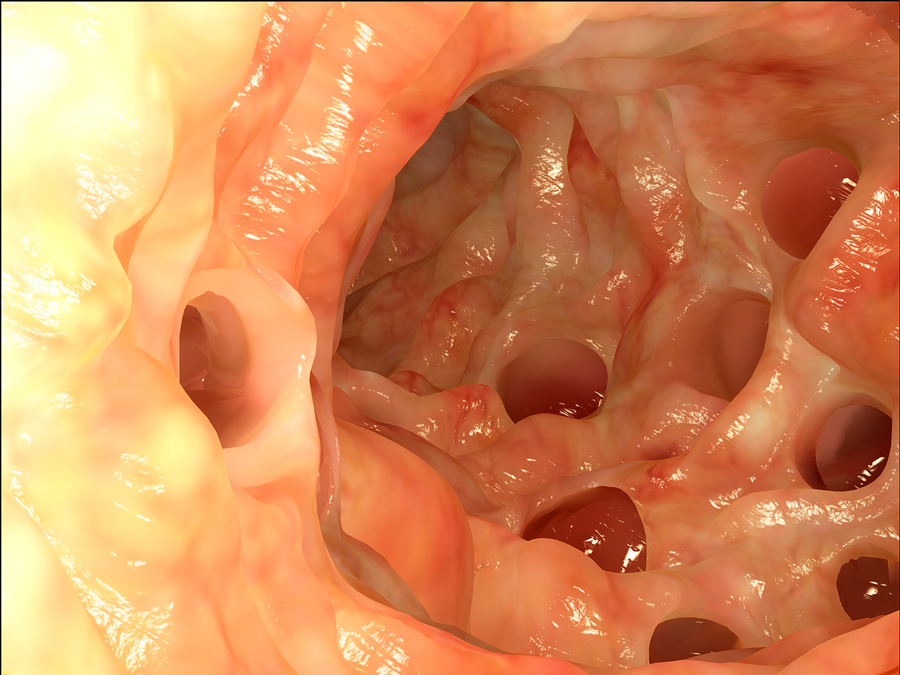
When diverticula begin to develop along the colon wall, this is known as diverticulosis. This process causes no symptoms in patients, and in fact, many people don’t even realize it has taken place. When diverticula become infected and begin producing symptoms, the condition is then referred to as diverticulitis.