
9 Types of Food Poisoning (and How to Avoid Getting Them)
Here are 9 types of food poisoning and how to avoid getting them. At some point in your life, you’ve probably gotten food poisoning. If you’re anything like us, all that meant was that you got sick. Sometimes you’d be sick for a few hours. Sometimes you’d be sick for a week. On occasion, you can tell what food made your life miserable, but many times, you have no idea. That’s it. Until now, that’s what food poisoning was.
That’s not the case.
Food poisoning is just a blanket term for an illness gained through something in your food, typically a bacterium or a toxin. This means that there’s not just one way to get food poisoning. There are a lot of bacteria and toxins out there in the world, meaning there are a lot of types of food poisonings you can get. In this slideshow, we’ll go over the most common types.
For example, you’ve probably heard of salmonella. It’s a nasty type of food poisoning that still affects a lot of people. It can be found in a lot of things, especially poultry, eggs, and undercooked meat. It’s something that you have to be cautious about almost every day of the week. Staph infections are another sort of food poisoning that can be transmitted extremely easily but prevented by washing hands and food before cooking. Although it’s extremely preventable, it’s still extremely common.
There are other types of food poisoning, though. Cholera is extremely prevalent in the world, although western societies typically have sanitation systems that prevent outbreaks. There are other types of food poisoning and foods that cause them that you should know about. If you’re interested in preserving your health, read on!
Disclaimer: The information in this content is for general informational purposes only, not a substitute for professional medical advice. Always consult your doctor before making any changes to your lifestyle.
Cholera Causes
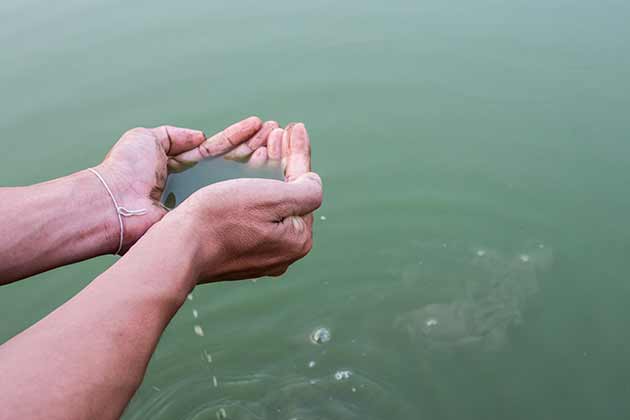
Cholera is most commonly caused by contaminated water. Drinking properly sanitized water will typically prevent cholera causes.
Because cholera is a bacterium that thrives in water, it can sometimes be found in undercooked seafood as well.
Cholera

Cholera was once extremely common in the Western world, but modern sewage and sanitation systems have helped prevent most outbreaks.
It’s extremely common in developing countries. Cholera causes severe diarrhea for about a week.
Campylobacter Enteritis Causes
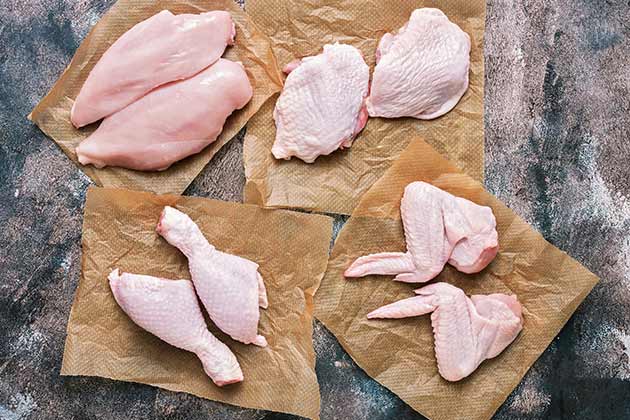
Because Campylobacter typically lives in the digestive tract of animals, it is typically found in animal byproducts.
The bacteria are typically found in improperly cooked meat, especially poultry. Unpasteurized milk can also be affected.
Campylobacter Enteritis

The Campylobacter bacteria is a common cause of food poisoning that affects 1.3 million people a year.
Symptoms such as diarrhea, fever, and abdominal cramps will usually set into the affected person within a few days and last about a week. Medical attention is not usually needed.
Botulism Causes
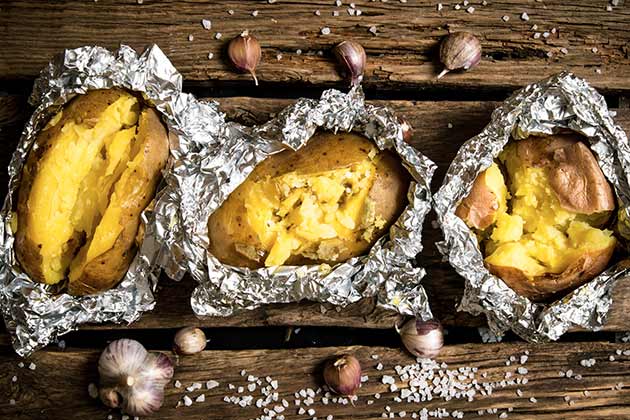
Botulism, although rare, is caused by extremely common foods. Home-canned foods, although delicious, are the most-frequent carriers.
Baked potatoes wrapped in aluminum can also cause botulism.
Botulism
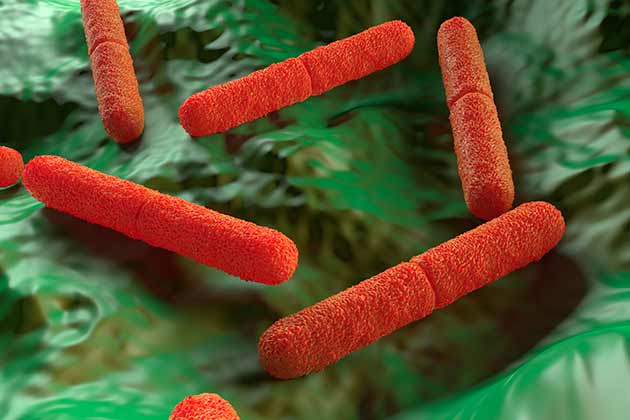
Botulism is a rare but potentially lethal type of poisoning. Symptoms can set in as early as 12 hours. Symptoms are unusual.
Infected people develop dry mouths, weakened facial muscles, double vision, and trouble breathing. Vomiting can also occur. Paralysis is a rare and extreme symptom.
Norovirus Causes

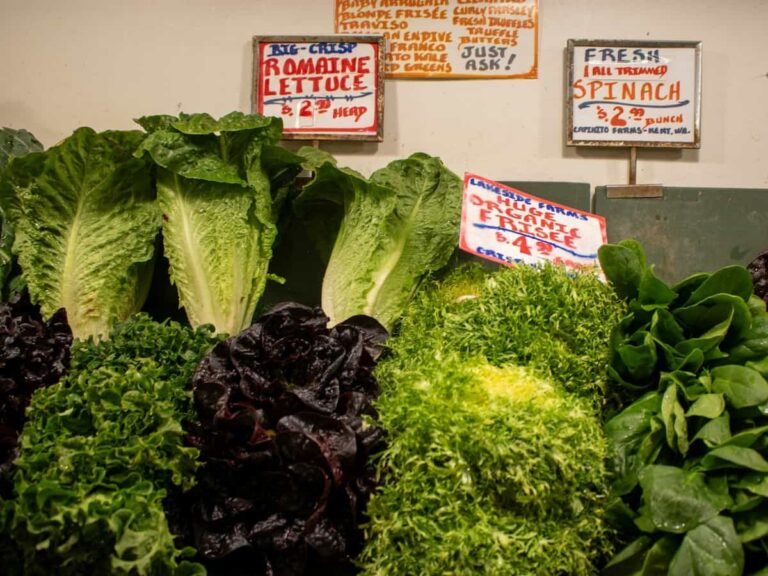
Norovirus is often caused by the healthiest foods. Leafy greens like lettuce and spinach are some of the biggest culprits.
Fresh fruits and shellfish can also carry the illness.
E. coli Enteritis
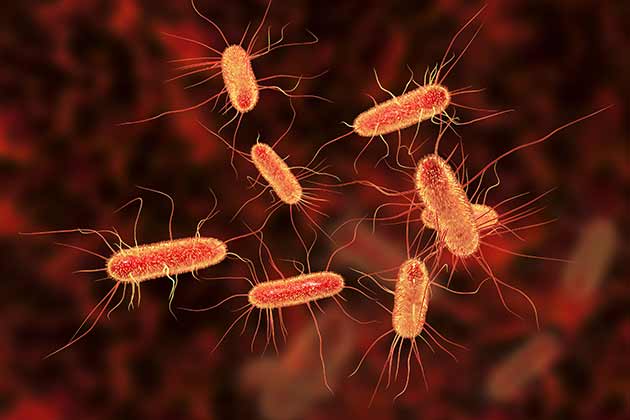
E. coli Enteritis is a dangerous strain of a typically harmless bacteria. It’s a potentially dangerous sort of food poisoning that is often acquired while traveling.
The most common symptom is severe diarrhea, but fever, fatigue, dehydration, and vomiting are also causes. Symptoms develop within three days of contracting the bacteria and typically last about two days.
E. coli Enteritis Causes
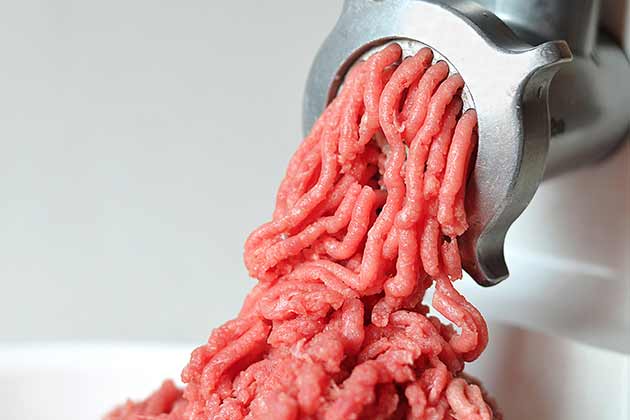
E. coli Enteritis food poisoning can cause by a whole host of things. Like most types of food poisoning, undercooked meat can be problematic.
Foods that should be refrigerated but are left out too long can become affected. Improperly washing your hands or your food before preparing a meal can also cause serious issues.
Ciguatera
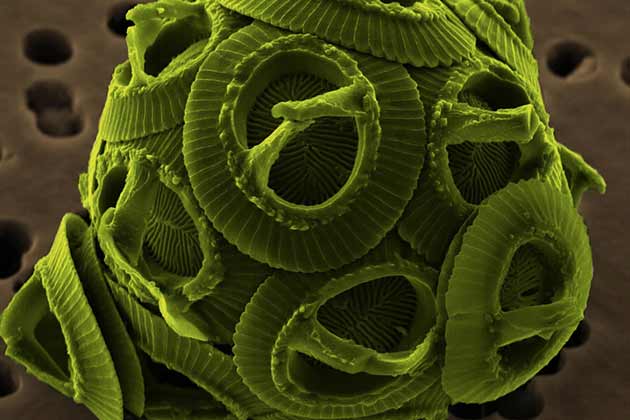
Ciguatera is the most common food poisoning related to seafood. In addition to standard food poisoning symptoms like nausea and vomiting, ciguatera can bring some neurological symptoms as well.
Most noticeably, people notice that hot things feel cold and cold things feel hot. Vertigo, itching, and tingling extremities may also occur. There is no cure, and symptoms can last days, weeks, or even years.
Ciguatera Causes
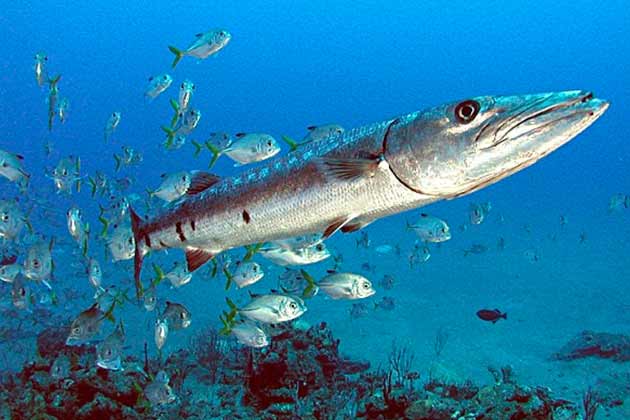
Ciguatera is a toxic marine microalga that often affects fish that affect reef fish that weigh more than 6 lbs.
The microalgae will typically affect barracuda, grouper, eel, sea bass, and Spanish mackerel.
Listeria
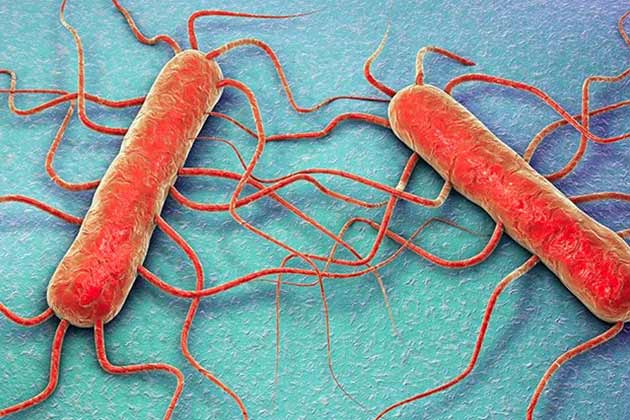
Listeria is an interesting type of food poisoning because it can survive in most settings. It can grow with or without oxygen. It can grow in a fridge or in a freezer.
However, its symptoms are fairly standard for food poisoning and only last a few days.
Listeria Causes

Listeria can be found in a number of atypical foods.
Deli meat is a common carrier, but so are soft cheeses, cantaloupes, and hot dogs.
Staphylococcal
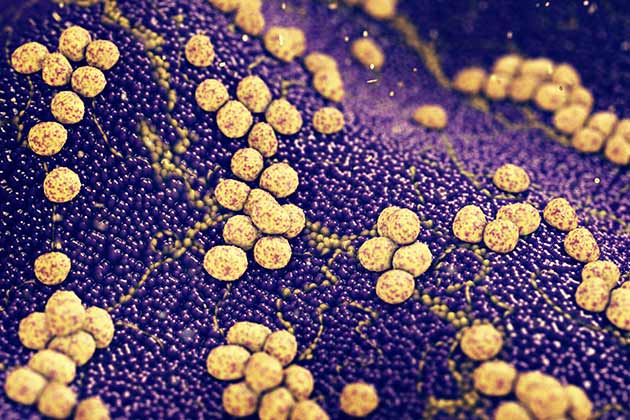
Staphylococcal infections, or staph infection, is a type of food poisoning that spreads extremely easily. It’s a bacterium that often lives on people’s skin and becomes dangerous when affected.
Within 30 minutes of being affected, you can begin to experience nausea, vomiting, and stomach cramps. These symptoms typically only cast a day.
Staphylococcal Causes
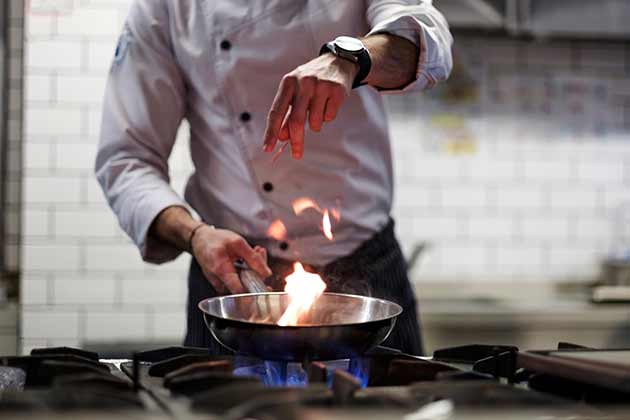
Staph infections are typically transmitted by people preparing food without washing their hands.
This puts foods like deli meats at an increased risk of carrying staph.
Salmonella

Salmonella is one of the most common types of food poisoning. It affects hundreds of thousands of people each year and causes hundreds of deaths.
Salmonella can set in within a few hours. Common symptoms include nausea, vomiting, diarrhea, and abdominal cramps.
Salmonella Causes
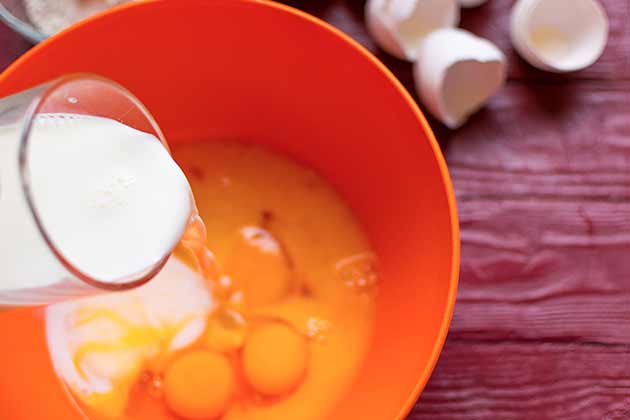
Salmonella poisoning is often caused by common food items.
Eggs, dairy products, and raw poultry are the most common culprits.
Norovirus
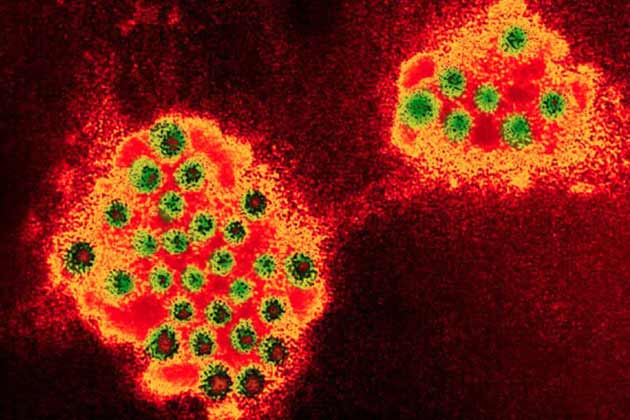
A norovirus infection can be caused by foods or by someone carrying the infection. Because it is transmitted so easily, places like hospitals, nursing homes, or daycares are at a higher risk.
Symptoms include the sudden onset of diarrhea, vomiting, and fever.