

25 Things Medical TV Shows Get All Wrong
We all love a good drama, and few genres are as dramatic as hospital and medical TV shows. It’s a battle of life or death! Literally! There’s also usually a little romance mixed in – okay, a lot of romance. These shows are edge-of-your-seat intense, and we can’t help but binge watch them or tune in week after week to find out what’s going to happen next. No one wants to be left in the dark.
With that being said, they’re not exactly accurate. In fact, some TV shows get it completely wrong. Being a doctor or nurse isn’t anything like they display on the show. It isn’t nearly as dramatic, and there are tons of policies and rules that medical professionals have to abide by.
Some shows, like Scrubs, get as close to reality as they can, but even then, the writers, directors, and actors have to take a few liberties. No one wants to watch reality, but we’re here to say that you shouldn’t take any advice from these shows – especially House. They’re super fun to watch, but real life is a lot different. These are 25 things that happen all the time in medical TV shows that are incorrect at best and dangerously wrong at worst.
Defibbing a Stopped Heart

We’ve all seen the heart-stopping scene (sorry, not sorry for the pun) where someone is flatlining, and the doctor grabs the defibrillator. In reality, the massive shock won’t do anything because there’s no electrical activity. Chances are, the person is gone. Usually, a defib is used when a heart is beating too fast or too chaotically. Should someone’s heart stop, the doctor performs CPR and administers a dose of epinephrine every three to five minutes.
Performing CPR on Everyone
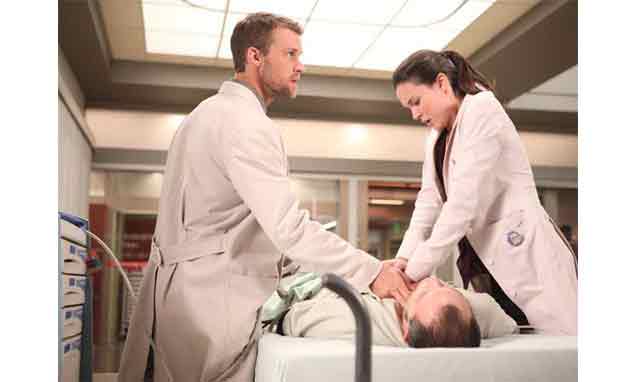
TV doctors love to perform CPR on everyone, but it’s not ideal. Only 40% of the patients who receive CPR after cardiac arrest survive. Sure, CPR is a great thing, and it saves lives every day, but it can cause a lot of damage. The process can crack ribs, bruise lungs, and even cause brain damage.
Hospitals are Dramatic
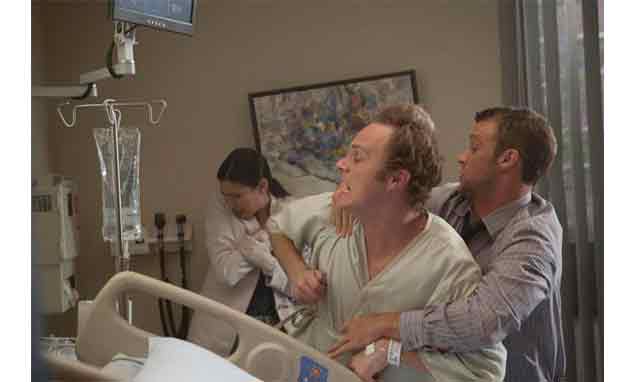
Drama makes for an exciting series, but it would be horrible to be in a hospital that was as dramatic as they show them on TV. Most doctors spend most of their time doing paperwork and making phone calls. Plus, no one wants a doctor to act the way they did on television – it’s just unprofessional.
Doctors Do Everything
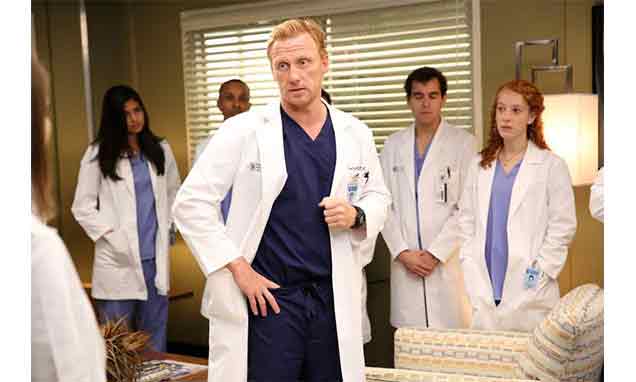
Several medical TV shows have doctors do everything from changing needles to performing surgery. Hospitals are full of nurses for a reason. A nurse will make sure a patient is alright and usually page a doctor if something needs to be brought to their attention.
Doctors and Their Bedside
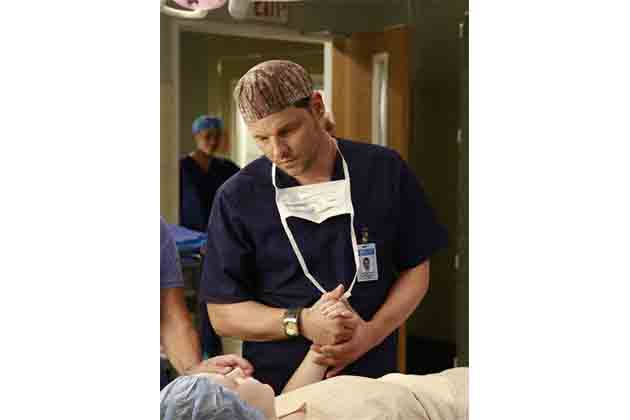
Doctors in shows stay at their patients’ bedside pretty much the whole episode (or more, depending on if it’s a part one). It’s actually pretty rare for a doctor to sit at your bedside, teary-eyed because they want to help their patient. Yeah, they want to help, but they can’t be in the room every five minutes. Doctors have several other patients to take care of at any given time.
Zero Hierarchy

Hospitals have a hierarchy. Attending physicians are at the top, followed by fellows, residents, interns, and medical students. In real life, they work together to learn and train. However, it isn’t unusual to see a student trying to one-up a resident during rounds. A resident isn’t going to argue with an attending physician in front of a patient. It’d be like arguing with your boss in front of a client.
No Repercussions for Behavior

We all love a good episode of House, but any doctor that pops Vicodin would lose their license. Additionally, doctors can’t really make fun of their patients or tease them incessantly about inappropriate topics like their sex life. No matter how brilliant they are, they would have been fired ages ago.
Medical Students Easily Pick Their Specialty

Picking your specialty isn’t like choosing your major during the first year of college. It’s a long process that’s pretty complex. At times, it can be incredibly competitive. Students must go through an application, extensive travel and interviews, and even nationwide match pairing for residency programs.
Organ Donation is Scary

The idea of an organ donation is pretty terrifying, and we can all admit that, but TV shows take it a step too far. They always seem creepy, which doesn’t help put people’s minds at ease to check the “organ donor” box for themselves. One organ donor can save eight lives, and the success rate is 80% to 90%.
Monitors Aren’t Always Right
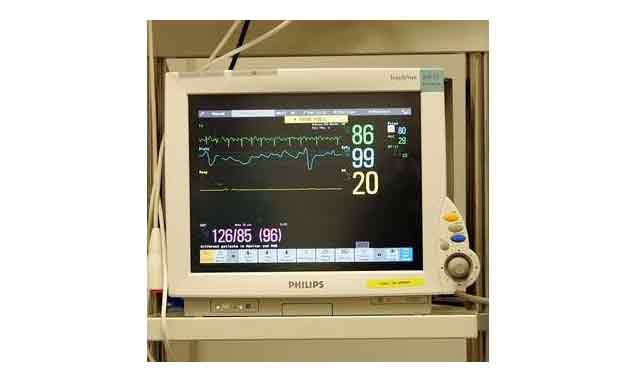
Pretty much every medical TV show has a doctor look at a patient’s monitor and determine how they’re doing. It’s a sad fact, but the machines aren’t always accurately displaying the situation. Sometimes, the machines can’t get an accurate read on the person, and it shows inaccurate information.
Doctors Know Everything

Your doctor is smart, but there’s no way for them to know everything. That’s why we have specialists in the real world. Even then, doctors can get it wrong because they’re human like everyone else. Everyone can admit that doctors on television seem to know everything about everything.
Tubing Isn’t Simple

In a TV show, an unresponsive patient on a ventilator might have a tube in their nose. In reality, at that point, they’d have several tubes in their body. It can look messy and even be scary if you don’t know what’s going on. Medical shows can’t accurately display what’s going on because they can’t exactly drop a tube down an actual, breathing actor’s or actress’s throat.
No One Can Handle Seizures
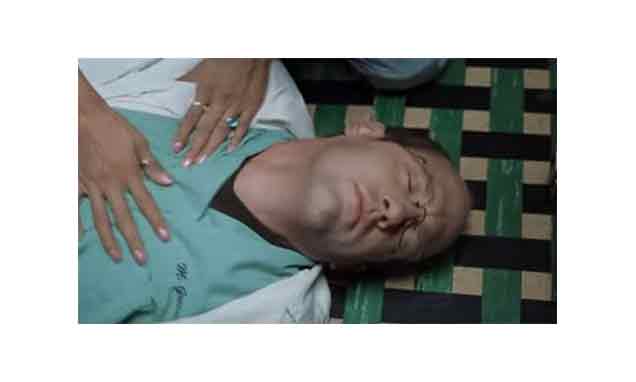
Doctors on TV don’t know how to handle seizures, and the misinformation has led to people reacting incorrectly. Did you know that you’re not supposed to hold the person down? You’re also not supposed to stick anything in their mouth. While we’re on the topic, they can’t swallow their tongue. All someone needs to do is stay calm, and talk to them while trying to make them as comfortable as possible until the seizure subsides. If it lasts longer than five minutes, seek medical attention.
Doctors Can Perform Outside Their Specialty
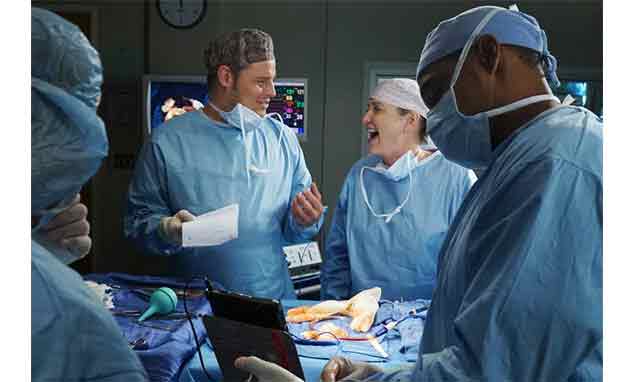
Once a doctor becomes a specialist, they’re pretty much locked into that profession. This is somewhat thanks to the complicated processes that it takes to become a specialist. It’s even more unbelievable when doctors perform surgery on their patients. Like Scrubs displays, there are surgeons and a surgical team that takes care of the patient while they’re going through a procedure.
Plenty of Time for Gossip

Nurses and doctors don’t have that much time to gossip. In a hospital, nurses are incredibly busy and work 8 to 12-hour shifts. Some even work double shifts of 16 hours. Doctors have a much more hectic schedule that can be as long as 80 hours per work. The last thing many of them want to do is chat it up and gossip. Plus, most nurses and doctors don’t have the opportunity to work with their BFFs.
Reviving Patients is Easy
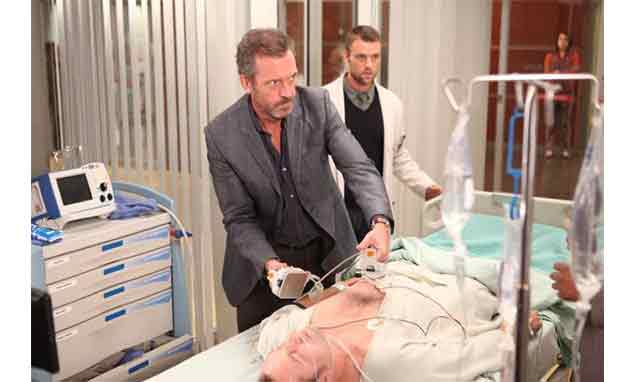
Some shows depict resuscitating patients accurately, but not many. Bringing a patient back is actually pretty hard, and often not possible. On TV, patients almost always come back, but in the real world, there’s only about a 5% to 10% success rate in ideal circumstances.
Romance with Patients
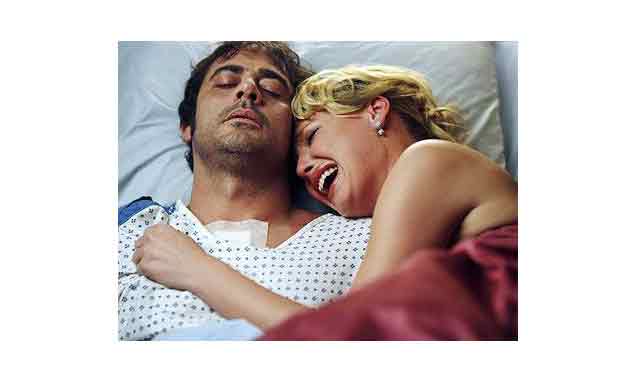
TV doctors continuously get involved with their patient, even going as far as making out in front of their boss. In real life, this would never happen – ever. If a medical professional gets involved with their patient, they’ll get fired and ruin their reputation. They may also be fined and forced to go through ethics training.
Breaking into Houses
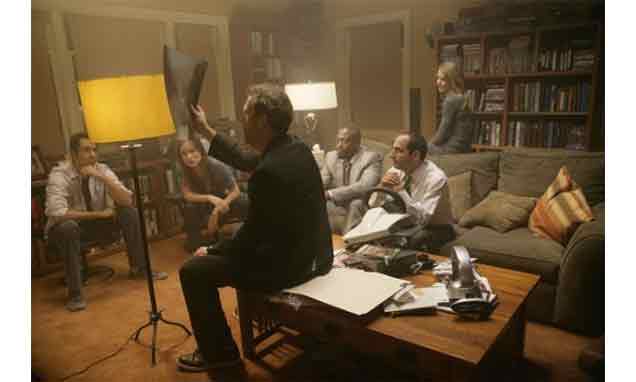
We’re not going to say doctors never break into people’s houses, because we’re sure it’s happened somewhere, but it’s extremely unlikely. They don’t rifle through all your belongings to find a clue or sample of some kind that they can use to diagnose you. If they break into your house, it has nothing to do with helping you, and you should call the police.
(Image via Facebook)
Backward Stethoscope
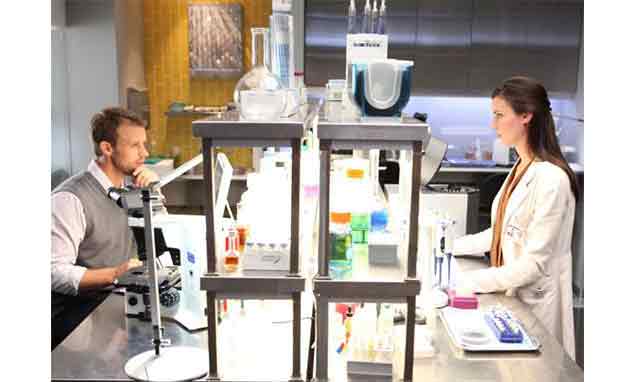
It’s a pretty small thing, but anyone in the medical field will notice – the stethoscopes are almost always backward. Maybe TV shows do it so the audience can see what it is, but that’s doubtful. Chances are, it’s just a mistake that’s so small that they don’t care.
(Image via Facebook)
Incorrect Charts
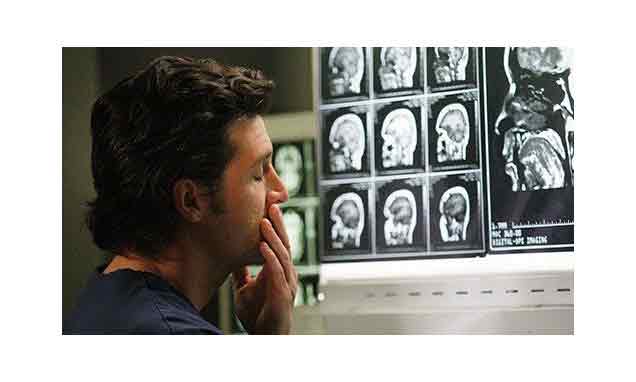
Every doctor looks at charts to understand what’s going on. The issue is that x-rays and scans are wrong on television shows. The results don’t bear a resemblance to the condition the doctors and nurses are discussing.
Freezing Appendages Isn’t Helpful

Several shows have depicted freezing fingers and toes if they’re cut off – put it on ice, and it’ll be alright! Wrong. In real emergencies, it’s good to keep the appendage cool, but you should never freeze it. Throwing it on ice could cause cell damage that isn’t repairable. The damage can be even worse if it’s in direct contact with ice.
Births Aren’t Dramatic
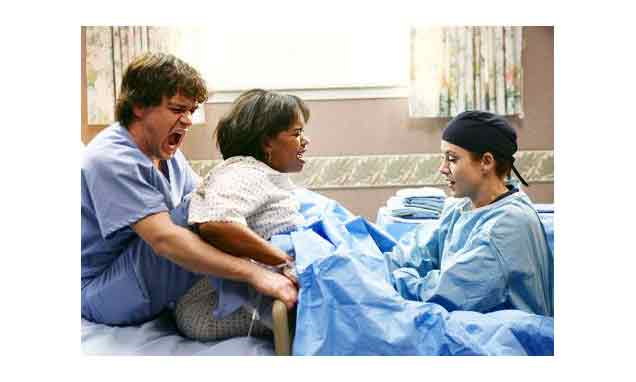
Giving birth in a TV show seems incredibly dangerous. The mother will probably have some kind of complication, and that can scare any pregnant woman half to death. Most women don’t have difficulties, and those that do usually have minor issues.
Declaring Death Isn’t Easy
Few television series show what it’s like declaring someone dead. A patient can only be declared dead by a doctor. Before declaring someone dead, a doctor will try their best to bring them back to life, except in dire cases.
Rubbing Defibrillator Paddles Together

Anyone that’s in the medical community might wonder why TV show characters rub the defib paddles together. It looks cool, but it’s completely pointless. Actually, it has a good chance of damaging the equipment, which may make it less reliable in cases of emergency.
Questionable Hygiene

Why are TV doctors and nurses so gross? You almost never see a doctor or nurse washing their hands before handling a patient. Not to mention surgeons don’t wear a face mask or eye guard. When was the last time a nurse wiped an arm with an alcohol pad before hooking up an IV?