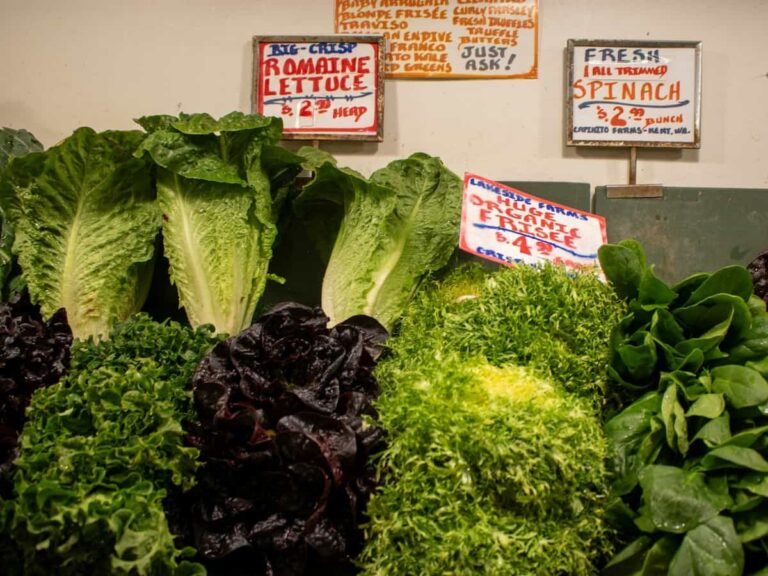


20 Foods That Help Heartburn
Millions of people experience acid reflux and/or heartburn. Approximately 20% of the U.S. population has been diagnosed with GERD (gastroesophageal reflux disease)
There is a mechanism in our esophagus called the esophageal sphincter whose job it is to let food pass into the stomach and to protect the esophagus. Once the food passes through to the stomach, the sphincter then closes to block food and fluids from coming back up.
When and if that sphincter relaxes food can push back up into the throat and cause that feeling of heartburn. Heartburn is the most common symptom of acid reflux disease.
Diet plays a major role in the prevention of and controlling acid reflux. As a matter of fact, one of the first things your doctor will do once you’ve been diagnosed is prescribe a new diet to control your symptoms of GERD. For example, foods that are fried, high in saturated fats, and spicy foods are some of the usual suspects known to cause heartburn.
However, instead of a list full of foods you should avoid, we’ve compiled this list of 20 foods you can add to your diet in order to control and avoid future acid reflux symptoms.
Disclaimer: The information in this content is for general informational purposes only, not a substitute for professional medical advice. Always consult your doctor before making any changes to your lifestyle.
Herbal Teas
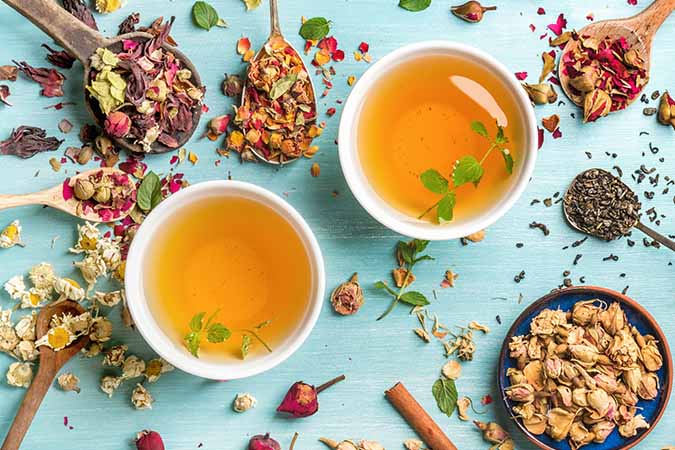
Teas like ginger, chamomile, licorice, slippery elm are great for getting rid of heartburn. Licorice tea helps to increase the mucus coating of the esophagus which, in turn, calms the effect of stomach acid.
Pro Tip: While these teas help improve digestion and sooth many stomach problems, some herbs can interfere with medications so be sure to speak with your doctor before trying a new blend.
Almonds
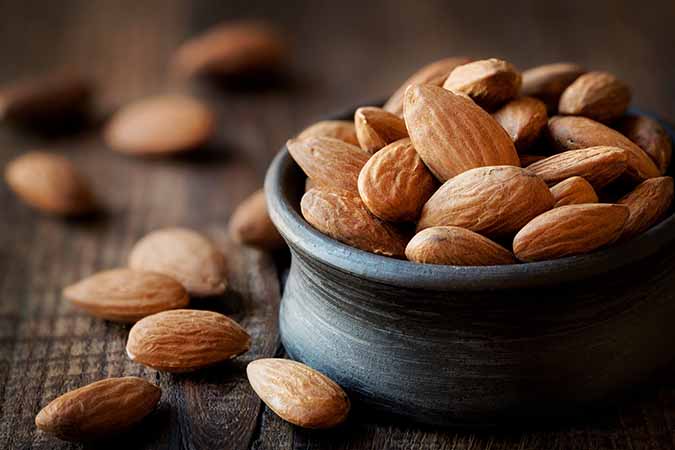
Generally alkaline (low in acid), almonds are high fiber content, monounsaturated fatty acids and omega-3 fatty acids. This means that they will keep you full between meals, lowering the risk of overeating and therefore the chances of getting heartburn.
Pro Tip: When it comes to almonds, portion control is key. Try to keep your snacks to one serving size which is approximately 23 almonds.
Yogurt
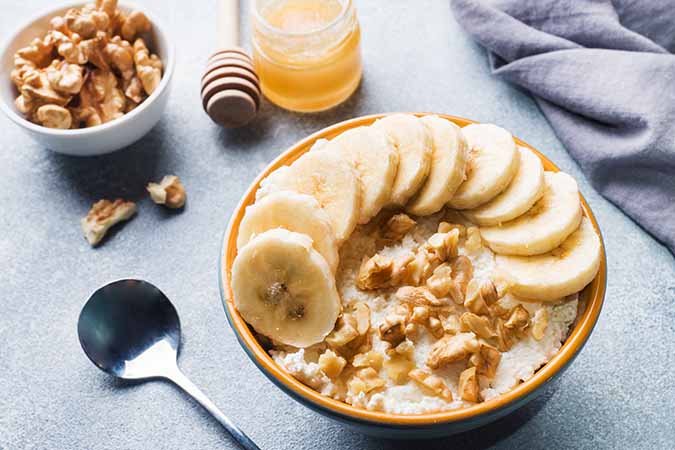
Yogurt contains protein which improves proper digestion. It also contains good bacteria called probiotics that fight off the bad bacteria in the stomach. In addition, yogurt has a soothing effect that helps keep stomach discomfort at bay.
Pro Tip: Grab a container of plain yogurt and toss in some apples, bananas, or melon to spread the benefits of this gut-healthy food.
Licorice Root
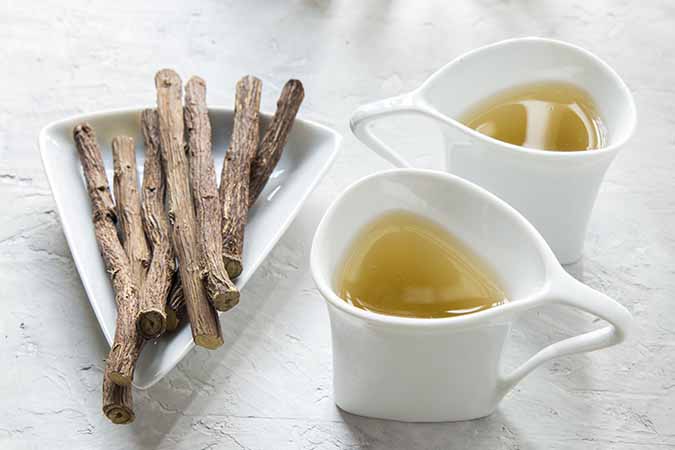
Licorice root extract is an anti-inflammatory that helps increase the mucous coating of the esophagus and also protects it from damage. Licorice root also helps to speed up the repair of the stomach lining.
Pro Tip: Using licorice root too much may cause raised blood pressure, lower potassium levels, and interfere with medications so be sure to speak with your physician about the right amount for you to use.
Coconut Oil
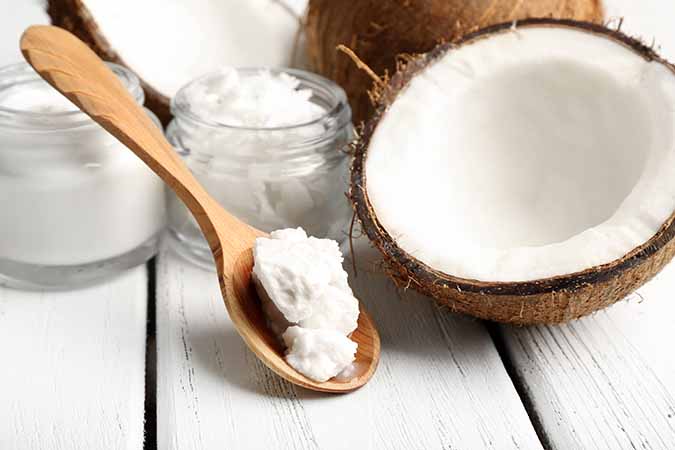
Coconut oil is anti-microbial and kills some of the bad bacteria in your stomach. It also helps prevent infections in the digestive tract and is soothing to the gut.
Pro Tip: While coconut oil is beneficial on a GERD diet, regular coconut is not. It contains caffeine, is high in fat content, and also contains excess cocoa—all of which are known to irritate acid reflux.
Seeds
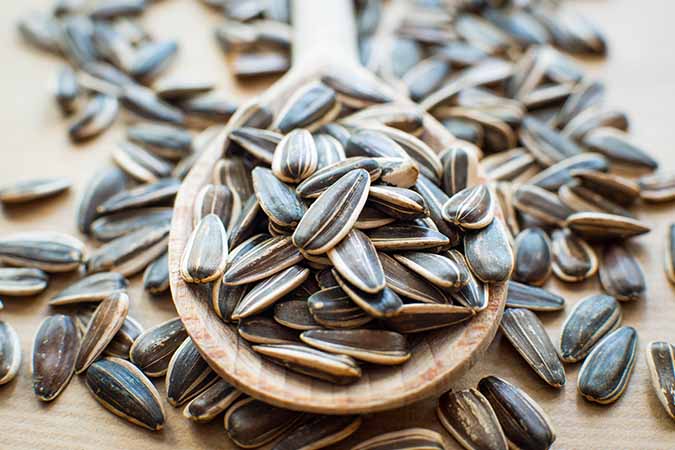
Seeds like flax, sesame, and sunflower seeds contain the healthier polyunsaturated fats. In addition, sunflower seeds are high in Vitamin E which is an antioxidant that helps reduce the severity of acid reflux and soothes damage in the esophagus.
Pro Tip: Try incorporating papaya seeds into your diet. But be careful—they taste like a blend between pepper and mustard so don’t try to add them to anything sweet!
Apples

Apples are low in acid and full of fiber which helps to keep you feeling fuller longer, minimizing your chances of over-eating. They are also a great source of calcium, magnesium, and potassium; all of which are believed to relieve acid reflux symptoms.
Pro Tip: We’ve all heard the old adage, “An apple a day keeps the doctor away.” Try to find different creative ways to incorporate them daily into your GERD diet.
Almond Milk
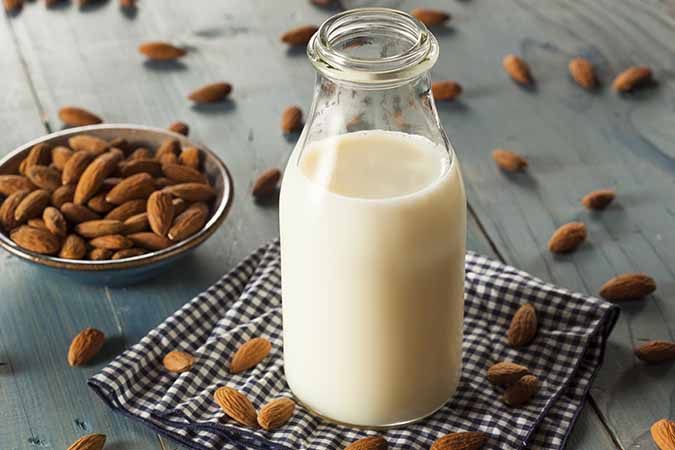
While cow’s milk has a pH of 6.8, almond milk’s pH is just 8.4. With its alkaline composition, almond milk is believed to neutralize stomach acid and relieve symptoms of heartburn.
Pro Tip: Further combat the effects of GERD by waking up to an almond milk smoothie in the mornings.
Chewing Gum

Chewing gum immediately after a meal for up to one hour helps to dilute the acid felt in the throat. Make sure the gum you choose has no artificial ingredients or sweeteners.
Pro Tip: Acid in the throat is further reduced when chewing gum is combined with walking after a meal.
Beans
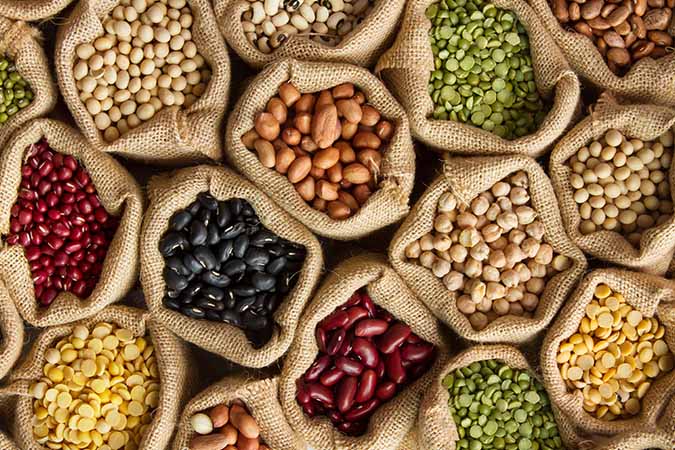
Legumes such as beans, peas and lentils are all heart-healthy sources of fiber that are also packed with proteins. They’re also non-acidic and low in fat which makes them the perfect staple for your GERD diet.
Pro Tip: Although kidney beans are among some of the best beans to add to this diet, try to stay away from throwing them into a pot of chili as spicy foods also encourage heartburn.
Seafood
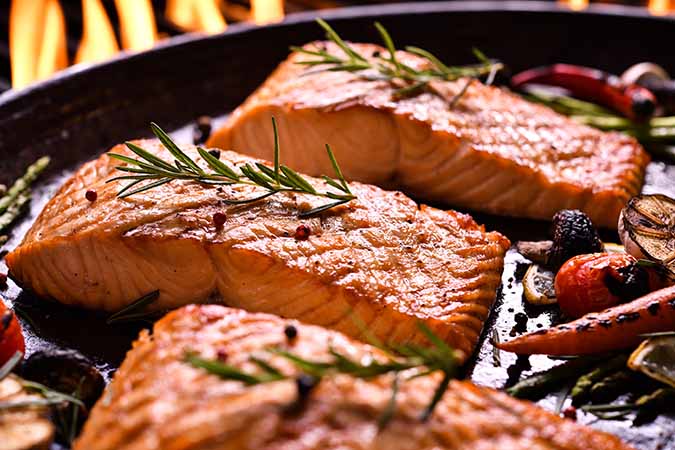
Wild oily fish like salmon, tuna, sardines, and trout and more contain those all-important, healthy omega-3 fatty acids, which are the good fats! These foods should always be baked or broiled, but never fried if you’re trying to avoid a heartburn session.
Pro Tip: Fish oil supplements have been known to trigger heartburn, so avoid them on a GERD diet.
Lean Meats

Meats such as turkey and chicken, are lower in fat and cholesterol content and reduce susceptibility to GERD symptoms. Meats with high fat cuts like beef, pork, and lamb take longer to digest and increase chances of heartburn.
Pro Tip: If you just have to have that steak, make sure to choose a lean cut and try to limit your red meat meals to once every two weeks.
Ginger
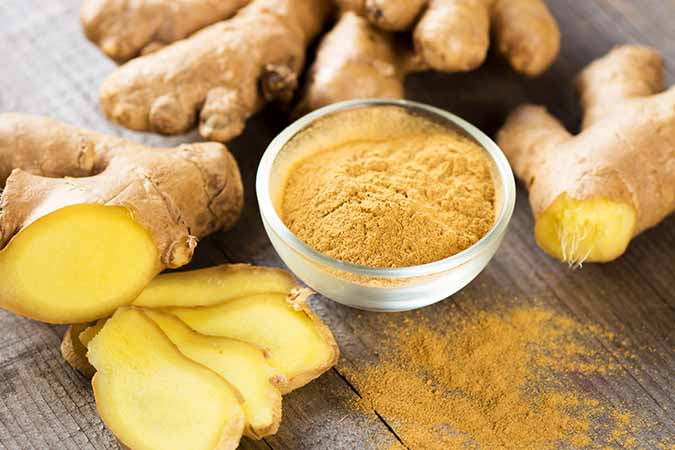
Ginger is a natural anti-inflammatory food and reduces the likelihood of stomach acid flowing up into the esophagus. You can add grated or sliced root to recipes or drink ginger tea.
Pro Tip: Avoid ginger ale, as carbonated drinks can also cause heartburn.
Bananas
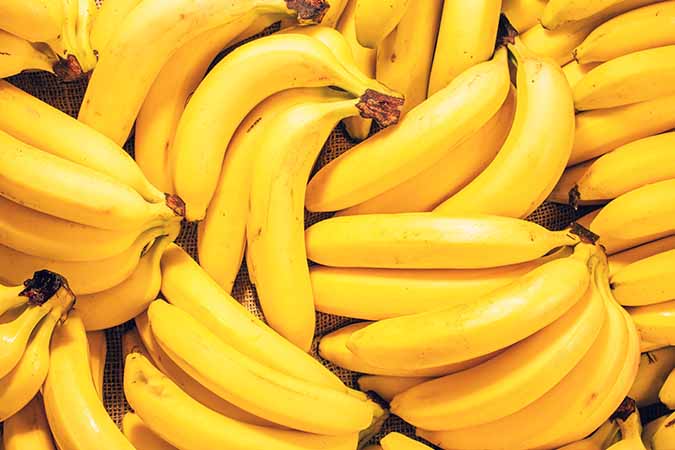
Bananas are a naturally low-acid fruit that is high in fiber and potassium. For a current attack, the fruit will usually coat the irritated esophagus, relieving symptoms.
Pro Tip: Bananas can also prevent future attacks by helping to strengthen the digestive system, warding off indigestion so be sure to add them to your regular diet.
Melons
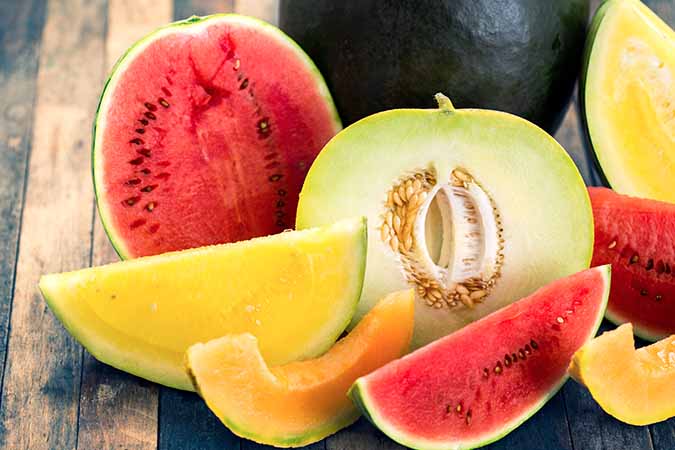
Melons are highly alkaline, meaning they have a low acidity level. They are source of magnesium which can be found in many over-the-counter heartburn medications. Cantaloupe and honeydew melons are highly recommended for a GERD diet.
Pro Tip: It is very easy to overeat melon which can also trigger acid reflux. Watch your portion sizes to ensure you’re getting just the right amount.
Green Vegetables
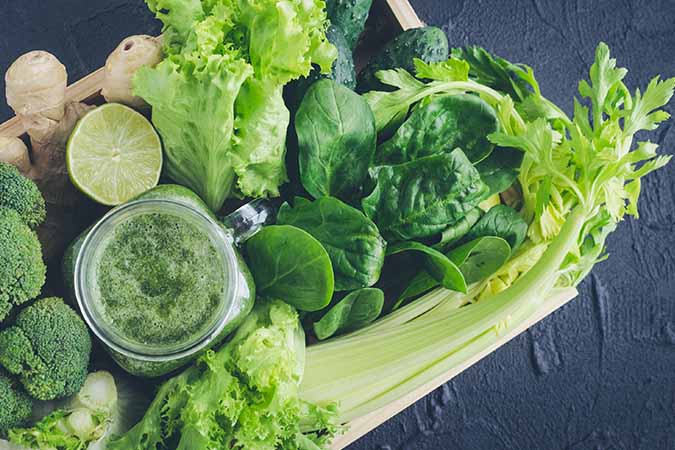
Green veggies such as lettuce, celery, and sweet peppers contain high amounts of water and can be eaten to dilute and weaken stomach acid. They are also low in fat and sugar, help reduce stomach acid, and they’re easy on digestion.
Pro Tip: Add a leafy green salad to your dinner each night, however, avoid tomatoes as they can cause heartburn.
Egg Whites
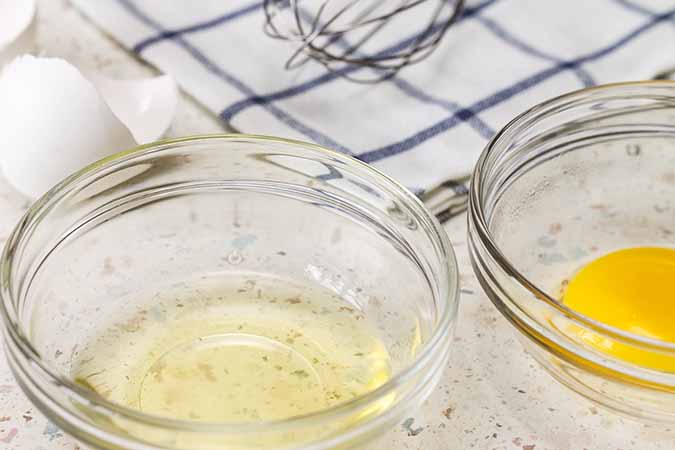
Egg whites contain all the protein to be found in an egg, without the fat that is usually found in the egg yolk. Foods that are high in fat—like egg yolks— will usually irritate GERD so this is a great way to enjoy eggs without the fear of incurring heartburn.
Pro Tip: Try a spinach and mushroom egg white frittata to incorporate other foods that help avoid acid reflux.
Potatoes
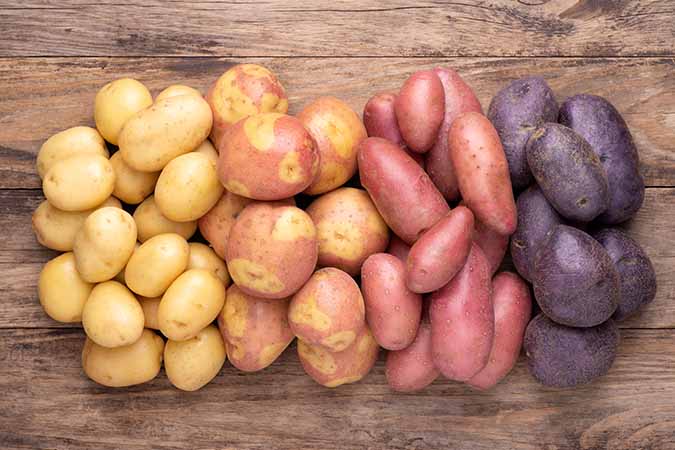
Root vegetables such as potatoes, carrots, and turnips, to just name a few—either raw or cooked—are great for a GERD diet. They contain high amounts of healthy complex carbohydrates and fiber.
Pro Tip: Enjoy your veggies however you prefer them, however, avoid onions, tomatoes, and garlic as these can irritate your heartburn.
Grains
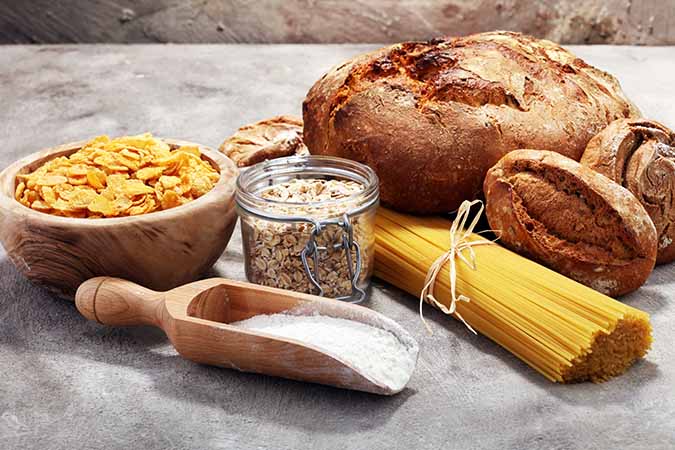
Grains like brown rice, pasta, and whole grain breads are also high in fiber and can help to stop heartburn symptoms by absorbing stomach acid. Other breads like wheat, 7-grain, and whole-wheat breads are usually stripped of their fiber, vitamins, and other nutrients.
Pro Tip: You’ll know if bread or pasta is whole grain by reading the label. Whole grain will be the first ingredient listed.
Oatmeal
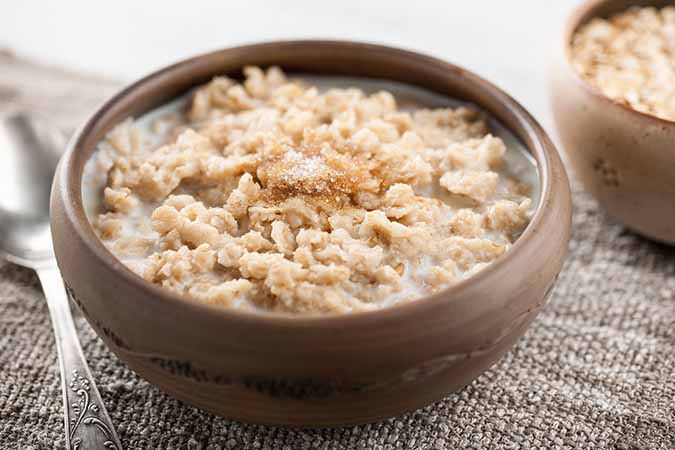
Who doesn’t like wholesome, whole grain, high-fiber oatmeal? Diets that are high in fiber have been linked to a lower risk of heartburn. This is probably due to the fact that high-fiber foods are more filling and keep you feeling fuller, longer which reduces the chances of overeating and irritating your GERD.
Pro Tip: Prepare a bowl of oatmeal and garnish it with some sliced apples to help stave off heartburn symptoms.