
20 Cancer-Fighting Foods
According to the World Health Organization’s International Agency for Research on Cancer, there were an estimated 2.56 million new cases of all cancers across all age groups and sexes in 2020 in the United States alone. They also estimate that by 2040, there will be a 36.9% increase in the number of new cancer cases, bringing the total to 3.12 million new cases of all cancers each year by 2040. Although the majority of cancer patients do survive, about 700,000 people died from cancer in the United States in 2020, and by 2040, that statistic is expected to increase to about 900,000 people each year, from all age groups and sexes.
Several factors can affect your probability of being diagnosed with cancer, including genetics and lifestyle. A large part of a cancer-preventing lifestyle is what you eat. Certain foods can either increase or decrease your likelihood of having cancer, and some are excellent to eat alongside receiving cancer treatment as well. Food is medicine, and while food shouldn’t be your only resource in fighting cancer, it is a very good tool to have in your toolbelt. In this list, we have named 20 cancer-fighting foods that you can add into your cancer-preventing lifestyle.
Disclaimer: The information in this content is for general informational purposes only, not a substitute for professional medical advice. Always consult your doctor before making any changes to your lifestyle.
Nuts

Nuts are a good source of healthy fats and fiber, when consumed in moderation. Walnuts especially have beneficial properties when it comes to being added to a cancer-preventing lifestyle.
Although research is currently limited, the AICR says that walnuts contain ellagitannins, melatonin, and gamma-tocopherol, which can help the body reduce oxidative stress and inflammation. They could also help prevent the expression of certain genes related to cancer.
Turmeric
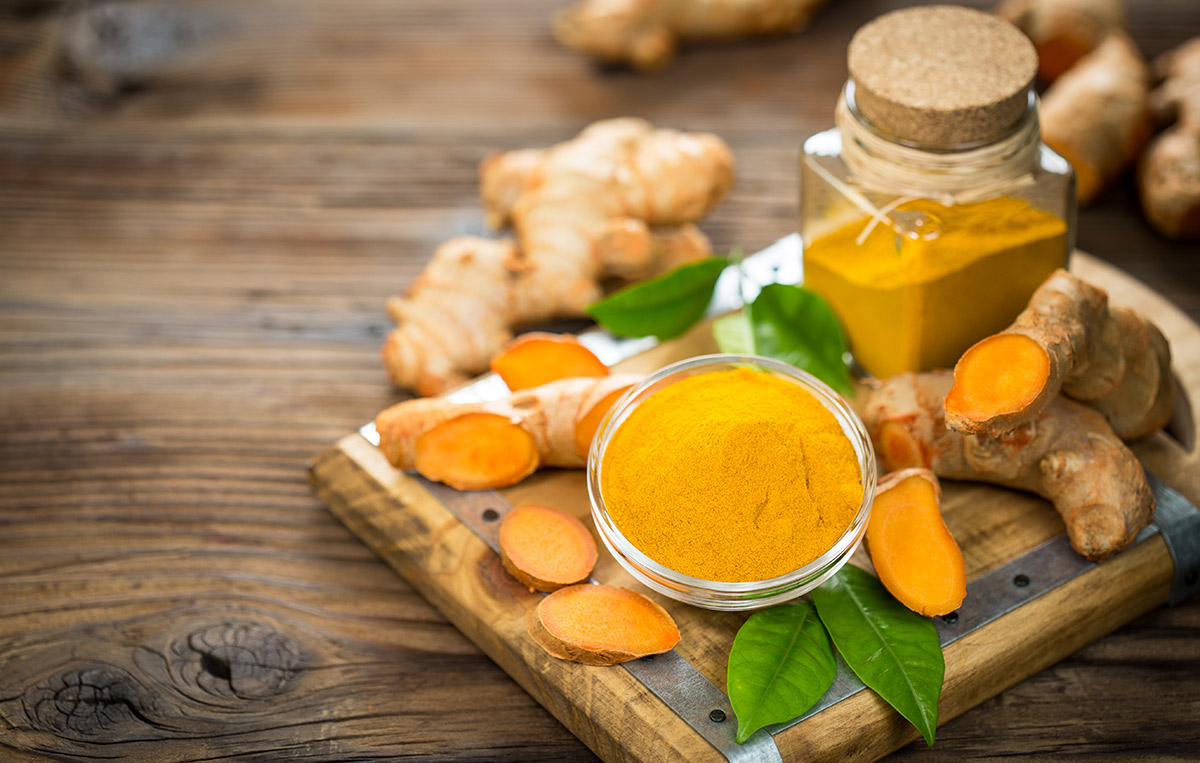
According to Cancer Research UK, turmeric is a possible alternative to cancer treatment, but it is not widely studied at the moment. and shouldn’t take the place of medical treatments like chemo.
However, turmeric has several benefits, when added to your diet, even outside of preventing cancer due to its anti-inflammatory properties. The active ingredient curcumin is what makes turmeric so special, but in order to absorb it properly, remember to pair it with cracked black pepper.
Soy

Soy is a controversial food when it comes to cancer prevention. Some studies have shown that soy has increased the likelihood of a cancer diagnosis, while others show that it prevents cancer.
The AICR says that it likely comes down to the types of soy products that the person consumes, as well as their genetics, lifestyle, and microbiome. Eating a ton of processed soy foods is just as bad for you as eating any other processed food, so choose whole soy foods like edamame over soy milk in your cancer-preventing lifestyle.
Cruciferous Vegetables
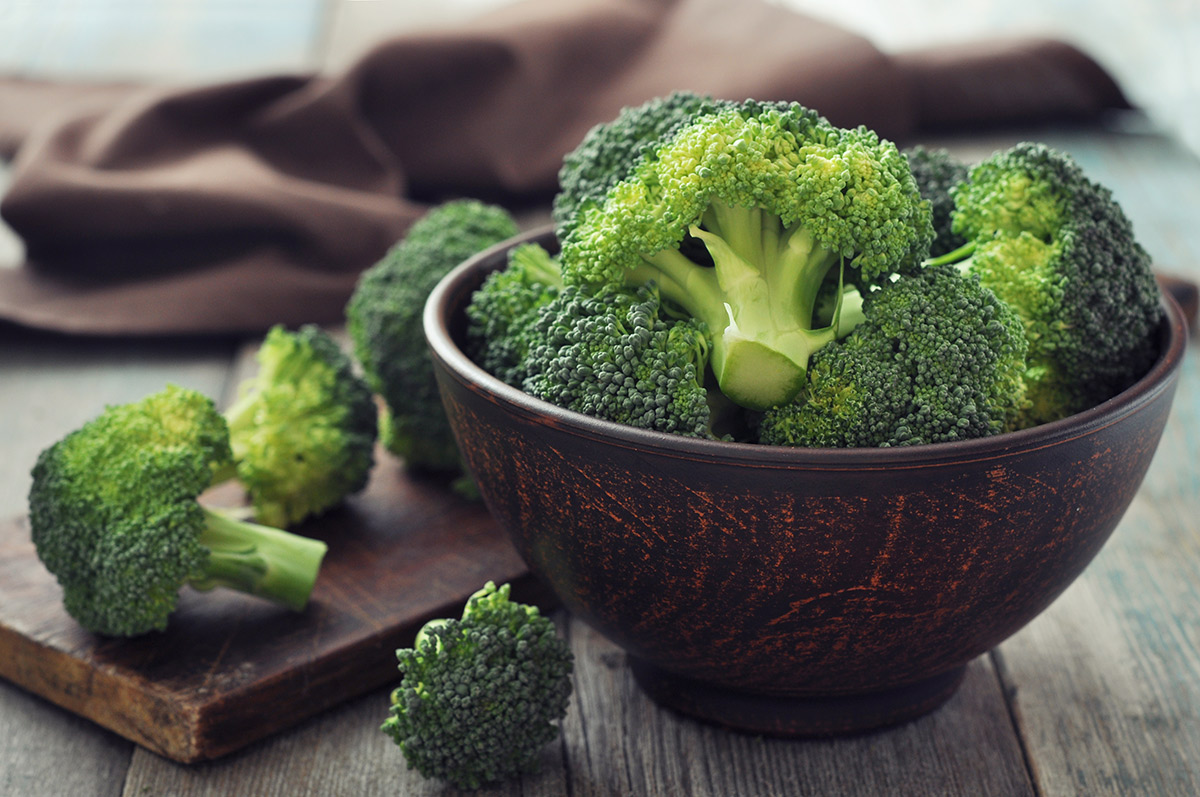
Cruciferous vegetables are the vegetables known for smelling stinky, like broccoli, cabbage, brussels sprouts, and cauliflower. However, they are also known for being very good for you.
It is well-studied that these types of vegetables can help reduce overall cancer risk, according to the AICR. Cauliflower and brussels sprouts in particular have gained special attention. It shouldn’t be difficult to sneak cauliflower into your diet nowadays with all of the cauliflower rices and crusts and everything else!
Red Grapes

If you ever heard that red wine helps prevent cancer and heart disease, that would be because of the nutrient resveratrol found in red grapes. However, there is only a small amount in red wine, and alcohol does much more damage to the body than resveratrol could cover, so drinking wine often is not recommended in a cancer-preventing lifestyle.
Nevertheless, the AICR says that certain proanthocyanidin compounds in the grapes’ skins and seeds could possibly be effective in helping prevent cancer. Also, the fact that grapes are a good low-calorie and high-fiber option gives the obvious benefit of helping prevent colon cancer and obesity when added to a healthy lifestyle.
Cherries
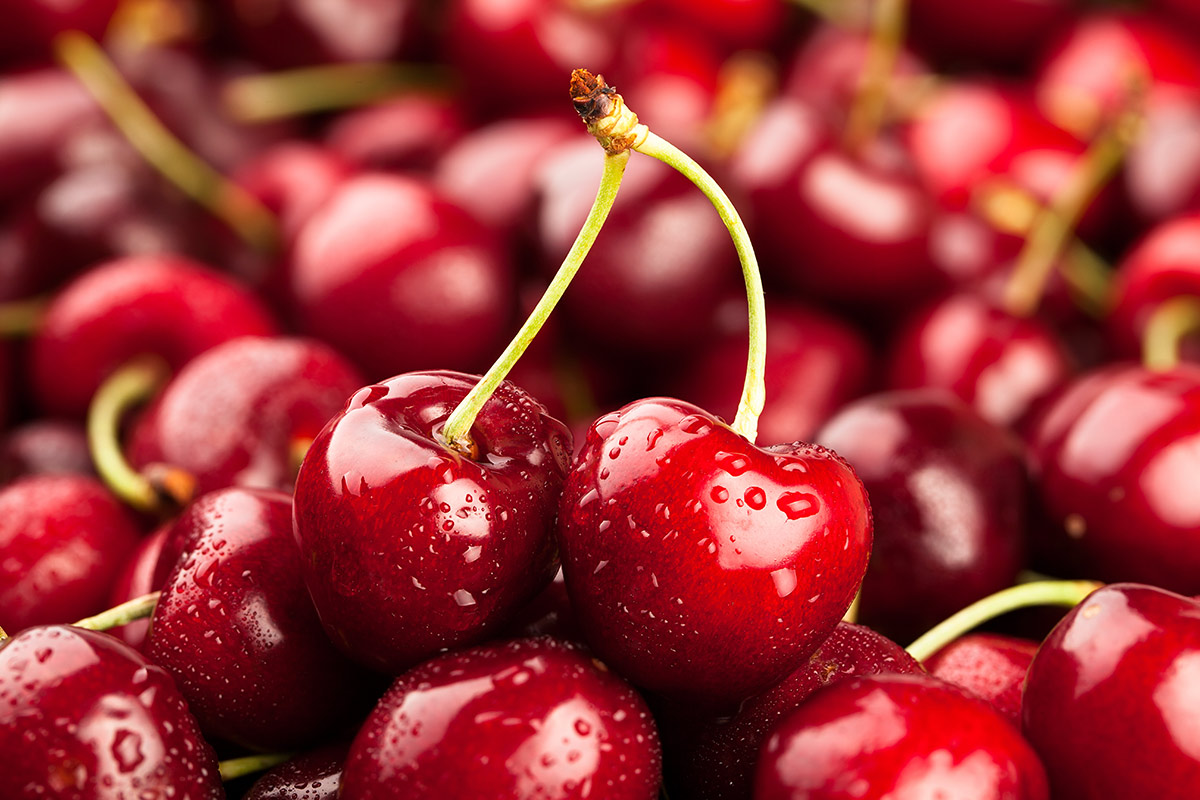
Cherries are full of antioxidants and good nutrients like melatonin. While melatonin helps you sleep at night, and can be helpful in preventing cancer, the AICR says that more research needs to be done to see if cherries are a good enough source of melatonin for it to be deemed effective at preventing cancer.
However, cherries are a great source of fiber and have many other beneficial factors such as helping reduce oxidative stress and inflammation in the body, which could be beneficial in a cancer-preventing lifestyle.
Tea
Tomatoes
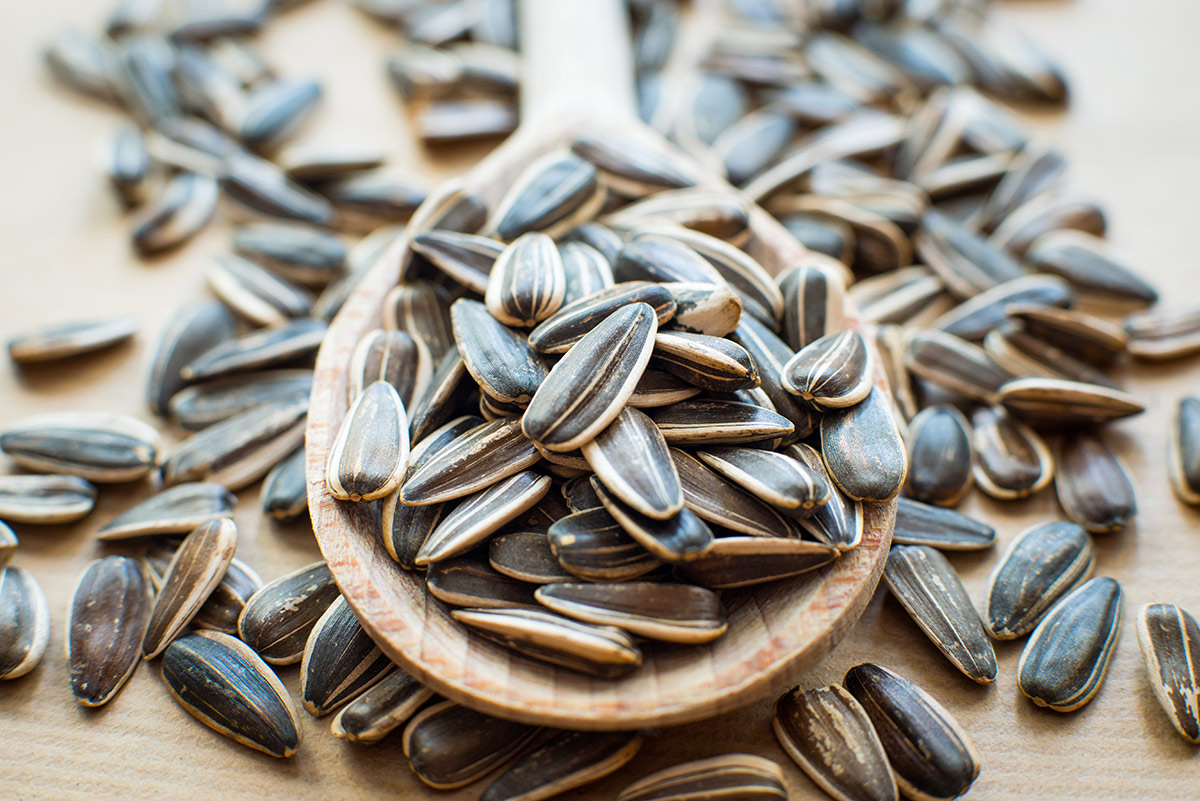
Seeds
Beans
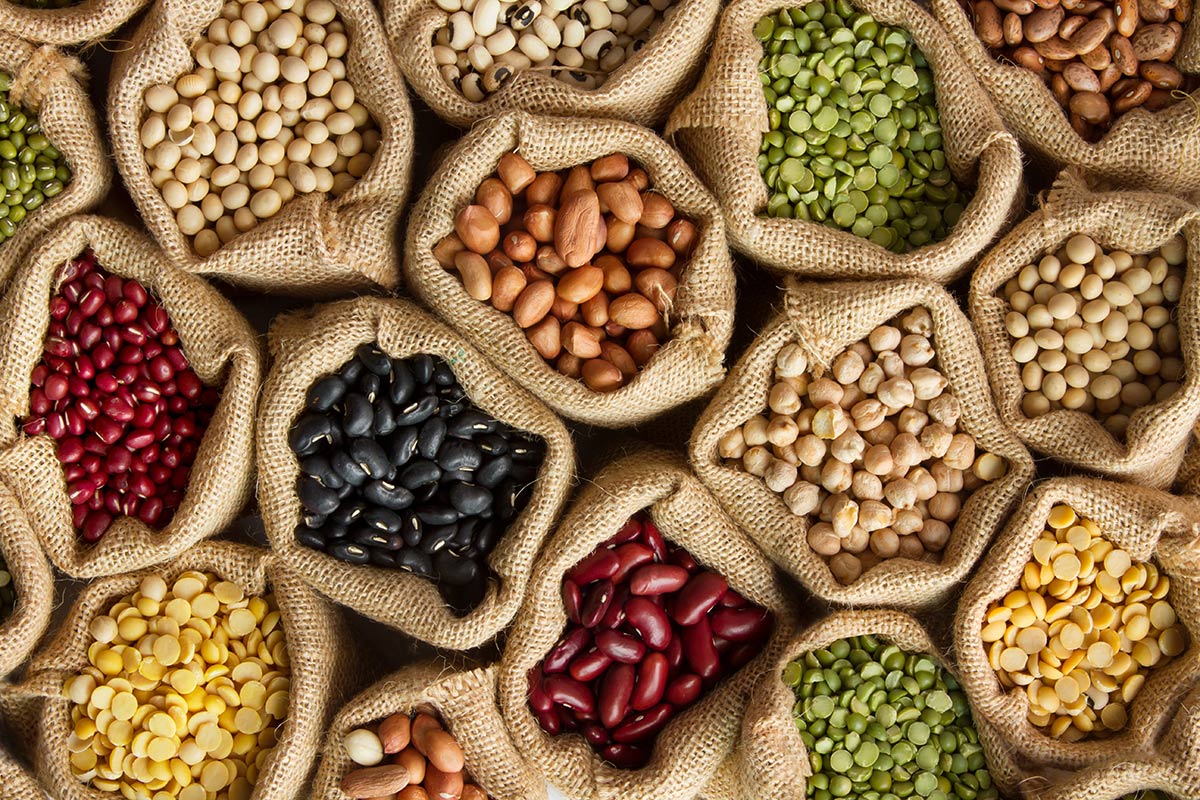
Beans, peas, and lentils are all probably effective against cancer, according to the AICR, because of their high dietary fiber that helps prevent colorectal cancer, as well as obesity, which can lead to an increased risk of all other cancers.
Even your daily coffee beans can help protect you against cancer. The AICR says that the research shows coffee as an effective preventative of endometrial and liver cancers. It doesn’t matter if it is regular or decaf!
Eggs
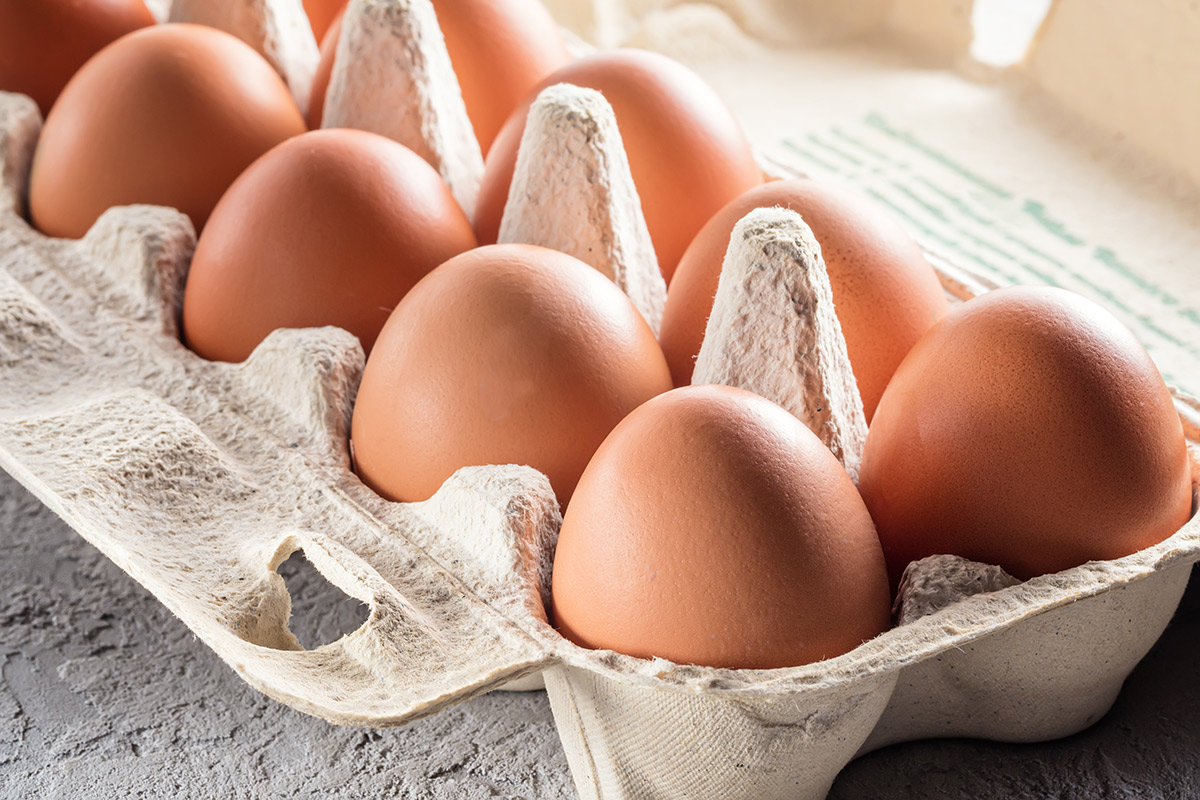
Eggs are one of those foods where one minute someone says they are the worst thing you could possibly eat, then the next minute someone else says they are the best thing you could possibly eat.
Scientifically, eggs contain a ton of naturally occurring vitamins, minerals, fat, and protein. Eggs contain some nutrients that could be linked to cancer-fighting properties, but mainly, eggs are just really good to eat – even while you have cancer, especially if you need a quick pick-me-up full of good nutrients but don’t feel like eating a lot.
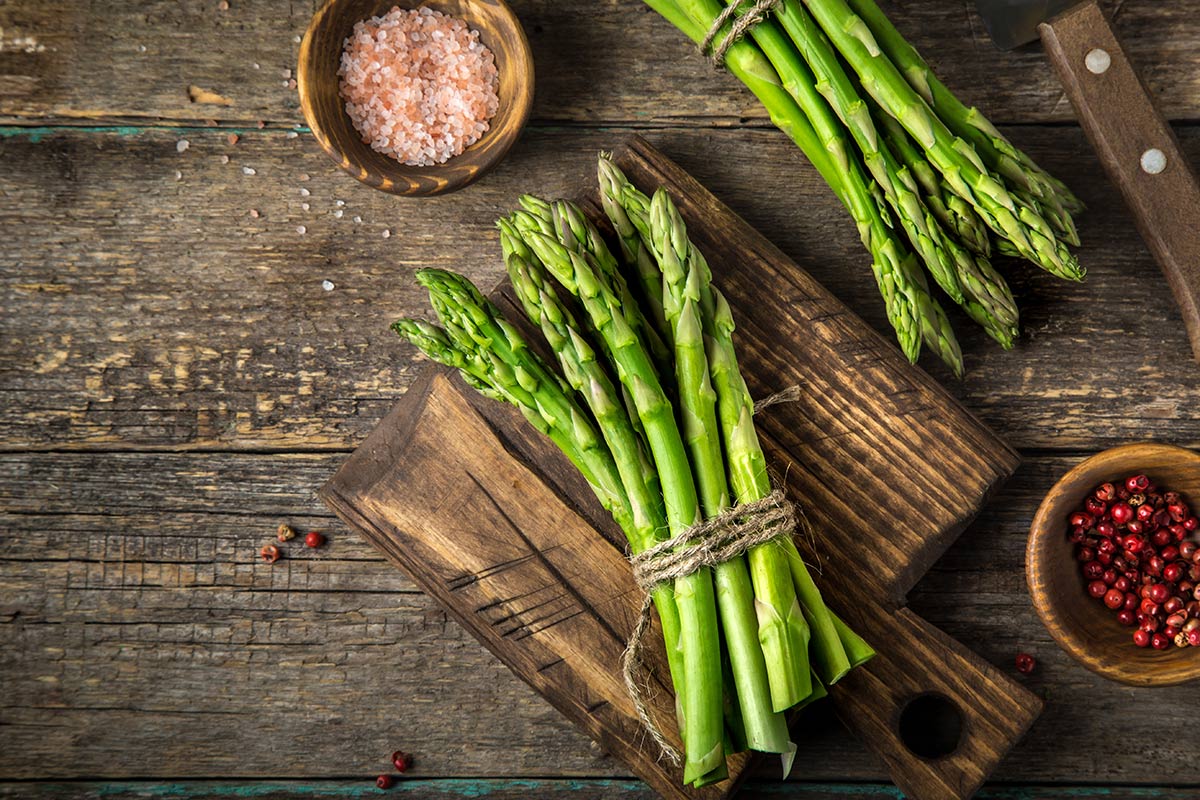
Asparagus
Garlic

Berries
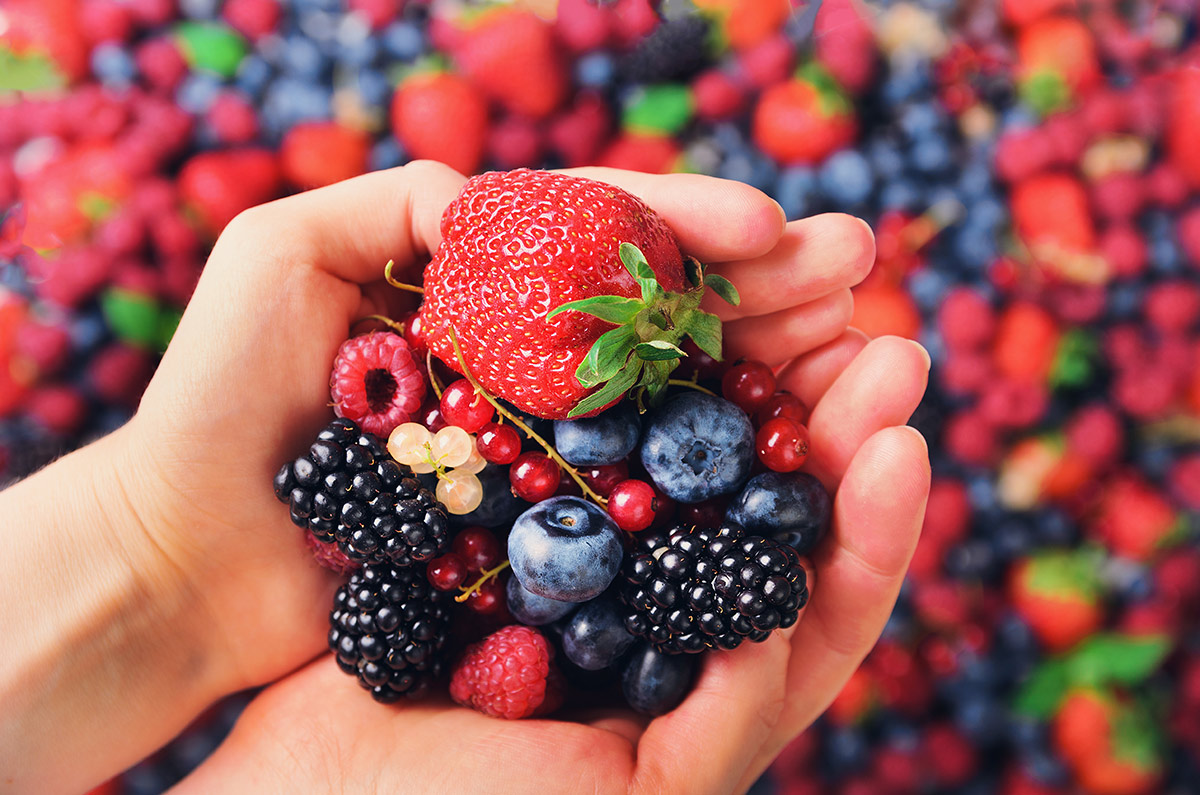
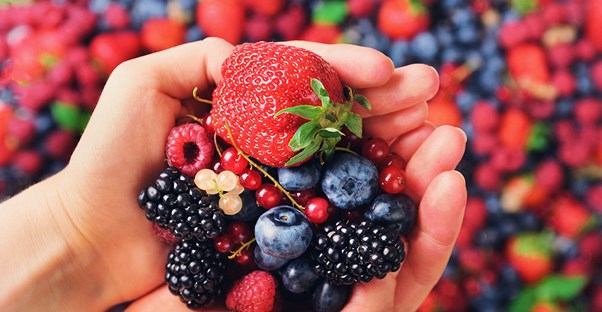
Raspberries, strawberries, blueberries and cranberries are all cancer-fighting foods according to the AICR. Raspberries contain a cancer-fighting phytonutrient called ellagitannin, and strawberries also contain ellagitannin as well as antioxidant-boosting properties.
Blueberries increase antioxidant activity in the blood, and cranberries have a polyphenol proanthocyanidin, which is very effective against cancer cells. All of these berries also are high in fiber and help create a healthy gut microbiome, which helps prevent all cancers.
Melons

Citrus

Whole Grains

Squash
Apples
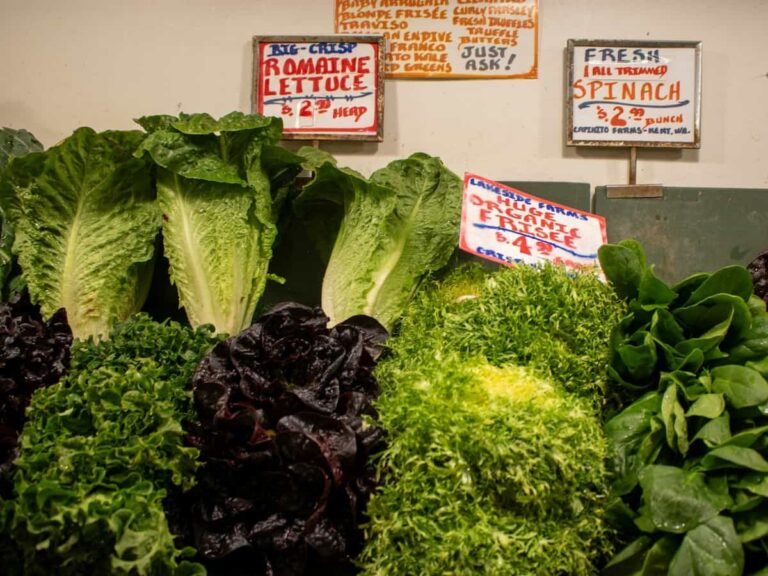
Leafy Greens