


15 Signs You Have a Blood Clot in Your Leg
A blood clot is a clump of blood that has transformed from a liquid into a gel-like state. The most common place for a blood clot to occur is in the lower leg. When a clot forms inside your veins, it won’t always be able to dissolve on its own. Initially, a blood clot may not sound life-threatening, but if it’s left untreated and unable to dissolve naturally, it can be.
Blood clots can be caused by anything that prevents your blood from circulating. They most often occur in people who can’t move around well, who have been immobile for a lengthy period of time, or who have had recent surgery. Signs of a blood clot in the leg will take place in the affected leg when a clot obstructs blood flow and causes inflammation. Here are 15 signs you may be experiencing a blood clot in your leg.
Disclaimer: The information in this content is for general informational purposes only, not a substitute for professional medical advice. Always consult your doctor before making any changes to your lifestyle.
Warm Skin

Blood clots will often cause the skin to feel very warm. Warm skin is usually accompanied with other symptoms, including throbbing and itchiness because it’s a result of inflammation caused by the clot. This symptom is often accompanied by redness and swelling, making the affected area distinctly different from the rest of the leg.
The warmth can be detected by touch and may be more pronounced than in other areas of the leg, and it’s important to recognize the temperature differences because it indicates an active inflammatory process, which can signal the presence of a clot. Seeking prompt medical attention for unexplained warmth in the leg is essential to prevent further complications.
Fainting
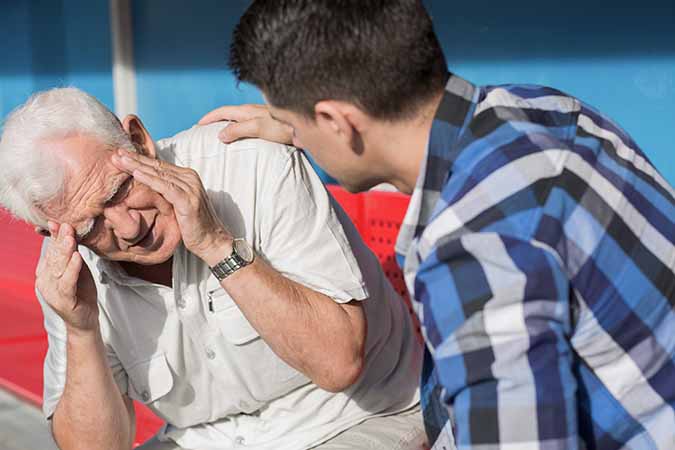
Fainting, or syncope, can occur as a result of a blood clot in the leg, though it is less common. If the body is unable to dissolve the blood clot naturally, fainting and dizziness may occur. This symptom might be indicative of a more severe situation, such as a large clot or a clot that has traveled to the lungs, causing a pulmonary embolism.
Fainting occurs because the clot disrupts normal blood flow, potentially leading to a sudden drop in blood pressure and reduced oxygen supply to the brain. If fainting is experienced alongside other symptoms of DVT, it is critical to seek emergency medical attention, as this combination of symptoms can indicate a life-threatening condition.
Increased Heart Rate

An increased heart rate, or tachycardia, can be associated with a blood clot in the leg, especially if the clot leads to a pulmonary embolism, because the clot causes the heart to pump harder. You may feel like you have worked out when you haven’t!
In the context of DVT, an elevated heart rate may occur as the body’s response to stress or pain caused by the clot. Monitoring heart rate changes, especially when accompanied by other DVT symptoms, is important for timely diagnosis and treatment.
Fatigue

Fatigue is a common symptom for any type of illness, even a blood clot. The body’s defense systems are working overtime, causing fatigue or exhaustion. Fatigue can be a symptom of DVT due to the body’s response to the clot and the resulting inflammation.
Additionally, the pain and discomfort associated with a blood clot can disrupt sleep and reduce physical activity, contributing to feelings of fatigue. While fatigue alone is not specific to DVT, it can be a significant symptom when combined with other indicators such as swelling, redness, and pain in the leg. Persistent unexplained fatigue should prompt further care.
Fever

A low-grade fever may appear if you are experiencing a blood clot in the leg. Fever can of course cause the body to sweat or get the chills in order to control temperature.
This symptom, when seen alongside other signs of DVT such as swelling, redness, and pain, can help in diagnosing the condition. However, fever is not a common symptom and its presence should prompt consideration of other potential causes or complications, such as an infection.
Swelling
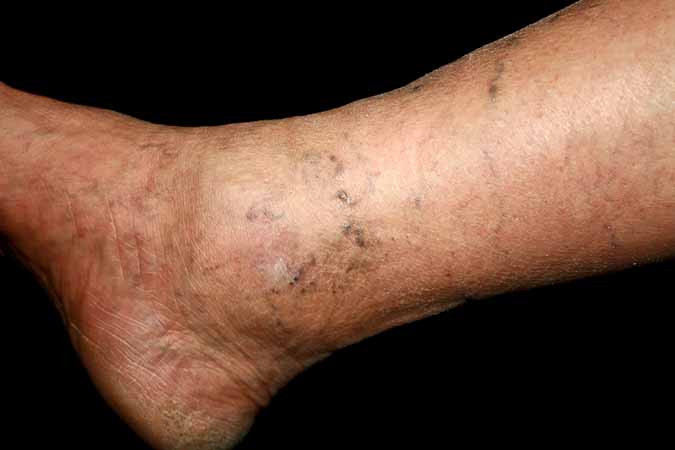
Swelling in the leg is one of the most common symptoms of a blood clot. The swelling occurs due to the blockage of blood flow caused by the clot, leading to a buildup of fluid in the tissues, and it’s often localized to the area where the clot is situated. In severe cases, the clot can extend to the entire leg.
The leg may feel tight or heavy, and the swelling can cause discomfort or pain, especially when standing or walking. Swelling associated with DVT usually affects one leg rather than both, which can help doctors diagnose the issue. If the swelling does not respond to usual treatments, such as hot or cold compression, take that as a sign that it is clot related.
Redness

Redness over the affected area can be an indication of a blood clot in the leg, also known as deep vein thrombosis (DVT). This redness occurs because the clot can cause inflammation in the surrounding tissue, leading to a noticeable change in skin color.
The affected area may feel warm to the touch and appear redder than the surrounding skin. Untreated DVT can lead to serious complications, such as a pulmonary embolism (PE), where the clot travels to the lungs. If you notice persistent patches of red skin in the legs, you should contact your doctor.
Lightheaded

Lightheadedness or dizziness can occur in the context of a blood clot in the leg, particularly if the clot leads to a pulmonary embolism. This symptom typically coincides with an increased heart rate or shortness of breath. If you are experiencing these symptoms, call your doctor as soon as possible.
This symptom results from a sudden drop in blood pressure or decreased oxygen levels in the blood, affecting brain function. Lightheadedness may be accompanied by fainting, shortness of breath, and rapid heart rate. It is a concerning symptom that requires immediate medical evaluation, as it can indicate a life-threatening condition.
Tenderness

Tenderness in the leg, particularly in the area where the clot is located, is a common symptom of DVT. The affected area may feel tender or painful when touched, and this discomfort can be constant or worsen with movement. The skin’s surface will show no evidence of bruising.
Tenderness results from the inflammation and pressure exerted by the clot on surrounding tissues. This symptom is often one of the early signs of a blood clot and should not be ignored, especially if it is localized and accompanied by other symptoms such as swelling and redness. Early medical intervention can prevent the clot from growing!
No Symptoms

It’s very common have little or no symptoms when experiencing a blood clot in the leg. An asymptomatic blood clot is usually a sign that the clot has not reach a serious stage, but this isn’t always the case. Asymptomatic DVT is particularly dangerous because the lack of symptoms can delay diagnosis and treatment, increasing the risk of complications such as a pulmonary embolism.
Silent clots can occur in individuals with certain risk factors, such as prolonged immobility, recent surgery, or underlying health conditions like cancer. Regular medical check-ups and awareness of risk factors are crucial for early detection and prevention. Imaging tests such as ultrasound can help in diagnosis.
Distended Veins
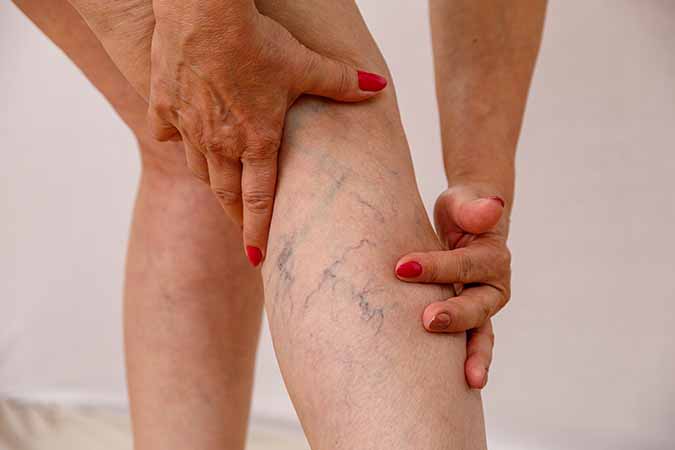
Distended, or enlarged, veins may show up around the area of the leg where the clot is developing. These veins may appear more prominent or bulging in the affected leg. Typically, distended veins do not cause complications, but they signal an underlying issue that can worsen over time if left untreated.
The distention is often a sign that blood is struggling to flow past the clot, causing the veins to expand. This symptom can be particularly noticeable if the person stands for long periods. Distended veins, along with other signs such as swelling, pain, and redness, warrant medical attention to confirm the presence of DVT and initiate appropriate treatment.
Dark Discoloration

A blood clot in the leg can cause color changes in the skin of the area where the blood clot is located. We have already mentioned redness, but the skin can also have different discolorations such as a bluish or dark appearance. This discoloration is due to the blocked blood flow in the area.
The skin may appear bluish, purplish, or even brownish, depending on the severity and duration of the clot. This discoloration is a sign that blood is pooling in the veins due to the blockage, leading to changes in skin color. It is often accompanied by other symptoms such as swelling, pain, and warmth. Dark discoloration should be promptly assessed by a healthcare provider, as it can indicate severe vascular compromise.
Lower Leg Cramp

Leg cramps are a common symptom when experiencing a blood clot in your leg due to the higher than usual pressure in this area. Many people who have experienced this symptom have compared this to a charley horse except the feeling doesn’t go away. You won’t be able to walk or stretch the cramp off like an ordinary charley horse.
This cramp can feel similar to muscle cramps caused by dehydration or overuse but is often persistent and not relieved by typical remedies. The cramping is due to restricted blood flow caused by the clot, leading to muscle pain and discomfort. The cramp may worsen with movement and can be accompanied by other symptoms such as swelling and tenderness.
Shortness of Breath

If the heart and lungs are overworking due to a blood clot, shortness of breath may be experienced. Shortness of breath can indicate that a blood clot in the leg has traveled to the lungs, causing a pulmonary embolism, which is a medical emergency!
When a clot lodges in the lungs, it can block blood flow and reduce oxygen levels in the blood, leading to difficulty breathing. This symptom may be sudden and severe, and is often accompanied by chest pain, rapid heartbeat, and lightheadedness. Shortness of breath in the context of DVT is a critical symptom that requires immediate medical intervention to prevent life-threatening outcomes.
Pain

Pain in the affected leg is a common sign you are experiencing a blood clot in the leg. Typically, the pain will get worst with time as the clot develops and grows. You will likely notice the pain is worst when you are standing or walking for long periods of time.
This pain is due to the pressure and inflammation caused by the clot obstructing blood flow. The severity of the pain can vary, but any unexplained leg pain, particularly when accompanied by other symptoms like swelling and redness.