
15 Foods to Avoid With COPD

Chronic Obstructive Pulmonary Disease is a chronic inflammatory lung disease that causes obstructed airflow from the lungs with no known cure. However, with treatments and the correct diet, symptoms may become more manageable.

What does your diet have to do with COPD, you ask? Oxygen and food are the raw materials used in the metabolism process—and carbon dioxide is the waste product that results. Therefore, the less carbon dioxide in your lungs and blood, the easier it is to manage COPD symptoms. Fats produce the least amount of carbon dioxide while carbohydrates produce the most.

There are several more tips and tricks that are recommended* for patients with COPD in order to manage symptoms—and in some cases—increase breathing ability. For example, COPD patients are encouraged to eat at least 20-30 grams of fiber per day, eat a good source of protein at least twice daily, and limit foods with trans- and saturated fats to support breathing capability. Another important tip is to drink plenty of water in order to keep mucus thin.

– As always, consult a registered dietician or your physician before beginning any specialty diet.

Disclaimer: The information in this content is for general informational purposes only, not a substitute for professional medical advice. Always consult your doctor before making any changes to your lifestyle.

Pizza

Pizza
(Image via Pexels)(https://www.pexels.com/photo/sliced-pepperoni-pizza-on-white-ceramic-plate-708587/)

Pizza, as well as red spaghetti sauce and salsa, are items that COPD patients should avoid whenever possible. Tomatoes are an acidic citrus fruit associated with GERD. Their acid can get into the lungs, worsening COPD symptoms—triggering an acute and serious flare up of symptoms.

Medications

Medications
(Image via Adobe)(https://stock.adobe.com/search?filters%5Bcontent_type%3Aphoto%5D=1&filters%5Bcontent_type%3Aillustration%5D=1&filters%5Bcontent_type%3Azip_vector%5D=1&filters%5Bcontent_type%3Avideo%5D=1&filters%5Bcontent_type%3Atemplate%5D=1&filters%5Bcontent_type%3A3d%5D=1&filters%5Bcontent_type%3Aimage%5D=1&order=relevance&safe_search=1&k=pill+bottles&search_page=1&search_type=usertyped&acp=&aco=pill+bottles&limit=100&get_facets=0&asset_id=48863192)

Although it’s true that you should consult your physician before beginning any medication at all, with COPD it is doubly true since many medications such as Motrin or Advil, some estrogens, and over the counter cough, cold, and asthma medications can have an adverse effect on COPD patients.

Fruit Juices

Fruit Juices
(Image via Adobe)(https://stock.adobe.com/search?filters%5Bcontent_type%3Aphoto%5D=1&filters%5Bcontent_type%3Aillustration%5D=1&filters%5Bcontent_type%3Azip_vector%5D=1&filters%5Bcontent_type%3Avideo%5D=1&filters%5Bcontent_type%3Atemplate%5D=1&filters%5Bcontent_type%3A3d%5D=1&filters%5Bcontent_type%3Aimage%5D=1&order=relevance&safe_search=1&k=fruit+juice&search_page=1&search_type=usertyped&acp=&aco=fruit+juice&limit=100&get_facets=0&asset_id=78609109)

Most fruit juices are packed with sugar, and sugar is one of the foods that COPD patients should try to limit. Sugars are a source of refined carbohydrates, which as we’ve discussed, create more carbon dioxide in your blood and/or lungs.

Chocolate

Chocolate
(Image via Adobe)(https://stock.adobe.com/search?filters%5Bcontent_type%3Aphoto%5D=1&filters%5Bcontent_type%3Aillustration%5D=1&filters%5Bcontent_type%3Azip_vector%5D=1&filters%5Bcontent_type%3Avideo%5D=1&filters%5Bcontent_type%3Atemplate%5D=1&filters%5Bcontent_type%3A3d%5D=1&filters%5Bcontent_type%3Aimage%5D=1&order=relevance&safe_search=1&k=chocolate&search_page=1&search_type=usertyped&acp=&aco=chocolate&limit=100&get_facets=0&asset_id=193165289)

Although chocolate in limited amounts can be okay for COPD patients, we advise strict moderation. Unfortunately, the cocoa bean is also naturally acidic and can trigger acid reflux, making COPD patients highly uncomfortable and possibly fighting for breath.

Coffee

Coffee
(Image via Adobe)(https://stock.adobe.com/search?filters%5Bcontent_type%3Aphoto%5D=1&filters%5Bcontent_type%3Aillustration%5D=1&filters%5Bcontent_type%3Azip_vector%5D=1&filters%5Bcontent_type%3Avideo%5D=1&filters%5Bcontent_type%3Atemplate%5D=1&filters%5Bcontent_type%3A3d%5D=1&filters%5Bcontent_type%3Aimage%5D=1&order=relevance&safe_search=1&k=coffee&search_page=1&search_type=usertyped&acp=&aco=coffee&limit=100&get_facets=0&asset_id=253015140)

Yes, sadly coffee made this list of foods to avoid, regardless of some of its healthier side effects. Sorry, coffee addicts! The coffee bean is highly acidic and as such can cause acid reflux, which leads to trouble breathing. We suggest that if they can’t cut it out of their diet completely (we understand!), that COPD patients limit their intake.

Citrus Fruits
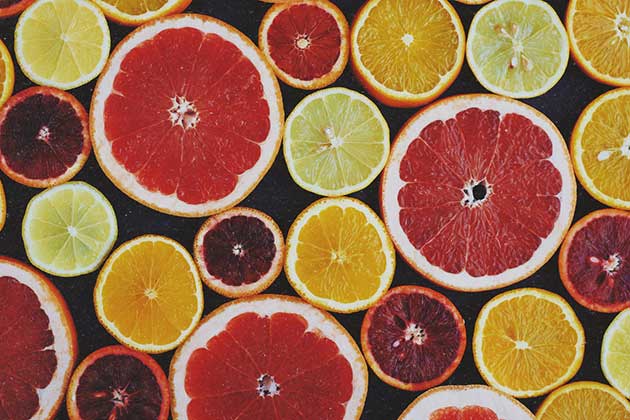
Citrus Fruits
(Image via Pexels)(https://www.pexels.com/photo/top-view-photo-of-sliced-citrus-fruits-2683373/)

COPD patients are already at a higher risk for developing GERD (Gastroesophageal Reflux Disease) and heartburn. This is because it’s easier to get air trapped in the chest cavities with COPD. COPD patients are even more at risk for developing GERD if they are smokers. Therefore, most citrus fruits are on this list of foods to avoid because of their ability to cause heartburn or acid reflux.

Allergens
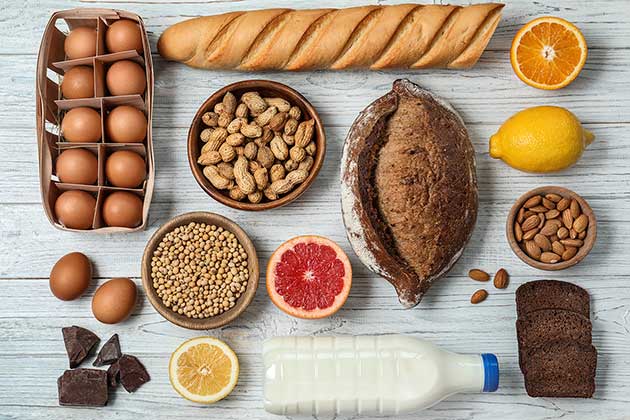
Allergens
(Image via Adobe)(https://stock.adobe.com/search?filters%5Bcontent_type%3Aphoto%5D=1&filters%5Bcontent_type%3Aillustration%5D=1&filters%5Bcontent_type%3Azip_vector%5D=1&filters%5Bcontent_type%3Avideo%5D=1&filters%5Bcontent_type%3Atemplate%5D=1&filters%5Bcontent_type%3A3d%5D=1&filters%5Bcontent_type%3Aimage%5D=1&order=relevance&safe_search=1&k=allergens&search_page=1&search_type=usertyped&acp=&aco=allergens&limit=100&get_facets=0&asset_id=287655781)

Eggs, nuts, wheat, milk, peanuts, tree nuts, soybeans, and shellfish are the biggest allergen culprits. Food allergies are usually diagnosed early on, so as a COPD patient you should already know what you’re allergic to. However, if you seem to have breathing issues after eating any one of these foods, it is possible that you may have developed an allergy to it.

Shrimp
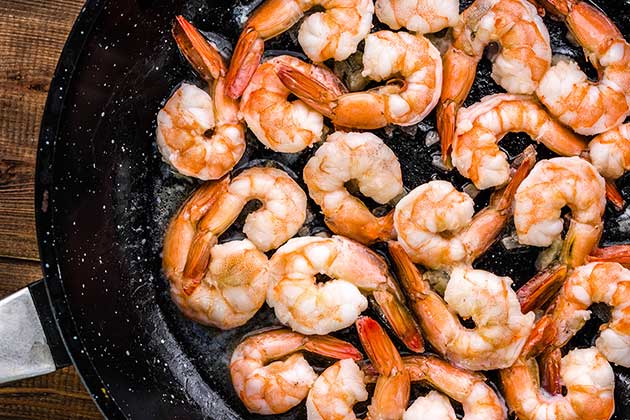
Shrimp
(Image via Adobe)(https://stock.adobe.com/search?filters%5Bcontent_type%3Aphoto%5D=1&filters%5Bcontent_type%3Aillustration%5D=1&filters%5Bcontent_type%3Azip_vector%5D=1&filters%5Bcontent_type%3Avideo%5D=1&filters%5Bcontent_type%3Atemplate%5D=1&filters%5Bcontent_type%3A3d%5D=1&filters%5Bcontent_type%3Aimage%5D=1&order=relevance&safe_search=1&k=shrimp&search_page=1&search_type=usertyped&acp=&aco=shrimp&limit=100&get_facets=0&asset_id=181580430)

Sulfites is the word of the day, folks. Sulfites are an additive that are put into some foods in order to create a longer shelf life. Shrimp is one of those foods. Sulfites can trigger a narrowing of your bronchial tubes, making it increasingly harder to draw breath. Stay away from shrimp and any other foods that may contain this additive if possible.

Fried Foods
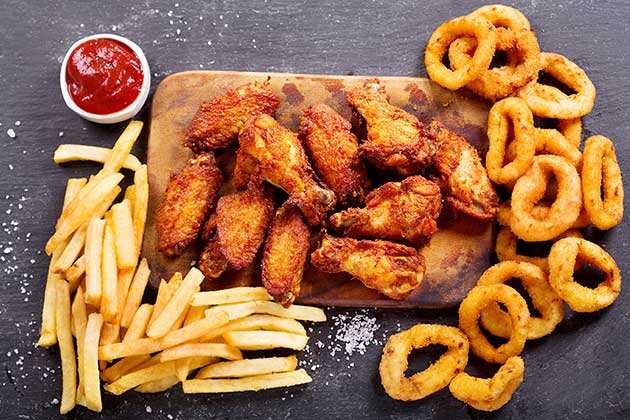
Fried Foods
(Image via Adobe)(https://stock.adobe.com/search?filters%5Bcontent_type%3Aphoto%5D=1&filters%5Bcontent_type%3Aillustration%5D=1&filters%5Bcontent_type%3Azip_vector%5D=1&filters%5Bcontent_type%3Avideo%5D=1&filters%5Bcontent_type%3Atemplate%5D=1&filters%5Bcontent_type%3A3d%5D=1&filters%5Bcontent_type%3Aimage%5D=1&order=relevance&safe_search=1&k=fried+foods&search_page=1&search_type=usertyped&acp=&aco=fried+foods&get_facets=0&asset_id=137637876)

Bloating can negatively affect COPD patients by pushing on the esophagus, making it more difficult to breathe. Because fried foods cause both bloating and excess gas, it is recommended that they skip the fried foods altogether.

Cruciferous Vegetables
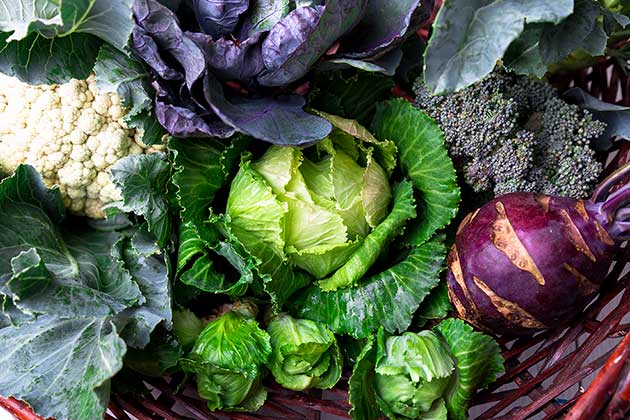
Cruciferous Vegetables
(Image via Adobe)(https://stock.adobe.com/search?filters%5Bcontent_type%3Aphoto%5D=1&filters%5Bcontent_type%3Aillustration%5D=1&filters%5Bcontent_type%3Azip_vector%5D=1&filters%5Bcontent_type%3Avideo%5D=1&filters%5Bcontent_type%3Atemplate%5D=1&filters%5Bcontent_type%3A3d%5D=1&filters%5Bcontent_type%3Aimage%5D=1&order=relevance&safe_search=1&k=cruciferous+vegtables&search_page=1&search_type=usertyped&acp=&aco=cruciferous+vegtables&limit=100&get_facets=0&asset_id=182808640)

This includes cabbage, broccoli, cauliflower, kale, bok choy and similar green leaf vegetables. These vegetables are extremely gassy during digestion and cause excess bloating.

Soda

Soda
(Image via Adobe)(https://stock.adobe.com/search?filters%5Bcontent_type%3Aphoto%5D=1&filters%5Bcontent_type%3Aillustration%5D=1&filters%5Bcontent_type%3Azip_vector%5D=1&filters%5Bcontent_type%3Avideo%5D=1&filters%5Bcontent_type%3Atemplate%5D=1&filters%5Bcontent_type%3A3d%5D=1&filters%5Bcontent_type%3Aimage%5D=1&order=relevance&safe_search=1&k=soda&search_page=1&search_type=usertyped&acp=&aco=soda&limit=100&get_facets=0&asset_id=273412365)

Soda is never a healthy component of any diet because it has zero nutritional value. However, in this case, soda contributes to dehydration, which can thicken mucus and also causes excess bloating and gas. Water is always the best rule of thumb.

Salt

Salt
(Image via Adobe)(https://stock.adobe.com/search?filters%5Bcontent_type%3Aphoto%5D=1&filters%5Bcontent_type%3Aillustration%5D=1&filters%5Bcontent_type%3Azip_vector%5D=1&filters%5Bcontent_type%3Avideo%5D=1&filters%5Bcontent_type%3Atemplate%5D=1&filters%5Bcontent_type%3A3d%5D=1&filters%5Bcontent_type%3Aimage%5D=1&order=relevance&safe_search=1&k=salt&search_page=1&search_type=usertyped&acp=&aco=salt&limit=100&get_facets=0&asset_id=196225285)

Using a pinch of salt here or there during cooking is not a problem for COPD patients. However, using salt in larger amounts or eating foods high in sodium can create a problem quickly. Salt causes people to retain water, which puts pressure on the esophagus, making breathing difficult.

Dairy

Dairy
(Image via Adobe)(https://stock.adobe.com/search?filters%5Bcontent_type%3Aphoto%5D=1&filters%5Bcontent_type%3Aillustration%5D=1&filters%5Bcontent_type%3Azip_vector%5D=1&filters%5Bcontent_type%3Avideo%5D=1&filters%5Bcontent_type%3Atemplate%5D=1&filters%5Bcontent_type%3A3d%5D=1&filters%5Bcontent_type%3Aimage%5D=1&order=relevance&safe_search=1&k=dairy&search_page=1&search_type=usertyped&acp=&aco=dairy&limit=100&get_facets=0&asset_id=106616288)

Drinking and eating dairy products can cause breathing difficulties. Dairy creates, thickens, and increases mucus, which makes it more difficult for the body to get rid of. It is suggested that almond or soy milk are the better choices if you must have that bowl of cereal in the morning. 

Cold Cuts/Cured Meats

Cold Cuts/Cured Meats
(Image via Adobe)(https://stock.adobe.com/search?filters%5Bcontent_type%3Aphoto%5D=1&filters%5Bcontent_type%3Aillustration%5D=1&filters%5Bcontent_type%3Azip_vector%5D=1&filters%5Bcontent_type%3Avideo%5D=1&filters%5Bcontent_type%3Atemplate%5D=1&filters%5Bcontent_type%3A3d%5D=1&filters%5Bcontent_type%3Aimage%5D=1&order=relevance&safe_search=1&k=cold+cuts&search_page=1&search_type=usertyped&acp=&aco=cold+cuts&limit=100&get_facets=0&asset_id=210130334)

Deli meats and other cured meats such as ham and bacon contain additives called nitrates that can make COPD symptoms worse. Although smoking tobacco products is the main cause of COPD, enough consumption of nitrates can lead to developing COPD as well.

Alcohol

Alcohol
(Image via Pexels)(https://www.pexels.com/photo/alcohol-bar-bartender-beer-340996/)

Alcohol is dangerous for COPD patients because alcohol naturally slows down breathing rate in normal people. For COPD patients it can be disastrous. In addition to slowing down breathing, alcohol also thickens mucus, making it more difficult to cough it up.

Posted by Chrissy Jones

Writer, Social Media Manager, and Mother of 3. Owner of 4 dogs and one cat. Lover of all things nerdy, geeky, and mysterious. World traveler. Volunteer for Walker Stalker Conventions since 2015.

Leave a Reply

Your email address will not be published. Required fields are marked *