

12 Fruits and Vegetables That Didn’t Pass the Pesticide Test and 15 That Did
12 Fruits and Vegetables That Didn’t Pass the Pesticide Test and 15 That Did. We all know we’re supposed to wash fruits and vegetables before we eat them, but we probably don’t realize just how important it actually is. Fruits and vegetables are exposed to several different pesticides when they’re being grown in an effort to combat bugs, weeds, mold, and other corruptive pests, which will destroy the crop.
Every year the Environmental Working Group (EWG) publishes a list called “The Dirty Dozen” which is a ranking of the top 12 most pesticide-residue-ridden fruits and vegetables (with fungi thrown in as well). Conventionally, produce with a thin protective layer is known to appear on this list because the produce absorbs and retains more pesticide residues than produce with a thicker protective layer.
Though the EWG recommends you buy organic produce to limit your intake of produce that’s laden with pesticide residue, spending that much on produce isn’t always a financial option for everyone. So, the EWG also publishes “The Clean 15,” which is a list of the 15 least pesticide-ridden produce. This list consists typically of produce with an inedible exterior but a few softies made the list as well.
“The Clean 15” and “The Dirty Dozen” are based on more than 40,900 fruit and vegetable samples tested by USFDA and USDA. And, though there isn’t a complete understanding of whether there’s a particular amount of pesticides considered to be safe for human consumption, it’s best to stay on the safe side.
Find out by reading 12 fruits and vegetables that didn’t pass the pesticide test and 15 that did.
Dirty: Potatoes
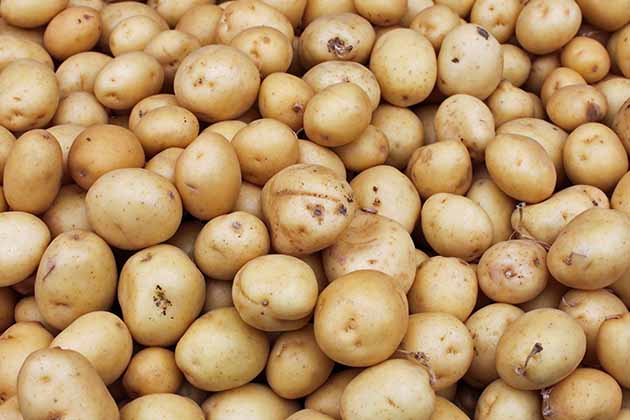
That’s right! Everyone’s favorite starch is the 12th most pesticide-ridden produce.
As a root vegetable, potatoes absorb all of the pesticides, herbicides, and insecticides that are sprayed above the ground and make their way into the soil.
Dirty: Celery
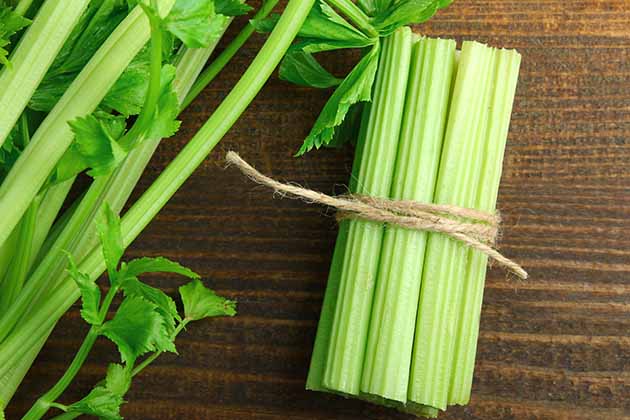
With a slight improvement from last year, celery is now number 11 instead of 10 on the dirty dozen list.
After years of testing, celery has accumulated a whopping 64 pesticide residues found by the USDA Pesticide Data Program, with 61 of those being potentially damaging to humans.
Dirty: Tomatoes
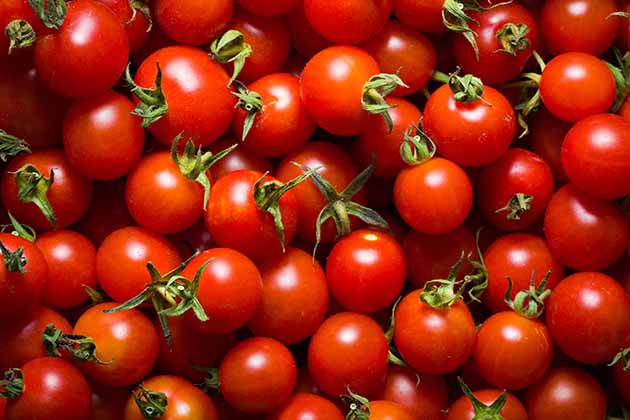
Tomatoes are number 10 on the dirty dozen list. In order to grow tomatoes, you need the right balance of moisture, and weeds are one of the most moisture-depleting elements to be found in a garden.
In an effort to prevent these moisture-wicking phenes, tomato farmers use several different types of pesticides.
Dirty: Pears
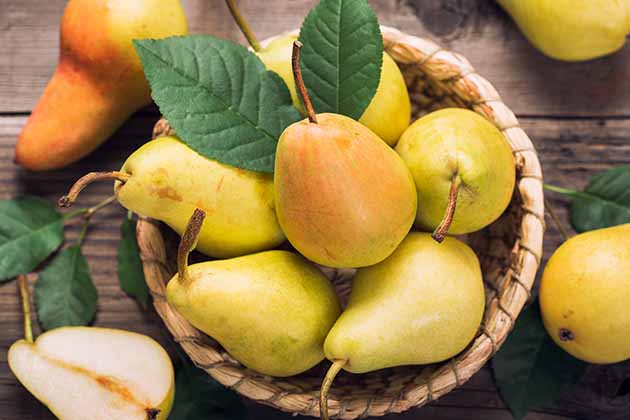
The amount of pesticides used on pears in the past few years has skyrocketed. In 2016, 48% of the pears tested by the EWG had residue left over from five or more pesticides — this is compared to just 3% in 2010.
The pesticides detected in the highest concentrations were all fungicides, which can be applied late in the growing season or after pears are harvested, to keep them from spoiling in storage.
Dirty: Cherries
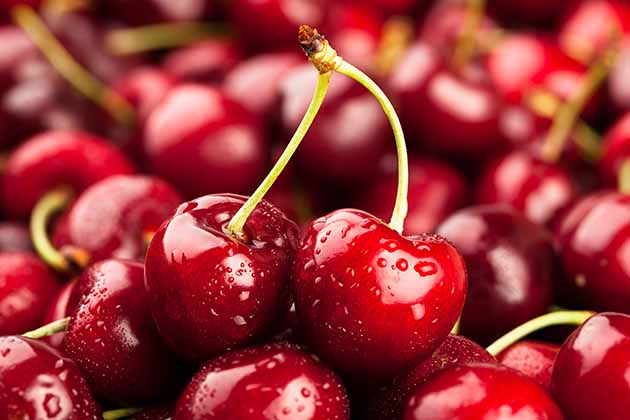
Cherries are at number 8 with 42 pesticide residues found by the USDA Pesticide Data Program.
Mites, scale, cherry fruit fly, powdery mildew, Coryneum, and the bacterial canker are all pests of cherry trees, which are prevented with the use of pesticides.
Dirty: Peaches
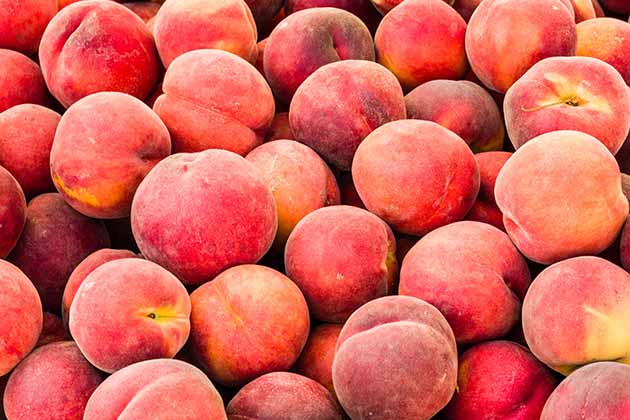
Juicy, sweet, and riddled with traces of pesticides, yum! A peach’s soft exterior leaves it vulnerable to all sorts of moths, mites, and borers.
Though buying organic produce is more expensive, buying organic peaches might make the money worth it because you’ll be reducing the risk of consuming the pesticides found in the fruit.
Dirty: Grapes
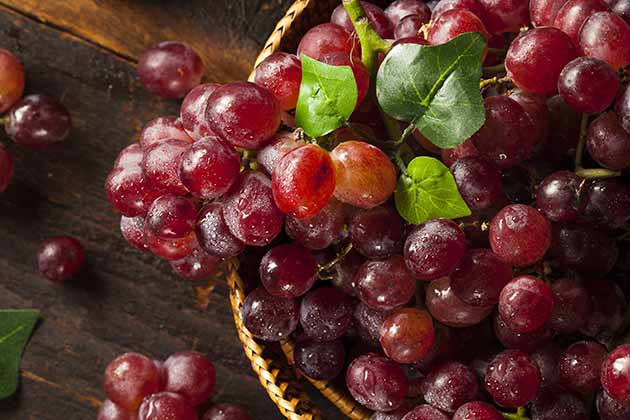
According to a 2010 study by the California Department of Pesticides Regulation, 25 million pounds of pesticides were applied to conventionally-grown wine grapes in California.
This is a 19% pesticide increase from the year before.
Dirty: Apples
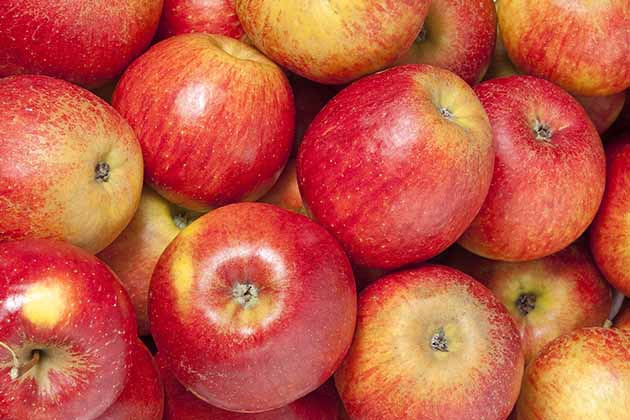
At number five apples contain 4.4 pesticide residues on average.
Apples were the raining champ of the dirty dozen from 2010 to 2015 until they were dethroned in 2016 by today’s number one.
Dirty: Nectarines
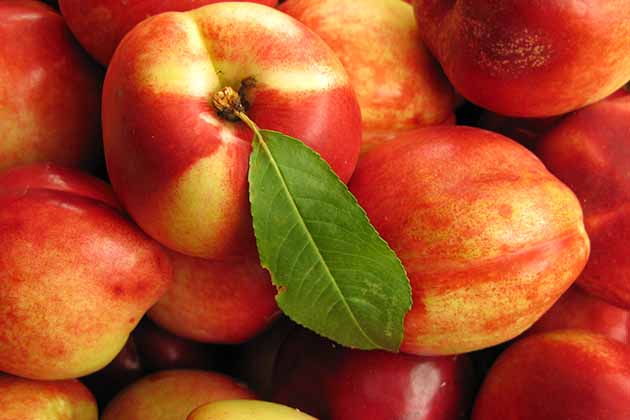
At number four on the dirty dozen list, more than 90% of nectarines have more than two detected residues.
Formetanate hydrochloride, a known neurotoxin, is found on 53.2% of nectarines.
Dirty: Kale
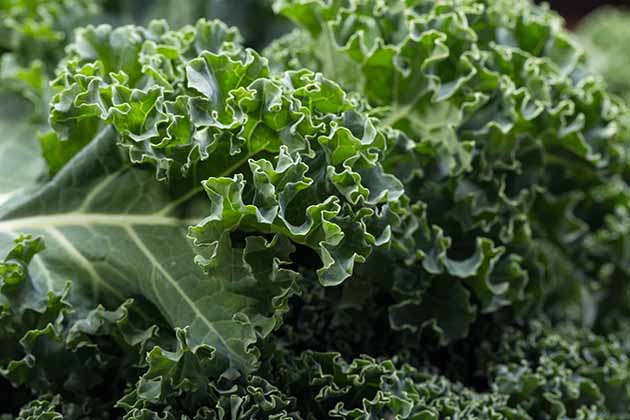
New to the list this year is kale. According to EWG ’s analysis of the 2017 Department of Agriculture test data, nearly 60% of kale samples sold in the U.S. were contaminated with residues of a pesticide the Environmental Protection Agency considers a possible human carcinogen.
One of the pesticides commonly found is DCPA, often marketed as Dacthal, which the EPA classified as a possible carcinogen in 1995.
Dirty: Spinach
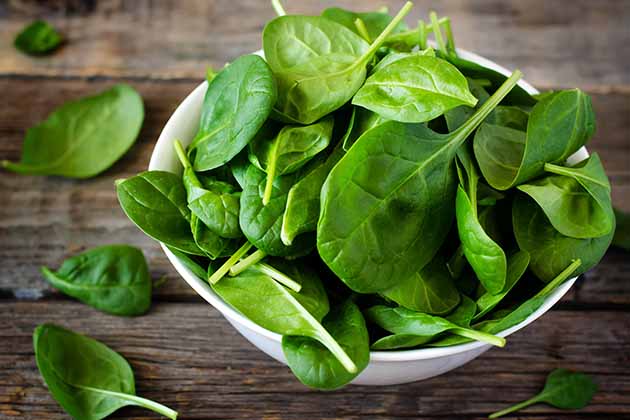
At number two on the dirty dozen list, we have spinach. From 2016 to 2017, spinach jumped from number eight to number two.
Of the 708 non-organic spinach samples collected by the USDA in 2015, a whopping 96.6% had traces of at least one pesticide, and 13.6% contained at least 10.
Dirty: Strawberries
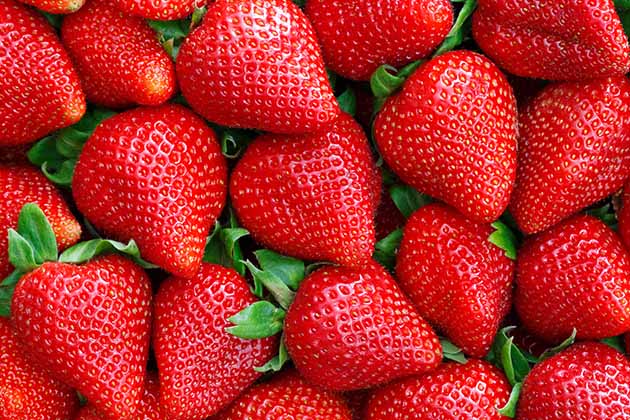
Ah, strawberries — the go-to valentine’s day staple. Strawberries have now topped the dirty dozen list for the fourth year in a row.
As of 2019, strawberries are most likely to be contaminated with residues of pesticides, even after being washed. Testing found the dirtiest strawberry contained 23 separate pesticides residues.
Clean 15

Now, even though all of these scary things are still being learned about pesticide residues, fruits and vegetables are still an important part of a healthy balanced diet.
“The Clean 15” provides a good base of vegetables, which are going to be less pesticide-ridden, so you can still maintain a healthy balanced diet.
Clean: Avocados
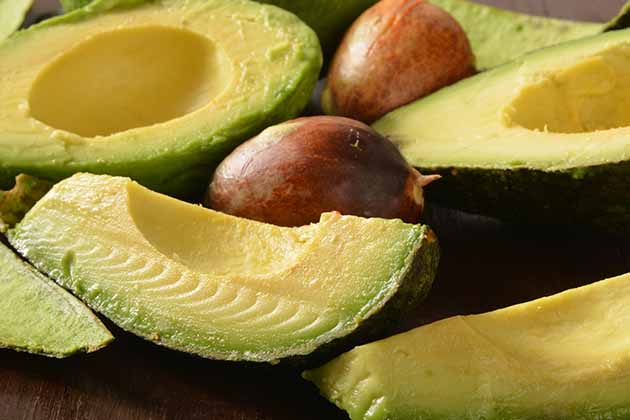
Avocados, the beloved healthy fat of the wellness world, won the cleanest produce award again this year.
Fewer than 1% of conventionally grown avocados tested positive for pesticides—thanks to the fruit’s thick skin, which protects its edible interior.
Clean: Sweet Corn
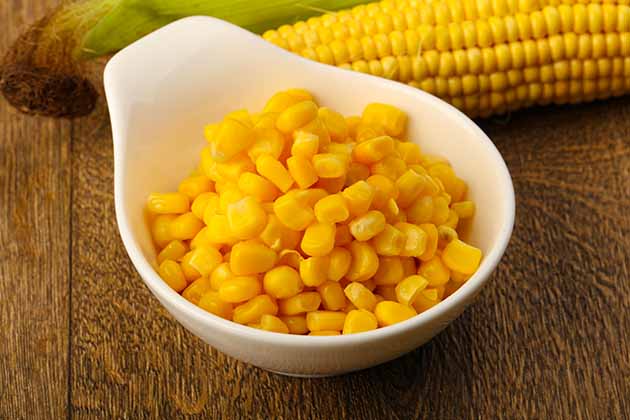
When it comes to pesticides, sweet corn is one of the cleanest conventional foods you can buy (less than 2% had any detected pesticide residues).
However, the EWG makes sure to note that a small amount of sweet corn is grown from genetically engineered seeds, so if you choose to avoid genetically engineered crops, opt for organic corn.
Clean: Pineapples
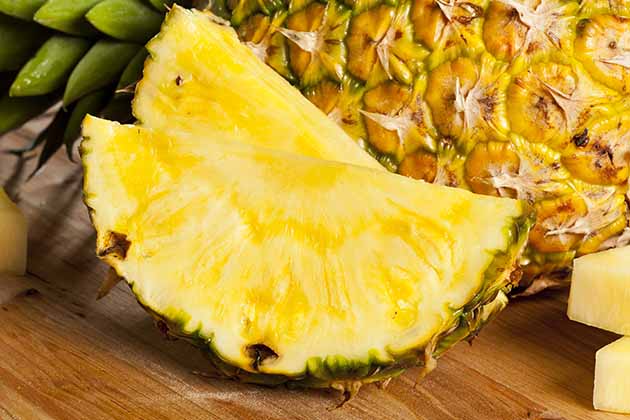
That’s right! Pineapples are protected by their thick, inedible exterior and made it on to “The Clean 15.”
You can feel free to enjoy your sweet pineapple treats without having to worry about consuming pesticide residues because 90% of conventional principles came back with no detected residues.
Clean: Frozen Sweet Peas

More than two pesticides were detected in 20% of frozen sweet peas, but the other 80% had no pesticide residues.
As if you needed more of a reason than that to start eating more sweet peas, sweet peas are packed with vitamin K and folate and are loaded with dietary fiber.
Clean: Onions
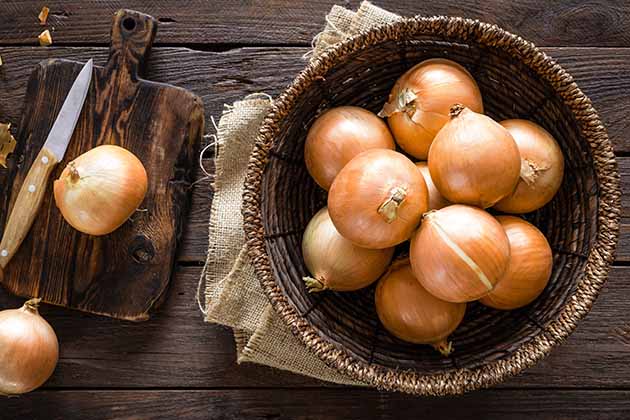
We know they make you cry, but you might cry a little less once you learn that onions are number five on “The Clean 15.”
Of all the conventional onions tested, less than 10% tested contained pesticide residues.
Clean: Papayas
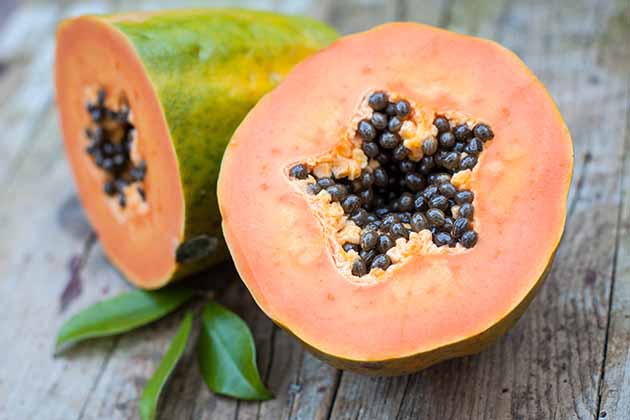
This traditional South American treat has slowly become more and more readily available in American grocery stores.
And, now that people are learning that papayas are one of the cleanest fruits available, it may gain even more of a presence.
Clean: Eggplants
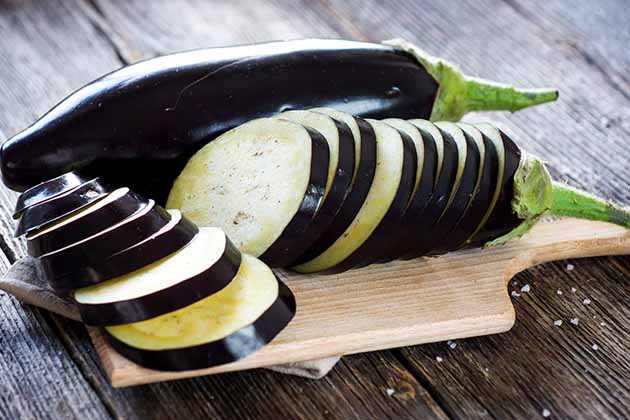
Eggplants aren’t just an emoji! They’re also a delicious vegetable that has been shown to improve heart health.
Just be careful not to cancel out the benefits of eating eggplant by putting excessive amounts of cheese and sauce in your eggplant parmesan.
Clean: Asparagus
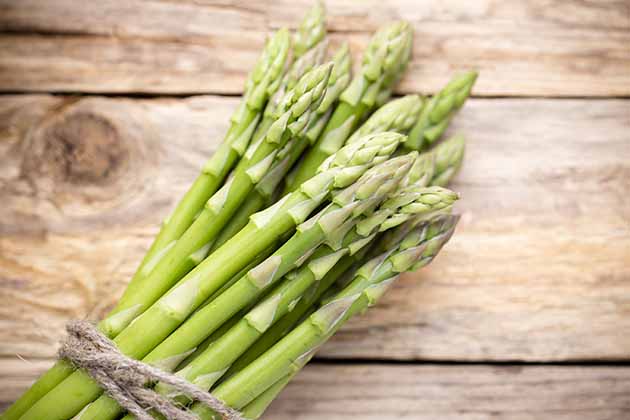
Whether served hot, cold, raw, or cooked in a soup, salad, casserole, or stir-fry, asparagus is by far one of my favorite vegetables.
Now even more so! With all of the tested asparagus resulting in less than 10 residues being found, I can enjoy all the asparagus I can stand.
Clean: Honeydew Melons
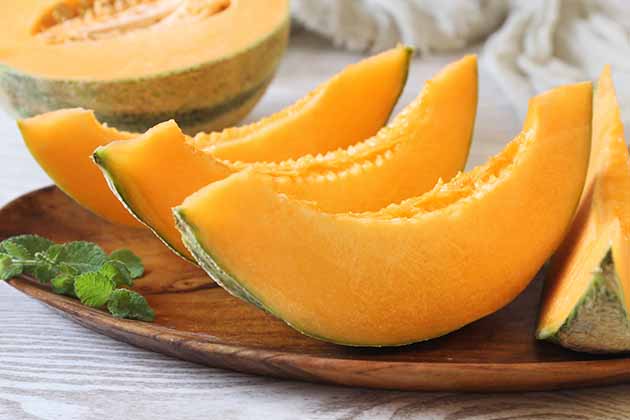
The honeydew melon is a sweet and tangy solution to your end-of-summer woes.
Try cutting up some cubes, using one in a face mask (because no one wants nasty pesticides in their skincare) or slicing one for a recipe or two.
Clean: Mushrooms
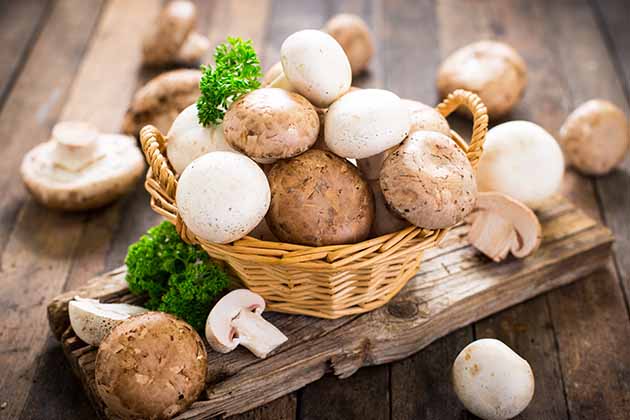
I was so surprised to learn that mushrooms were on this list because they’re an extremely soft and delicate treat. However, with a little bit of research, I was amazed at the power behind mushrooms.
Mushrooms have a natural ability to use enzymes to break down foreign substances. In fact, mushrooms are so good at this that they’re sometimes used to clean up toxic waste.
Clean: Kiwis
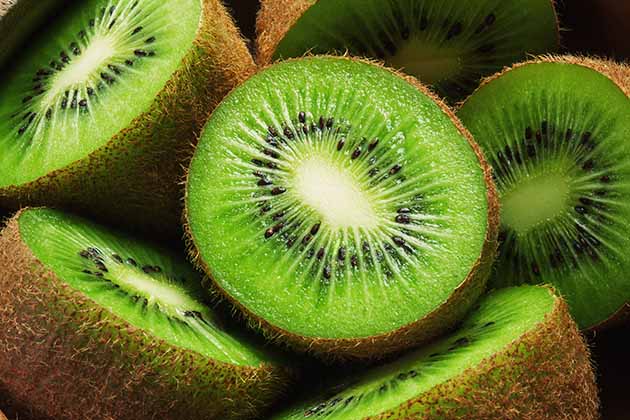
I remember this fruit being my go-to summer snack as a little kid. Even if you do eat the skin on this fruit, you’ll still be consuming fewer pesticide-residues than your average grab and go fruit.
So, grab a kiwi and enjoy.
Clean: Cabbage
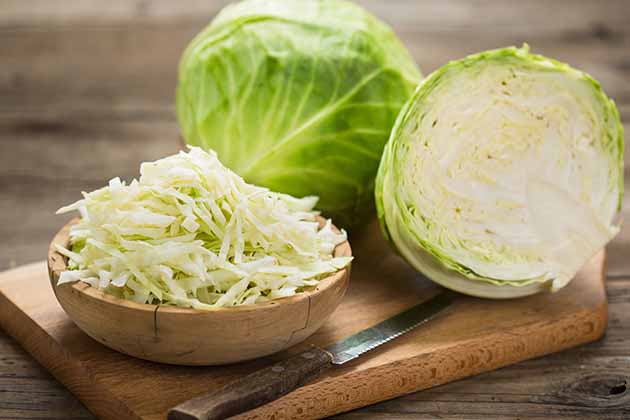
Though I personally only bust out this vegetable during the New Year, it’s a lot of people’s favorite.
A large majority (86%) of conventional cabbage tested had no pesticide residues, and only two of 700 cabbage samples contained more than one pesticide residue.
Clean: Cauliflower
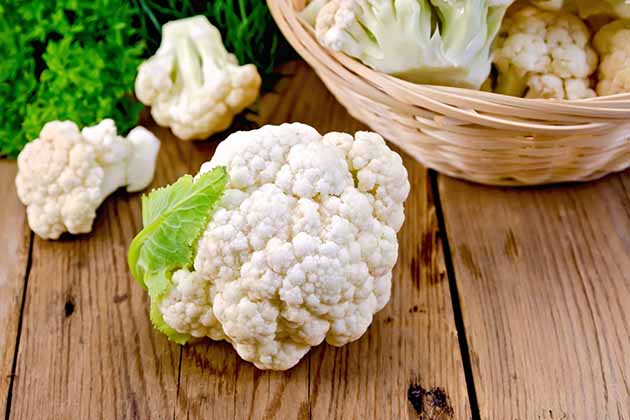
People are crazy about this crunchy-cruciferous vegetable—and for a good reason. It’s been repurposed to replace many carbohydrates, like those found in pizza crust.
Cauliflower pizza crust might not be much healthier, but it’s tasty—and practically pesticide free.
Clean: Cantaloupes
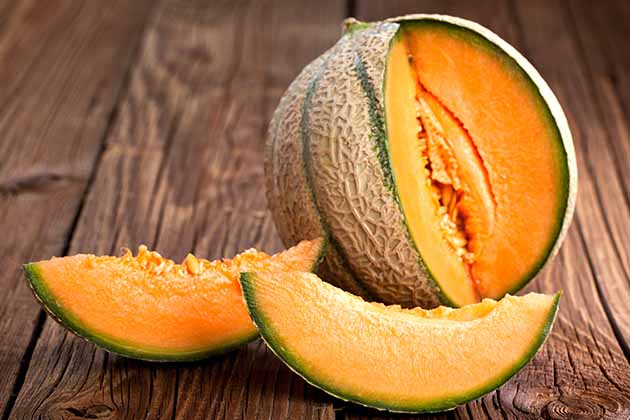
Who doesn’t love a fruit that can be used as its own serving dish? Though it isn’t proven, it’s thought that the thick outer shell of cantaloupes is what protects them from pesticides.
As long as I get to have them in my fruit salad, I am happy.
Clean: Broccoli
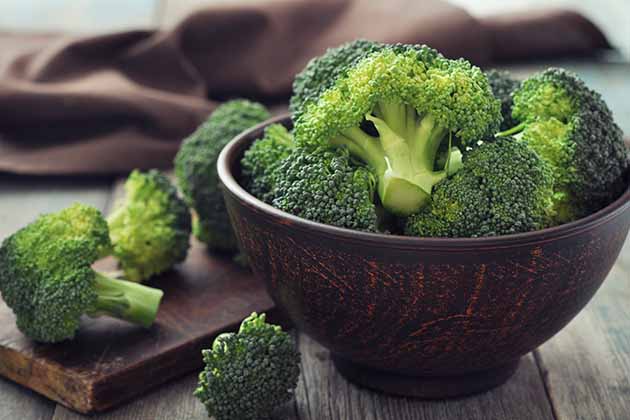
Though this fruit may have been intimidating as a child, as an adult I have grown to love broccoli just about every way it comes.
I no longer need to counter the health benefits of broccoli by covering it in as much melted cheese as possible—though, that’s still a delicious way to eat it.