

10 Symptoms of a Heart Attack in Women
The term heart disease refers to several types of heart conditions, including heart attack, and it is the leading cause of death in women, taking the life of one woman per minute in the United States. It’s thought of as a silent disease since it may not present until other symptoms appear or emergencies such as a heart attack occurs.
Although men and women can both have sudden onset heart attacks, continuing research suggests that women can begin experiencing symptoms of a heart attack up to a month before the event occurs. According to health.harvard.edu, in a survey of more than 500 women who survived heart attacks, 95% stated that they noticed something wasn’t right in the month or so before the event occurred. We’ve taken the liberty to do the research and list the symptoms that women can experience before a heart attack. Read on to find the top ten.
If you are experiencing any or all of these symptoms, speak with a physician for proper diagnosis.
Statistics were taken from health.harvard.edu
Disclaimer: The information in this content is for general informational purposes only, not a substitute for professional medical advice. Always consult your doctor before making any changes to your lifestyle.
When to See A Doctor

If you are experiencing any and all of these symptoms, we urge you to make an appointment with your physician for medical diagnosis. The doctor will take note of your symptoms, check your blood pressure and heart rate, and will more than likely order other tests like an electrocardiogram.
It is also recommended that all women over 40 years of age should have regular checkups with their doctor. Anyone feeling many or most of the symptoms on this list for five minutes or more should call for emergency care.
Anxiety

The symptoms of anxiety attacks (otherwise known as panic attacks) and the symptoms of a heart attack can be eerily similar. Symptoms such as shortness of breath, heart palpitations, chest pain, and dizziness can be symptoms of both.
If you happen to be feeling anxious and you are also experiencing symptoms of indigestion, a shooting or aching pain that moves down the arm, pain in the jaw area, discomfort between the shoulder blades, and/or vomiting, this could be a sign of a heart attack and you may need to get a medical diagnosis.
Indigestion
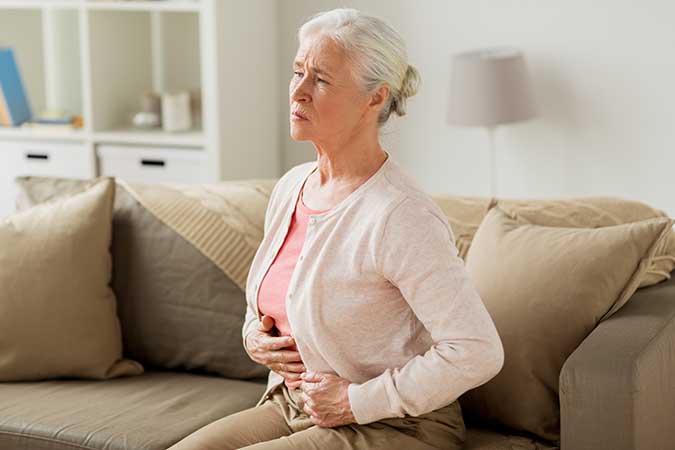
In many cases, people experience feelings of indigestion and other stomach issues such as nausea and vomiting in the weeks leading up to a heart attack. Many times, these symptoms can and most likely will be dismissed as a stomach bug or maybe even food poisoning.
If you don’t normally have digestive issues, and/or you are experiencing any of the other symptoms of a heart attack such as shortness of breath and/or heart palpitations, we suggest a visit with your physician to make sure everything is okay.
Feeling Lightheaded
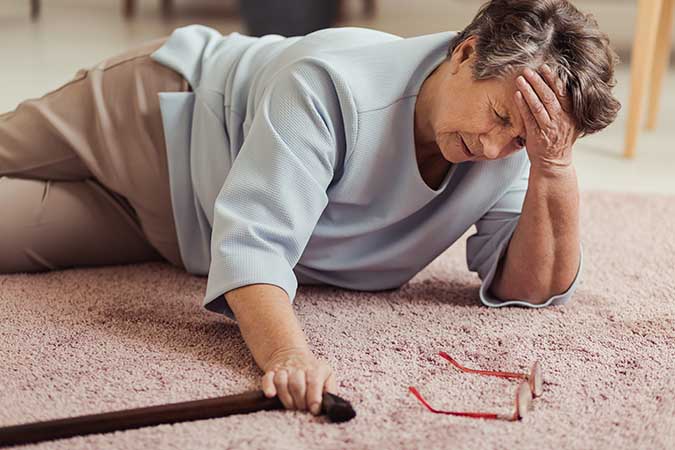
Because everyone can experience lightheadedness at one time or another, this is one of the symptoms of a heart attack that can be easily missed or disregarded. However, during a heart attack your blood pressure decreases which, in turn, decreases oxygen levels to the brain.
Lightheadedness combined with chest pain can be a sign that you have an arrythmia (irregular heartbeat) or they could be a sign of a heart attack and should be treated as a medical emergency, either way.
Rapid or Irregular Heartbeat
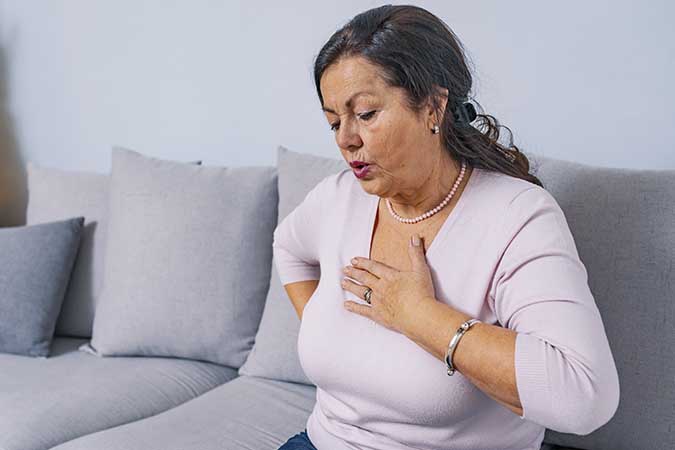
This can either feel like your heart is skipping beats or like it is changing its rhythm, leaving you to feel like your heart is pounding or throbbing. Many heart attack survivors have described these irregular heartbeats as a sensation of their heart also beating in their necks. This symptom alone does not portend of a heart attack just over the horizon.
There could be several reasons for an irregular heartbeat, so if you are experiencing this, we urge you to make an appointment with your physician for diagnosis. Usually, during a heart attack, rapid or irregular heartbeats will present along with other symptoms such as dizziness, chest pressure or pain, and/or fainting.
Swollen Feet, Ankles, and Legs

During a heart attack, the blood flow slows down and begins to back up in the veins in your legs due to gravity. Therefore, swollen feet, ankles, and even legs can be a sure sign of a heart attack, especially if you don’t normally have that issue.
If it is uncommon that your feet and ankles are swollen, we suggest getting them checked out as that is not just a symptom of a heart attack. It can be a sign of several other dangerous conditions, as well.
Shortness of Breath
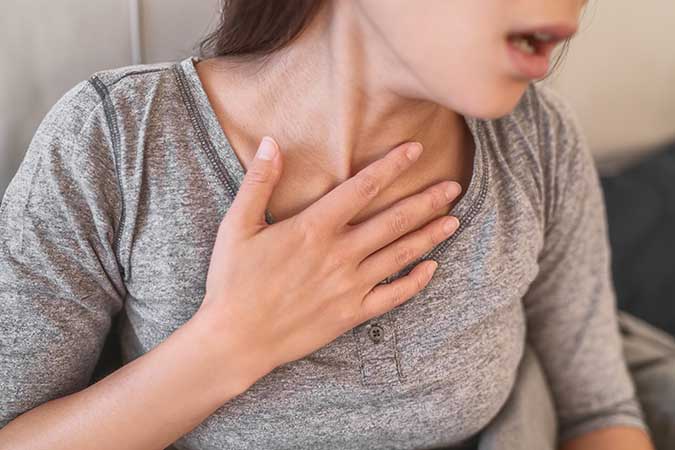
Your heart and your lungs are pretty important to each other. The heart pumps blood through your body and your lungs serve to circulate oxygen to the body’s tissues through the blood. If the heart has a blockage and cannot circulate the blood, the body isn’t getting enough oxygen which can leave you feeling short of breath.
Many times, shortness of breath can present along with other symptoms. For example, some women have reported both shortness of breath and fatigue together when they’ve done nothing more exerting than sitting on a couch or walking to the bathroom.
Loss of Appetite

Sometimes the poor circulation due to a weak heart or blocked arteries can cause loss of appetite. According to health.harvard.edu, 22% of women who’ve had a heart attack reported a loss of appetite for up to a month before their event.
Loss of appetite can present as nausea, vomiting, or abdominal swelling and is a more common symptom and often gets worse with activity and improves with rest. However, if you are experiencing any or all of these symptoms together, get in touch with your doctor.
Weakness

According to health.harvard.edu, of the 500 women who had experienced a heart attack, 25% reported a feeling of weakness or heaviness in their arms in the month leading up to the heart attack.
55% of the women surveyed reported that feeling of weakness during their heart attack. The weakness or shaking may also be accompanied by anxiety, dizziness, fainting, and/or feeling lightheaded.
Sleep Disturbance
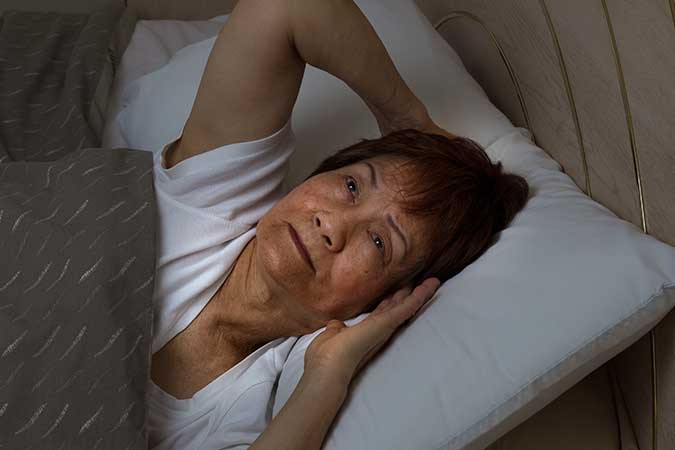
There have been several studies on the connection between sleep disturbances as a symptom of an impending heart attack in women in the past few years. In many cases of myocardial infarction (heart attack), women have reported sleep disturbances in the weeks leading up to the event.
The feeling described by some women who reported sleep disturbances is a form of sleep apnea that can occur during a heart attack. It compresses the upper airway and robs the heart of essential blood flow resulting in waking up in the middle of a deep sleep unable to catch a breath.
Unusual Fatigue

Fatigue unrelated to exertion is a distinct symptom of all cardiovascular diseases in women. Sudden and extreme fatigue was reported by at least 71% of women in the weeks leading up to their heart attacks as well as 43% of women during their heart attack.
Some women have even reported that they mistook the signs of a heart attack for symptoms of the flu. If you are suddenly feeling signs of fatigue from something as simple as setting the dinner table, it may be time to see a doctor, if just to rule out the more serious implications.
Age Factors
Although heart disease mostly affects women over the age of 65, one in 10 of all women who die from heart disease are under 65 and accounts for one-third of heart-related hospitalizations.
Even with statistics like that, it is easy for a younger woman to dismiss the signs of a heart attack as something that will go away and as a result, their doctors might miss the following symptoms, too.
Commonly Misdiagnosed

A study in 2018 found that women are up to three times more likely to die from a serious heart attack than men as a result of receiving unequal care and treatment because heart attacks are often still seen as a male health issue.
Due to this, women are less likely to receive the same diagnostic testing which leads them to being 50% more likely to be misdiagnosed. In addition, women are less likely to be given artery clearing procedures, prescribed medications that prevent future heart attacks, and/or given aspirin to help fight blood clots.
Difference of Symptoms
According to the University of Rochester Medical Center, it is thought that women’s survival rate is lower because heart attack symptoms don’t present the same for women as they do for men.
For example, what a man may feel as a crushing chest pain may present as anxiety or a strange discomfort in the back or some other sign that is easy to dismiss.
Heart Attack, Myocardial Infarction, or Angina
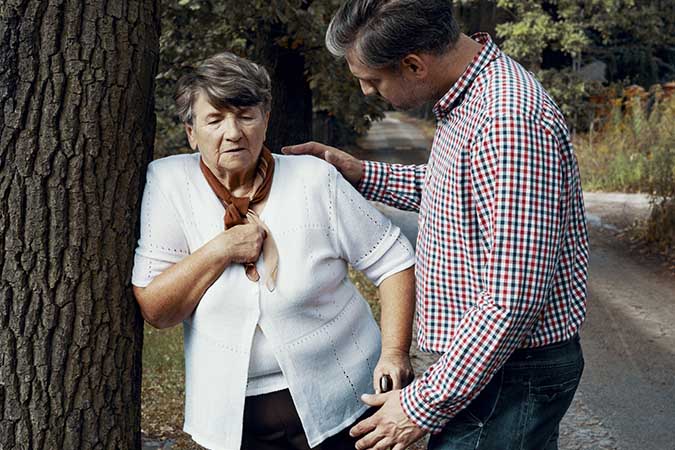
Whatever you call it, a heart attack happens when one of the coronary arteries is blocked which limits the flow of blood to the heart, resulting in permanent and sometimes fatal damage to the heart muscle.
Although twice as many men than women experience angina, women die from heart attacks more often than men. Most likely due to misdiagnosis of the symptoms, women can experience in the weeks leading up to a heart attack.