










10 Signs and Symptoms of Dementia
Within the U.S. there are more than five million people living with dementia and in the future, it's expected that one of every six women or one of every 10 men who live past the age of 55 will be diagnosed with it.
The word “dementia” means a chronic or persistent disorder of the mental processes caused by brain disease or injury and is marked by memory disorders, personality changes, and impaired reasoning. Dementia itself is not one specific disease but instead describes a group of conditions characterized by impairment of at least two brain functions.
There are more than 400 different types of dementia, but the two most common forms are Alzheimer’s and vascular dementia. Within the United States there are approximately more than five million people living with some form of dementia and in the future, it is expected that one of every six women or one of every ten men who live past the age of 55 will be diagnosed with it.
A diagnosis of dementia for a loved one can be a heartbreaking one. There is no known cure for any form of dementia, and because dementia is caused by several different diseases, it is unlikely one will ever be available. Although it can be hard to watch our parents and grandparents age, here are 10 signs and symptoms of dementia that we should all be watching out for, just in case.
Disclaimer: The information in this content is for general informational purposes only, not a substitute for professional medical advice. Always consult your doctor before making any changes to your lifestyle.
Wandering

Dementia—at any stage—causes disorientation which leads to wandering. Approximately 60 percent of people with dementia have a tendency to walk off and become lost repeatedly. This can be due to boredom, fear, confusion, stress, and the inability to recognize a familiar place or person.
Difficulty Completing Tasks

Dementia causes difficulties in carrying out tasks that may have once been familiar. Your loved one may take longer to finish tasks and have problems doing things in the proper sequence, such as putting on clothes. Common activities like playing a favorite game, balance a check book, or getting to a familiar location will become harder and harder.
Lack of Problem-Solving Skills

Although it may seem like a regular symptom of aging, dementia also causes a lack of planning and problem-solving skills. Dementia patients may struggle to concentrate for longer periods of time and familiar tasks become impossible. They can struggle with things like following or making plans or tasks like making a grocery list.
Confused Speech

A dementia patient’s speech may become confused and they can develop a symptom called aphasia. This means that they can lose the ability to speak and to understand speech. It makes it harder for the patient to remember the right words or to follow along with what others are saying to them.
Forgetfulness and Confusion

Caused by the progressive damage to brain cells, in the early stages of dementia forgetfulness may present as short-term memory loss. Your loved one may become confused about the passage of time and/or unfamiliar surroundings. Certain situations— such as a sudden change in living arrangements—can make these symptoms worse.
Sudden Changes in Mood and Personality

Due to losing cells in parts of the brain, sudden changes in mood and personality may occur. These symptoms can present as irritability or loss of interest, agitation or apathy. Your loved one may become devoid of emotion or become overemotional and they may even have unrealistic beliefs about their own abilities.
Withdrawal from Work and/or Social Activities
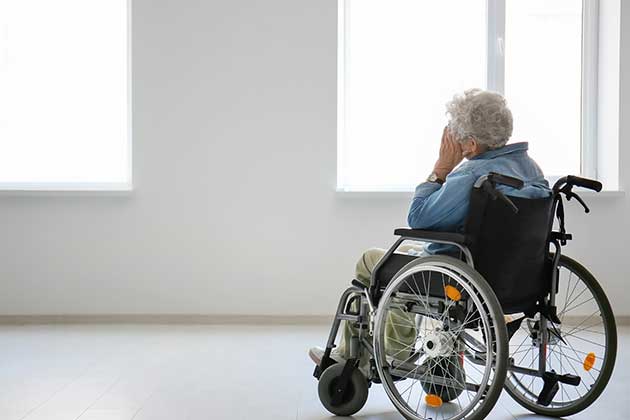
In the early stages of dementia, a person may become apathetic because they are aware and understand what is happening to them. Certain tasks may have become difficult for them to complete and they may be trying to avoid embarrassment or high-anxiety situations.
Poor Judgement
A person in the early stages of dementia may begin making poor life choices such as frivolous spending, dressing improperly for weather conditions, or being able to decide what situations may be safe or unsafe. As dementia progresses, it will become increasingly difficult for your loved one to make even the simplest decisions.
Misplacing Items

A person who has dementia may hide, store, hoard, and/or lose items frequently. This can make your life harder, but it also makes it harder for your loved one as well. It may distress them because they can’t find what they are looking for. They could also be hiding and hoarding things because it gives them a sense of control over their own situation.
Spatial and Visual Disorientation

Many types of dementia and early stage Alzheimer’s can affect depth perception. This can increase the risk of falls even while doing normal daily activities such as getting in or out of a bathtub or putting on clothes. With progression of dementia these symptoms can also include the inability to recognize familiar faces or find objects in plain sight.