

10 Foods to Eat During Diverticulitis Flareups
Diverticular disease is a gastrointestinal disease that occurs when pouches—called diverticula—form along the digestive tract, usually near or in the colon. This disease becomes more common with age, especially in Americans over the age of 60. Other risk factors for diverticular disease are smoking, not drinking enough water, medications, lack of exercise, obesity, and straining during bowel movements.
Diverticulitis is the flare up or attack of symptoms caused by an attack to the diverticula. Diverticulitis occurs when the diverticula become blocked with waste. Bacteria then begins to build up causing swelling and infections. Some symptoms include acute pain in the abdomen, nausea, fever, and bloody bowel movements. The root of diverticulitis is unknown, therefore there is no specific list of foods to eat in order to ease symptoms. However, once a flare up does occur, there are certain foods you can eat that will help avoid bowel movements in order to give the diverticula a chance to heal and the infection to clear up.
During the flare up, you’ll want to avoid as much fiber in your diet as possible as fiber creates waste that can irritate the infection even further. Once the attack is over and you’re feeling better, you can switch back to a high-fiber diet to help avoid future attacks.
Disclaimer: The information in this content is for general informational purposes only, not a substitute for professional medical advice. Always consult your doctor before making any changes to your lifestyle.
Low-Fiber Cereals
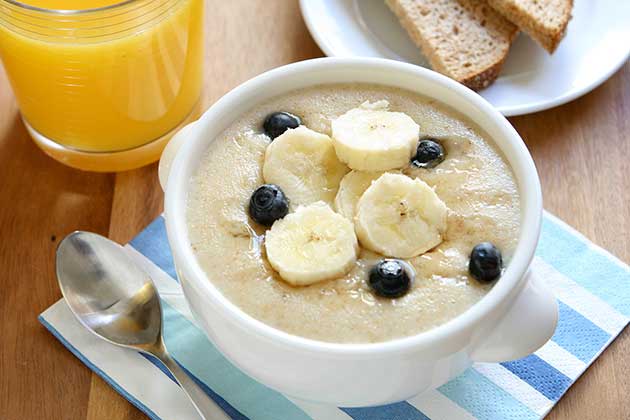
Once the symptoms ease a bit more, you may be advised to begin an extremely low-fiber diet to further limit bowel movements until the attack is completely gone. Cereals like cream of wheat and cream of rice are healthy, low-fiber choices.
Fruit Juices
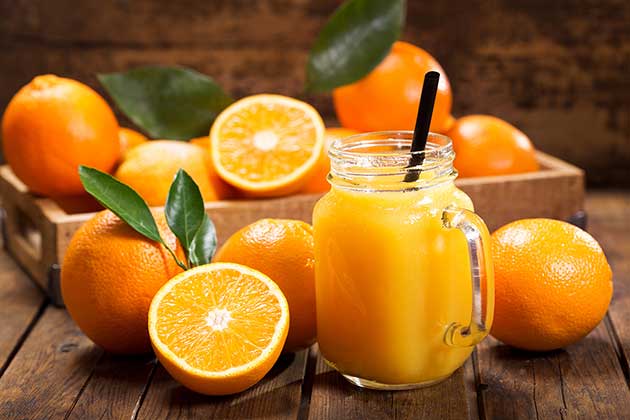
Once a flare up eases a bit, your doctor may ease up on dietary restrictions by advising you to switch to an all-liquid diet. Fruit juice is a great option as long as there is no pulp in it as the pulp may contain fiber.
Broth
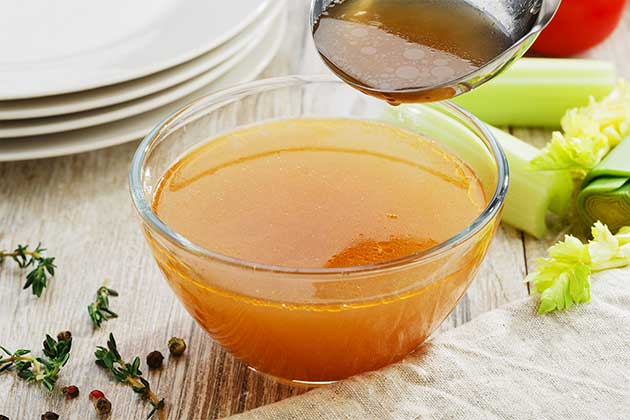
During a flare up, your physician will more than likely prescribe a clear-liquid diet to avoid creating waste in the intestines. This includes soup broth without pasta, rice, or vegetables, but it is advised that tomato soup be avoided.
Poultry
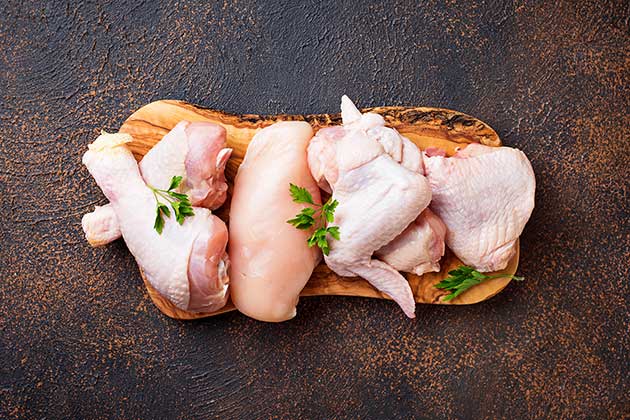
The name of the game during a flare up is avoiding fiber at all costs! Therefore, eating unprocessed meat and poultry are safe as they contain zero fiber. However, avoid red meats and pork as they are tougher on the digestive system.
Canned or Cooked Vegetables
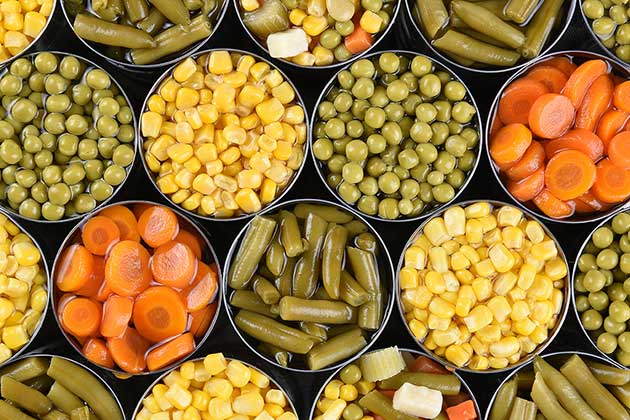
According to mayoclinic.com, well-cooked vegetables with the skin and seeds removed are more easily digested. Canned vegetables will have less fiber than their fresh counterparts.
Vitamin D

A study in 2013 found that those with the lowest Vitamin D levels were significantly more likely to develop a diverticulitis flare up. Make sure to have your levels checked to ensure that you’re getting enough of this all-important vitamin or you may need to add a supplement.
Fish
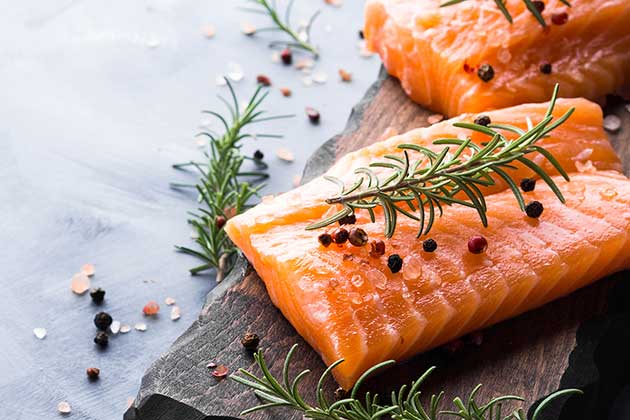
Flounder, salmon, crappie, or bass? Whichever you prefer is fine because all fish species are fiber-free, not to mention tasty!
Eggs
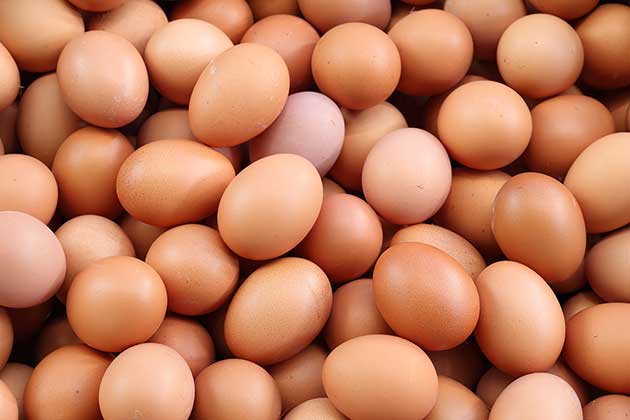
Scrambled, fried or poached; it doesn’t matter because eggs have zero dietary fiber. You can even add in vegetables like spinach, tomatoes, and asparagus since those veggies tend to have small amounts of fiber.
White Rice and Pasta
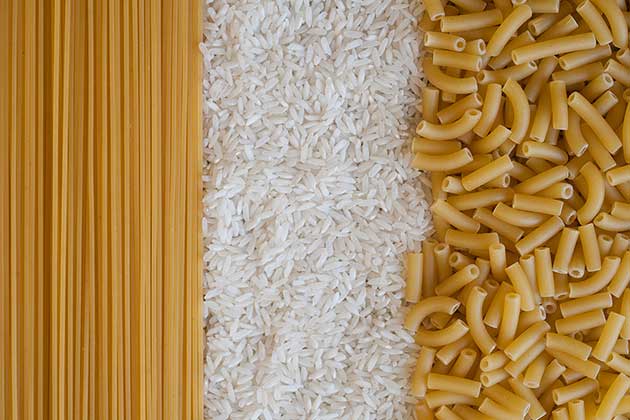
White rice and pasta have very little dietary fiber and are softer on the digestive system. Avoid eating gluten-free options, however because these tend to have higher fiber counts.
Dairy
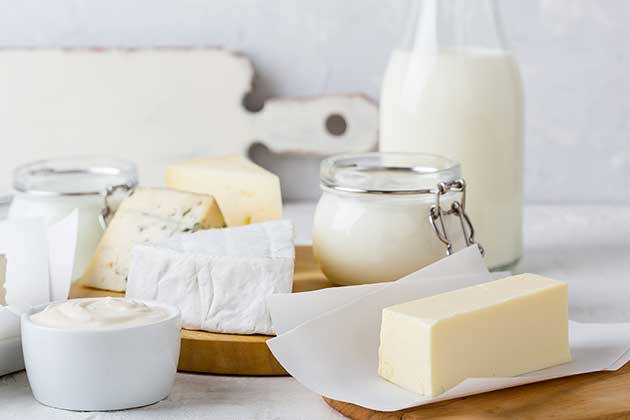
Most dairy products have little to no dietary fibers and are safe to consume during a diverticular attack.