
10 Biggest Sources of Microplastics You Should Avoid
Microplastics are tiny plastic particles, often smaller than a grain of sand, that have made their way into water, food, air, and even the human body. Scientists have found them in blood, lungs, brain and other organs, raising concerns about long-term health effects. According to the World Health Organization and the National Oceanic and Atmospheric Administration, microplastics come from the breakdown of larger plastics and from everyday products people use without thinking twice.
Many microplastics are surprisingly common items found in kitchens, closets, and daily routines. While it’s impossible to avoid microplastics completely, you can reduce your exposure by taking the necessary steps. Here, we’ll take a look at the 10 biggest sources of microplastics you should avoid, and tell you what you can do to limit the accumulation of microplastics in your body.
6. Synthetic Clothing (Polyester, Nylon, Spandex)
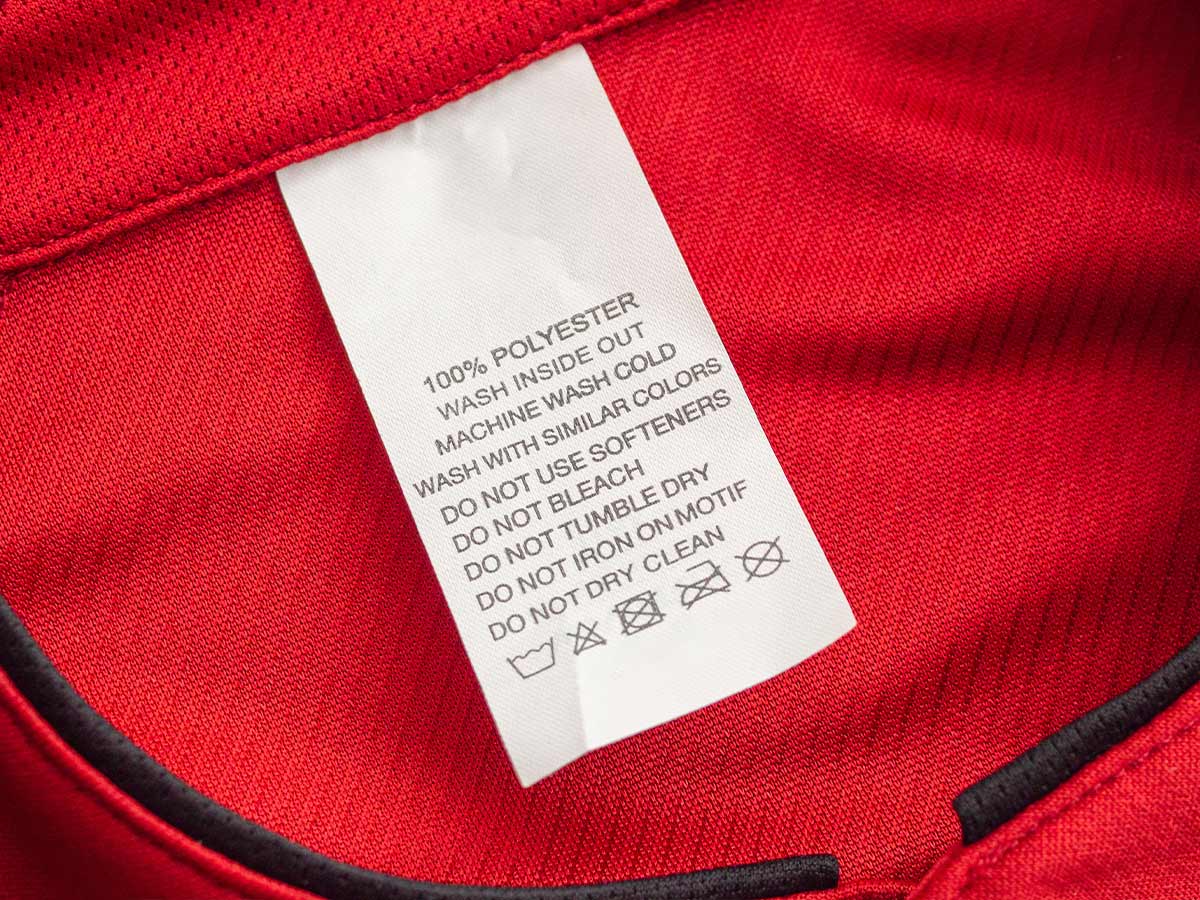
Synthetic fabrics shed microplastic fibers every time they are washed. These fibers enter wastewater systems and can eventually return to humans through water and food. Furthermore, when you dry clothes made from polyester, nylon, acrylic, or spandex, the tumbling motion and heat cause tiny plastic fibers to break loose. These fibers collect in the lint trap, but many smaller particles escape into the air through the dryer vent or when you clean the lint screen.
Even wearing synthetic clothes releases particles into the air.
- Choose natural fabrics like cotton, wool, or linen
- Wash synthetic clothes less frequently
- Use laundry filters designed to catch microfibers
7. Plastic Food Storage Containers
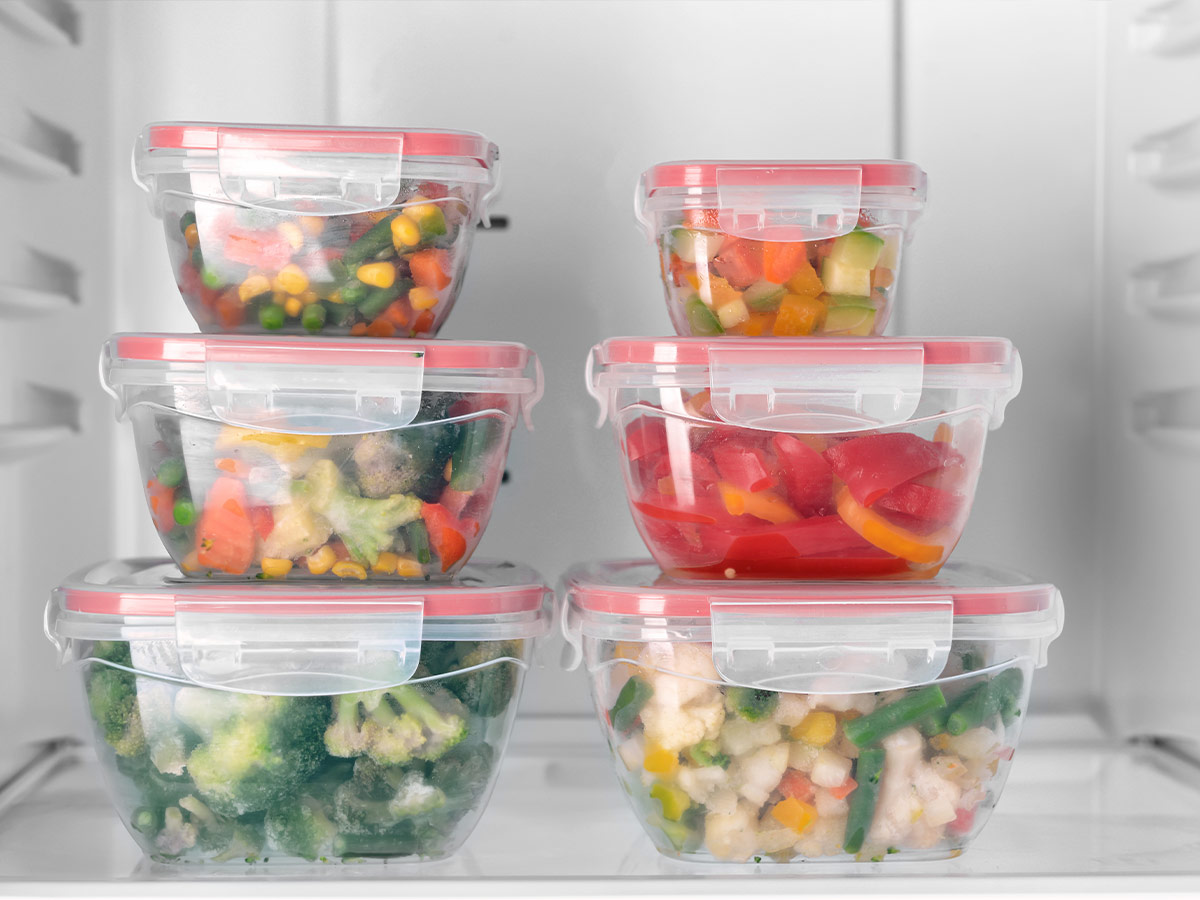
Plastic containers aren’t as durable as they seem. Over time, factors like heat from dishwashers or microwaves, exposure to sunlight, and the general wear-and-tear of repeated washing cause the plastic to degrade and break down. This process releases tiny particles known as microplastics, which can then leach into the food you store inside them.
Older or scratched containers release more particles than newer ones.
- Use glass or stainless steel storage containers
- Avoid microwaving plastic containers
- Replace damaged containers
8. Disposable Plastic Cups
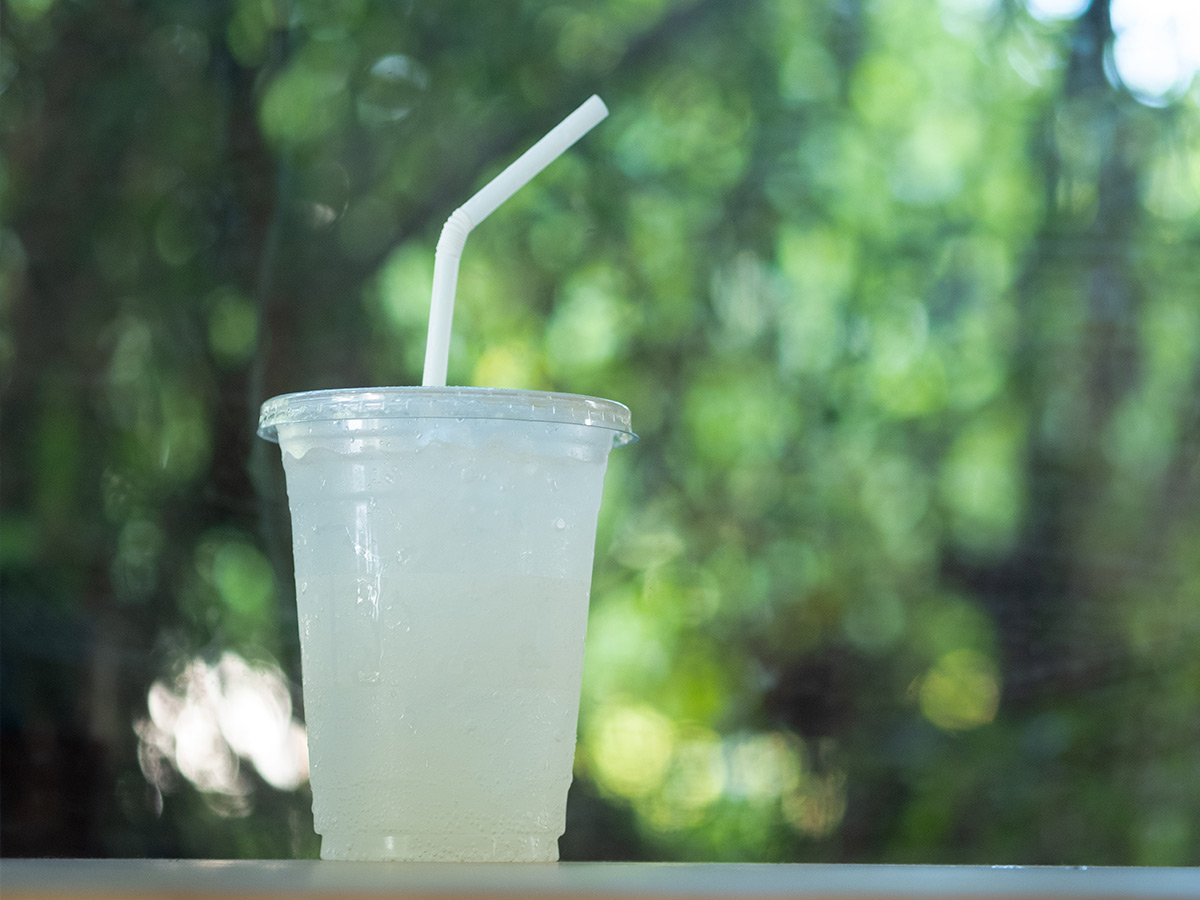
Disposable plastic cups shed particles when filled with hot beverages or reused multiple times. Even cold drinks can carry plastic fragments from the cup’s inner surface.
Thin plastic breaks down faster than thicker materials.
- Use reusable glass or metal cups
- Avoid reusing disposable plastics
- Choose paper cups when possible
9. Packaged Processed Foods
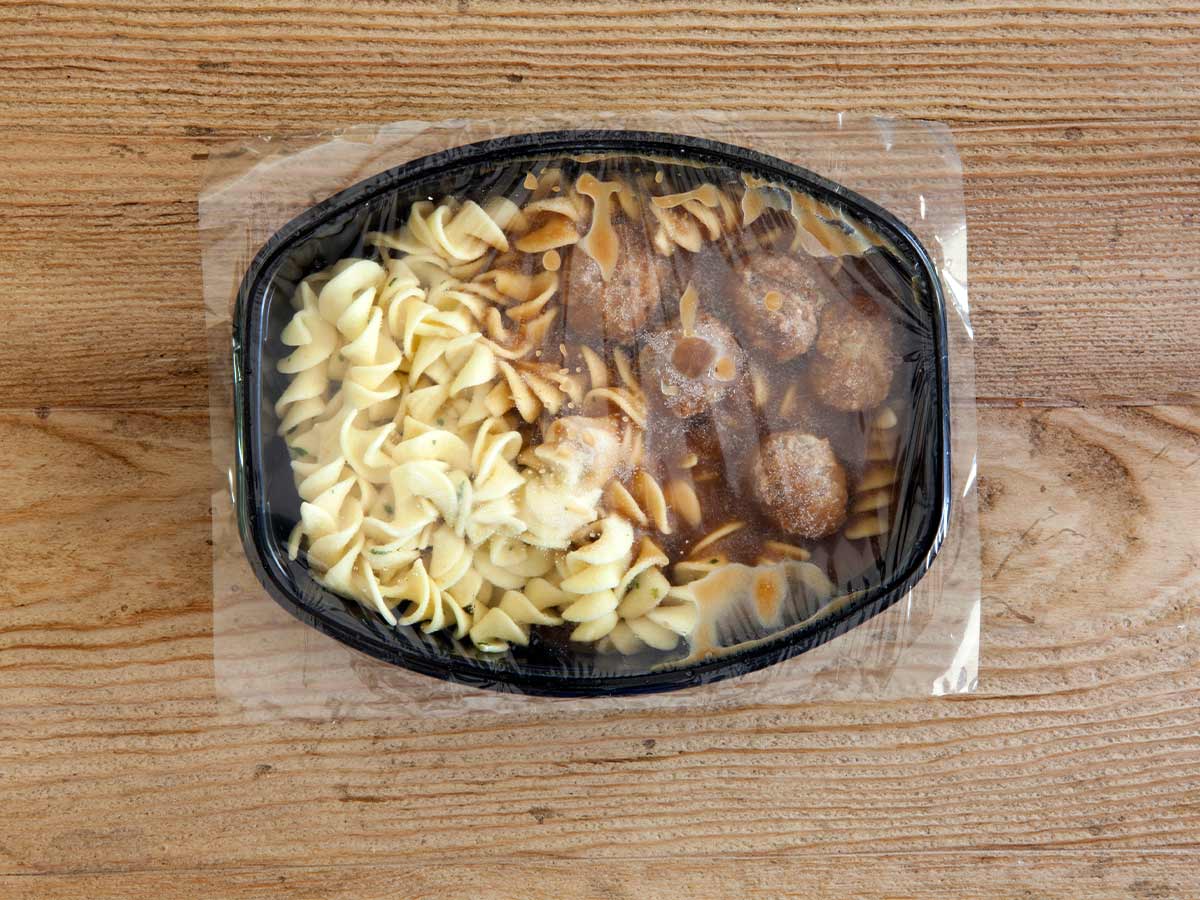
Processed foods often come into contact with plastic during manufacturing, packaging, and storage. Microplastics can enter from conveyor belts, packaging materials, and storage containers.
Highly packaged foods typically have higher contamination levels.
- Choose fresh, unpackaged foods when possible
- Reduce reliance on heavily processed snacks
- Buy from local or minimally packaged sources
10. Household Dust
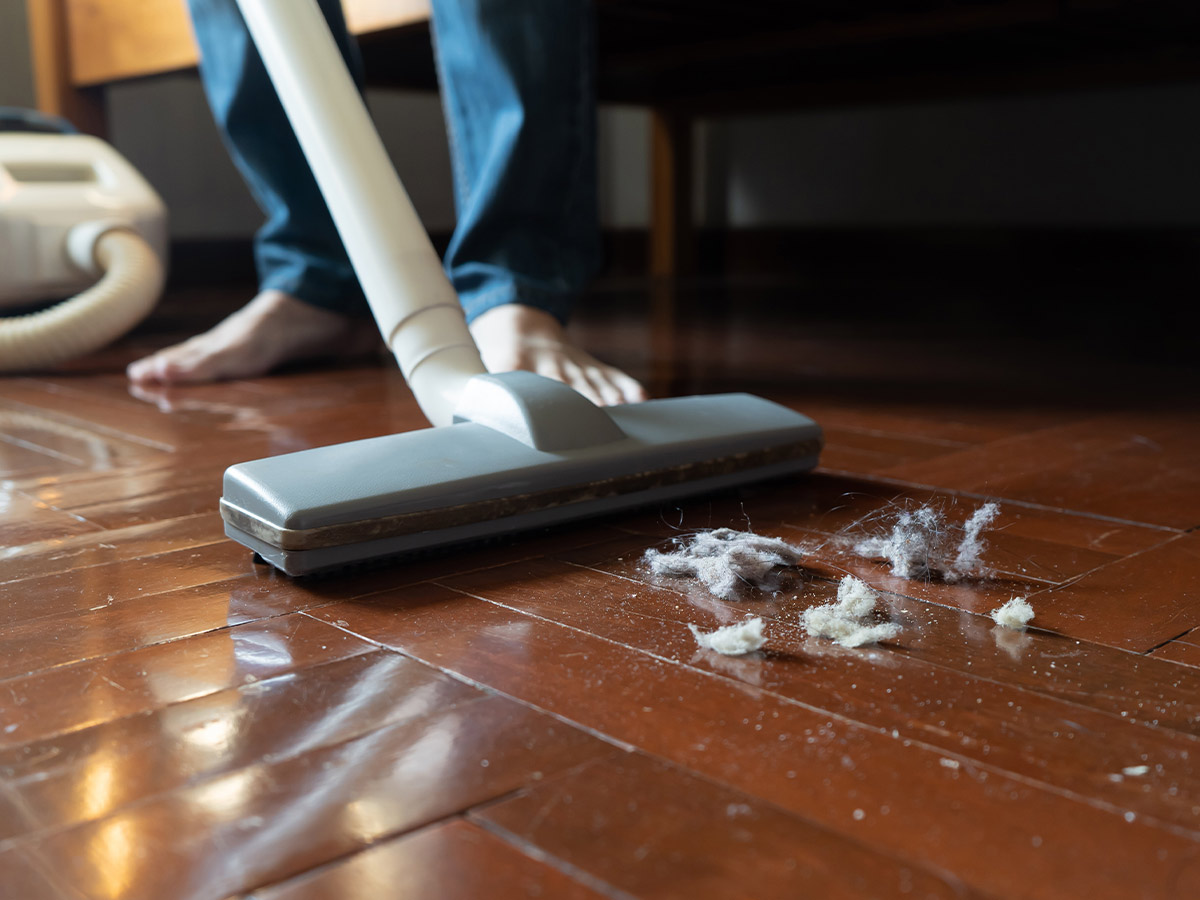
Household dust is one of the most overlooked sources of microplastics. Tiny plastic fibers from carpets, furniture, and clothing settle into dust. These microscopic plastic particles can then become airborne, making it easy for us to unknowingly inhale or swallow them.
Indoor environments often contain higher microplastic concentrations than outdoor air.
- Vacuum regularly using HEPA filters
- Dust surfaces with damp cloths
- Improve ventilation in living spaces
This article is intended for informational and educational purposes only and should not be interpreted as medical, environmental, or professional health advice. While research on microplastics and synthetic fiber exposure is ongoing, the long-term health effects are still being studied, and not all exposures result in known or immediate harm.
1. Bottled Water
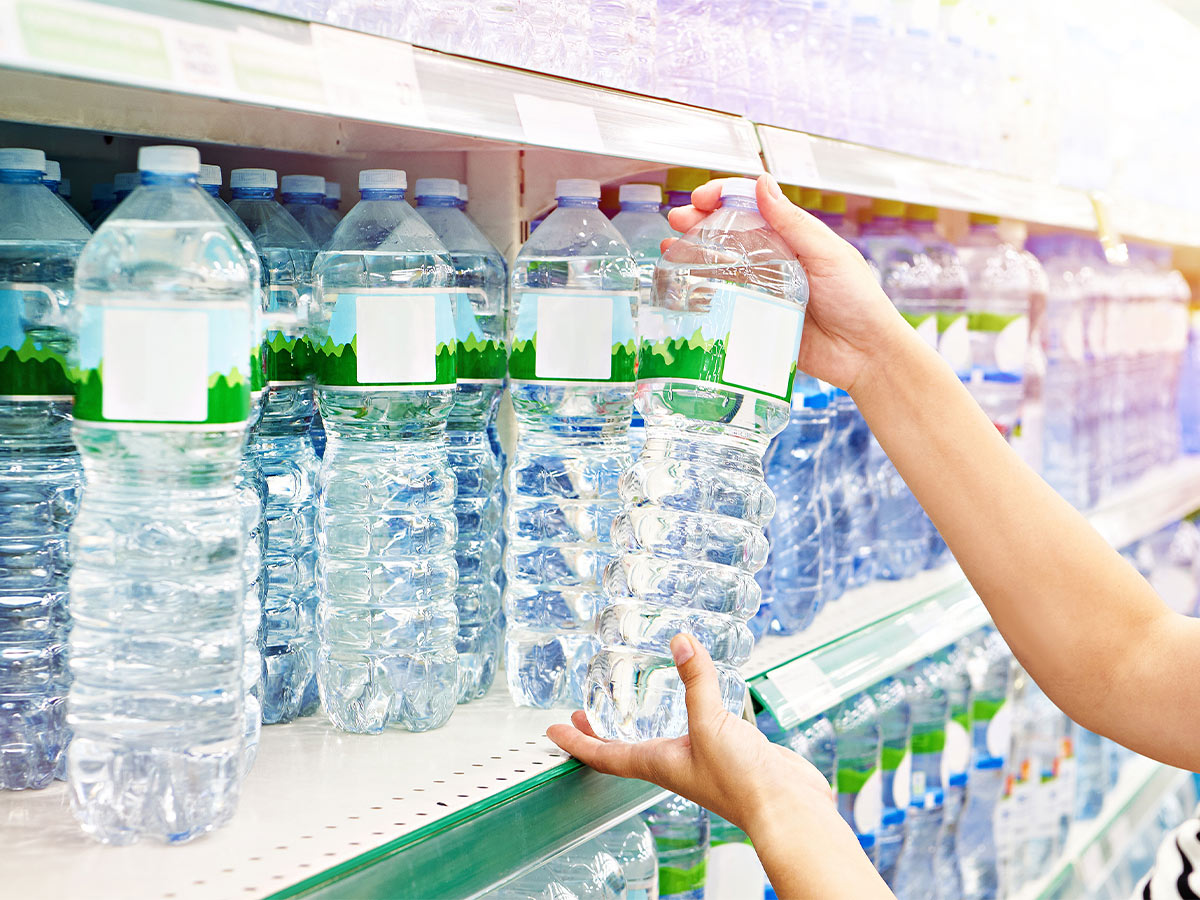
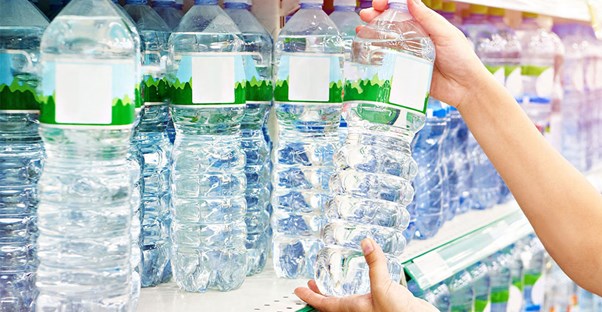
Bottled water is one of the most well-known sources of microplastic exposure. The plastic bottles themselves shed tiny particles into the water, especially when exposed to heat or stored for long periods. Even opening and closing the cap can release plastic fragments.
Microplastics can enter during manufacturing, packaging, and transportation. Studies have found that bottled water often contains more microplastics than tap water.
- Choose filtered tap water when possible
- Use glass or stainless steel reusable bottles
- Avoid leaving plastic bottles in hot environments
2. Plastic Tea Bags
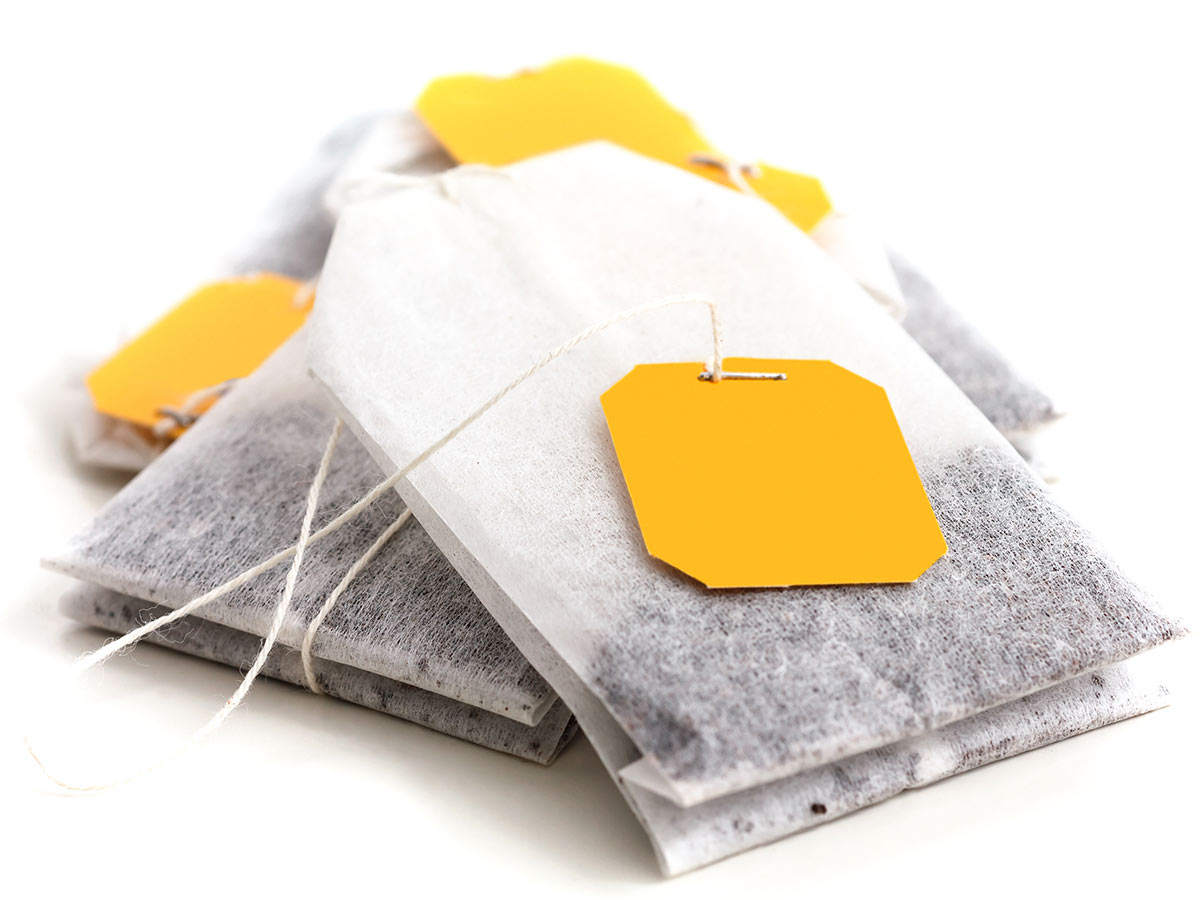
Many common tea bags are made with plastic fibers like nylon or polypropylene to help them hold their shape. When you pour hot water over these bags, the plastic materials begin to break down, releasing billions of microscopic plastic particles directly into your drink. According to the National Institutes of Health, studies have shown that a single plastic tea bag can release over 11 billion microplastics and 3 billion nanoplastics into a single cup of tea.
Even tea bags that look like paper may contain plastic sealing materials. The heat accelerates plastic breakdown, increasing exposure.
- Switch to loose-leaf tea with metal or glass infusers
- Look for certified plastic-free tea bags
- Avoid pyramid-style mesh tea bags
5. Seafood (Especially Shellfish)
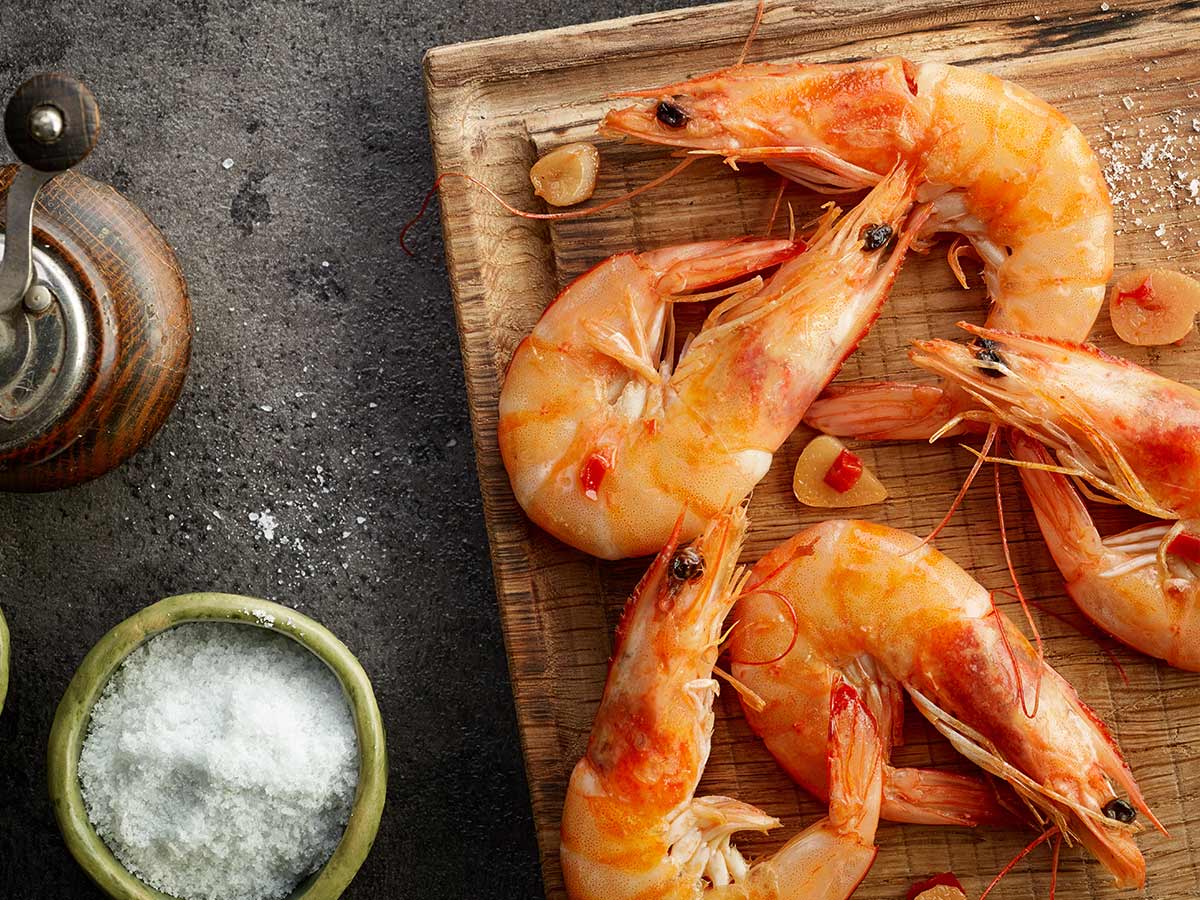
Shellfish such as mussels, oysters, and shrimp are particularly prone to containing microplastics. As filter feeders, they process large volumes of ocean water to get their nutrients. During this process, they inadvertently ingest tiny plastic particles suspended in the water. These microplastics then accumulate in their tissues and digestive systems over time.
Here’s what you can do to minimize your consumption of microplastics in seafood:
- Eat seafood in moderation
- Choose seafood from cleaner, regulated sources
- Diversify protein sources
4. Plastic Cutting Boards
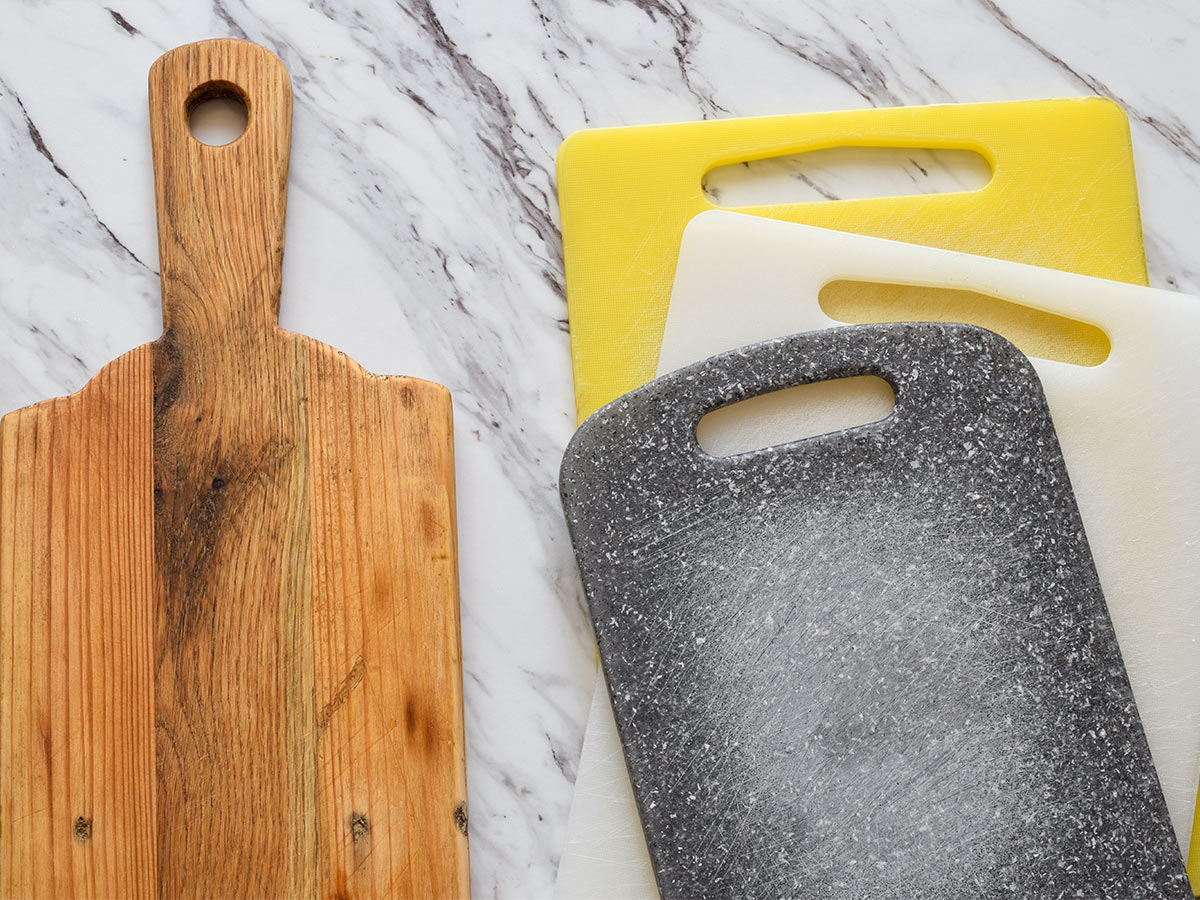
Each time you cut food on a plastic cutting board, the knife creates tiny plastic shavings. These particles can stick to food and be swallowed without you noticing.
Over time, cutting boards develop grooves that release even more particles.
- Use wooden or bamboo cutting boards
- Replace heavily worn boards
- Avoid excessive chopping on plastic surfaces
3. Takeout Containers
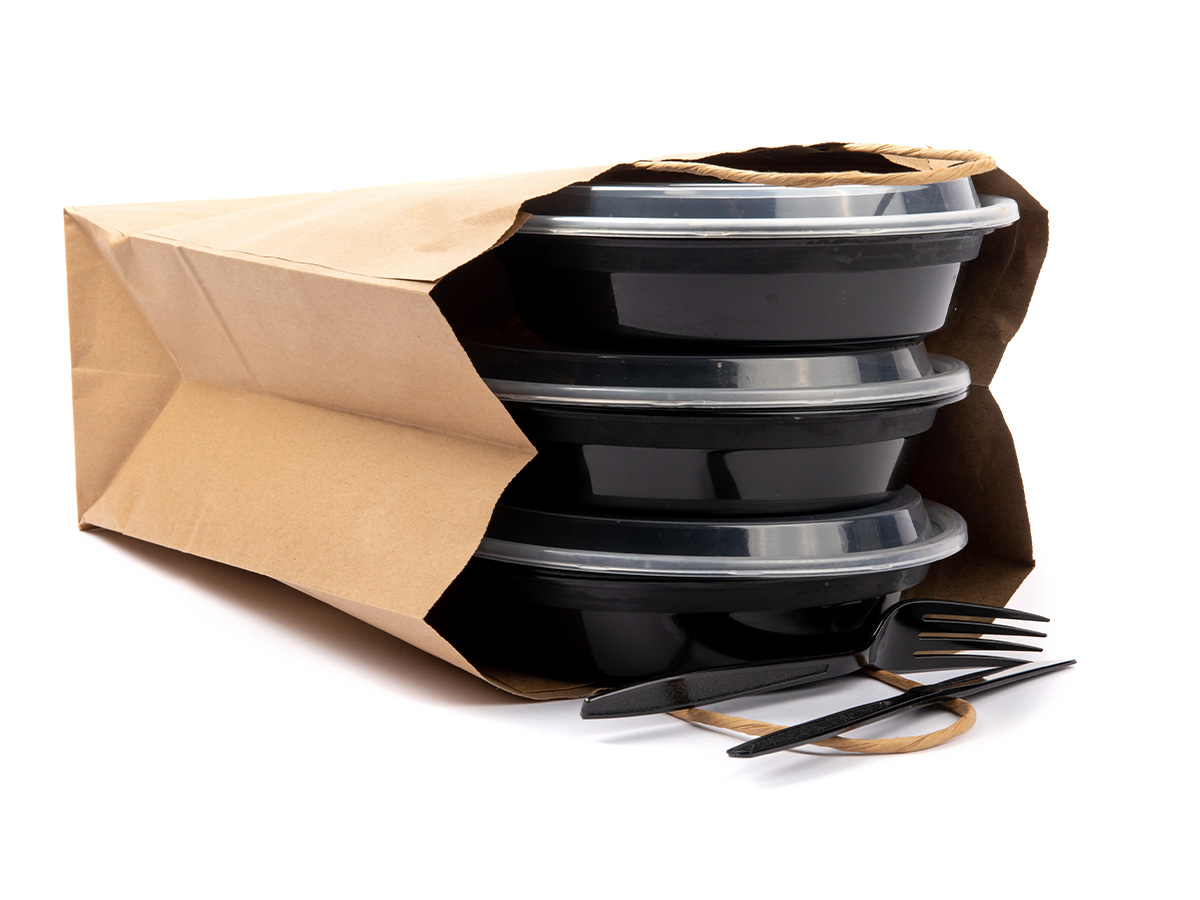
Plastic takeout containers release microplastics, particularly when used to hold hot food. The heat causes the plastic structure to break down, allowing tiny fragments, known as microplastics, to mix into the meal. These microplastics are not only ingested but can also pose potential health risks over time, such as cancer, heart attack, and reproductive harm.
Microwaving food in these containers makes the problem worse by speeding up plastic breakdown.
- Transfer food to ceramic or glass before reheating
- Choose restaurants that use paper or compostable packaging
- Avoid storing hot leftovers in plastic