
Industries Most Affected by Trump Era Tariffs
The Trump administration’s trade policies are bringing significant changes to the global economy, with tariffs playing a central role. Tariffs, which are taxes on imported goods, are used as tools to protect U.S. industries and reduce trade deficits. These measures aim to boost domestic manufacturing and create jobs, but the way they are being used under the Trump administration has sparked intense debate. While some applaud the move for prioritizing American businesses, others warn of higher costs for consumers and strained relationships with trading partners.
The tariffs hit specific industries particularly hard. From farming to technology, many sectors are facing new challenges related to rising costs, disrupted supply chains, and reduced market access abroad. For businesses that rely heavily on international trade, the effects have been immediate and substantial. We’ll examine which industries have been and will be most affected by these tariffs and what this means for your shopping habits.
Agriculture
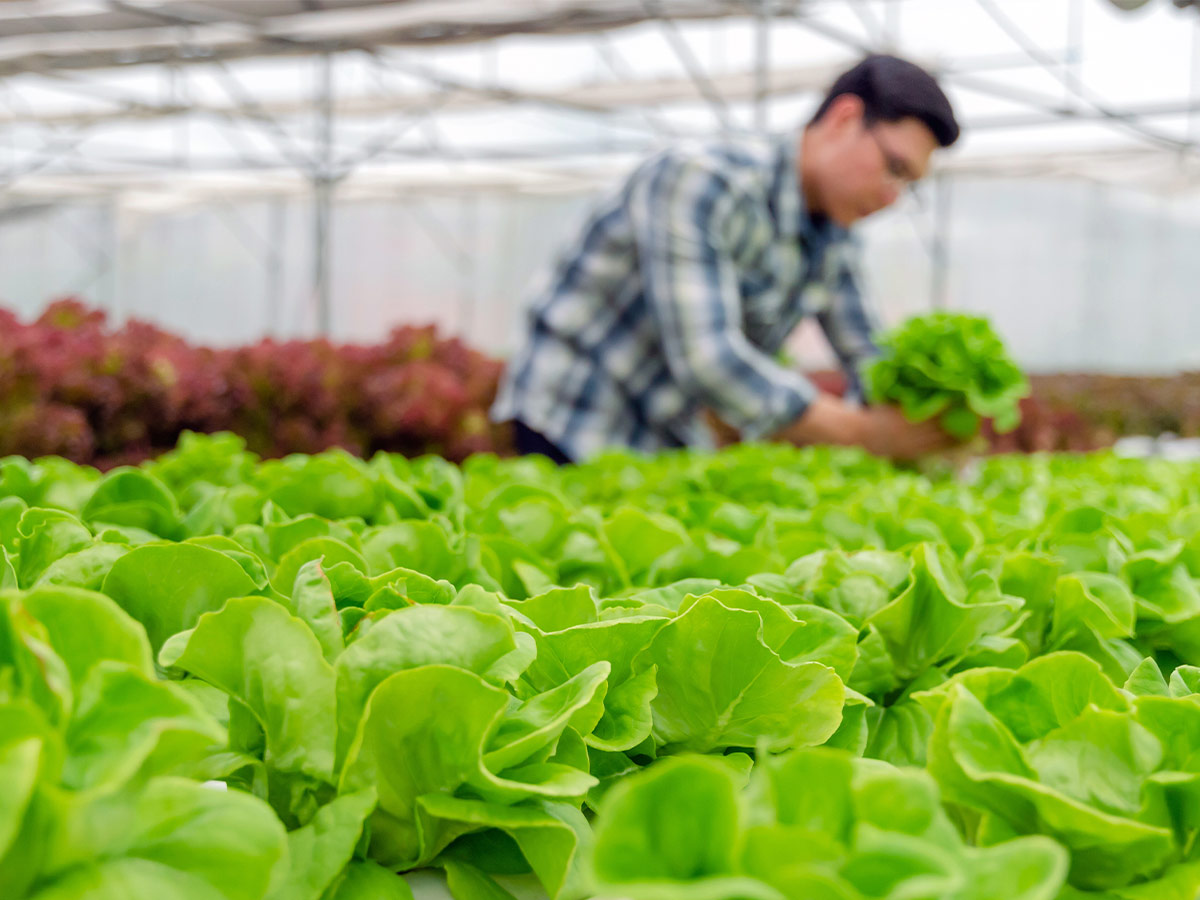
Farmers are being hit hard by retaliatory tariffs from other countries on products like soybeans, beef, and dairy. This has made it harder for U.S. farmers to sell their goods overseas, cutting off key markets and reducing their income.
On top of that, tariffs on farm equipment are making it more expensive to buy the tools needed to grow crops. This is leaving many farmers in a tough spot financially, especially in farming regions already facing challenges.
Healthcare and Medical Devices
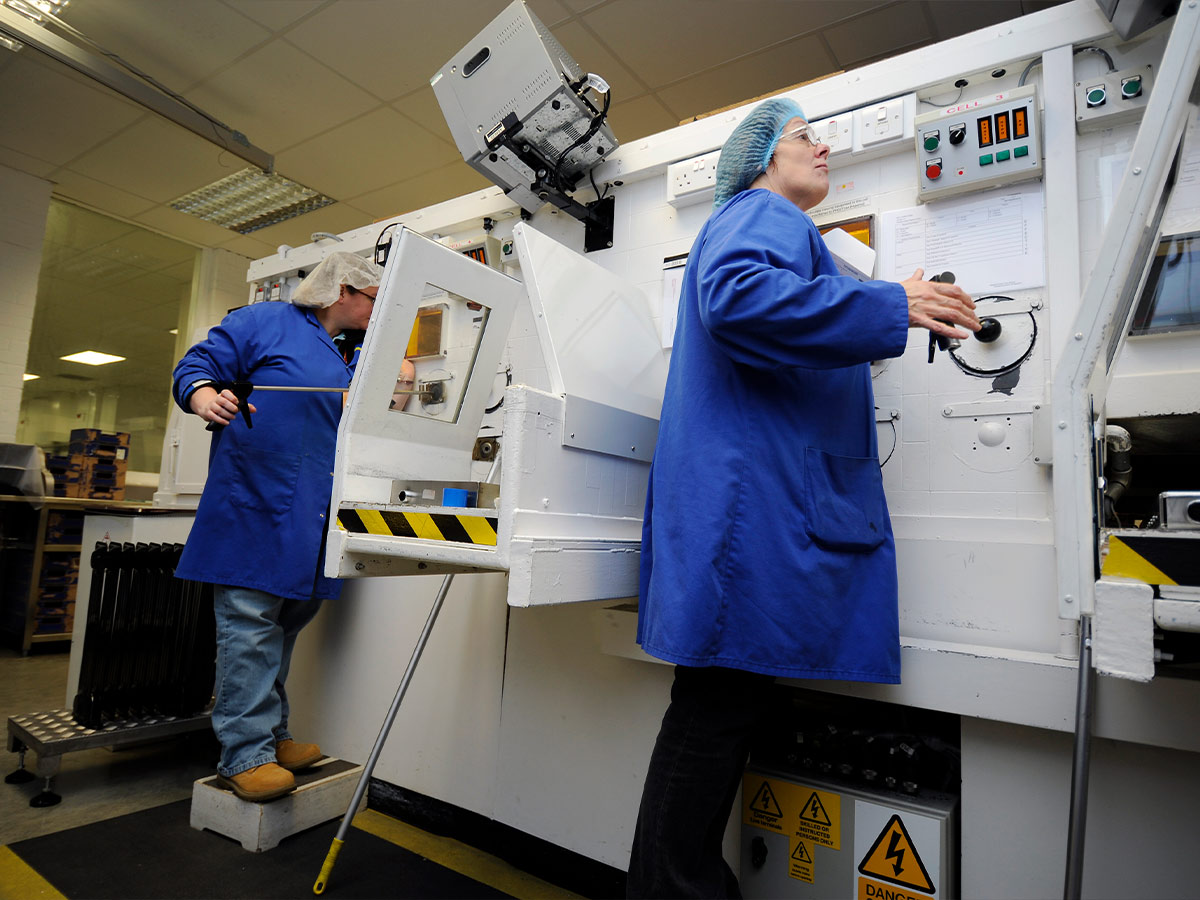
Medical device makers are seeing higher costs for parts like precision tools and electronics because of tariffs. These increased expenses are being passed to buyers like hospitals, which could mean higher healthcare prices for patients.
Smaller companies are having an especially hard time staying competitive since they can’t afford to find cheaper suppliers. This could slow down the development of new medical tools, affecting healthcare in the long run.
Hospitality and Construction

Building materials like steel, aluminum, and glass now come with 25% tariffs. Hotels and construction projects are becoming more expensive as a result, and some are being delayed or scaled back to save money.
Small developers are feeling the brunt of these higher costs, as they have less room to absorb the financial blows. This is forcing many to stop or delay their projects, leaving larger companies to dominate.
Food and Beverage

Tariffs of 20% and more on imported foods and drinks like wine, cheese, and spirits are making these items pricier for U.S. customers. At the same time, local food companies are struggling with retaliatory tariffs on U.S. exports, which is limiting their sales overseas.
Producers of specialty foods, like bourbon and pecans, are finding it harder to compete globally. Meanwhile, rising costs within the U.S. are putting more pressure on food companies to keep prices reasonable.
Shipping and Logistics
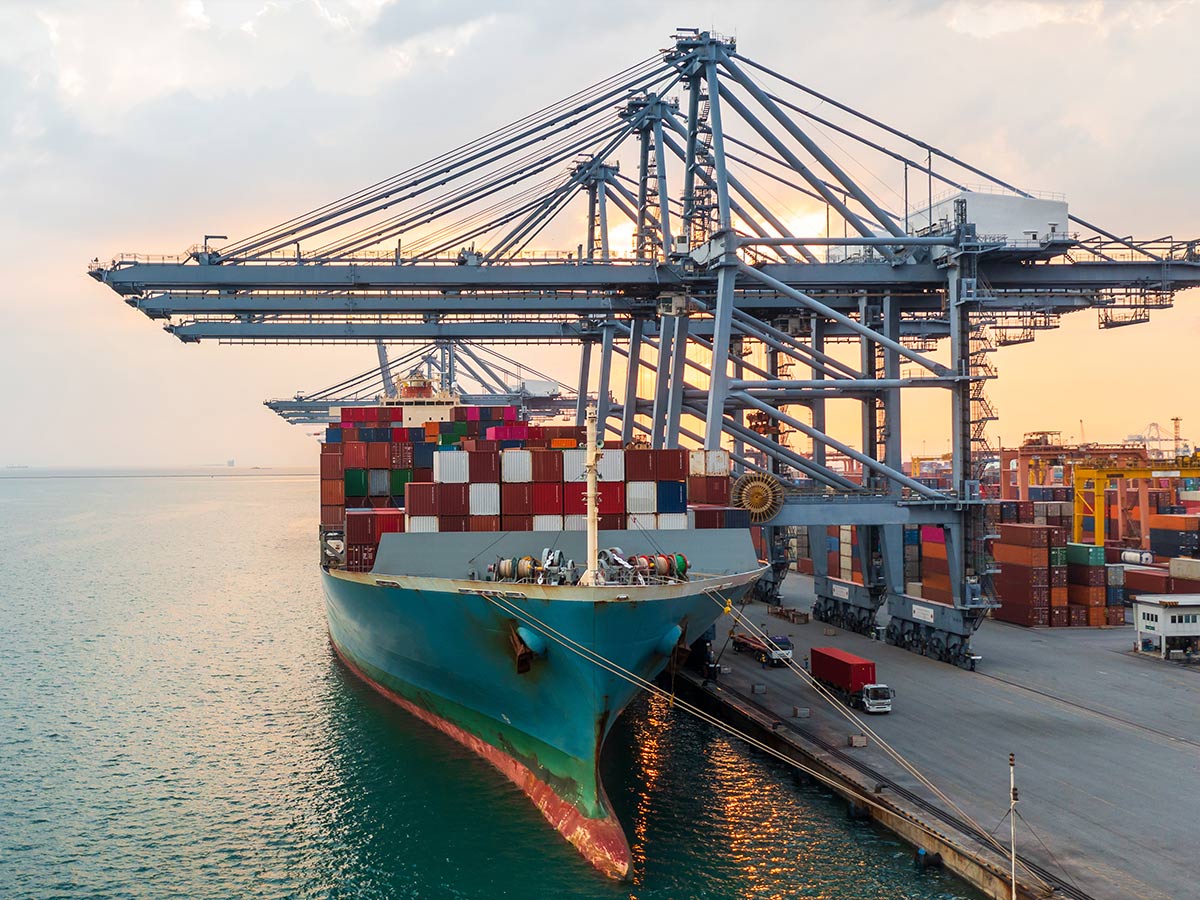
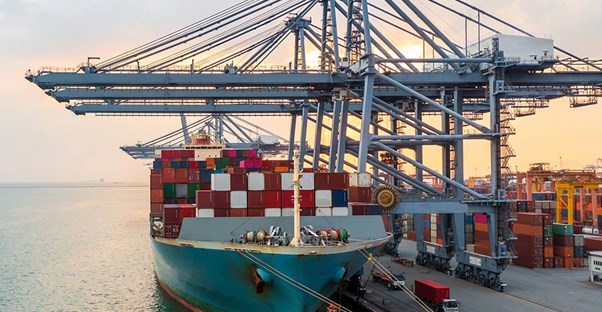
Shipping companies are being hit hard as trade routes are disrupted by the tariffs. With higher costs on goods, shipping fees are also rising, which affects nearly every business that relies on imported products.
Companies are scrambling to adjust, rerouting shipments and rethinking strategies to keep up. But these changes are costly and create delays, making it tougher for businesses to operate smoothly.
Energy and Utilities

Tariffs on imported items like solar panels and wind turbine components are making renewable energy projects more expensive. This could slow down progress as the country tries to move toward cleaner energy solutions.
Utility companies are also facing rising costs, which may result in higher prices for customers. These challenges could harm efforts to develop and expand green energy technologies.
Small Businesses

Small businesses that depend on imported goods are struggling with rising costs. Unlike larger companies, they don’t have the resources to find alternative suppliers or pass all the costs to customers without losing business.
These challenges make it hard for small enterprises to compete. Many are cutting operations or looking for ways to survive, but the risk of losing out to big corporations is increasing, especially during this tough economic period.
Technology
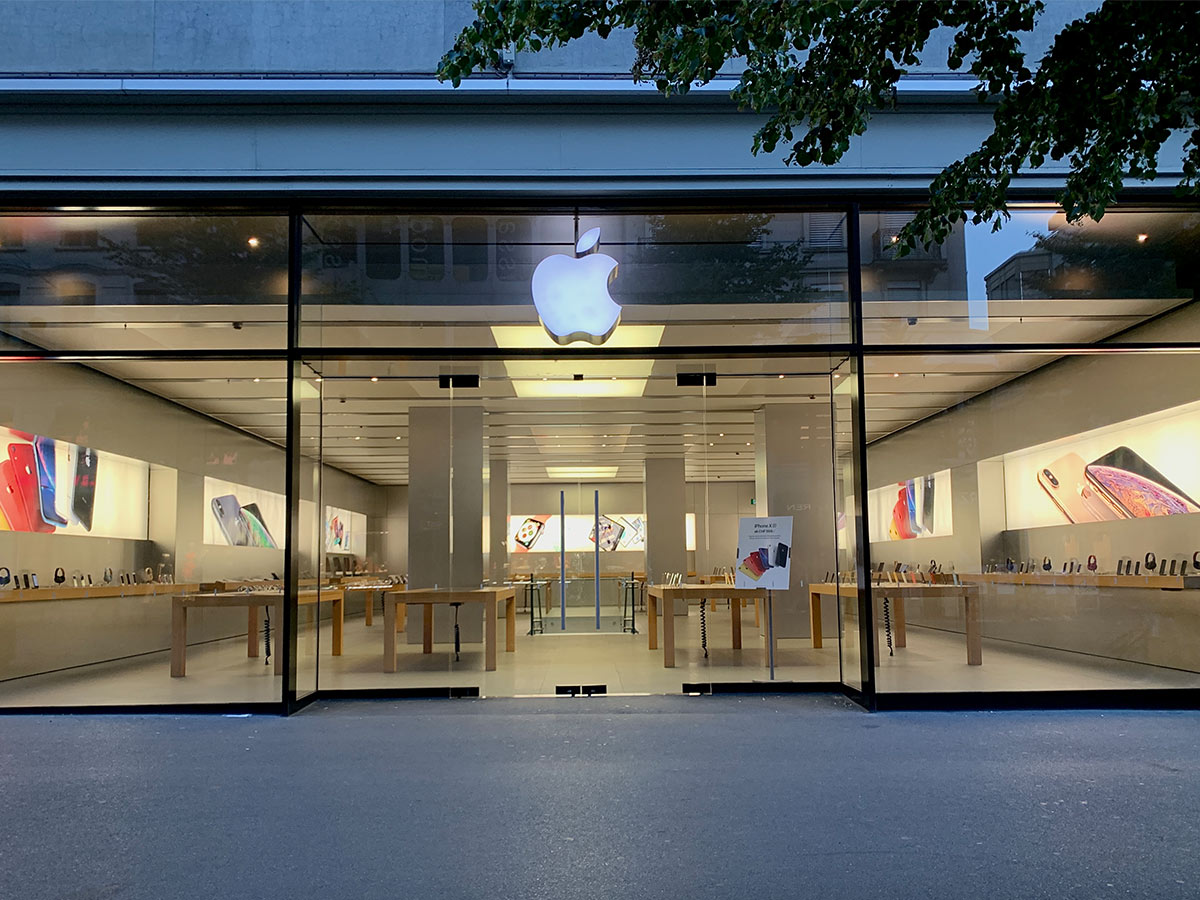
Tech companies like Apple are paying more for components and finished goods from countries like China due to tariffs ranging from 10% to 25%. This is pushing up production costs and shrinking profits for many big tech brands.
To deal with this, some companies are moving their factories to other countries like India or Vietnam. But these moves take time and money, which means higher costs and possible delays for new products in the meantime.
Industrial and Manufacturing
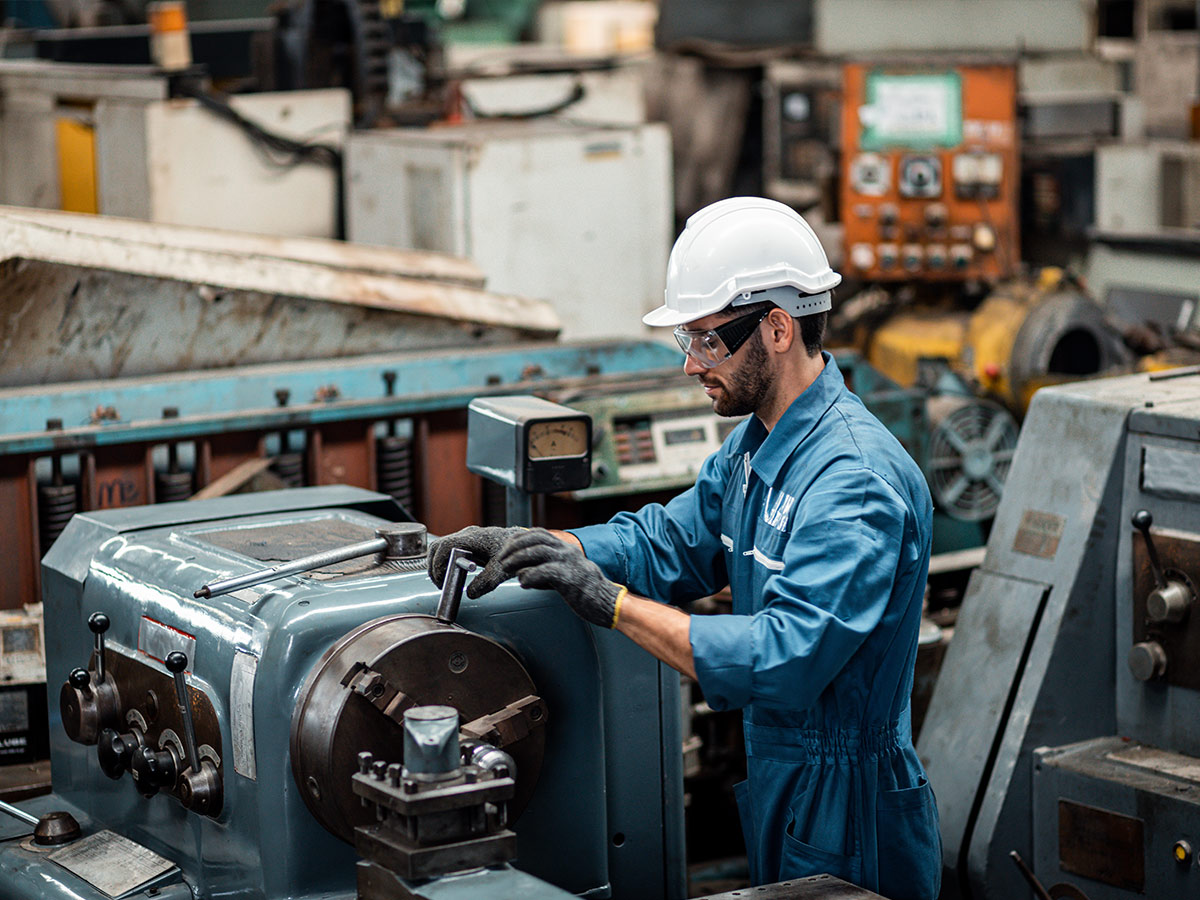
Manufacturing companies are feeling the squeeze from tariffs on materials like steel, aluminum, and machinery, which go up to 25%. These higher costs make it more expensive to produce goods, and many businesses are passing the extra expenses to buyers.
Some companies are cutting back, which could hurt trade with other countries. This makes it harder for manufacturers to compete and could slow down their growth both at home and abroad.
Luxury Goods

Luxury goods from Europe, like high-end bags and watches, now have tariffs of up to 20%. To make up for this, brands like Gucci and Louis Vuitton have raised prices by about 6-8%. But these price hikes could scare off U.S. shoppers.
This comes at a bad time for the luxury market. With the stock market shaky and people worrying about the economy, fewer shoppers are splurging on expensive items. Experts think the luxury market could see its slowest growth in more than 20 years.
Retail and Consumer Goods

Tariffs on items like clothing and electronics, especially from places like China and Vietnam, now range between 20% and 46%. This has made it more expensive for companies to bring these products into the U.S., and shoppers are starting to notice the higher prices.
Businesses are trying to find new suppliers or move production to the U.S., but these changes take time and money. Until then, many retailers are struggling to stay competitive while keeping prices low enough for their customers.
Automotive

The 25% tariffs on imported cars and car parts have caused big problems for automakers. They now have to pay more for parts, which has pushed up the price of cars by as much as $6,000 in some cases. Many companies are passing these extra costs to customers, making cars more expensive.
Some car companies, like Jaguar Land Rover, have even stopped sending cars to the U.S. while they figure out what to do. Used cars are also becoming pricier because more buyers are turning to them instead of costly new models. This could hurt automakers’ profits and make cars less affordable for most people.