








Understanding Spina Bifida in Adults

Spina bifida is a birth-defect disease that does not go away. Living with spina bifida is entirely possible, and there are plenty of ways to manage your case. Here is a guide to the life of an adult with spina bifida.

Spina Bifida Treatments

If your baby is born with spina bifida, there are several routes of treatment you can take. Your baby's options will depend on the type and severity of their disease. Know these treatment options to best help your baby.
Types of Spina Bifida

Knowing your baby's type of spina bifida is crucial to figuring out the best treatment plan. Your baby could have no symptoms or could suffer paralyzation depending on their type. Here are the types of spina bifida.
Spina Bifida Causes
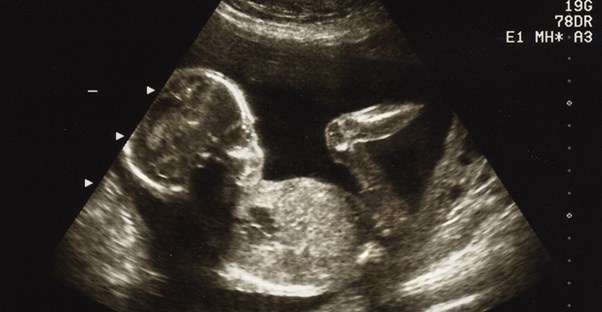
The exact cause of neural tube defects like spina bifida remains unknown. However, spina bifida most likely results from genetic, environmental, and nutritional factors. Here are some common spina bifida causes.
Raising a Child With Spina Bifida

Raising a child isn’t easy, and raising a child with extra requirements can be even harder. But you aren’t the only one, and you aren’t alone. Here is a little information about raising a child with Spina Bifida.
Diagnosing Spina Bifida

Spina bifida is a type of neural tube defect. When part of the neural tube does not close, one of the four types of spina bifida is presented. Here is a look at what spina bifida is and how it's diagnosed.
Tourette Syndrome: 10 Terms to Know

Understanding Tourette Syndrome can be incredibly difficult, especially if you’re not a medical professional. Some of the terminology is difficult to define and comprehend. Here are ten words you should know.
Tourette Syndrome: Understanding Tics

Tourettes is a tic disorder characterized by two motor and one vocal tic over a year. TS is largely misunderstood as yelling vulgarity, but this isn't the case. Here is what TS really entails for people who have it.
Treatment for Tourette Syndrome

Tourette syndrome (TS) is a tic disorder that develops in childhood. Tic disorders are characterized by the need to produce a sound or movement repetitively and out of context. Here is what TS treatment looks like.
Symptoms of Tourette Syndrome

Are you, your child, or a loved one suffering from frequent, involuntary speech and/or movement that can’t be controlled? You might be dealing with Tourette Syndrome. Here are a few common symptoms of TS.