
E. Coli Infection Treatments

There are specific strains of E. coli, such as 0157:H7, that negatively affect the body. People and animals that have been exposed to this E. coli strain may experience nausea, intense abdominal cramps and diarrhea.

E. Coli Infection Symptoms
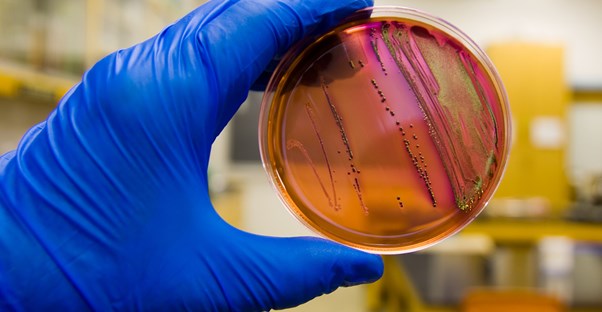
The majority of types of E. coli bacteria are relatively harmless to humans, causing only temporary reactions. There are, however, a number of E. coli bacteria that are more serious and can be fatal when untreated.
Salmonella Infection Symptoms

Depending on the type of salmonella that you come in contact with, you can experience a variety of symptoms that often mimic a stomach flu. These can include nausea, diarrhea, stomach cramps, vomiting, and headaches.
Crohn’s Disease Risk Factors

It is not completely understood as to why people develop Crohn's disease, although medical experts have identified risk factors that can increase your chances. These factors include genetics, ethnicity, and more.
Diagnosing Crohn’s Disease

Many of the symptoms that accompany Crohn's disease, such as stomach pain and diarrhea, can be attributed to other diseases, so it is important to use several different tests and procedures to arrive at a diagnosis.
Diagnosing Hyperthyroidism

Hyperthyroidism occurs when the thyroid produces excess hormone. Hyperthyroidism can be diagnosed by your family physician, but it may be recommended that you visit a endocrinologist, which is a thyroid specialist.
Hyperthyroidism Risk Factors

Hyperthyroidism is a condition in which the thyroid gland makes too much of the hormone thyroxine. Some risk factors for hyperthyroidism, such as age, gender, and injuries, cannot be controlled; other factors can be.
Diagnosing Dyslexia

Dyslexia is a learning disorder that can hinder a person’s abilities to read, speak, and write. Because a child’s educational needs are based on reading and writing, it’s crucial to diagnose dyslexia early in life.
Understanding Glaucoma
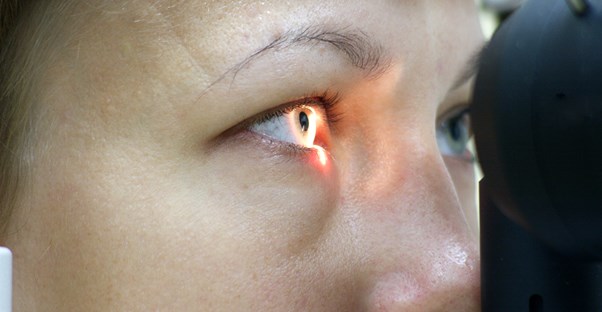
As people grow older, their risks for developing serious eye diseases, such as glaucoma, increase. Glaucoma is the second leading cause of blindness, damaging the optic nerves of people living all around the world.
Glaucoma Prevention
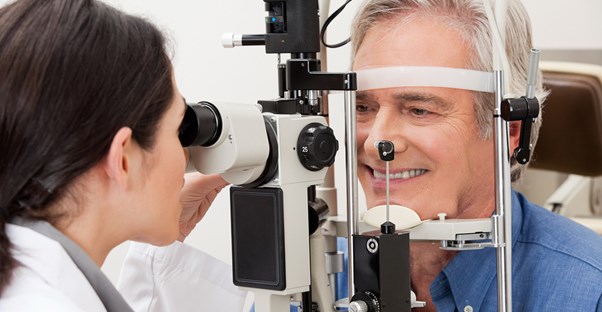
Many people don’t know glaucoma is the second largest cause of blindness in the U.S. Because of the disease's severity, it’s important to do everything possible to prevent it from affecting you and your loved ones.
Glaucoma Treatment
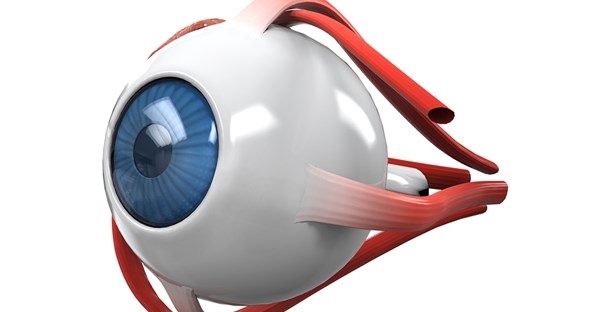
Glaucoma is a family of eye diseases that slowly reduce vision capabilities by damaging the optic nerve that controls sight. There is no definitive cure for the two common forms of glaucoma, but there are treatments.
Diagnosing Glaucoma
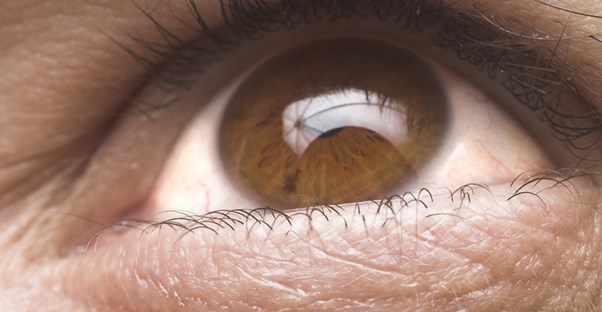
Glaucoma, a leading cause of blindness in the United States, is a group of eye conditions that cause optic nerve damage. Because glaucoma is treatable if detected early, regular eye exams are critical for eye health.