
5 Reasons You Should Take Childhood Obesity Seriously

Recent statistics indicate that about one in five children in the U.S. is overweight or obese. This is an alarming number and something that parents, teachers, and health care workers should be paying attention to.

Understanding Childhood Obesity

An obese child can develop Type 2 diabetes, heart disease, high cholesterol, high blood pressure, and breathing issues. Given these health risks, it's crucial that parents gain an understanding of childhood obesity.
Preventing Carpal Tunnel Syndrome

Carpal tunnel syndrome can be quite debilitating, and it is surprisingly easy to develop this condition of the hands and wrists. Fortunately, there are a wide variety of ways you can prevent carpal tunnel syndrome.
Diagnosing Carpal Tunnel Syndrome

Carpal tunnel syndrome is a condition in the hand and wrist that's usually caused by a pinched nerve. Your doctor or an orthopedic surgeon will have a number of ways to determine if you have carpal tunnel syndrome.
Carpal Tunnel Syndrome Risk Factors

Carpal tunnel syndrome is a painful condition that can make using the hands and wrists very difficult. Most of the factors that contribute to carpal tunnel syndrome affect the wrist, tendons, and nerves in the body.
Carpal Tunnel Syndrome Treatments

Approximately 2% of men and 3% of women will be treated for carpal tunnel syndrome at some point in their lives. Given these numbers, learning about this painful hand condition and its treatments can be beneficial.
Carpal Tunnel Syndrome Symptoms

One of the most common health problems associated with our hands is carpal tunnel syndrome, a painful condition in which the nerves inside our wrists become compressed, preventing the hands from function normally.
Understanding Carpal Tunnel Syndrome

Anyone who puts repeated, continuous strain on his or her wrists is at risk for developing painful carpal tunnel syndrome. Luckily, a majority of carpal tunnel syndrome cases are quite easily diagnosed and treated.
Atrial Fibrillation Prevention

Atrial fibrillation is considered to be the most common of all heart rhythm disorders, affecting more than 2.3 million people. Fortunately, there are many things you can do that will keep atrial fibrillation at bay.
Diagnosing Atrial Fibrillation

Atrial fibrillation is caused when the heart's atria, or its two upper chambers, happen to beat irregularly. The medical professional who will likely notice your atrial fibrillation first is your personal physician.
Causes of Atrial Fibrillation
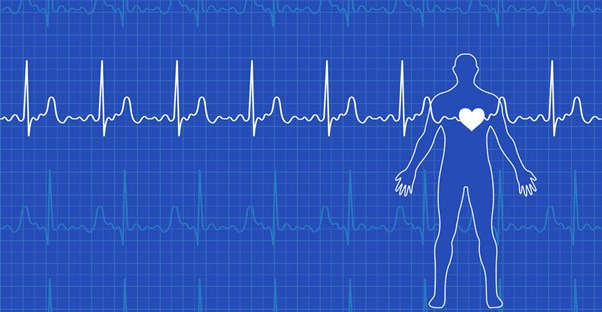
Atrial fibrillation occurs when the functions of the four heart chambers get out of sync, producing irregular heartbeats. There are well-known afib causes, as well as some that are now being explored.
Atrial Fibrillation Risk Factors

Atrial fibrillation is an irregular heart rate that results in poor circulation. There are a number of risk factors that increase your risk for atrial fibrillation, including age, related conditions, and genetics.