
Inflammation Treatments
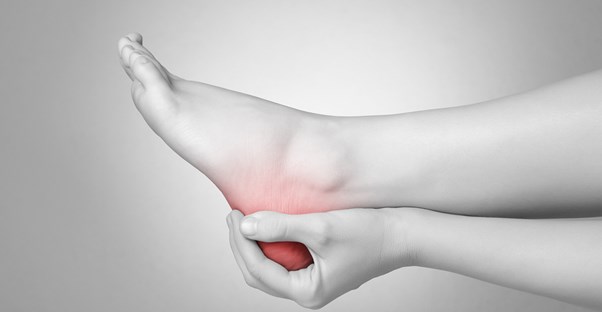
Inflammation is something that many people suffer from, but fortunately it can be treated and prevented.

What is Postherpetic Neuralgia?

Postherpetic neuralgia is a throbbing skin condition caused by the chickenpox illness (herpes zoster), usually a complication of shingles.
Alzheimers Causes
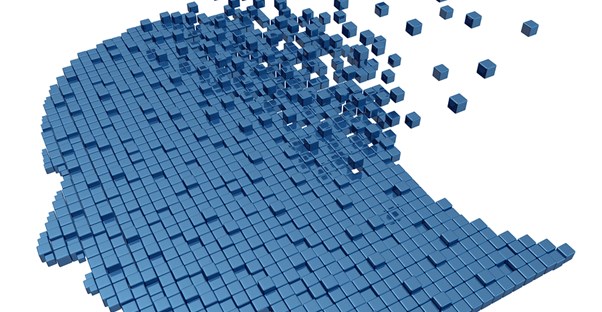
Alzheimer's causes tangles and plaques to develop in the brain and destroys the brain's neurons. Scientists are still unsure of the triggers that cause plaques and tangles to occur.
Lung Cancer Symptoms

Lung cancer is the most common form of cancer-related death in the United States. Lung cancer begins with an uncontrollable amount of cell growth in the lung tissue that can quickly spread to other areas of the body if not treated.
What are Triglycerides?

Triglycerides are our bodys chief form of energy storage.They come from the food we eat and are made by the liver.
Indigestion Treatments
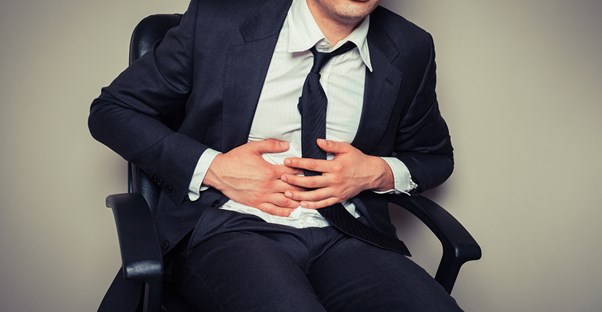
Indigestion (upset stomach) is the generalized term describing discomfort in the abdomen area. There are common symptoms, and signs which might tell a person they have done too much of an activity, and indigestion pain might be kicking in.
Understanding the Shingles Vaccine
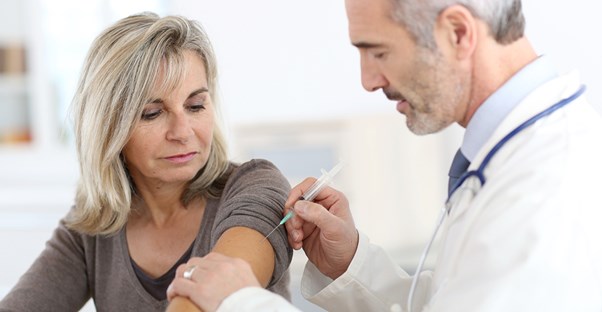
Shingles is a painful and persistent condition that causes rashes and blisters to develop across a person’s body. Fortunately, it is possible to prevent this frustrating condition with a vaccine known as Zostavax.
Conditions that Require Catheters

Certain medical conditions can prevent your bladder from emptying, while others have the opposite effect, in which the bladder is unable to control when it releases urine. Both types of conditions require a catheter.
Multiple Sclerosis and Urinary Incontinence
While many patients know that some of the more common side effects of multiple sclerosis include fatigue and balance issues, many are unaware that multiple sclerosis can affect both the bladder and urinary tract.
Urinary Incontinence in Women
Urinary incontinence is more common in women and in men due to the differences in causes. Learn more about this condition and how to manage its symptoms with information in this article.
Incontinence Causes
Incontinence can happen to anyone but it mostly affects older women but younger women and men can also experience leakage. Incontinence is the strong urge to urinate during the day and night from an overactive bladder.
Incontinence Treatments

In some cases incontinence treatment may consist only of changes to diet. Behavior management, exercises, and medicines can also help to relieve symptoms.