


US Companies With the Biggest Layoffs in 2025
The year 2025 has brought significant job cuts across a range of industries in the United States, with some of the nation’s largest companies announcing major layoffs. From technology to aerospace, energy to retail, the reasons behind these reductions vary but point to broader trends in economic pressures, evolving priorities, and restructuring efforts.
These widespread layoffs across industries are emblematic of broader economic trends in 2025. Persistent inflation, subdued consumer demand, and evolving business priorities are forcing companies to reassess their workforce strategies. Technology companies face the need to streamline amid a cooling post-pandemic digital boom, while retail and energy sectors grapple with changing markets and operational inefficiencies. At the same time, geopolitical uncertainties and funding challenges have impacted sectors like aerospace and media.
While layoffs are a painful reality for affected workers, they often signal structural shifts within companies and industries. These changes, though disruptive in the short term, may pave the way for longer-term innovation and resilience. However, they also underline the need for updated policies to support displaced employees in navigating career transitions during uncertain times.
Microsoft: Unspecified Layoffs

Microsoft has not disclosed a specific number of jobs being cut but has confirmed that the reductions target underperforming roles. These layoffs reflect the company’s broader focus on profitability and resource reallocation toward high-demand areas such as cloud computing and generative AI.
Microsoft’s move aligns with a larger wave of rightsizing among big tech companies as they adapt to post-pandemic market realities and investor demands for cost discipline.
CNN: 200 Jobs Cut (6% of Workforce)

CNN’s decision to cut 200 jobs, about 6% of its workforce, reflects broader challenges in the media industry. Traditional broadcasters are experiencing declining viewership and shrinking advertising revenues as audiences increasingly turn to digital and on-demand platforms for news consumption.
The layoffs signal ongoing adaptations to meet this changing media landscape, with CNN looking to prioritize coverage and content creation in high-impact areas.
Workday: 1,750 Jobs Cut (8.5% of Workforce)

Enterprise software firm Workday plans to reduce its workforce by 1,750 jobs, amounting to 8.5% of its total headcount. The layoffs stem from a shift in company strategy to focus on its most profitable offerings and higher-growth markets.
Workday’s move signals a growing trend among software providers to streamline operations in response to fluctuating demand and slowed new customer acquisition in a maturing tech industry.
Estée Lauder: Up to 7,000 Jobs Cut

Cosmetics giant Estée Lauder is cutting as many as 7,000 jobs as part of its ongoing restructuring plan. The company has cited declines in discretionary spending on luxury goods and challenges in international markets as key factors behind the cuts.
Estée Lauder is reorganizing its supply chain and rebalancing capital toward faster-growing segments like skincare and e-commerce to maintain market relevance in a competitive beauty industry.
Blue Origin: 1,400 Jobs Cut (10% of Workforce)

Blue Origin, the private space exploration company founded by Jeff Bezos, announced plans to lay off 1,400 employees, representing 10% of its workforce. The move highlights private aerospace ventures’ challenges as they grapple with high development costs and inconsistent funding streams.
Blue Origin’s layoffs also indicate increased competition with rivals like SpaceX, as well as a focus on optimizing resources for priority projects like lunar exploration and reusable rockets.
Southwest Airlines: 1,750 Jobs Cut (15% of Corporate Staff)

Southwest Airlines is trimming 15% of its corporate staff, affecting around 1,750 employees. These layoffs come as the airline industry adjusts to softer-than-expected demand for travel and higher operational costs, including volatile fuel prices.
While passenger numbers have rebounded from pandemic lows, economic uncertainty has curbed consumers’ appetite for discretionary spending, leaving airlines to reevaluate their staffing needs.
Chevron: 8,000 Jobs Cut (15-20% of Global Workforce)

Chevron made one of the largest workforce reductions of the year, planning to lay off 8,000 employees worldwide. These cuts amount to roughly 15-20% of the oil giant’s global workforce. The restructuring reflects Chevron’s efforts to streamline operations in the face of growing competition from renewable energy providers and shifting energy market dynamics.
The company is repositioning itself to remain competitive in a rapidly evolving sector while managing costs associated with the energy transition.
Meta: 3,600 Jobs Cut Globally

Meta, the parent company of Facebook, Instagram, and WhatsApp, announced it would lay off 3,600 employees globally. This reduction is performance-based, with the company focusing on underperforming roles. The cuts come amid increased competition in the social media landscape and a slowdown in digital advertising revenues.
Meta’s strategic pivots, like investments in the metaverse and artificial intelligence, have demanded a leaner, more efficient workforce to address waning profitability in key segments.
Boeing: 400 Jobs Cut from Moon Rocket Program
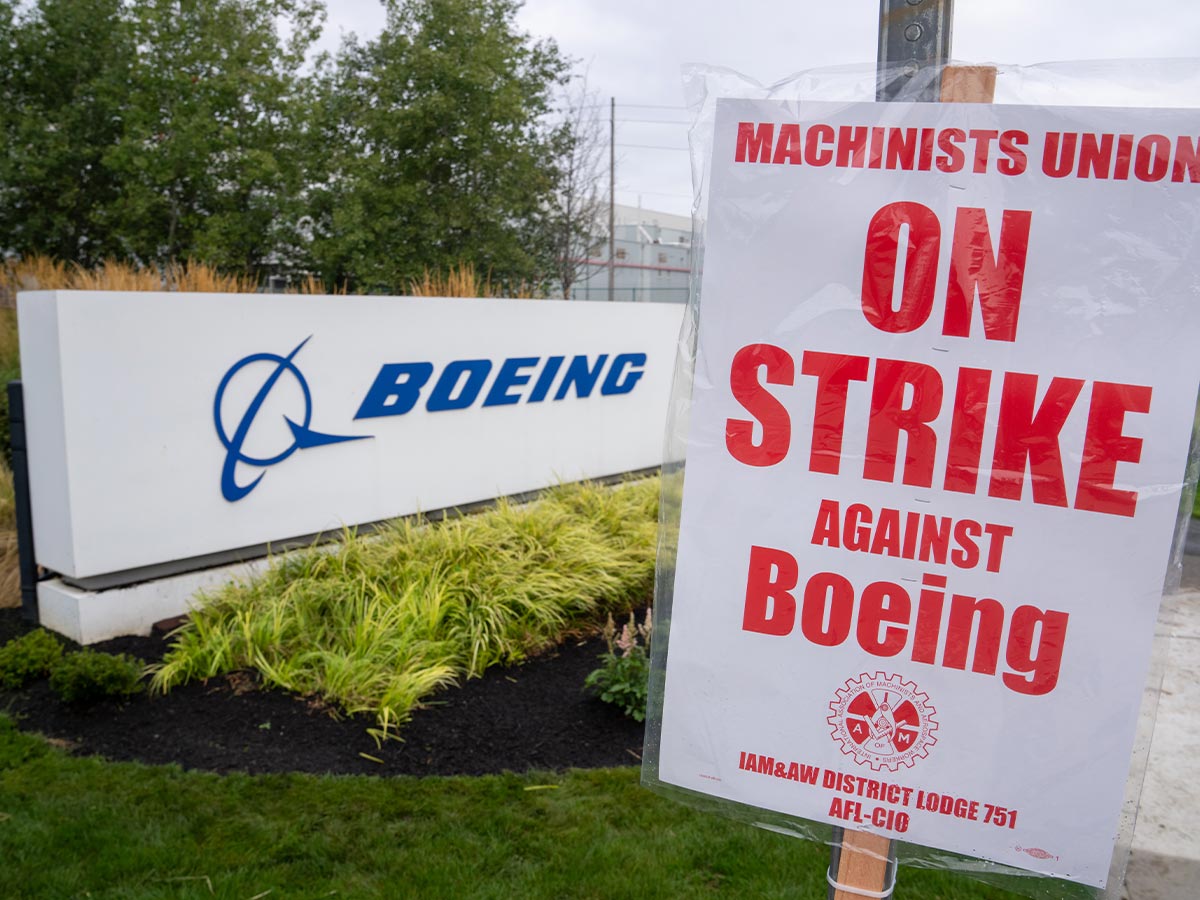
Boeing’s planned layoffs are focused on its moon rocket program, with 400 roles being eliminated. These reductions are attributed to delays and budget cuts impacting NASA’s Artemis program, which Boeing supports.
While aerospace remains a critical industry, constrained government funding and contracting challenges have forced companies like Boeing to reevaluate their workforce needs for non-profitable initiatives.
Kohl’s: 10% of Corporate Roles Cut

Retail chain Kohl’s is cutting 10% of its corporate staff as part of an effort to streamline costs. The retail sector has been particularly hard hit by changing customer behaviors, inflation, and competition from e-commerce giants like Amazon.
Kohl’s layoffs showcase how traditional brick-and-mortar retailers are adapting their business models to remain viable in a digital-first shopping environment.