
Politicians Who Switched Parties—and Why
Throughout U.S. history, many famous politicians have made the surprising choice to change their political party. Ronald Reagan, Hillary Clinton, and Michael Bloomberg are just a few names on this list. These decisions often grab attention and spark debate, as they can redefine careers, shift alliances, and influence political conversations.
Switching parties is not a simple step for a politician. It usually happens because their beliefs no longer match with their party or because of big changes in politics or society. Whether it’s about standing up for civil rights, addressing economic issues, or responding to major national challenges, these moments are often about much more than personal decisions. They can affect policies and shape how parties evolve.
We will take a closer look at why these politicians made their moves. By exploring their reasons, we can see how personal values and big events create crossroads for leaders. These stories remind us how individual choices can leave a lasting impact on American politics.
Wendell Willkie
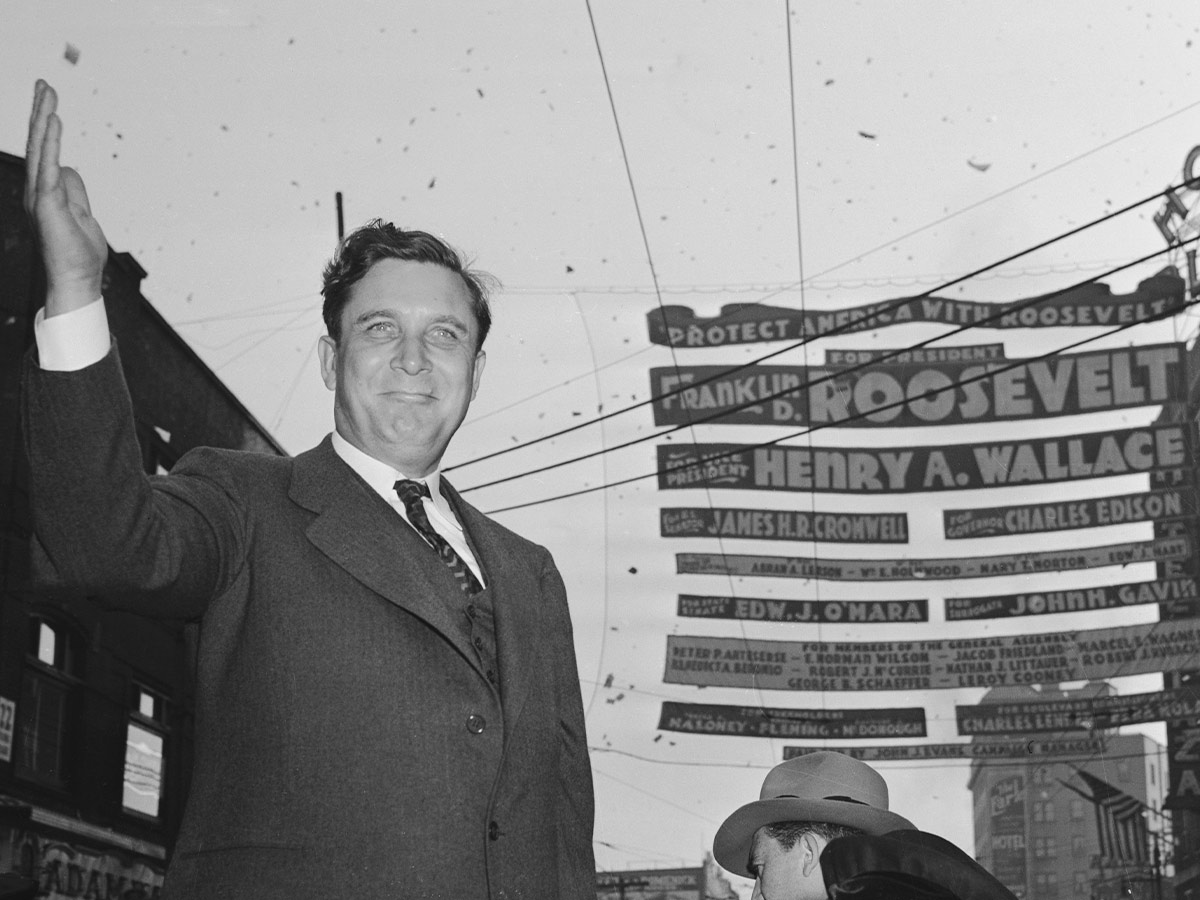
Wendell Willkie started as a Democrat, even participating as a delegate at the 1932 Democratic National Convention. However, by 1939, differences over New Deal policies led him to switch to the Republican Party.
He became the Republican presidential candidate in 1940 and focused on unity during a troubled time in American (and world) history. Willkie’s campaign showed dedication to cooperation across party lines.
Elizabeth Dole
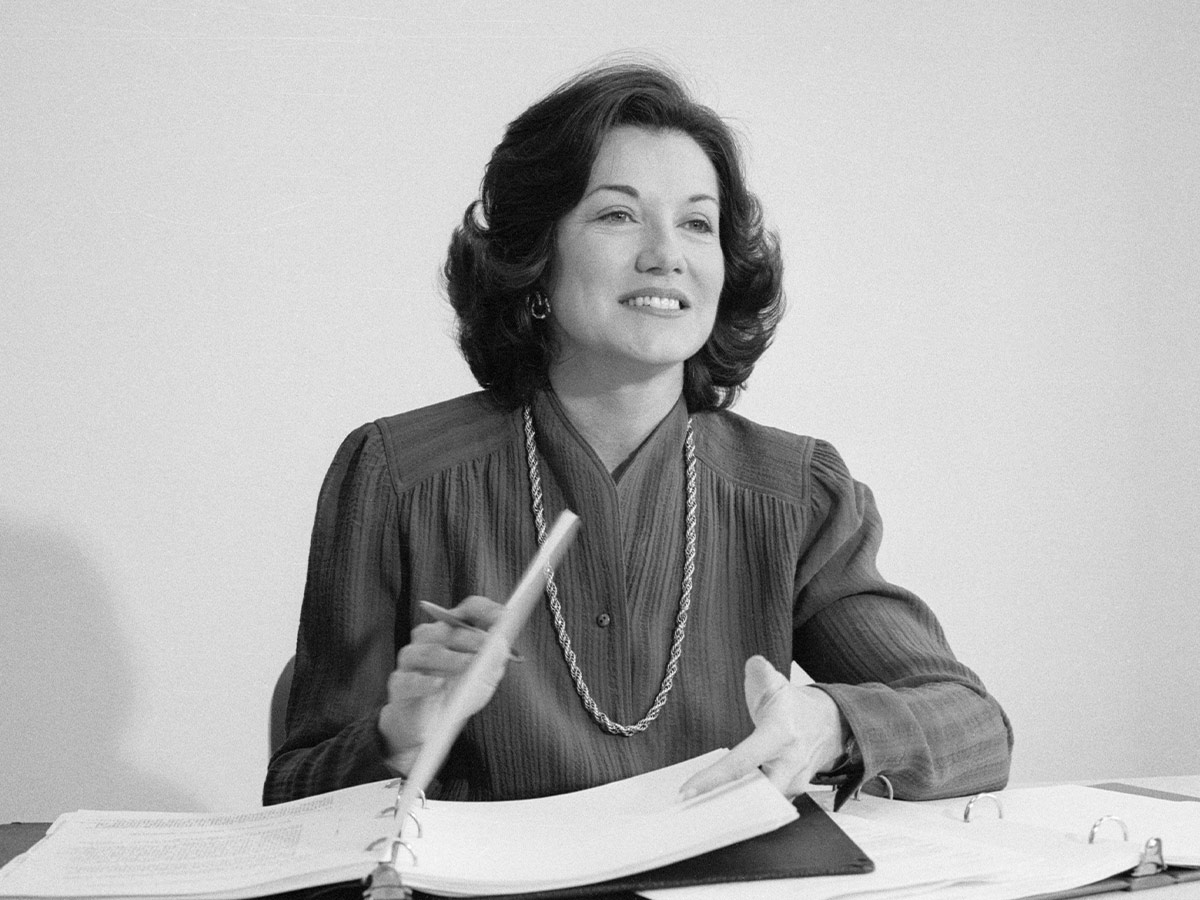
Elizabeth Dole was originally a Democrat but switched to the Republican Party in 1975. She felt drawn to the GOP because of the party’s focus on business and limited government.
This change also aligned her with her husband, Bob Dole’s political career. Elizabeth went on to serve as a U.S. Senator and held other important roles in the Republican Party.
Hannibal Hamlin
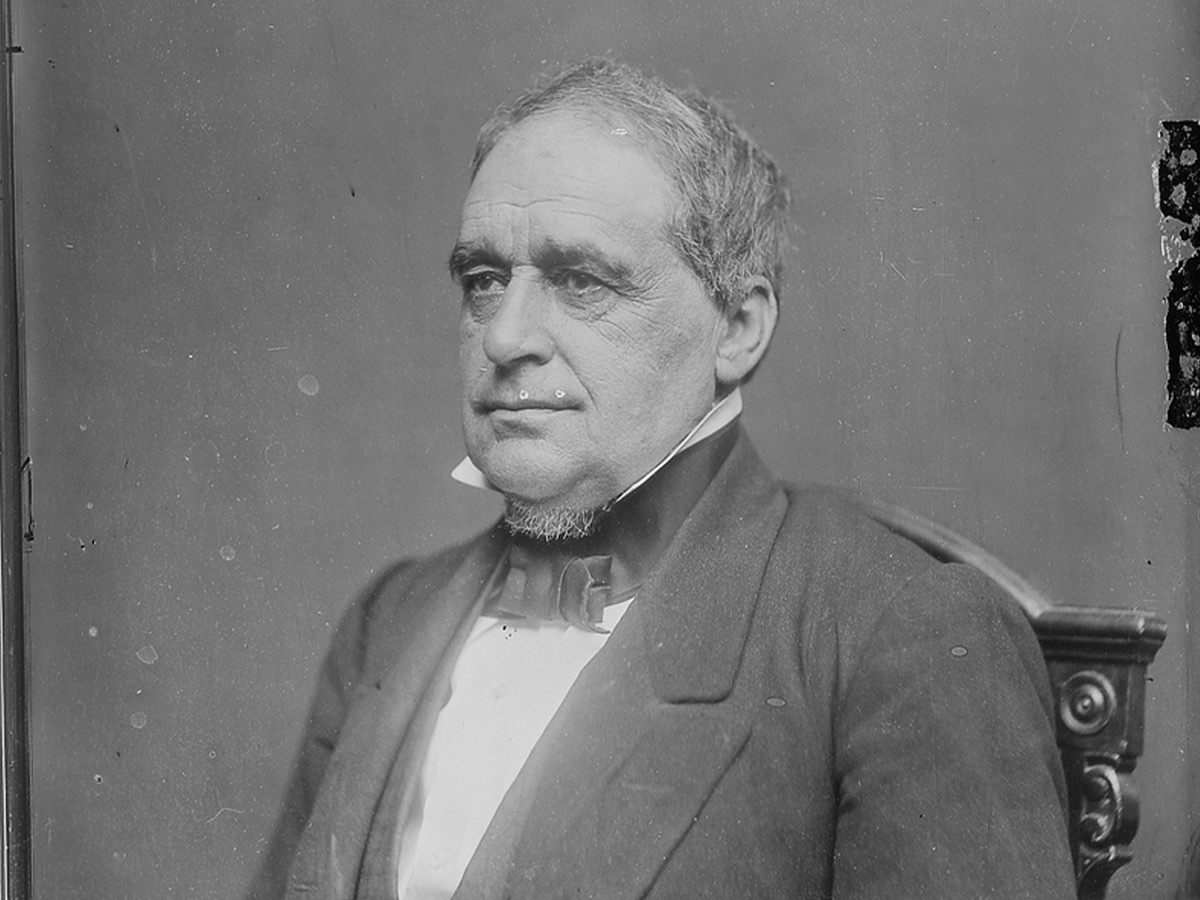
Hannibal Hamlin, Abraham Lincoln’s first vice president, made a bold shift from the Democratic Party to the Republican Party in 1856. The Democrats’ pro-slavery stance drove him away.
Hamil was dedicated to stopping the spread of slavery before it reached new states. Joining the Republican Party, he became a key voice in the fight against slavery. His decision highlighted his dedication to equality and abolition.
John Tyler
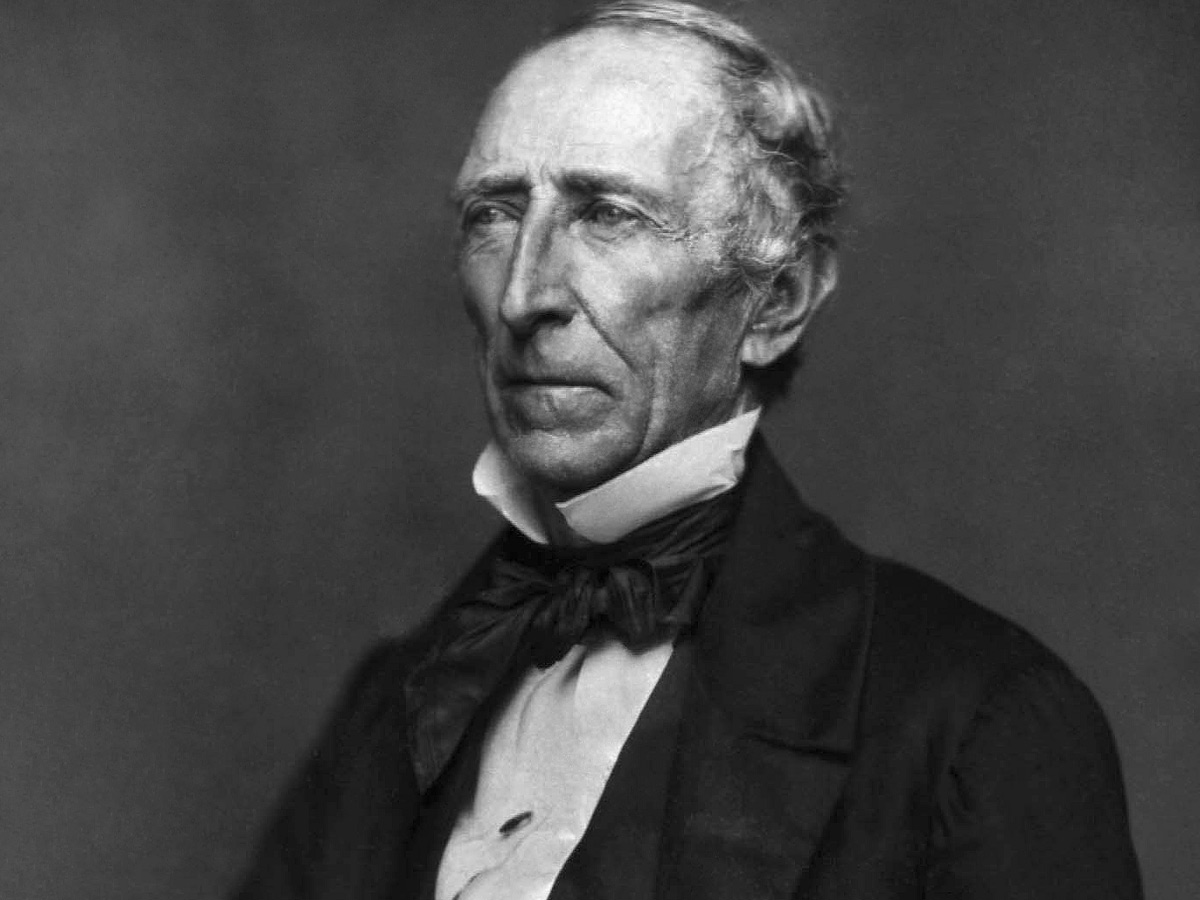
John Tyler became the 10th president of the United States as a member of the Whig Party, but disagreements over policies caused the party to cut ties with him. This left him without official party support.
Tyler considered aligning with the Democrats but never fully joined them. He spent the rest of his time in office as a leader without a political party. His independence defined his term.
Theodore Roosevelt
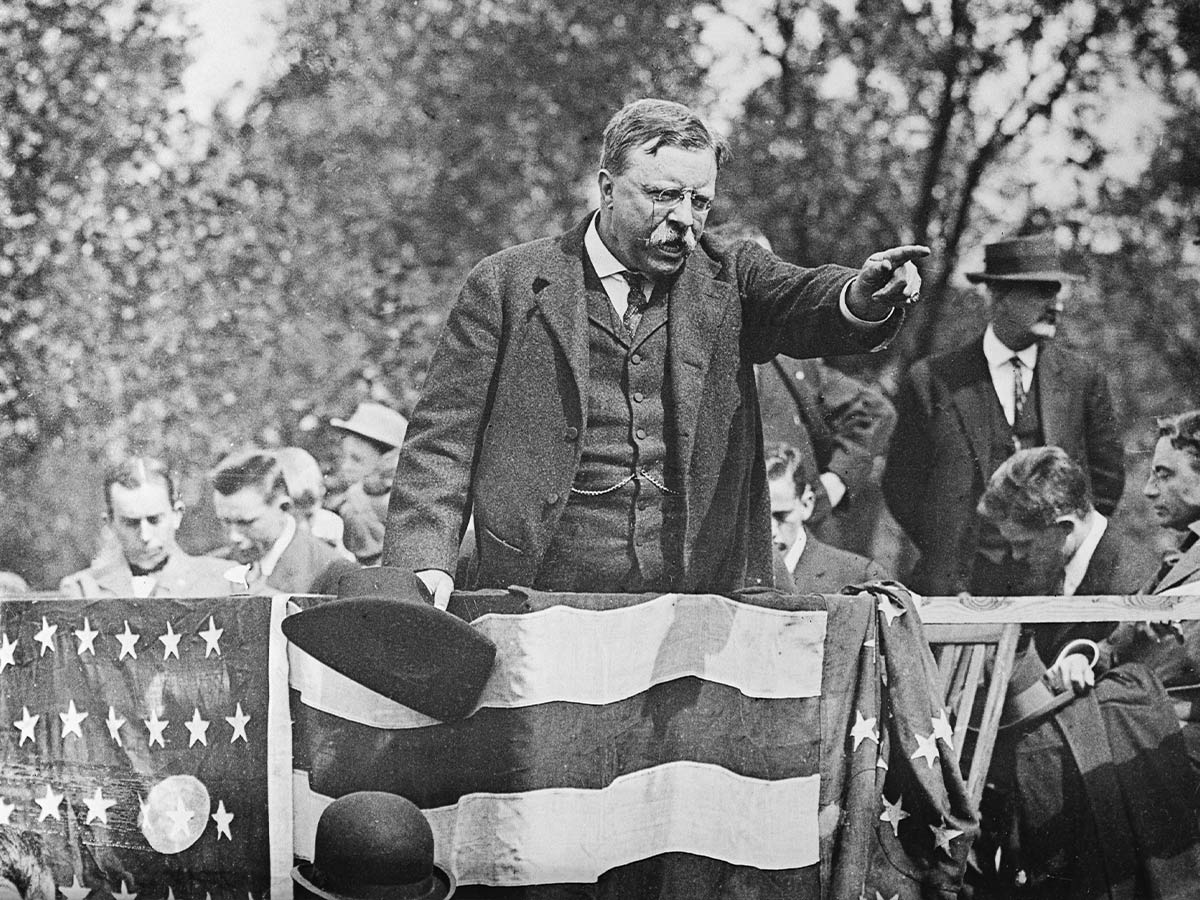
Theodore Roosevelt left the Republican Party in 1912 after disagreeing with William Howard Taft, his successor. Roosevelt disagreed with the party’s direction, particularly concerning progressive reforms.
In response, he formed the Progressive Party, promoting ideas like worker protections and women’s suffrage. While his third-party bid failed, Roosevelt’s move spotlighted tensions within the GOP and reshaped its priorities.
Leon Panetta
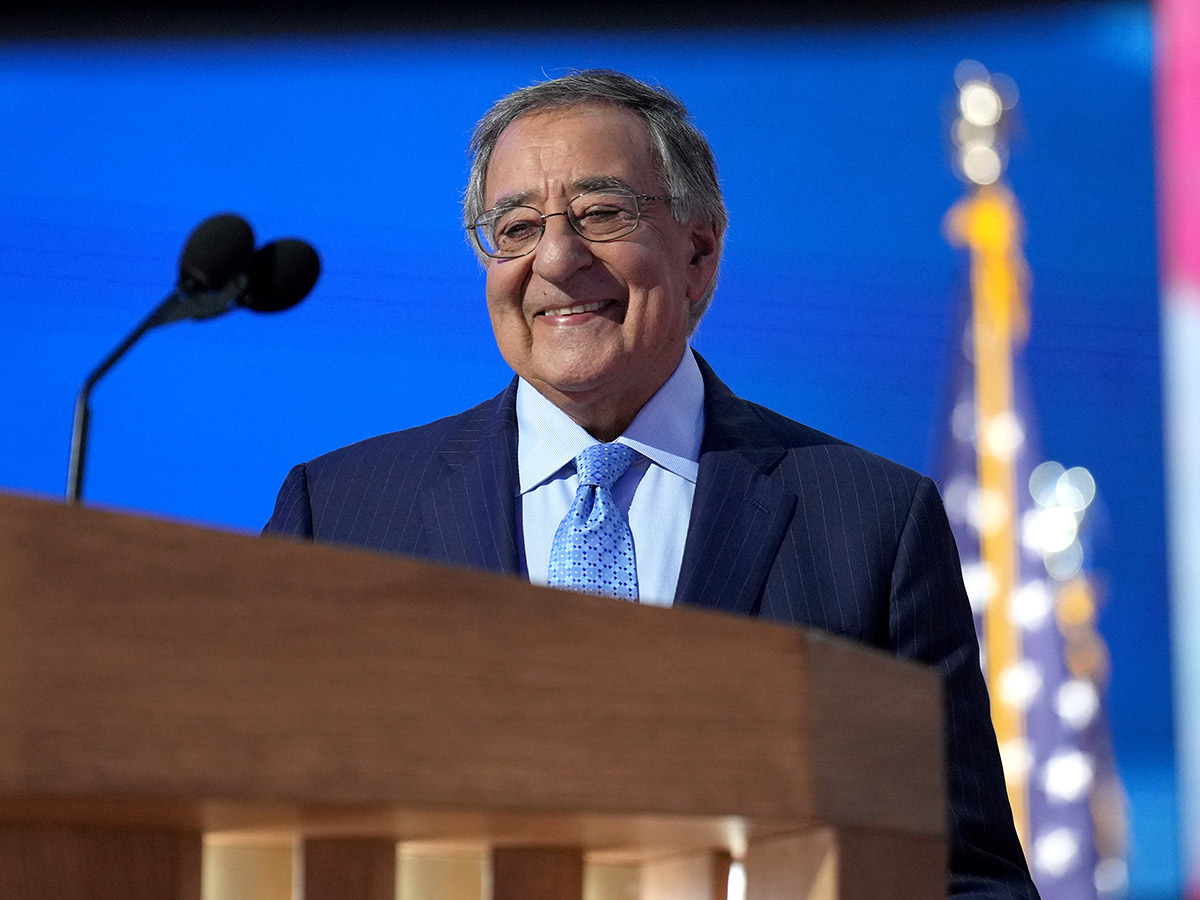
Leon Panetta initially worked as a Republican, serving in the Nixon administration. However, he grew frustrated with the party’s actions on civil rights and environmental policies, viewing them as inconsistent with his own values.
In 1971, Panetta became a Democrat, convinced the party better represented his stance on equality and social justice. He later served in multiple Democratic administrations, most notably as Secretary of Defense.
Strom Thurmond
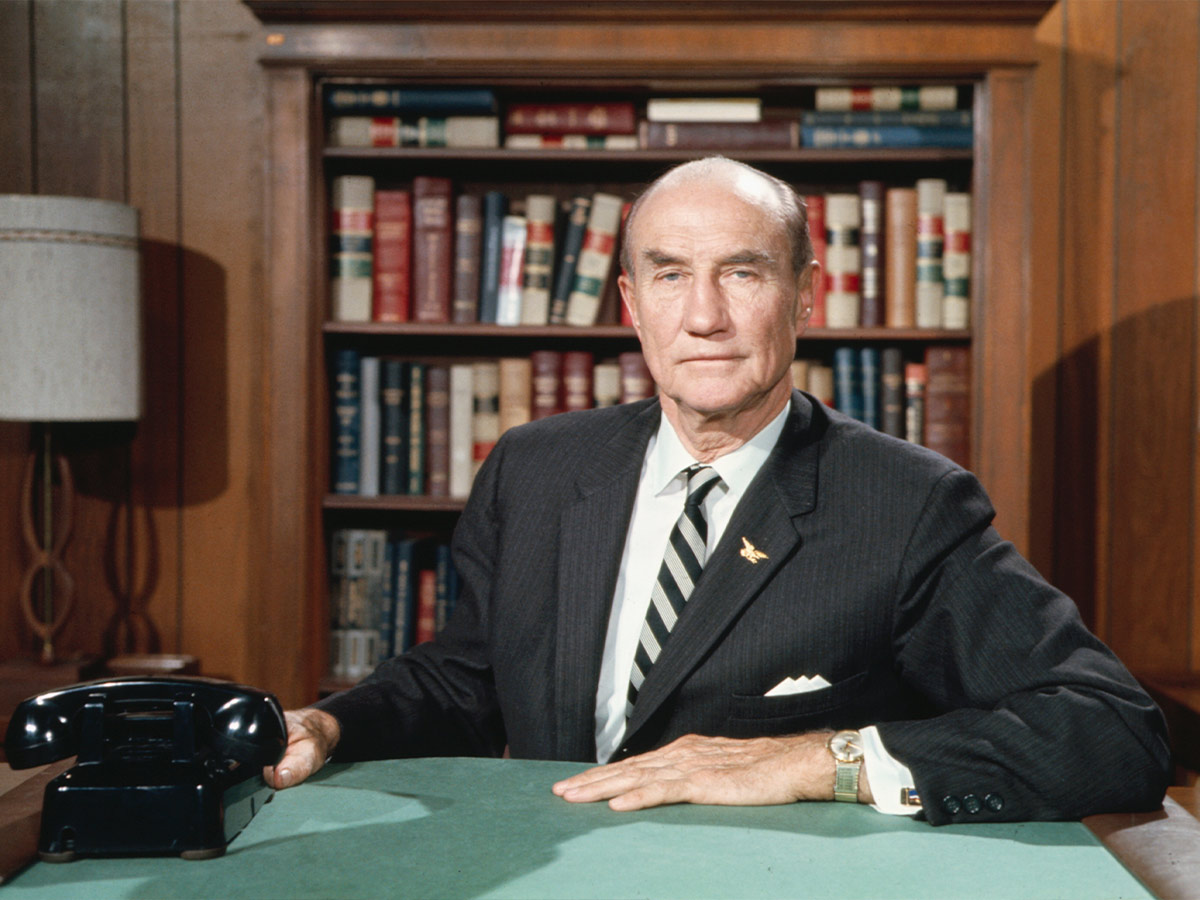
Strom Thurmond, once a staunch segregationist Democrat, is known for his controversial switch to the Republican Party in 1964. His decision was in response to the progressive Democrats’ support for the Civil Rights Act.
Thurmond aligned with Republicans to support states’ rights over federal mandates. This choice made him a key figure in changing the South’s political landscape during the civil rights era.
Elizabeth Warren

Elizabeth Warren identified as a Republican for much of her early life, drawn in by the party’s pro-business ideas. Over time, she grew concerned about economic inequality and unfair systems.
By the mid-1990s, Warren joined the Democratic Party. She felt the party better matched her beliefs in helping consumers and creating fair economic policies. Throughout the years, she has consistently said that she supports both parties and doesn’t believe one should be in power for too long.
Hillary Clinton
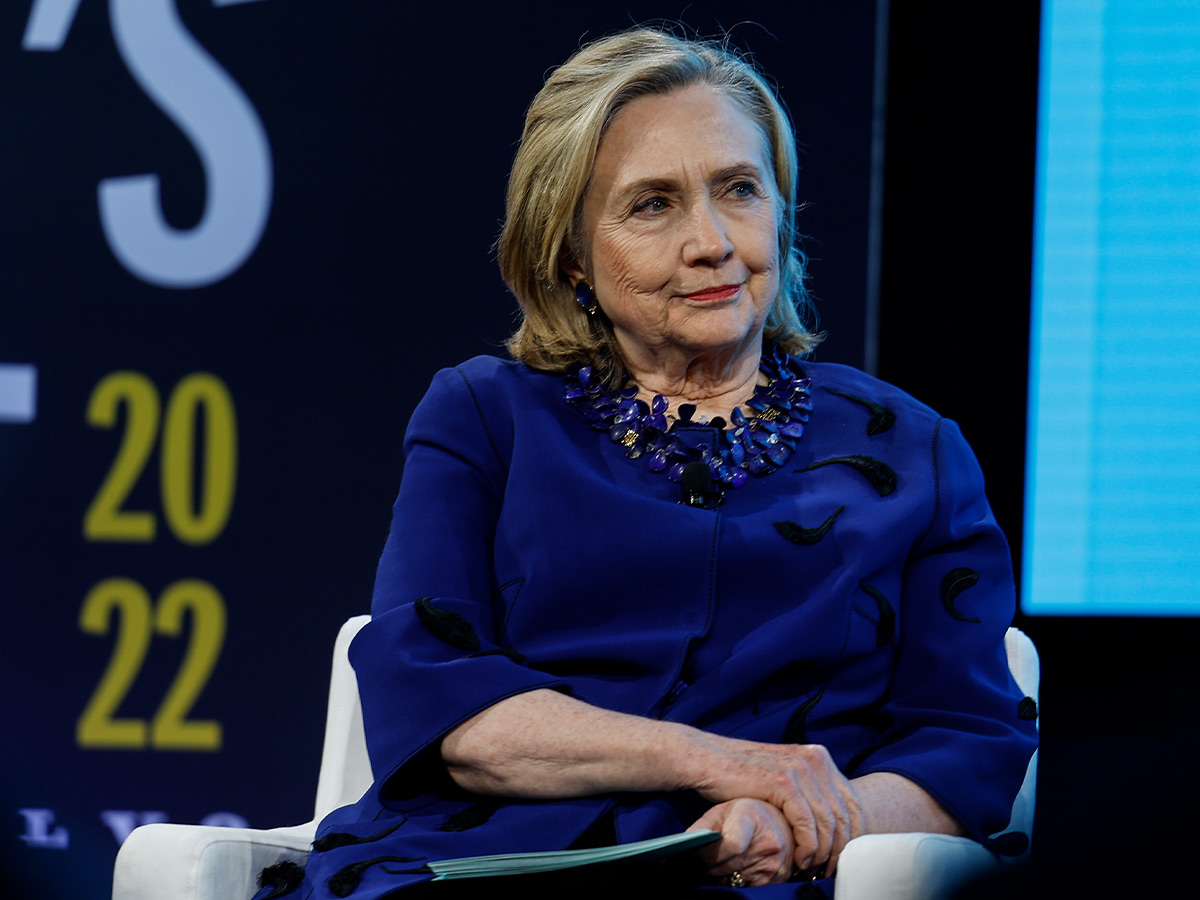
Hillary Clinton started as a Republican and even campaigned for Barry Goldwater in 1964. Her conservative views were influenced by her family and her admiration for Goldwater’s ideas.
After attending the 1968 Republican National Convention, she felt let down by her party. Clinton later joined the Democratic Party and focused on progressive issues that shaped her political career, even eventually running for president on the Democratic ticket.
Ronald Reagan
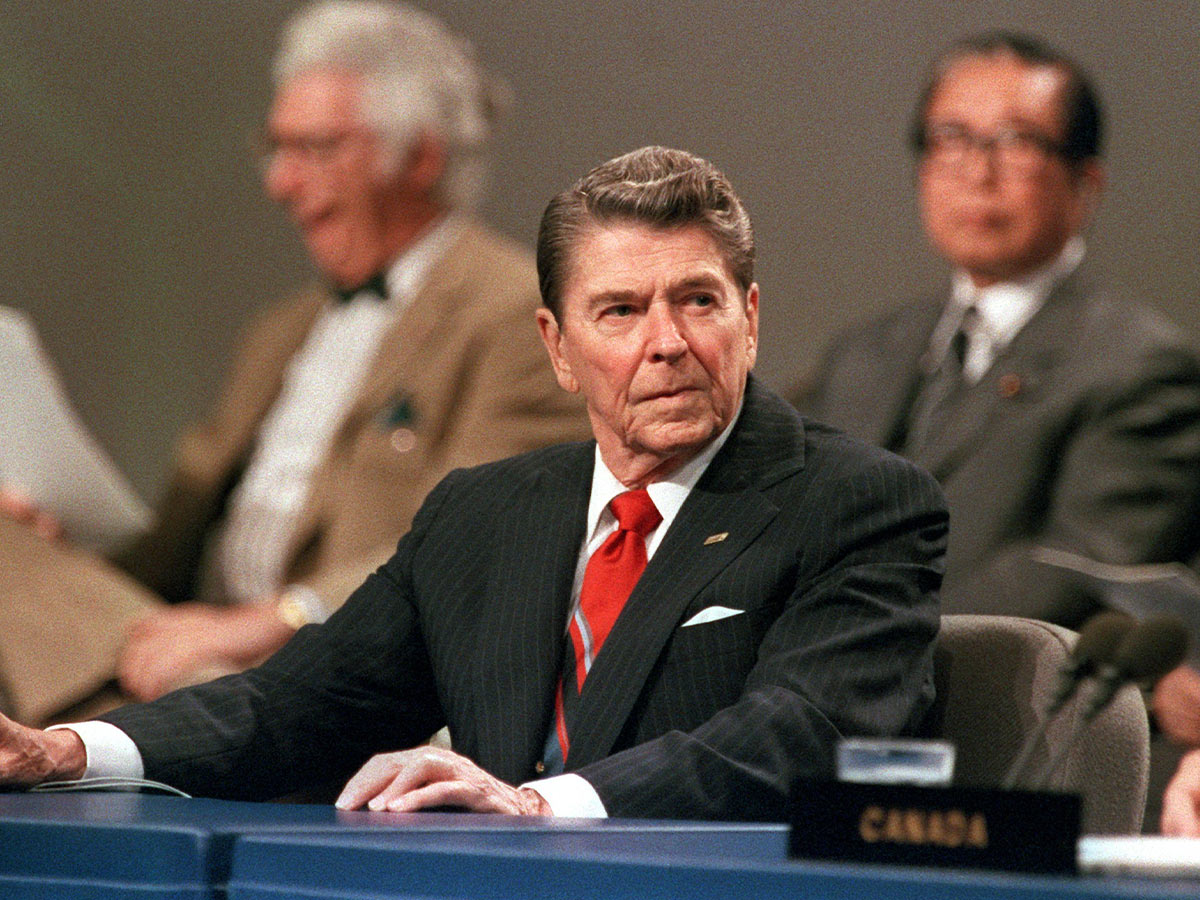
Ronald Reagan began his political life as a Democrat, supporting President Franklin D. Roosevelt’s New Deal. Over time, his views shifted. He started to believe in smaller government and more personal freedom.
Reagan switched to the Republican Party in 1962, saying, “I didn’t leave the Democratic Party. The party left me.” This change shaped his path to becoming a leading voice for conservatism as president.
Charlie Crist

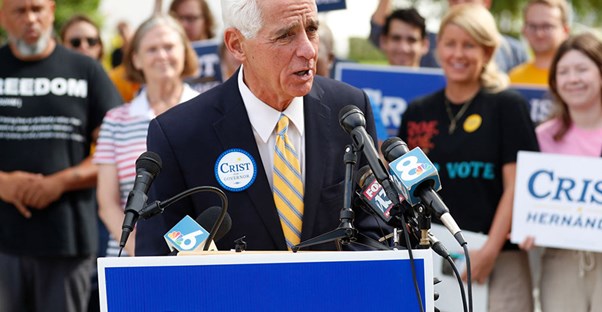
Charlie Crist, once a Republican governor of Florida, became an Independent in 2010. He cited growing discontent with the party’s shift toward extreme conservatism, which clashed with his centrist views.
Two years later, Crist joined the Democratic Party, drawn to its policies on healthcare and education. He wanted to work with a more inclusive political group, and he found changing his party gave him the best shot at this.
Michael Bloomberg
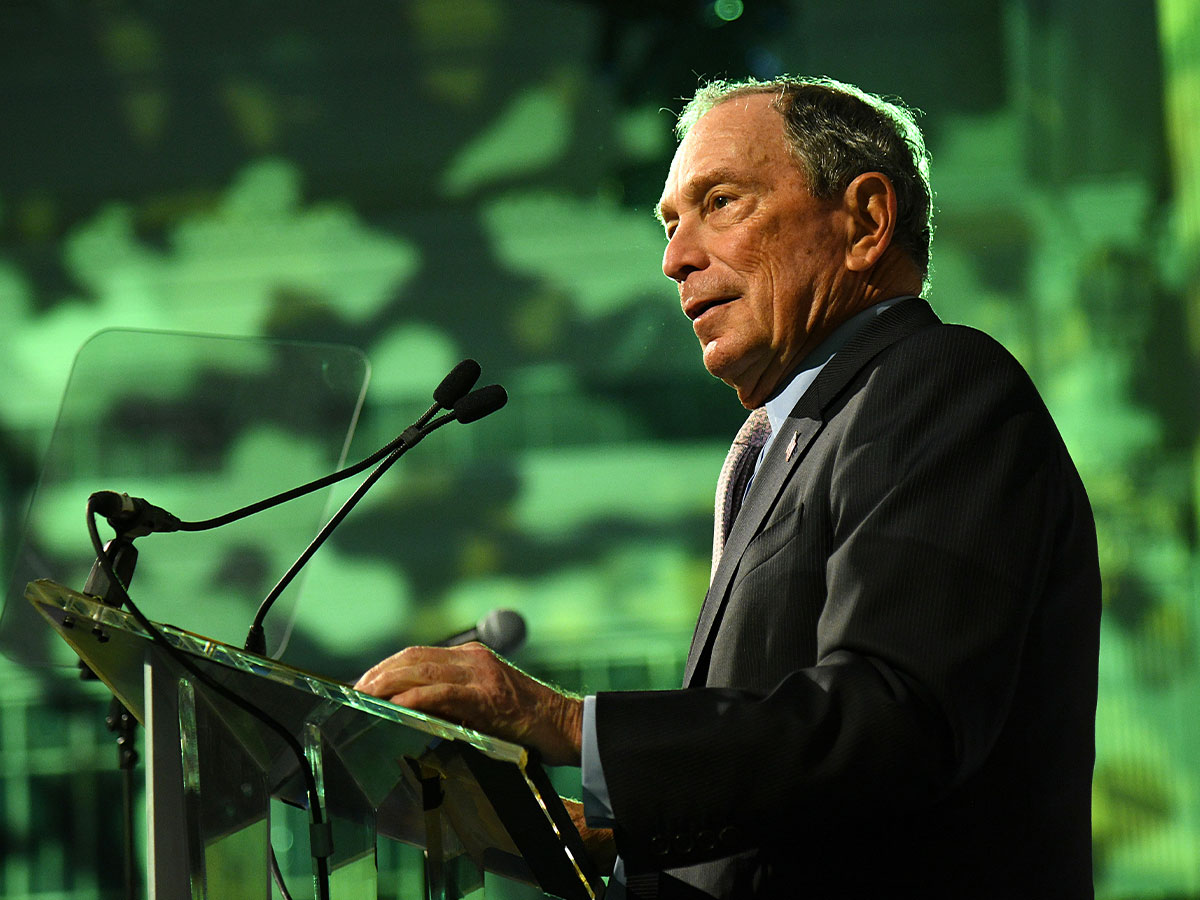
Michael Bloomberg switched from Democrat to Republican in 2001 to run for New York City mayor. He found the GOP provided the best path for his moderate platform, emphasizing efficiency and economic growth.
By 2007, Bloomberg became an Independent, frustrated by the growing divide between political parties. His decision reflected his belief in prioritizing problem-solving over party loyalty and aiming for bipartisan cooperation to address major city challenges.
Jim Jeffords
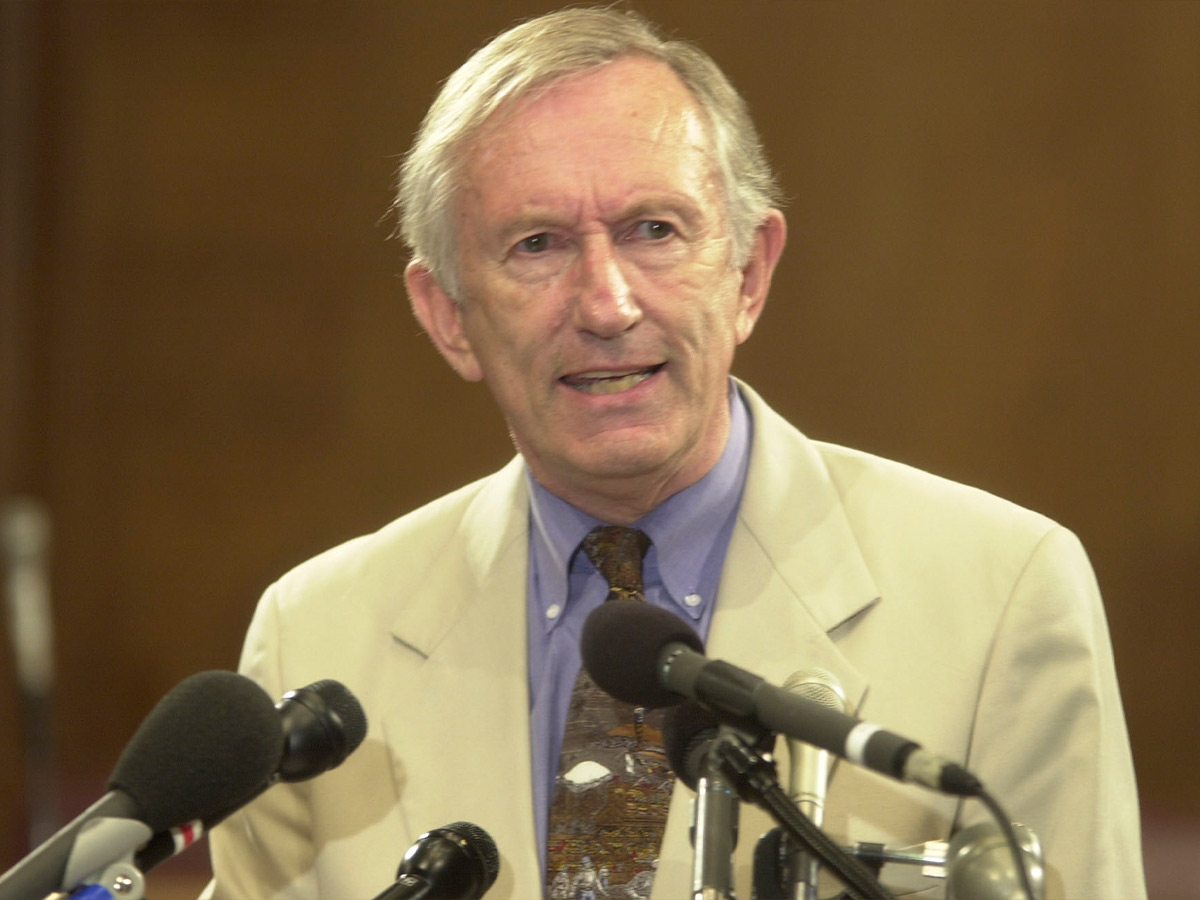
Jim Jeffords left the Republican Party in 2001 to become an Independent. He was disappointed with President George W. Bush’s policies, especially on education and healthcare funding, which he felt ignored critical needs in his home state of Vermont.
His decision handed control of the Senate to Democrats, creating a major political change. Jeffords chose to focus on Vermont’s interests over strict party loyalty, gaining respect for prioritizing the well-being of his constituents.
Arlen Specter
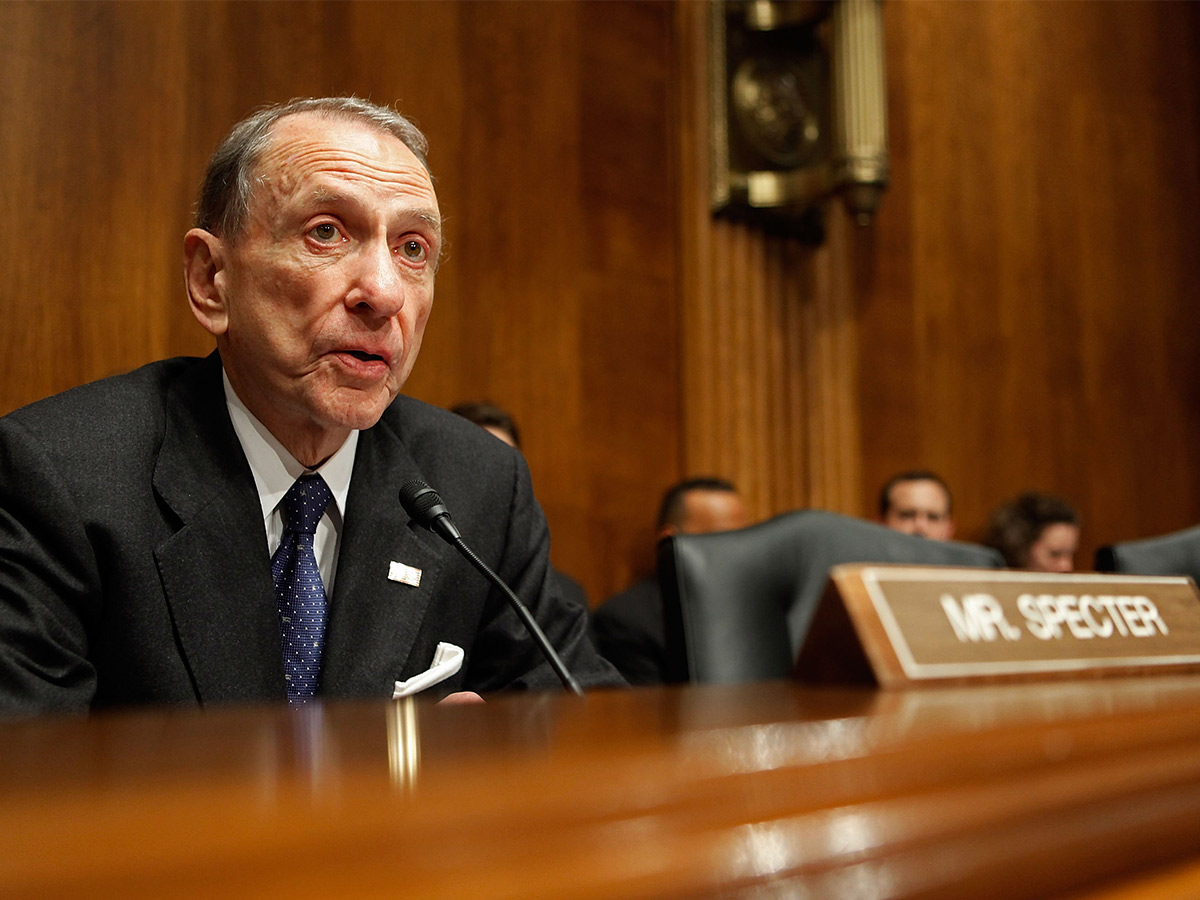
Arlen Specter, a longtime Republican senator, switched parties in 2009. His differences with the GOP had simply become to big to overcome, specifically regarding policies like healthcare and judicial appointments.
Specter’s move to the Democratic party aligned more with his moderate views and Pennsylvania’s voters. His decision also greatly affected the Senate’s political balance during a key time.
Justin Amash
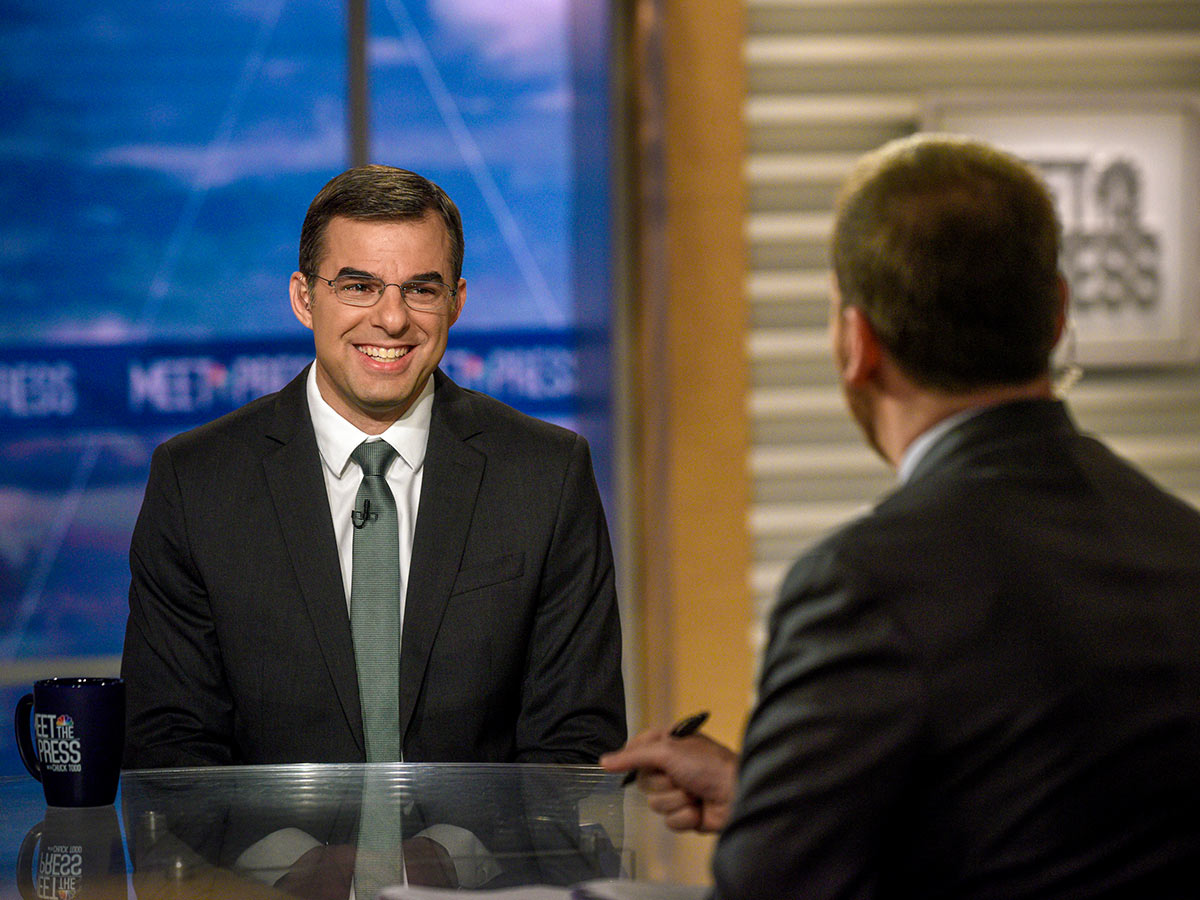
Justin Amash entered politics as a Republican congressman with strong libertarian views.. His dissatisfaction with the party’s direction, especially under the Trump administration, led him to leave the GOP in 2019.
His political party has shifted several times. After cutting ties with Republicans, he first became an Independent. Then he formally joined the Libertarian Party in 2020 because of his focus on limited government, civil liberties, and political independence.