
15 Coolest Motorcycles of All Time
Motorcycles have a way of showcasing individuality like no other vehicle. Riders gravitate toward bikes that resonate with their personality, whether it’s about style, speed, or the thrill of the ride. Deciding on the coolest motorcycles of all time isn’t exactly straightforward—it’s the kind of topic that fuels endless debates among enthusiasts. Still, some bikes undeniably stand out for their groundbreaking design, performance, and lasting impact.
What are the best motorcycles of all time? We’ve compiled a list of motorcycles that have certainly left their mark. Is your favorite on the list? Let’s dive in and find out.
2020 Ducati Superleggera V4

The Ducati Superleggera V4 is a cutting-edge superbike with MotoGP technology. Its 998cc V4 engine produces over 200 horsepower, while its carbon fiber frame keeps it lightweight.
With advanced aerodynamics and state-of-the-art electronics, the Superleggera V4 is a limited-production model that showcases Ducati’s commitment to pushing boundaries.
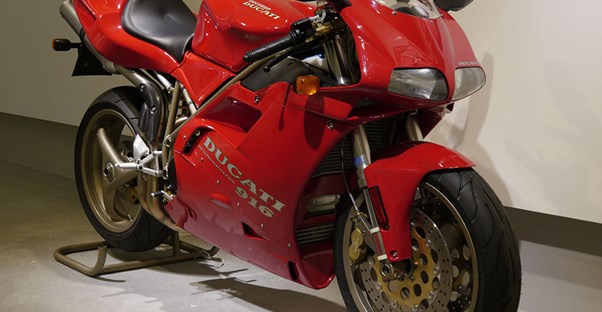
1994 Ducati 916
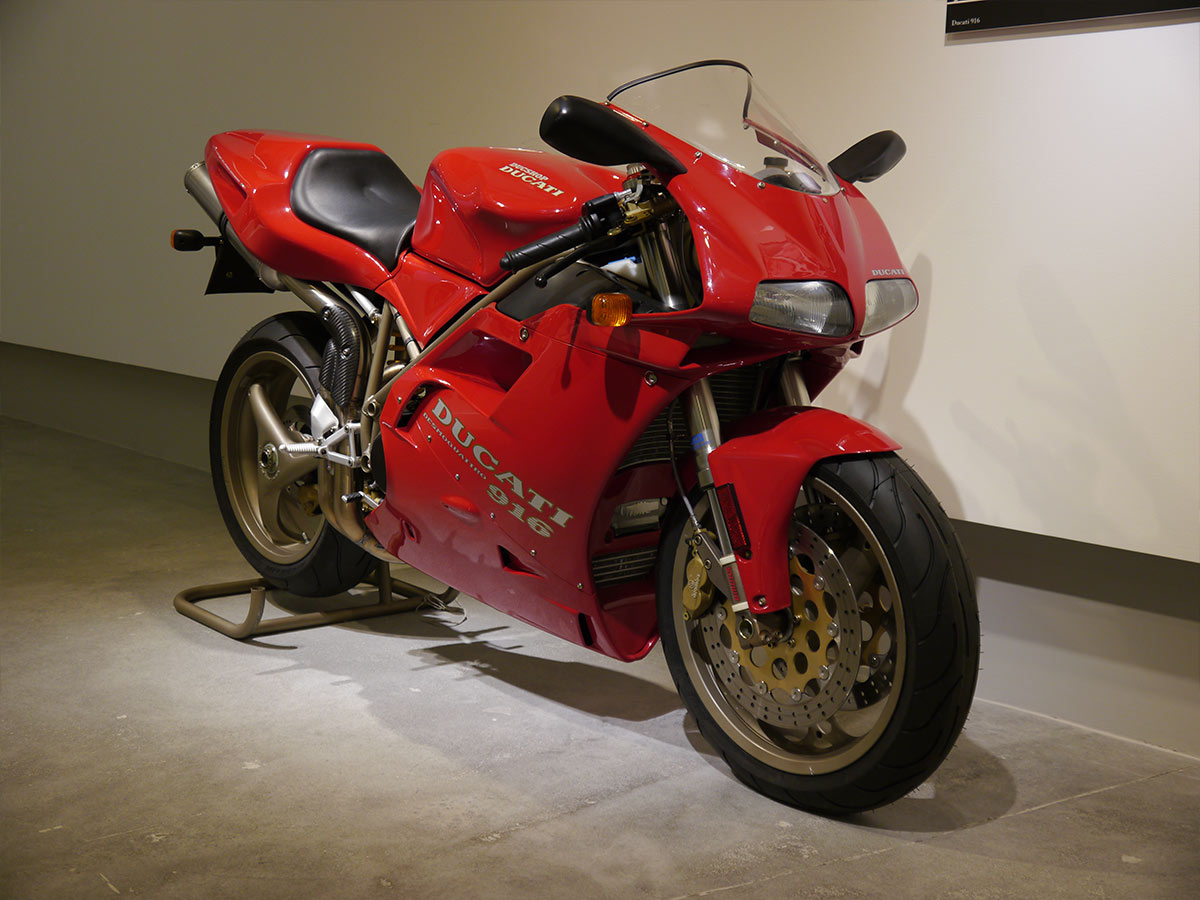
The Ducati 916 combined stunning design with exceptional performance, making it one of the most celebrated motorcycles of the 1990s. Its 916cc V-twin engine, single-sided swingarm, and aggressive styling set it apart from competitors.
The 916’s success in World Superbike racing further solidified its reputation. It is often regarded as one of the most beautiful and influential motorcycles ever made.
1986 Suzuki GSX-R750
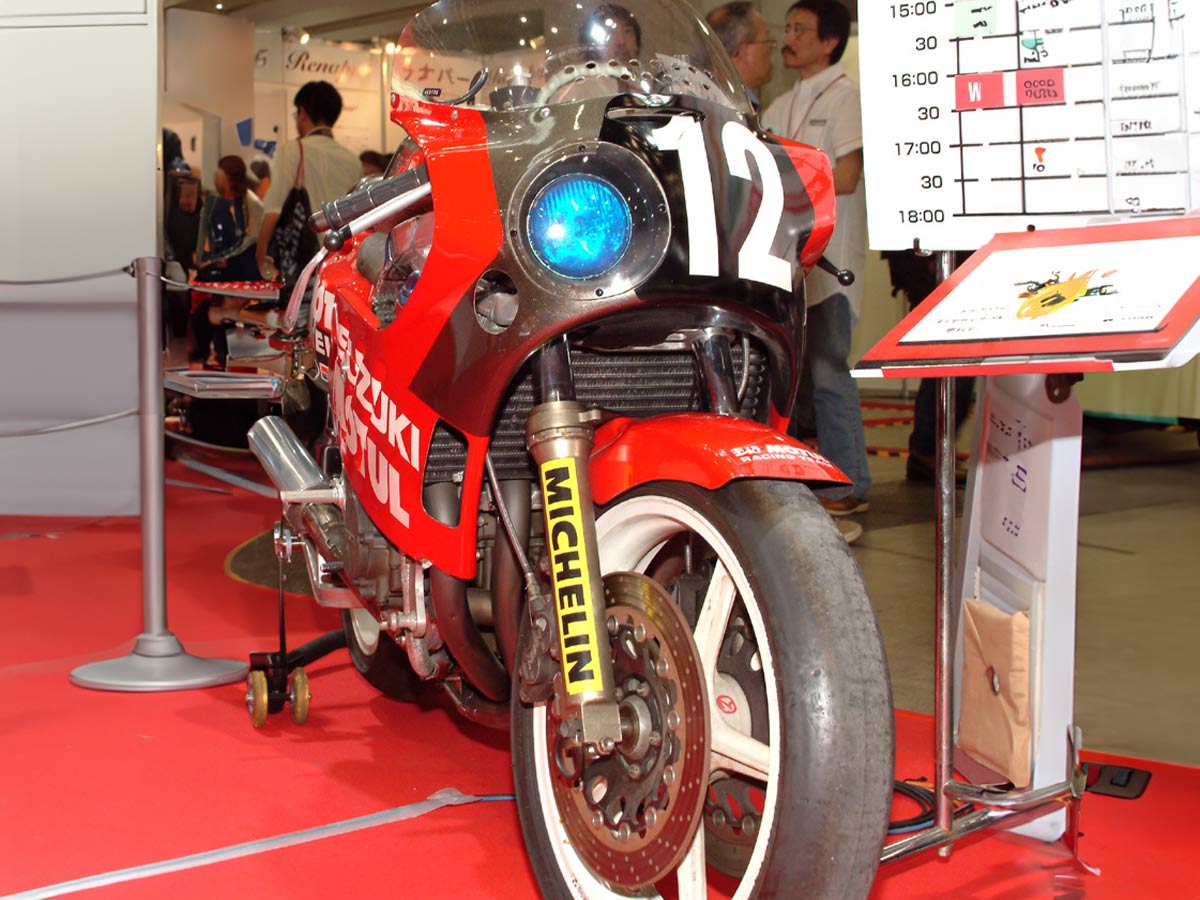
The Suzuki GSX-R750 was the first track-ready sportbike designed for street use. Its lightweight frame, aerodynamic design, and high-revving engine made it a favorite among bikers craving powerful performance.
The GSX-R750’s success on the racetrack and the street helped define the modern sportbike category.
1984 Harley-Davidson Softail

The Harley-Davidson Softail introduced a hidden rear suspension system that gave it the look of a rigid-frame bike while offering modern comfort. This design revitalized Harley-Davidson’s lineup during a challenging period for the company.
The Softail’s blend of classic styling and improved ride quality made it a hit among riders. It remains a key part of Harley-Davidson’s offerings, with various models built on the Softail platform.
1980 BMW R 80 G/S
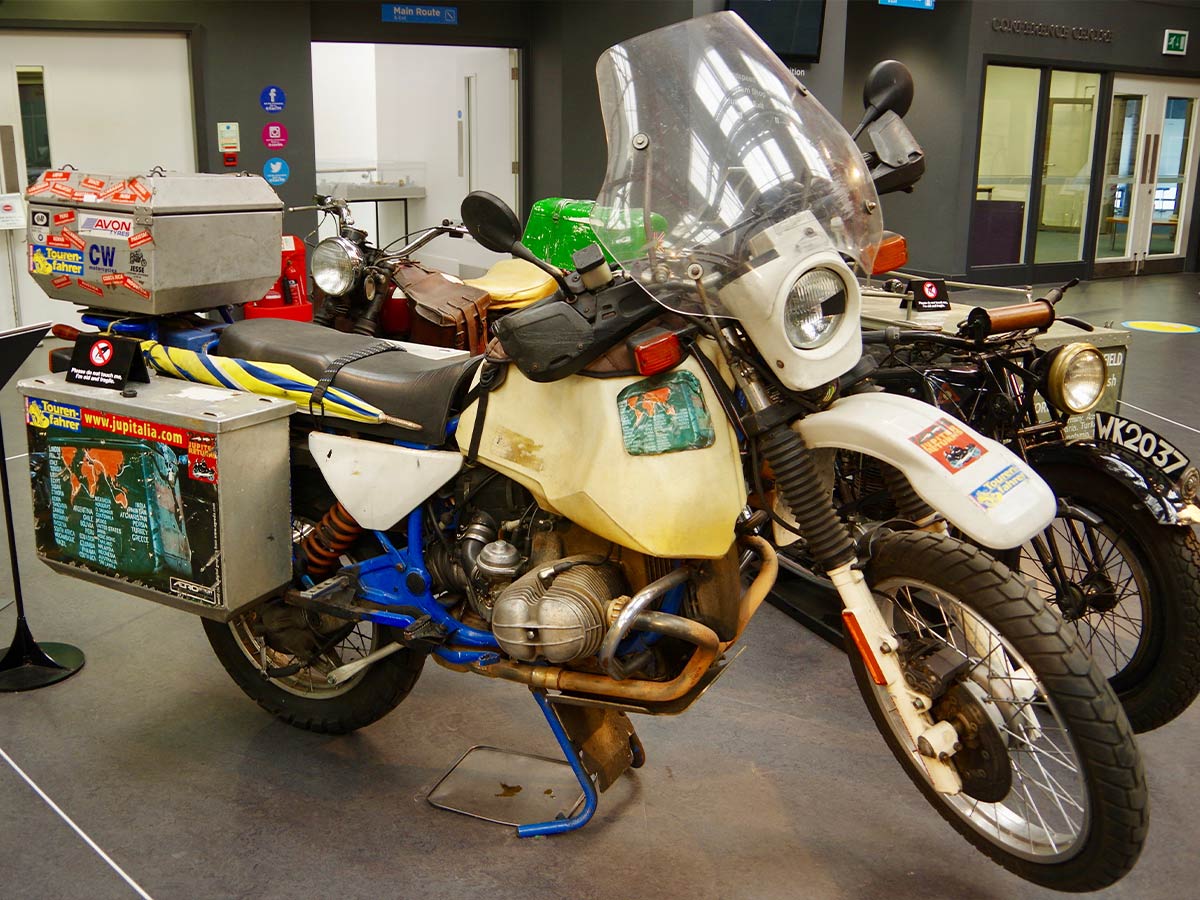
The BMW R 80 G/S launched the adventure motorcycle category, combining off-road capability with on-road comfort. Its 798cc boxer engine and innovative monolever rear suspension made it a versatile and reliable vehicle.
The R 80 G/S’s success in events like the Paris-Dakar Rally showcased its durability and performance. It set the standard for adventure bikes and remains a cornerstone of BMW’s lineup.
1972 Kawasaki Z1
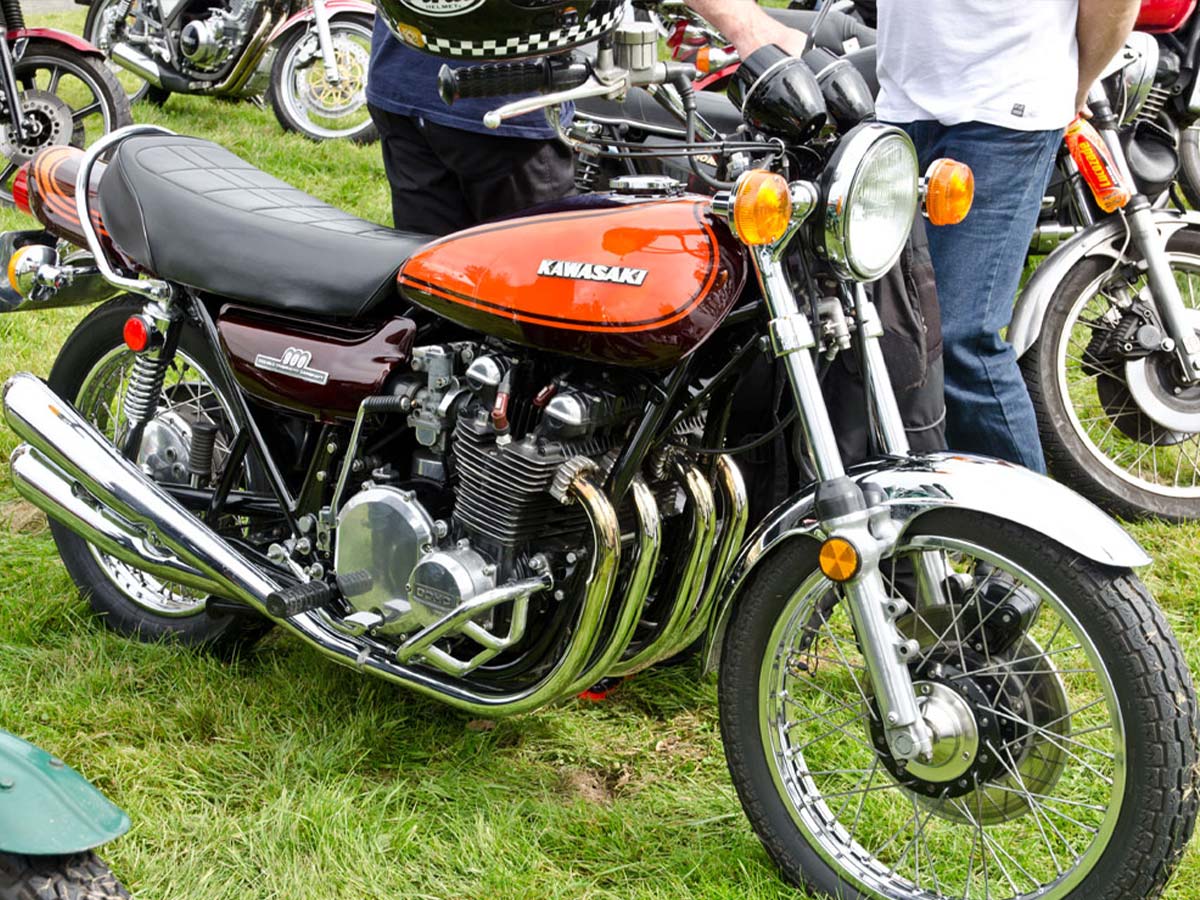
The Kawasaki Z1 featured a 903cc inline-four engine that delivered unmatched power for its time. It was designed to compete with the Honda CB750 and quickly gained a reputation for its speed and reliability.
The Z1’s performance and aggressive styling helped establish Kawasaki as a leader in the superbike category.
1969 Honda CB750

The Honda CB750 is often regarded as the world’s first superbike. Its 736cc inline-four engine, front disc brake, and electric start set new standards for performance and reliability.
The CB750’s combination of power, affordability, and innovation made it a game-changer in the motorcycle industry. It paved the way for modern sportbikes and remains a landmark in motorcycle history.
1960 Triumph T120 Bonneville
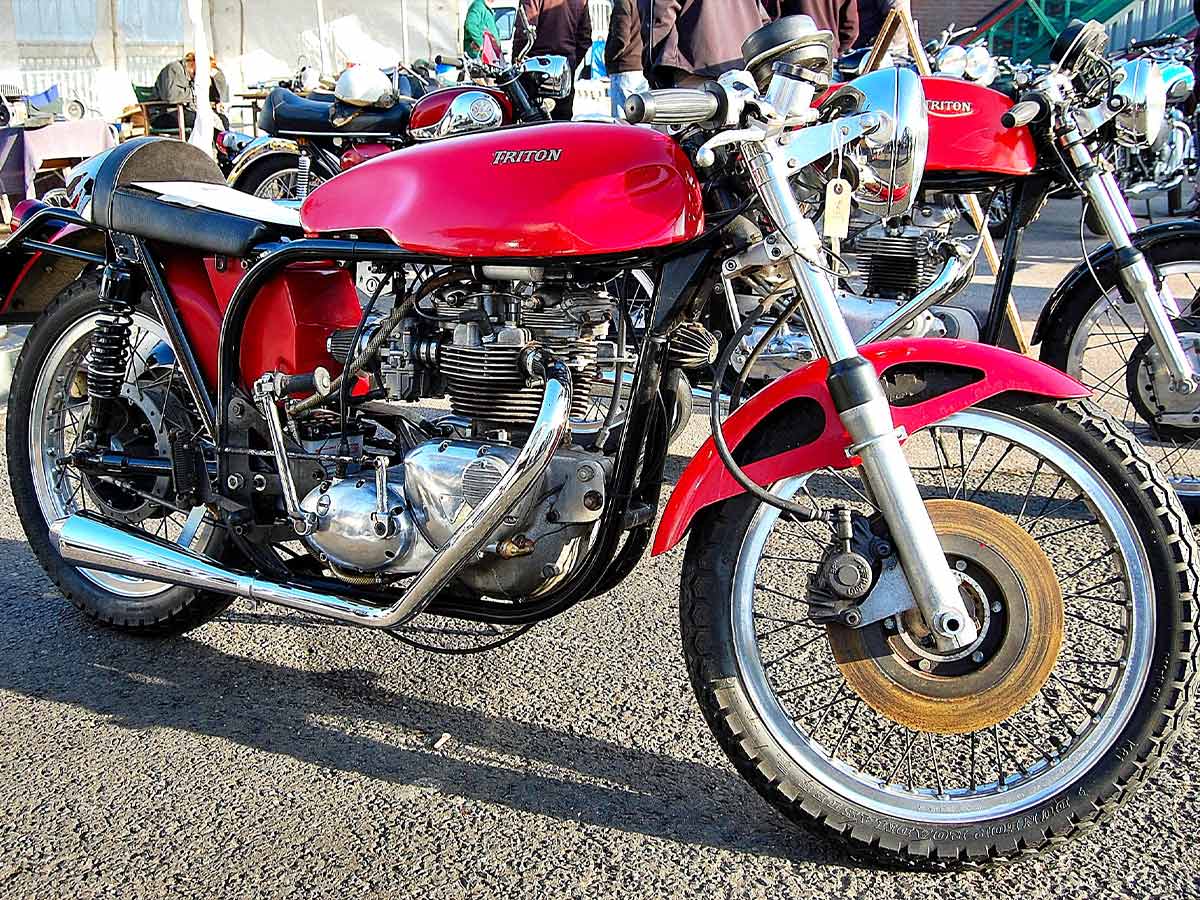
The Triumph T120 Bonneville became a cultural icon of the 1960s, particularly in the café racer scene. Its 650cc parallel-twin engine offered impressive performance, making it a favorite among speed enthusiasts.
The Bonneville’s sleek design and association with celebrities like Steve McQueen and Marlon Brando cemented its status as a symbol of cool. It remains one of Triumph’s most celebrated models.
1958 Honda Super Cub
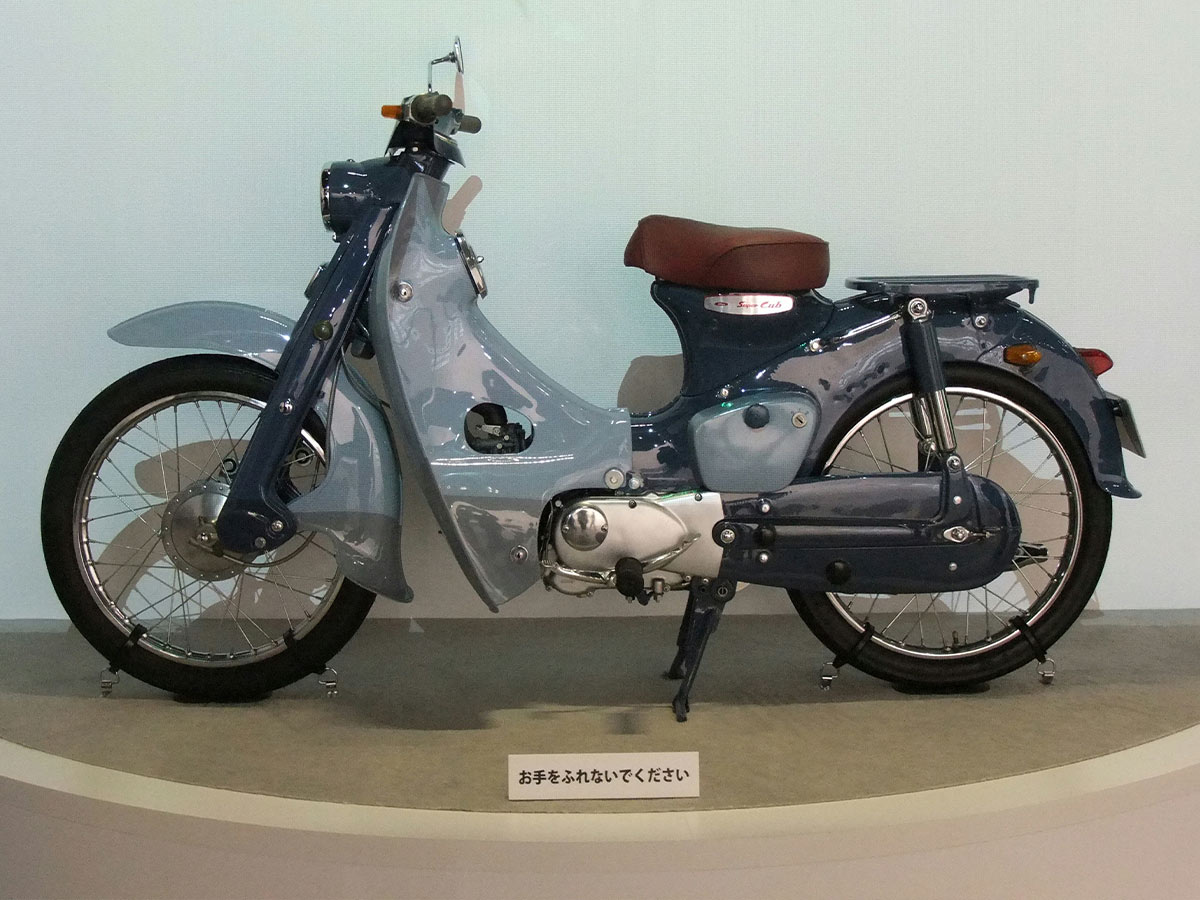
The Honda Super Cub is the best-selling motor vehicle in history, with over 100 million units produced. Its step-through frame, lightweight design, and reliable 49cc engine made it accessible to riders of all skill levels.
The Super Cub’s affordability and practicality revolutionized personal transportation, particularly in developing countries. Its slogan, “You meet the nicest people on a Honda,” helped change public perceptions of motorcycling.
1957 Harley-Davidson Sportster
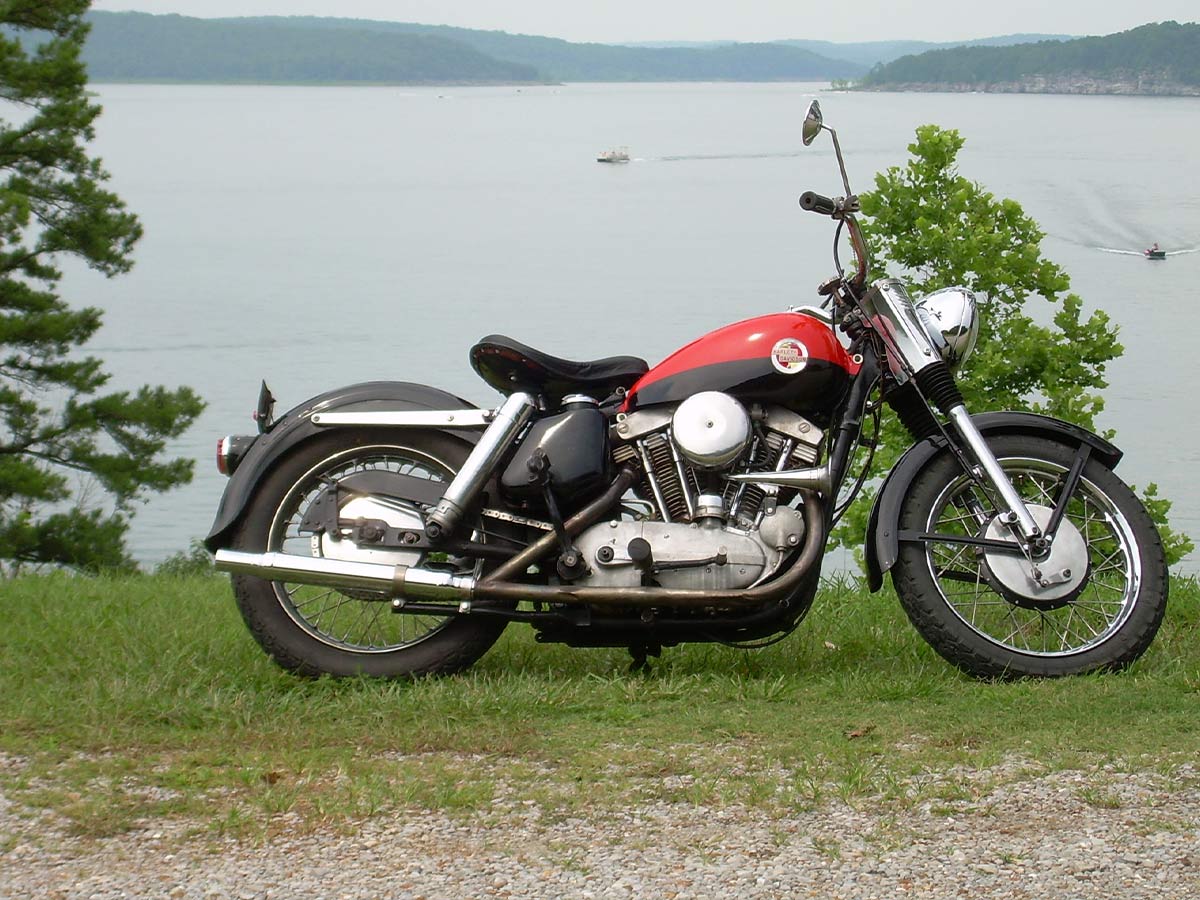
The Harley-Davidson Sportster debuted in 1957 and has become the brand’s longest-running model. Its compact design and powerful engine made it a versatile motorcycle, appealing to a wide range of riders.
Over the decades, the Sportster has evolved while retaining its classic styling and performance. Its enduring popularity is a testament to its adaptability and timeless appeal.
1948 Vincent Black Shadow
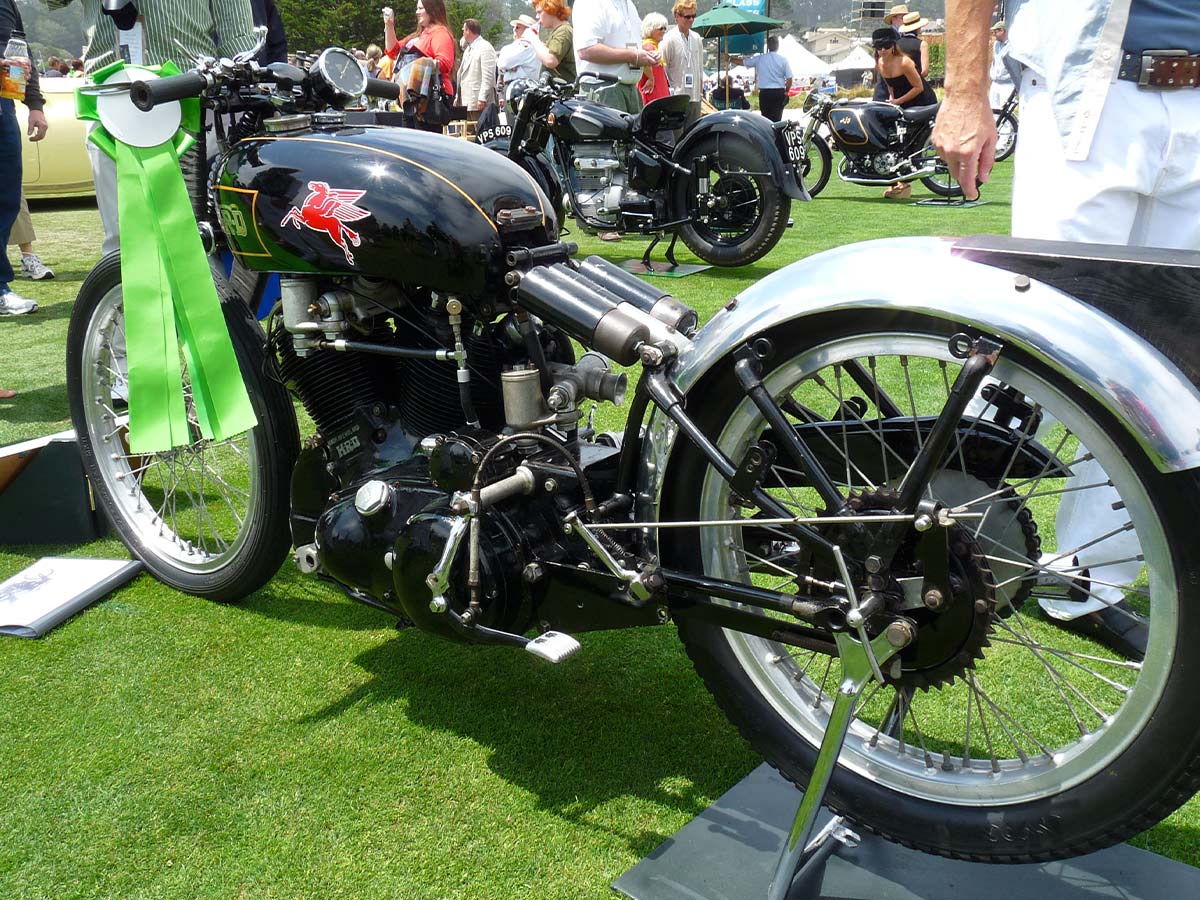
The Vincent Black Shadow was a technological marvel of its time, boasting a top speed of 125 mph. Its 998cc V-twin engine and innovative design made it one of the fastest and most advanced motorcycles of the post-war era.
The Black Shadow’s lightweight frame and exceptional performance earned it a reputation as a high-performance machine. It remains a sought-after collector’s item and a symbol of British engineering excellence.
1937 Brough Superior SS100
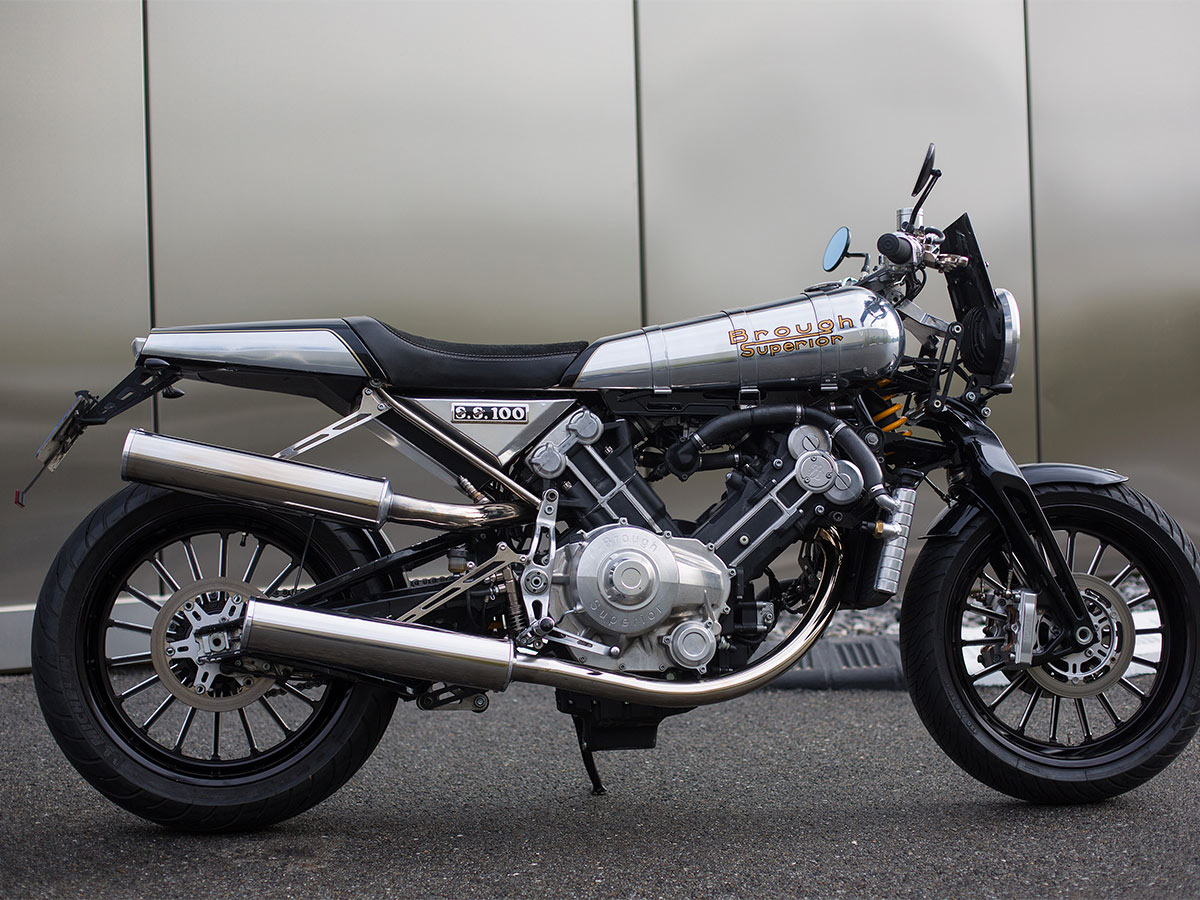
The Brough Superior SS100 was the world’s first superbike, capable of reaching 100 mph—a remarkable feat for its time. Each SS100 was custom-built to the buyer’s specifications, ensuring top-tier performance and exclusivity.
Known as the “Rolls-Royce of Motorcycles,” the SS100 combined luxury, speed, and craftsmanship. It was famously ridden by T.E. Lawrence, also known as Lawrence of Arabia, further adding to its legendary status.
1936 Harley-Davidson Knucklehead
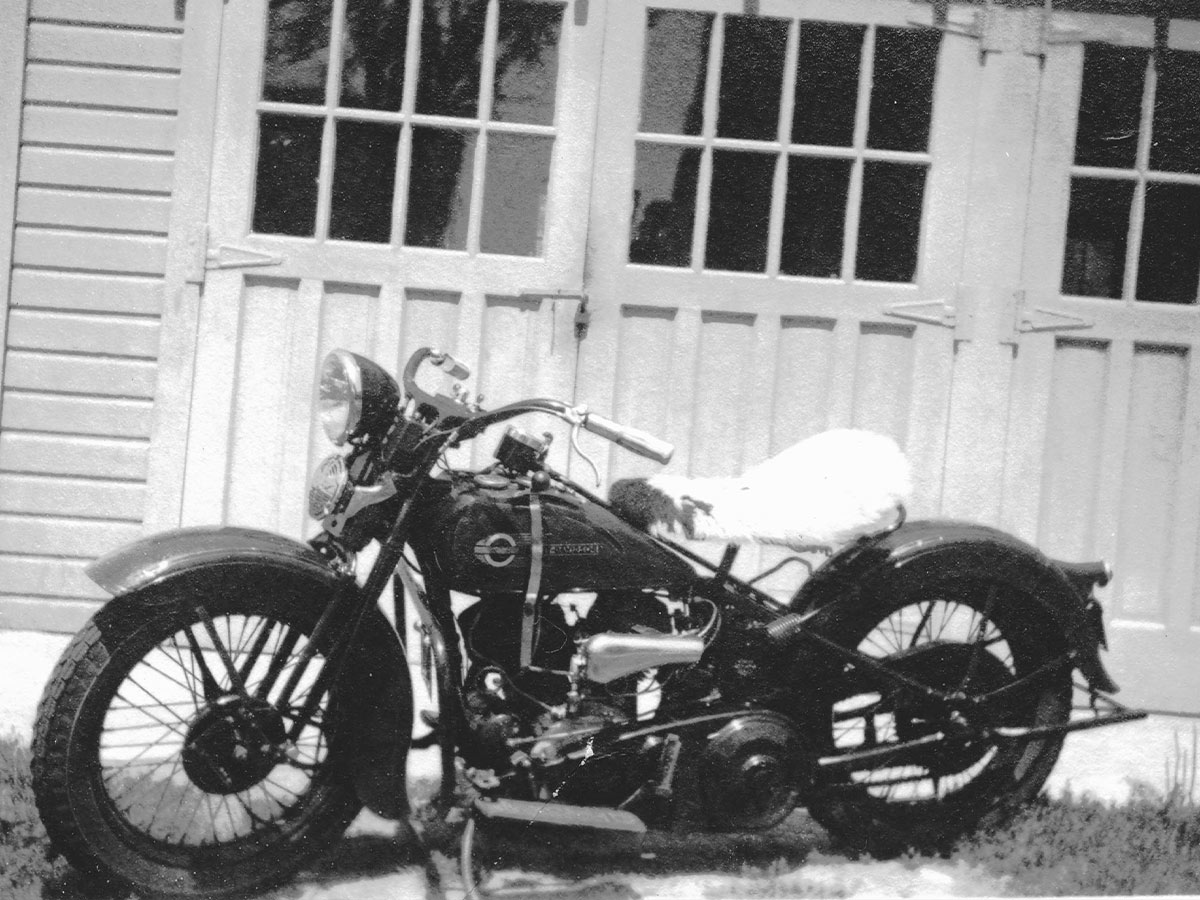
The 1936 Harley-Davidson Knucklehead marked a turning point in American motorcycling with its overhead-valve engine. This 61-cubic-inch V-twin offered improved performance and reliability compared to earlier flathead designs.
The Knucklehead’s distinctive engine design, with its rounded rocker covers, became an iconic feature. It also introduced modern styling elements that influenced Harley-Davidson’s future models.
1923 BMW R32
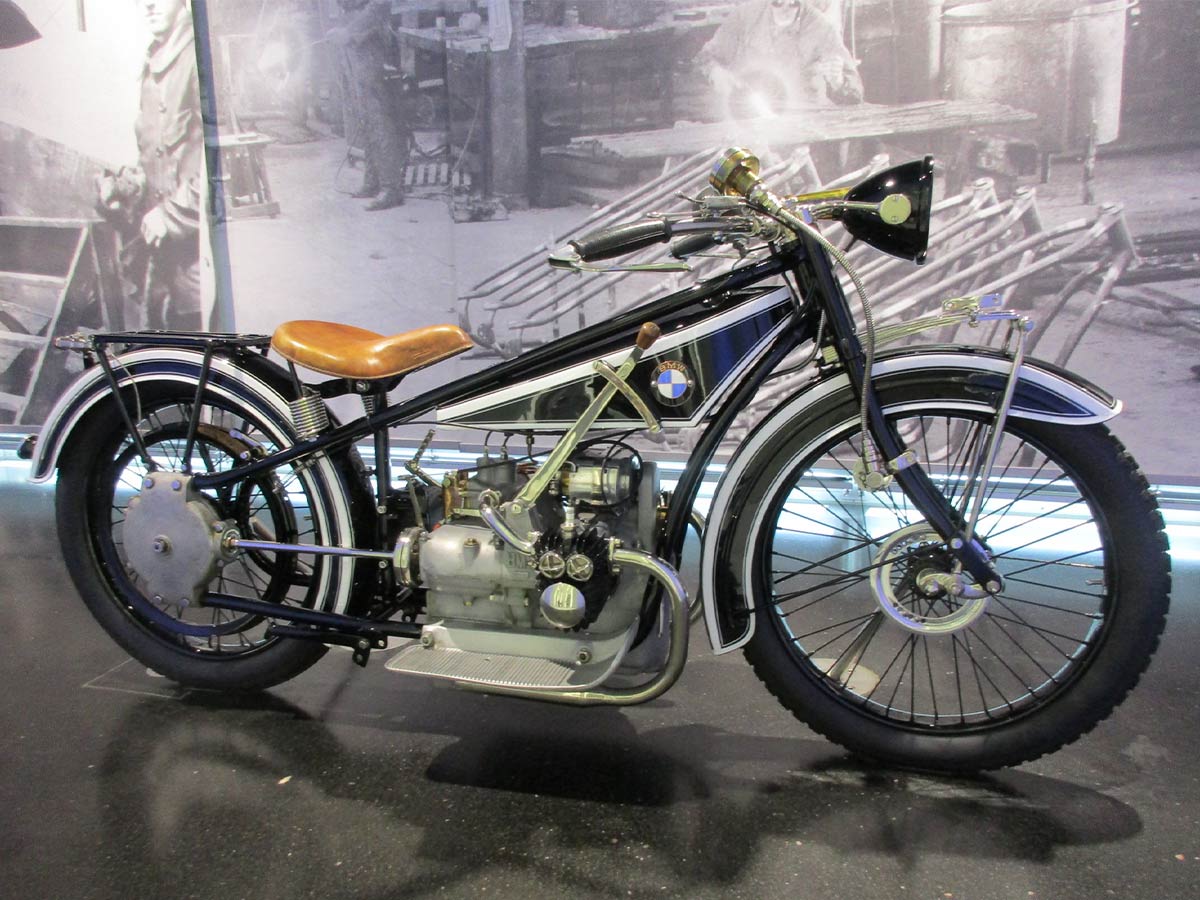
The BMW R32 was BMW’s first motorcycle and introduced the now-iconic boxer engine. Its horizontally opposed twin-cylinder engine, combined with a shaft drive, provided smooth power delivery and low maintenance, setting it apart from chain-driven competitors.
The R32’s innovative design laid the foundation for BMW’s motorcycle lineup, with the boxer engine becoming a hallmark of the brand. Its unprecedented engineering excellence and practicality marked a significant milestone in the history of motorcycles.
1920 Indian Scout
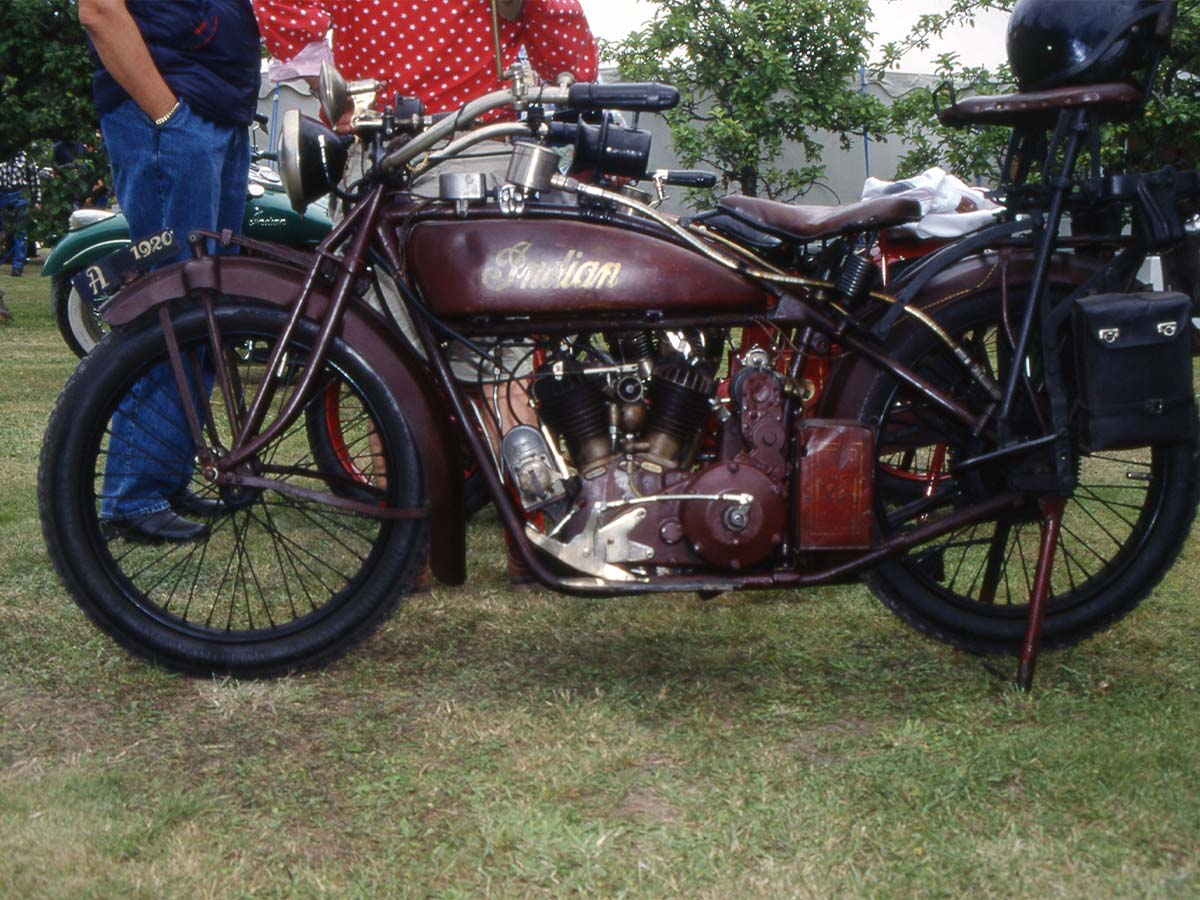
The 1920 Indian Scout was a lightweight, efficient motorcycle powered by a 37-cubic-inch V-twin engine. Known for its reliability and ease of handling, it quickly became a beloved vehicle. Its innovative design and performance set a high standard for motorcycles of its era, making it an instant classic.
The Scout’s success on the racetrack and its reputation for durability helped establish Indian as a leading motorcycle manufacturer. Its influence can still be seen in modern iterations of the Scout, which pay homage to the original’s timeless design and engineering.