
How a Trump or Harris Presidency Could Change the Auto Industry

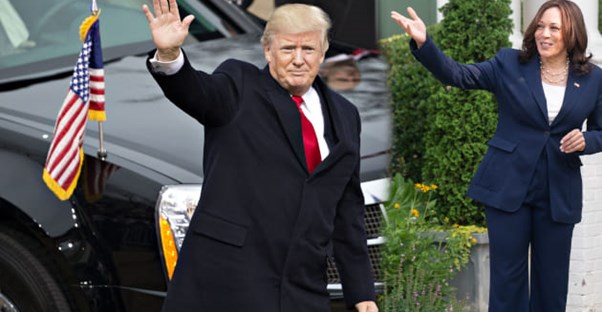
Let’s dive into how the future of the auto industry could be revved up — or hit a speed bump — depending on who takes the wheel in the next presidential race. Whether it’s former President Donald Trump or Vice President Kamala Harris, their policies could significantly steer the automotive world in new directions.
A Trump presidency might turbocharge fossil fuels, focusing on deregulation and boosting traditional auto manufacturing, potentially sidelining green initiatives. Trump’s approach could lead to a resurgence in domestic manufacturing and a revival of American auto giants. On the flip side, it might stall the progress on electric vehicles and environmental standards.
Conversely, a Harris presidency would likely accelerate the push towards green technology, aligning with her focus on climate change and sustainability. Expect a shift towards electric vehicles, enhanced fuel efficiency standards, and substantial investments in infrastructure to support clean energy. Harris’s policies could invigorate the electric vehicle market, fostering innovation and potentially reshaping the auto industry’s landscape.
In this article, we’ll navigate the twists and turns of how these political trajectories could impact everything from car production to environmental regulations, offering a road map for what the future might hold for the auto industry. Buckle up!
Harris's Regulations
Under a Harris presidency, expect the auto industry to face a green overhaul. Kamala Harris is all about tightening those emissions standards and cranking up support for electric vehicles (EVs). Her plans include enhancing fuel efficiency requirements and incentivizing EV adoption, with a significant focus on reducing carbon footprints.
She’s also backing infrastructure improvements to make charging stations as common as gas pumps. Harris’s regulatory agenda aims to shift the industry towards sustainability, potentially accelerating innovation in green technology. While this could fuel a robust market for EVs, traditional auto manufacturers might need to navigate some bumpy terrain as they pivot towards these stricter environmental goals.
Trump's Regulations

In a Trump presidency, the auto industry might see a throwback to its gas-guzzling glory days. Trump’s approach often involves rolling back environmental regulations, which could mean less stringent emissions standards and a boost for fossil fuels. Expect a potential revival of traditional manufacturing practices and incentives for American-made vehicles.
While this could fuel a resurgence in domestic auto production, it might also stall advancements in electric vehicles and green technology. Trump’s policies could lead to a more deregulated market, offering a less restrictive environment for conventional car manufacturing but possibly slowing the shift towards cleaner, greener alternatives.
Harris's Tariffs and Trade Policies

If Kamala Harris takes the wheel, her trade policies could chart a course toward more global collaboration and climate-focused trade agreements. While not as aggressively protectionist as Trump’s approach, Harris is likely to advocate for fair trade practices and environmental standards. She might support tariffs and trade policies that incentivize green technology and ensure that trade partners meet certain environmental criteria.
Her focus would be on fostering international cooperation to address climate change, potentially leading to new trade agreements that emphasize sustainability and clean energy. This approach could open doors for innovative partnerships and boost the green tech sector, but it might also lead to recalibrated trade relationships as the U.S. aligns with broader climate goals.
Trump's Tariffs and Trade Policies

Under Trump’s presidency, the auto industry could face a turbocharged shift with his tariffs and trade policies. Trump’s “America First” stance led to significant tariffs on imported steel and aluminum, impacting car manufacturing costs and sparking trade disputes.
His administration renegotiated NAFTA, resulting in the United States-Mexico-Canada Agreement (USMCA), which aimed to boost domestic auto production by increasing regional content requirements.
These policies could benefit American manufacturers by reducing foreign competition, but they might also drive up vehicle prices and disrupt global supply chains. While this could spur a resurgence in U.S. manufacturing, it might also lead to trade tensions and increased costs for both producers and consumers.
Harris's Fossil Fuel Future
Kamala Harris is steering the U.S. towards a future with fewer fossil fuels and more green energy. Her vision includes aggressively phasing out coal and oil while ramping up investments in renewable resources like wind and solar. Harris’s policies are likely to target subsidies and incentives for clean energy projects, aiming to reduce the nation’s dependence on fossil fuels.
While this could significantly boost the electric vehicle market and promote cleaner energy, it might also face resistance from traditional energy sectors. Her focus on reducing carbon emissions means fewer new investments in fossil fuel infrastructure and a push for technological innovation in clean energy.
Trump's Fossil Fuels Future

Under Trump’s vision, the fossil fuel future looks like a high-octane boost. Trump’s administration favored deregulation of the energy sector, rolling back restrictions on coal, oil, and natural gas. Expect a focus on expanding domestic drilling, fracking, and pipeline projects, all aimed at maximizing fossil fuel production and energy independence.
Trump’s policies included increasing subsidies for traditional energy sources and reducing restrictions on environmental regulations that impacted fossil fuels. While this approach could lead to lower energy costs and a boost for oil and gas industries, it may also slow the transition to renewable energy sources. Get ready for a future where fossil fuels drive the agenda, with a strong emphasis on traditional energy dominance.
Harris's Renewable Energy Plan
Kamala Harris’s renewable energy plan is set to accelerate the shift towards a greener future. Her approach emphasizes substantial investments in clean energy technologies, such as solar, wind, and battery storage. Harris supports expanding tax credits and incentives for renewable energy projects and aims to reach net-zero emissions by 2050.
Her plan also includes upgrading the power grid to better accommodate renewable sources and fostering innovation in green technologies. By prioritizing climate action, Harris seeks to create new jobs in the clean energy sector and reduce dependence on fossil fuels. Expect a robust push for sustainability and an energized market for renewables under her leadership.
Trump's Renewable Energy Plan
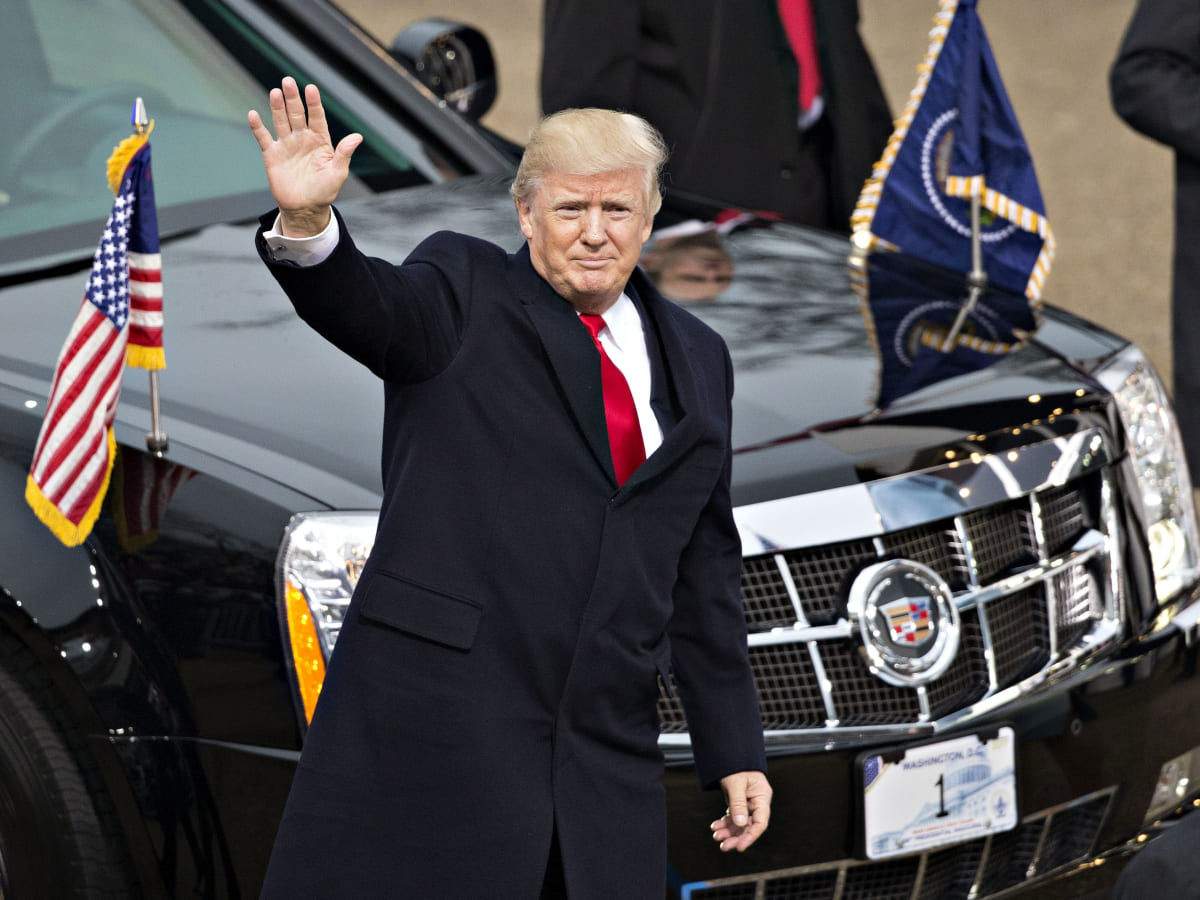
Trump’s renewable energy plan was more of a backseat driver in his administration. While his focus was predominantly on fossil fuels, there were some efforts to support renewable energy, albeit with a less aggressive approach. His administration implemented tax credits for solar and wind energy, but often clashed with green energy advocates over environmental regulations and subsidies.
Trump’s policies included reducing federal support for renewable projects and rolling back some climate change initiatives. While this might have offered a modest boost to renewable sectors, it was clear that fossil fuels remained the primary focus. Expect a future where renewable energy plays a supporting role rather than taking center stage in Trump’s energy landscape.
Harris's Labor and Union Relations
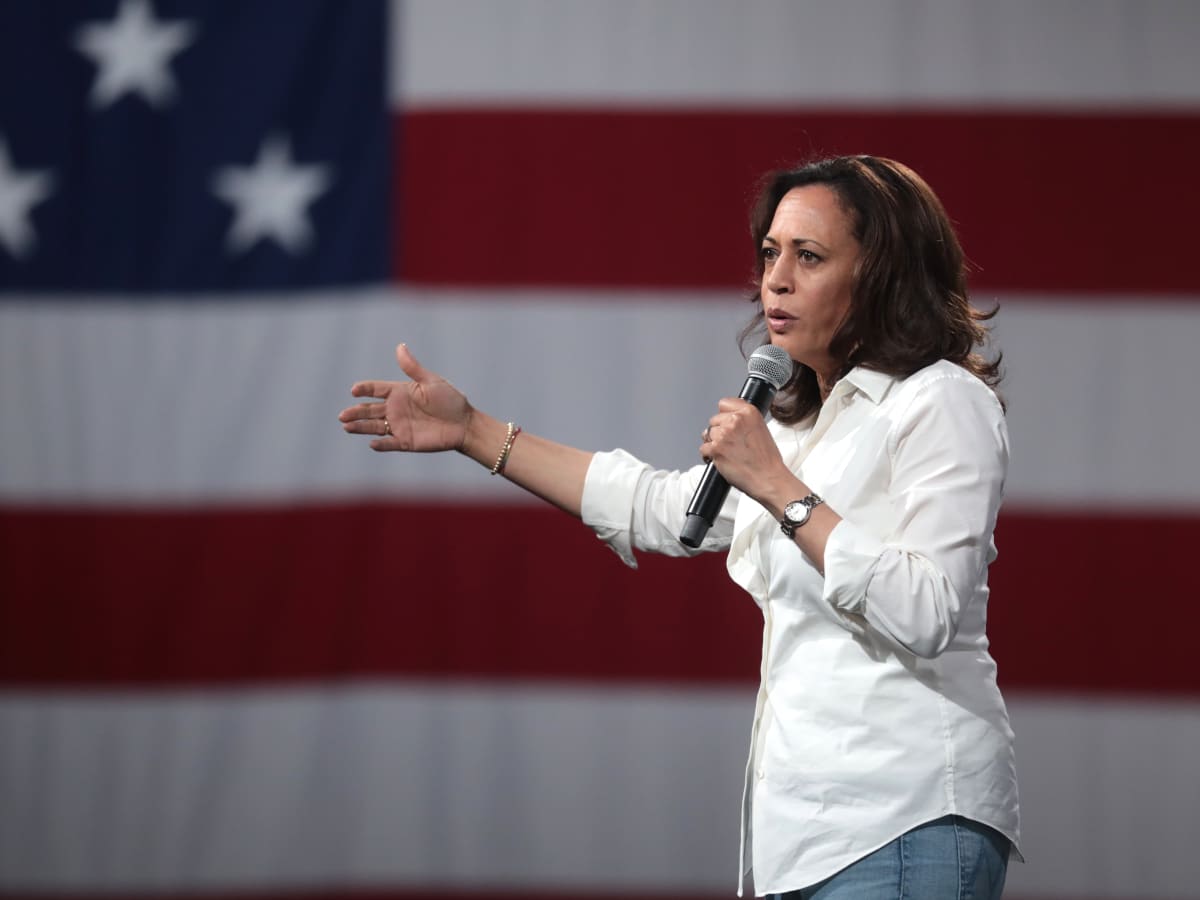
Kamala Harris is geared up to boost labor and union relations with a pro-worker agenda. Her policies emphasize strengthening workers’ rights, expanding union access, and improving labor conditions. Harris supports raising the federal minimum wage and enhancing protections for gig economy workers. She’s also a proponent of the PRO Act, which aims to make it easier for workers to form unions and engage in collective bargaining.
Under her leadership, expect increased federal support for labor initiatives and a push for fair wages and better working conditions. Harris’s focus on empowering unions and protecting workers signals a commitment to balancing corporate interests with the needs of the workforce, potentially driving a stronger labor movement.
Trump's Labor and Union Relations
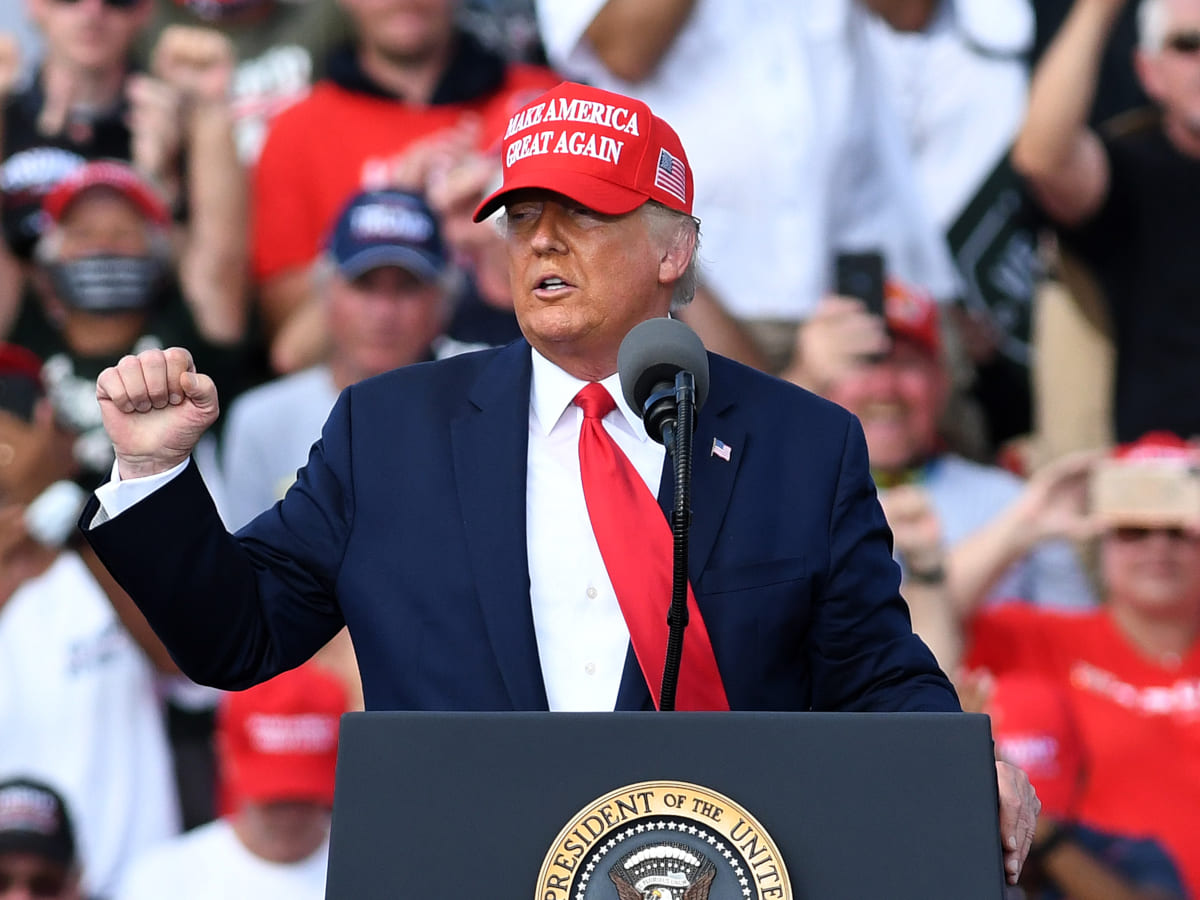
Trump’s approach to labor and union relations often leaned towards deregulation and reduced union influence. His administration favored policies that promoted business flexibility over union demands, including efforts to limit collective bargaining power and roll back some labor protections. Trump supported changes to labor laws aimed at reducing union power and emphasized right-to-work laws, which can weaken union membership.
His focus was on creating a business-friendly environment, potentially at the expense of union and citizen strength. While his policies aimed to boost economic growth and job creation, they also sparked debates over labor rights and union effectiveness. Under Trump, expect a landscape where business interests and deregulation take precedence in labor relations.
