
10 Cars that Changed the Auto Industry

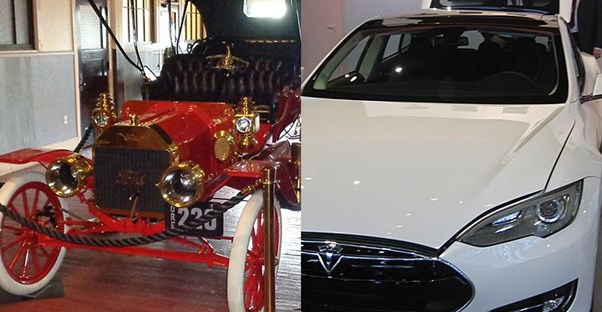
From the humble invention of the wheel to the emergence of driverless cars, humanity’s relationship with automobiles has been nothing short of transformative. These vehicles aren’t just modes of transportation; they’re cultural icons, symbols of innovation, and catalysts for technological leaps.
Ready to take a journey through time, where each car represents a chapter in the ever-evolving saga of human ingenuity? From the clunky contraptions of yesteryear to the sleek, futuristic marvels cruising our streets today, every model in this guide tells a tale of relentless innovation.
These cars didn’t just hit the road—they reshaped it. Get ready to uncover the secrets of these automotive legends, each leaving an indelible mark on history and forever changing the automotive industry.
1. 1908 Ford Model T
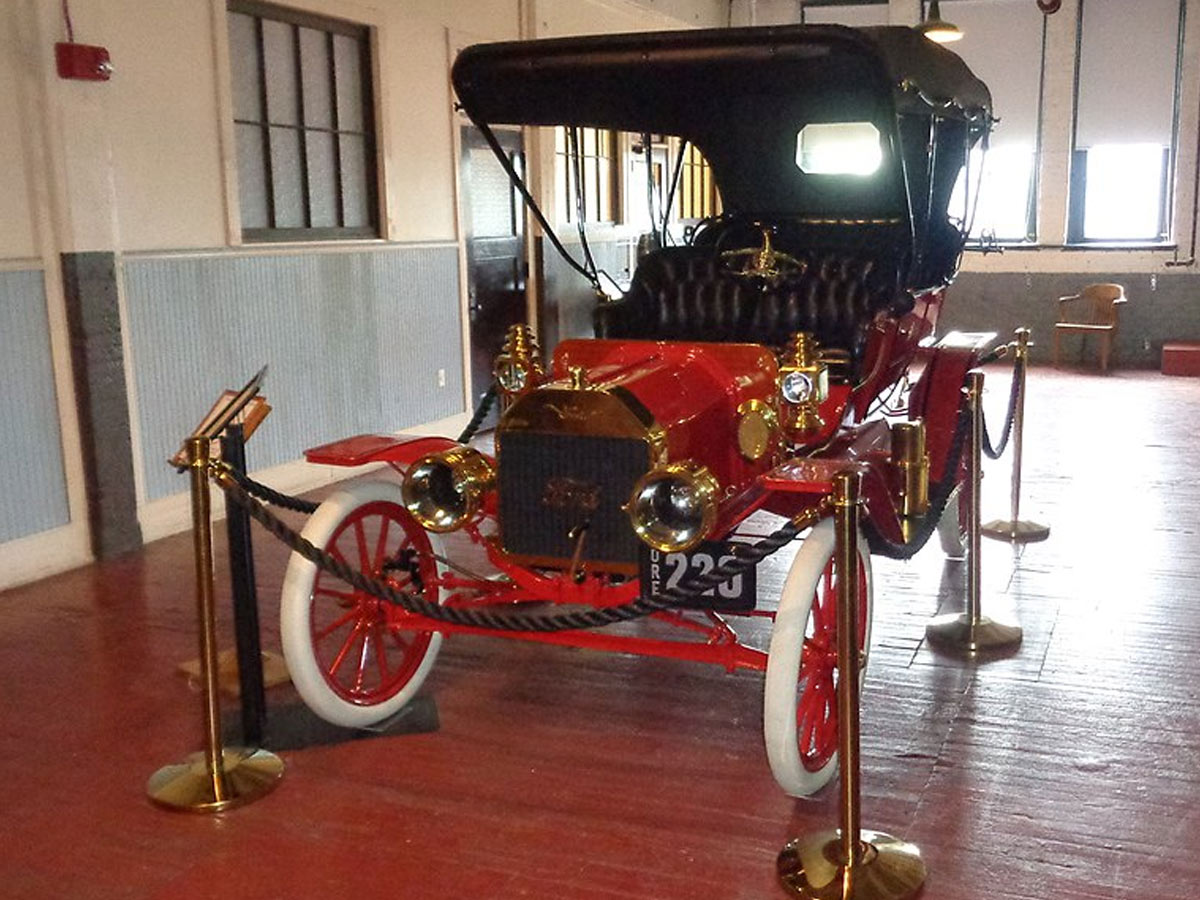
In 1908, Henry Ford revolutionized transportation with the Model T, aiming for affordability and durability. Pioneering mass production techniques like the moving assembly line made it accessible to the masses. With prices ranging from $260 to $850, it became a symbol of accessibility, empowering ordinary people to own automobiles.
By the 1920s, Ford dominated the roads worldwide with over half of registered cars being Model Ts. Its production of over 15 million units transformed society, making automobiles a staple of everyday life.
2. 1953 Chevrolet Corvette

Before 1953, the US automotive market was dominated by family cars with little focus on driving experience. The debut of the 1953 Chevrolet Corvette marked a shift towards high-performance, stylish sports cars.
With its unique design, fiberglass body, and powerful V8 engine, the Corvette signaled a departure from traditional styling and ignited demand for sports cars over family models, revolutionizing the industry.
3. 1958 Thunderbird
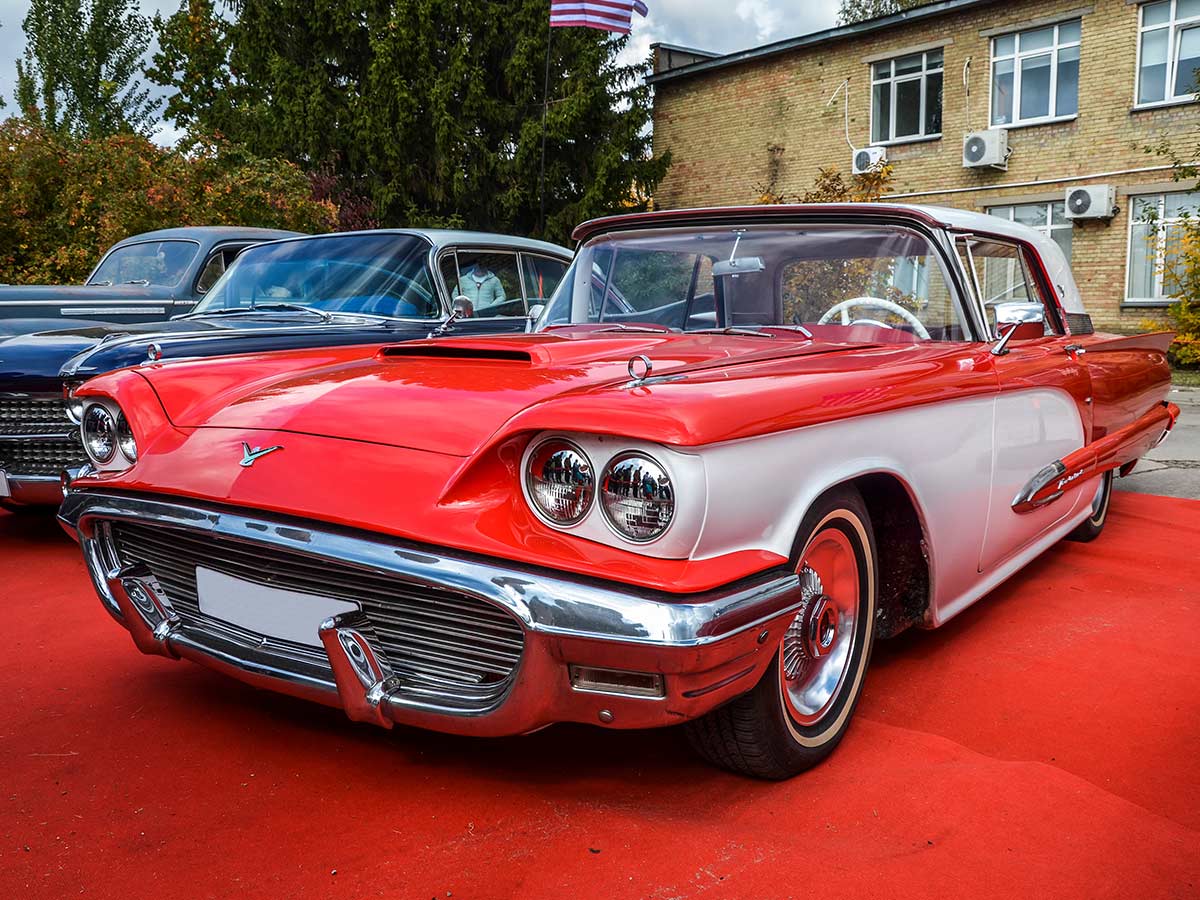
The 1958 Thunderbird, known as the “Squarebird,” broke new ground by transitioning from a two-seat to a four-seat layout, establishing the ‘personal luxury car’ trend. This shift combined sportiness with increased passenger capacity, challenging traditional automotive design.
The Thunderbird’s innovative approach, prioritizing style alongside function, marked a significant departure from convention in Detroit’s automotive industry. Its introduction of a four-seat configuration catered to consumers seeking both performance and practicality, cementing its position as a leader in the sports car market.
4. 1976 Honda Accord CVCC

The Honda Accord CVCC was a groundbreaking vehicle in addressing environmental concerns and fuel efficiency during a time of rising fuel prices. It introduced the CVCC engine technology, which enhanced combustion efficiency by using a pre-chamber alongside the main combustion chamber.
This innovation not only influenced other manufacturers to adopt cleaner engine technologies but also marked a significant step forward in sustainable transportation. The Accord’s impressive fuel economy made it a popular choice for consumers seeking cost-effective transportation solutions.
10. 2021 Rivian R1T
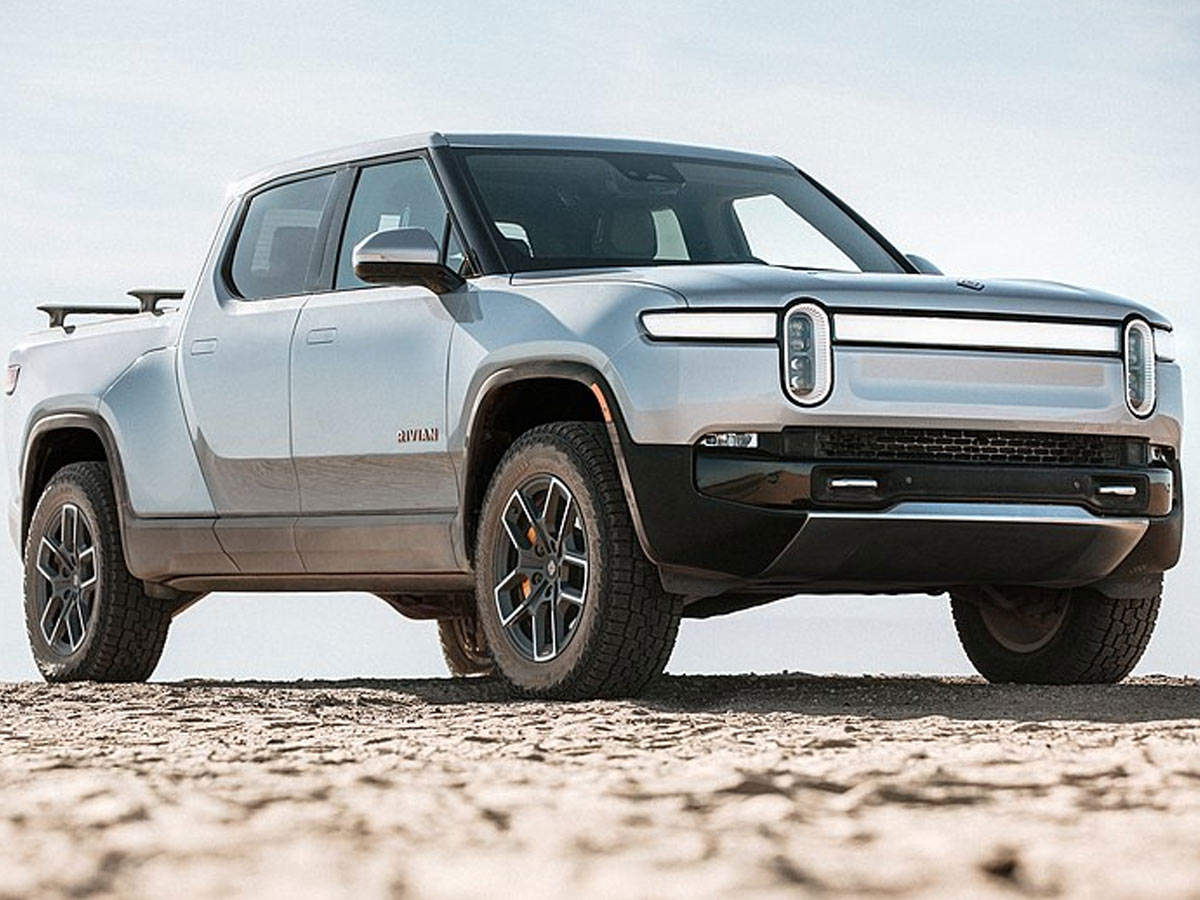
The R1T, an early electric adventure truck, pioneered a new category for eco-conscious drivers seeking capability and sustainability. Its innovation met the demand for electric vehicles suited to outdoor adventures and active lifestyles, potentially shaping future electric truck development.
With an EPA-estimated range of up to 316 miles (509 km), drivers need not fear running out of battery, enabling longer journeys and weekend getaways on a single charge.
9. 2018 Waymo One
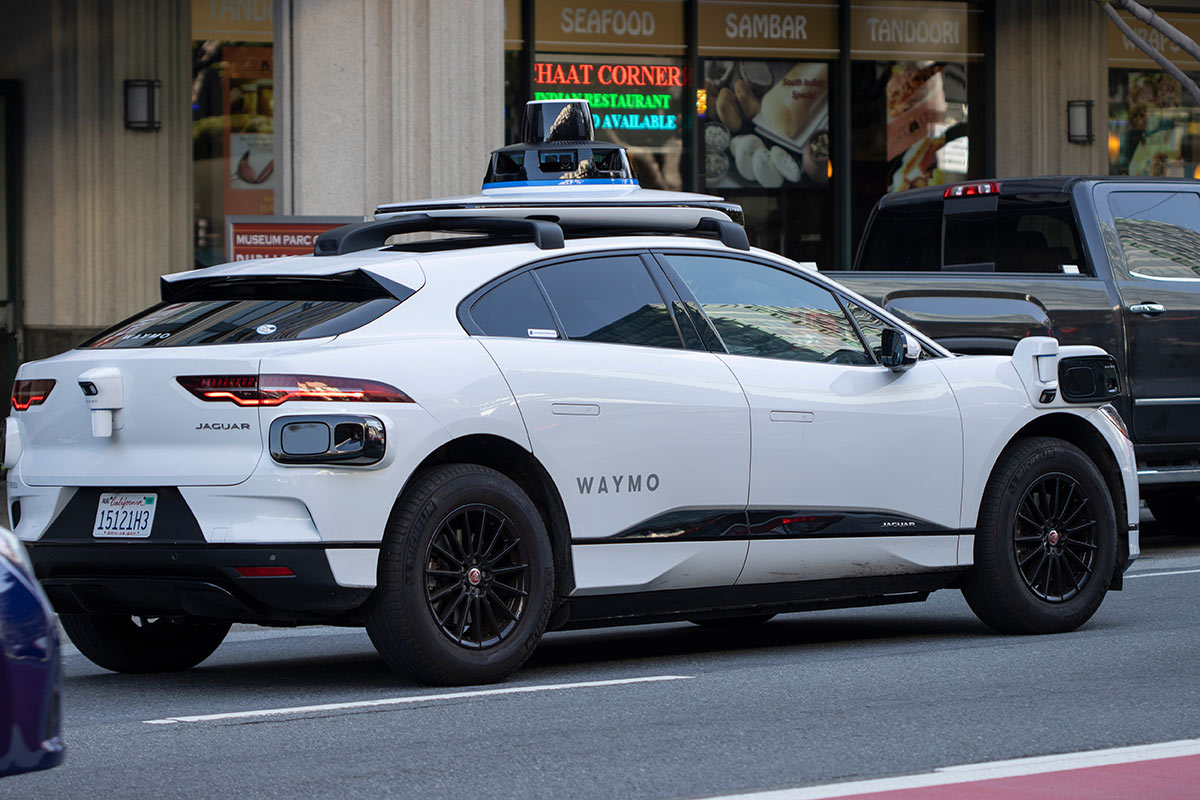
In December 2018, Waymo launched Waymo One, its commercial self-driving car service, in Phoenix, marking the first public availability of such a service, albeit with safety drivers. In October, Waymo received a permit from the California DMV to operate self-driving cars without safety drivers during daylight and nighttime hours, a significant advancement with some restrictions.
Waymo has been a pioneer in autonomous driving, setting high standards for safety, adaptability, and reliability in the industry.
8. 2016 Chevrolet Bolt EV
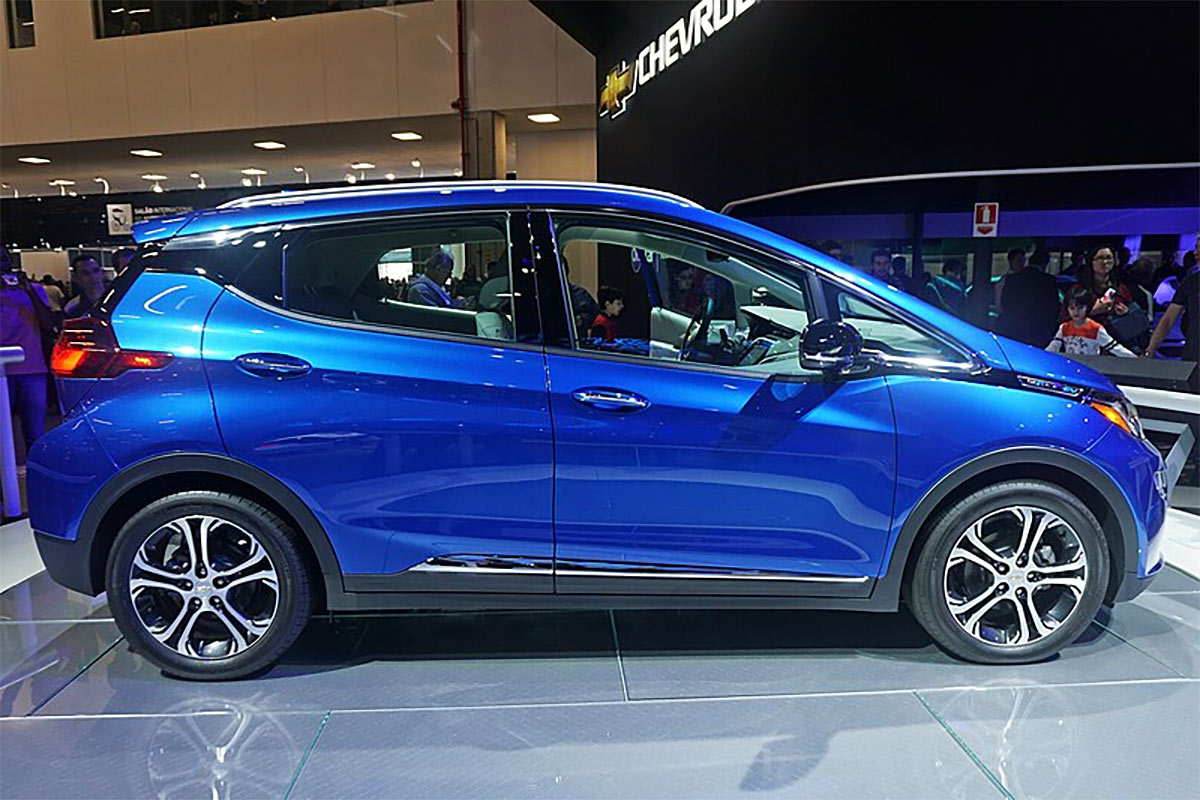
The Chevrolet Bolt EV revolutionized the market with its 200-mile range on a single charge, alleviating range anxiety for everyday electric vehicle owners. Released in late 2016, it was among the first mass-produced, affordable electric cars, starting at around $30,000 after tax credits.
Its introduction spurred automakers to invest in similar high-range, affordable electric vehicles, advancing the democratization of electric mobility and accelerating the transition to cleaner transportation options.
7. 2015 Tesla Model S Autopilot
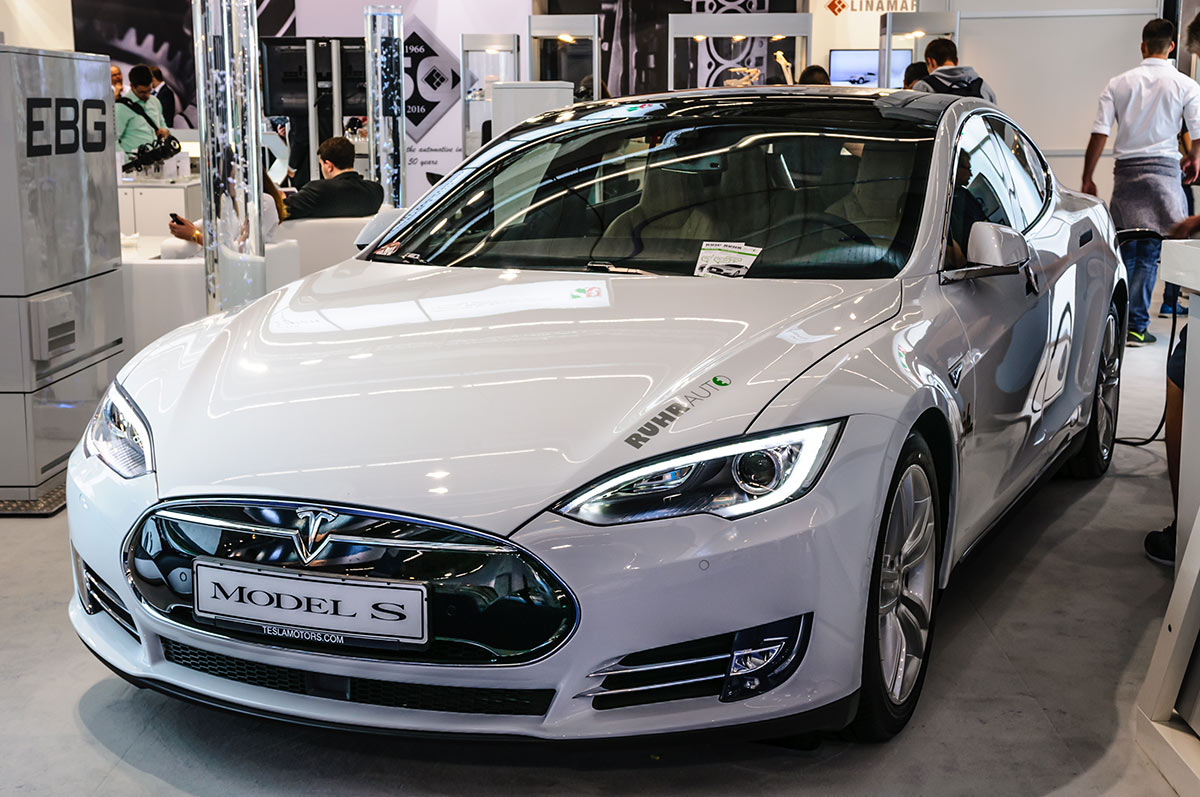
Tesla’s autopilot launch in 2015 epitomizes automotive evolution, marking a paradigm shift in the industry with groundbreaking advancements in driver-assistance technology. Offering a semi-autonomous driving experience, it enhances safety and convenience.
What sets Tesla apart is its dedication to achieving full self-driving capabilities through neural networks and machine learning, continuously refining algorithms based on real-world data. Undoubtedly, Tesla’s autopilot has been instrumental in pushing the boundaries of autonomous driving technology.
6. 2012 Tesla Model S

In 2012, the Tesla Model S revolutionized the automotive industry by introducing groundbreaking features. It transformed the perception of electric cars, offering a range of up to 265 miles per charge, alleviating range anxiety.
The Model S pioneered over-the-air software updates, allowing remote enhancements to performance post-purchase, a novel concept at the time. Its unique ordering process, requiring a deposit before seeing the car, became a common practice.
5. 2010 Nissan Leaf

Introduced in 2010, the Nissan Leaf revolutionized the automotive industry as an affordable electric vehicle, marking a significant shift towards sustainable transportation. Its mass production and accessible pricing expanded the market for electric vehicles, challenging the notion that they were exclusive or expensive.
The Leaf’s success spurred a broader commitment to cleaner mobility options, driving innovation and adoption of eco-friendly technologies in the automotive sector.
