

Alot Health Team
5 Poison Ivy Myths

While most people can agree that poison ivy is annoying and uncomfortable, there are some who believe facts about the plant that simply aren't true. Here's a list of common poison ivy myths and the facts behind them.
5 Ways to Avoid Poison Ivy

While poison ivy doesn't affect 15% of the population, the aftermath of running into this plant is unpleasant for the other 85%. Fortunately, there are five easy ways to avoid getting an awful run-in with poison ivy.
Why is Poison Ivy Itchy?

Poison ivy contains a sticky substance known as urushiol, which is transmitted when you come into contact with the plant. For people who are sensitive to the chemical, a reaction is triggered by the immune system.
Poison Ivy Symptoms

For many people, contact with poison ivy causes a rapid allergic response. The terribly uncomfortable symptoms that follow these encounters afflict the skin, eyes, and lungs of whoever wandered down the wrong path.
Poison Ivy Treatments

A run-in with poison ivy can quickly ruin an enjoyable hike, but you don't have to let it ruin your entire week. By using these simple treatments, you can ideally prevent the painful poison ivy rash from developing.
E. Coli Infection Treatments

There are specific strains of E. coli, such as 0157:H7, that negatively affect the body. People and animals that have been exposed to this E. coli strain may experience nausea, intense abdominal cramps and diarrhea.
E. Coli Infection Symptoms
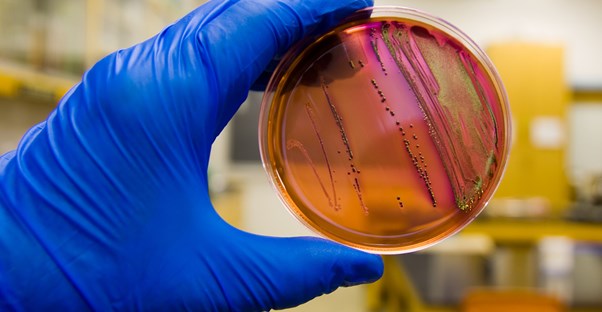
The majority of types of E. coli bacteria are relatively harmless to humans, causing only temporary reactions. There are, however, a number of E. coli bacteria that are more serious and can be fatal when untreated.
Salmonella Infection Symptoms

Depending on the type of salmonella that you come in contact with, you can experience a variety of symptoms that often mimic a stomach flu. These can include nausea, diarrhea, stomach cramps, vomiting, and headaches.
Crohn’s Disease Risk Factors

It is not completely understood as to why people develop Crohn's disease, although medical experts have identified risk factors that can increase your chances. These factors include genetics, ethnicity, and more.
Diagnosing Crohn’s Disease

Many of the symptoms that accompany Crohn's disease, such as stomach pain and diarrhea, can be attributed to other diseases, so it is important to use several different tests and procedures to arrive at a diagnosis.