

30 Songs that Defined the ’70s
The ’70s had one of the largest musical genres associated with it. The scope ranged from supergroups like The Beatles and Led Zepplin to solo acts like Carly Simon and Glen Campbell. If you wanted country, there was country. If you wanted rock and roll, there was some of that. Disco came and went in the seventies. There was plenty of R&B and some one-hit wonders in between. Fun fact: the seventies had the most No. 1 songs of any decade—simply because of the genres involved and how quickly artists released songs.
But which songs really make you THINK of the ’70s? Read along and see if you agree. And to be fair, narrowing it down to just 30 was a task. Here are the songs and artists, along with their release year, that made the decade what it was in music. You’ll notice a theme among all of these songs: they tell a story of the time in which they were released, a time of lovers and fighters, a time of wanderers and dancers, a time when musical expression was at an all-time high in variety and taste.
“Three Times a Lady” by The Commodores, 1978
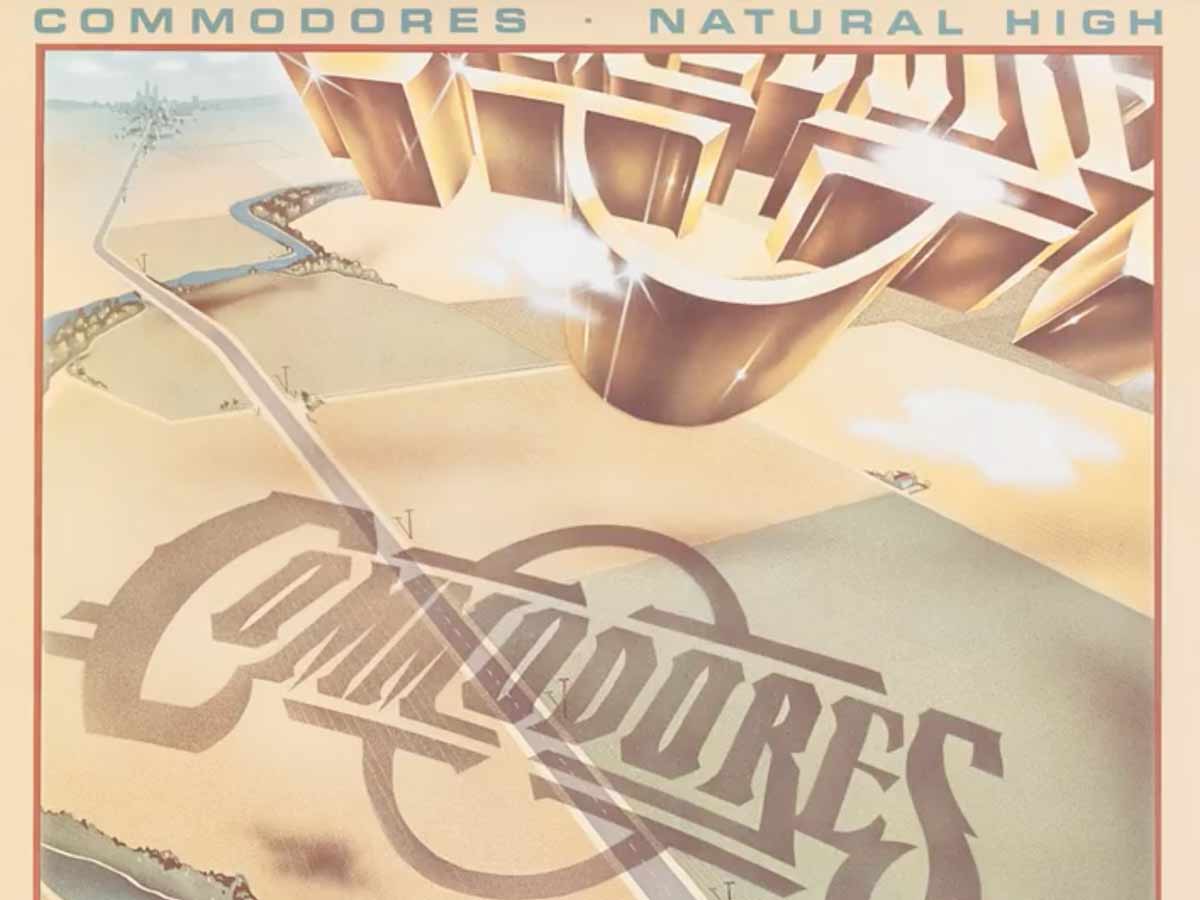
Lionel Richie wrote the song “Three Times a Lady” after his friends formed the band out of Tuskegee University. They performed primarily funk and party songs. During a party to celebrate his parents’ 37th wedding anniversary, his father toasted his mother and that’s where the song hails.
Presented as a waltz, the song charged the charts to no. 1 and held the pop, R&B, Soul, and Country charts at the same time.
“You’re So Vain” by Carly Simon, 1972
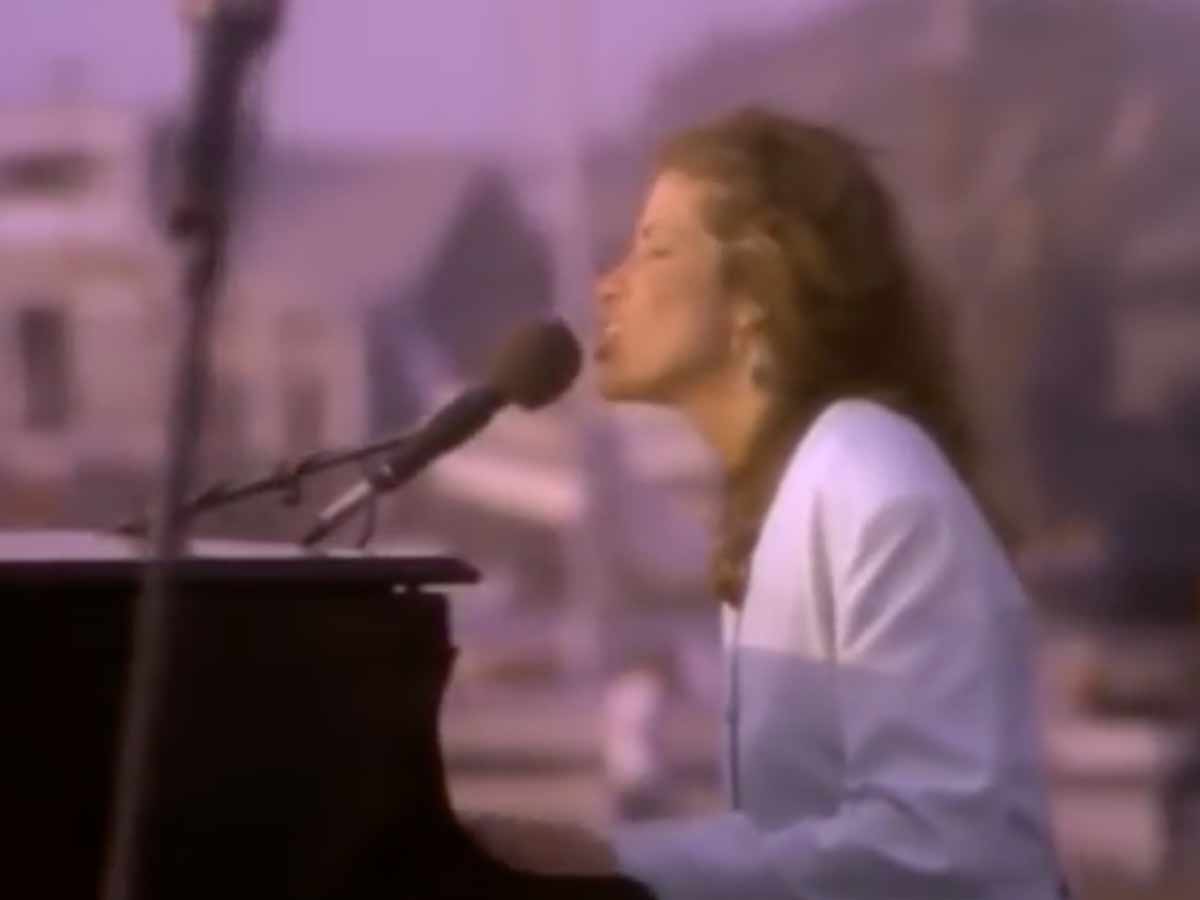
It’s hard to listen to “You’re so Vain” and not wonder who Carly Simon was crooning about. Rumors at the time ranged anywhere from Mick Jagger to Warren Beatty to David Bowie and everyone in-between.
It’s such a slam song, hazing a man that is so badly pretentious that the song stands as a torch today. Fun fact: Jagger contributed uncredited backing vocals.
“Fire and Rain” by James Taylor, 1970
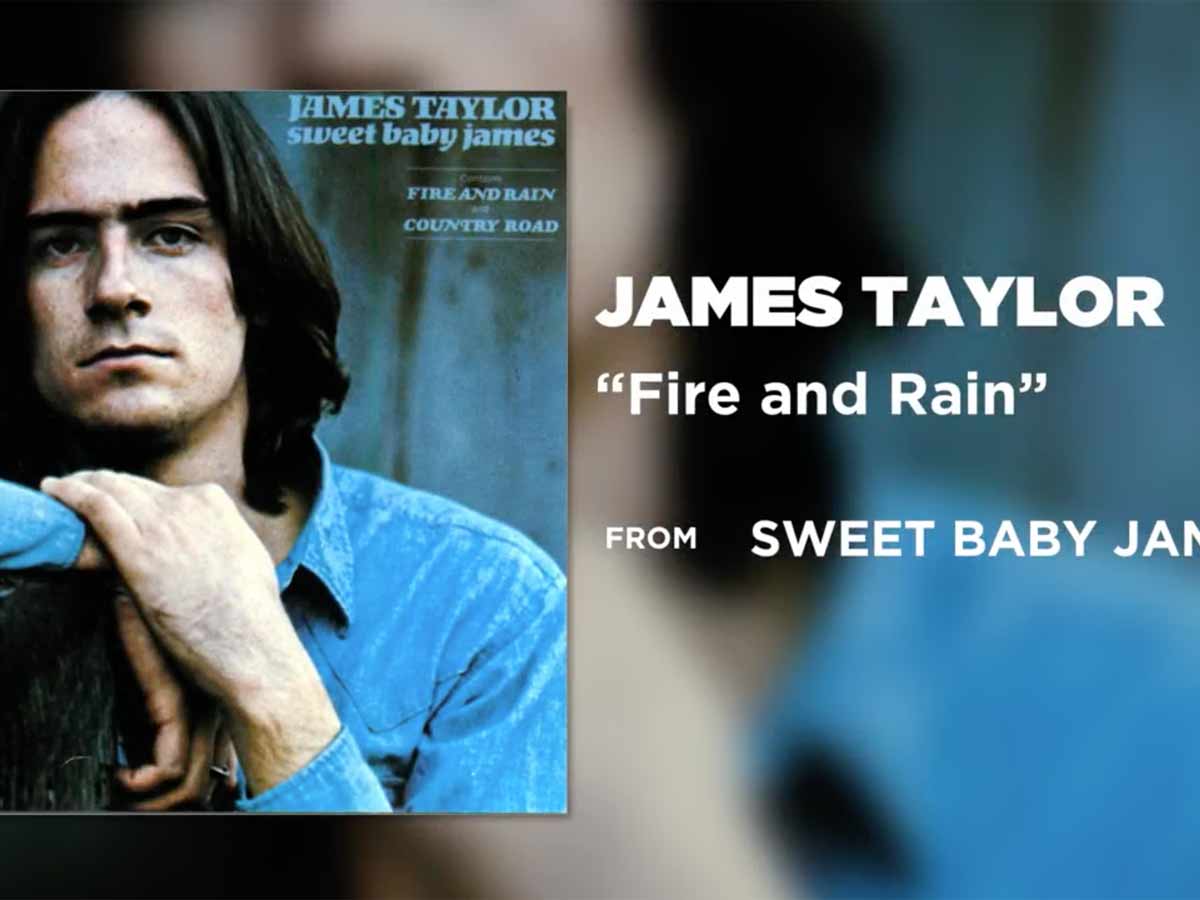
Folk musician James Taylor broke through the charts in the ’70s with “Fire and Rain,” which was an ode to his friend’s suicide as well as his testament to the hard days of a drug habit and lifestyle.
Carole King played piano on the song, and Taylor finished it while in rehab. “Fire and Rain” is listed as one of the most historically significant songs recorded between 1900-2000.
“Sweet Home Alabama” BY Lynyrd Skynyrd, 1974

There’s something about the opening riff of “Sweet Home Alabama” that moves your feet, just before Ronnie Van Zant kicked in with the lyrics.
A “love song” to southern rock and the South, and written in part as a response to Neil Young’s 1970 song “Southern Man,” “Sweet Home Alabama” is not only a significant piece of American musical history; it’s a state slogan as well.
“Dancing Queen” by ABBA, 1976

Many qualify this song as early disco, but don’t be mistaken—it’s actually Europop from the Swedish sensation known as ABBA.
This became a worldwide hit, topping the charts in more than a dozen countries at the same time. It’s one of the greatest dance anthems ever, and millions still swirl around as they “feel the beat.”
“Close to You” by The Carpenters, 1970
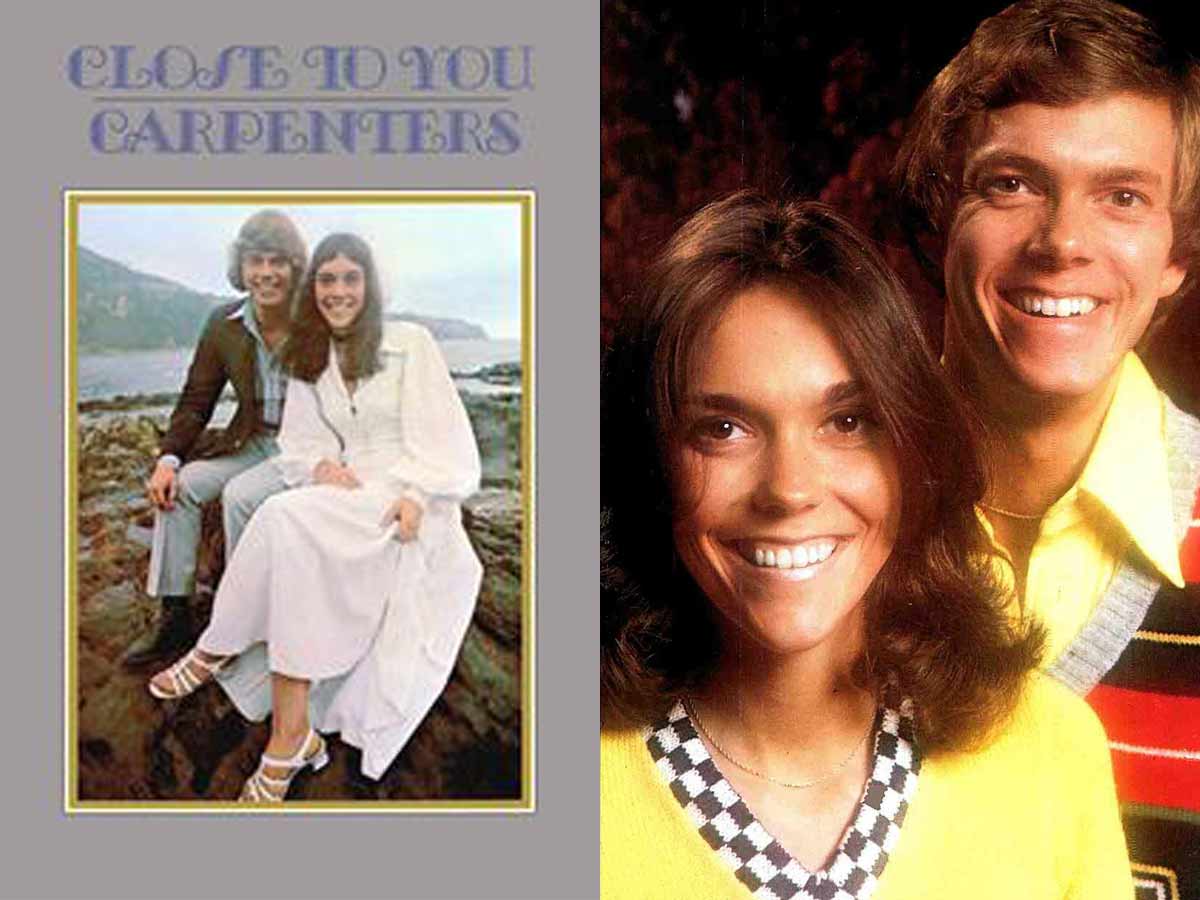
Brother-and-sister duo Karen and Richard Carpenter stole everyone’s hearts with Karen’s soaring contralto and lyrics originally written by Burt Bacharach and Hal David. Karen’s voice was so pure that the song was named the song of the summer in 1970 and won a Grammy in 1971.
Karen’s death (due to complications of anorexia) opened up public awareness around eating disorders. Nevertheless, this sweet song is a favorite of brides everywhere still today.
“Stayin’ Alive” by The BeeGees, 1977

How big were the BeeGees in the ’70s? Big enough that most of their B-sides also went platinum—with the B-side of “Stayin Alive” being “If I Can’t Have You.”
The big falsettos and style-savvy fellas from down under raced into disco, and Americans embraced their verve. The beat, the guitar hook—well, it makes you want to strut down the street just like Tony Manero.
“Dreams” by Fleetwood Mac, 1977
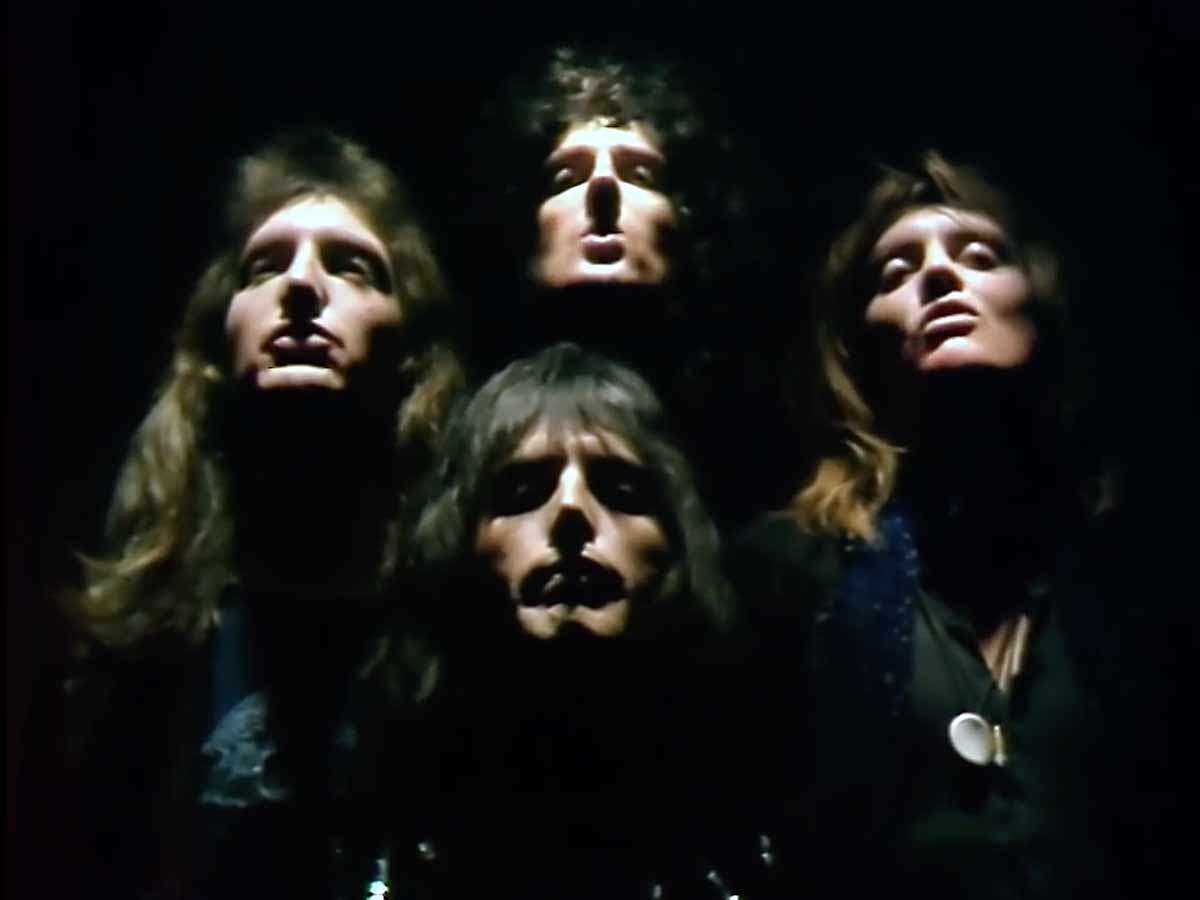
As an interesting six-minute suite of three compiled songs, “Bohemian Rhapsody” is widely regarded as one of the best rock songs of all time.
Written by Freddie Mercury, it was one of the few progressive rock songs to reach widespread success in its time. The song is in the Grammy HOF and featured in the film Wayne’s World.
“Hotel California” by The Eagles, 1977
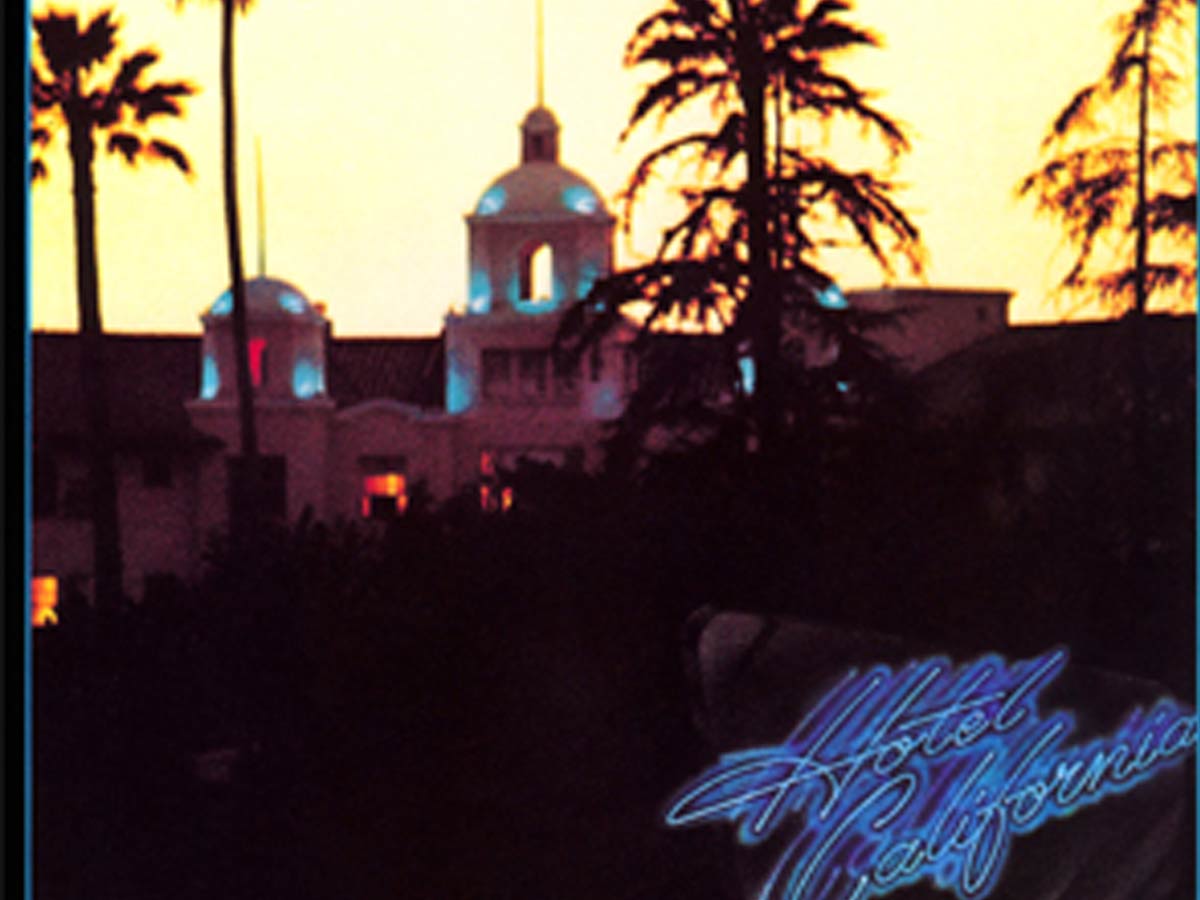
Winning Grammy of the year in 1978, the song was over six minutes long and featured a tale out of a nightmare. So much, in fact, that the song was the basis of American Horror Story: Hotel.
There’s an eeriness about the song, haunting as it takes you on a journey from innocence to a dark experience. Joe Walsh came up with the dual-guitar arpeggio park but did not receive a writing credit.
“Tie a Yellow Ribbon” by Tony Orlando and Dawn, 1973
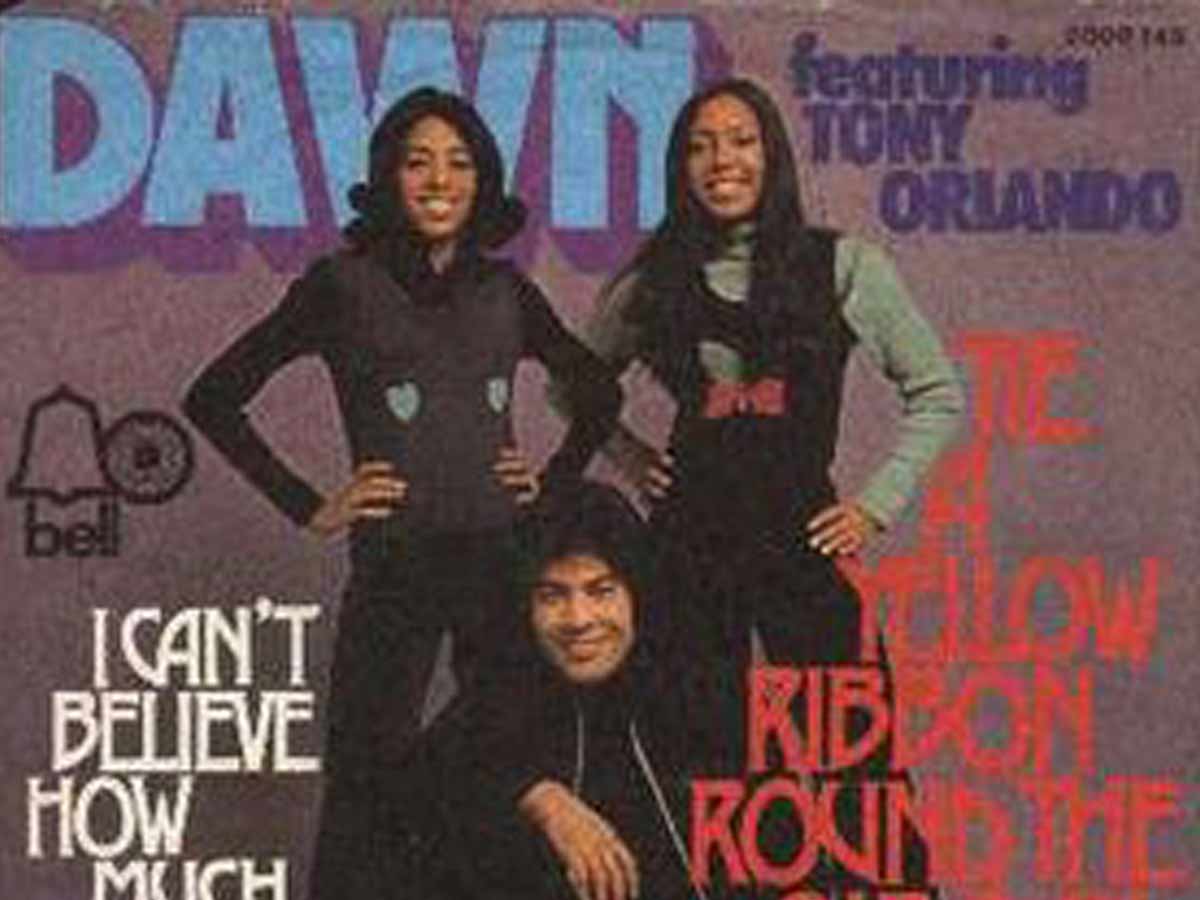
The origin of the yellow ribbon is a remembrance of women wearing yellow ribbons in their hair as their husbands or sweethearts served in the U.S. Calvary.
This tradition continued, except that Irwin Levine wrote it from the perspective of a gentleman leaving prison instead of the calvary. No matter what the intention, the yellow ribbon is still the same: do you still want me?
“Play that Funky Music” by Wild Cherry, 1976

As an American funk band out of Ohio, no one had ever heard of the band or its 16 different band members over the years, but Wild Cherry hit it out of the park with “Play that Funky Music” in 1976 and had everyone grooving all over the dance floor. While it didn’t win a Grammy, it did win an American Music Award.
The lyrics were reminiscent of someone yelling to them, “are you white boys going to play some funky music?” The rest, as they say, is history.
“Don’t Stop Til You Get Enough” by Michael Jackson, 1979
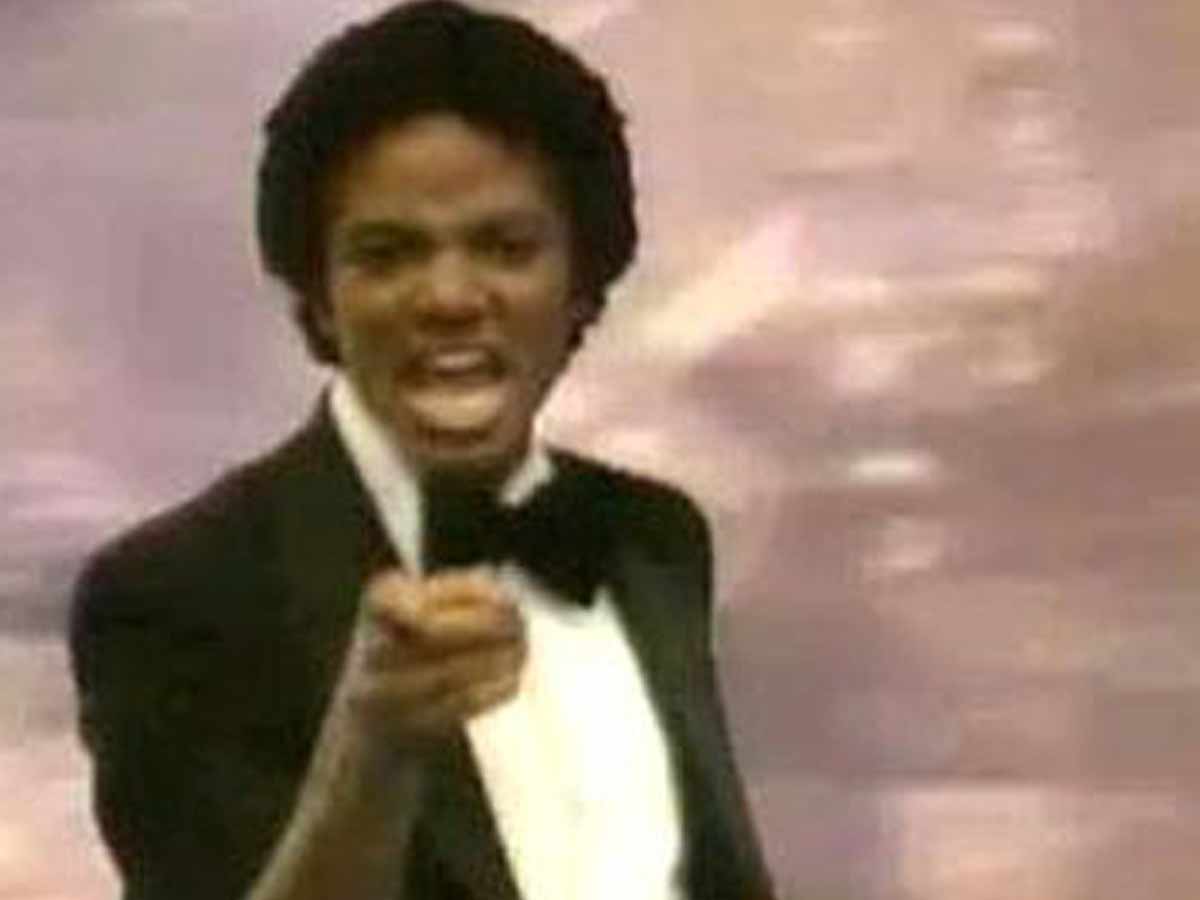
It’s important to note that until the late ’70s, Michael Jackson’s career was completely dominated by his famous family as a member of The Jackson Five. Released under Epic Records, this album was the first in which he had full creative control and showcased both his talent as a solo artist, a singer, and a songwriter.
Michael rocked us all night, and the album “Off the Wall” is still considered one of the best he ever made—yes, even more than “Thriller.”
“My Sharona” by The Knack, 1979
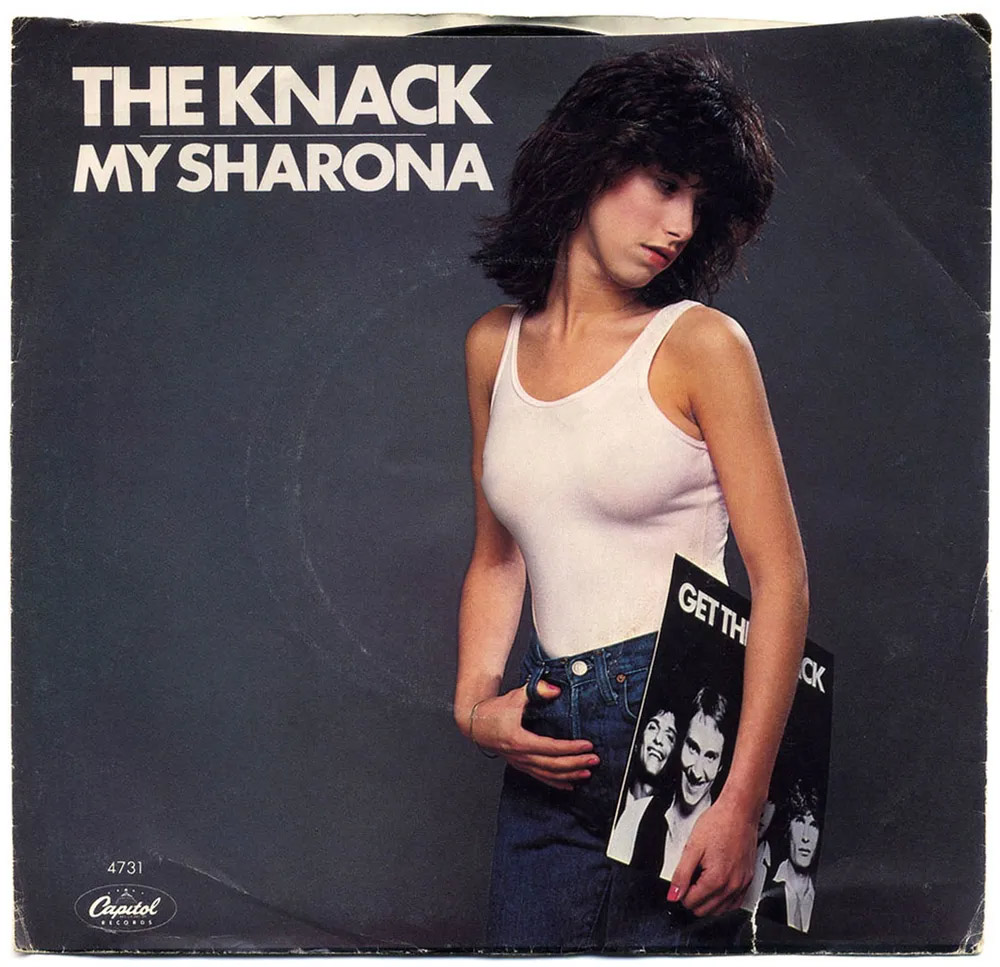
What would seem to be a throwaway song carries the weight of the seventies, as it took sounds of the sixties and morphed them into the eighties. It’s also one of the earliest songs with a filmed music video—which was far too early for the likes of MTV.
Doug Fieger, band member, wrote it after meeting 17-year-old Sharona, who was his girlfriend and muse.
"Lust for Life” by Iggy Pop, 1977
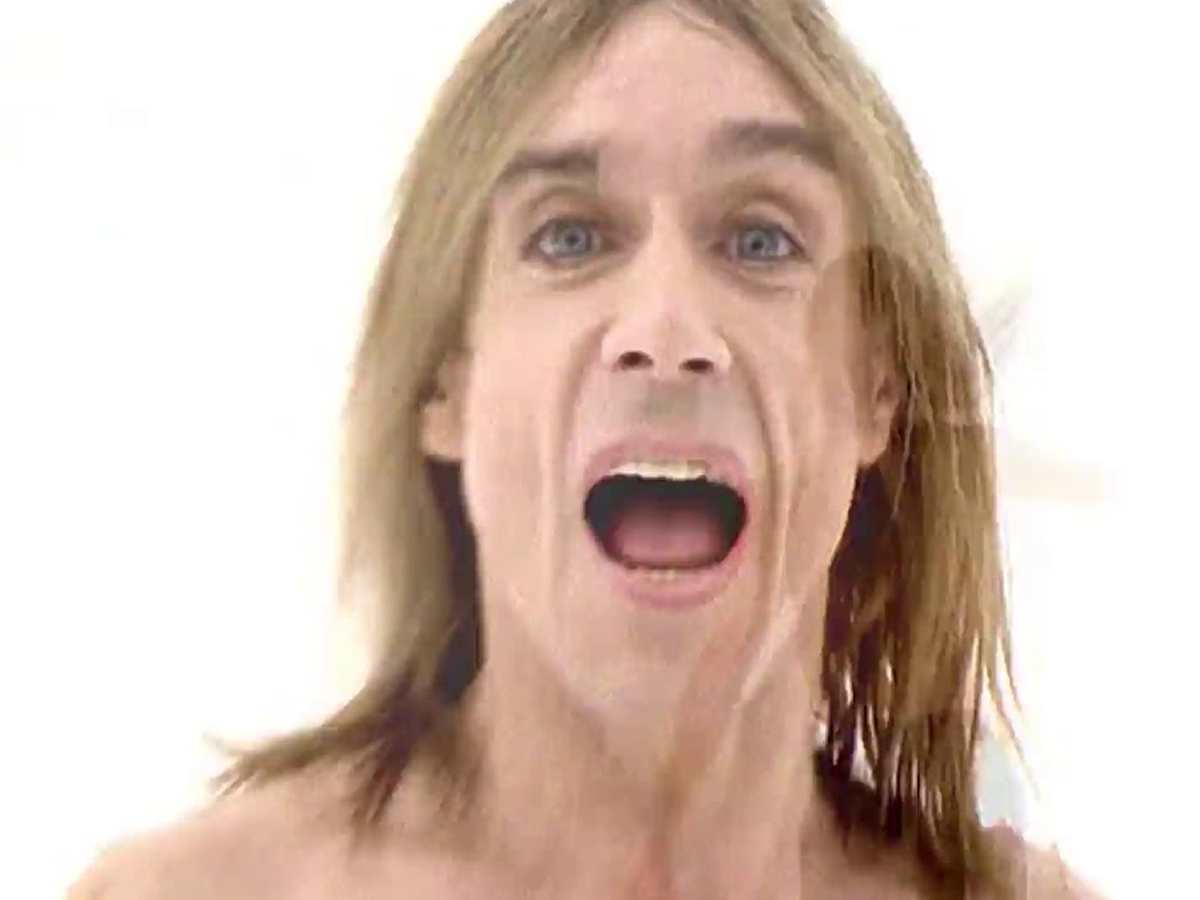
Punk never sounded so good as when Iggy Pop did it. And after he toured with good friend David Bowie in 1976, he and Bowie co-wrote “Lust for Life.”
Pop wanted the drums to be big, the cymbals to be big, the vocals to be big. It’s one of the most commercial songs used today.
“Rhinestone Cowboy” by Glen Campbell, 1975
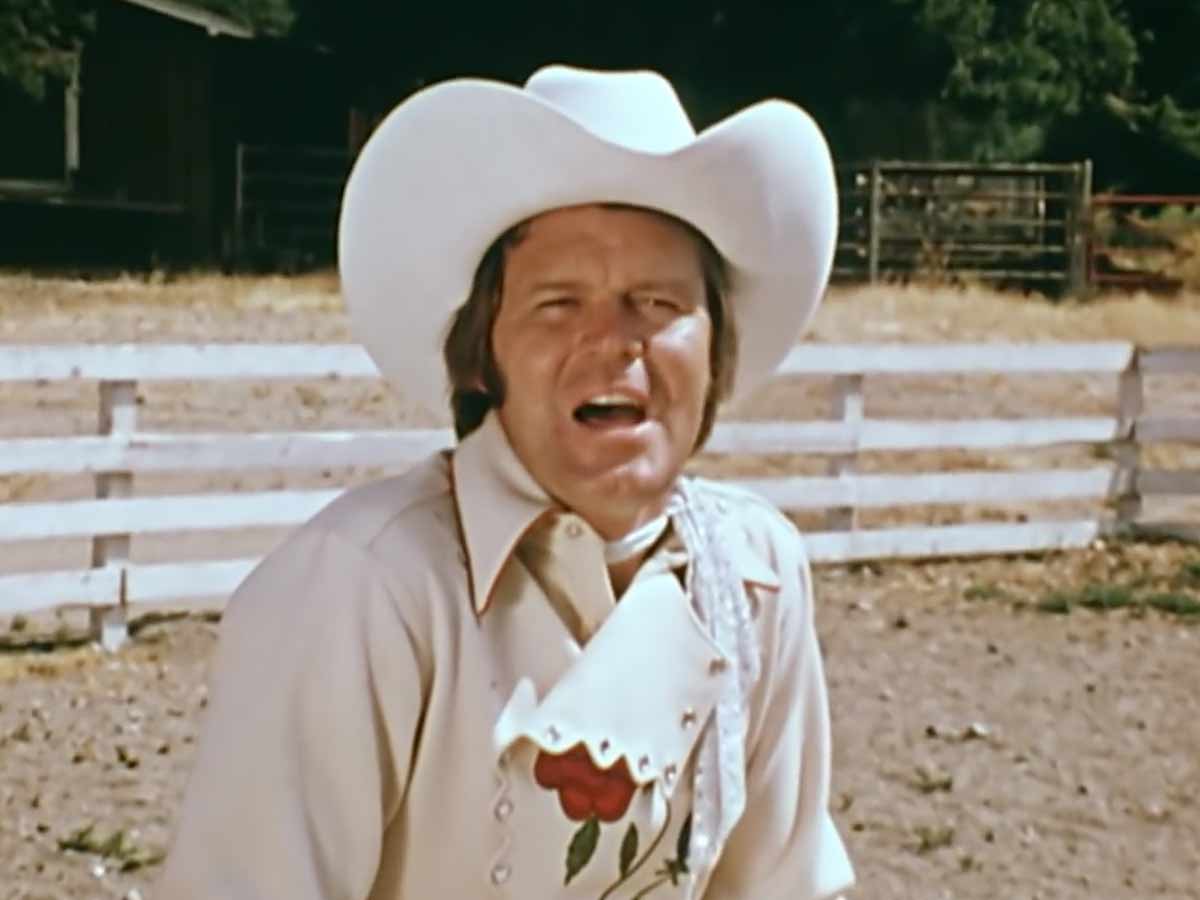
Country and pop crossed in the mid-seventies after folk had its heyday in the late sixties, and it was just perfect timing for Arkansas-born Glen Campbell. Campbell was a sensation in the ’60s and ’70s, hosting a TV show on CBS.
However, “Rhinestone Cowboy” was a critical success of a man down on his luck who just needed a little help. The song resonated with audiences and crossed the country charts into pop.
“Coal Miners Daughter” by Loretta Lynn, 1971
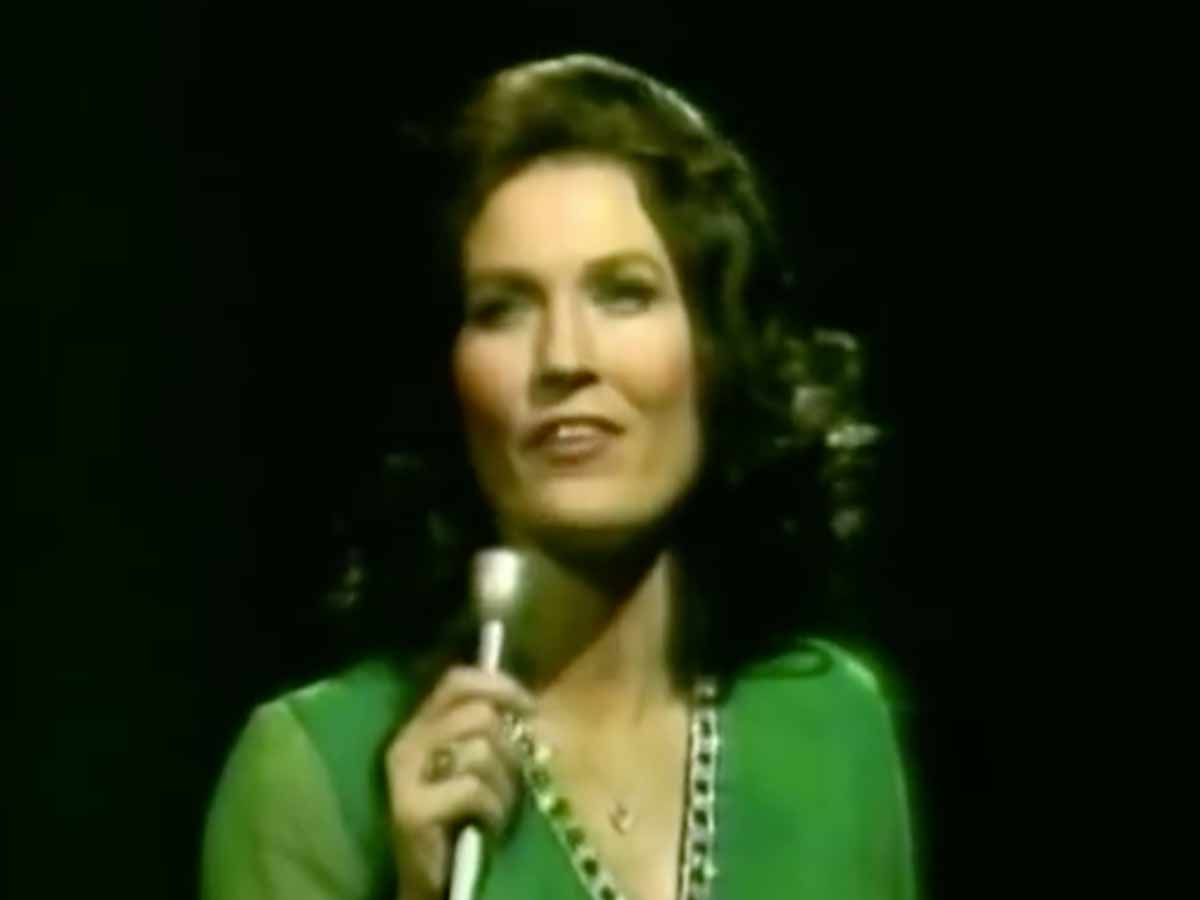
The queen of country released “Coal Miner’s Daughter” in 1971, an autobiographical song about Loretta’s life that would later go on to be a film. Lynn had some difficulty rhyming some of the words like “holler”, “daughter,” and “water,” but her Kentucky twang made it all fit like a glove.
Originally written in 10 verses, her producer asked her to knock it down to six and she cried. However, the steel guitar coupled with banjo and fiddle took her to the top of the charts.
“Cats in the Cradle” by Harry Chapin, 1974

As folk songs go, “Cats in the Cradle” is a pretty darn good- telling of a man who has no time for his kid due to his job and responsibilities. As the song goes, the same happens to the man. He wrote it based on a poem by his wife, based on the awkward relationship between fathers and sons.
A lyrical delight, “Cats in the Cradle” was nominated for a Grammy in 1975.
“Let it Be” by The Beatles, 1970

It was the ending of The Beatles, and no song said it better than “Let it Be.” Co-written by Lennon and McCartney, it was released just before McCartney announced his departure. The single and album versions are different: the single was mixed by George Martin, while the album version was more defined and remixed by Phil Spector.
While people have interpreted the lyric “Mother Mary” as biblical, it most likely hails from Mary McCartney, Paul’s mother who died of cancer in 1956.
“Stairway to Heaven” by Led Zepplin, 1971
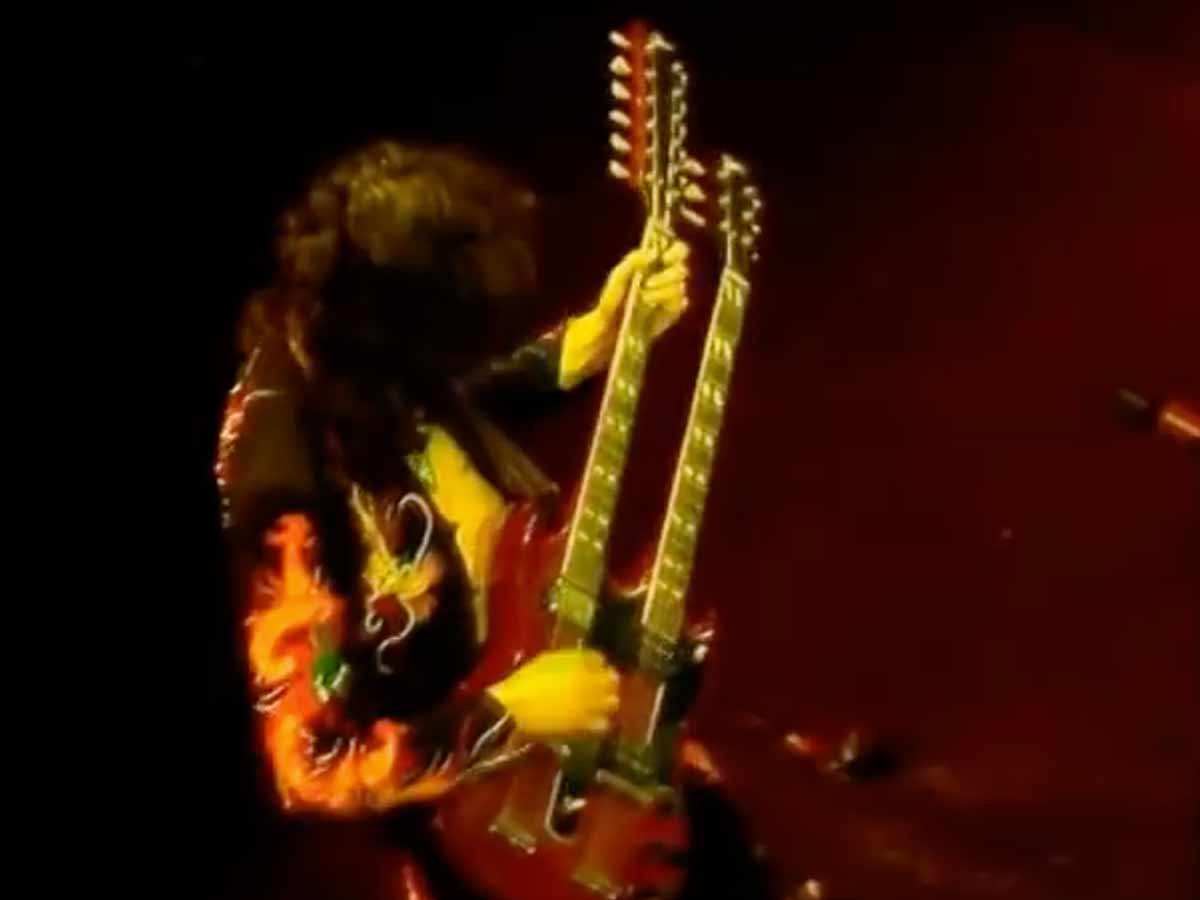
Never have Jimmy Page and Robert Plant been more influential than with “Stairway to Heaven,” a rock ballad released in the early seventies. With a medley of progressive rock, folk rock, and hard rock, the song features three distinct sections on an acoustic guitar and finishes at 7 minutes 45 seconds, with Plant’s wavering falsetto.
John Bonham and John Paul Jones helped round out the “Biggest Band in the World. “
“Rikki Don’t Lose that Number” by Steely Dan, 1974

There’s a certain flair to the supergroup known as Steely Dan, fronted by Donald Fagen and Jeff Baxter. The song is catchy and almost tango-like, making a gal two-step out onto the dance floor.
There were rumors of “number” being slang for marijuana, but they were just as quickly dismissed. Rikki was described as a gal Fagen met in high school named Rikki Ducornet.
“Bad, Bad Leroy Brown” by Jim Croce, 1973
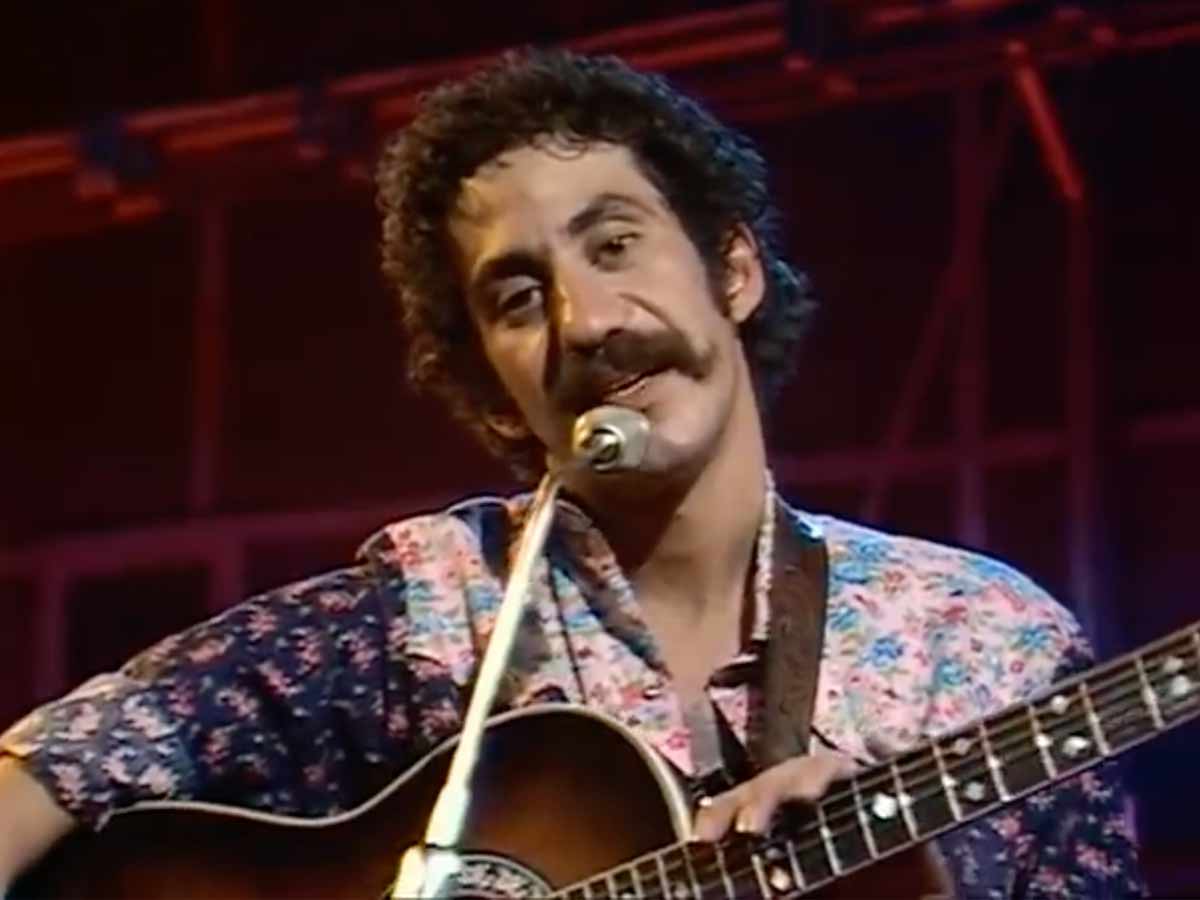
With an up-tempo folk song, Jim Croce hit the charts with a semi-biographical tune about a pretty big fella from Chicago who overdresses and generally treats people badly, based on a guy Croce met at Fort Dix in lineman school.
However, as with any folk song, there’s a lesson to be learned when Leroy Brown messes with the wrong people. Junkyard Dog references those old bulldogs that used to be tied up in junkyards to keep people from stealing stuff back in the ’60s and ’70s.
“The Hustle” by Van McCoy and the Soul City Symphony, 1975

It’s hard to explain why an instrumental song was the absolute hit of the decade, but then you’re talking about the seventies. The song happened when McCoy watched people doing a dance at their local nightclub Adam’s Apple.
“The Hustle” is widely regarded as the beginning of disco music, and although there were literally no words other than “Do the Hustle!” it became the iconic song of the seventies.
“September” by Earth, Wind & Fire, 1978
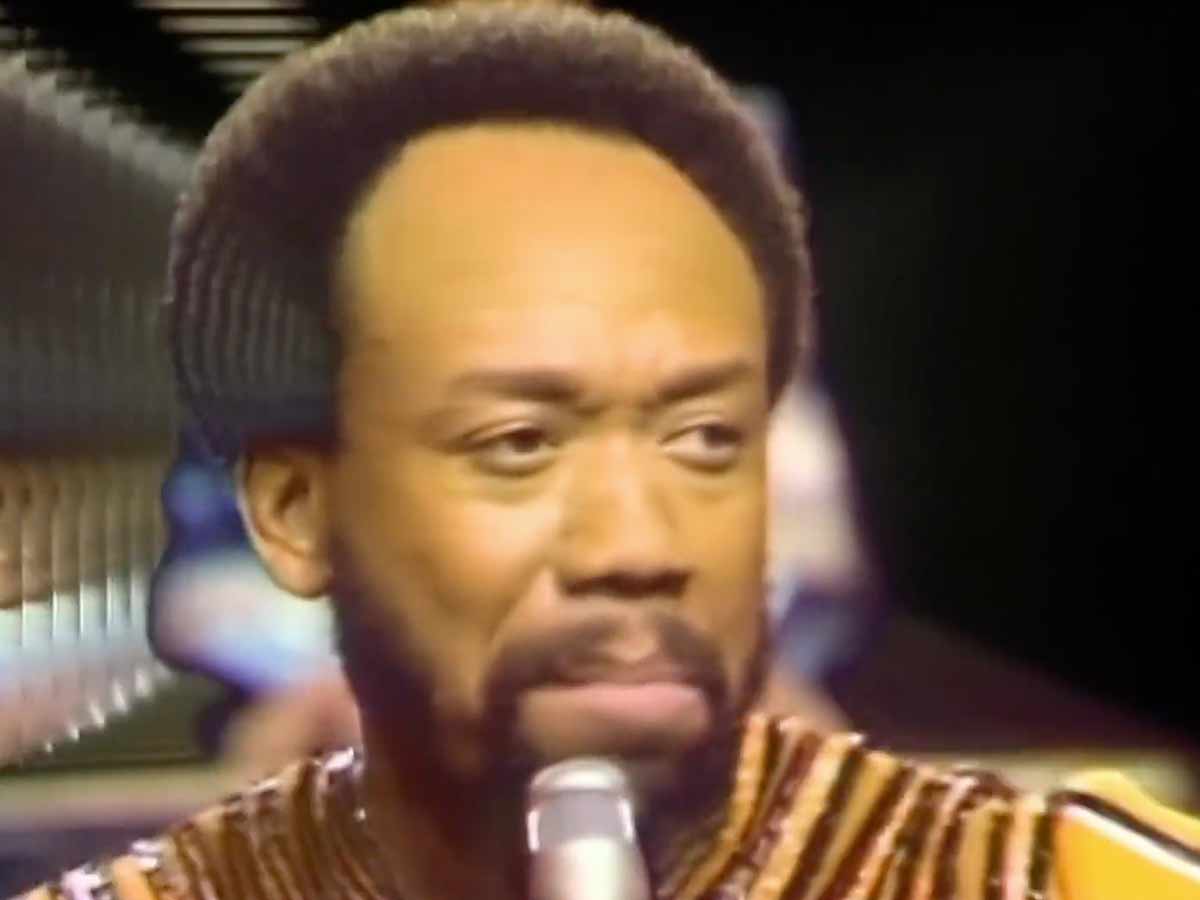
American band Earth, Wind & Fire had covered the R&B charts for a long time when “September” rolled around. With its magnificent horn section and fantastic percussions that included congas, “September” not only became one of the best songs of Earth, Wind & Fire’s career but was considered an important cultural touchstone.
It’s also been covered, remixed, sampled, and re-recorded numerous times as well as commercially used, most recently in Marvel’s Guardians of the Galaxy.
“Le Freak” by Chic, 1978
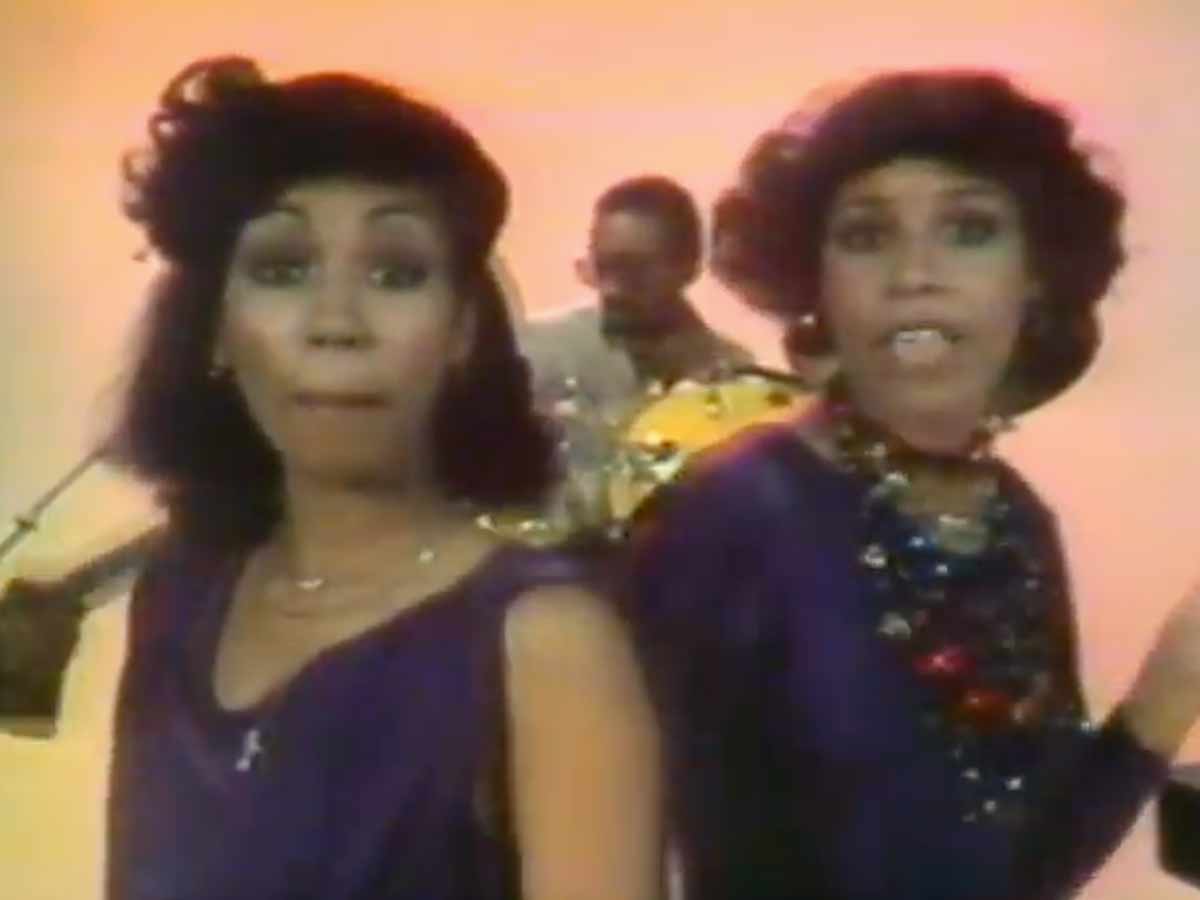
Funk meets disco for Chic, which was primarily an R&B band until their smash hit about Studio 54 invited folks along to “Freak Out.” Written and produced by Nile Rodgers, it’s said that the lyric was not “freak out” but “f^%$ off.”
The song was written when bassist Bernard Edwards was refused entrance by Studio 54 as Grace Jones’s guest. Whatever the reason behind the song, “Le Freak” lyrics became radio-safe and launched 7 million sales.
“I Love You, I Honestly Love You” by Olivia Newton-John, 1974
Fresh off the easy listening charts, Aussie Olivia Newton-John scored her first no. 1 single in the U.S. With its soft rock roots and lovely ballad and arrangement, writer Jeff Barry cemented his fame as a songwriter as it was certified gold. The song—and Newton-John—went on to win Grammys for Record of the Year and Best Female Pop Vocal Performance, losing out to “The Way We Were” for song of the year.
Fun fact: this song was playing on Chief Brody’s radio in Jaws, prior to the second shark attack.
“Mr. Blue Sky” by Electric Light Orchestra, 1977
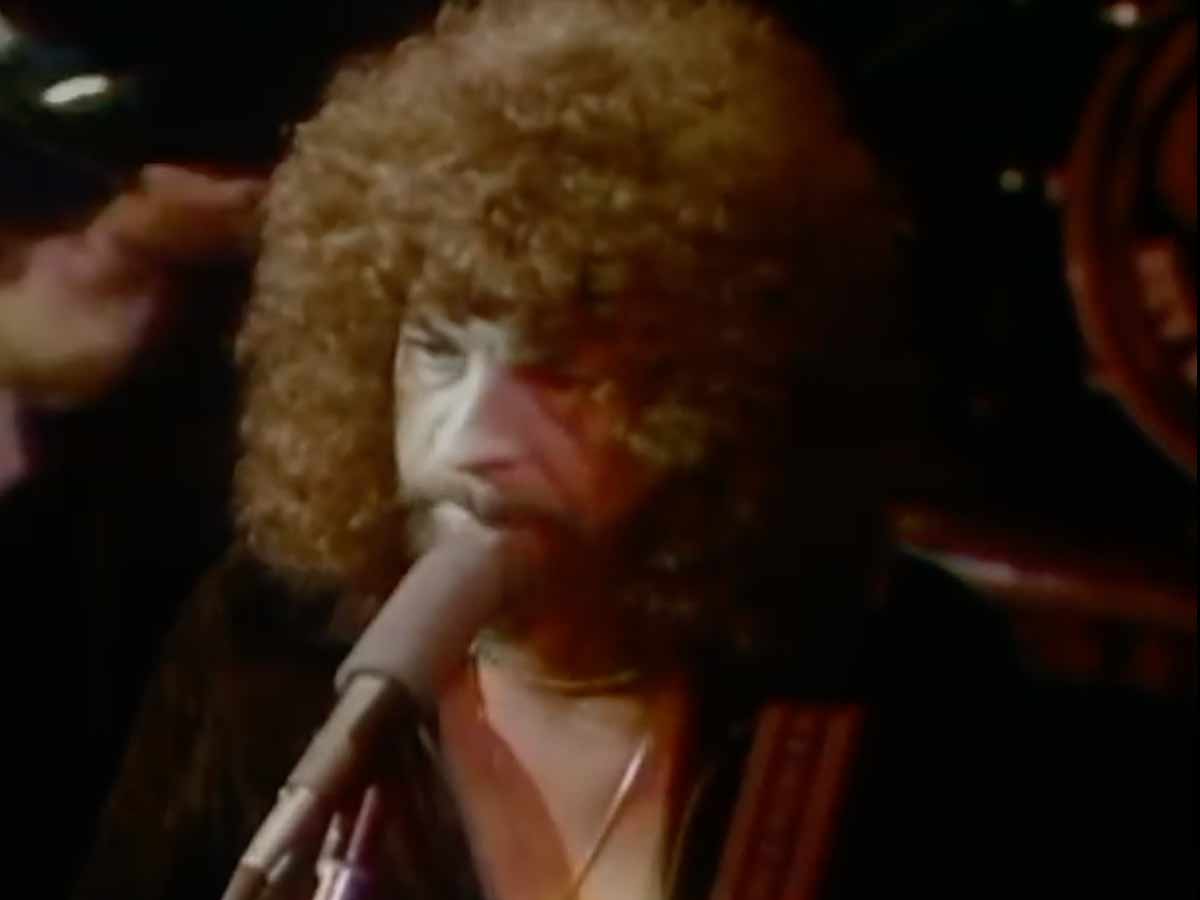
When you’re a band as big as ELO was in the mid-seventies, your albums go double platinum the moment they’re released. However, “Mr. Blue Sky” was a bit of a departure for the band, with frontman Jeff Lynne writing a bit of a throwback to The Beatles—especially stealing the first four chords of “Yesterday.”
One of the first songs to prominently feature a cowbell, it remains as one of the most recognized songs ever recorded by ELO and is commercially successful in multiple films.
“Blinded by the Light” by Manfred Mann’s Earth Band, 1976

With one of the most misheard lyrics of all time, its often easy to remember that Manfred Mann sang the song with less-than-clear diction. However, make no mistake, no one was “wrapped up like a” but “revved up like a deuce.”
The most important detail isn’t the misheard lyric, it’s that this song is a COVER of the Bruce Springsteen original from 1973 that didn’t get traction. Also notable, the band sampled themselves within the song.
“Love Will Keep Us Together” by Captain and Tennille, 1975

Songwriter Neil Sedaka wrote it and performed it first, but it was The Captain and Tennille who made it famous in 1975. Coming in hard off the easy listening chart, it wasn’t long before jukeboxes all over the U.S. had this saucy song by power couple Daryl Dragon and Toni Tennille—bouncing along as happy and free as the song itself.
The couple have the distinction of performing at the White House in 1976 during the bicentennial for Queen Elizabeth.
“Get Down Tonight” by KC and the Sunshine Band, 1975
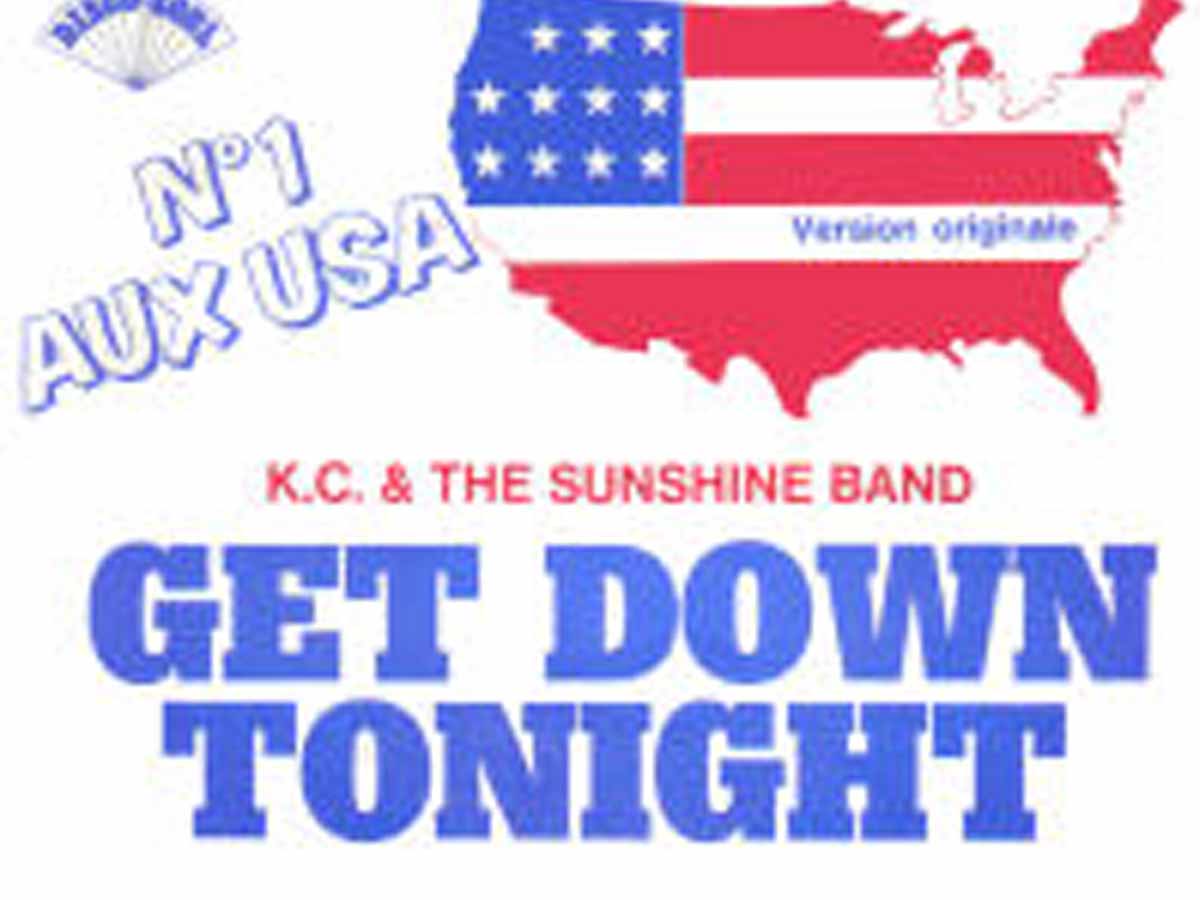
Heading out to disco land, the pop group KC and the Sunshine Band released their first song, which also became their most successful. This Florida band make it big in the seventies with more songs, but Harry Wayne Casey (KC) was originally a record store employee.
Luckily for them, a Miami radio station gave them some airtime, and soon history was made. Without that, its likely we may never have “Shake Shake Shake” or “Boogie Shoes”.
"Dreams" by Fleetwood Mac, 1977
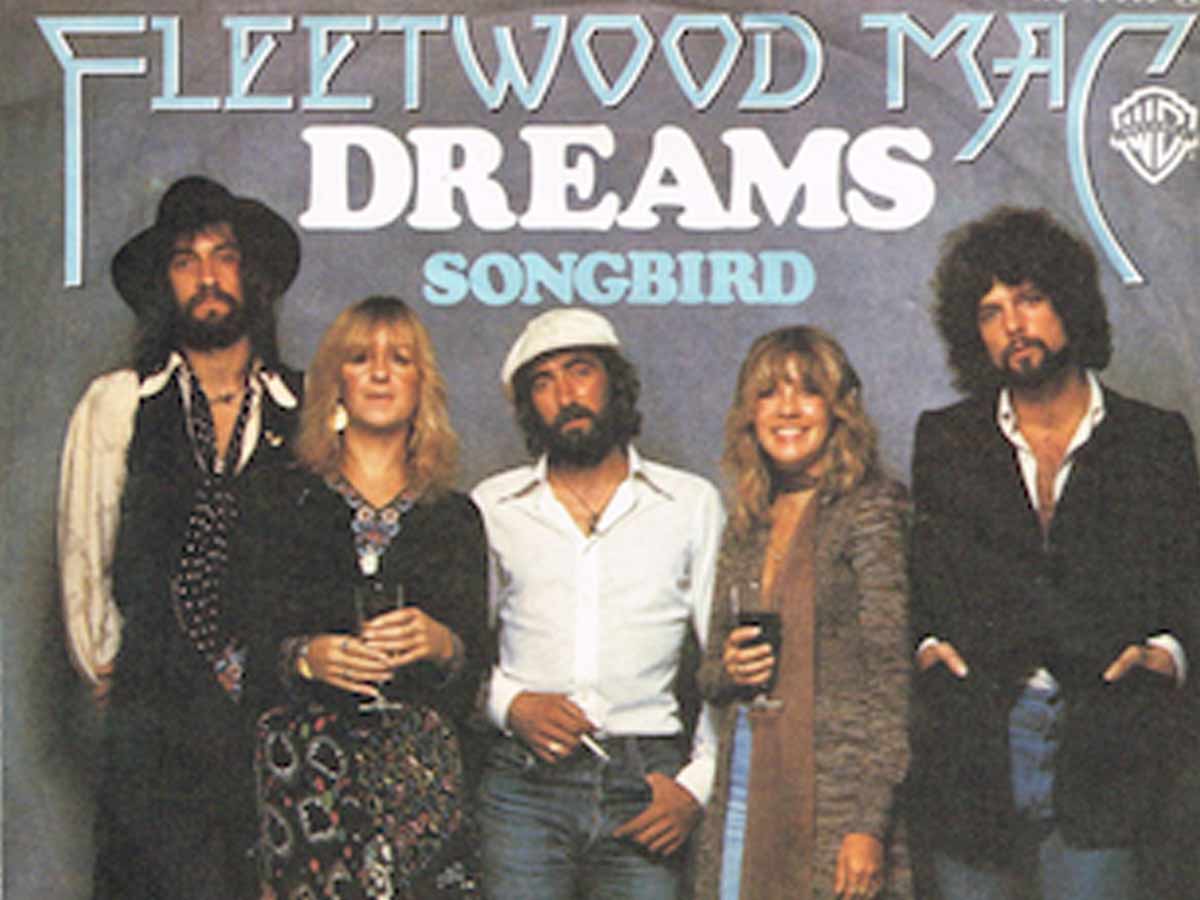
It’s hard to understand an album as diverse as “Rumours” and not immediately add 3-4 songs to this list, but we had to narrow it to just one. This band and their off-tour antics really highlight the ’70s- from style to sound.
Although each band member went through a breakup, including John and Christine McVie as well as Lindsey Buckingham and Stevie Nicks, they didn’t let that stop the magic that was Fleetwood Mac.