10 Signs and Symptoms of Pneumonia

Pneumonia is an infection that inflames the air sacs in one or both lungs and may fill the lungs with fluid and/or pus. Approximately 50,000 people die of pneumonia in the United States each year. This may be because pneumonia is harder to recognize and/or diagnose since the symptoms are so similar to those of influenza and colds.
A variety of organisms can cause pneumonia including bacteria, viruses, and fungi. Bacterial pneumonia is the most common form and is more serious than other types, being caused by bacteria. Viral pneumonia is caused by various viruses such as the flu.
The signs and symptoms of pneumonia can vary from mild to severe depending on several factors such as the type of germ that caused the infection, age, and a person’s overall health. For instance, viral pneumonia symptoms develop over several days, while bacterial pneumonia symptoms can appear suddenly or gradually.
Either way, you’ll want to see this list of ten signs and symptoms of pneumonia that you will want to watch for.
*As always, please consult with your physician for diagnosis.
Disclaimer: The information in this content is for general informational purposes only, not a substitute for professional medical advice. Always consult your doctor before making any changes to your lifestyle.
Fever, Sweating and Shaking Chills

A fever with pneumonia can get as high as up to 105 degrees Fahrenheit. This can of course cause the body to sweat or get the chills in order to control temperature. Shaking chills can occur during higher fevers.
Cough

This one may be a no brainer, but when to call the doctor for a possible pneumonia diagnosis? When you begin coughing up yellow, green, and even bloody mucus.
Shortness of Breath
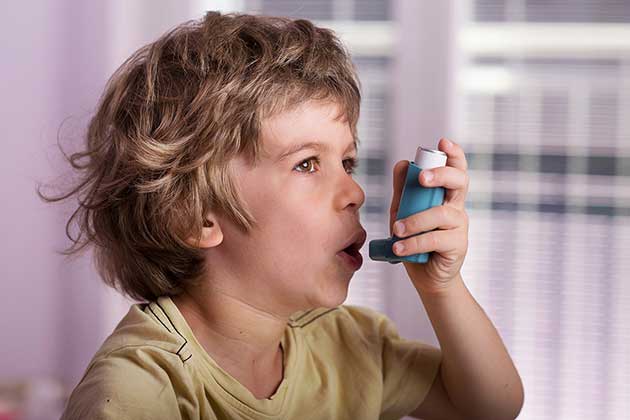
When the inflammation occurs in the lungs and they fill with fluid, the lungs are unable to expand like normal and are therefore unable to transport oxygen into the blood nor remove carbon dioxide from the blood, therefore causing the feeling of being short of breath.
Rapid Shallow Breathing
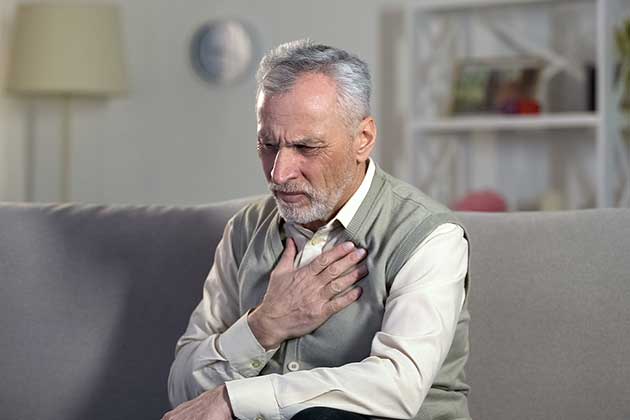
Rapid shallow breathing can be caused by several things. In this case, an infection in the lungs is the culprit. Whatever the cause, rapid shallow breathing is not normal and should be evaluated by a physician as soon as possible.
Sharp or Stabbing Chest Pain

Pleura is a thin layer of tissue that wraps around the lungs that protects them from rubbing against the chest cavity. When you have a lung infection such as pneumonia, this causes the pleura to become inflamed and swollen and to generally make breathing more painful.
Loss of Appetite, Low Energy, Fatigue

There are many causes of loss of appetite but during an illness such as pneumonia, it is a common side effect. Low energy and fatigue are caused both by the body fighting off the infection and the fluid built up in the lungs that makes it harder to draw a deep breath.
Nausea, Diarrhea and Vomiting, Especially Small Children

Some newborns and small children up to the age of 2 may not exhibit the same signs and symptoms as adults with pneumonia. If vomiting accompanies fever and lethargy, it may be a good idea to take them to be evaluated by a physician.
Confusion in Older People

Many of the same symptoms that an adult may experience with pneumonia are different than the symptoms someone over the age of 65 may experience. One of these symptoms is confusion. A 2014 study found a correlation between antibody levels (cells that fight off infections in the body) to worsening memory, planning, and reasoning during an infection according to baptisthealth.net.
Lips and Nails May Develop Bluish Tint

Depending on the severity of the pneumonia infection, the lips and nailbeds may change color from pale/white to blue. This is due to the lack of oxygen a body receives during a lung infection. In the more severe cases of pneumonia, lips, toes, and nailbeds can turn blue; a condition called cyanosis.
Restlessness or Lethargy in Babies

Pneumonia accounts for 13% of all infectious illnesses in infants younger than 2 years old. Newborns commonly present with poor feeding and irritability but may also become lethargic or restless. They may or may not have a fever as well as nausea and vomiting.
