

Early vs. Late Warning Signs of Blocked Arteries
Your arteries carry oxygen-rich blood from your heart to every part of your body. Over time, a sticky substance called plaque can build up inside them, making the pathway narrower and slowing blood flow. This process, known as atherosclerosis, often happens quietly for years before it causes serious trouble. The good news is that your body usually sends signals along the way. Some of these signs show up early and are easy to brush off, while others appear late and call for emergency care. Learning to tell the difference can help you get treatment in time and protect your heart, brain, and the rest of your body.
Early Warning Signs
Mild Chest Discomfort or Pressure

One of the first clues of a blocked artery is a mild feeling of pressure, tightness, or squeezing in the chest. It often shows up during physical activity, such as climbing stairs or walking fast, and fades when you rest. This happens because your heart needs more oxygen when you exert yourself, but narrowed arteries can’t deliver enough. Doctors call this pain angina. It may feel more like heaviness than sharp pain, so many people ignore it. If you notice this pattern, it’s worth talking to your doctor soon.
Unusual Fatigue, Especially with Exertion

Feeling tired now and then is normal, but constant or unexplained exhaustion can be a red flag. When arteries are narrowed, your muscles and organs may not get the oxygen-rich blood they need to work well. As a result, tasks that used to feel easy, like carrying groceries or walking up a hill, may leave you drained. This type of fatigue often feels different from ordinary tiredness and doesn’t improve much with extra sleep. It’s easy to blame stress or aging, but it deserves attention if it’s new or getting worse.
Shortness of Breath During Routine Tasks
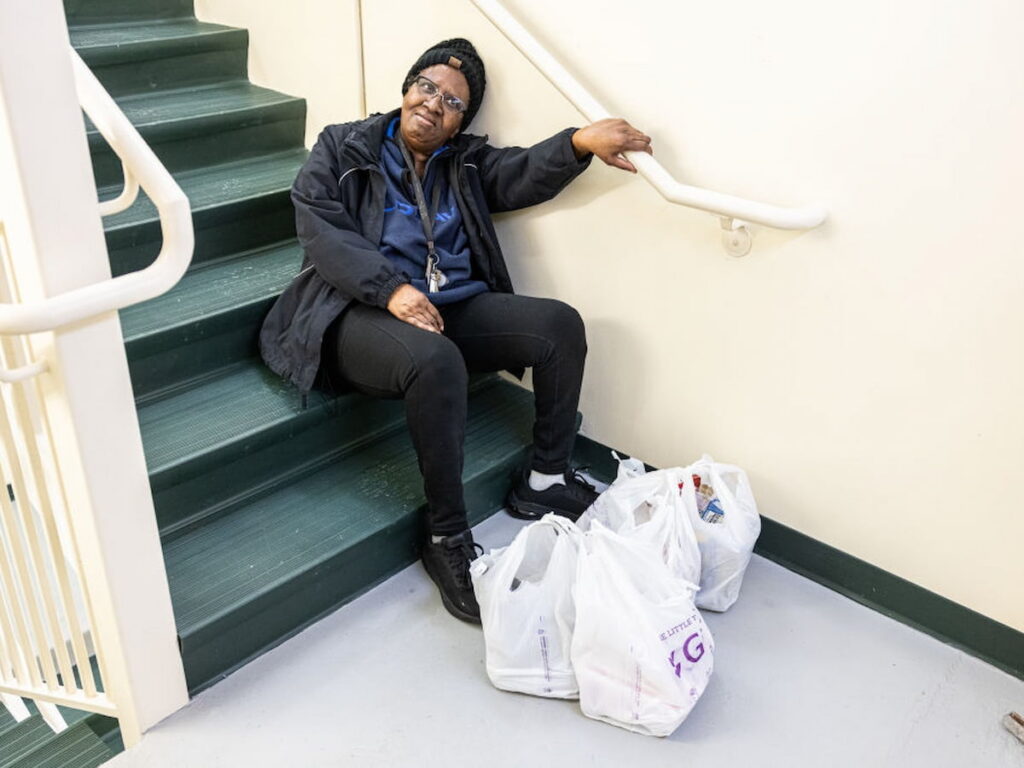
Getting winded during everyday activities, like making the bed or walking to the mailbox, can signal that your heart isn’t getting enough blood flow. A heart working under strain may struggle to keep up with your body’s demand for oxygen. You might notice that you need to pause and catch your breath more often than before. Many people assume they are just out of shape, but sudden changes in your breathing should not be ignored. Mention this symptom to your doctor, especially if it comes with chest discomfort or fatigue.
Pain or Cramping in the Legs While Walking
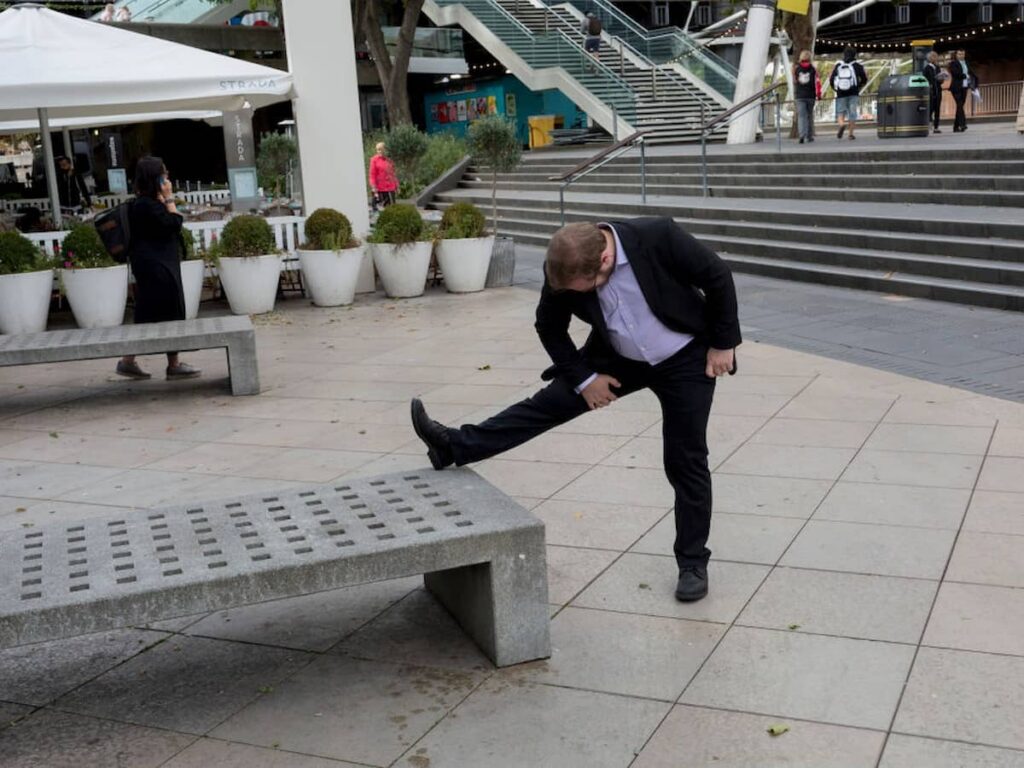
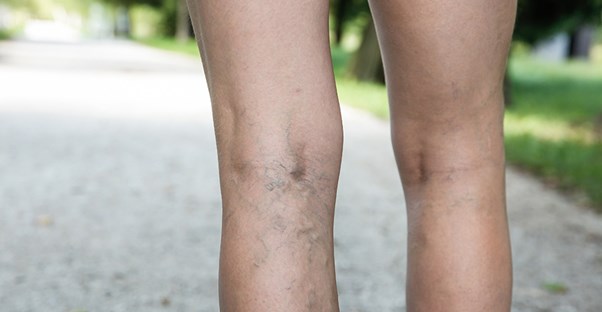
Leg pain or cramping that starts when you walk and eases when you stop is called intermittent claudication. It usually affects the calves, thighs, or hips. The cause is narrowed arteries in the legs, which limit the blood your muscles receive during movement. When you rest, the demand drops and the pain goes away, which is why it comes and goes. This sign is linked to peripheral artery disease, and it can also hint that arteries elsewhere in your body may be affected.
Cold Hands or Feet
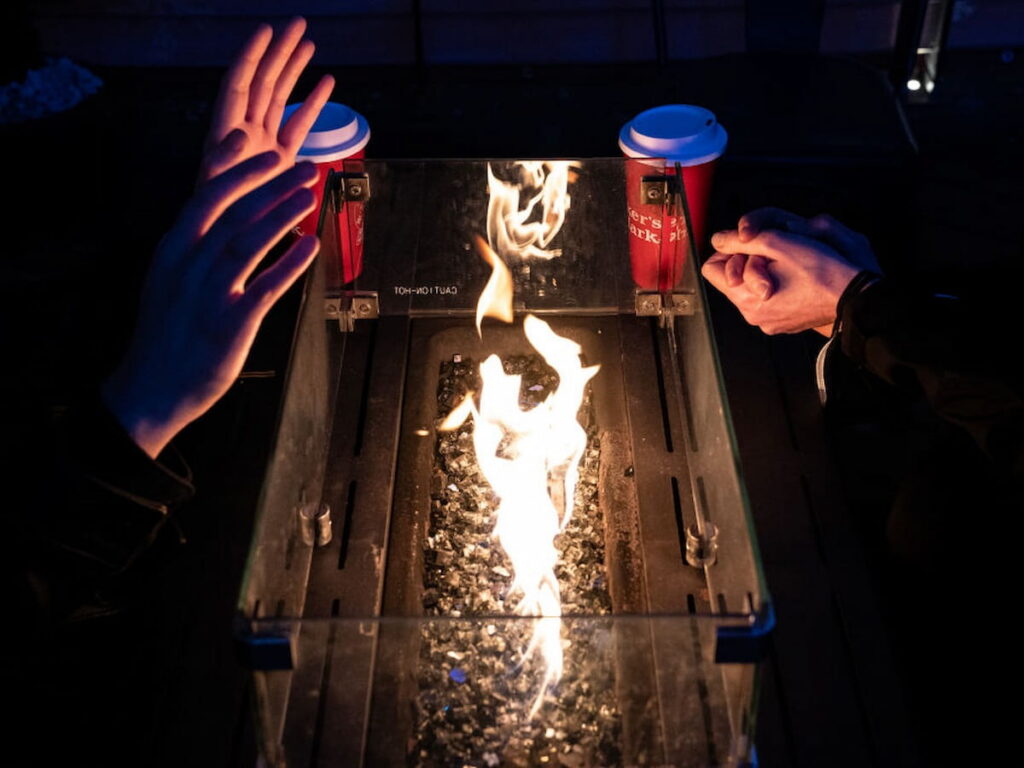
If your hands or feet often feel cold, even in a warm room, poor circulation could be part of the reason. Blocked or narrowed arteries can reduce the amount of warm blood reaching your fingers and toes. You might also notice that one foot or hand feels colder than the other, or that your skin looks pale or bluish. Of course, cold hands and feet have many harmless causes, so this sign alone doesn’t confirm a problem. Still, when it appears along with other symptoms, it’s a good reason to get checked.
Slight Dizziness or Lightheadedness

Feeling a bit dizzy or lightheaded, especially when you stand up or exert yourself, may mean your brain isn’t getting a steady supply of blood. Narrowed arteries in the neck or heart can cause this kind of dip in blood flow. The feeling may last only a few seconds, so it’s easy to shrug off. However, repeated episodes are worth mentioning to your doctor. Dizziness can come from many causes, including dehydration or medications, and a medical visit can help sort out which one applies to you.
Numbness or Weakness in the Limbs
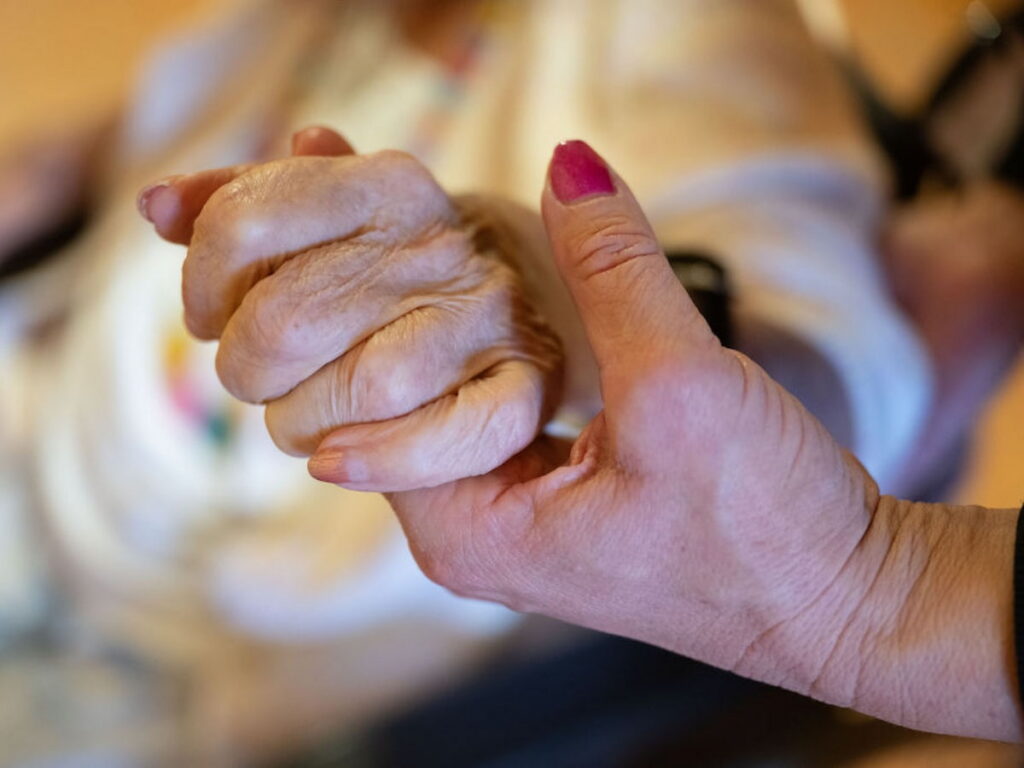
Occasional numbness, tingling, or weakness in your arms or legs can happen when blood flow to your limbs is reduced. Your nerves and muscles depend on a steady supply of oxygen, and they may react when that supply drops. You might notice your hand feels “asleep” more often or that your leg feels unusually heavy. Short, mild episodes may seem harmless, but a pattern of them should not be overlooked. Sudden or one-sided numbness is more serious, though, and needs emergency care right away.
Late Warning Signs
Severe Chest Pain, Especially at Rest
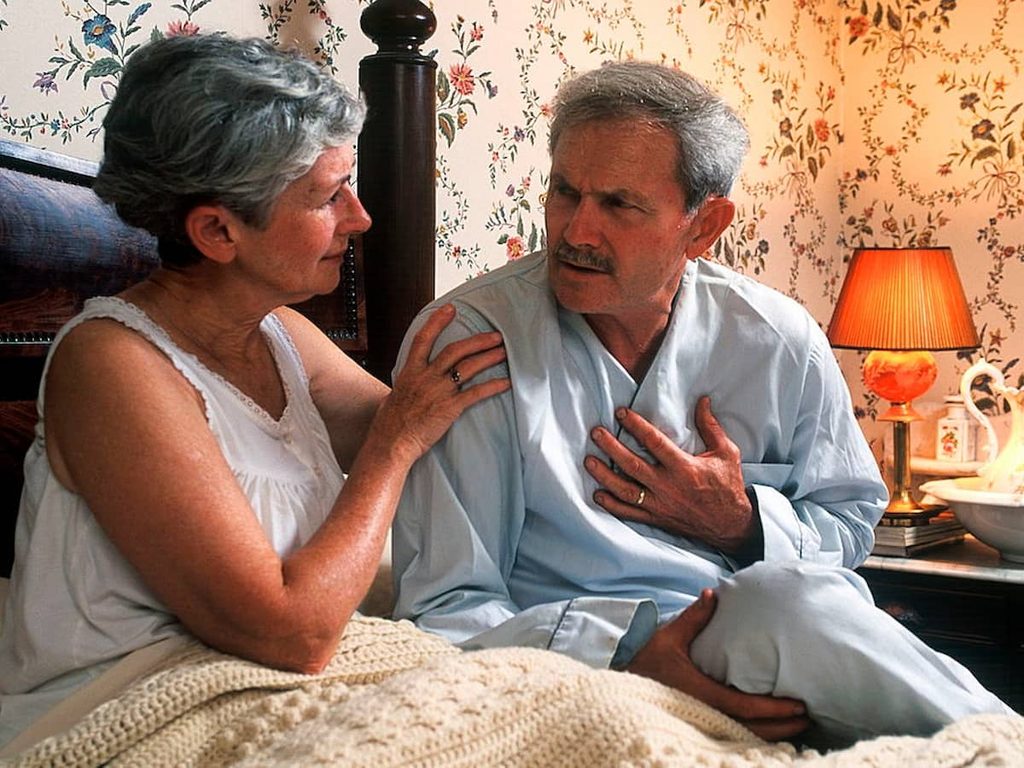
Chest pain that is strong, crushing, or burning and shows up even when you are sitting still is a major warning. Early angina usually fades with rest, but pain at rest suggests an artery may be nearly or fully blocked. The pain can last more than a few minutes or keep coming back. It may feel like a heavy weight sitting on your chest. This can be a sign of a heart attack, so call emergency services instead of driving yourself to the hospital.
Pain Radiating to the Arm, Neck, Jaw, or Back

Sometimes the pain doesn’t stay in the chest. It can spread to your left arm, shoulder, neck, jaw, or upper back. This happens because nerves in these areas share pathways with nerves from the heart, so your brain can confuse where the pain is coming from. Women in particular may feel pain in the jaw or back more than in the chest. If this kind of pain comes with chest pressure, sweating, or breathlessness, treat it as an emergency.
Sudden Weakness, Confusion, or Trouble Speaking
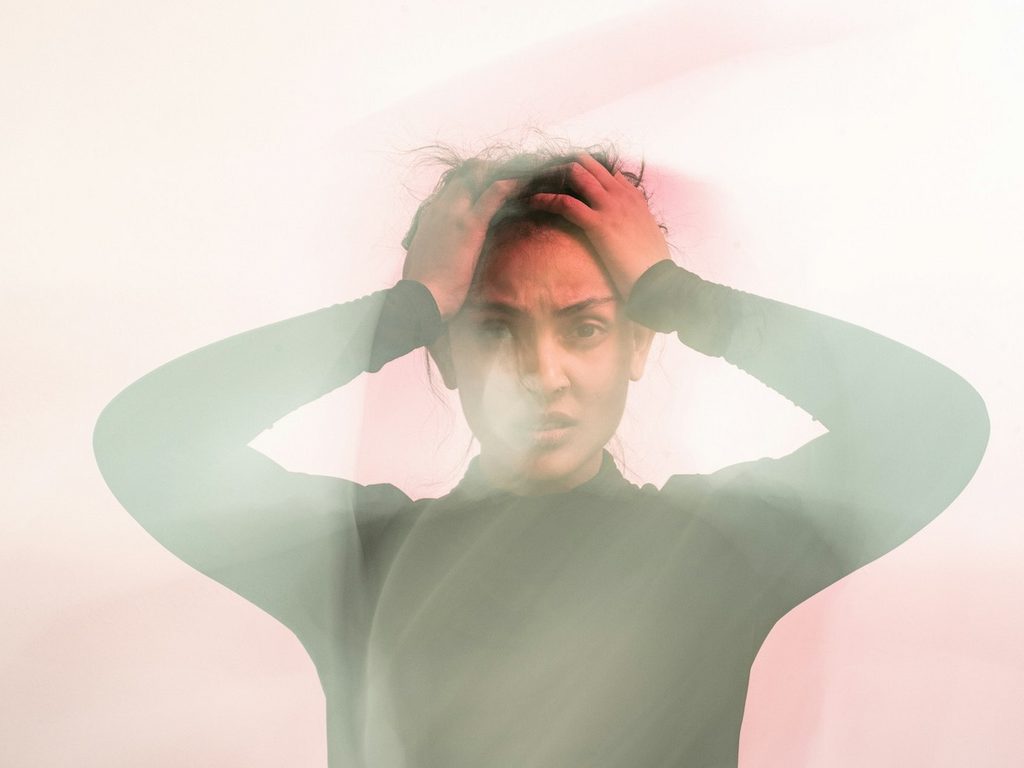
These signs can mean a stroke, which happens when blood flow to part of the brain is blocked. You might see one side of the face droop, an arm drift downward, or speech become slurred or hard to understand. Some people also feel suddenly confused or have trouble seeing. A helpful way to remember this is the FAST test: Face, Arm, Speech, Time. Every minute counts during a stroke, so call 911 immediately, even if the symptoms seem to improve.
Extreme Shortness of Breath
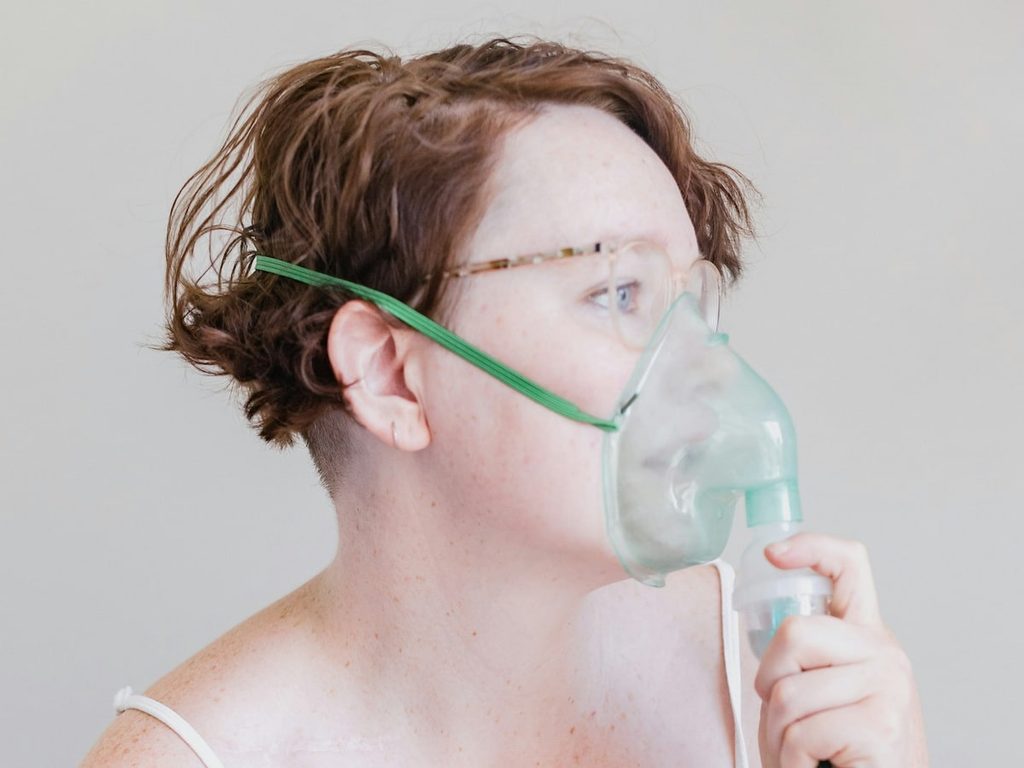
Early on, you might get winded during busy activities. In the late stage, breathing trouble can become severe and may happen even when you are resting. You may feel like you can’t get enough air, or you may need to sit upright to breathe comfortably. This can mean your heart is struggling badly to pump blood, causing fluid to back up in the lungs. Struggling to breathe is never something to wait out, so seek emergency help right away.
Fainting or Loss of Consciousness
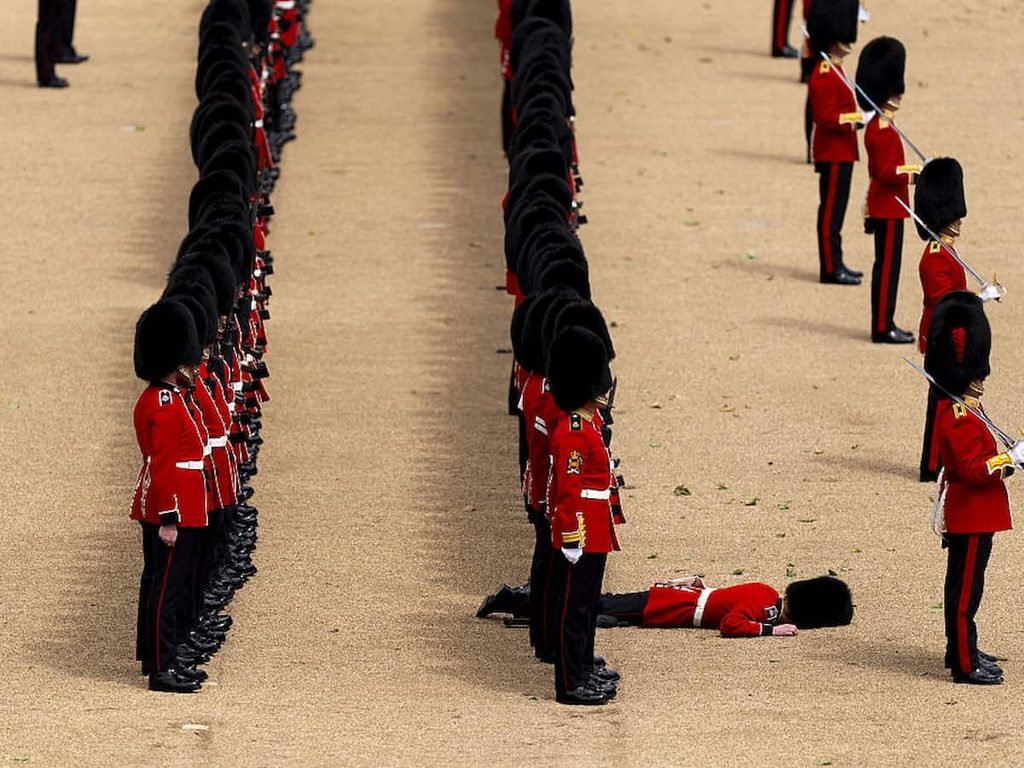
Passing out is a serious sign that your brain, for a moment, didn’t get enough blood. It can happen when the heart beats too slowly, too fast, or too weakly because of a blockage. Some people feel warning signs first, such as dizziness, blurred vision, or a pounding heartbeat. Others faint with no warning at all. Even if you wake up and feel fine, you should get medical care right away to find out what caused it.
Nausea or Cold Sweats
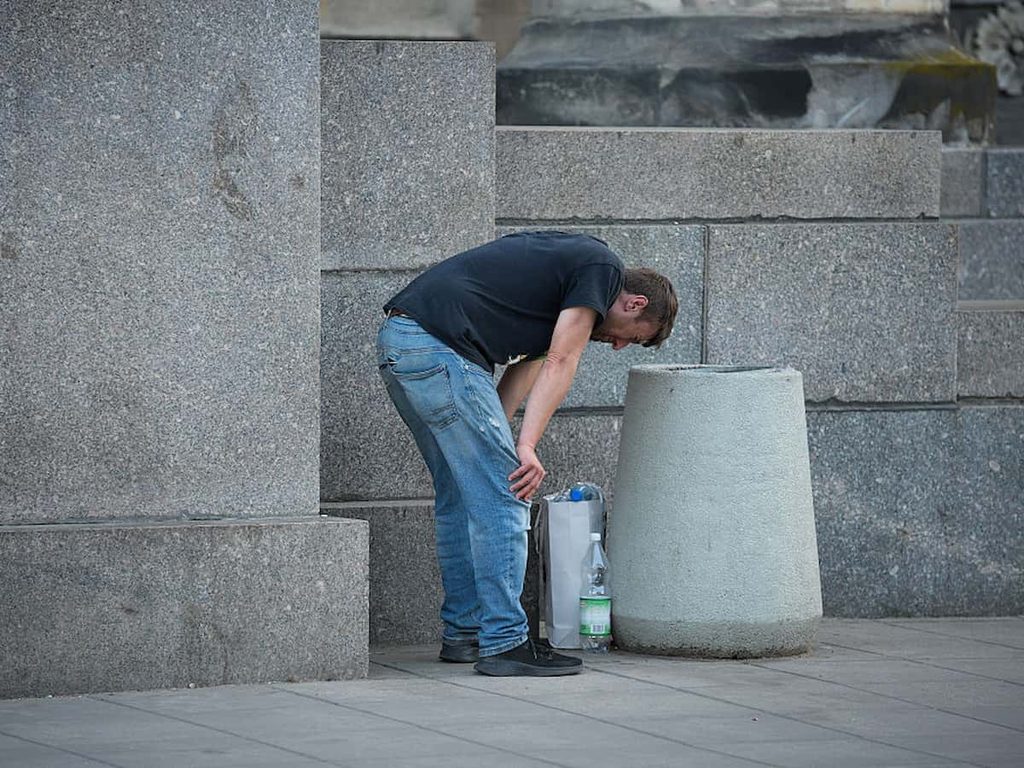
Breaking out in a cold, clammy sweat for no clear reason can be a sign that your body is under severe stress. Nausea, stomach discomfort, or vomiting may come along with it, and people sometimes mistake these symptoms for the flu or indigestion. These signs are especially common in women, older adults, and people with diabetes during a heart attack. If they appear together with chest pain, shortness of breath, or lightheadedness, don’t ignore them. Call for emergency help.
Skin Discoloration / Bluish or Pale Extremities
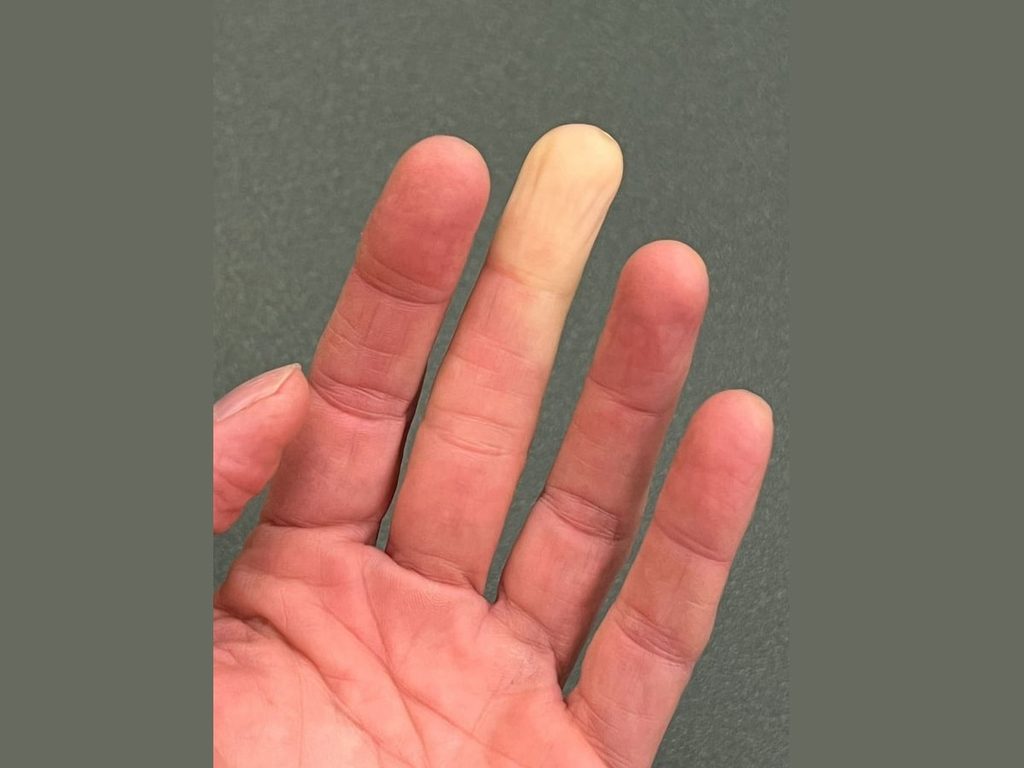
When your fingers, toes, hands, or feet turn blue, pale, or gray, it may mean blood is barely reaching those areas. The skin may also feel very cold, look shiny, or heal slowly if you have a cut or sore. In advanced cases, the tissue can start to die if blood flow is not restored. A sudden color change in a limb, along with pain or numbness, is an emergency. Getting care quickly can help save the limb.
Persistent Pain in Legs or Feet, Even at Rest
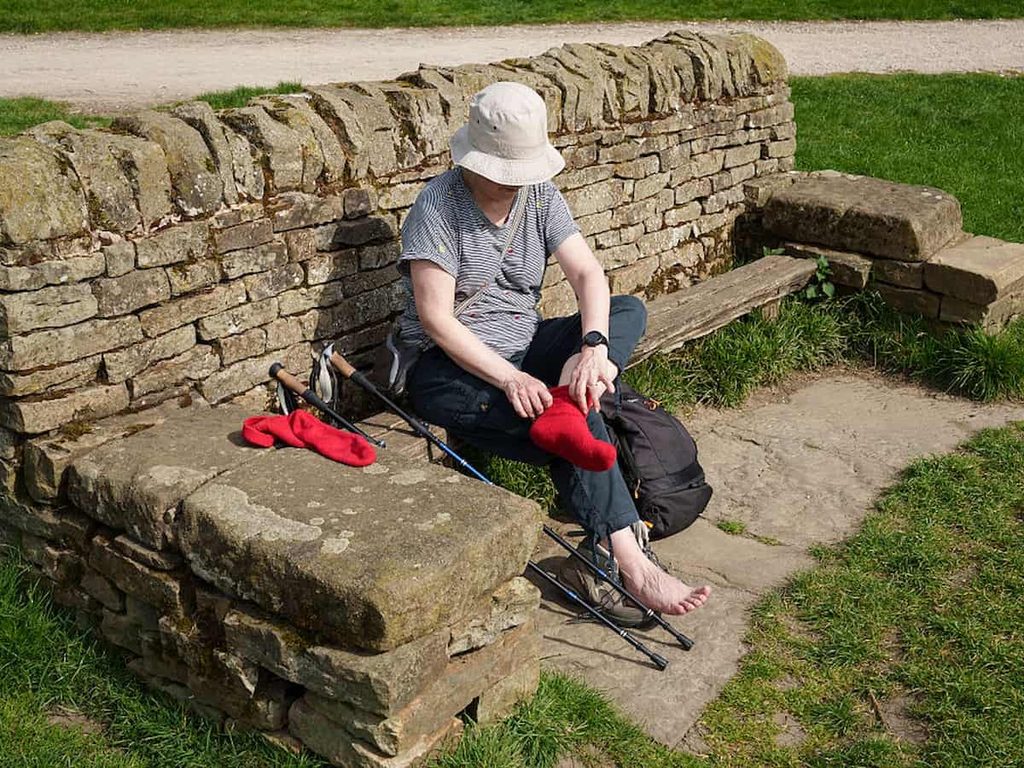
Earlier, leg cramps may have appeared only when you walked. In the late stage, the pain can continue while you are resting or lying down, and it often feels worse at night. Many people find relief by hanging their legs over the side of the bed. This is called rest pain, and it means blood flow to the legs is severely limited. You may also notice sores on your toes or feet that won’t heal. See a doctor as soon as possible, because this stage can lead to serious complications.