


The Biggest Financial Mistakes Each Generation Has Made
Every generation is a product of its economic environment. The financial habits we form—and the mistakes we make—are rarely random. They are deeply shaped by the world we grew up in, from the shadow of the Great Depression to the viral buzz of social media. While it is easy to look back with hindsight, each age group has succumbed to its own unique financial blind spot.
By zooming out, we can see a fascinating shift in how Americans view money: moving from a generation that played it too safe, to one that trusted the market too much, to younger generations rewriting the rules of spending and investing entirely. Here is a look at the defining financial misstep of each generation and the economic forces that drove them to it.
The Silent Generation (Born ~1928–1945): Playing It Too Safe
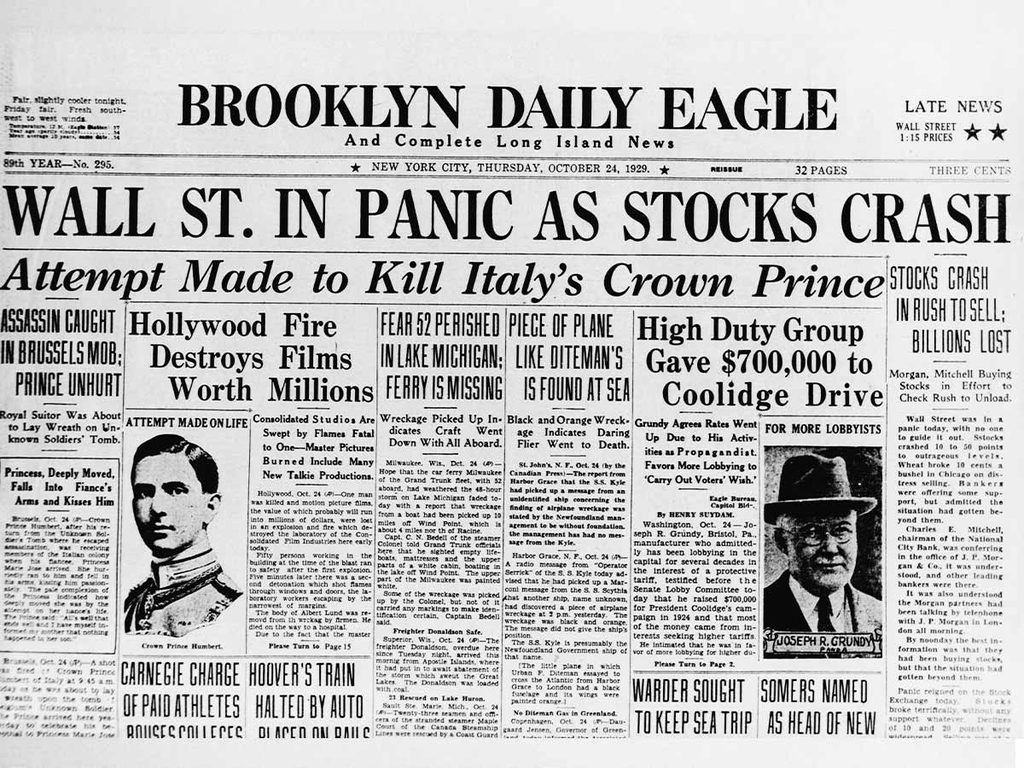
Shaped by the Great Depression, the Silent Generation developed a deep aversion to financial risk. Saving was prioritized above all else, often at the expense of investing.
While that caution provided stability, it also meant many missed out on long-term market growth during one of the strongest economic expansions in history. Keeping too much money in cash or low-yield savings accounts limited wealth-building potential over time.
Baby Boomers (Born ~1946–1964): Overconfidence in Ever-Rising Assets

Boomers came of age during decades of economic expansion, rising home values, and strong stock market performance. Their biggest financial mistake was assuming that growth—especially in housing—would continue indefinitely.
This mindset led many to overinvest in real estate, carry large mortgages later into life, or rely too heavily on home equity as a retirement plan. Events like the 2008 financial crisis exposed how fragile that assumption could be.
Generation X (Born ~1965–1980): Underinvesting for Retirement

Gen X is often called the “forgotten generation,” and financially, that tracks. Sandwiched between larger generations, many faced economic uncertainty, the shift from pensions to 401(k)s, and multiple market downturns.
Their biggest mistake? Not investing early or aggressively enough for retirement. Whether due to skepticism, lack of guidance, or competing financial pressures, many started late—making it harder to catch up later in life.
Millennials (Born ~1981–1996): Prioritizing Experiences Over Long-Term Assets

Millennials didn’t just delay wealth-building—they often redirected their money elsewhere. Their defining financial habit has been prioritizing experiences over ownership.
Travel, concerts, dining, and lifestyle spending became central, partly as a response to economic realities. When homeownership felt out of reach and job stability was uncertain, spending on meaningful experiences made more sense than chasing traditional milestones that seemed unattainable.
But there’s a trade-off. While experiences create memories, they don’t compound financially. Consistently choosing short-term enjoyment over long-term investing—even in small ways—can add up over time. It’s not about irresponsibility; it’s about a shift in values that sometimes comes at the cost of building assets.
Generation Z (Born ~1997–2012): Treating Investing Like Entertainment

Gen Z has unprecedented access to financial tools—apps, crypto markets, and real-time trading platforms. But their biggest financial mistake is often approaching investing like a game.
Chasing trends, reacting to social media hype, and focusing on short-term gains can lead to risky decisions. While some gain early wins, others experience losses that highlight the downside of treating volatile markets like fast-paced entertainment.